
Automating FX Hedging And Applying AI In Treasury At Breitling
What does it take to transform treasury into a strategic driver inside a global luxury brand?
In this episode, Olivier Smekens, Global Head of Treasury at Breitling, shares how he’s leveraging fintech, automation, and agile thinking to future-proof treasury operations – and what you can learn from his approach.
Listen on:



Featuring
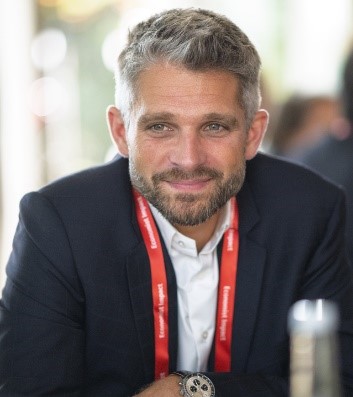

About this episode
With a career spanning consulting, automotive manufacturing, and high-growth private equity environments, Olivier brings a wealth of cross-industry experience. At Breitling, he’s leading the digital transformation of treasury – automating FX hedging, preparing for IPO-readiness, and exploring the frontiers of AI in financial systems.
Whether you’re building a treasury function from the ground up or optimizing an established one, you’ll walk away with practical insights on:
- Implementing automation to manage FX risk
- Evaluating next-gen treasury tech
- Supporting rapid growth in a private equity setting
This conversation is a must-listen for treasury professionals ready to elevate their role as strategic enablers of growth.
What We Cover in This Episode:
- Olivier’s career path: from KPMG auditor to global treasury leader
- Transitioning into treasury without prior experience – and thriving
- Key treasury challenges in the automotive industry (FX risk, liquidity, decentralization)
- What it’s like to lead treasury in a private equity-backed company
- How treasury supports high-growth initiatives at Breitling, including acquisitions and expansion
- Implementing FX hedge automation using Kantox
- Preparing for a TMS rollout: evaluating AI capabilities and tech providers
- The role of NFTs and blockchain in Breitling’s digital innovation
- Embracing a tech-forward mindset to drive treasury efficiency
- How cross-cultural experience has shaped Olivier’s leadership style
- Why soft skills and simplification are vital for board-level impact
You can connect with Olivier Smekens on LinkedIn.
—
🎙️ Subscribe to the Treasury Career Corner podcast – Never miss an episode! Subscribe on your favourite platform:
CLICK HERE for 🎧Spotify Podcasts
CLICK HERE for 🍏Apple Podcasts
🎓 Exclusive discount on CTP & FPAC – Visit our AFP partner page to find out how much you can save: https://treasuryrecruitment.com/partners/afp/
💡 Earn CTP credits just by listening – Selected episodes of the Treasury Career Corner are AFP-accredited. Listen, take a short quiz, score 80% or more, and we’ll send you your free certificate. Filter by CTP Eligible at https://treasuryrecruitment.com/podcasts/
🌍 EuroFinance International Treasury Management – September 16th-18th 2026, Barcelona – The world’s largest treasury event. Save 10% with our exclusive discount code: MKTG/B/TRP10. Book here: https://treasuryrecruitment.com/partners/eurofinance/
👉 FIND OUT MORE HERE https://treasuryrecruitment.com/partners/
Mike Richards, CEO, The Treasury Recruitment Company: Welcome to this week’s Treasury Career Corner podcast, where I interview treasury professionals about their treasury careers. Each and every week, I’ll talk to treasurers about how they build their careers, where they are now, where they see both themselves and the treasury profession. Going to next, let’s get on with the show.
Mike Richards: In this week’s show, I’m joined by Olivier s Meekins, the Global Head of Treasury at Breitling. Breitling is a leading Swiss watch maker pushing boundaries. Since 1884, the innovative company invented the mon modern chronograph and pioneered the navigational tool. Watch today is still breaking new ground as a casual, approachable, and sustainable luxury brand with its unmistakable, modern retro style.
Mike Richards: Breitling is both a company with a history and one that is ahead of its time, but I’m gonna get. Olivier. Tell us a little bit more about the brand and everything else Later on on the show. We’re gonna go back to the beginning of his career and talk about how you first started in finance and treasury.
Mike Richards: Over to you, sir.
Olivier Smekens, Global Head of Treasury at Breitling: Hello, Mike? Yes. Great to be speaking today and being able to share something about my career. Yes. Great. Really honored that you invited me. I started my career at KPMG back in time in Belgium. As a consultant in risk, so doing internal audits, I mean also risk management assignments, et cetera.
Olivier Smekens: What I liked a lot about, I mean that first step in my career is that you get assignments in plenty of different industries, right? And as a young graduate, it’s great and to get a feel of what you will really like to do in life, right? So. In the insurance industry, in production, in oil and gas, even for government institutions, and quite quickly I noticed that I like tangible stuff, right?
Olivier Smekens: So after a few years there as a consultant, which I enjoyed a lot, I moved into the automotive industry and I was, had an DIC measure traveling around the world for two weeks per month, somewhere on the planet auditing, manufacturing parts.
Mike Richards: That was with, and that you say you automated, that was how you said Bosal?
Olivier Smekens: Yeah. Was both. Also, it’s a Dutch privately owned company. They make tool bars and exhaust systems. It’s a great, I traveled around the world, went to Kazakhstan, the us, Brazil, Argentina, and it’s just great to see how products are being made, right. And also meeting a lot of people, different cultures. So I enjoyed that a lot.
Olivier Smekens: But after two years of traveling. Starting a family because to become too much to travel all the time. Yeah. And so that’s how I rolled into treasury. I was speaking to our CFO saying, Hey, I’m traveling too much. Is there something else that I can do? I said, yes, actually, you know, we’re there big multinational, we have operations everywhere, but we don’t have, you know, somebody dedicated to treasury.
Olivier Smekens: Do you feel like, you know, taking up that role? And I thought, actually, I don’t know too much about treasury, but of course. Why not? And so that’s where I started, you know, building this 13 weeks, rolling cash flow forecasting. Automotive, as you know, they work on very small margin. Cash flow is always something tricky.
Olivier Smekens: So that was the first insight I was able to create. Also, in terms of foreign currencies, we had exposures. In the US with US dollar, but also, I mean with the South African rent, which are very, you know, exotic. So just trying to understand all of the exposure we had in all of the countries was already an exercise on itself.
Olivier Smekens: And then coming up with hedging solutions.
Mike Richards: And when you came into that, you are obviously fresh to treasury, you know, and often ask this, you know, from people, what was your checklist if you like, you were the first treasury person, you know, so you worked with the cfo, what was he, you said, right, obviously cash.
Mike Richards: That was a key thing. But then you’re talking about foreign exchange or how was your checklist or how did you structure it?
Olivier Smekens: Definitely cash. Getting insight in cash. Cash we have in each country. How can we repatriate the cash? Looking at cash burn within the group, within the entities. See where it come from, from, how can we improve it?
Olivier Smekens: How can we better centralize cash? These kind of topics were definitely key, especially in an environment back in time where. Being in the exhaust systems, which became like really a commodity in the end, right? It started transitioning towards ev, et cetera. So margins were already, you know, reducing. So cash key thing and, and then for sure when the reporting currency was euro.
Olivier Smekens: And we had exposure in plenty of countries, exotic ones like Bel South, African Rand, Brazilian Rial, and then even the Argentinian pesos where we had the manufacturing entity. So these were quite challenging currencies to find adequate solutions for.
Mike Richards: And you were, as you say, fresh in your treasury career per se.
Mike Richards: You know, you’d, you know, managed within audit and you’d done controlling and things like that. How did it contrast? You know, if you’re like, I was at a session this morning, we were talking about people going, oh, I want to get into treasury. What then if you have other people now coming to you and say, Hey, as you said earlier, you are doing a recruitment campaign at the moment, what are you telling them?
Mike Richards: What’s your story of treasury and why it’s so fascinating?
Olivier Smekens: For me, it is just, you know about being open-minded, use common sense, and also reach out to more senior people around you. Right. What I did, I built a good relationship back in town with the controller, the head of financial reporting, you know, person that had, you know, 10 years more experience than me.
Olivier Smekens: So the advantages that person guides you, because usually they’re aware of plenty of these issues or topics, but they don’t really have the time to deal with it. So they’re very happy that you ask the questions that you take over some of these issues they have, but they don’t have the time to do it themselves.
Olivier Smekens: So as long as you’re open, willing to learn, willing to pick up certain topics, then I think it’s fine Then, then you will learn for sure.
Mike Richards: And you did that role for three years or so, and then what happened next? Or you know, talk us through that. Yeah.
Olivier Smekens: The company has such a two main business lines. We had to sell one of those business lines.
Olivier Smekens: The company came into some financial troubles back in time. I don’t know how they do today and I won’t they expand on that one, but yeah. But for sure, you know, there was a division that was sold and with that, the group became much, much smaller. And as such, for me, that last year in the company.
Olivier Smekens: Tremendous from a learning perspective, right? Of course. You don’t like to see a company going into financial issues.
Mike Richards: Yeah.
Olivier Smekens: But as a young treasurer, it’s amazing, right? Because then you know, you become the center suddenly of attention. You’re being pulled into quite strategic meetings with shareholders, with the C level, and they ask you as well, to prepare certain presentation, dig into issues, see how we can save the company with additional financings, et cetera.
Olivier Smekens: So that was a tremendous journey. But at the same time, also know the company would become smaller and it was the right moment, you know, after the diversity movement. But actually, boy.
Mike Richards: You were saying about that crisis point? ’cause I know we had this discussion in our previous chat when we did our pre podcast.
Mike Richards: What, you know, if someone else is listening today and they’re saying, oh actually I’ve got lots more face time with my CFO, you know, we’ve got tariffs in the world, we’ve got lots of challenges and things. How should they handle it? Or what was your, you’ve got. Checklist, if you like.
Olivier Smekens: It’s a while ago, but one, one of the key things was okay, liquidity.
Olivier Smekens: Um, so it was really about finding a solution. I remember sitting in meeting rooms to get away of various financing partners and see if they wanted to, to set up a syndication. You know, jointly that didn’t work out immediately. So we had to find a separate solution where we went into a bit more of kind of backstop financing with hedge fund, et cetera, in the background.
Olivier Smekens: So that was quite a journey.
Mike Richards: Yeah.
Olivier Smekens: And then
Mike Richards: you joined my good friend Julian Muay. Talk us through that. Indeed. Gives me another podcast book. Put a link there. I’m gonna get him on the podcast again. I’ve already threatened him. Now You’ve done it. He’s gotta be Join us. So Julian, I’m shouting you out there.
Olivier Smekens: No, no. So I got in touch with Julia indeed, very happy that he reported me. I moved from Belgium to Luxembourg. They were setting up Adyen back in Times, Poff from Johnson Controls. They were setting up offices in Luxembourg. Uh, they asked me to join because they needed a treasury center there. Juliana had a great feeling.
Olivier Smekens: It’s often about, you know, getting a good gut feeling, right? One thing is your experience. Yep. And the other thing is having a good feeling with the company, but also the person that will recruit you. And that has always been like a key thing for me. Yeah. Uh, like, you know, how does the culture feel? How do you connect with the person on the other side?
Olivier Smekens: And so again, great experience there. Coming from a privately owned company tool, it’s these big multinationals stock, be in New York. So who
Mike Richards: are, I know Aian very well. Do you wanna explain Johnson controls? Obviously automotive, you know, there’s a piece of automotive stuff from Johnson Controls, but Aian, in a similar way is probably something that Aian touched in most cars in the world.
Mike Richards: Would that be right?
Olivier Smekens: No, that’s correct. They’re producing seeds for all major OEMs globally. So massive company, the leader in that area, and me with state of the art treasury processes inherited from Johnson Controls. So for me it was a bit new coming from, you know, a place where you need set up everything from scratch.
Olivier Smekens: Yeah. Where you helps yourself out try to get inside going to an organization. Where everything is smooth, everything works fine. There’s great processing treasury systems.
Mike Richards: And what impressed you most about that? Well, you know, when you walked in, what was the, wow, this is amazing. Or what are the things that stood out for you?
Olivier Smekens: For me, it’s great going to a stop list company and see how that works in terms of systems. Of course some people might like it. These massive corporates I think was great for me. From the perspective where you see how things should be done. Yeah. From perspective,
Mike Richards: best in class.
Olivier Smekens: The same time, what I missed a bit was the fast decision making, which you see in privately owned companies as smaller companies.
Olivier Smekens: Yeah. That’s the part I missed a bit. So it was balancing between both, you know, and learning, seeing how it should be organized, but at the same time, missing a bit of the speed that you can see our organizations.
Mike Richards: I think also, I think I remember you again, you and I have talked about the fact that. By being somewhere like that, it sort of rounded out a lot of your experience, didn’t it?
Mike Richards: And you gained a lot and that then helped you elevate yourself now ’cause it ticked a lot of the other boxes.
Olivier Smekens: Yeah, I fully agree. And so that’s when I started looking around. It was, like I mentioned to you as well, it was a bit tough back in time because we were going through this COVID period. Yeah.
Olivier Smekens: Where, you know, it was very difficult to move roles. It was very difficult to, you know, to find another job. But kind for me, you know. In my mind that I want to find something new. And if I knew it could take time, but I wanted the right role. And for me it was exactly that. Going again in a scenario where, you know, a company is growing, uh, but at the same time where there’s still some things to be put in place, right?
Olivier Smekens: Not coming in an organization where everything is already, uh, as it should be. Um, and that’s where I came in contact with Breitling, private equity owned firm. You can well imagine that. Speed that was missing a bit was even three times or four times faster than even I was used to. So I love that part.
Olivier Smekens: And then going in an organization where it’s really about building and growing, it’s amazing what I’ve learned and what I’ve been able to put in place over the past four years.
Mike Richards: So when you, well actually let’s do, can you just explain who, I gave a little bit of a header of the show who Breitling are, you know, when you joined, maybe who they are now.
Mike Richards: And then ’cause that’s gonna then influence your immediate priorities when you walked in the door and then you know your challenges as you’ve gone through sort of thing. What’s it been like? And give us a quick overview.
Olivier Smekens: No. Correct. So Breitling was family owned back in time, right? Yeah, before in 2017 it was acquired by private equity.
Olivier Smekens: It was a company mainly focused on distribution. It was also a brand which was a bit dusted, if I can say a bit with an image of very chauvinistic image, but still with fantastic products. And so it needed from a marketing perspective, and I think you introduced the brand very well, needed to make a complete switch.
Olivier Smekens: So that happens. And second, then it was also about upgrading the distribution. So instead of going from pure distribution, good to a multi-channel approach. So we’ve opened more than. 300 boutiques over the past years. We still work through wholesalers as well, but we’ve also launched e-comm, which was very successful as well during COVID times.
Olivier Smekens: So we more than doubled our turnover just in a few years. And with that also, you know, what needed to be put in place in terms of treasury. If you look at that, there was no foreign currency hedging in place, or very basic one at the start. When I joined, I, meanwhile, this year in June, I implemented ktox.
Olivier Smekens: So full hedge automation.
Mike Richards: Yep.
Olivier Smekens: We are now looking for a treasury management system. We’ll take a decision probably next quarter on which tools to use, and with that, we need to get fully ready within a private equity environment at a certain point in time, either as a strategic buy, what is an IPO, and the idea now is to get completely ready from treasury perspective to take that next step in, professionalize the organization.
Mike Richards: And there, you know, again, you and I talked about private equity. We, we’ve talked, you know, I haven’t Julie Fabrics on the show in the past where she talked about, you know, we made the jokey comment, you know, it’s all about the cash and you know, that’s all it’s about in private. But as she said, and she said back in the day, you know, a while ago now, but she said, yeah, it is just about the cash, but once you’ve got the cash right then and you’ve got the clarity and everything else, then you can do all the other interesting stuff.
Mike Richards: And she was, oh, right. You know, great way to do it. With yourself. How would you describe working as a private equity treasurer? What’s that been like and what are the challenges? No, but.
Olivier Smekens: Fully, fully agree that liquidity is a key thing, right? Because management, the organization, they have fantastic plans, right?
Olivier Smekens: It’s very entrepreneurial. So we have plenty of IDs, and you need liquidity. You need cash to realize those IDs. So it’s always like that. And at the same time, your business can be cyclical, right? Sometimes you’re generating great cash for plenty of opportunities, and then after a while might be a bit short.
Olivier Smekens: So. It’s always the case in these entrepreneurial companies where there’s a massive growth forecast where we opened of the past. We have more than 300 boutiques now, but we opened 140 in three years time, so that has a massive impact on cash. We also acquired two historic brands. With a fantastic heritage.
Olivier Smekens: Last week there was Dubai Watch Week where we officially launched our house of brands. So there will not only be Breitling, but also in India in GLE with trading expected and next Autumn, just the acquisition of those brands and then all the investments required in the coming year to relaunch those brands are massive, right?
Olivier Smekens: So yeah. That’s where again, you come to the center of the attention where your CFO tells you, Hey, you know, we need to finance all these initiatives. Go and help me. And that has been a great challenge over the past year, two years, which I love, right? I can get bored of the usual day-to-day treasury things.
Olivier Smekens: I get more excited about all these different projects. Of course, you need to have the day-to-day under control, but is the projects where, you know, that give you energy, right? The challenges that you get.
Mike Richards: You talk about projects and things like that and I had a really great round table session with 24 treasurers last week and I was running the tech stream, you know, talking to them about technology and different comments about treasury management systems, you know, raise of AI and there were different things about it and how was your, and I know that you love you, you are great with your technology.
Mike Richards: You have that as part of your IT and controlling and project management. You know, not all treasurers have that. So with you, how has that shaped your approach, if you like, when you’ve looked at processes or technology, and you’re talking about TMS there as well, how do you approach that yourself? And again, you know, for a advice show, what should other BP people be thinking about?
Olivier Smekens: No, I mean, you know, let me first start that we’re entrepreneurial, like mentioned before, cash is very important growth and performance results because in the end it’s about increasing the value of the company. It’s also very lean for me, right? I don’t have a big team, so you always have to be creative or you’re pushed to be thinking creatively to do things in the most efficient way, uh, and also try to automate things.
Olivier Smekens: The good thing is within Breitling is that we want to automate things. We’re happy to invest in technology. For instance, we were the first ones having a unique NFT for each watch. So it means if we were to activate the warranty of your watch. We need to scan the NFT. And with that, you activate the warranty and you know, we get a message, Hey, there was a watch sold somewhere in a certain boutique, somewhere around the world.
Olivier Smekens: And so permanently through an app we can see, oh, well this watch is being sold here and there. Yeah.
Mike Richards: No, hang on. We’re just gonna explain just for that nearfield technology, that’s for guys that don’t know it. It’s not like your barcode is actually electronic and it’s straight the way through the supply chain, isn’t it?
Mike Richards: Sorry, that’s for some of our treasurers might not understand NFT sort of thing. There you
Olivier Smekens: go. Yeah, no, a non IBLE token, which goes over the blockchain, et cetera. So it means as well within treasury now. I had a couple of conversations with different treasury management system providers and what I was really impressed about compared to, I had initial conversations two years ago as well, but the speed at which these AI solutions are being developed, it’s amazing what the systems eventually will be able to do.
Olivier Smekens: I can just dream about it. You could just dream about it a year ago and now it will be able to do it. Yeah. I think some systems can already do it today. Others will need six more months. But that’s, I think where you know, they will be able to make the difference. I will be able, and also within an organization, that’s the way it works.
Olivier Smekens: For instance, I was in a conversation two weeks ago with one of the IT guys talking about foreign currency exposure and I told him like, you know. Today what I’ve been always doing is just looking at my bank statements, looking at my foreign currency bank statement, understanding what my historical foreign currency cash fields were, and I was saying that to him.
Olivier Smekens: I said, you know, can’t you help me doing that in an automated way? He said, yes, you know, we have our data lake. I’ll just connect. Feeders that we’ve in place today, now, you know, with empty nine 40 statements, EICs, et cetera, connected to our data lake. And you will just be able to chat and ask the system to make a chart showing you the historical fixed exposure for each of the currencies.
Olivier Smekens: I’m like, wow, okay, let’s go for it. Let’s do that. And now it’s building it. So I think it, it will greatly help us, um, and I think going forward. I think being open to using new technologies, especially also for. Generations with some experience, right? I’m still young, but still, you know, I’m 15, 20 years experience.
Olivier Smekens: Yeah, you still have to remain open because if you don’t move, you don’t pick it up. Don’t learn and participate in new technologies before you know you will be running behind and you’ll be losing efficiencies as a company
Mike Richards: and you wanna embrace those, don’t you as well?
Olivier Smekens: Yeah, I want to embrace those.
Olivier Smekens: Definitely.
Mike Richards: And you are the definition of international with your career sort of thing. You’ve gone from Belgium, then Luxembourg, and you do a lot of stuff in Switzerland and things. Cross-cultural and organizational challenges. How do you deal with those sort of things? Any advice for someone that may be, um, struggling with it or, you know, tips for success?
Mike Richards: What have you seen working well?
Olivier Smekens: I love it. The international environment. Uh, Luxembourg is also a great example. Usually previous job in Luxembourg and also now usually you are in the office with 10 or 15 different nationalities. Yeah. Which is great to share experiences. If you look at, but also, I mean in terms of culture within companies.
Olivier Smekens: First working for a Dutch company, the US company, now more Swiss German company, you see really a difference in styles, you know, in Belgium, as Belgium we’re used to be a bit more diplomatic and to adjust, right? We’ve always been like this small country in between France, Germany, the Netherlands. Having to be diplomatic.
Olivier Smekens: Yeah. So I think that’s also something that helps, right? Being able to adjust, being able to be flexible, understand other cultures, understand other backgrounds, and also adjust in the way you communicate. I think that’s a key thing.
Mike Richards: Definitely. And then again, if we look across the period of your. Career and that’s great.
Mike Richards: That’s just, as you said, you’ve given it right away across. Are there any moments you would pick out that you’ve grown as a leader? I know we’re gonna talk about some of the current challenges of treasury and things, but you personally, you know, rather than just technically you’re very strong, you know, you’ve got this, otherwise you wouldn’t be in the role you are now, but any other key moments that as you look back, someone listening today goes, oh yeah, actually that’s something I should work on.
Olivier Smekens: There have been a couple of things. First more at the start of my career. It’s really being, being of having the possibility to present in the board, right? Yeah. Was leading this working capital project where we had to release, uh, a millions from a balance sheet, right. Again, for liquidity perspective, and so they asked me to lead a project.
Olivier Smekens: And then it was about presenting the results and the progress of that project every two weeks. In the board, that’s where you get the opportunity. You have to keep things simple, right? Being treasury has always been very technical and it’s always about trying to have this complex. Topics, you know, summarize and explain in a way that’s understandable for everybody.
Olivier Smekens: Yeah, translating
Mike Richards: it. Yeah,
Olivier Smekens: translating it. And that has always been a struggle because you also like the technicalities being a treasure, you like the data, you like the details. And then again, taking a step back and say, okay, let’s now trying to bring the message in simple way that everybody understands it and what the outcome you would like to have.
Olivier Smekens: Right. Which is used. Yes. So that’s a key thing. The other things, what I started to do over the past two, three years is also being part of panels, being part of, you know, today the treasury career corner, but also, you know, presenting some of the solutions. I implement supply chain finance before asset based lending.
Olivier Smekens: So what I usually do is together with the bank that provides the facility is, you know, I’ll go on any events that they have and have a joint presentation. Yeah, I think it’s also. A good idea to do that and also to develop yourself. Yeah.
Mike Richards: And that. Brings us beautifully actually with panels and things. You and I recently caught up at EuroFinance, Budapest, we’re having a great conversation.
Mike Richards: What were the sessions you were thinking, right? I wanna be at that one. And then there was, in fact, I was just, as I say, I was with these guys today and we were saying, yeah, AI can be very good. It’s not quite there yet for treasury a lot of the time, you know? But there are some use cases and things, but you know, various other bits.
Mike Richards: But what were the sessions you were going, that’s really important to me. I’d see that as a big. Challenge issue for treasury or which were the ones you’re like, actually I can take it or leave it, or, what are you thinking are the major things that treasurers should be focusing on?
Olivier Smekens: In Budapest, I was actually unexpectedly, but others will say it’s, what happens usually is that actually I was caught up in all these meetings.
Olivier Smekens: I didn’t expect to see. All of my relationship banks there. So I wasn’t able to follow a lot of the sessions, you know, in advance. I’d make this long list of all the sessions I wanted to follow, and eventually I saw Jose Manuel Barroso, which gave like this masterclass and geopolitics, which I found super insightful.
Olivier Smekens: Yeah. And then the rest was mainly. Speaking with banks, ship banks, and some of the treasury management system providers. I think the outcome is a bit similar than going to the sessions, although you don’t really have experience immediately from other. But my biggest takeaway, again, is back to ai, what you raised.
Olivier Smekens: I think things are going extremely fast. I have the advantage with Brighton is that, you know, I still have a system landscape where I start a bit from scratch, so I wanna make sure to go with the provider. That has the most advanced or the best plans in terms of AI and improving their systems over time.
Olivier Smekens: A very nice roadmap. What I also like is blockchain. I know, you know, you hear less about it, but still in the background. I think there’s lots of things happening. Blockchain, swift been challenged potentially like players like triple or whatever. Let’s see how that’s gonna develop in the years. So I think technology for sure, as always, especially in private equity, catches king.
Olivier Smekens: It’ll remain king. Uh. And then thirdly, I think there’s, for the moment, great interest in treasury also from school leaders, from the younger generation. I think it’s also about, and that’s what I love to do, is just. Train them, get them excited about treasury. So also in the next month, for me the, at least to, to grow the team, I’m looking for young people.
Olivier Smekens: I want to join, want to learn. You know, I’m fine that people make mistakes. That happens. Yeah. But you learn from it and then you improve and you build a great team. Just
Mike Richards: wanted to ask, go back to the technology question there, and I think we may have even talked about it as well. There are lots of treasury management system providers.
Mike Richards: At one stage there was a massive range of them, and then they all slimmed down. They got bought out by a lot of them, and now we’ve got sort of a, a lot of ’em are flourishing again, and there are new providers and things like that. I’ve talked to people again on my session last week. We were talking about those that have legacy and they’re having to build on those old systems and that’s somebody’s dragging them back.
Mike Richards: But then you’ve got the new providers and that’s all very well, but they don’t have. Knowledge if you know, that’s come from that stuff. So how are you seeing that? What do you think in that battle of Wills? What do you think is gonna come out?
Olivier Smekens: No. Correct. That was a good discussion for sure. What is positive is that also private equity is interested now in treasury management system.
Olivier Smekens: I think a lot of these, uh. Providers are now, you know, were bought by private equity or private equity invested in those. So they also believe in those future systems in terms of decision making, indeed, you have these older systems that now have the challenge to adapt their systems to AI functionalities, which takes probably a bit more time, but also takes a lot of investment.
Olivier Smekens: And then you have a couple, a few companies, new joiners. Actually build something from scratch, sometimes even. But their issue might be that, hey, you know, how many customers do they already have? Did they fix our, their bug, all the bucks, et cetera, in their systems. Yeah. As a company, how do you decide, where do you go with a more experienced system versus let’s say, these new joiners in the market?
Olivier Smekens: It’s a decision I haven’t taken yet. What I’ve done is now I had sessions with, with five or six different providers. There were a couple of these newer companies, a bit more of the known brands. I wanna make a short list of three and then go in further depth of what they’re offering, uh, and then take a joint decision, but not only on my own, but together with the accounting team, with our CFO.
Olivier Smekens: And then all agree, generally speaking, within Bridling, we’re open to new technologies, we’re open to new fintechs, et cetera. Yeah. Also, in other areas, we like to try things. Most of the time it works out fine, but it does work out and also fine to, you know, end the relationship and just find another solution, right?
Olivier Smekens: So we’re very entrepreneurial from that perspective.
Mike Richards: And you’ve got that open mindset, which is great and things. So you’ve been very kind with your time. We’re gonna put your LinkedIn details in the show notes as well as a takeaway advice that we give each week for the listeners of things. What skills or experiences with you do you feel have made the biggest difference, if you like, and you know, what would you encourage them to focus on?
Mike Richards: Obviously technology sounds like one, but what other things are you thinking?
Olivier Smekens: No, I think that on the one hand indeed you have typical treasury skills, technology skills, uh. We all know that. And you know, even, even better than me, that treasury is sometimes a role you’re growing into, right? Yeah. Um, more to today than in the past.
Olivier Smekens: You have the possibility to have some programs at universities to get to know treasury, but it wasn’t yet there back in time when I started. So I think it, it’s about being open, about willing to. To learn the job, and definitely also about more the soft skills, communicative, being open. From my perspective, I find making mistakes, sharing those and see how you can improve yourself.
Olivier Smekens: Right. It’s also being open, being flexible more and more. That is what is expected within boundaries and just being enthusiast. That’s a key thing for me. It’s a lot when you look for people to join, it’s feeling this enthusiasm, right? The willingness to take on things and the rest you can learn. So it’s all about mindset.
Mike Richards: And you talk about the, you know, I wanna wrap it up, but I also wanna ask you, so you talk about those challenges. So you are a treasury leader. Yeah, there are a variety of challenges. Are there any particular challenges you think that have shaped you and that other people, other senior treasury leaders should think
Olivier Smekens: about?
Olivier Smekens: I can just give an example of, yeah, it’s sometimes people, I think sometimes the tough part is dealing with other people in organizations.
Mike Richards: Right,
Olivier Smekens: because you don’t always have a match, right? You might get along well with your boss, with certain colleagues, but sometimes it can also be tough with other colleagues.
Olivier Smekens: It’s having the ability to deal with that had some experience as well in my career where you have certain colleagues, you know, somebody I like to work together, right? To build something as a team. But sometimes it’s about dealing with those situations and that made me grow a lot, finding common ground.
Olivier Smekens: Finally common ground. So that’s for me, key thing is sometimes people within organization, I guess it’s even tougher than the job as such.
Mike Richards: Yeah. Amazing. Libya, amazing to see you here. Well, I caught up with you and Budapest to share a beer, but we’ll definitely share some more in the future. And I also, I’ll say hi to Julianne from you when I chase him to meet you back on the podcast.
Mike Richards: So you’ve been a superstar. Thank you very much, Sarah, and, uh, looking forward to seeing you very soon. Thank you very much, Mike. Thank you. I hope you enjoyed today’s podcast. I love making these for you guys. But it’s that time of year for us to try and help you even more time to benchmark your salary before pay reviews and everything else.
Mike Richards: So head over to treasury salary.com. Take part in this year’s salary survey that we’re gonna be running. Someone asked me the other day, when does it finish? Never finishes. It keeps going all year round, but we take snapshots one snapshot in January, one snapshot in July, so get in there 2026. End of January, we’re gonna run the salary survey.
Mike Richards: We’re gonna do the snapshot. Then why should you do it? Over 1600 treasury professionals globally take part in the survey. I know it’s amazing and we don’t give you stupid ranges. We give you exactly what the average is for your position. We give you ranges, but you get to choose and you can see lots more information.
Mike Richards: We are here to help as well, helps you benchmark your salary properly. You go into your salary review with real confidence. Say, Hey. It’s what? It’s what the treasury recruitment company did for us. So salaries move fast. You need to move faster. This data helps you keep the whole market accurate for you guys.
Mike Richards: So enjoy it. Two minutes start to finish. If you’ve never done it before, if you’ve done it before, you’ve received an invite from me. 30 seconds. That’s it. And in addition to that 2026 event season, we are partnering with a. A number of associations. We’re going around the world. We’re doing all our conferences.
Mike Richards: Treasury two Treasury Career Corner, lives in New York, two in London, and lots across the us, uk, and Europe. So looking forward to it, but don’t forget, and we partnered with the A FP as well. So if you are studying for your CTP or your fp and a certificate, we partner with them to make your A FP cheaper for you.
Mike Richards: You get $150 off your studies. And $150 off your preparation platform for each of the papers I know could tote up to be 600 bucks. Yeah, and you can buy me a beer for that. So thanks very much. In addition, whenever you listen to our podcast, you get CTP credits, so we are here to help you. Thanks very much guys, and looking forward to seeing you.
Mike Richards: If you wanna reach out anytime, drop me an email, mike@treasurerecruitment.com. I really appreciate you listening to the podcast today. Thanks.
- Start with simplicity: Olivier began in treasury by focusing on the fundamentals – cash visibility and FX exposure.
- Automation unlocks efficiency: Implementing Kantox streamlined FX hedging, allowing treasury to focus on strategic initiatives.
- AI is reshaping treasury: Next-gen TMS systems are quickly integrating AI for forecasting, reporting, and decision-making.
- Soft skills matter: Translating complex treasury data into simple insights is critical for senior leadership communication.
- Private equity demands agility: Treasury must adapt quickly to fund high-growth projects and prepare for IPO or acquisition.
- Cultural fluency builds better teams: International experience has taught Olivier to lead with flexibility and empathy.
🎧 Earn CTP & FPAC Credits by Listening to the Podcast
Whether you’re at the gym, on your commute, or walking the dog – you can now make your podcast time count toward your professional development.
We’re thrilled to share that Treasury Career Corner podcast episodes now qualify for CTP and FPAC recertification credits through the AFP’s Independent Study category.
How It Works:
- Listen to a Treasury Career Corner podcast episode
- Complete the short multiple-choice quiz
- Score 80%+ to pass
- Submit your credits to AFP as part of your recertification record
➡️ Credits earned per episode length:
- 30 mins = 0.6 credits
- 45 mins = 0.9 credits
- 60 mins = 1.2 credits
No filler. Just real treasury conversations covering leadership, strategy, risk, technology, and team building.
🧠 Quick Facts:
- 📝 Quizzes contain 6–10 multiple-choice questions
- 🎯 You need 80%+ to pass
- ✍️ Quiz submissions are reviewed manually
- 📋 We must then VERIFY you are a CTP treasury professional to help prevent automated or non-genuine submissions
- ✅ Once verified, we mark your quiz and send CTP credit confirmations every Friday
- 📨 If you need results sooner? Then email mike@treasuryrecruitment.com and we’ll try to prioritise the marking of your latest quiz
NOTE: In line with AFP compliance requirements, no more than two quizzes may be completed per day.
