
Why Treasury Technology Needs to Solve Problems, Not Chase Buzzwords | Treasury Careers Podcast
Treasury technology is moving fast, but the real value comes from knowing what problem you are trying to solve before choosing the system, tool, or innovation to help you solve it.
In this returning guest episode, host Mike Richards welcomes back Séverine Le Blévennec, Global Head of Treasury at Aliaxis.
Listen on:



Featuring
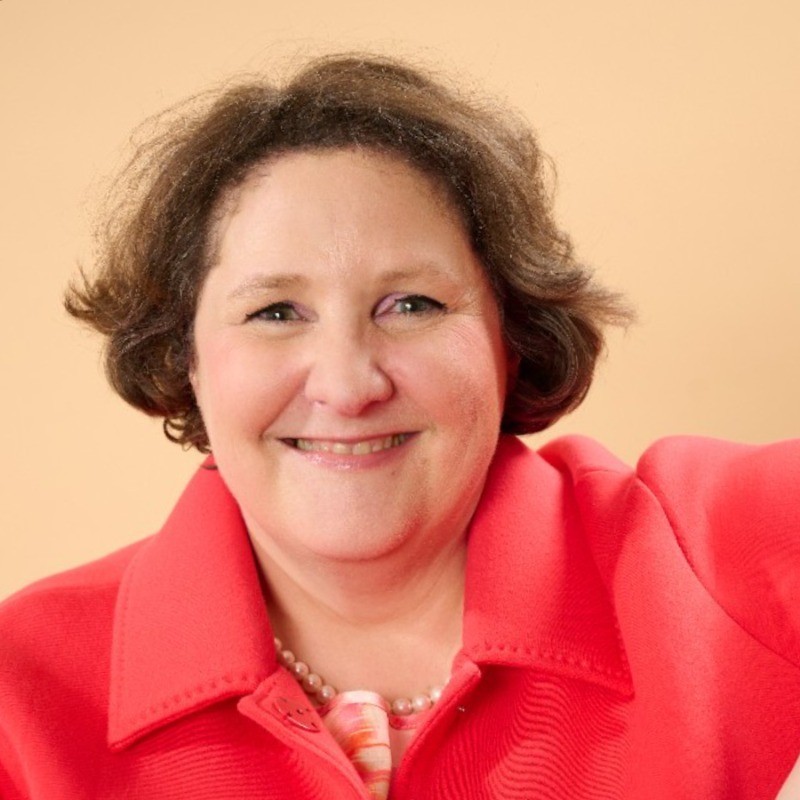

About this episode
On this week’s podcast we welcome back Séverine Le Blévennec, Global Head of Treasury at Aliaxis, for an update on her treasury transformation journey. Having joined the show previously, Séverine returns to share what has changed over the past few years, how the treasury function at Aliaxis has evolved, and why technology, AI, governance, and data quality must all be connected to real business needs.
Séverine discusses the progress made in building a more mature global treasury function, including the creation of a global treasury community, the implementation of treasury technology, the rollout of a payment hub, improved cash visibility, stronger governance, and the importance of developing treasury talent. She also shares her views on AI in treasury, explaining why teams need to balance opportunity with risk, and why clean data, transparency, and strong fundamentals matter more than ever.
Main topics discussed:
- Aliaxis’ treasury transformation journey and progress toward greater maturity.
- Building a clearer global treasury community with stronger ownership.
- Choosing treasury technology based on real problems, not buzzwords.
- Rolling out treasury systems, payment hubs, and cash visibility tools.
- Strengthening governance, policies, controls, and treasury processes.
- Supporting regional treasury teams while respecting local complexity.
- Managing AI opportunities, risks, governance, and data quality.
- Developing treasury talent through learning, cross-training, and knowledge sharing.
- Challenging the status quo and expanding treasury’s business value.
- Keeping treasury strategic while embracing technology and innovation.
You can connect with Séverine Le Blévennec on LinkedIn.
—
🎙️ Subscribe to the Treasury Career Corner podcast – Never miss an episode! Subscribe on your favourite platform:
CLICK HERE for 🎧Spotify Podcasts
CLICK HERE for 🍏Apple Podcasts
🎓 Exclusive discount on CTP & FPAC – Visit our AFP partner page to find out how much you can save: https://treasuryrecruitment.com/partners/afp/
💡 Earn CTP credits just by listening – Selected episodes of the Treasury Career Corner are AFP-accredited. Listen, take a short quiz, score 80% or more, and we’ll send you your free certificate. Filter by CTP Eligible at https://treasuryrecruitment.com/podcasts/
🌍 EuroFinance International Treasury Management – September 16th-18th 2026, Barcelona – The world’s largest treasury event. Save 10% with our exclusive discount code: MKTG/B/TRP10. Book here: https://treasuryrecruitment.com/partners/eurofinance/
👉 FIND OUT MORE HERE https://treasuryrecruitment.com/partners/
Mike, CEO, The Treasury Recruitment Company: In this week’s podcast, I catch up with my good friend, Séverine Le Blévennec, Global Head of Treasury at Aliaxis. This is actually the third time Severine has joined me on the show over the past eight years. We spoke back in 2019, episode 69, which was at Honeywell. We talked about the importance of technology way back then in treasury.
Mike: We then caught up again, episode 237, after she had joined Aliaxis as Global Head of Treasury. Now, we’re five years later, and we finally reconnect to talk about treasury technology, AI, simplification, implementation, and how treasury roadmaps have evolved. Severine has some amazing insights, so sit back, enjoy the episode, and actually, here’s a couple of short clips that give you a taste of why this one is definitely worth a listen.
Séverine Le Blévennec, Global Head of Treasury, Aliaxis: I was hesitating, right, until the management got really settled that, uh, we would really know for sure who were going to be the new CEO, who was going to be the CFO. I could talk in extent. I think we, we had maybe eight or nine hours of discussions, me and the CFO, before I decided to join, and I think probably after half an hour, it was it was clear for him that he wanted me to join.
Severine: But so we kept in contact, so pretty unusual as a hiring process probably. But given the, all the changes in the company, I think it was very, very important for me. I didn’t go and seek a title or better salary. I mean, of course, all this goes hand in hand. What I wanted is, is really the empowerment, the ability to build something, and making sure that I could get the resource associated to it.
Severine: It’s not a matter of working hard. Of course, it’s a given, but it’s a matter to focus on and be courageous, right? Be courageous to open the doors and fix issues that may have been there for a long while and look at the dust under the carpets and, you know, take those difficult topics and address them in all candidly.
Severine: Yeah. Don’t just do what you asked to be doing, right? But challenge the status quo and look at adjacent needs that are there that are not addressed by anyone. And again, I’m not saying walking on someone else’s shoes at all, but you often have those gaps in between two functions, right? And that can be ways to expand your value for the company.
Mike: Welcome to this week’s Treasury Career Corner podcast, where I interview treasury professionals about their treasury careers. Each and every week, I talk to them about how they’ve built their careers, where they are now, and where they see both themselves and the treasury profession going to next. Let’s get on with the show.
Mike: In this week’s show, delighted to be joined by the amazing Severine Leblévêque, one of my lovely friends. She is now the global head of treasury at Aliaxis. We caught up with her last time when she was at Honeywell, and you can hear that in a separate show. We’ll put that in the show notes. I was due to do a quick five, 10-minute chat with her about her new role.
Mike: Wasn’t five, 10 minutes, it was an amazing whole standalone podcast episode in and of itself. She was amazing. She’s so giving. Amazing lady. Just so you know, she’s global head of treasury at Aliaxis. They’re a global leader in advanced piping systems, but for all kinds of uses. So building infrastructure, the lot.
Mike: Company provides communities around the world with innovative solutions for water and energy. We touched on that a little bit, but more about the move across. It was three years to the day when we spoke. Crumbs, that was amazing. Honeywell, she was there, then she made the move. Just such a wonderful, wonderful guest.
Mike: What a wonderful lady. She’s joined me on a couple of other panels. I’m just grateful for her time and her friendship. She’s a wonderful lady, and let’s, let’s get on with the episode. You guys are gonna love this just as much as I love this lovely lady. So over to Severine Yes. Two major things to me.
Severine: First, we survived COVID- Yeah … which is, uh, in itself a, an achievement. Clearly, technology helped us, uh, go through this crisis. We were ready to push on a button, and then we could work remotely from a technical standpoint and operational standpoint. Obviously, uh, emotionally, uh, I think no- none of us were ready.
Severine: But overall, we could show the resilience and how technology and systems and having, uh, mature processes give you a good level of, of resilience. And then second big thing is that I decided to join Aliaxis and leave Honeywell after 15 years of, uh, good service. So I’m really, really proud and, and happy. So I’ve become the, the treasurer of Aliaxis, which is a Belgian company.
Severine: To be honest, I didn’t know them because it’s private company. They tend to… In the past, they used to be a bit more private and a bit more secret, I would say, surprisingly. The company is 4 billion, uh, turnover and with huge growth. A very, very good culture match. Big change for me to switch from an American company to European Belgian company.
Mike: Also, our CEO is from American origin, and we can feel it, that he’s trying to bridge that culture gap. Yeah. So yeah, big change. Why did they bring you in? Were you the… Was a treasury there before, or what was the sort of the shift for them to bring in someone of your stature? You know, you’ve got big-
Severine: company treasury in your back pocket, and they bring you into a private company that’s… And again, just talking about that, uh, piping systems, water things. Why do they need someone with that depth of treasury knowledge for a private company? Before I joined, there was a treasurer, but it wasn’t a global treasury organization.
Severine: Right. So the treasurer was essentially focusing on debt financing. It was someone what evolved a bit later in his career into a treasurer role. For a number of years, they were, they were aware that they had to, to set up a global treasury organization and, and to leverage technology. They had made a number of studies, analysis, but basically, they didn’t know where to take it.
Severine: Yes. I think they, at the same time, given that they were imple- they are implementing a new ERP, S/4HANA, at the HQ and in the main region, which is North America, they realized that we need to do something about it- Mm … especially given the growth and sophistication of the company. Since I joined, we obtained a rating.
Severine: We issued our first bond. We have really huge organic and inorganic growth prospects. At some point, they really wanted to someone who could build a treasury from scratch. We had been in discussions for, for Pretty long time, close to one and a half year, to be honest. And for me, I mean, great opportunity, but initially I was not convinced, and it was not the senior management was not the one it is now.
Severine: I was not really feeling that they had really realized that I would be, uh, requesting major investments to do that, right? I was hesitating, right? Until the management got really settled that, uh, we would really know for sure who were going to be the new CEO, who was going to be the CFO. I could talk in extent.
Severine: I think we, we had maybe eight or nine hours of discussions, me and the CFO, before I decided to join, and I think probably after half an hour it was, it was clear for him that he wanted me to join. But so we kept in contact. So pretty unusual as a hiring process probably. But given the older changes in the company, I think it was very, very important for me.
Severine: I didn’t go and seek a title or better salary. I mean, of course, all this goes hand in hand. What I wanted is, is really the empowerment, the ability to build something, and making sure that I could get the resource associated to it. I’ve been absolutely bold, but I think it was good for me to wait to come at the time that the company was mature enough, do those in long-term investments which require time, money, support.
Severine: It’s not easy. It’s really coming together at a time where the company is converting from a holding company with Big, uh, small subs over, all over the world into a real multinational with a real head office and head office functions. So at the same time that we are taking the company away from the ’90s where they were stuck for treasury, we are also getting more maturity in all the other functions.
Severine: I think in the last two years, I don’t have the exact metrics, but more or less, the head office has doubled capacity. Wow. So we hired people in all the functions, treasury, communications, FP&A, IT, tax. Every department has been developing, which is, gives a kind of an atmosphere of, of kind of scale up, right?
Severine: Yeah. But still, we have huge growth, we have excellent profit, which help us, uh, fuel that. The best of both worlds, right? Yeah. A company where we, we can invest, we can have the long-term view, and at the same time, we have, uh, a lot of agility, flexibility, people that are new in their functions, so we build that together, we build those ties.
Severine: Often, uh, I have to reach out to a function, ask question, and, “Hmm, all right. Yeah, we didn’t think that. We had to have a service like that, so okay. Let’s work together on building something.” So I need their support. I’m quite intense on, on the help I need from the various functions. There is a really, really very positive energy all around in the company.
Mike: And Sandrine, you mentioned that they’d done studies about an ideal treasury structure, and obviously, you’d had your own ideal treasury structure. You know, you- Mm … we’ve talked about this in the previous program, and the best way to do it and things. When you walked in, did you just take one of their plans off the shelf and just amend it yourself, or did you have, you say, “Guys, this is how we have a treasury,” ’cause how are you structuring it?
Mike: You’ve seen best in class. You’ve structured that- Yeah … and restructured it up and down and up and down over many years. So you’ve now got that sort of, again, this is for some of the listeners, they’ve said in the past, one of the guys said he was listening to some of our past shows and listening to treasurers such as yourself and say, “Right, focus on this, then do this, and this is your framework.
Severine: Boom.” And he was loving it. We, we will at some stage have an e-book of some of these tips. What did you do? It was quite funny. When I joined, given this full ERP project, they were implementing SAP, and literally, the day before I joined, and it was not related, the day before I joined, they had sent a RFP out to implement a number of modules in SAP, and that included, uh, the treasury module of SAP, which to me is, is really the example of the wrong good idea, right?
Severine: And I’ve all respect for SAP. It shows like, that the previous treasurer had really no vision where to go. So in three days I told them, “I’m, I’m sorry, but this won’t do it. It’s just we stop that RFP.” So- Yes, I had ideas of what I think is ideal treasury, and, uh, I think it, it should be managed, but to me, there is no single technology which in itself is magic or, or it’s not about buzzwords.
Severine: What makes it a good technology and what really brings, where innovation can bring value is when your technology is really anchored in your reality, your problems you want to solve, and what you want to achieve. I’ve embarked on a journey where I started collecting massive amount of data, and I got the support from, uh, the PricewaterhouseCoopers team in treasury, which, I mean, really I have the A team here.
Severine: I’m very spoiled. To really, my first thing, even before I’m onboarding them, is really to speak to find who was doing treasury. Nobody could tell me when I ask. “Okay, I’m global head of treasury. Who are the people doing treasury in the world?” “We don’t know, right? Ask the CFOs,” right? So I had to dig out, and I, I built up a big, long interview.
Severine: It took, like, eight, nine hours per region to really go through. And then I went like an onion, right? Going peel the onion and get to really understand ever more volume of the flows, the systems, the connectivity, what goes well, what goes wrong, how are they complying with the very weak policies that we had in place, et cetera, et cetera.
Severine: And with that, I decided, okay, what do I want my treasury to be doing here? You will know very well, knowing our industry like nearly no one else, that from one function to another, even with the same title in treasury, can be very different from one company to another. I had really that flexibility and that luxury to be designing, okay, what is the scope of my treasury?
Severine: Yeah. What do I want as a model? What do I want as a role for the central treasury, for the regional treasury? So I worked on that. I also, uh, focused a lot my attention on all touchpoints with the ERP Connect program, as they call it, so the implementation of, of SAP, because when I came, I had, like, very basic questions.
Severine: Okay, how do you want to do your connectivity to the banks? How are you planning to the netting in the SAP, outside SAP? I mean, a number of quite basic questions which not only were not answered but that nobody had asked even before. So I’ve answered those questions. I didn’t want to focus like they… I was asked, “Okay, you don’t want SAP treasury.
Severine: Fair enough. You’re the treasurer. We believe you. What do you want as a treasury system?” Was their next question. I said, “Well, I don’t know. I just want to know what I need to do.” So I did all this analysis, and from that, even before selecting my, my system, I designed what I wanted to be on the basis of the knowledge of the company and my Treasury operating models, what I want it to be my full technology ecosystem.
Severine: Not just which TMS or… No. I built my full technology ecosystem, which is what the role for the TMS, a payment hub, number of fintechs that I want to connect, what kind of data I want to exchange from one system to another, so that I really know where, what is my vision and where I’m going to, and that I can select systems that are really compatible with each other, and that can really talk to each other the best manner.
Severine: So of course, I cannot implement 100% at the same time. There are things that’s the implementation step, but first you want to know where you want to go, and my technology ecosystem has been really the backbone of the start of my transformation. Only then did I launched a RFP for a TMS, a RFP for payment hub, a RFP for a bank account, uh, management system, which are the first three systems we are implementing.
Severine: As well, we are also implementing Swift for, as connectivity for our bank with the Swift service bureau and the whole flavor. But obviously it was clear that these are the first steps, but knowing where I want to go to and what I want those systems to be exchanging data between systems, which is often a good system in its own, and it’s completely not connected.
Severine: It’s just a database. Once you start to connect system between each other, then you really unlock value and have real strong static data management, which then allows you la- later to leverage data to take good decisions. That was my approach, and then obviously I built my transformation roadmap, not only on the technology side, but also on other aspects, like how do I want my team to be structured in the short term, middle term, long term, all the governance, right?
Severine: I’ve been reviewing already all the, the payment processes in the company to reduce the risk and design really to be models for the systems that I’m implementing. I’m working on, of course, all my policies, set- setting up, in some cases, some new policies. Try and see, of course, a business case, uh, which, which can derive from that, and from the business case, then you see where are the biggest benefits, and you can start developing your roadmap, right?
Severine: So of course, first objective of having cash visibility, setting up a true liquidity structure so that I can set up my, my priorities. But everything is really driven by a good view of what will be my end state, but not my end state as just coming from my experience of the knowledge of the market. Of course, that was a, a great input, but really anchored in the reality of the company and what this company is able to absorb in terms of efforts to get there, where I can really unlock the value the quickest and the strongest I want to ask you about reality.
Mike: You’ve got on, say, you haven’t here physically, but you had this amazing roadmap. I’m gonna say it’s all the pipes because this is what you do. Yeah. And access, as people may know, is a global leader in advanced piping systems. I know, I’ve LinkedIn that. But that wasn’t actually what was occurring to me, it was that the fact was…
Mike: So when you were in Honeywell Treasury, how long were you in Honeywell Treasury, Europe? From ‘9 to ‘7 over time. And when you came in, it was solo. You know, you were starting it. Yes, you had some support from people, but you’ve shown all these people all this pipework, but it’s you or- originally, and yes, maybe you have a couple of people to help you.
Mike: But what was the reality of then to a, a new treasury set up, if you like? These people you’ve said, “Guys, we’ve gotta connect this and connect this and connect this,” and you’re looking around the room. And I’ve done it before when gone through various things, and I’m looking around the room, oh There’s no one here.
Mike: It’s me. You know, it’s like, right, so how do I, how do I rightsize that? How did you cope with that, if you like, and like quick hire people or get consultancies in? Again, we’ll have listeners going, “Well, that’s all very well, but yeah, with, if they’re Honeywell size, great. You’ve got people that help, and you can give a bit of the project and everything else.”
Severine: If it’s yourself, how did you cope? What was your then roadmap for labor? You know, what was your roadmap for implementing it? I have to say that when I joined, actually the former treasurer was supposed to be reporting to me, but in fact he didn’t accept this change of org chart, so he didn’t talk to me for his last few months that he was there.
Severine: I couldn’t count on him. That’s one thing. Now, a lady was reporting to him, and brilliant lady. Brilliant lady. I think she suffered a lot over the years of really realizing that everything was just too manual, not efficient, and she saw lots of projects like coming up and down, nothing, right? They talked about stuff, but nothing never got implemented.
Severine: Very quickly, I, I could feel how enthusiastic she was. Initially, she was a bit skeptical. Okay, again, good ideas. She has really, really good ideas, but will it go through? Will it get implemented, right? Which was fair. So my priority has been to first leverage all her knowledge, even if it was limited to in-house bank, uh, role and a little bit to Europe, and that was a bit it.
Severine: She had very good knowledge of the company and, and absolutely great personality. Leverage that and to release her from the pressure first because she was alone carrying all the operations. Yeah. Uh, I leveraged a person who had been working as an independent consultant trying to help on technology, but again, not with a good alignment with the former treasurer and whatever, but very helpful person.
Severine: So my focus has been to decrease operational risk and have him document the actual processes so that if this lady would go for a health issue, the operation could continue. So first decrease operational risk, so that took a few months. Document, uh, get to have structure in the, in the data. I mean, even a, a shared drive was not there.
Severine: Decent shared drive. Wow. Really basics to decrease the operational risk first. Then I’ve been focusing on hiring someone reporting to her, a senior treasury analyst, so that she could, uh, give him the more operational aspect and focus on the transformation and, and centralization of the activities in Europe.
Severine: And then I’ve hired a director more focusing on, on capital market in terms of experience. But who I’m building as my right-hand person, and I’m expanding his scope of knowledge. I mean, he’s a fantastic addition to the team. He was very experienced in debt management, and now he’s getting involved in, in cash management, in M&A, in many, so many other topics that they can bring.
Severine: So that’s, that’s the first move. And of course in parallel I took very close… I established very close links with the people in treasury in the other regions which I didn’t know they were… Nobody could tell me they were there, but I found them, right? And in most regions, very capable people who Well, actually, we’re doing a great job with the little support they got or guidance they got.
Severine: Uh, lots of interaction with them, informing them, and making lots of one-to-one meetings to just explain them a- all my process of what will be the treasury scope, what will be the operating model, uh, what will be the technology ecosystem, what are we going to implement time over time, what is the roadmap, and what does it mean for their respective regions.
Severine: And trying to really build on their knowledge and align with their local projects in f- the finance teams as well. The team is evolving pretty well. To me, when I built my team, I really looked, especially in Brussels. I didn’t design roles first. I first look at the skills that I had in the team, and I said, “Okay, this person, Antoinette, she have those and those skills.
Severine: Okay. Now I’m missing… I have those and those and those skills. Okay.” And then what additional skills do I need? What additional type of experience do I need? So on the treasury analyst level, I try to have someone with some, uh, bit of IT savviness, evidence a bit of programming, or who can, I can build as a super user later for the systems.
Severine: Uh, on my director capital market, obviously someone very close to the financial market since we issued only one bond, but w- we may do more. I’d like to set up a CP program. I’d like so someone who can take those projects. We have, of course, syndicated facilities. We want to go into ESG financing, someone with that kind, uh, of skills.
Severine: So I try to see, okay, how can I fit those skills into a job spec so that it can make something, uh, challenging for people, and building a team where on all topics, I have someone who’s a bit more junior in terms of knowledge and someone more senior, and that people can really learn from each other, learning from one and teaching the other one, right?
Severine: So that this, uh, skill set that I have in the team, that I have at least two person having each of those skill sets, right? So that’s how I’m building, and team will, will further evolve as we are going further in our transformation. I will centralize more the FX. So at some point I will want someone who’s more focusing on FX.
Severine: But I don’t, I will not want this person to do only that, right? Yeah. Because I really believe it’s a lot more enjoyable for people when, when they get a bigger variety of activities to do, when they c- there are really more opportunities to develop in different areas. But initial experience is the entry door- Yeah
Mike: and then, then we build. Well, this is part of that. So there is so much to do They’re coming in the door, you’re helping give them their mini roadmaps, if you like, their sections of the map, if you like. What is your definition of regional success, or what are you saying to them is, you’ve got FX there, what is their definition you’re giving to them?
Mike: This is what you’re aiming towards. You know, is it complete de-risking of the FX risk and things like that, or how are you setting the individual benchmarks, if you like? Because in a recruitment business, so I might say to one of the guys, “It’s not just about billings.” Billings is a key thing as well, because that means that their minimum is to cover themselves, but then it’s like, right, do this.
Mike: But actually, we’ve got other benchmarks, much more about how many people have you met, you know, who have you talked to, you know, it’s a more relationship. Now, within treasury, it can be a little bit clearer in a way because it’s numbers and everything else, and it’s risks and things. But how are you doing it for some of the different members of the team, perhaps?
Severine: To me, first, we have also the wealth of knowledge of the PwC team supporting us on our journey- Yeah … which is of course a additional great opportunity for my team members to be learning from, right? Giving structure in their learning. To me, what I really expect from the team members, it’s not so much about figures, because yes, treasury is about figures, but that’s the basic.
Severine: What I want them to be is really that they understand that we are here to support the business and our expansion, and for that, what is really important is to build agility, scalability, and really build a true function that everyone will think, “Oh, we do something, oh, let’s call in treasury,” right? So it’s really establishing this, this credibility of, of the function so that we are involved early in the process and can really a much better job at supporting the business.
Severine: So it’s really more the service orientated stuff. Of course there are metrics. I want to diminish the global debt level because we have too much cash, so I’m setting up new liquidity structure that will of course diminish the cost of carry. I will diminish in terms of FX. I want to, uh, diminish the realized, uh, FX benefit or, or loss in terms of…
Severine: Yes, there are objective KPIs, uh,
Severine: but What is really important to me is really to bring this long-term view. We want to be at the heart of the finance organization, right? Connected very closely with the tax team, M&A team, CapEx team, and also developing that knowledge in the regions, right? So I’m completely… Instead of having a number of independent small treasury here and there- Yeah
Severine: I want us to work on the common set of policies, system, processes, but with the, the focus of the region being on the data quality. That means we’re going to make, build all kind of interfaces, but then they will connect with the business and audit what has been interfaced to make sure that if there are disutility, and then performing some local trades, but within the framework that we have designed.
Severine: I want to decrease counterparty risk, which was, for instance, not at all managed. There wasn’t even the concept of a counterparty risk. Wow. So I want them to understand that compliance to new policies is a must, right? But we will work with them because I cannot just set up a new policy and say a week later, “What?
Severine: You are not compliant with my policy.” Right? So it’s really ba- building those partnerships with the different regions, and that’s what I expect before anything from my team. Because if you do that, then your figures will for sure get a lot better. This is a result, right? It’s not the objective, but it’s results.
Severine: If you manage your treasury with really being very integrated and speaking to all the functions, of course you deliver value. Of course. Do I have a specific figure that I want to give them? No. It’s really more… And it’s a lot more difficult, right? Yeah, yeah. It, it, it asks a lot more engagement, not being afraid and speaking up, taking the courage to say, “Mm, this doesn’t make sense,” right?
Severine: What about doing it this way or that way? And having a real advisor role for our function and for the other functions which I explained are also gaining in maturity, right? So my Antoinette in my team who’s been there for twenty years, she says me, “Oh, you could change that? Well, once again, you’ve used your laser arm.”
Severine: Well, no, it’s just, I explained to the people what I want to achieve, and then people are understand, and yes- Yeah … it, I could change that, and I could change this, and I’m going to change further things. It just need to be… I spend really a lot of time to explain the vision to people at all level in the organization.
Mike: And yes, we are putting pressure, asking a lot of data, but they understand why we’re doing it and what will be in it for them. It’s not for data’s sake, so that’s the key thing. Now, you’re on the virtual stage because you are having issues with, with travels, but we were in front of a EuroFinance group And we then talked about your new role, but we also, one of the key things, we were talking about talent.
Mike: We were talking about people and things, and I know we’re approaching the end of today’s show. We’re not quite putting your LinkedIn details there again. But I just want to reflect on that, you… as you say, you’ve inherited some of this team and everything else. But when we last spoke, prior to pandemic, we’ve been through a pandemic.
Mike: You and I both talked about remote working. You know, we talked about all the different things. How’s it been people-wise just in, not in a deep depth, but more we went into this, it was one way of working. We’re three years later, it’s a different world in three years. What’s it been like for you guys? Well, when I joined the company, it was still full remote working, right?
Severine: Right. So I got my computer. I was at home. All my introductions with the various functions in, in remote, which I think they, they’ve done it quite well. Uh, they’ve organized for me a one-hour meeting with each, uh, head of function so, so that we could get to know each other. To some extent, maybe more time than if I’d been live and people crossing people a bit less formally.
Severine: Mm-hmm. Now, uh, luckily, a few months later, we could return to the office and initially I was coming here because I said, “Okay, I’m going to meet the people,” and some days I, I didn’t meet anyone all the day, so it was sometimes a bit strange. Now, I can see that generally at Aliaxis, uh, people are a lot in the office because of all those projects going on with a lot of interaction.
Severine: For my team, uh, we, we have contracts where we may work two days per week, uh, from home, um, but it’s absolutely, uh, flexible. In practice, it’s really when we have those design session interactions where we have meetings where we have four, five, six training, et cetera, I mean, we just come to the office. If it’s just an up-to-date call for an update of a few points or less strategic and so on, then we can do it from home.
Severine: It’s not really a, a question. It’s very natural. I have to say that my team members don’t live far away from the office, neither do I, so it makes it of course easier. But to me it’s more if you come to the office, then there should be a, a reason, right? A reason. Affirmative. You should understand that- Yeah
Mike: you, and here it’s so obvious that we want to be to the office. Yeah. So it’s just depending on where we are on certain projects, uh, there can be weeks where we’ll be more away and weeks where we are there every day. It’s just natural. It’s just not a difficult topic, I have to say. Amazing. I’ve taken loads of your time today, but I think people will have had amazing value before, amazing value now.
Mike: We’re gonna rewrap up. We’ll put your LinkedIn details in the show notes so that people can connect to you in your new role. But reflecting may be an iteration with three years later and everything else, but what takeaways? I thought there was some great stuff in there about the definition of success and data quality and everything else, which people would lovely take away.
Severine: But what final words are you gonna give to people today, Severine? Over to you. I really love the values of Aliaxis, which we have changed recently, which are to dare, to care, and to deliver, and I have a great alignment with those. To dare is, yes, push yourself outside of your boundaries, challenge status quo, raise the questions, the difficult questions, and dare to experiment, right?
Severine: To care is respect the people. Don’t be a big machine crushing people because you don’t do anything with- without them. So it’s caring about your staff, caring about your stakeholders, caring about balance of relationship. Safety is, is value number one at Aliaxis, and it goes well beyond that, right? It’s safety, it’s wellbeing.
Severine: I think we can work very hard and still care for our people and make sure that they are happy to come to work. And deliver, yes, ultimately we want to achieve something. Yeah. We, we, we have those aspiration on, on what should be our role, what should be the treasury, and, uh, knowing that we want to deliver.
Severine: And luckily after some months where we’ve launched all our projects now in the coming weeks, we have a number that come to an end, and that’s a good opportunity to celebrate. And so, yes, delivery is what we want to do. But this, to me, is the result of putting everything in place. If you put people with a clear vision, that you give them the means, the tools, the investments to achieve that vision, and that you, you respect them and want to make sure that they develop at the same time that the company develops, of course you deliver.
Mike: Of course you do. I mean, I’ve had some interesting, should we say, i.e., rubbish company mottos. I love that. Dare, care, and deliver. Whoever made that up, yeah, it’s amazing. Thank you. Thank you. Well, I look forward to seeing you in reality next week. We’re gonna be meeting up at a conference, which will be absolutely brilliant.
Mike: But continue delivering, and don’t carry on work around daring and caring. I think it’s just, just great. What a great way to wrap up today’s show. You’re an absolute superstar. Thank you very much for your time once again. You’re a star. You’re always so sweet. Thank you. Thank you very much, Mike. Have a good day.
Mike: Thank you. Bye-bye. Bye. This podcast, as you may have worked out, has no sponsors, has no ads. Nobody pays me to record these episodes. I make it because I love corporate treasury, and I want to help treasury professionals just like you. If you’re getting value from this, there’s a couple of things I’d ask.
Mike: Share it with your friends. Tell them about it, how you’ve enjoyed it. If it’s helping you in your treasury career, fantastic. But then maybe connect with me on LinkedIn, Mike Richards. I’m there. You can actually look me up. My URL is actually linkedin.com/mrtreasury or Mr. Treasury, if you want to call it that Hit connect, drop me a quick note, say you found me through the podcast on Apple or Spotify.
Mike: I read every single message, and yes, I will reply. There’s no funnel, no sales pitch. It’s just a chance to say hello, stay in touch, and see what I can do to help. So anyway, let’s get back to the episode. In this week’s show, I’m delighted to welcome back Severine Le Blevenek, who is the global head of treasury at Aliaxis.
Mike: Uh, Severine and I have known each other for many years, since Honeywell days and everything else, uh, but it’s been three years. I couldn’t believe it. We were looking back over some of our podcasts, and we caught up, and it’s been three more years, and she’s still at Aliaxis. But lots have changed there, and obviously since 2002.
Severine: What has happened since? What have been the biggest milestones- 2022 … along that journey? Yeah, o- over the past, uh, three years. Go to, over to you. What’s happened since? The company itself is in a different phase. We were more in expansion, and now we are more into getting more mature everywhere because our markets are also in a different situation.
Severine: We have been impacted by the changes in the world order, let’s say, and particularly the instability that, of course, is not favorable to the construction market. Now, from a treasury standpoint, uh, we have, uh, I would say done giant leaps- Yeah … in our transformation, and we want always to do more, but I think we have come to the end of a certain cycle where I think we are, I would estimate now in the top 10% of our peers in terms of maturity.
Mike: Wow. So that’s a bit what has changed high level over here. And how have you done that? Once you’ve evolved the treasury function, I know that you love technology, and you and I have talked about that over coffee and things. How have you evolved it over the past few years, or what steps have you taken within treasury in particular?
Severine: So in here, uh, for sure there was no technology and that needed to be put in place. I talk about it, but I think it was a much larger transformation, much deeper. We really needed to build a treasury team as such. There was not… Even when I joined, nobody could even tell me who works in treasury, right?
Severine: There was not even an organigram, right? “Teodor, I’m global head of treasury. Fun. Tell me who works in treasury,” right? Yeah. So there wasn’t that visibility. There were people doing some treasury stuff in the region, but they were not even carved out from other finance activities. They were reporting to the regional CFO and doing a number of things that it was not identified as such as being treasury function.
Severine: So that’s one first element where we worked with the CFOs to do that carve out and build a real treasury community. So that’s one element. Second element is the whole governance, which of course- Comes from this, right? If treasury is not identified really as a function, you don’t have all the governance that you need around it.
Severine: So we’ve completely revamped treasury policies. It was one that it was so light and not respected. I mean, it was somewhere posted on the website, and it was not live. So now we have a real, uh, treasury policy, transfer pricing policy. We’ve changed the delegation of authorities and accounts. We’ve put a, a global process to process payments, really see what are the controls that need to be there end to end.
Severine: And then, of course, technology. Yes, we did set up a global treasury management system that’s already live now for three and a half years. And we have rolled out a payment hub. We are in the really final stage. We have already over ninety percent of our payments going through that unique payment hub, which we also use to capture full global daily cash visibility.
Severine: So yes, systems there, but really a lot of education that has been done for the treasury people and beyond. We have a bank account management tool, so we are really the holders of those accounts. We’ve done extensive banks RFP, so we’ve changed our banks in the ten LATAM countries where we are active.
Severine: Same in India, same in Europe. We have built a global cash pool, which we are finalizing the
Severine: connectivity. We are now in the process of selecting our banks for North America, which unfortunately had to be delayed, but that’s the last, uh, big step. So this is really deep, deep transformation. It’s changing our partners- Yeah … in technology, changing our partners in bank, having a real function that, that is a real, uh, center of excellence now recognized in the, in the organization.
Mike: Have people that are trained, that know who to come to when they have questions. I think that’s really an important element. Treasury is now seen as a partner, really a pillar in the treasury function and even beyond. So that’s really the few elements. Each of them is really heavy in a company where the other functions Also need a bit of maturity to be increased And when we last spoke, I looked back at the episode and looked at some of the stuff.
Mike: You were transforming treasury, as you’ve talked about and you’ve done it, a lot of it now, but in a global way, in a global organization Mm-hmm And you’ve talked about the standardization of lots of the processes and getting those guys educated and stuff. How does that differ to reality if you like when you’ve talked about then the regions?
Mike: You know, every region is different. I remember talking- Yes … to the guys years ago at Omnicom about how India operates totally differently to LATAM and things like that. How do you cope with that as a treasurer? And is it soft touch and then going out with policies? How, how do you do that, again, for the listeners?
Severine: So for me, I think I have a really a servant leadership view, right? Yeah. So I see the regions as my customers- Yeah … but I’m also their customer, right? It’s mutual Right? So I need them to comply with our guidelines, et cetera, and I need to make sure that my guidelines make sense and that- Yeah … whenever they have specific needs, they will be addressed, right?
Severine: It is mutual relationship and respect that I think is a good starting point. I would say the RFP that we’ve done to select their banks locally is a good example, right? Yeah. We started with, uh, asking a lot of questions, really detailed, and then we are supported with PricewaterhouseCoopers who, as you probably know, are extremely, uh, supportive.
Severine: I mean- Yeah … it’s, it’s a great partner in that process. So we go very in detail in what do they do, understanding really fully the complexity of the local requirements. And yes, in India and in Latam we were not short of those. Yeah, yeah. And so we really listen very carefully about what are the challenges, and then we built our, our RFP, uh, questions with equal weights between what we want to achieve, which is certain level of cybersecurity, automation, access to credit, more balance between the credit and cash management business, et cetera.
Severine: But being sure that we increase also and resolve some of their local problems. And India is a great example, for instance, where, uh, Latam as well, where really by selecting the right partner, we could digitize a number of the things that they did manually and, and sometimes even physical things, like they had to…
Severine: A small anecdote, when they wanted to draw on some working capital lines, we had the office boy taking his bicycle, bicycling one half hour to go to Bangalore office of, of the bank risking his life, let’s be clear- Yeah … on the Indian roads. Yeah. Getting the stamps that he needed and then bicycle back to the office, and the day after we would have our money.
Severine: While now it’s a few clicks away and- Click, click done. Wow … and within 15 minutes, right- Yeah … it’s done and, and, and a couple of hours the money’s on our accounts. So that’s what digitization sometimes can mean, right? So- Yeah … and, and same in Latam, we set up a number of e-tools that really, uh, can lift some of the complexity and the barriers that sometimes the local people thought that’s how it is here, right?
Severine: But lack of, of not accepting and saying, “This is not acceptable. We need to look for a solution,” right? Yeah. So we draft the RFPs, uh, first on paper, send it to the banks, and then we go to the region and we ask the banks to come to the region so they can have all their specialists, because we are in the country that, uh- Yeah
Severine: that we need them. So they can bring all the specialists along. We, we can really go in details in the questions and find solutions to the things that we sense there must be a better way to do things, right? And so this is really bringing, um, the relationship to another level. First, you spend like 10 days together, right?
Severine: Full days. So you break that maybe- glass that I, I really hate. I’m not someone- Yeah … that value a lot, uh, um, the hierarchy, right? So you can really work together and they can see that we are not there to question the past, right? They did with what they had in their hands, so most of the time they did really well, actually.
Severine: We are there to make their life easy and things that make sense, and not just the central office deciding on everything, whether it applies to them or not or makes sense or not, right? Yeah. And sometimes it’s just a matter of identifying what is really their need, and not necessarily agree to solve it the way they used to solve it, right?
Severine: Yeah. But making sure that their need will be addressed in a way that is suitable. So that’s how I try to approach the complexity of the various regions. Yeah, the problems there, the flow, you can just help them with the flow and do it a different way and things. Yeah. Exactly. So- And leverage all the brains of our base pair, right?
Mike: Yeah. Once you switch from local partners that were there, you wonder how they came up, uh, serving a multinational to the real best banks in the world, then you get to another level- Yeah … of possibilities. Yeah. So that’s how we did it. And one of the reasons you’re back on the show, ’cause I keep on thinking about you, whenever I’m at a conference, whenever I’m seeing technology, you were, you are a flag bearer for-
Mike: automation, AI, and technology. And that’s been coming lots. And one of the reasons I wanted to get you back on, ’cause you know this stuff. You’ve gone and studied it yourself in your spare time, which you have very little of, ’cause you’re, you know, so hardworking at things. But with the rise of all this stuff coming through, how do treasury teams…
Mike: And I did this in Texas the other day, I said, “How do treasury teams hear through the noise? What should they focus on right now versus what is the hype?” You know, we were just doing this. I did the Curio live. Mm-hmm. I then also did it literally this week at the UK Treasurers’ Conference panel on talent and AI, and I said, “How do you guys hear through the noise?”
Severine: And that was one of the round table topics. Everyone was like, “What is noise and what’s gonna move the needle?” Mm. You know, y- you’re an expert, tell me. Go on. Educate me. Not sure. I think you’re thinking- No, you are. Come on … higher than I am. But to me, what is important is really, again, to go back to what do we need to fix, right?
Severine: Rather than I want to use that technology, right? Yeah. So that’s one element. The second element is that, uh, if we talk about AI, one specificity of AI is that it’s very accessible for individual productivity increase, right? Very easy, so that’s a no-brainer. Once you go further, then you need to balance the benefits with the risk, right?
Severine: Previous technologies, you had to balance the benefits with the cost or the difficulty of implementation, but not necessarily with the risk. The risk was you always have cyber risk. Don’t hear me wrong, but the risk element was not the one that would take you the most time. Yeah. It was more a balance between benefits and costs and ability to implement.
Severine: With AI, you still have the cost, you still have the ability to implement, but you have to balance the risk. And I think the governance aspect is important, especially for treasury where, of course, we have the leverage of amounts, right? A single mistake can mean a lot. You have the risk of hallucination. So I think the governance aspect is particularly one that should take us, and of course, the quality of data.
Severine: Because if you compare with RPA, right? RPA, you have a full traceability- Yeah … between the data you use and how you use it, and it’s very easy to have auditability. In AI, you don’t have that a- auditability. So if on o- one hand you may have data that is not clean enough, and on the other hand you have a potential risk of hallucination- Yeah
Severine: well, you could be in for trouble. Right? Which doesn’t mean that you should sit and be afraid and not do anything. But you need to work on those two elements that I think is a bit specific, is really take a really good grasp o- of your, your data. Uh, and second, work on the governance and transparency and tools potentially.
Severine: Sometimes people put bots that check the quality of a bot, right? Yeah. Or AI that check the quality of an AI, right? You can be creative in there, but I think that’s a bit the specificity. Only then can you, in my view, really unlock value. And of course, you need the skill set for any technology implementation, right?
Mike: Yeah. The skill sets in your teams, uh, access to this. I would say that that’s maybe the element that I would think now is a bit different from before- Yeah, yeah … in terms of technology. And you talk there about skill set and going into that you said, so how do you encourage the team, the treasury teams to stay curious about technology on the one hand?
Mike: Thinking about it, but we were talking about this the past couple day about the fundamentals. You know, one of our panelists, Victoria, was talking about the fact that when she put in some of the FX stuff, she then went back in and she went, “This is all wrong. This, these are lies. This is not correct.” And she actually…
Mike: She was using the fundamentals of her knowledge- Mm … to actually go, you know. And if it was someone perhaps less experienced would’ve gone, “Oh yeah, this is fine, this FX.” But she was like, “No, these are wrong.” And actually she’s got that curiosity and she was in that balance. You know, what, what would you say?
Severine: How do you encourage it? Yeah. And it touches of the point of the governance, right? The governance is who is going to decide and assess whether this is correct or not, right? And have that transparency. So I would say the way you should address it is that you need to have that basic skill set built. Yeah.
Severine: So either people come from another function, but the way I do it is that I put a lot of emphasis on cross-trainings one over another. And it can be sometimes a bit difficult for people, but I don’t like very closed job descriptions. Yeah. Right? I like fluidity, and the smaller the team is, the more fluidity you need.
Severine: It doesn’t mean that no one knows who’s going to do what. It’s not true. At the end, you find a modus operandi. But I want everyone to learn everything from each other. So constantly- Right … uh, people are learning from the other, and if one is doing a training on something, he comes back and he shares with the group.
Severine: For instance, my director of financial market took a, a Cambridge training on ESG, right? It did a full day session if in a few hours, just giving us some of the findings that they got, uh, to help the team to be more educated on that topic. We do some sessions on a monthly basis with the various regions, particularly on FX management, because they have challenges to access data, so we go really in detail and break down steps and agree on how we can improve globally.
Severine: So- We make sure that we are always in a learning mode by default. Yeah. I also encourage my team to participate, and for some regions it’s really new, to participate to, uh, treasury forums, associations. Uh, go out of your office, speak to your peers- Yeah … read the magazines. My colleague i- in India, for instance, it was not at all the, the spirits before, and I had him tell me, “Oh, I went to this conference because you told me I should go more, and I learned this-
Severine: and this and that,” right? And you can see that it’s fueling the motivation, but it’s raising- Yeah … their, their level of knowledge, and then they come, they’re enthusiastic, and they share it with their team. So I think you need to have this transmission, and it can be top-bottom, it can be bottom-up, it can be lateral, right?
Severine: It’s not a matter of, um, hierarchy again. Yeah. And it can be in a region, it can be between regions, but it needs to be a mindset. And it can be in pure treasury topics, it can be in technology linking to treasury, it can be ESG linking to treasury- Yeah … or it can be soft skills, right? Yeah. So I’ve been very fortunate since I, I joined Alixys to get a number of leadership training, one at, at Vlerick, another one with Guberna in terms of company governance, and just a, a few weeks ago we had a seven-day leadership training at INSEAD.
Mike: For me, it’s important I go there, come back, and I try to share that with the team. Yeah. Right? So it’s really a, a constant mindset. Indeed, technology is there to help us, but we remain treasurers, right? And how do you… So I think COVID has taught us a, a few things. You know, one of the things before was five days a week in office, then you went completely remote, hybrid, and then the semblance of it back.
Mike: And I was in the room this week, and I… One of the things, I congratulated the room on not being in their corner office. Yes. Or their home office, rather. Mm. I said, “It, it would’ve been easier if you’d not come all the way to Liverpool, not get on the train, not come up here- And everyone was like, “Oh, no.” I said, “No, but really you’ve invested in yourselves.”
Mike: But one of the key things I was gonna ask, and there were a lot of treasurers there, but there were some treasurers that weren’t, they were still in their home office. How do you foster that in your teams, or how do you… Is it by saying, “Come on, go to this conference”? Is it just by trying to encourage them to do that?
Mike: You’ve touched on it a bit, but is that- Mm … a message to pass on to other treasurers, that they should listen to this and go, “Be more like you. Be more like Severine.” But no, what I mean is you’re saying as a leader, “Come on, guys, get out the office,” or is that the r- right? Absolutely. Yes. Absolutely. Well, there are things where I see opportunities come to me, right?
Severine: And so definitely I would say, “Oh, X, Y, or Z, I think it would be good that you go to this.” Right? And then we discuss. And if I say, “I think you would be good,” we come from a standpoint that they will go, right? And then they have to justify why they would not go, right? Some topics I will say, “Oh, this one, are you interested?”
Severine: Right? It depends on what the topics are, where it’s located. We favor, and we’re lucky in treasury, but there are many we favor when there is no cost involved. Uh, but typically people can have different reasons not to go, right? Right. But generally if you have a precise thing, and not generally say, “Go out of- Yeah
Severine: and go to conference,” but you say- Yes. Go to anything. Yeah, go … “I think that this one, I think it would be relevant to you.” Yeah. To take the time to propose them something that you think is relevant to where they sit in terms of knowledge, typically they are very happy about it, right? And banks are often our partners indoors.
Severine: And yes, sometimes you have a little bit of cost for the travel or lodging, et cetera, but I think it’s also a respect for your team. Yeah. To me, it’s fundamental part of your job is to keep learning, right? Yeah. It’s not something in addition of. No, it’s part of your job. If you want to do your job well, you have to learn constantly in treasury.
Mike: So one of the questions I was asked by the audience, a lovely young lady, she was sort of saying, she kicked off her question, it was quite funny, and she said- Over the next five years, blah, blah, blah, and then she talked about it, and I just went, “You can’t talk about that.” She was like, “What?” I said, “Who can look five years?”
Mike: I said, “Do you know what five y-…” I wanted to ask for my lottery numbers. I’d be like, “If you can predict five years from now, I wish you well.” I said, “Two years ago… Well, five years ago, it was like blockchain. Now that’s gone away. Two years ago, who had heard of Claude and ChatGPT two years ago?” Now you, I know, embrace technology and things, but what excites you, Moby, about the future of treasury?
Severine: Now I’m not saying five years. Over the next- Mm … I don’t know, next six months, two years- … whatever time period, what do you see is coming along? What are, are you seeing that you’re thinking, “That’s gonna be fun”? I think in general, treasury has better access to data, better access to new tools, and we can go a bit away from the most mundane work.
Severine: Yeah. There will always be some. And we have now a bit more headroom to be more strategic, uh, and to go beyond the treasury function, break silos in the finance function or even larger in the company, and that’s partly because of technology. It’s partly I think the mindset as well, right? If you speak of the Gen Z, they, I think they are also less in this silo mentality.
Severine: I think they want to have a purpose, and often out of collaboration you get more purpose in what you do. Likewise, I think generally jobs that, that have a double hat are more interesting, right? Like you like treasury, but you like this angle of technology, right? You can see it as a double hat. Or, you know, you are a journalist, but you are specialized in something, or you are HR headhunter, but you specialize in treasury, right?
Severine: I think this makes often more interesting, uh- Yeah … functions and bring a, a deeper sense of purpose. And so yeah, that’s how I think with the new tools you have more connectivity of data, more connectivity of information, and more connectivity of people that can then lead to more cross-functional projects that unlock value and bring a higher sense of purpose for the people.
Mike: And we’re not that far off the end because, you know, you had two ends before, but this we’re gonna give the takeaways. But before we get to that, and I’ll ask for the takeaways, and we’ll put your link in, but if there… Someone’s listening today, what advice would you give to treasury professionals? What do you think they need to do to prepare themselves for that or to set themselves up for that?
Severine: You know, I get asked this a lot at the conferences. Mm-hmm. “I want to do this. What should I do?” Well, I’ve, I’ve got a global treasury leader here. I’ll ask you. Mm-hmm. You know, what, what should they be doing or thinking about? I think generally what is important is that you understand who are your stakeholders, what you do, who is it important with, and have a deep understanding of the people you’re using the data or the output from, and the people that are using what you produce, right?
Severine: So that you can get much better with that sense of purpose. And make sure that you have always an alignment with the company strategy, the CEO strategy. And maybe you do something very mundane because it’s a step to go to, right? It’s needed in a project. Yeah. I don’t say you just need to do high-visibility stuff.
Severine: This is definitely not my word, right? But you need to understand how what you do will unlock value for the company, how what you do aligns where… with where the company wants to be in one year, in three years, in five years. If you don’t understand the strategy of your company, how can you know what you should focus on in your job?
Severine: So I think that’s probably the element that can help you grow- Yeah … uh, in the right direction. Because it’s not a matter to put an extra 10 hours per week. It’s a matter to make sure that where you put your energy on is worthwhile and will unlock value for the company. I think this is where sometimes people think that I’m working hard.
Severine: Yes, you’re working hard, but you produce a report that nobody reads, for instance. Right? Yeah. Y- y- right? It’s not a matter of working hard. Of course, it’s a given, but it’s a matter to focus on and be courageous, right? Be courageous to open the doors and fix issues that may have been there for a long while, and look at the dust under the carpets and, you know, take those difficult topics and address them in all candidicity.
Mike: I don’t know if you say… Candidly, right? Yeah, yeah. You say that in English? Or something, yeah. Candidly. Uh, um, don’t just do what you’re asked to be doing, right?
Severine: But challenge the status quo and look at adjacent needs that are there that are not addressed by anyone. Yeah. And again, I’m not saying walking on someone else’s shoes at all, but you often have those gaps in between two functions, right? And that can be ways to expand your value for the company. Amazing.
Mike: Well, I mean, you’ve given some of the advice there, but we’ll put your LinkedIn details in the show notes. We’ve done this a couple of times. It was a few years ago now. Mm-hmm. Maybe your advice has changed. But what are the takeaways for someone listening today that you think, you know, when they’re sitting there with their coffee and they’re sitting at their desk and they’re going that…
Severine: You know, what, what do you think they should be think- or w- what’s your advice? My advice is treasury will remain as a strategic function if you want it to. Don’t be afraid of technology. Technology will only increase your value in the company. We know that we need integrative thinkers, we need people with strong hearts that can talk to everyone, can unlock value, resolve topics.
Mike: And for this, technology will help us, but there is, I think, a bright future for treasurers tomorrow. It’s a function that will remain key. It was worth waiting three years for that. Thank you very much. You’re an absolute superstar, and look forward to it, hopefully not in three years’ time. We’ll do it before.
Mike: I’ll ask you before that. Thank you very much. You’re a star. Thanks. Bye-bye, Mike. Thanks. Have a good day. Thanks. Take care.
Mike: Before you finish today’s show, a quick reminder. You can earn CTP credits just by listening to the podcast. Listen to the show, take a short online quiz, pass the quiz, got to do that, and then we’ll send you CTP credits. This means you can re-certify, which I know you have to do every two years, and lots of people do it.
Mike: It’s so convenient. They do it whilst they’re commuting. They might be at the gym, walking the dog. We’re there to help you. It’s designed to fit around you and your real treasury jobs, not add more work to it. If you’re already listening, you might as well get the credit for it. All you need to do, head to the episode page, take the quiz, and as I say, as long as you pass, we will send you the CTP credits.
Mike: I know, it’s all part of the service. Thanks again for listening. We appreciate your support. See you soon. Thanks.
- Start with the problem, not the technology.
- Technology only creates value when it is connected.
- Cash visibility depends on more than software.
- Governance is essential for treasury transformation.
- AI creates opportunity, but it also introduces risk.
- Clean data is a treasury priority.
- Regional teams need to be treated as partners.
- Treasury talent needs continuous development.
- Treasurers must be willing to challenge the status quo.
- The future of treasury remains strategic.
🎧 Earn CTP & FPAC Credits by Listening to the Podcast
Whether you’re at the gym, on your commute, or walking the dog – you can now make your podcast time count toward your professional development.
We’re thrilled to share that Treasury Career Corner podcast episodes now qualify for CTP and FPAC recertification credits through the AFP’s Independent Study category.
How It Works:
- Listen to a Treasury Career Corner podcast episode
- Complete the short multiple-choice quiz
- Score 80%+ to pass
- Submit your credits to AFP as part of your recertification record
➡️ Credits earned per episode length:
- 30 mins = 0.6 credits
- 45 mins = 0.9 credits
- 60 mins = 1.2 credits
No filler. Just real treasury conversations covering leadership, strategy, risk, technology, and team building.
🧠 Quick Facts:
- 📝 Quizzes contain 6–10 multiple-choice questions
- 🎯 You need 80%+ to pass
- ✍️ Quiz submissions are reviewed manually
- 📋 We must then VERIFY you are a CTP treasury professional to help prevent automated or non-genuine submissions
- ✅ Once verified, we mark your quiz and send CTP credit confirmations every Friday
- 📨 If you need results sooner? Then email mike@treasuryrecruitment.com and we’ll try to prioritise the marking of your latest quiz
NOTE: In line with AFP compliance requirements, no more than two quizzes may be completed per day.
