
How Treasury Leaders Build Stronger Business Partnerships | Treasury Careers Podcast
Treasury is evolving fast – and the leaders who succeed today are the ones who can bridge strategy, technology, risk, and business partnership.
In this returning guest episode, Karen Van den Driessche, former Vice President, Group Treasurer and Head of Tax at LIPTON Teas and Infusions, shares how treasury professionals can move beyond operational responsibilities to become trusted advisors across the organisation.
Listen on:



Featuring
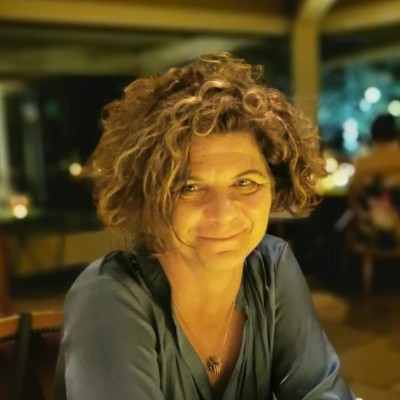
Karen Van den Driessche
Former Vice President, Group Treasurer and Head of Tax at LIPTON Teas and Infusions

About this episode
Karen Van den Driessche returns to the podcast to discuss the next chapter of her career journey since first appearing on the show several years ago. As the former Vice President and Group Treasurer, Head of Tax at LIPTON Teas and Infusions, Karen reflects on the lessons learned through restructurings, refinancing challenges, technology transformation, leadership evolution, and combining treasury with tax responsibilities.
Throughout the conversation, Karen shares practical insights on leadership, mentoring, treasury transformation, automation, business partnering, and why treasury remains one of the most exciting functions in finance.
What We Cover in This Episode:
- Karen’s career journey since her first appearance on the podcast
- Why treasury leadership is shifting towards business partnership
- Lessons learned from restructurings, refinancing, and covenant negotiations
- Building treasury functions during periods of organisational change
- Why strong treasury teams should make leaders “redundant”
- The growing importance of technology, automation, and visibility in treasury
- Combining treasury and tax under one leadership structure
- The importance of translating technical finance topics into business language
- How mentorship and coaching shaped Karen’s career
- Why treasury professionals need both technical expertise and communication skills
- The changing expectations of younger generations entering treasury
- How ATEB and the treasury community continue to evolve
- Why treasury remains a rewarding long-term career path
You can connect with Karen Van den Driessche on LinkedIn.
—
🎙️ Subscribe to the Treasury Career Corner podcast – Never miss an episode! Subscribe on your favourite platform:
CLICK HERE for 🎧Spotify Podcasts
CLICK HERE for 🍏Apple Podcasts
🎓 Exclusive discount on CTP & FPAC – Visit our AFP partner page to find out how much you can save: https://treasuryrecruitment.com/partners/afp/
💡 Earn CTP credits just by listening – Selected episodes of the Treasury Career Corner are AFP-accredited. Listen, take a short quiz, score 80% or more, and we’ll send you your free certificate. Filter by CTP Eligible at https://treasuryrecruitment.com/podcasts/
🌍 EuroFinance International Treasury Management – September 16th-18th 2026, Barcelona – The world’s largest treasury event. Save 10% with our exclusive discount code: MKTG/B/TRP10. Book here: https://treasuryrecruitment.com/partners/eurofinance/
👉 FIND OUT MORE HERE https://treasuryrecruitment.com/partners/
Mike: [00:00:10] In this week’s show, I’m delighted to be joined by Karen Van den Driessche, the assistant treasurer at Avnet. Headquartered in Phoenix, Arizona in the US, Avnet are one of the world’s [00:00:20] largest distributors of electronic components, embedded solutions, and a number of other businesses, which we’ll perhaps explore a bit more with Karen.
Mike: Originally founded in the 1920s, they’re [00:00:30] listed on the Nasdaq stock exchange and currently rank 128 on the Fortune 500. Karen has worked within Treasury since 1997. She’s originally starting as treasury [00:00:40] assistant with Solutia back in those days. Now she’s the assistant treasurer at Avnet based in Brussels.
Mike: We’ll talk to her about her background, how she gives back to– as the VP [00:00:50] of the ATEB, the Belgian Treasurers Association, and we’ll talk through her career, some of the positive things, and how she’s progressed to, this day now. As always, [00:01:00] enough from me. Karen, you started your treasury career as a treasury assistant back with Solutia back in ’97.
Mike: A good way to start your career, would you say?
Karen: [00:01:10] Yes, I do think it was a good way. It was actually also very much of a coincidence because I’d never thought about treasury. I actually didn’t know what treasury was. I started at a bank moved into the [00:01:20] credit team at Solutia- and they did, or at Monsanto at the time, and they did a spinoff.
Karen: And they actually needed somebody to do treasury, so the [00:01:30] VP of finance came to me and asked me, she said, “Are you interested in treasury?” And I said, “If you would explain to me what that is, I might be.”
Mike: If you’d spell it for me, that’d be [00:01:40] great.
Karen: They said, “Well, here’s, there’s a EuroFinance conference in Geneva.”
Karen: They said, “Why don’t you go there, figure out what you think treasury is, and then tell us if you wanna have the job.” And that’s [00:01:50] what I did. So,
Mike: after a very heavy week in Geneva, you mean?. They convinced you treasury was the way for you forward.
Karen: Indeed. So I was very excited about the role because I [00:02:00] actually had worked in a bank then applied for this credit role but wasn’t really sure if that was what I wanted to do, and then this opportunity came up, which I grabbed with both hands, [00:02:10] and I’ve never had a moment of doubt since. So I’ve been very lucky that I had that opportunity.
Mike: And obviously you were, you were just starting by yourself in [00:02:20] treasury. You know, you could look to your finance person, but there was no one actual working with you within treasury, is that right? Or, so how did you-
Karen: That
Mike: is- You were making it up as
Karen: you went along, or?
Karen: That’s right. Yeah, so I had as we [00:02:30] were doing a spinoff the people who worked at Monsanto in the treasury team did explain to me what I was supposed to do and how it all worked. Right. The company had picked a bank and a treasury [00:02:40] system and they said, “Here you are. Go and implement the system and figure out what we need to do.”
Karen: So I think, that’s been maybe a little bit the red [00:02:50] thread through my career, is I’ve had a lot of opportunities where I just learned as I went along. They gave me a challenge, and I picked it up [00:03:00] and figured out , what I thought it meant.
Mike: And so you did three and a half years in that sort of starter role within treasury, as it were., Then Coca-Cola came along, [00:03:10] or how did that sort of happen, as it were?
Karen: Well, I think I’ve always been a little bit ambitious in my career, and I really liked what I was doing, but I was thinking, “Okay, what’s next? [00:03:20] What is, What can I do to enhance my career, to enhance my knowledge?” And then the role at Coca-Cola Enterprises came up as a treasury analyst.
Karen: And of course and I think you will [00:03:30] see in, in my career some of the names I’ve worked for have been big international or multinational- US companies. And I thought, “Well, Coca-Cola Enterprises, that is a [00:03:40] company that I would really like to work for.” So I applied for a job, and got it.
Mike: And what was that like?
Mike: How… , i know, you know, some of the setup of how Coca-Cola sets up their businesses, but perhaps [00:03:50] our listeners don’t necessarily understand quite so much. How does… What’s the difference in Coca-Cola Enterprises and
Mike: Coke, you know, [00:04:00] HBSA, HBCSA, and Coca-Cola in the US, or how does it all work? How does it stitch together?
Karen: Yeah. So Coca-Cola Enterprises actually which is has been renamed in the meantime to the Coca-Cola Bottling Operation.
Mike: Mm.
Karen: But so the [00:04:10] Coca-Cola Enterprise was actually the bottler of the Coca-Cola Company.
Karen: So in essence and if I remember correctly Coca-Cola Company was about 50% shareholder. [00:04:20] Coca-Cola Company produces the syrup, I’ll call it and sells it to the bottlers, who then actually bottle it and distribute it. So that is the big difference [00:04:30] between the Coca-Cola Company and the Coca-Cola Enterprises at the time.
Karen: So when I joined Coca-Cola Enterprises was Belgium, UK, France, Monaco [00:04:40] and I think that’s what it was at the time. And they were very much organized as what we would call their own little kingdoms. So there were support roles like treasury and [00:04:50] tax. However, what I learned there was that even though treasury had a good reputation within the organization, it [00:05:00] still was a department that actually had to convince the finance teams in the countries to work with them and make it clear that the treasury [00:05:10] central team could have an added value to their organization.
Mike: So it was quite separate to, or it seemed at the time certainly separate to the business, and you had to get them, you know, sell, [00:05:20] sell to them the benefit of why you use treasury.
Karen: Correct. Right. That is indeed correct. Yeah.
Mike: And you had a really broad role doing lots of different things there within that position. What were the highlights of [00:05:30] that role, do you think? What did that give you at the time?
Karen: Well, I think what really was a highlight for me in that role is like I mentioned earlier, the, the convincing of [00:05:40] the value added of treasury, but also being involved in not the pure treasury remit that I would call.
Karen: There was a lot of cash flow forecasting challenges, [00:05:50] working capital issues which meant that we could, or I could, at that point, help out on structuring the process identifying [00:06:00] best practices within each of the countries, and then building a global cash flow forecasting process. Also worked on the working capital items which was again, very [00:06:10] interesting knowing that there’s a lot of inventory being held.
Karen: And then a third element, which was new to me at the time, was the whole commodity part sugar, [00:06:20] glass that needed to be hedged cans. So it was a I think in the seven years that I was there, I learned a lot [00:06:30] about both, let’s say treasury specific topics, but more general finance topics that were linked to treasury.
Mike: Okay. And as you [00:06:40] say, you were there seven years, and then for a period you joined you’re gonna have to say. I mean, AGFA I can say, but then AGFA Gevaert. Is that right?
Karen: AGFA-Gevaert, [00:06:50] yes.
Mike: Yeah. For a short period, but because the kind of sort of de-merger. Is that right? Or what, what happened then?
Mike: How come you started to mo- move from Coke?
Karen: Well, after seven [00:07:00] years, I felt that I had done most of what I could do. There was, at that time, I mean, I think the Coke group has evolved a lot over time with the bottling organization, but at that time I [00:07:10] felt there was really not a lot of change anymore going on and I couldn’t really progress in my career.
Karen: I then got contacted by… [00:07:20] Remember I said at the beginning, Solucia, our VP of finance told me go to Geneva?
Mike: Yeah.
Karen: She act- we actually stayed in touch, and she worked in the meantime as a consultant at AGFA. [00:07:30] And AGFA at the time was considering a, an IPO of their chemical, healthcare division. And so they were looking for somebody who [00:07:40] could help manage that IPO and then become treasurer of the healthcare organization.
Karen: I had worked for US multinational Solutia Coca-Cola Enterprises, [00:07:50] and at the time I was thinking it might be a good idea to work for a Belgian company because one of the… I don’t know f- know if I wanna call it a [00:08:00] downside, but one of the difficulties in working for a US multinational being based in Europe is that you’re never what we would call close to God, which could be good and [00:08:10] which could be bad.
Mike: Yeah.
Karen: But I, I wanted to see what it would be like to actually work at headquarters of a company, and this again was a real [00:08:20] challenge, so I decided to join Agfa. Like you said earlier, it was a short stint. The reason for that was that by the time, you know, the Belgian job [00:08:30] market, it takes a while before you actually resign and you can actually- Yeah.
Karen: Right … leave the organization. So by the time I actually started at Agfa, there had been a lot of [00:08:40] change , in the company, and the IPO was put on hold. So I arrived in an organization where they had a well-functioning treasury team. So [00:08:50] the role as I had been hired for was no longer existing.
Karen: So but I have to say again, and I think another item that has been really good for [00:09:00] me along my career has been I’ve always had great bosses who’ve been willing to support me and help me grow, and Agfa was no different. My manager at [00:09:10] the time there saw, I’ll call it my potential, and said, “Well, you can do treasury, but you can do other things as well.”
Karen: So he actually asked me to review the whole [00:09:20] credits organization and to look at it with an outside view and come up with solutions or suggestions on how that organization could be [00:09:30] better structured. So I did… Go ahead
Mike: Well, I was gonna say you did that role, and then it sounds like from, you know, what you’ve said, there was [00:09:40] a sort of natural end because they weren’t gonna demerge.
Mike: They had a treasury department. Had you started looking, or you know, obviously you were in the drinks industry before, and then you joined InBev, or how did that come [00:09:50] about?
Karen: Again, I think I didn’t actively look. I got contacted by a recruiter who asked me with my [00:10:00] knowledge about Coca-Cola Enterprises or my, experience there, if I would be interested to join AB InBev as the director of treasury for Western Europe.
Mike: Cool.
Karen: [00:10:10] Like, so that was I think one of the things that was really important at the time as well was AB InBev was about three kilometers from where I lived. So I thought, “Ooh, my [00:10:20] work-life balance is going to change.” Yeah. “I’m actually going to be able to leave at a decent time, but be home 10 minutes later.”
Karen: Yeah.
Mike: And did you?
Karen: It did not. [00:10:30]
Mike: So what was that role like then? So, ’cause you did two different roles. You went from sort of treasury director running Western Europe and then through in the cash and liquidity, or you know, how, how was it organized?
Karen: So in – AB InBev [00:10:40] at the time was organized regionally, so they had regional treasury directors, Western [00:10:50] Europe, Eastern Europe Latin America, or Brazil separately, and then Latin America. Now the specifics about the Western Europe role were a little bit complex in the sense that [00:11:00] you had headquarter and you had Western Europe Treasury in the same building- in the same location. So that didn’t really make a lot of sense. So very [00:11:10] soon we decided, that it- would make more sense to actually merge the Western European treasury team into- the global team.
Mike: . So you joined [00:11:20] that, and then, and then you were given, took over responsibility of cash and liquidity, is that right?
Karen: Yes. Now I think what was for me very important during the period that I was Western European treasury [00:11:30] director, again, I think, like I mentioned , at Coca-Cola Enterprises, I did, let’s say , the core treasury role but then had a lot to do with forecasting and working capital. At InBev the [00:11:40] challenge that I had was I was also responsible for insurance and pension fund management.
Karen: Right. So again, an increase in roles and responsibility because [00:11:50] usually insurance is not necessarily always part of the treasury team. And- Pension fund management, again, could be very often [00:12:00] managed by HR or as a separate function. So I had, again, the chance to increase my knowledge by being responsible for that part as well.
Mike: So after three [00:12:10] years at, with the group at AB InBev, you, you time for a move, or what was the situation?
Karen: Well, I think the three years at InBev was an intense period. [00:12:20] InBev is an intense environment, and after three years I felt it was time to move on and to look for a new challenge.
Mike: And then, Avnet came knocking.
Mike: How did that come [00:12:30] about?
Karen: Avnet came looking… Well, actually, again mentioned earlier the first person in my career who supported me when I was at Coca-Cola Enterprises, our HR [00:12:40] director there I stayed in touch with that person as well, and when I was looking for a new challenge in my career contacted some of the people I knew.
Karen: [00:12:50] And Avnet said, “Hey, we might be looking for a new treasurer.” They hadn’t made up their mind, which was actually a good thing because it gave both of us time to think this [00:13:00] through, decide what is it that I was looking for in my new role, and also for them to decide on what were they looking for in their new treasury director for the region, [00:13:10] for Europe at the time.
Mike: Yeah. And Avnet itself, it’s, you know, I said at the beginning of the show, it’s sort of an electronics company, but there’s lots more than that as well. How would you describe Avnet? [00:13:20]
Karen: Well, I think Avnet has evolved a lot over the last three years. Yeah. So we were a $27 billion company, [00:13:30] and we had two main divisions.
Karen: We had the electronic components but we also had the technology solutions department or business unit. . So over the last three years [00:13:40] Avnet has divested the technology solutions business unit. It was sold to Tech Data in 2017. And Avnet had also done a number of [00:13:50] acquisitions as we realized th- that the tech market is changing.
Karen: So Avnet was a distributor of electronic components- … or a value-added [00:14:00] distributor. While now we are involving more into the value chain. So getting into the technological value chain earlier [00:14:10] by helping define solutions. So we bought Axter a couple of years ago. So the environment or the tech environment is really changing in [00:14:20] a sense that we are no longer a pure distributor.
Karen: Yeah. We are helping shape the market and helping design solutions for the future.
Mike: So you’re helping customers choose what they [00:14:30] want and then implement it and then buy it sort of thing. Is that right? Would that be the- ,
Karen: Yeah. So develop ideas. . So from, from actually ideas, bringing up ideas to developing [00:14:40] it for a smaller group, and then if it really makes sense, to a bigger part of the community, I would say then move that into a bigger [00:14:50] production environment.
Mike: It sounds like your role’s changed as well talk me through the evolution of your role over the past, well, since 2011. So you’ve been there sort of, we’re coming on [00:15:00] nine years, we’ll be soon. So- Let’s
Karen: say-
Mike: Seven, eight years. Yeah
Karen: Yes. Time has flown. Yeah … I, I have a very good friend who actually I was at her place [00:15:10] at a, how do you say that?
Karen: A baby bottle, how we say it in Dutch. So she had just given birth to her, her kid when they called me to offer me the [00:15:20] role. So whenever I need to figure out how long have I been at Avnet, I just call her and I say, “How old is your daughter?” [00:15:30] So yes, the role has evolved. So I started as a treasury director for Europe.
Karen: We had a small team in Europe, and Avnet at the time was very regionally [00:15:40] organized. So every treasury regional treasury would execute strategy from headquarters, but within their own remit. So there was [00:15:50] not that much, let’s call it interaction between the regions. So when I joined there was limited visibility on what was actually going on.
Karen: So there was [00:16:00] still… Well, we had a centralized treasury department in the region. Businesses were still very independent. So one of the first questions I asked when I joined was like, “Okay, how many bank accounts do [00:16:10] we have?” And they looked at me and they said, “Well, we don’t know. They’re managed by the business units.”
Karen: And I’m like, “Okay. Maybe we need to have some better view on [00:16:20] which accounts we have, who are signing authority.” I mean, for me, the basics. So that took a while to get that all tracked and reported. And it wasn’t necessarily the technical part, I would call it, [00:16:30] about getting all of the data. It was, again, the convincing part of talking to our business units and explaining to them why it made sense for us to have that information and to help them [00:16:40] manage this in a more centralized role.
Mike: Selling treasury to support the business as well.
Karen: Correct.
Mike: Yeah.
Karen: At the time also, only Europe had a treasury management [00:16:50] system, so Asia , and Americas, both Latin America and North America were managed in Excel.
Karen: And one of the questions that I had when I joined was, “Well, we’re a [00:17:00] multi-billion dollar company, and we’re managing our treasury in Excel?
Karen: That doesn’t sound right.” So part of the actions that I took was review at least the [00:17:10] European system and see was it still fit for purpose which we realized it wasn’t.
Karen: But then given the cost of an implementation, it doesn’t really make sense to just do an [00:17:20] implementation for a new treasury system just for one region.. So I sat down with our treasurer and came up with a proposal to implement a system globally that would [00:17:30] give us visibility and efficiency across the globe within the treasury organization.
Mike: And what-
Karen: That led-
Mike: Yeah, so which one did you bring in?
Karen: [00:17:40] We use Integritee, so we decided on Integritee.
Karen: And the reason why we decided on Integritee was because we also wanted to set up a Swiss connectivity at the time.
Mike: Right.
Karen: We looked at [00:17:50] different parties and decided to go for one vendor. At the time it was still SunGard, now it’s FIS. But so that we would have the different products from one vendor, not [00:18:00] have to do negotiations with different vendors.
Mike: Yeah, all together sort of thing.
Karen: Yeah.
Mike: And then bring us up to now, what’s the shape of the team? You know, [00:18:10] and how is it structured? You know, I, I personally I know ’cause we work together and things like that, but, for the listeners, you know, how are you organized now?
Karen: So where I said [00:18:20] earlier we were organized very regionally, we then did a s- a significant acquisition in 2000…
Karen: at the end of 2016 from a company called Premier Farnell, which was globally organized. [00:18:30] So one of… After we finished the divesture of the technology solutions division, we sat down and we got the remit from our VP treasurer [00:18:40] saying, “Okay, Avnet historically has been organized very regionally. Premier Farnell has been organized very globally.
Karen: Now go sit down, have a look at the treasury organization and see [00:18:50] what should be, what should our treasury organization look like for the future.” So we sat down and so Karen Hughes, who was the assistant treasurer as well, and I [00:19:00] sat down and looked at our organization and decided that the organization would probably be best served if we had a treasury organization that [00:19:10] could focus on what we called operations on one hand, and business partnering and technology on the other hand so based on that review, we came up with a [00:19:20] proposal where our team is now globally organized with one team that is really focusing on operational activity, and the other team that is focused on business [00:19:30] partnering and technology. And I head up the role of business partner and technology.
Mike: And run it along those lines. I hope you’re enjoying this week’s show. I just want to interrupt [00:19:40] briefly to invite you to be part of what we know to be the best global treasury salary survey in the world. They’re bold words, I know, but it’s true. We’re just [00:19:50] approaching the five hundred participant mark, so it’s a survey of real value, but we still need your help.
Mike: All you need to do to take part is visit [00:20:00] treasurysalary.com. Takes about two minutes of your time from start to finish. And as a reward for taking part, you receive a free copy of our two hundred page Global Treasury Salary [00:20:10] Survey. It’s of real practical use to you. Whether you’re a treasury analyst in Chicago or a global treasurer in London, we give you the numbers you need.
Mike: In the simplest [00:20:20] terms, our survey helps you as a treasury professional understand what you should be paid. We benchmark your treasury compensation in relation to your peers, both locally and [00:20:30] globally. So when you are next asking your boss for that long overdue pay rise and you know you deserve one, well, you have the practical facts you need.
Mike: Just visit [00:20:40] treasurysalary.com, and I look forward to sending you the next copy of the survey.
Mike: That’s enough from me. Let’s get back to the show.
Mike: When you’re looking for people, obviously it sounds like there’d [00:20:50] be differences because, you know, if you’re looking for Karens, you’re looking for a much more operational focus , and cash and things.
Mike: Would you on your side different? Would you look more, think [00:21:00] about people in consultancy would be a better fit- or not? Or , what would you think? How, does it contrast, if you like?
Karen: Well, I think, yes, indeed, , in my organization, I would look [00:21:10] more for internal consultants. But when I look for qualities or candidates, I really want people who know how the business works. It’s consulting, but practical [00:21:20] consulting.
Karen: So when I look for people I don’t really look at qualifications that much. What I need is people who have the right [00:21:30] attitude, who have a can-do mentality, who understand complexities of the business, and who can identify solutions to help the business.[00:21:40]
Karen: So where I don’t want it to be that our finance , or business partner or businesses come to us and say, “We have this problem. Solve it.” [00:21:50] We really want it to be a cooperation, I guess, if that’s what you would kind of call it, so that we bring expertise from both the business or the finance and the treasury team together and [00:22:00] come up with solutions that are suitable for both.
Karen: It also needs to fit into the treasury strategy. So when I look for really mostly [00:22:10] attitude the way I always say it is I want– I don’t want passengers on the bus. I want drivers. And I want people… I’d [00:22:20] rather have a good team who could make sure that I am totally redundant but who can deliver rather than me having to do it.
Karen: That’s the type of people I’m looking for.
Mike: And have you struggled to [00:22:30] do that? I know that , we’ve talked about this in the past, and I’ve seen a change in ethos. I spoke actually at, Karen very kindly when I turned up to one of her conferences a couple of years ago, [00:22:40] suddenly said, “Mike, could you do the speech first thing in the morning?”
Mike: That was less than 12 hours later. So I was yeah, a bit scared. But part of the speech I gave was I sort of highlighted [00:22:50] my, speaking about my daughter and how her ethos had changed. And one of the key things I find quite strange from when I first started in the job market a few years ago now, 30 odd years ago, [00:23:00] that my daughter,, when she was talking about an employer, she was saying, “Well, what are they gonna do for me, Dad?”
Mike: I said, “Well, they’ll pay you a salary, and you’ll get a good career.” And then said, “Okay, and what else are they gonna [00:23:10] do for me?” And I was like, “Well, that’s what you do. You do your job, and you get paid and everything else.” Have you seen that with these people as well change or, you know, when you’re [00:23:20] recruiting?
Karen: Yes, I have. I think generations have changed and expect different things from their employer, but also different things from life, where I [00:23:30] think, I’ve always worked really hard because that’s indeed what my parents told me. You work hard and you do what your boss tells you to do and you deliver.
Mike: Yeah.
Karen: And if that means that you have to work 12 hours a day, then [00:23:40] that’s what it’s going to take. And I do see that people value work still, but they value their personal life and their work-life balance a lot more- … [00:23:50] than we did and so from a personal point of view, I think it’s probably a very good evolution. As a manager or as an employer, it’s a [00:24:00] much more difficult situation to deal with. Yeah. Because I have my personality, I expect certain things to be done, and I need to learn that [00:24:10] the generation of people have changed and they have different values. So yes, it’s been a struggle. Now on the other hand, it’s not the time that you spend at work, but it’s [00:24:20] how effective you are when you are there.
Karen: So it, it is difficult on one hand, but I think there are still people out [00:24:30] there with the right attitude and the right mindset and, but it’s difficult to find them sometimes.
Mike: Yes. Yeah. And, but we keep on trying. We will keep finding those people. . And if you’re [00:24:40] listening today, f- feel free to send me your resume.
Mike: I’m very happy to chat to you. But just that aside, you also then became involved with [00:24:50] ATEB and to, for those that don’t know, that’s the Belgian Treasurers Association. Do you wanna give perhaps the listeners just an understanding of who and what ATEB are and, your [00:25:00] position as, as, you know, the VP and everything else?
Karen: Yeah. So ATEB is, like you said, I mean, the, we used to be called the Belgian Association of Treasurers. We have [00:25:10] renamed it to the Belgian Association of Experts or the Treasury Experts in Belgium. Right. I’ve been part of ATEB for I think 15 years. When I was [00:25:20] younger and, and trying to find my way within the treasury organization, I was looking for like-minded people because within the treasury [00:25:30] organization of the company, I mean, was limited.
Karen: So I wanted to understand what was going on in the market, how people dealt with things related to treasury, and I got welcomed into the association at [00:25:40] that time led by Olivier Prissaux. He’s been a great mentor for me over those last 15 years. So always been a very active member of ATEB and became a [00:25:50] board member in 2013, if I remember correctly, or ’12 meaning helping out and organizing certain conferences, subjects.
Karen: And then [00:26:00] in, 2015 as Jeff Van Osta, who had been the chairman for a couple of years resigned. There was really at that time not, not a clear candidate of [00:26:10] who would take on the chairman or chairwoman’s role. And I felt that ATEB was an organization that I’ve always had a lot [00:26:20] from, and I felt it would be a pity if we couldn’t continue that.
Karen: So I decided to take on the role, well, to, to put my candidacy forward-
Karen: Mm …
Karen: for chairman, [00:26:30] and so got accepted and named chairman or president of ATEB.
Mike: And what’s it like being El Presidente?
Karen: [00:26:40] It’s fun. Like my job is fun. But it’s also challenging. It’s, as you know, it’s a non – remunerated, function on top of a busy job already. People, we have [00:26:50] worked really hard on, on changing the organization a little bit and being more focused on what do our members want and how can we help them. But that [00:27:00] takes time. And the more you deliver, the more people expect. But it’s been very rewarding.
Karen: We have a great board. We have great members. We [00:27:10] feel valued. People look for our opinion and share ideas, and I think it’s a very interesting organization where we have corporate members who can share [00:27:20] ideas and, and comments amongst each other. But we also have a very good relationship with our bankers our vendors, consultants in the Belgian market.
Karen: So it’s [00:27:30] really a very good networking opportunity whenever we organize events and also learning opportunity about certain topics that you might [00:27:40] not necessarily come into contact with in your daily jobs.
Mike: So it gives back both, you know, both ways sort of thing.
Karen: Yes. And so it’s a, a very friendly [00:27:50] organization. A lot of hard work, but very rewarding.
Mike: Just going back, a point there as I said just a moment ago, very kindly I was forced [00:28:00] front of, front and center stage with Karen’s conference a couple of years ago, which was great, actually. A bit scary, but at the same time, good learning experience for me which has [00:28:10] resulted I’m the keynote speaker at the Austria Treasurers Conference, first one on this Thursday.
Mike: Now, one of the topics I’m talking about and the way it relates directly to [00:28:20] Karen, you mentioned there about Olivier Brousseau and him being your mentor for a number of years. What’s he given you? ‘Cause that’s one of the keys things I talk to people about, what, what professional coach is [00:28:30] versus a mentor.
Mike: What has a mentor given to you?
Karen: Mentor has given to me, and I’ve had Olivier Pissot as a mentor. [00:28:40] I think I can consider most of the bosses I’ve had in the past as mentors. A mentor for me has given me the opportunity to have a, I’ll call it [00:28:50] a safe place, so maybe my earlier comment about bosses is not that applicable.
Karen: But a mentor gives, for me, the meaning is it gives you a safe [00:29:00] place to share ideas
Karen: to voice your concerns because we always look as very strong men and women when [00:29:10] we are in our profession, but we’re all human. So we don’t have all the answers, and we sometimes need to, in a safe environment, be able to share [00:29:20] concerns, try out ideas sometimes even doing a presentation and, or rehearsing a presentation without the risk ,, of looking [00:29:30] stupid, if that’s the word we would use.
Mike: , A professional opinion in a sounding board environment where you can- what do you think of this? What do you think? And yeah, critiquing and saying, “Right, I think you should change this and this, or make it shorter or [00:29:40] longer,” or whatever.
Karen: Yeah. So that’s on the, on the technical side, I’ll call it, but also on the career side, right, is how do I deal with [00:29:50] certain people in the organization that I have a hard time connecting to?
Karen: How do I convince people? Or how do I make choices or decisions [00:30:00] within your own career environment? I mean, is staying in treasury the right thing? Do we wanna look at something else? I mean, I also think that it’s important for a mentor to [00:30:10] not necessarily to be in the same department or what would you call it, the same environment as you are.
Karen: I have another mentor [00:30:20] who used to be the VP of finance of our, technology solutions business. I still talk to her, and she has this, she knows the business, she knows finance. She doesn’t know treasury, which is [00:30:30] actually great because she has a different point of view, and Olivier has always been like that as well.
Karen: They can give you sound advice additional [00:30:40] elements to think of when you’re trying to make a decision and help you guide or guide you on making your own well-thought-through decisions.
Mike: And you [00:30:50] mentioned there about sort of people and, you know, and bouncing those ideas off your mentor. One of the things that I, I make, we write articles about it and how I’ve seen [00:31:00] position of treasurer evolve, and maybe it sounds like in your case, – you’re asked to manage lots of people.
Mike: You’re coaching lots of people. But a lot of the time, do you [00:31:10] receive coaching about that professionally? Or, you know, is that something that you look to get through, back through at ATAB, or – where are you up to with the sort of the coaching for yourself on a personal [00:31:20] level?
Karen: Difficult question. Coaching, yes, , I probably do it through ATEB, through a lot of the board [00:31:30] members which are friends, but also treasury professionals who are very open and very clear in their feedback.. So I think that’s very helpful and important in a coach [00:31:40] to point out your flaws or your items that you need to work on- because it could be dangerous I’ll call it for lack of a better word, [00:31:50] to be surrounded by people who always, show you the good things.
Karen: So I’ve always been… I mean, I think coaching also comes from the people that you work with, that work for [00:32:00] you. . If you have the right people and you create this environment of openness and honesty, they will also point that out, and they will remind you where you’re going, where you’re [00:32:10] doing a good job, but also where you’re doing less of a good job.
Karen: So- I think that coaching comes from, from my perspective, coaching comes , from every different way, from [00:32:20] people above you, people who work for you, and your peers.
Mike: . And yourself as you develop within treasury, and, you know, we talk about the future as we sort of wrap up [00:32:30] today, where do you see treasury growing and , the future challenges?
Mike: We’ve, we talked about this before the show. We’re not gonna go into Brexit, IT, and all that malarkey. It’s just more, [00:32:40] you know, where do you see the, the role of the treasurer and treasury going from here?
Karen: Well, I think one of the reasons why we [00:32:50] structured treasury at Avnet into the operations part versus the strategic or business partnering role is in line of where I think treasury is going.
Karen: I think [00:33:00] treasury– , and I know we said we were not gonna talk about Brexit and IT, but I do think that IT and all of the technological changes that are happening are going to [00:33:10] affect the treasury organization , or environment. I think the more repetitive routine tasks will be much more automated in the future.
Karen: I think [00:33:20] artificial intelligence, robotics, all of that type of evolving solutions will change the face of treasury. But I do think that it [00:33:30] means that also the I call it business partnering or risk advisory or guardian , of your [00:33:40] liquidity. Those roles will remain and will become more and more important.
Mike: Yeah.
Karen: So you’ll, you’ll start seeing more of a routine tasks executed more by [00:33:50] technology, and then having the advisory parts that becomes more and more important.
Mike: Yeah. To the organization.
Karen: Yeah.
Mike: Wow. Okay. I mean, , people they [00:34:00] listen to this interview and they want to sort of perhaps connect with you, is the best way maybe via LinkedIn or the association?
Mike: ‘Cause you’ve got a, website as well for if people wanna get involved with [00:34:10] ATEB and things, where do they go?
Karen: Yes. No, I think LinkedIn would probably be the best, or if they wanna reach out to me at my ATEB email, which is [00:34:20] karen.vandendriessche@atebforum.org, but I’m sure that you can also post that on your
Mike: website. We’ll put that in the show notes as well. , Spelling it and making is, is [00:34:30] always a challenge, you know. Yeah. Mike Richards is very simple. Karen Vandendriessche is much more interesting as a name, so.
Karen: I know. I’m sorry.
Mike: No, we love it. So, is there anything else you, you just [00:34:40] wanted to add to sort of wrap up and, you know, , it’s been great today. I think, you know, really enjoyable time. But, any words of encouragement maybe for treasurer, like junior treasury [00:34:50] guys listening to this?
Mike: We started off by you getting into treasury, relatively by accident as such, and people thinking about getting into the treasury profession. Obviously, you do a lot with [00:35:00] ATEB. You know, what do you think about treasury for the future, and why, why should people jump into treasury versus other maybe finance areas?
Mike: What does it do for you?
Karen: I [00:35:10] think that treasury is a great role to be in, I think because you have contacts with internal stakeholders, external [00:35:20] stakeholders. You have the right combination of data, of numbers, but also the communication part, understanding the business. So I think it’s a pivotal [00:35:30] role in the organization, which can evolve even more.
Karen: So it’s fun if you make it fun, but that could be the case for any job. So [00:35:40] if you are even considering treasury, I said take , a good look because it’s very interesting. It challenges you. And I think it is a role that will still [00:35:50] remain there for the future, so don’t be afraid about the automation and administration. There’s a lot that still needs to be done , and we can use you in the treasury profession.
Mike: There’s [00:36:00] lots of fun to be had.
Karen: Yes.
Mike: Yeah. Perfect. Thank you very much.
Karen: Thank [00:36:10] you.
Speaker: So in this week’s show, I’m delighted to be rejoined by Karen Van Drescher. Karen is now the vice president and group treasurer head of tax at Lipton Teas [00:36:20] and Infusions. So more than 150 years in the industry. Love the team. Myself, one of the world’s largest tea business, in fact, dealer with a portfolio of over [00:36:30] 30 world class brands.
Speaker: I’ll get Karen to explain it, but more, they’re based in the Netherlands operating a hundred countries, sustainable teas and infusions across the [00:36:40] world. But Karen, it’s been too long. Last time we had a great episode and we talked about mentorship, we talked about lots of different things. Ring us up to date.
Speaker: What? What’s been going on over to you? [00:36:50] You, Mike? Yes, indeed. It has been a long time. Like you said, we’ve talked in the meantime though, we’ve never officially recorded on, so here we go. I actually re-listened to the conversation we [00:37:00] had about seven years ago, and it was interesting, but it feels like a lifetime ago.
Speaker 2: A lot has changed since we had that conversation. And not just for me, right? Yes. I think for the world in general, there’s [00:37:10] been, I think we’ve survived, if you, we can call it that way. The COVID Pandemic technology is resha reshaping not only how we work, but also how we think. I left ANet about a [00:37:20] year after we spoke.
Speaker: Yep. And in the previous conversation we talked about making yourself redundant. That is ultimately the goal. And I think that’s what happened to me at Avnet. So I had this [00:37:30] great team in place. There were needs for some cost cuttings, and so it made total logical sense that my role was cancelled just because I had such a great [00:37:40] team, great team in place.
Speaker 2: So saying that or trying to achieve that is a very nice goal. But when it happens to you, it’s not as nice, but you deal with it. Right? So I [00:37:50] think that was, that’s what happened to me. I’ve had a couple of roles since, and I know you’ll be asking about them in in a minute, but so most recently, I’ve taken a bit of a step back to assess my [00:38:00] professional life as 2025 has brought its share of challenges.
Speaker 2: And I realised that not stopping for a second in the last 30 years that I’ve been in treasury [00:38:10] has taken its toll. But I’m in a good state. I learned a lot. I continue, which continues to be a very important driver for me. And I’ve met great people on the way, a [00:38:20] challenging period. Done a lot of interesting things since I left Avnet, and I’m looking forward to what’s next.
Speaker: And so as you say, taking it back to then Avnet, you then joined [00:38:30] Ontech and who were they? Their sort of state of treasury, if you like, when you joined them and what happened then? Ontech, well actually a funny, sorry. When I [00:38:40] left Avnet, I had agreed to still do a presentation at UFI. And so it was my last performance for ANet at the time.
Speaker 2: And I met my co-panelists the evening [00:38:50] before. And so we started chatting and I indicated to him that, that it was my last performance for for ANet. And he said, oh, that’s interesting. He’s like, I’m looking for a new treasure. And I think he would be a, [00:39:00] so that was like over drinks in the evening. I said, maybe we need to get to know each other, but let’s see.
Speaker 2: But I, what I really liked with him is he seemed like a very interesting [00:39:10] guy. He was very personable. He had a lot of experience. He had also a very calm demeanour and you know me, right? So I thought that maybe this is time as well for me to maybe pick something [00:39:20] up from people who are more calm. I mean, I’m always very passionate, but I’m also very expressive and very, yeah, course energy and stuff.
Speaker 2: That’s fine energy. So I thought maybe this might be helpful in my career. So that was one from [00:39:30] the personal perspective. The other part is it was a Belgian company, so listed and headquartered in Belgium, which was different than what I was used to. And they had a very small treasury team. I [00:39:40] think, what do they ontech do as a company on ont text producers and diapers, baby diapers, incontinence, diapers.
Speaker 2: They had grown through acquisitions. Right. And so their core business [00:39:50] was producing diapers, but as a private label. Yeah. And the acquisitions they had done were more in the branded space, which is a completely different business [00:40:00] model to private table. Yeah. And so management attention had diverted it a little bit towards that new business model.
Speaker 2: And so the company, when I joined them, I wasn’t [00:40:10] aware of that, but wasn’t doing that great. But then in the four years I was there changed, so the original idea was to help move forward in the technology space [00:40:20] and to put some governance and structure in place in the organisation. And my boss was not very interested in the day-to-day treasury activities, so we completely handed it over, but he had so much [00:40:30] other things he brought to the table.
Speaker 2: So it was great working for him. Yeah. And technology wise, as you say, you were taking that through a transformation. We’re not gonna go down the technology route, but what are [00:40:40] your fundamentals? What’s your checklist? We often talk about that on the show for technology. What did they have there? Was it Excel?
Speaker: And then you’re like, right, okay guys, this is what we need to do. Or what sort of stuff? I think [00:40:50] two important things, and I’ll talk about the technology part in a second, but I think between the original challenge or ID that, that I had in joining the [00:41:00] company was about technology. The role actually turned out completely different.
Speaker 2: So I didn’t really spend that much time on improving the core treasury technology, anything. I was so side [00:41:10] stepped or distracted by other things going on. And I really don’t feel that I. Managed to add a lot there. But to come back to your original question, they actually had one [00:41:20] module from SAP implemented in which they did their cash management, but very parsely.
Speaker 2: So they use it very limitedly and may mainly was using their banking tools annex. [00:41:30] Right. And so you did that for a while and then what came next? Or took us through the progression for yourself? I think I do wanna come back to Ontech because I think on it was a great experience and it’s really shaped [00:41:40] me and also shaped the next role.
Speaker 2: So when I started, the financial results were not great. Maybe that was an understatement. And the company went through major restructuring. So why I said that they had grown [00:41:50] through acquisitions, they re-defined their strategy and decided that they wanted to get rid of all of the branded businesses.
Speaker: Right. The branded [00:42:00] businesses were all emerging markets, which was Mexico, Brazil, Pakistan, Algeria, Turkey. And so they embarked on this divestment project to sell all of [00:42:10] those businesses. That was really great from a, I had experience at Avnet with divestment and an acquisition, but this was such a complex thing because of the countries that they were in.[00:42:20]
Speaker 2: Yeah. Got very involved with my, talked with my finance colleagues in, in, in addressing that and finding, I wasn’t personally involved in finding the buyers, but then setting up the structures. They also had a bad billion [00:42:30] dollar in debts, which matured, which was fully bank finance. So from a diversification perspective, not great.
Speaker 2: So to get me and, and my boss, which was the corporate finance [00:42:40] director at the time, we decided that we wanted to refinance but take out bonds and partially bank financing. Just before we issued the [00:42:50] bond, we got a downgrade in the period I was there, we had multiple downgrades, but just before we did the bond issues, we had a downgrade.
Speaker 2: And so we had a split rating when we did the [00:43:00] downgrade. So that was a very challenging position and it was really difficult to convince our banking partners to continue to support the business. Uh, we managed to do it, but then [00:43:10] within six months of refinancing we had to go back and ask for covenant waivers.
Speaker 2: Then we had to go back and adjust the covenants again, with the visibility, we had no visibility on cash, there [00:43:20] was no focus on working capital. So we also worked on with an external person on setting up a full D dashboard in Power BI to get that visibility on working [00:43:30] capital. And the challenge there was like definitions, like what is in your work, your ar, what is cash, what is non-cash?
Speaker 2: So those type of things. So that was very interesting and got me really to [00:43:40] get to know the business. And the tool we developed ultimately became like the CEO’s favourite tool. So every morning he would log on and he was like, oh, that working capital look like When I started [00:43:50] with the original IDs, what, what I ultimately ended up doing was completely different, but was great.
Speaker 2: It was challenging, it was exhausting at times when you had to negotiate, but [00:44:00] it was a great experience. And I had, since coming back to our conversation earlier, people, mentors is so important for me. So I talked about my boss. There was great, [00:44:10] we had, we also had a lot of management changes we had in the period I was there, three CEOs, three CFOs out of which my boss was actually interim CFO for a while.
Speaker 2: But [00:44:20] so him, he’s one of the persons that helped me, supported me so much. And then our CFO that came in the second CFO was also like we say in Belgium. So he was really good. [00:44:30] Now he left the period, the financial period, so we sold everything Yeah. That he needed to. Yeah, the company had turned around a little bit to refinancing, had been done, my boss had retired in the meantime.
Speaker 2: [00:44:40] So we got a new CFO and I thought for me that was like the time, not full time to move on. Yeah. And then the move on, talk us through the next move. I got contacted by somebody for, they were [00:44:50] looking for a treasurer at Lipton. And again, if you look at my career, I’ve always worked for very well known FMCG companies.
Speaker 2: So Lipton sounded like a very interesting [00:45:00] company. They had spun us from Unilever, our private equity owned, so I also did not have experience in a private equity environment. So the combination looked very [00:45:10] interesting. The CFO had also not been there long, so he’d also been I think CFO number of three in the, but we had a click.
Speaker 2: I really [00:45:20] enjoyed talking to him While we were doing interviews, he mentioned that he actually wanted to rule Texan. Tax under my remit as well. But the idea was to do that of three [00:45:30] years, that by coming in, look at the treasury, see what you can do there. They had implemented an S fourna. Yeah. So it was very centralised, but I think the, but the treasury, I [00:45:40] think topics were not really covered very well.
Speaker 2: Yes. I mean, I know what I do. I know I’m good at what I do, but there’s always this in the back of your head like, am I good [00:45:50] enough? What’s going? I said, just before I started the CFO called me and he and I, my first thought was like, he’s changed his mind. He doesn’t want me to juggle, but he wasn’t, he was [00:46:00] actually saying, now I’m gonna move forward.
Speaker 2: He’s like, so when you start, you’re gonna have tax and treasury, which was, which was a little bit scary, especially because tax technically skilled, but I had an amazing [00:46:10] head of tax. So that definitely helped on taking on the role. And with that just, you know how I know that in the past, actually, I was talking to a friend recently and they had a [00:46:20] combined tax and treasury role and they’re doing the other way.
Speaker: They were spitting it out and, and he was asking me why, why did they do that? I said, why did they bring the roles together? I said, sometimes with companies, you [00:46:30] want your risk and capital and they’re together and you want to have a wider business picture. And sometimes it’s a good way to do it. The lifecycle of a company, as I said, they’re spitting it back out because they’re gonna do [00:46:40] a load of capital raise, fundraise, and the head of tax and treasury was gonna be doing too much stuff.
Speaker: So actually it becomes two roles again with yourself. Was that suddenly having this [00:46:50] remit for tax must have really broadened your skill. Well, it’s broadened your skillset, obviously. And what, what’s it been like? I think it makes sense if you wanna align your cash, your risk, and your structure [00:47:00] into one coherent strategy, right?
Speaker 2: Yeah. So that you don’t look at it in silo. Now again, as to your point, it depends on the organisation. In this case it was also more of a [00:47:10] cost efficiency measure of split or putting the two roles together. But so what I think is extremely important that if you bring the two worlds together, [00:47:20] that you make sure that you do not deprioritize one of those functions.
Speaker: Yeah. I have more of a treasury background, right? So I had the tendency because it’s [00:47:30] natural to, to work on treasury topics while tax was important. So I think that’s a risk that you have in those type of situations. And I think the other one is you need to make sure that if [00:47:40] you are not the tax expert yourself, that you have somebody who really has the capability.
Speaker: Really knows it. Yeah. And where there you act more from a leadership perspective than from a technical [00:47:50] knowledge perspective. So I think that’s where we saw it stayed with me over this period is my view on cash as changes. So it has given me really this post tax and pretext view [00:48:00] where we, as surgery, we focus on liquidity and funding.
Speaker 2: Tax actually determines how much of that cash you can keep and where you consider efficiencies. If you have one leader, [00:48:10] decisions like dividends or intercompany funding or repatriation are made with a full cash impact in mind. So not in silos. I think that’s definitely one. I think it can help you work [00:48:20] towards an optimised capital structure.
Speaker 2: It can lead to more effective cash repatriation and terms cash management. I think it helps improve forecasting and planning [00:48:30] tax is one of these entity or functions that often gets forgotten in cashflow forecasting. Yeah. And as you have the treasury, you, you immediately, how big of an impact [00:48:40] tax can have and therefore improves cash plans overall.
Speaker 2: It helps you get a clear accountability to the CFO Instead of just fragmented ownership. You get a single point of [00:48:50] accountability for cash generation and cash efficiency and financial risks. So those are really the items that, from my perspective, really what I understood or learned from having the two [00:49:00] hats on or the two.
Speaker 2: Yeah, the two how you’ve got a great tax person, a technical specialist, they know their stuff technic, but then you’ve got taken on this more leadership role. How [00:49:10] has that evolved over the past seven years? A key part of our conversation was that time, I was very early in the podcast journey, but it was really stuck with me that time about having a [00:49:20] mentor, being a safe space to re rehearse ideas.
Speaker: Did that then also impact on the way that you were coaching your members of the team and stuff? What were you like? Did you [00:49:30] take all those lessons and say, right, actually now I can pass that bat on, or what was the sort of the thought from you? It helped me understand the tax aspects better [00:49:40] and the way I did it, it was like, okay, explain this to me.
Speaker 2: I mean, I understand the basics. So you are the technical expert. Yeah. So explain this to me in a non-technical way, which was really [00:49:50] hard for her. And I said, explain it to me in a layman’s terms, in a way, layman’s terms. And she also had the tendency, like I sometimes do, it’s like to go into all of the details and I’m like, [00:50:00] I don’t care.
Speaker 2: So I really worked with her, which helped me to understand. Yeah. But also helped her frame. It’s like, how do you talk to the CFO? How do you talk to other departments? [00:50:10] What it really matters? And I said one of the sometimes discussions I would had with her, she was like, yeah, but this is important. I’m like, it is important.
Speaker 2: I’m not saying it is not, [00:50:20] but there is no need to go into that much detail. If it is important, it will come out and you can then, if they need more information, you can then explain it, but stick to [00:50:30] the fact, stick to what is that key message you wanna convey. And so I think that worked very well. I learned from it because I’m sometimes a little bit, people call me chaotically [00:50:40] structured, so it helped me as well structure it and bring this message to her.
Speaker 2: It’s like why it was important for her to become this more high level, if you can call it that way, [00:50:50] but without losing the details or without losing the importance of what she was trying to, to the message she was trying to get across. And you guys in treasury are, I’ve talked [00:51:00] about this long and on about great translators.
Speaker: Translators of the, and conveyors. We’ve had it in the podcast before where people have said about having, [00:51:10] being curious, wanting to dig under the, find out what’s going on under the bullet, but then also your translators to the CFO about where your positions are. You talk there about [00:51:20] the cash risk and things like that.
Speaker: In your previous role, you’ve got this tax data. You are helping translate the meaning for the company. Now there’s lots of stuff coming along if you bring that [00:51:30] together. How was that sort of. Influence you when you are coaching your teams and things. Is that a big thing that you’re thinking that is coming through sort of thing?
Speaker: Because I think that also we’ll [00:51:40] come onto AAB in a moment as well, but it’s like sort of, it seems like you, you’re doing a really good job of that, of making treasury understandable for people. Would that be right? We are a translator, but [00:51:50] I think the being in charge of the tax, I think over the time, the other roles, I also have taken on insurances, internal audit.
Speaker 2: I also took [00:52:00] insurances and, and internal audit at some point, I, I started being in charge of working capital. Now at Lipton, I’ve had the fortune to, to have this, like I said, amazing lady in [00:52:10] tax added admin skillset. So I think the translation part happens in, in two ways is one, we talked about being a business partner.
Speaker 2: I really thought at that time I was a [00:52:20] business partner and I probably was. But I do think that now, eight years later, or seven or eight years later, with the additional roles and the additional responsibilities I’ve had is understanding the [00:52:30] business drivers and challenges, right? These different aspects of outside of treasury a little bit.
Speaker 2: The additional expertise in tax, the additional other finance area have [00:52:40] really helped me and shaped me to become a re a really true business partner. And I think it’s, that translation is translation, not just of technical information where [00:52:50] it was pure treasury. Yeah. But it’s putting everything together.
Speaker 2: And then managing or trying to, because I mean, I’m not perfect at it and I still have a lot to learn, but trying to convey [00:53:00] all of these elements to the CFO, to your investors, to your private equity partners as a clear message and as a, yeah. Translation of what’s really happening in the business. [00:53:10] I think the only part that I’m not been involved in is whole fp and a role, but you really need to understand your business to be able to translate it.
Speaker 2: And so, I dunno if I answered your question, but I, yeah, it’s funny. I did [00:53:20] this session with JP Morgan a year or so ago and, and I said, back in the day before I’d started the podcast, I thought it was a really good recruiter. I knew what I was doing. I [00:53:30] said, now I’m a really great recruiter. I really, and then people like, oh, like big head.
Speaker: And I said, the thing is, at that stage, that was a year or so less than a year ago, but I said, I’ve [00:53:40] heard 350 of your stories. I’ve spoken to three 50 like this. And it was just like, I really understand your pain points and understand the breadth and all the issues and all the [00:53:50] different things coming up, all the different treasurers.
Speaker: I said, that’s made me a better understand of treasury recruitment, the law. And I said, that’s elevated my lift. But again, it’s as you, I didn’t [00:54:00] realise that iteration and stuff like that, it builds on it, doesn’t it? I think also one additional point, which has helped me to translate or understand the business better is when we had the conversation [00:54:10] in 2018, the companies I had worked for had size, maybe one, always been highly rated.
Speaker 2: The companies I’ve worked for since have been less [00:54:20] financially sound, you can call it. Yeah, yeah. And again, I think that really forces you to dig deeper and to understand what are the real [00:54:30] challenges and the real business drivers. And for example, from a pricing perspective, especially at business, like how much market availability do you have to drive price [00:54:40] changes, which is not something that naturally comes to you from a treasury perspective because you’re focusing on how much cash comes in.
Speaker 2: But if you understand the business environment which you’re working, it [00:54:50] really helps you understand the business model that you’re working in and where the challenges are. But your work with AAB and the association in Belgium and things, what have been [00:55:00] the biggest shifts in focus for the Belgian treasury community and what have you seen over, over time come through with those guys?
Speaker 2: I’ve matured as a professional, as a finance [00:55:10] and treasury professional. I think also Atap has matured and has gone to this next phase. I think the biggest shift that has driven the change in Atap is that I think standing [00:55:20] still is no longer an option. Right? Yeah. I mean, the world around us is shifting.
Speaker 2: The pace of change in treasury is relentless Market shifts. The re regulations still evolve. I mean, we thought it [00:55:30] was over, but it still continues. Technology continues to transform, but the strength of the community allows us to navigate this momentum with more clarity and with more [00:55:40] confidence. And it’s our role to remind us that we’re stronger.
Speaker 2: When we move forward together and that’s why we just strive to make a real difference. Where in the past it was [00:55:50] usually more of a technical one-to-one is learn. Yeah, yeah. Learn about this topic. And of course the networking. But I think our mission has become a lot clearer. It’s like bring treasury professionals [00:56:00] together.
Speaker 2: Create a space where they can exchange ideas, where can, they can challenge or share challenges and where they can build solutions through the diversity of the [00:56:10] companies and the people that are there. The diversity of our experience. And of course by continuing to remain informed, agile and connected to the landscape [00:56:20] which continues to evolve.
Speaker 2: So I think the mission, which was more or less the mission that Athe had from the beginning when we started more than 30 years ago, but the implementation was a [00:56:30] little bit more siloed, if you can call it. Yeah. It was focusing on certain things and I think we’ve evolved on that perspective and we really feel we have a very strong, loyal [00:56:40] community who actually really do appreciate that that space that we’ve created to exchange ideas and to challenge each other.
Speaker 2: And I think we’ve also stepped up on the collaboration [00:56:50] with other national treasury associations. Yeah. We still have some work to do from an ATA perspective to to talk about the regulatory bodies, but we do work with the EACT, of which [00:57:00] I’m also the vice president to work on that partner across the industry.
Speaker 2: I mean, make sure that the real economy or the voice of the real economy is heard towards [00:57:10] regulator. And we do that at an EACT limit. Yeah. So I think, again, AAP has increased in size. I think when we had the conversation we probably had a like 130 or something members and we’ve grown [00:57:20] and we have like between three and 350 members.
Speaker 2: So I think it’s testimony to the fact that we are adding value as an organisation to the treasury community. You’re in those [00:57:30] sessions or you’re giving advice to the younger treasury professionals that are rapid coming. They’ve not got the experience expertise you have. What advice have you found yourself giving to those guys?
Speaker: Or [00:57:40] whether it’s at a IT obsession or otherwise, what’s it been like? I think so the advice I’ve been giving, not necessarily younger people, but also people who might not be [00:57:50] in, in the treasury space Yeah. For a long time. Yeah. They’re learning treasury, they’re finding their way on the ladder. Yeah, I think be authentic.
Speaker 2: I’ve always said [00:58:00] that and I continue to say that is be authentic. I think try to keep it simple, keep it focused, keep it simple. Try to understand what [00:58:10] somebody is trying to sell you. You understand what are the business needs and focus on those. All the other things are nice to haves. I mean, you [00:58:20] first make sure your basics are right before you move on, on the nice to have and then ask questions.
Speaker 2: I’m here to help. I’m happy to share my experience, my knowledge in the [00:58:30] process. I’m learning as well, and just be open. And I really like the new young generation and I know there’s a lot of discussions on the, let’s say, work life balance [00:58:40] that, that the younger generation brings to the table than what we had.
Speaker 2: But I think that again, this is a good evolution. I think we should not all be [00:58:50] like we were, it’s like only work. Work because it’s not gonna help us. So I just try to be open, honest, point out that I’m not perfect, that I make mistakes as well. [00:59:00] And, but the other point that I still continue to focus on is work hard, take ownership.
Speaker 2: Things are not gonna happen for you. You [00:59:10] are in charge of your own destiny. In order to do that. You cannot just sit on the couch and do nothing. Right. So getting invested in the business and there will be a [00:59:20] return in whatever form, whether you’d learn a lot, whether you move up in your career and exchange information with other people.
Speaker 2: That’s a little bit the advice I continue to give. [00:59:30] And we’re gonna put your link in details of the show notes, but that sounds like a lovely wrap up. I mean, I think, as you say, working hard and a bit in with a balance and everything else. Any other final words or what are [00:59:40] your thoughts? One is when we talked about it, I accidentally arrived in treasury.
Speaker 2: Yeah. But it’s been a fantastic journey and I’m not done yet. So I’ve been here for three [00:59:50] decades almost, and I’m not done yet. There’s so much still to be done. There’s so much exciting stuff happening and I think treasury and here I’m making some publicity [01:00:00] for the treasury profession that I really think it is the perfect area which combines numbers and people in strategy.
Speaker 2: And you bring together so many great professionals [01:00:10] and it’s a fun place to be in. So I think consider a career in treasury because it’s, it’s really released. And the other thing I wanted to mention a lot more about the people side, [01:00:20] mark is, and I won’t wanna say this opportunity, I’m not gonna name names, but I really think that I have met so many great people, mentors, colleagues, bosses, [01:00:30] or my career in Treasury right now.
Speaker 2: And I have learned so much from each of them. And I know that there’s so many more out there that is, for me, an important is I wanna play my [01:00:40] part, I wanna pay it forward. I’ve learned so much from other people in Supported. I wanna do the same thing for the treasury community. That’s why we do the podcast each week, is to pay [01:00:50] it forward, give that education to people, and spread the word of treasury and tell people why they should be in it.
Speaker: Amazing final words. Thank you very much lady. You are amazing and looking forward to seeing you on probably [01:01:00] another conference very soon. Thank you very much, Mike. Thanks.
- Treasury leaders add more value when they become strategic business partners
- Strong communication skills are just as important as technical knowledge
- Automation will reshape treasury operations, but advisory roles will grow
- Mentorship and peer networks are critical for long-term career development
- Understanding the wider business improves treasury decision-making
- Treasury and tax alignment can create stronger financial outcomes
- Curiosity, adaptability, and ownership remain essential career skills
- Building great teams means empowering others to succeed independently
🎧 Earn CTP & FPAC Credits by Listening to the Podcast
Whether you’re at the gym, on your commute, or walking the dog – you can now make your podcast time count toward your professional development.
We’re thrilled to share that Treasury Career Corner podcast episodes now qualify for CTP and FPAC recertification credits through the AFP’s Independent Study category.
How It Works:
- Listen to a Treasury Career Corner podcast episode
- Complete the short multiple-choice quiz
- Score 80%+ to pass
- Submit your credits to AFP as part of your recertification record
➡️ Credits earned per episode length:
- 30 mins = 0.6 credits
- 45 mins = 0.9 credits
- 60 mins = 1.2 credits
No filler. Just real treasury conversations covering leadership, strategy, risk, technology, and team building.
🧠 Quick Facts:
- 📝 Quizzes contain 6–10 multiple-choice questions
- 🎯 You need 80%+ to pass
- ✍️ Quiz submissions are reviewed manually
- 📋 We must then VERIFY you are a CTP treasury professional to help prevent automated or non-genuine submissions
- ✅ Once verified, we mark your quiz and send CTP credit confirmations every Friday
- 📨 If you need results sooner? Then email mike@treasuryrecruitment.com and we’ll try to prioritise the marking of your latest quiz
NOTE: In line with AFP compliance requirements, no more than two quizzes may be completed per day.
