
Why Cash Forecasting Is Part Science, Part Art and Always Changing | Treasury Careers Podcast
Cash forecasting has transformed dramatically as treasury has moved from manual processes and spreadsheets to automation, APIs and AI.
But for Kim Kelly-Lippert, accurate forecasting still depends on something technology cannot replace: business understanding, strong relationships and human judgement.
Listen on:



Featuring
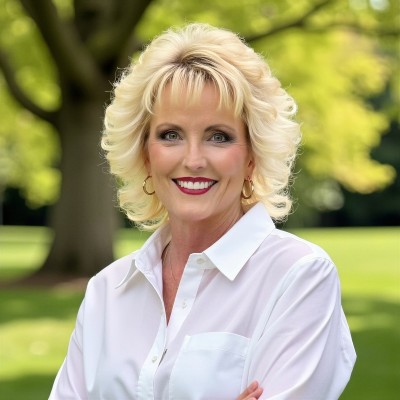
Kim Kelly-Lippert
Manager, Treasury Operations at American Honda Motor Company, Inc.

About this episode
Kim Kelly-Lippert is Manager, Treasury Operations at American Honda Motor Company, Inc. In this episode, she shares her perspective on cash forecasting, treasury leadership, technology, team development and the importance of building strong relationships across the business.
Kim joins the show to discuss how treasury continues to evolve and why professionals need to evolve with it. She explains why cash forecasting is both a science and an art, combining technology, historical trends and analytics with business knowledge, context and experience.
The conversation explores the transition from technical treasury expertise into leadership, developing high-performing teams, mentoring future treasury professionals and building valuable internal and external relationships. Kim also shares her perspective on automation and AI, including why treasury professionals should remain curious, keep learning and embrace the technologies changing the profession.
What We Cover in This Episode:
- Why cash forecasting is part science, part art and constantly changing.
- How technology, historical data and business context combine to improve forecasting.
- Why forecasting should be viewed as a business process, not only a treasury process.
- The shift from technical treasury expertise to leadership and setting direction.
- Why relationships, networks, mentors and sponsors matter throughout a treasury career.
- Building strong treasury teams through technical capability, people skills and character.
- How automation, real-time payments and AI are changing treasury.
- Why staying nimble, curious and open to change is essential for long-term growth.
You can connect with Kim Kelly-Lippert on LinkedIn.
—
🎙️ Subscribe to the Treasury Career Corner podcast – Never miss an episode! Subscribe on your favourite platform:
CLICK HERE for 🎧Spotify Podcasts
CLICK HERE for 🍏Apple Podcasts
🎓 Exclusive discount on CTP & FPAC – Visit our AFP partner page to find out how much you can save: https://treasuryrecruitment.com/partners/afp/
💡 Earn CTP credits just by listening – Selected episodes of the Treasury Career Corner are AFP-accredited. Listen, take a short quiz, score 80% or more, and we’ll send you your free certificate. Filter by CTP Eligible at https://treasuryrecruitment.com/podcasts/
🌍 EuroFinance International Treasury Management – September 16th-18th 2026, Barcelona – The world’s largest treasury event. Save 10% with our exclusive discount code: MKTG/B/TRP10. Book here: https://treasuryrecruitment.com/partners/eurofinance/
👉 FIND OUT MORE HERE https://treasuryrecruitment.com/partners/
Mike, CEO, The Treasury Recruitment Company: In this week’s show, delighted to be joined by Kim Kelly-Lippert, the manager treasury at American Honda Motor Company, Inc. The American Honda [00:00:10] Motor Company is the North American subsidiary of the Japanese Honda Motor Company. Founded in 1959, it manages the distribution, marketing, and sales of Honda [00:00:20] and auto- automobiles, motorcycles, power equipment, and marine engines across the US.
Mike: But that’s enough about them. We’ll get to Kim to explain a little bit more. [00:00:30] We’re gonna go back. Kim and I have known each other a while. She’ll be joining me on stage at AFP later this year. But we’re gonna go through her career. We’re gonna start right back at the beginning. How did you first [00:00:40] start, or, how did you choose treasury or finance? Or did it choose you? Kim, over to you.
Kim, Manager, Treasury Operations at American Honda Motor Company, Inc.: Thank you, Mike. Thank you. Good to talk to you.
Mike: And you.
Kim: Basically I think [00:00:50] treasury found me more than I found treasury. It was many, many years ago, and, I started at a subsidiary of Edison International, which out here in [00:01:00] California is the main utility company out of Los Angeles. And there they were developing alternative energy projects, worldwide. And that organization grew [00:01:10] quickly, and so while there I had the opportunity to build processes, learn about cash forecasting, which was done on, okay, I think Lotus [00:01:20] 1-2-3 at the time.
Mike: I remember it. I was there program doing it.
Kim: But the good thing is it gave me exposure to multiple disciplines and really get acquainted with [00:01:30] treasury which I soon found that I just… I loved the discipline, I loved the company, I loved the team, and just grew from there.
Mike: And you knew it was gonna be a career point at that, [00:01:40] or you just saw treasury and you just got to know?
Mike: What was it that gave you the spark about treasury?
Kim: Well, I think for me is I always like working with money. Yeah. Before I went into, cash [00:01:50] management, I worked for a financial planner, out of Newport Beach, and working with clients and, you know, just doing all of that was just really fun for me.
Kim: So, I kinda [00:02:00] have that more cash background, banker background, if you will, that just worked for me as opposed to getting into something like marketing or something like that, that I [00:02:10] knew just wasn’t for me. Even at that early stage in my career, I found something that I really, really liked, and so I was very fortunate in that way, and had some, you know, just some great [00:02:20] people that I started working with, and it was fun to build something new.
Mike: And on that practical side, you mentioned there about Lotus 1-2-3 and workstations, a process. [00:02:30] I remember programming in that way as well. But what was teaching you the most? Or if, you know, someone entering treasury today they can’t really imagine it. When I say to my kids, “This is what a [00:02:40] fax machine was, and we put paper in a machine.”
Mike: They’re like, “Shut your face, Dad.” And I’m like, “Come on, no, it’s like this is what you actually did.” Yeah. And they don’t get it. And then, so you know, from those days, [00:02:50] That was your foundation, if you like, but what would someone find hardest, do you think, about those days?
Kim: Well, I think in those days it was highly [00:03:00] manual. Everything was very manual. Very manual environment, and as you mentioned, fax machines. , We used to get bank balances through fax machines you know what I mean? Now it’s just unfathomable to think of some of the [00:03:10] things that we used to do.
Kim: Time is really spent on collecting the data. I mean, of course now technology has changed everything. But I think that you can say that from a very manual [00:03:20] perspective, but I think one of the best things, and probably the best training ground, was just that there wasn’t any processes and procedures, and this is the way you have to do it.
Kim: So we were able to [00:03:30] really to create that, and I think that was really good for me from the beginning.
Mike: And when you’re creating those, you know, do you start with the end in mind, or is it just that you can see what’s [00:03:40] wrong with it, or how do you approach problems like that, would you say?
Kim: Well, I think, starting off in treasury, I was so new to it, you know? So it was you know, here’s our cash and we need to [00:03:50] manage it, and how is the best way to do that? And , I was fortunate, and there was just me and one other person who were… started off running the treasury group. I know when I even [00:04:00] interviewed for the job, the , agency that kind of sent me out on the interview were like, “Well, it’s in treasury.
Kim: We’re really not sure what that means.” Yeah. And so I thought, well, treasury sounds, sounds [00:04:10] good to me. There you go. so anyway , we had the opportunity to really to really build processes from scratch, and it really helped develop those, what [00:04:20] we then took from the beginning and then grew into something much bigger along the way.
Kim: Yeah. I was there for many, many years, so there was a lot of changes, a lot [00:04:30] of, , transformation through that time.
Mike: And I know you and I talked about this before, that it was a very formative period, a very different time for, you know, women in treasury [00:04:40] at the time. It was, … what did you have to learn, what was challenging then, or what, what did you learn that wasn’t in the manual, if you like, and how did you [00:04:50] establish your own credibility and trust then?
Kim: Yeah, I think that at that time Treasury was also a very male-dominated profession. , And the person that I was working with was [00:05:00] also a woman, and so, we felt like we were really kind of blazing trails together. And, , it was, you know, you have to have a lot of, work harder. , You [00:05:10] build a lot of resilience. I think at the time, to be honest, I was also trying to build a career and build a family. Yeah. , I was like, as I was very young, so all of that was [00:05:20] starting off in my life as well. So, you know, and I learned early on that as much as, , family is important, and it matters to me, there was still a trade-off.
Kim: And [00:05:30] it didn’t always come first because it couldn’t always come first. And it just, the whole thought process back then that went into having , like a working mother, if you will trying to, [00:05:40] also pave the way for a career had its own challenges. And so, I mean, that’s for me today what has led to just really wanting to be a better advocate for [00:05:50] women in Treasury, and just hope that, , I leave it better than when I started.
Mike: And part of that, You had challenges at the time, but did those challenges [00:06:00] change you as a sort of leader and, when you were, , helping others, maybe more junior members of staff and coaching them, or, how did it, how did you evolve, if you [00:06:10] like?
Kim: I mean, I think it probably enhanced my stubbornness, if you will.
Kim: And I think that, you know, when you hear things like, “Oh, well, you can’t do something,” it’s like, “Oh, please, yes, [00:06:20] please tell me that,” because that will get make me, even stronger and more headstrong, in accomplishing that. So I knew that for me, I had set my goals and it was [00:06:30] always something that it was just really important to me.
Kim: It was important to me to prove that it could be done. And again, I worked with another woman that was just amazing, and we’re still friends [00:06:40] today. And I think we created something really valuable together. But yeah, it didn’t come without some sacrifice,
Mike: and you spent many years at, say, at Edison [00:06:50] Mission Energy- and then you went across to American Honda. Can you maybe give us a, the evolution there? When you arrived, who were American Honda then? ‘Cause that was, 13 years [00:07:00] ago. What did you take over? Talk through that bit.
Kim: Sure. Well, I was at Edison Mission Energy for almost 25 years, like 24 and a half years.
Kim: Yeah. And [00:07:10] so it was, , a long time, a long career just in and of itself. , And then I started here at Honda. I’ve been here for 13 years when I started here, it was just [00:07:20] very different environment in general. It was a very well-established company with very, you know, well-established processes and procedures. Cause we always say is when you change [00:07:30] to a new company, cash management, but you don’t know exactly how that company does their cash management. So it was, for me, ’cause I was further along in my career, so it was easier for me to [00:07:40] say, “What value can I add here?”
Kim: “What can I do that can make this organization better stronger bring in some good management, some good [00:07:50] ideas?” And so I think that over the years that’s what I’ve done, and that’s what I’m certainly proud of here. And it hasn’t come without its own share of struggles and, trials and tribulations, [00:08:00] but also a lot of enjoyment and a lot of satisfaction on that level.
Kim: I think there was a lot of, … I mean, we brought in new… I think when you talk about, and I know you [00:08:10] had some questions here too about- automation and just that transformation of automation, and the fact that it’s just always changing. And I think just getting [00:08:20] in, and understanding that change is gonna happen.
Kim: And you probably hear it all the time, embrace change. It’s true. I mean, you have to be able to be nimble and flexible and willing to make [00:08:30] those changes because it’s , you better change , or get out of the way because that change is coming, right?
Mike: I want to talk about AI technology a bit later on, but before that, [00:08:40] because prior to that, you’ve, , you’ve really got into your connectivity, APIs, , and lots of, [00:08:50] rationalization and integrations.
Mike: You’ve seen, By simplifying a lot of these things as well. Which changes made the biggest practical differences and, , and how did you do that and, , what did you do? What [00:09:00] changed, , what impact did you make?
Kim: Would that be… from leadership or from a technology perspective?
Mike: Both. Either both- lets go through either
Kim: [00:09:10] okay. I think that what helped move more from , maybe a technical treasury professional to a leader is that the technical expertise opens the doors, for sure. I mean, [00:09:20] early in my career I was recognizing the solving problems, delivering results and building that treasury expertise.
Kim: And then it goes where, it’s important to [00:09:30] develop your people, create the visions, empower others to succeed. And then you really realize how important that true teamwork is to the overall [00:09:40] success. It’s about shifting from goal execution to goal creation- with a focus on driving impact, influencing those outcomes, and really setting the direction. I [00:09:50] think that’s, a big difference over moving into more of a leadership role.
Kim: Yeah. And leading through change. You know, the focus is constantly shifting in operations, [00:10:00] and keeping up with that and creating that alignment across multiple stakeholders, multiple functions, multiple business units.
Mike: And the critical [00:10:10] part that you and I have talked about, about cash.
Mike: Cash is king or queen, whatever. but cash forecasting has been a key part of you throughout your career. As we talked about Lotus [00:10:20] 1-2-3 to now, to, systems like, Kyriba. Why do you think it’s so difficult, not to get right, but, , what are the pro- problems or challenges that you [00:10:30] think that, , treasury professionals need to focus on or getting right and things like that when you’re having conversations?
Kim: Well, and I think when you, when you talk about cash forecasting [00:10:40] specifically I think that, for me it’s part science and part art, if you will. I think the science comes in from the technology, the trends, the historical information, [00:10:50] and the art is really the business understanding and the context and that experience matters.
Kim: Forecasting never stands still, right? You’re continuously adjusting that. [00:11:00] And I think you’ll hear me talk a lot about relationships. Relationships are so important over every aspect of the business. But in this particular instance, people often [00:11:10] know before the systems know, and can give you those early insights into that matter.
Kim: I think that forecasting has to be viewed more as a business process and not just a [00:11:20] treasury process. Building those strong relationships and combining the data with all of that business insight in order to really get your historical trends and your analytics and [00:11:30] everything that you need to focus on in order to really, develop that, system, whatever that is that you use.
Kim: And I think AI is really coming into play with that as well. [00:11:40] Certainly as some of those more predictive analysis. And I know that, I can’t say where the future will be, but I think that, , at the end of the day, I think people will [00:11:50] still be needed. . I think they’ll still matter in that sense of just, determining I think it saves us time where we’re not spending so much time with the data, is that we spend [00:12:00] more time analyzing the data, and I think that also helps with the accuracy. ‘Cause at the end of the day, your forecasts, they always change, but you try to make them as accurate as you can for that, [00:12:10] that period of time.
Mike: And I’ll come back to that as well, ’cause there was another question I had. But before we do that, if you’re maybe a treasury analyst, and I know you’re a, big mentor, you wanna [00:12:20] coach your people and things. But if a treasury analyst listening today, they’re trying to get better information from their business, how should they build those relationships?
Mike: Or what would you [00:12:30] say… i’ve said to people, in fact, I just said it just this week to someone, and they were saying, “Well, I don’t know how to really get to know the business.” I went, “Go and have coffees.” I said, “Well, well, that’s not…” I said, “Go and have [00:12:40] a coffee with the financial controller, with someone in sales.
Mike: Get to know other parts of the business so you can put together the jigsaw.” And they were like, “Oh, right.” But, for you as a treasury [00:12:50] analyst, you might do that, but also you’re a manager of people. How do you give those or, , give that knowledge or give them that confidence? What, what advice would you give?
Kim: I think [00:13:00] mentoring is important. I do. Think, a more organic way of mentoring is important, and that’s what I’ve shared with my team. I mean, there’s a lot of formalized programs that [00:13:10] work, very well. But for me in my career, I can say mentors, help create opportunities that help open doors.
Kim: You have leaders that believe in you, and [00:13:20] just supportive sponsors in that way. And I think that’s where I saw how that helped me so I wanna help my team do the same thing. And so I bring them into [00:13:30] meetings, I introduce them to people, I help them build their network, because I just think that you can’t say enough about your connections and your networks, that you build over your [00:13:40] career.
Mike: You and I have talked about the fact that treasury can be quite high pressured at times, you know, depending on deadlines and things like that. How do [00:13:50] you deal with that yourself, or how do you get your…
Mike: help your team deal with that as well? ‘Cause again, we get that a lot as feedback. How do you do it?
Kim: Well, [00:14:00] I think, certainly relying on the team is important. Strong teams we help navigate those challenges together. But I can say for me, I actually enjoy a certain level of pressure, because [00:14:10] it’s often the most challenging moments that,, brings out leadership, teamwork and , really helps with just trusting established [00:14:20] processes.
Kim: And again, for me, I like a certain level of- of pressure. I think it just, I think it brings out what we know how to do, what we’re good at, and I [00:14:30] think through those times you do it helps bring out , just the recognition and the things that, you know. Sometimes treasury can kind of work in the background and not everybody always knows what it [00:14:40] is that we do. And I think that especially when you’re working a transaction or a big deal and you know that you have, there’s been all of your legal teams and your, all of your other business units that have worked very hard on [00:14:50] getting that deal closed.
Kim: But until that money moves, that deal’s not closed. Yeah. So , from that perspective, I enjoy working with some of that pressure. I think it’s good.
Mike: And we touched there on [00:15:00] team. I think you lead a small team, but perfectly formed team. But what do you look for?
Mike: You know, we’ve got the technical knowledge. You’re gonna look for that. But when you’re recruiting and [00:15:10] or when you’re developing people, what are you looking for in people?
Kim: Well, I had the opportunity to just hire somebody on my team. And so, I [00:15:20] think that of course your technical skills are, very important. But I think that, you know, and of course building a strong team starts with very capable people who [00:15:30] know they can come in and own that daily process. But I think it’s also about their people skills. And I’ve always said, you know, at the end of the day, of course you [00:15:40] want them to come in with some kind of technology background, but at the end of the day, you can still teach a certain amount of that.
Kim: You can’t teach that person to [00:15:50] be who they are. You can’t teach them to be committed to the company. You can’t teach them ethics. I mean, that is who they are, and I think it’s very important to have those skills and [00:16:00] you know, your people skills I think are extremely important.
Kim: And I know that when even going through the interview process, we had a bunch of questions that we asked, and at the end of the day, it really wasn’t [00:16:10] about even the answers to those specific business questions. It was just really about getting to know the person and more about the things that they were talking [00:16:20] about, the things that you could sense that kind of made them who they were to me, was just as important as all of their answers to all of our, difficult business questions we were throwing out there for them.
Mike: And so how do you [00:16:30] assess that? ‘Cause I’ve said that sometimes. It’s as you say, technical’s easy to assess. You know, do right answers, wrong answers, or level of knowledge gets to a certain level. But how are you then, those [00:16:40] softer skills and things, when you were asking those questions, were there any particular tips or any particular things that you thought, “Right, this is what we’re seeking”?
Mike: You know, you’re not giving them the [00:16:50] questions, but at the end of the day, how did it, jump out at you?
Kim: To be honest, I think that’s probably one of the harder things to judge. I think it’s one of the harder things [00:17:00] to judge in anyone. And I think that if you happen to be a little, maybe a little more trusting and a little more open, you might, not get it right the first time.
Kim: But I think, for [00:17:10] us here, we do panel interviews, and you choose the people you want on the panel with you. And so I chose certain individuals that I [00:17:20] felt I really valued their input after the fact to say, let’s sit and let’s ask the questions and see if we all agree on those particular skills.
Kim: [00:17:30] Again, I think the other skills were easy to judge. But I think when it came down to, is this person gonna make a good… We’re a little team, so we wanna know it’s gonna, integrate into the team well. And we [00:17:40] spend a lot of time with these people. And so, you wanna know that it’s just, it’s a good pick.
Kim: And I guess at some point you don’t know, I mean, I guess you could have [00:17:50] someone come in and do a great interview, and maybe they’re not at all who they say they are. But for the most part, I think that, I think it comes to just being a good judge of people, a good judge of character. . And I [00:18:00] think that comes with experience.
Mike: Comes with experience, and part of that, as you’ve described yourself as a continuous learner and a continuous teacher, [00:18:10] but that’s also on top of a pretty full day job. So how do you, achieve that on top of a day job? Is it, you know… I know you and I, we caught up at the, [00:18:20] one of the conferences earlier this year.
Mike: You know, is it that that helps you, or, you know, what… How do you decide what to keep on development?
Kim: Well, I [00:18:30] think for me, I I prioritize things very carefully throughout my day because on top of everything else, I have a quite of a long commute to get to my office. . So my day is a long, long [00:18:40] day.
Kim: And so, I think it’s important to prioritize, , , between the operation side , and the people side. And I think the people side of it is really, really important. You have happy [00:18:50] people and, You just get a better, better output.
Kim: And so that’s important to me to make sure to be here for my team, to be an [00:19:00] advocate for my team to know that they can come, they can talk to me. By all means … and that we can, we can make things happen. Yeah. We can solve problems. , We can educate, we can help train.
Kim: What is it that you need? [00:19:10] I’m very open to listening to , what the team needs.
Mike: Now, when we talk about partners and external providers, you very much see them as, and you describe them [00:19:20] as, your external providers as partners, if you like, to you and the business. You know, and I’ve said this when I do my Treasurer Career Corner live events and things, it’s all very well.
Mike: You [00:19:30] say, “Yeah, you’re a, partner with us, and we partner with you,” and things. That’s great in the, you know, in the busy times. Everyone wants to… How do you keep that going in the quieter times? And, you know, what [00:19:40] makes, a professional contact into a really, you know, useful ongoing relationship?
Mike: How, how do you manage that?
Kim: You know, I think that’s part of the job [00:19:50] that I really, I wouldn’t say love the most. Yeah. But I, I really do enjoy that side of the job. And I think that anybody that knows me well knows that’s important to [00:20:00] me, and that comes to our business partners as well.
Kim: I think that good example of good relations with business partners just came through the Adam Smith Award, right? . I [00:20:10] mean, that was such an exciting thing to win for the team and for Honda, and to know that we had really good partners that we partnered with to do that. And I think you have to…[00:20:20]
Kim: It’s kind of, I have a friend that always says we’re equally yoked, right? I mean, we have the same goal, that same mission in mind. But I think that I look at [00:20:30] my maybe service providers, if you will, as business partners, and, I always have. So, I know that if I have something I don’t have to know everything, so long as I’ve, I [00:20:40] have good connections.
Kim: And if something comes up to say, there’s something that’s new on a banking product, I know who I can call, and I can get really good information that I can turn into [00:20:50] good, valuable presentation material. If there’s an investment idea that we have, I know good people that I can call to say, “Hey let’s talk about this investment idea.”
Kim: , If I need market [00:21:00] research, I know who to call. If I need credit research, I know who to call. So I think they’re very, very important. I think having good, strong relationships just makes better and [00:21:10] stronger and, I can’t say enough about making good connections and good partnerships throughout your career.
Mike: Before we go on to where the future of treasury and where it goes next and [00:21:20] stuff, I know that’s something that you and I have talked about when we, we connected recently. Are there any other areas that you think… I know that we’ve got… You know, we touched on a little bit about supporting other women in [00:21:30] treasury, but, what other areas are important to you that you think that maybe, you know, podcast listeners should be thinking about?
Mike: As like a catchall. I’ve covered quite a lot of stuff, but then we’ll talk about the [00:21:40] future, but any other areas?
Kim: Gosh, there’s just so much changing in treasury, and I think just staying on top of that and [00:21:50] ahead of that and educating yourself on that Like I said, I think that especially in my career, if I would’ve stayed fixed on certain ideas or, [00:22:00] to say things have to be done this way we wouldn’t be sitting here today, you know?
Kim: A lot would’ve just been, run over and run out, I guess. But I think it’s to really s- to stay nimble, to stay [00:22:10] curious to ask questions, to invest in your relationships, and certainly stay open to change and keep growing.
Mike: Yeah. And then we’ve touched so much on technology [00:22:20] and stuff.
Mike: We’ve talked about different events. We’ve just talked there about going from spreadsheets now, the rise of AI and technology, and there’s a lot of noise you guys have [00:22:30] to, you know, filter through. What changes really excite you and which need a bit of a dose of, uh, a pinch of salt or dose of [00:22:40] realism?
Mike: What, what do you think?
Kim: Well, again, there’s just so much. I think AI is just, we’re just beginning to really see how- … it can really help us. I know [00:22:50] personally I use it every day for something. And if you would’ve asked me, I don’t know, five years ago if that would’ve been the case, I I would’ve m- maybe not had the same answers.
Kim: But I, so I think it’s [00:23:00] sometimes the things are changing so fast that maybe it is hard to predict what’s gonna be here in the next- five years. All of the, the automation for sure, the real time [00:23:10] payments, just the different investment opportunities. It’s just , there’s just so much out there that you know, again, it just, it requires to have those really good [00:23:20] connections and really good ability to get to resources and education so you can really educate yourself on all of those trends that are coming.
Mike: And what’s the biggest opportunity, do you think, [00:23:30] maybe for treasury? Because I’ve, again, on these podcasts I’ve talked to lots of people about it and When I was talking to someone just on the podcast just the other week, we were talking about the fact it, a lot of people [00:23:40] were nervous about the rise of technology.
Mike: And I think, you know, back in the Industrial Revolution people were worried about it and things like that, taking jobs. Yeah. It took, you know, it , takes that process. [00:23:50] But it actually- … then means you can they said, that it’s gonna take away a lot of this, or, this automation is gonna do it.
Mike: It’s gonna automate. Brilliant. But actually then it means we can do the [00:24:00] interesting stuff, and I thought it was actually a really good way of looking at it. They said, “Look, I can actually look at the value add. Some of the things that I’ve been wanting to get on, I know that they can actually move the needle.”
Mike: [00:24:10] Do you see the same?
Kim: I do. And I think that I heard at, a conference that I was at where they were talking about AI, and these particular presenters were saying that AI isn’t [00:24:20] necessarily going to replace people, but it could potentially replace people that don’t know how to use AI.
Kim: And so I get that. I understand that, and I think that’s what, again, you always have [00:24:30] to keep yourself educated and know that don’t resist it. It’s coming. . Whether- you think you want to use it or not. Yeah.
Mike: Okay. So we will put your LinkedIn [00:24:40] details in the show notes as we do, and then on every single episode…
Mike: And, uh, it was funny, a few years ago, uh, we were at a conference and someone said, “Oh, you should change your close.” I [00:24:50] went, “What?” “The close of the podcast each time.” And I went, “I’ve done 400 thanks,” and at that stage I think we were about 200,000 downloads. Now we’re at 280,000 downloads. So I think people like it.[00:25:00]
Mike: So it’s tr- traditional close is takeaways for the shows, and that is to, you know, the, maybe the more junior people, so the treasury analysts and managers, the [00:25:10] mid-level guys as they start to want to maybe get to a more senior level treasurer role, and/or the treasurers you meet w- when you and I are sitting down at AFP, where you’ll be speaking with me [00:25:20] on the lovely panel in, uh, in Vegas later this year.
Mike: What bits of advice would you give to each of those audiences?
Kim: Well, I think from a career [00:25:30] advice standpoint- I would say, you know, raise your hand, volunteer for opportunities that are around you. Be curious. Again, learning should never [00:25:40] stop. Invest in relationships, as we’ve talked about how important that is, and career growth often comes through people.
Kim: And, stay open to change, these things that [00:25:50] we’ve kind of talked about here. New experiences build valuable skills. And just keep growing. Continuous development creates long-term success for sure. [00:26:00]
Mike: What a close. That’s it. If you want to see her live and in person, come to AFP Vegas. I’ll be sharing a stage with this amazing lady and a couple of other l- amazing ladies [00:26:10] Jessica and, uh, Trish.
Mike: But yeah, uh, we’re looking forward to seeing you later. Thank you very much. You’ve been a superstar as always. Thank you, Kim.
Kim: Thank you, Mike.
- Combine data and technology with business knowledge and human insight when forecasting cash.
- Build relationships across the organisation because people can often provide insights before systems do.
- Move beyond executing goals as you progress into leadership and focus on creating direction, developing people and influencing outcomes.
- Invest in mentors, sponsors, networks and business partnerships throughout your career.
- Technical skills matter, but people skills, commitment and ethics are equally important when building a strong team.
- Do not resist technological change; continue learning how tools such as AI can support treasury.
- Raise your hand for opportunities, stay curious and keep developing to create long-term career growth.
🎧 Earn CTP & FPAC Credits by Listening to the Podcast
Whether you’re at the gym, on your commute, or walking the dog – you can now make your podcast time count toward your professional development.
We’re thrilled to share that Treasury Career Corner podcast episodes now qualify for CTP and FPAC recertification credits through the AFP’s Independent Study category.
How It Works:
- Listen to a Treasury Career Corner podcast episode
- Complete the short multiple-choice quiz
- Score 80%+ to pass
- Submit your credits to AFP as part of your recertification record
➡️ Credits earned per episode length:
- 30 mins = 0.6 credits
- 45 mins = 0.9 credits
- 60 mins = 1.2 credits
No filler. Just real treasury conversations covering leadership, strategy, risk, technology, and team building.
🧠 Quick Facts:
- 📝 Quizzes contain 6–10 multiple-choice questions
- 🎯 You need 80%+ to pass
- ✍️ Quiz submissions are reviewed manually
- 📋 We must then VERIFY you are a CTP treasury professional to help prevent automated or non-genuine submissions
- ✅ Once verified, we mark your quiz and send CTP credit confirmations every Friday
- 📨 If you need results sooner? Then email mike@treasuryrecruitment.com and we’ll try to prioritise the marking of your latest quiz
NOTE: In line with AFP compliance requirements, no more than two quizzes may be completed per day.
