
How AI Can Build Stronger Treasury Teams Without Replacing Human Judgment | Treasury Careers Podcast
AI is changing treasury fast, but technology alone won’t create a stronger function.
In this episode, with Antonios Reizopoulos, Head of Treasury at Nomios Group, we explore how treasury leaders can combine AI with people, process, governance and human judgment to improve fraud prevention, decision-making and resilience – while building teams that are ready for the future.
Listen on:


Featuring

About this episode
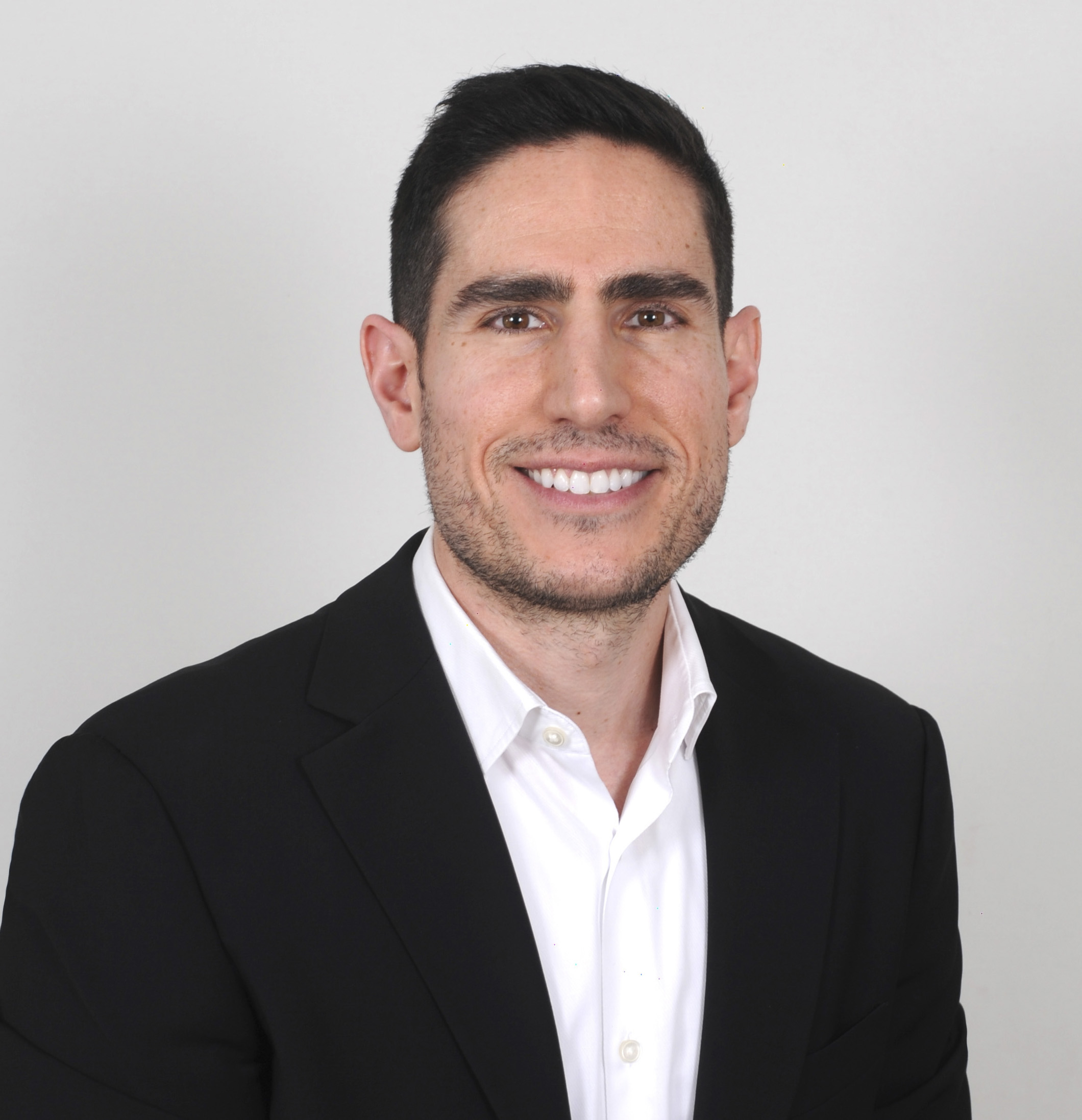
This week, Mike Richards is joined by Antonios Reizopoulos, Head of Treasury at Nomios Group, a leading European cybersecurity and networking company operating across seven countries.
Antonios is currently responsible for building and developing Nomios’ treasury function, with a focus on creating a more centralised, scalable and controlled operating model across areas including liquidity management, cash forecasting, banking, FX, credit facilities and treasury technology.
Antonios shares his perspective on what it takes to build a modern treasury function from the ground up and why treasury needs to be viewed as a core business partner rather than an isolated finance function.
He discusses the importance of gaining broad treasury experience, building effective teams, managing multiple priorities and securing stakeholder buy-in during transformation projects.
The conversation also explores the growing impact of AI on treasury, particularly in fraud prevention, monitoring and forecasting. Antonios explains why AI should support treasury professionals rather than replace them, and why the strongest treasury functions will combine technology with robust processes, governance and human judgment.
What we discuss:
- Why treasury should be viewed as a core partner to the wider business.
- Building a centralised and scalable treasury function from the ground up.
- Why understanding the full treasury operating model is more valuable than working in individual silos.
- How liquidity, cash forecasting, receivables and working capital connect in a fast-moving treasury environment.
- What Antonios looks for when recruiting treasury professionals, including integrity, curiosity and problem-solving ability.
- How AI can support fraud detection, anomaly identification, forecasting and decision-making.
- Why effective fraud prevention requires people, process, technology and governance working together.
- The importance of stakeholder communication and buy-in when delivering treasury transformation.
You can connect with Antonios Reizopoulos on LinkedIn.
—
🤝 Treasury Executive Exchange, Chicago – May 25th-26th 2027 – Join leading treasurers from across the US and internationally for two days of small roundtables, honest conversations and practical discussions, in partnership with the AFP: https://www.financialprofessionals.org/events/meetings/treasury-executive-exchange
🎓 Exclusive CTP & FPAC discounts – Find out how much you can save: https://treasuryrecruitment.com/partners/afp/
💡 Earn CTP credits by listening – Selected episodes are AFP-accredited. Listen, take the quiz and earn your certificate: https://treasuryrecruitment.com/podcasts/
🌍 Treasury Career Corner LIVE 2027 – Join us at events across London, New York, the Netherlands, Houston, Chicago and Dublin: https://treasuryrecruitment.com/events/
🎙️ Subscribe to the Treasury Career Corner podcast – Never miss an episode:
CLICK HERE for 🎧 Spotify Podcasts
CLICK HERE for 🍏 Apple Podcasts
Mike, CEO, The Treasury Recruitment Company: Welcome to this week’s Treasury Career Corner Podcast. We’re interviewing treasury professionals about their treasury careers. [00:00:05] Each and every week we talk to a treasurer about how they built their careers, where they are now, and where they see both [00:00:10] themselves and the treasury profession going to next.
Mike: In this week’s show, I’m joined by Antonios [00:00:15] Rezopoulos, the head of treasury at Nomios Group.
Mike: Nomios [00:00:20] is a leading European cybersecurity and networking company that design, secure, [00:00:25] and manage digital infrastructures for organizations of all sizes across a wide [00:00:30] range of industries.
Mike: By combining cutting-edge technology with consulting, [00:00:35] managed services, professional services, they pro- create strategic value for their customers and [00:00:40] partners. But I’m gonna get Antonios to explain a bit more about the company later in the show. On, [00:00:45] and, just saying before, this is our eighth anniversary.
Mike: This is literally to the day that we released [00:00:50] our first one many years ago with Sarah Jane. So nice to have this [00:00:55] celebratory episode. Sir, but if you would, take us back to, as we’ve done over these many weeks, [00:01:00] the beginning of your career. How did you first get into finance, and what led, then led you into treasury?
Mike: Over to you. [00:01:05]
Antonios, Head of Treasury at Nomios Group: So good to be here. Thanks for the invite. I really appreciate- Pleasure … [00:01:10] being on here on this celebratory moment- Yeah … for your podcast. [00:01:15] So when it comes to me, I started my career in banking, [00:01:20] initially in, corporate credit risk. And I have to say, that gave me like a [00:01:25] strong foundation in financial analysis and understanding how companies [00:01:30] fund themselves.
Antonios: So that helped me when I moved to corporate [00:01:35] treasury at Coca-Cola, initially at the front office role focused on FX. [00:01:40] And really, that was, for me, the early entry [00:01:45] point into treasury. From there, my responsibilities [00:01:50] gradually expanded into liquidity, cash management, banking, [00:01:55] transformation, and eventually treasury leadership.
Antonios: Looking [00:02:00] back, the move from banking into treasury was [00:02:05] very important because banking gave me the risk perspective, while [00:02:10] treasury allowed me to apply that much more directly [00:02:15] into the financial operations of the business.
Mike: And did you know [00:02:20] what treasury… Did you know what to expect? did you have any exposure to treasury, [00:02:25] or was it all…
Mike: what were the big learning things for you coming from banking and “Oh, wow, didn’t realize we [00:02:30] did this breadth of activity” in those early days? What were you learning?
Antonios: So of course, [00:02:35] like if you are, working in, the banking sector, treasury is, very active [00:02:40] there because you have the bank perspective on, all the deals.
Antonios: Of course, like I was [00:02:45] not working on the treasury department of the bank. However, being to [00:02:50] credit, I was close to there, so I was- Yeah … understanding the banking products and what [00:02:55] the corporates want to achieve there. So naturally, I [00:03:00] knew a few things, but I didn’t expect the [00:03:05] whole spectrum. And of course, I was lucky enough to be [00:03:10] employed by an established company that had a [00:03:15] very large treasury.
Antonios: So it utilized all of the [00:03:20] banking products that, each bank would provide, and on top of that, they were [00:03:25] doing projects. Yeah. So that was that I [00:03:30] didn’t expect when I joined treasury, that actually treasury [00:03:35] is a core partner of the business.
Antonios: Yeah. I thought, it’s more on the [00:03:40] side, They only deal with the bank, and they are on their own, silo. [00:03:45] Nothing more
Antonios: than that. Yeah. You just had that silo view, yeah. But apparently they are a core partner of the business.
Mike: And coming from banking as well, [00:03:50] just before we move into- more about your role at Coke and things, what I have, when I’ve [00:03:55] had some of my European guests and they’ve worked with different banks, what they’ve said is it’s great to, [00:04:00] you, you then understand what the other side of the table, on the banking side, what they need and what the corporate [00:04:05] needs and things like that.
Mike: But when they’ve also talked, they said what’s interesting and then when they go to [00:04:10] three different banks, when they, when you’re in the corporate and things, they, all those [00:04:15] banks, the d- they ask for different things. I’m not talking KYC, I’m talking more that they [00:04:20] often, Did you find that an interesting move for you because you’d gone into treasury [00:04:25] and you were like, “Oh, this bank wants this,” or, “This bank is more focused on this”? [00:04:30] How did you deal with that? Obviously, ’cause you were an ex-banker, so you knew this stuff.
Antonios: So actually, [00:04:35] the reason that I moved into the corporate world it was because [00:04:40] I wanted my work to have an impact. And, let’s [00:04:45] be clear, and that banks, they need to follow [00:04:50] specific processes, then they are more slow.
Antonios: And as an [00:04:55] individual, you don’t have that much of an impact. So I [00:05:00] have to say that the corporate world actually [00:05:05] confirmed to me that the banks sometimes can be very [00:05:10] slow and very bureaucratic.
Mike: Yeah. So, you joined Coke.
Mike: [00:05:15] Originally, you were in Greece, but then you relocated to Amsterdam, which is obviously a big shift as well.
Antonios: Yes. [00:05:20]
Mike: what was that? How did your role evolve as you moved and, you then grew your [00:05:25] career, if you like, over a number of years? Talk us through that move and what it was like for you.
Antonios: The move to [00:05:30] Amsterdam from Athens coincided with an significant broadening [00:05:35] of, my role because I moved from primarily focusing on effects [00:05:40] and commodity exposures into a much wider regional treasury [00:05:45] environment covering cash management, liquidity planning, cash [00:05:50] pooling, in-house cash banking, and treasury centralization.
Antonios: And [00:05:55] that, for me, that was important because I stopped looking treasury as [00:06:00] a series of individual activities and started understand how [00:06:05] those are connected. And actually, it was my first real, [00:06:10] exposure to a large transformation of initiative [00:06:15] involving different countries, business unit systems and stakeholders, [00:06:20] which actually shaped the way I approach m- the rest of my career.
Mike: [00:06:25] And with you, as you say, you were growing your experiences and, they were taking on more [00:06:30] technologies. You joined Coca-Cola- can you explain how Coca-Cola [00:06:35] is organized just, from a top level, just so that people go, “Is this Coca-Cola,” [00:06:40] or how does it organize?
Mike: Just at a very high level, just so they understand it, ’cause obviously different. We’re the [00:06:45] bottlers,
Antonios: With the acquisition of the African bottler, they have- Oh, yes, right
Antonios: expanded a [00:06:50] lot. So-
Mike: Yeah …
Antonios: things might have changed-
Antonios: . What
Mike: was it like when you were there sort of thing?
Antonios: So [00:06:55] when I was there, of course, there were, the Zug offices where the [00:07:00] CFO and the CEO are based, and then they had, offices in [00:07:05] every country that they operated.
Mike: But you were then, during your time, you [00:07:10] were involved in lots of different projects. You, Yes … you were doing, and I know [00:07:15] you, we talked about this, you were recently at EuroFinance of things. You had, cash pooling, [00:07:20] in-house banking. Which of those experiences, made the biggest, helped you the most if you [00:07:25] like, developed your career if you like?
Antonios: I would say most probably it was, treasury [00:07:30] centralization because, it brought many individual [00:07:35] areas together. When you centralize a treasury, you are simply [00:07:40] not implementing a cash pooling or a, a connection to the bank. [00:07:45] You need to understand the full business, the [00:07:50] liquidity- Yeah … the FX, the banking, the technology, tax, everything.[00:07:55]
Antonios: And for me, that experience taught me to think about [00:08:00] treasury as an operating model rather than, an individual, process.
Mike: [00:08:05] Yeah. And you, and that part that you, you’re progressing through different roles, weren’t you? You sort [00:08:10] of- you had five different roles, which was amazing, but over 10 years, which is [00:08:15] now you’re in a different ro- what was that like for you?
Antonios: I think it was very interesting, because I was [00:08:20] o- offered the, opportunity, and I really, appreciate that. But [00:08:25] I think that for, any individual, the key if they want to [00:08:30] progress is to continuously moving and taking always something [00:08:35] new.
Antonios: Because for me, each role have added [00:08:40] another dimension than simply repeating what [00:08:45] I already knew. And I was always very interested in understanding [00:08:50] how different parts of treasury connect, and I didn’t want to define [00:08:55] myself only as the FX person, as only the cash management person. [00:09:00] And obviously, that range of experience ultimately [00:09:05] made me take a full treasury ownership later in my career.
Mike: [00:09:10] And then with that, what were you would you encourage other treasury [00:09:15] professionals to do that and What did it give you thing?
Antonios: I think, [00:09:20] what, it gave me is, was, perspective. And I’ll [00:09:25] definitely, encourage everybody to do that because obviously if they want to move [00:09:30] into leadership roles, you need to understand each part [00:09:35] of, the business. Because, if at first you wanna be a first line [00:09:40] manager, you need to be there to support your team and [00:09:45] not just delegate things.
Antonios: And actually, as you progress [00:09:50] into the leadership, you also want to understand, the, the struggles [00:09:55] of each individual, phases.
Mike: Yeah, you need to know those roles as well. And [00:10:00] then you talk about there, you did your 10 years at Coke, and then you moved to Nomios. Can you [00:10:05] explain who Nomios are?
Mike: you’ll do a better job of it than me.
Antonios: Nomios [00:10:10] has been, very active in, cybersecurity But [00:10:15] also, providing other services such as SOCs but [00:10:20] also being the middleman between big [00:10:25] companies Palo Alto and i- customers like [00:10:30] Odido and KPN in the Netherlands that they want the support.
Mike: Yeah, so you sit between them. And so you’ve been there a year or so. [00:10:50] What was it like, the shift between you coming from a large corporate to Nomios, [00:10:55] a private equity, you know, company, as the head of treasury? that, that must have been a learning [00:11:00] curve. What were the biggest learnings?
Mike: What was your blank sheet of paper, if you like? And, I often talk [00:11:05] about that.
Antonios: Obviously, moving from established company to a, a private [00:11:10] equity for me, that was the interesting thing because I was, [00:11:15] employed to establish the treasury function that at the mo- at the time, one [00:11:20] year ago, they didn’t have a specific, dedicated function.
Antonios: And my [00:11:25] initial priority for me was to establish the foundation, the [00:11:30] operational model, the governance processes, and the team. And from [00:11:35] there, my focus expanded on, group-wide liquidity [00:11:40] management, cash forecasting, banking effects, credit facilities, [00:11:45] and of course, the treasury transformation, including Kyriba as our, TMS.
Antonios: [00:11:50] And overall the objective has been to, [00:11:55] establish a more, centralized, scalable, and controlled [00:12:00] treasury function to support the group. Yeah. So for me, that [00:12:05] was very exciting because in the past, I have done [00:12:10] individual projects, but I haven’t established a- a treasury function [00:12:15] from the start.
Antonios: There were before treasury activities, but they were done [00:12:20] from different, departments and not in a modern [00:12:25] way.
Mike: Yeah.
Antonios: So this is why, this is where I stepped in, [00:12:30] and I utilized my experience in [00:12:35] treasury with 10 years with Coca-Cola on five different roles to help them [00:12:40] be where we are now, and I’m very excited on [00:12:45] what we have achieved in less than one year.
Mike: That’s amazing. And then when you were bringing [00:12:50] people on board, what was your, what did you look for? you’ve been, as you say, you’ve had this [00:12:55] great depth of corporate experience. What was the first thing that stood out to you, or what things are you trying to [00:13:00] avoid, when you’re recruiting?
Antonios: So actually, when I’m recruiting, I want [00:13:05] s- a person that have, strong technical knowledge- Yeah … but for me, [00:13:10] also integrity plays, plays one important role because in treasury we [00:13:15] deal with, with payments, with cash pooling, with fraud. Integrity is very [00:13:20] important. But I also, I tend to recruit people that ask the right [00:13:25] questions, and they have curiosity, and they just don’t want to [00:13:30] rely on the experience that they have gained over the years.
Antonios: [00:13:35] Rather, they just are curious to see what can [00:13:40] be done better.
Mike: How do you assess that then if you’re interviewing someone? How do you measure [00:13:45] that? How do get a handle on that?
Antonios: actually, I’m not only asking [00:13:50] questions, but I’m bringing them, real problems that we face.
Antonios: [00:13:55] And we say, “Okay, we face this issue, [00:14:00] so how would you deal with that?” Or for example, I wanna see how [00:14:05] they would, prioritize things, so I bring them, multiple priorities and [00:14:10] I’m saying, “Okay, how would you approach that?” Because obviously the [00:14:15] priorities in a smaller company and w- in a private [00:14:20] equity, they’re much more different than the ones that of an [00:14:25] established, company that has a treasury function that is mature.
Antonios: And [00:14:30] mostly I’m not looking for the right answer, I’m looking to see if [00:14:35] the people would approach this differently.
Mike: Yeah. And just going back to that, [00:14:40] you said how it’s different in private. How is it different? you… what is the [00:14:45] difference? I had Julie Fabris many years ago. She was m- many [00:14:50] private equity companies she’s worked for, and we joked before.
Mike: I said Julie, it’s just about the cash. You’re a [00:14:55] cash manager, really, glorified.” And she was like, “Yeah, that’s me, Mike. That’s what I do. I just look after the cash.” [00:15:00] But she actually m- we talked about this, and we joked about it, and she said, “‘Cause once you get all the [00:15:05] cash in the right place, then you can do the other stuff and all the interesting stuff.”
Mike: And I was like, “Wow, that’s it.” She said, [00:15:10] “Yeah, you need a robust cashflow. You need this and this, and then e- everything else flows from it.” [00:15:15] Is that similar with yourselves, or what would you say?
Antonios: I think it’s very similar, and I think the [00:15:20] smaller the companies are, treasury is not doing only one thing.
Antonios: [00:15:25] So on top of that, on my treasury function, I’m also doing some finance [00:15:30] operation activities, like management of, receivables and also the credit. [00:15:35]
Mike: Yeah.
Antonios: So that, that also support me when I have to [00:15:40] do the, the cash forecasting because I know firsthand what’s happening, with [00:15:45] the, receivables.
Antonios: Also, I have a better control on the payment terms, so [00:15:50] that allows me to ha- to be in a better control of the [00:15:55] working capital. And, I would say the biggest [00:16:00] difference is that you are not doing only one thing. You have to [00:16:05] do 10 things at the same time. So in that [00:16:10] sense, your priorities shift.
Mike: Yeah.
Antonios: Of course, the most [00:16:15] important thing is to ensure operational-wise there is sufficient [00:16:20] liquidity, et cetera. But sometimes you might say, “Oh [00:16:25] I don’t have now the time to do the best deal, or maybe I will trade [00:16:30] tomorrow because at the moment I need to, focus [00:16:35] on, giving, the right credit into, that customer.”
Mike: And [00:16:40] then, and this, so this is part of one of these spinning plates, if you like. You did a session [00:16:45] recently at EuroFinance. You talked about AI, fraud prevention, and how [00:16:50] treasury’s evolving.
Mike: What was that like, if you like, for yourself? Obviously, I know it was your, one of your first [00:16:55] sessions you’ve given- Yeah
Mike: and you’re on a stage. But also how does that relate to your day job as well? Is that a [00:17:00] key thing for you, you’re finding that really that’s, everyone’s talking about it, and I talk about the [00:17:05] noise and things. how does it all fit in with your role?
Antonios: So when, [00:17:10] it comes to EuroFinance, specifically and, what meant to me, I think for [00:17:15] me it was a very significant personal career moment because EuroFinance brings together a highly [00:17:20] experienced international, treasury, audience.
Antonios: And [00:17:25] the focus of my session was on fraud, cybercrime, and the evolving role [00:17:30] of AI. So the, the key message that I wanted people to take [00:17:35] was that technology alone is not enough, and [00:17:40] AI can be extremely powerful for fraud detection and transformation [00:17:45] monitoring, but resilience, comes from combining [00:17:50] people, processes, technology, and, governance. So I wanted to [00:17:55] make sure the discussion remained grounded in, the corporate [00:18:00] treasury reality than becoming purely a, a technology discussion.[00:18:05]
Antonios: But in general, what is happening, so all of [00:18:10] us that we are in corporate, we see that the fraud [00:18:15] is evolving very quickly. Deep fake social [00:18:20] engineering in increasingly convincing phishing. So for us, [00:18:25] it means that fraud prevention doesn’t start, with [00:18:30] with a payment, but rather we have to build a [00:18:35] process on board everyone meaning people, process, [00:18:40] technology, and governance, and then tackle this from the start.
Antonios: [00:18:45] Because what the fraudsters they have in their advantage [00:18:50] is the speed. So for us in treasury, what we can have in our [00:18:55] advantage is the framework, and AI can support us on the [00:19:00] technology part on a lot of elements.
Mike: And simplify that for me, if you like. Top [00:19:05] couple of tips that someone walking away from that session-
Antonios: Yeah
Mike: what do you think that they [00:19:10] should… what was the message you wanted that audience to ask you a question about [00:19:15] after the session? Or what do you want them to go, “Oh, right from Antonios’ session, I- I learned [00:19:20] this”? Or, “I’m gonna go back to the office, I’m gonna do this.” Simplify it for me.
Antonios: So [00:19:25] for me, it’s not how much AI we [00:19:30] use, there, but it is how we can build a [00:19:35] framework where AI can be a part of it to make it work. So [00:19:40] I will start with a, a simple example, like- Yeah … people. We [00:19:45] want, our people to do everything, but at the same time, [00:19:50] our people cannot do that.
Antonios: So there, it comes the process. You [00:19:55] can onboard an, automated verification tool to do the [00:20:00] checks, of the invoices when they initially come, because obviously [00:20:05] that’s the entry point of the fraud. And, then- You can [00:20:10] also, on, on top of that, use the TMS to do [00:20:15] some, predefined, rules there.
Antonios: And then on top of that, [00:20:20] do some, cybersecurity training on your people. And [00:20:25] also support that with phishing simulation, and AI can [00:20:30] support you on that. Then also utilize your banking partners because [00:20:35] the banks, after the payment they do a lot [00:20:40] of verification of payee with the support of AI.
Antonios: So you [00:20:45] don’t always need to onboard an AI systems, but you can rely on the bank- , all [00:20:50] those elements, they can really support a business if they want to build [00:20:55] more strict rules when it comes to AI and fraud prevention. [00:21:00]
Mike: And you and I, we were talking before your session, ’cause it was one of your first sessions, and you were- Yes[00:21:05]
Mike: just, nervous about it, but you were like- Yeah … had great re- reports, and you then featured [00:21:10] in the EuroFinance sort of articles after. So it was a really, positive experience. But [00:21:15] any tips? I was giving some of the tips because I’ve done these [00:21:20] sessions. You know- Yeah
Mike: and I said before that in Chicago y- many years ago, I was like I knew I needed to get out [00:21:25] of my comfort zone, and now I am. now, was just saying before, I’m doing the AFP [00:21:30] session, I’m hosting a session with three people, and then interviewing on the [00:21:35] stage. I’m moderating a session with the global treasurer of Amazon, interviewing the global treasurer of [00:21:40] Starbucks.
Mike: I never thought… someone had said that to me 15 years ago, I’d have said, “Get out. Don’t be [00:21:45] stupid.” I, I’d be lucky to talk to them at a conference, now I’m interviewing them. [00:21:50] Because I got, got on a stage, and I know that won’t be your last time, but what are the tips that you [00:21:55] would, reflecting back on it, I’m sure that you, in that bar that night, you thought, “That was good.”
Mike: What was the [00:22:00] do’s and don’ts sort of thing? What advice would you give people?
Antonios: I think it’s [00:22:05] be overprepared because that always helps- Yeah … especially if it’s your [00:22:10] first, public, speaking session. [00:22:15] And I think when it comes on [00:22:20] what to avoid, try not to think about it a lot because obviously [00:22:25] for me, I was very nervous, but once the discussion started, [00:22:30] it felt natural because I was speaking about issues that [00:22:35] we actually face in corporate treasury.
Antonios: Yes. So even though, you might be feel [00:22:40] nervous, you at the end of the day think that you’re going to talk about something [00:22:45] that you do every day. So it’s something that it comes [00:22:50] natural for me. if I want to make parallels with that, I would say it’s like [00:22:55] thinking of jumping off a cliff. Before- Yeah
Antonios: y- you jump, [00:23:00] you always think about it. But when you actually jump, you said, “Okay, I wanna do this again.” So-
Mike: Yeah …
Antonios: [00:23:05] that summarized my feeling.
Mike: it’s a bit like with the podcast, you and I were just talking before, and people [00:23:10] have said, “Oh, the podcast.” I went, “It’s talking about your day job, and it’s a conversation.”
Mike: They’re like, “Oh, [00:23:15] yeah.” I said, “That’s what I do when I’m… I had, Tai-Kar Fraser, she was absolutely nervous about [00:23:20] our New York session. I went, “Can you talk about you and your job for 15 minutes?” She went, [00:23:25] yeah.” I said, “That’s what you’re gonna do.” She went, “Oh, okay.” And I said… And she came to me [00:23:30] after, she went, “That’s all I did.”
Mike: I went, “I know. I’ll give you the questions.” And also, when we [00:23:35] do our group sessions, you do an intro, you do the quest- you know, do the conversation, and then you [00:23:40] have 15 minutes of Q&A and, wrap up at the end. I said, “You’re gonna talk [00:23:45] for 12 to 15 minutes about what you do.” And she was like, “It’s not very long.”
Mike: I went, [00:23:50] “No, you don’t need to.” and I’m sure you felt the same or, that it was good.
Antonios: Great. [00:23:55] yeah. It, wa- it was, amazing, and honestly, I’m looking forward [00:24:00] for, next year because EuroFinance next year is coming to Amsterdam in [00:24:05] my hometown,
Mike: Yes. I actually knew that before, when it was announced on the back of the badges, they were like, “Oh.” I said, “Yeah, I knew [00:24:10] this.” They’re like, “Oh, okay.”
Mike: So Looking forward, the challenges coming for [00:24:15] you, there is so much about technology, AI, and things. How do you prioritize it, or [00:24:20] where do you think that the future of treasury is, changing in the ways… I give it… [00:24:25] Sorry to jump in. Someone asked me at the ACT conference in Liverpool, they said, this [00:24:30] member of the org, “Where is it gonna be in five years?”
Mike: I said, “Do you know where we’re gonna be in five years?” She, I [00:24:35] said, “I don’t know where…” I said, “If I said to you two years ago ChatGPT, you’d have gone, [00:24:40] ‘Chat what?'” Yeah, exactly. nobody… it’s suddenly come onto the scene of [00:24:45] things, and large language models and things like that.
Mike: What are you thinking, without going that far [00:24:50] ahead, but what are you thinking is, the treasury professionals in particular need to think [00:24:55] about?
Antonios: I see treasury becoming increasingly automated, [00:25:00] data-driven, and real time with the support of, AI. And I [00:25:05] think that in the next years, AI will become our, partner.
Antonios: Yeah. And I think [00:25:10] that this is on our benefit because AI can improve [00:25:15] areas such as fraud detection, abnormality, identification, [00:25:20] forecasting, and also sometimes support us on the decision making. [00:25:25] But I don’t see as [00:25:30] AI replacing treasury, professionals. Yeah. I, [00:25:35] think that the treasury professionals in the coming years will spend [00:25:40] less time in processing information and more time [00:25:45] on, reading and interpreting this information, and also [00:25:50] challenging and advising the business.
Antonios: Yeah. And also to connect with [00:25:55] my key takeaway from, EuroFinance, I think the future [00:26:00] model is the one that combines people, processes, [00:26:05] technology, and governance-
Mike: Yeah …
Antonios: together with the support of, AI. Because at the [00:26:10] end of the day, human judgment is needed and cannot be replaced
Mike: And [00:26:15] I think you’re right, and I think it, it’s been an ev- treasury, all the way through, I’ve been doing treasury recruitment 30 years or [00:26:20] 25 years or whatever it’s always been an evolution.
Mike: Getting rid of processes [00:26:25] and, back in the day everyone used to do foreign exchange dealing over the phone and then do it by fax. [00:26:30] that went away. you’ve got, systems like, that aggregated foreign exchange and [00:26:35] did all that stuff. Now this is the next wave, and yes, it’s coming quickly, but it’s, that [00:26:40] horribly overused phrase, but it’s AI won’t replace you, but someone [00:26:45] using AI will be able to replace you.
Mike: Because, but it’s not take- that’s when people [00:26:50] say, “Oh, it’s gonna take my job.” if your job is a boring, tedious, routine [00:26:55] job, you probably did, get another job anyway. The fact is that’s what it’s [00:27:00] doing. Repeatable, tedious tasks, that’s what it’s gonna do. It’s gonna actually help your [00:27:05] productivity and it’s, you and I both see that within treasury, isn’t it?
Mike: So [00:27:10] that’s the direction it’s, that’s the direction of travel, wouldn’t you say?
Antonios: I, totally agree, and [00:27:15] I, think most probably that when computers, went, [00:27:20] and being part of the corporate world people felt, “Oh, we’re gonna lose our [00:27:25] jobs. Computers are going to replace us.” Yeah.
Antonios: No, that didn’t happen. It [00:27:30] actually changed for the better the way that we are working, so I think [00:27:35] AI will do the same.
Mike: And just holistically looking at your career so [00:27:40] far, from when you first started in, finance and banking through to now, head of [00:27:45] treasury, Nomios and things are there any, standout things or any things that have been key to [00:27:50] yourself and your attitude or the way that you thought about things?
Antonios: I think if I [00:27:55] have to give one advice is, take opportunities that stretch you [00:28:00] and try not to specialize too narrowly and too early. [00:28:05] And try to understand the whole spectrum- [00:28:10]
Antonios: of, of treasury and see treasury as [00:28:15] a key partner to the business … And [00:28:20] I would say try to work not only on your hard skills [00:28:25] but also on your soft skills, because if you are [00:28:30] progressing into leadership, y- it is important [00:28:35] how you communicate and how you secure stakeholder buy-in.[00:28:40]
Antonios: I think especially if you’re doing projects that’s a key for the [00:28:45] success because you can build the best technology ever, but [00:28:50] then nobody understands and nobody use it
Mike: So how do you do it? how do you get that stakeholder [00:28:55] buy-in?
Antonios: So I try to be transparent on what I need, and [00:29:00] I onboard everyone really early.
Antonios: And I try [00:29:05] to let them know in details what I’m trying to achieve, what I will do, [00:29:10] you cannot do everything by yourself. Yeah. You need support from other functions, [00:29:15] and sometimes the other functions see that as an additional workload. But if [00:29:20] you tell them how this is going to benefit them, then [00:29:25] they will be onboarded.
Mike: Yeah, they’ll get on board with it as well. So we’re gonna put your LinkedIn [00:29:30] details in the show notes. If you were to summarize it today, someone else, sitting there [00:29:35] with a coffee and thinking from this episode, what are other action [00:29:40] items maybe for someone, listening today that they should do?
Antonios: They should do in ter- in terms of, [00:29:45] what? If they want to progress their career, if they want to- Yeah.
Mike: Just holistically, all of it. [00:29:50] Get on the- I mean, holistically- One thing, one thing, put your hand up and, get on a, stage, whether it’s [00:29:55] EuroFinance, AFP. That’s one of the good things I’ve said, you know, because you gotta have your comfort zone.
Mike: And you [00:30:00] really enjoyed that experience, didn’t you? I,
Antonios: I think if I want to say [00:30:05] one thing is- Yes … take the opportunity even though you are [00:30:10] not ready for it, because it might not come up again. [00:30:15] And s- if you take this opportunity, just be [00:30:20] 100% sure that something more will happen the [00:30:25] next day, and another thing So I would say don’t [00:30:30] be afraid to do things when you don’t feel 100% ready. [00:30:35] Just do it.
Mike: Amazing. Yeah. Great takeaway advice. Antonios, thank you very much [00:30:40] for your time today, and look forward to seeing you on a stage very soon. Thank you very much, sir.
Antonios: It was a [00:30:45] pleasure being here. Thank you. Thank you.
Antonios: Thanks a lot for the invite.
Mike: Thank you.
- Don’t specialise too narrowly too early. Understanding the wider treasury spectrum can help prepare you for leadership responsibilities.
- Treat treasury as a business partner. Strong treasury teams understand how their work connects with operations and the wider organisation.
- Technology alone is not enough. Resilience comes from combining people, processes, technology and strong governance.
- Use AI as a partner, not a replacement. AI can reduce time spent processing information while allowing treasury professionals to focus more on interpretation, challenge and business advice.
- Build fraud prevention into the entire process. Controls should begin before a payment is made rather than relying only on checks at the payment stage.
- Bring stakeholders into transformation projects early. Explain what you are trying to achieve and how the change will benefit them to secure stronger buy-in.
- Take opportunities before you feel completely ready. Antonios’ advice is to embrace opportunities that stretch you, prepare thoroughly and step outside your comfort zone.
🎧 Earn CTP & FPAC Credits by Listening to the Podcast
Whether you’re at the gym, on your commute, or walking the dog – you can now make your podcast time count toward your professional development.
We’re thrilled to share that Treasury Career Corner podcast episodes now qualify for CTP and FPAC recertification credits through the AFP’s Independent Study category.
How It Works:
- Listen to a Treasury Career Corner podcast episode
- Complete the short multiple-choice quiz
- Score 80%+ to pass
- Submit your credits to AFP as part of your recertification record
➡️ Credits earned per episode length:
- 30 mins = 0.6 credits
- 45 mins = 0.9 credits
- 60 mins = 1.2 credits
No filler. Just real treasury conversations covering leadership, strategy, risk, technology, and team building.
🧠 Quick Facts:
- 📝 Quizzes contain 6–10 multiple-choice questions
- 🎯 You need 80%+ to pass
- ✍️ Quiz submissions are reviewed manually
- 📋 We must then VERIFY you are a CTP treasury professional to help prevent automated or non-genuine submissions
- ✅ Once verified, we mark your quiz and send CTP credit confirmations every Friday
- 📨 If you need results sooner? Then email mike@treasuryrecruitment.com and we’ll try to prioritise the marking of your latest quiz
NOTE: In line with AFP compliance requirements, no more than two quizzes may be completed per day.
