
How Treasurers at DCC, OCI & Duracell Built High-Performing Treasury Teams
What does it take to lead a top-tier treasury team in today’s fast-evolving corporate world?
In this special live-recorded episode of the Treasury Career Corner podcast, three seasoned treasury leaders share how they built and led high-performing teams while navigating complex global challenges.
Join Mike Richards as he chats with these three global treasury leaders:
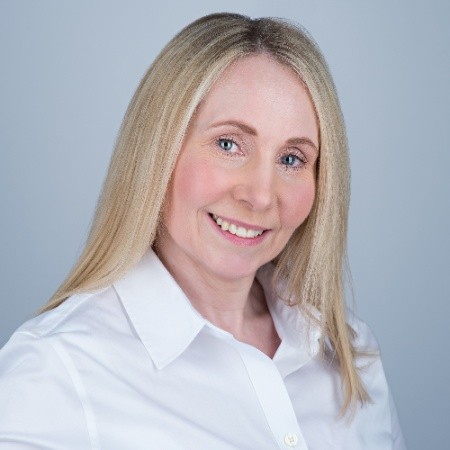
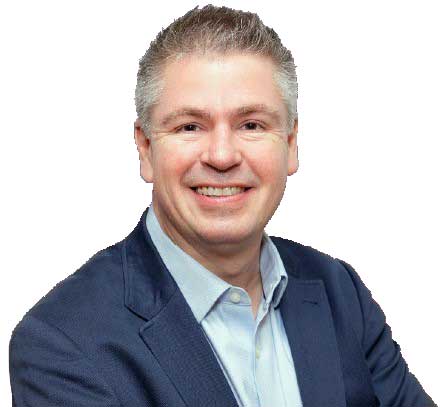
- Mags Bourke, Global Treasurer at Duracell
- Declan Doorly, Head of Group Treasury at DCC plc
- Phillip Learoyd, Group Treasurer at OCI NV
Listen on:



Featuring


About this episode
Hosted live in London, this episode dives into the real-world challenges and successes of building and leading treasury teams in global, high-growth, and decentralized environments. You’ll hear how these treasurers have navigated career transitions, championed digital transformation, and maintained strong internal and external relationships – all while keeping treasury at the strategic core of their businesses.
Whether you’re early in your treasury career or leading a team yourself, this episode is packed with actionable insights and leadership wisdom.
Main topics discussed:
- Unique career paths into treasury: from construction sites to consulting
- Building treasury from scratch in large global companies
- Key traits and values when hiring treasury team members
- Balancing automation with the human element in treasury operations
- Managing global and remote treasury teams effectively
- The strategic importance of treasury in decentralised business models
- Using training and internal advocacy to strengthen treasury’s business role
- Navigating change, transformation, and technology with limited resources
- Building credibility with CFOs and other senior stakeholders
- Real-world examples of treasury leadership during periods of growth and uncertainty
—-
🎙️ Subscribe to the Treasury Career Corner podcast – Never miss an episode! Subscribe on your favourite platform:
CLICK HERE for 🎧Spotify Podcasts
CLICK HERE for 🍏Apple Podcasts
🎓 Exclusive discount on CTP & FPAC – Visit our AFP partner page to find out how much you can save: https://treasuryrecruitment.com/partners/afp/
💡 Earn CTP credits just by listening – Selected episodes of the Treasury Career Corner are AFP-accredited. Listen, take a short quiz, score 80% or more, and we’ll send you your free certificate. Filter by CTP Eligible at https://treasuryrecruitment.com/podcasts/
🌍 EuroFinance International Treasury Management – September 16th-18th 2026, Barcelona – The world’s largest treasury event. Save 10% with our exclusive discount code: MKTG/B/TRP10. Book here: https://treasuryrecruitment.com/partners/eurofinance/
👉 FIND OUT MORE HERE https://treasuryrecruitment.com/partners/
Mike, CEO & Founder, The Treasury Recruitment Company: This week’s Treasury Career Corner podcast comes straight to you from our live event in London We had three amazing treasurers on stage sharing their stories and insights and their treasury career journeys Here’s a quick taste of what you’re hearing today’s episode.
Mags Bourke, Global Treasurer at Duracell: Everyone always asked me how did you make the leap from being on a site in a hard hat to being a treasurer? And actually it’s quite a lot of similarities, believe it or not because It makes no difference if you’re counting euros or you’re counting bricks. You’re numeric.
Declan Doorly, Head of Group Treasury at DCC plc: So I spent quite a lot at the start of the role at just literally going out and meeting all our stakeholders as many as I could, as quickly as I could, and having open, engaging discussions and then doing it within the business as well about because like our customers within the business are the business is right.
Phillip Learoyd Group Treasurer at OCI NV: Some of the strongest people that I’ve come across have come in with very little technical skills, a lot of common sense and a bit of get up, go and have made fantastic careers themselves. So it’s capability, personality, cultural fit. As long as you’re building a team where there is a culture of cooperation and collaboration and people can understand the value and see what different types of capabilities bring team, that’s how you develop one of the key elements of developing a high -performing team.
Mike:
Welcome to this week’s Treasury Career Corner podcast, where I interview Treasury professionals about their Treasury careers. Each and every week I talk to Treasures about how they build their careers, where they are now, where they see both themselves and the Treasury profession going to next. Let’s get on with the show.
Mike: A few of you have been here before. Thank you very much for returning. That’s a good thing. For those of you that haven’t, we’ve got a couple of ground rules. Firstly, energy and enthusiasm. You’ve had a long day at work. But you have made the effort to come here, and we are very grateful for you doing that. You’ve got three incredible treasurers and a recruiter, can’t have everything.
Mike: Sorry about that. But I usually do this thing. Good evening, blah, blah, blah. We’re gonna get one good evening, and you’re gonna give back the love. Good evening, London Evening. That’s better. Thank you very much. Second rule, phones, switch them off. Guys, give some time to yourselves in your treasury careers.
Mike: You’ve made the effort to come here. Just switch them off for an hour. They’ll still be there in the bar in a bit so you can get back to them and everything else and look at the football scores. So don’t worry. So I want to thank our lovely sponsors and our host here. So can I have the, where’s Kristen?
Mike: Where are you sir? There you go. That’s our host. Be very nice to him. You can be very nice to Sarah, but don’t be too nice to Sarah and the guys at Chatham. Where are you Sarah? Over there. You can be nice to Sarah and the guys. But they are paying for it and they’re supporting us. Otherwise we couldn’t do this.
Mike: Kyriba, where are you guys? There someone. There you go. Be nice to them as well. FIS or TIS rather don’t do FIS. They you go. That’s better. So please do make a beeline for those guys. They support us and also they are paying for the drinks. Yeah, there you go. I can see you treasurers and you’re a thirsty bunch.
Mike: So who am I? As my wife said, we’re gonna get this post photo changed. Lost a couple of pounds, thank goodness. But I’m Mike Richards and I run The Treasury Recruitment Company. Enough about that. You know all about this stuff, but I talk around the world. Treasury Career Corner LIVES. How did it happen? There you go.
Mike: There’s the team. Katie, where are you? There’s Katie there. She’ll be coming around with a microphone as well. That’s another thing. We will go around with microphones. When was the last time you got to ask 3 incredible treasurers, these questions? And you can put them on the spot. We’ll even get, yeah, no, I’m not gonna get Mags to sing in the microphone later, but that might be in the bar later.
Mike: But how did this all happen? I do a podcast. You now can get your CTP credits by listening to some incredible treasurers. And we have two out of three who have been on the podcast. No pressure Philip, but he’ll obviously be a guest at a later stage. And I’ve got, witnesses there.
Mike: So I started talking to treasurers about their treasury careers and I enjoyed it so much, I thought we can make it a live show like this. So now I talk to treasurers as we’re going to do today about their treasury careers, how they started. how they made the moves, what decisions did they make?
Mike: And then you guys can listen to their stories and copy them because as Tony Robbins says, success leaves clues. So without further ado, there you go some of their structure work, get the panelist to introduce themselves. They’ll talk through how they started, then we’ll go across and then we’ll come back and we’ll quiz them as we go through, over to you
Mike: Declan, there you go. Switch yourself. Oh, that’s it. Switch yourself on.
Question 1: Thank you.
Mike: No, there we go. Let’s go. Technical 1 0 1. We Okay. There you go. Now you were.
Declan: Thanks, Mike. Does that work? Yeah. Everyone can hear me? Great. Thank you. Thank you. Firstly, thanks for the invitation to speak here. Thrilled. And it’s a beautiful building and beautiful facilities.
Declan: So thanks. So I work in a company called DCC. We’re headquartered in Dublin, in Ireland. We’re a FTSE 100 business. Our market cap is in around 5 billion. We’ve a turnover of about 18 billion. We operate across North America, Europe and Scandinavia, UK, Ireland. So quite a diverse business. I started out as a Chartered Accountant.
Declan: I’ve had a kind of a career that has moved to quite diverse in well industries or experiences, let’s say. So starting out, out in finance, we’ve gone into risk management compliance and more recently as Finance Director for a energy division within DCC. And the opportunity came up to go get into treasury.
Declan: And what I found from my general experience was I was lacking some external financing fundraising experience. So when we chatted about the role and one of the things that was really important to me was to go down that road of having that external view. I found that a lot in a lot of the finance roles, compliance, risk management roles, a lot of them are very internal focused.
Declan: And then going into a treasury role gave that opportunity to have both the operational exposure within a business and then to have that external focus with, other stakeholders. And that could be banks it could be bond investors it’s, a whole different array while still being in contact deeply with all our businesses.
Mike: And when you first went into treasury, if you like, and you’d heard of treasury and everything else, I know we talked about it on the podcast. It was quite a step for you as well, wasn’t it? You’d had your internal relationships, but then how did you make that transition? ‘Because a lot of people here have been treasury specialists for a number of years.
Mike: How did you make that transition?
Declan: Yeah, I think the biggest one was about building the relationships the trust. So I, like I’d managed reasonably small treasury function before, but nothing to the scale of what DCC does and the amount of, say, currencies and banks that we would deal with.
Declan: So I spent quite a lot at the start of the role. Just literally going out meeting our, all our stakeholders, as many as I could, as quickly as I could, and having open, engaging discussions and then doing it within the business as well about, because like our customers within the business are.
Declan: The business is right? Yeah. So asking for their feedback, and then within the team, of course, spending a lot of time with the team, talking to them, finding out what areas where’s the friction, what works well, what doesn’t work well what, would you like to see done in the next two year window or thereabouts.
Declan: So it was really interesting. I think the, biggest step was just getting, building those relationships as I say, and getting that external lens. It was something I think I fell into reasonably well, it was part of my skillset to get into it, so it was something to step into quite easily.
Declan: I think
Mike: I’m gonna talk more about the business and how you, and the treasury aspects of it in a minute. But we’re gonna go across to Mags and Mags. You’re gonna talk us through that natural start in treasury within surveying. That’s
Mags: right. So I’m Mags I’m the Global Treasurer for Duracell.
Mags: I’ve been there for nine years. I actually started my working career as a Quantity Surveyor in construction. And everyone always asks me, how did you make the leap from being on a site in a hard hat to being the Treasurer and actually it’s quite a lot of similarities, believe it or not, because it makes no difference if you’re counting euros or you’re counting bricks.
Mags: You are numerate, right? Number one. Number two, you are forever writing reports to the client on costs and how that’s building against the forecast. We’re constantly forecasting in treasury, aren’t we? And then it’s being part of a team. So in the construction world, you’ve got an architect, you’ve got engineers, you’ve quantity surveyors, you’ve got contractors, subcontractors.
Mags: So it’s managing all those relationships. So unfortunately, when I went into construction, they were going through a bust and it’s very a boom bust cycle. And I got bit fed up and I said I can’t be dealing with being made, redundant every five minutes. So I said, what do I fancy? I thought I’ve always liked the idea of money markets and FX.
Mags: And so I managed to get my first role at Waste Management. And that really was an entry level role reconciling cons FX confirmations with the bank, confirmation. It was dreary. But I actually quite enjoyed it because we were exposed to offices in other locations working with the banks also risk management and it was really about making those connections and working well as a team.
Mags: So from there I went on into an engineering company and I’ve always worked for either US owned or UK PLCs, and they’ve always been listed. And the exception to that is and they’ve always been in the public domain. So the exception to that is where I am now at Duracell, which is privately owned .
Mags: It’s very different to anywhere I’ve ever been before. No hedging no Investments of excess cash need to be prioritized in, government bonds, so they’re risk adverse and it’s all about generating cash for the long term.
Mike: And then you and I were on the podcast together and I spoke to Declan about one of the things with DCC, but we’ll come back to that. But with you guys, as you say, you don’t hedge No. You have natural hedging between all the different global businesses, right?
Mags: What,
Mike: and so that stayed on the tape. What was that? Yeah, so,
Mags: so being such a large company with, you know, billions of cash and such a diverse number of companies we don’t hedge because number one, our hedges might be counterproductive with an exposure of another company. So we might be counter hedging something, but so we’re relying heavily on the portfolio effect.
Mags: And also there’s an inherent cost to every hedge you take out. Yeah.
Mike: Fair enough. We’re gonna come back to more of the points, Phillip, we’re gonna head across to yourself. And your tour with your career is like global finance companies, if you like, right away giants. Can you talk us through from Yeah. Where you are now, and then give us a walkthrough.
Phillip: Maybe I’ll start at the beginning. Yes. Because I’ve done 35 years now in treasury. But I fell into it completely by accident. Like a lot of people. Originally I was intending to be a lawyer still probably a frustrated lawyer. And I would say over the first 10 years of my career, I’ve worked across a number of different nationalities, Japanese companies, US companies, UK companies.
Phillip: First 10 years of my career, I had a job. Like a lot of people as they more into the Yeah. As they go through their early twenties and early thirties. I then stepped out of the corporate world and into the consulting world. I can see one of my old colleagues here and spent a couple of years in that.
Phillip: And coming out of that and reflecting was actually the starting point of my treasury career, of actually looking to take some deliberate decisions about how I develop that career over time. I then worked for three large listed companies over the course of the last 20 odd years. O2, SAP Miller and, for the last eight years with OCI.
Mike: And just before you go to those as you, SAB Miller. Obviously drinks company. And those couple of moves you obviously went through a big period of transition. That was the role prior to OCI. And then if you can, maybe again, some people will know who OCI, a lot of people won’t. SAB Miller, we know beer, we love it.
Mike: So talk us through what those were like.
Phillip: Yeah SAB Miller was obviously a global company, the second biggest beer company in the world. And went on a incredible journey from its South African roots. When I joined we were a team of five people with an incredibly decentralized outlook on life.
Phillip: Everything run out of the beer regions. And by the time we finished we were a team of 50 people with a totally centralized and I think. Hopefully my colleagues would agree. Very high performance treasury team. OCI obviously SAB Miller, sorry, was taken over. And the team split out into various different directions.
Phillip: And I actually have all of my current team are SAB Miller and you’ll find pockets of them around less. Yeah.
Mike: And who are OCI and what’s the treasury?
Phillip: , OCI is a Dutch listed fertilizer and chemical company, which up until quite recently had global operations, US, Middle East, Europe but it’s majority owned by a guy called Nassef.
Phillip: Whereas most people probably would only know him as the owner of Aston Villa and he’s built that company from a standing start in around about 2008, up to a, at its peak, about a 7 billion market cap. Coming out of what was originally a construction company. So it’s an interesting piece because you’ve got a sort of private equity sponsor type element to it.
Phillip: He’s the majority owner, but we are listed. Yeah. Which introduces a lot of complexities into a, particularly within the treasury world. And as Declan was talking earlier, as you manage your external relationships.
Kristen Question: Yeah.
Mike: Thank you. So Mags, what we’re gonna start, we’ll start with yourself and I know that you’ve and done a ACT study and studying qualifications.
Mike: We, when I was explaining to Declan earlier that we’ve got a whole mix here of levels of people. We’ve got some of the beginning Treasury Analysts should they study, what should they do and what differences made to their careers versus also those who are making a step further up the ladder.
Mike: What difference did qualifications make to you? And then we’ll go to Philip and then we’ll come back to you Declan and about why do you think they’re important of things.
Mags: So when I first started in treasury all my knowledge was gained through experience. And as I went along and promoted myself, what I realized a lot of the time was I didn’t fully understand why we had to do it in a certain way, or why you, there was different products in different places and what they all meant.
Mags: And I felt that I was, I didn’t have the rounder knowledge, that background, that framework in which to be able to make a better informed decision on my, on a day-to-day basis. So doing the ACT exams really enabled me to focus on global ways that that we work within treasury.
Mags: There was a lot of focus on lock boxes when I was like I don’t even know what a lockbox is, but it expands your knowledge and allows you to be more informed and bring that to your role every single day. Yeah. And I felt that I benefited greatly from that. It was hard work, not gonna lie.
Mags: But definitely worth the investment.
Mike: Okay. Phillip, we’ll go to yourself. You had law and then accounting, how did that dual discipline help it or, did it not? Did it help or hinder sort of thing?
Phillip: First of all, I think on the qualifications points, yeah. For me personally, it wasn’t a big part of my career Yeah.
Phillip: Trajectory. I did them. But at a stage of my career where frankly I had already picked up a lot of the knowledge and what I found through most of my career is the vast majority of what you get, what you can deploy, what you can learn from actually comes on the job.
Mike: Yeah.
Phillip: In terms of my background, yes, I’ve done law and accounting.
Phillip: For me, that has been phenomenally useful. I do find most people come in with a financial background. It’s the logical entry route. But ultimately the work that we do within treasury is bound up in contracts. Everything that we do is bound up in contracts. I’ve got a colleague here who spends more time that he cares to think about negotiating is the contract.
Phillip: Every time you step into a loan arrangement, you’re stepping into a 200 page document.
Phillip: And all the traps and all the tricks in there are nothing to do with the numbers. They’re all to do with the documents. So for me, it’s been hugely useful having a legal background. Yeah. Declan yourself?
Declan: Yeah, I think it’s not always straightforward to think what it would be like if you weren’t trained Chartered Accountant or if you hadn’t put yourself through other sort of diplomas or certificates. Over time, I think they’ve been enormously useful. I don’t think I would’ve got the opportunities that have had if I didn’t have that formal kind of let’s call it the cv.
Declan: And yes, spent a lot of time learning on the job, and that’s where probably the real learning is, but to get in the door, certainly initially I felt it was very beneficial to be an Accountant, to have the, because it proves your numeracy or you’ve been able to put yourself in past difficult exams.
Declan: So you know how to work to timelines how to work to prioritize things. And I think that’s, I think that’s just a demonstration. Then later in your career, it does become less important. Nobody could give a toss if I’m an Accountant at this stage, I’d say, but you gotta be able to do your job really well and you gotta so I just think it it just depends where you are in the, in your career.
Declan: But I could, I don’t think I’d be here if I had didn’t have it initially.
Mike: And then also, you’ve all got teams and they work with you. I’ll stick with yourself for a moment, is that you’ve got multiple business units. And actually I’m gonna ask you, you’re not meant to ask two questions, but if you can explain for the audience how you and I talked about it when we had the podcast about how DCC goes in, you leave the businesses and the local management alone and their teams.
Mike: But then how does that then come back into a new, how do you make sure your treasury integrates with those different teams? Because I think that’s an interesting challenge.
Declan: Yeah. So a little bit like Philip talked about having a decentralized business before you got your hands on it and then you centralize everything.
Declan: We are what we call a devolved business model. So we acquire quite heavily generally every year could have 20 different acquisitions in a year, generally bolt on. And so we the one thing that it really is held tight is the balance sheet in the group. So we do empower local businesses to remain local.
Declan: We don’t put, we generally don’t put our brand on businesses that we buy. If an entrepreneur builds a business, we like to retain that person because they’ve got the customer and supplier relationships that we want as well. But treasury get control of the cash and who has access to the cash from day one immediately.
Declan: It’s just, that’s very unique in terms like other parts of the operations are not brought in centrally at all. So for example, we don’t, we operate on different URP systems, we operate. It’s so what I would say is like treasury is probably one of the few functions that gets in to all the finance teams around the world.
Declan: And that’s what makes it really interesting for people as well. Because you’re literally operating on it could be talking to a Dutch business in one part of the day, French, the next you North America later on. So it’s really varied
Mike: and you and I talked about the control framework around that.
Mike: There is some. Soft touch guidance sort of thing. How would you describe it?
Declan: There’s I suppose it depends on what level you wanna look at it. So if you talk about capital allocation, right? So if you are managing a business that DCC owns, you can’t spend cash without us really knowing about it in the center.
Declan: So you have to get approvals though. That happens, right? As you’d expect. Within treasury, we will, we are the gatekeepers of who has accessed, for example, to the electronic banking systems. We will manage all of those for our businesses so nobody can gain access without my sign off. And I can see who has access to what, so there’s segregation of duties and we’re managing the risk of our cash in that way.
Declan: So that’s very tight. Yeah. And something we place a lot of importance on. I think it’s slightly unusual as well. Yeah. Because it’s a lot of work that you may you like, it’s not glamorous work in that part of it, but it’s it’s absolutely necessary.
Mike: Yeah. Mags over to you when I placed you at Duracell and you’re still thanking me for it.
Mike: Thank you. We’re still talking. It’s okay. She’s still happy. You inherited a team. How did you then get involved with those guys and, also where are they based sort of thing and where are you based? Maybe you can explain that for the audience.
Mags: So I didn’t join as the Treasurer. I went in as the International Treasury Manager and to give you some background, Duracell is actually a startup company.
Mags: We, although the brand’s been around for 60 odd years, it was only carved out of PNG nine years ago, and they handed us the balance sheet and the P&L on the 1st of March, 2016 and said, here you go. So at that point it was all hands on deck and we had. Numerous contractors. We had a quite a big team at the time.
Mags: The majority of them were placed in Chicago, and I was actually the only one outside of Chicago at that time. And as we’ve, stood the company up and matured, because we want to simplify and automate our processes as far as possible.
Mags: So the second CFO had a vision of a data lake where we would be self-serving. We would go in and pull data rather than having to ask somebody to generate a report for you. And so during this transformation I, we went through several Ttreasurers and now I’m the Global Treasurer, but I have staff in Chicago still because that is head office.
Mags: And I have an analyst that’s based in Barcelona and I’m still in London. We do get help from other functions from time to time, but really we are quite a small team. We have flexibility to work wherever we want. And we are having a core number of hours every day to catch up and ensure that things get done. So the team is very small and the, company is still transforming but, it’s really about automation and simplification to move away from all those manual tasks that we did on day one which are not value added, and are making sure that we’re moving more towards the analysis to make better decisions or provide data to the board to make better decisions.
Mike: Okay. Philip, you built teams across treasury, if you like, throughout your career as well. What do you, okay, we are a recruitment company, but that’s not what the aim of it is. When, what do you look for as a treasurer when you are hiring and what are the red flags if you like what are the things that stand out for you if you like?
Mike: Yeah, I remember we talked about this.
Phillip: I think the first thing that I’m always looking at is capabilities rather than skills. And we’ve had this conversation before. Some of the strongest people that I’ve come across have come in with very little tech, technical skills, a lot of common sense and a bit of get up, go and have made fantastic careers themselves.
Phillip: So it’s capability, personality, cultural fit, but not cultural fit. If there is one way of doing things, there’s one. But a set of values that you work to the technical skills element is, can be taught. I’ve taken people on who know. 30% of the job, virtually nothing of the job, as well as the classic 67, 70%.
Phillip: As long as you’re building a team where there is a culture of cooperation and collaboration and people can understand the value and can see, what different types of capabilities bring to the overall team. That’s how you develop one of the key elements of developing a high performing team.
Phillip: But how so I look for a blend. Yeah. But I’m looking at capabilities rather than skills.
Mike: And, but how do you measure or assess that when you are interviewing someone? Because it’s it’s great that you’re saying they collaborate, but how do you actually measure it or how are you assessing it?
Phillip: It’s difficult and bluntly for the last few years I’ve slightly cheated because I’ve hired my old team members. So we put it right before I think probably the best example I was heavily involved in graduate recruitment when I was at SAB Miller and we brought a number of people from the graduate program directly into the treasury team.
Phillip: So with zero experience whatsoever. A little bit, I’m afraid is just feel, as simple as, I remember one particular conversation with HR where they were querying the, psychometrics of a particular candidate. And my response was, you sat in the room with me, this was the only person that we had who had the light switched on, who was engaged, who was thinking, who was taking their time.
Phillip: So a lot of it is feel I’m, afraid to say there isn’t a lot of science. I’ve made some very bad hires in, in my time, but all of the good hires I’ve made have typically been based on an assessment of. They have the drive, they have the capability, they have the intellectual curiosity to take themselves forward.
Phillip: That’s what
Mike: I’m looking for. So in about 15, 20 minutes, you are gonna get the chance to actually interview these guys, ask some questions that you want to, so do start to think about them. We will cover AI in a bit because we’ve got to, sorry, it’s just the rules everyone says about it. Yeah, ChatGBP
Mike: told me to ask that question. I just, I didn’t wanna ask it. Okay. Mags, we’re gonna start with you. Come back through Declan then Philip success setbacks, turning points to your career. I know you and I, again, we talked about this a little bit on the podcast. Biggest challenges maybe since you’ve joined Duracell and how have you navigated them?
Mike: And then we’ll do the same with Declan and then to you Phillip.
Mags: So the biggest challenge at Duracell really has been the transition from the startup company to maturing to where we are now. And it’s an ongoing thing, it’s continuous development. So I now have one full-time person and a 0.4 of a shared resource. So it’s really about ensuring that the tasks that we’re performing every day are not gonna take the same time as they did back in the beginning. We can’t, we don’t have the time or the or, the resources to do it now.
Mags: And I’m employing a lot of technology to ensure that we are not spending that time on manual effort. And also the key to it is as, Frank was saying, Philip, sorry. That’s right. Philip was saying having people with the right energy on your team Yeah.
Mags: That can be agile and adapt to new situations because no two days are the same in treasury and we’re we’re always putting out fire drills. And the challenges are just being, agile and being able to adapt and be flexible. Yeah. And having that energy and drive to keep going.
Mike: Yeah. Declan yourself.
Declan: Yeah. In terms of challenges in the, in, within the treasury role? I think the, main one, the main thing I observed when I stepped in was that there was a lot of manual work being done and a lot of hands touching various parts of of flows, let’s say. And one of the things that’s been really important to me is that we build a treasury function that is appropriate for the group and the ambitions of the group.
Declan: And that means automating flows where you can, it means making sure that you don’t have people who are getting completely bored in their job because they’re. It’s a lot of inputting, some, can some of that be taken off? And of course it can. The challenge with it is that things take a lot of time.
Declan: So digital transformation takes time. You need to have the resources to do it obviously as well. And you need the partners to do it with. We’ve made massive progress, like extraordinary progress where we were at like 15% of payments were au automated two years ago. We’re up at 90 now in so it’s, it’s been phenomenal.
Declan: But we’ve way more to do on it. I think the other challenge which is linked to this is team engagement and making sure the team are performing, they’re happy doing the work because you’re in an environment of change and when you’re trying, throwing projects on top of existing workloads, it can be quite difficult, right?
Declan: It can be a strain. And very conscious of that. So we’ve spent, I’ve spent a lot of time just trying to work on the communication involving the team in almost a democratic process of what are we going to work on? What are the three projects we’re gonna work on this year? Not overdoing it by having three and then executing on it.
Declan: But as one of the frustration is it takes longer than I would’ve expected. Yeah. To get it in place. To get it, to get things fully implemented. Yeah.
Mike: Philip, what’s the journey
Phillip: been for you guys? I’ve, done two roles now where I’ve gone in and it’s been literally a desk and a phone in a multi-billion dollar business.
Phillip: And they ask us to create a treasury. And so the most important thing I found through all of the kind of scenarios that you both already mentioned is focus. It’s focusing on what is important at that particular time, and making choices, making decisions about what you can leave, what works.
Phillip: It may not work perfectly, it may not work particularly efficiently, but where can you get the wins that creates the most impact early on, the most visibility early on because for two reasons. One, that gains you the credibility to continue to invest from whoever the capital allocators are. So you’ve got to get those wins are, but it also builds that energy within a team.
Phillip: Whether you’re starting with one person, two people, five people, whatever. If they can see the, journey that is beginning to creep forward, if they understand, and sorry, this is jump, perhaps jumping ahead to one of your latter questions, but they understand and are bought into the journey then you can achieve an incredible amount very, quickly.
Phillip: You need that buy-in and you need to be able to make sometimes quite difficult choices and to fight for that choice. Fight for those choices. I’ve had countless arguments with my CFO over the years on I want you to do this. Yes, I know you do, but it actually works. It’s fine. What we need to focus on is this, and just be prepared to have those arguments.
Mike: And you say there’s a journey to go on, and that’s I was talking to someone the other day in our business group and they were going, oh, I wanna do this? I said, none of it matters. Where do you want to get to? Because otherwise you wander off here. Oh, this sounds great.
Mike: I said, but you wanna get to with your journey to get to that successful treasury as you said, you walked in, it’s a desk phone, right? Off you go, what’s your checklist, first of all? And then what, does good look what does great look like? What’s the end goal, if you like?
Phillip: The checklist right at the start is where are the potential disasters, right?
Phillip: What do we have to mitigate and get under control with the fires right at the start? What are the potential fires? What are the fires today? Bluntly, what are the things that could get me fired or my boss fired? We deal with those first. After that it, it is so situation dependent. But I think it’s, there is a, fair amount of I wouldn’t like to say budging, but it’s not far off.
Phillip: It’s getting to a level of stability that you can then start to build and focus and look for those incremental improvements. The difficulty is, as you’ve mentioned, there is a journey and you want to take describe a place to describe a target, but ultimately the journey never stops because what you’re trying to do is to build teams which are based around continuous improvement based around a restless energy to always look to improve.
Phillip: For that, you have to empower your people. Obviously it is all fairly standard. You have to allow them to make mistakes. You have to put, the sort of protective blanket around them so that they can actually develop on, that journey as individuals, because that’s what, again, creates the energy, creates the feedback loop that allows you to push and push
Mike: Yeah. I wanna stay with yourself and then we’ll come back through Mags and Declan. Obviously I joked earlier, ChatGBP, automation, it’s everything, you go to every conference, everyone’s doing it. But rather than just focusing on the now, where do you see it’s gonna change over the next three to five years?
Mike: Three years really, because no one knows where it’s gonna be in five years. But what do you see, you’ve just talked about that, journey and things like that. What difference are you seeing it, or what are your thoughts? You’ve been through this a few times.
Phillip: Those are the obvious elements around automation and further thinning out resources, et cetera, which worry me because having a an insufficient bench of talent coming through having people who, are not getting the experience at the early stage, I think will ultimately be adverse for the profession as a whole.
Phillip: But the opportunities around automation of being able to analyze data in different ways are clearly there.
Mike: I think, and one of the observations I’ve had from some of these live sessions, I did it back we had Dana Laidhold, Global Treasurer for NASDAQ. One of the things they did was they implemented FX exposure management and they started it with this machine learning for them. They were doing it originally manually.
Mike: Then it became, they went into manually monthly, and then it became weekly, daily, and then second by second. And that, as she said it was, but there was a big human element and then it was slowly moving away, keeping tight controls over it. And she talked about this live on our session and things. That was one of the ways they were doing it.
Mike: I think there’s a lot of noise about we can do this, we can do this, but actually it still needs treasurers and treasury professionals to run the machines sort of thing as well and direct it. Mags, is that your, what are you, what are your sort of
Mags: Yes, definitely, Mike, because we’ve brought in, we’ve broken down some very manual processes into step-by-step.
Mags: For example, we manually upload certain FX rates that Reuters can’t provide us, and they’re very exotic. Paraguay, whatever, and also local legal rates that Reuters can’t provide. So we, I had somebody that every day had to prepare this file and upload it into SAP.
Mags: It took them maybe an hour because not all data is available at the same time. So that’s not adding value. Yeah. We were told about bots and I was like, yeah I, can see the potential here. So we have what we call the USA understand, simplify, and act. So we brought and broke down each piece of the process and we brought a bot in to do each piece of the process, but we didn’t go big bang.
Mags: We allowed the bot to do part one, then part two until we did all the different stages of the process now fully automated. But guess what? The bot gets sick a lot. And that’s why you still have to have that background, that knowledge to understand where it’s gone wrong and fix it.
Mike: But has it speeded it up?
Mags: Absolutely. There’s days that we don’t have to touch it. It’s zero touch, but it’s not all the time, I’d say 80% of the time. But as I said, the bot does get sick from time to time over a bit. It does. It does. It’s a paracetamol. It does, yeah.
Declan: Yeah. I think. Those points, particularly on when you’re introducing automation and that still needs the human oversight and the knowledge are really important.
Declan: When I think about the future of treasury, I still think we start out, what’s the purpose of treasury and what’s the purpose of what we do in terms of supporting the company, supporting the group’s growth. So you’re still back to liquidity, working capital risk management managing your yield, your cost of capital, et cetera.
Declan: There’s a role definitely in AI in all of those, but it’s a, it’s another tool in the box. You still need to be able to make your decisions. You still need to have a team that know what they’re doing. Because I think you’re dealing with one of the biggest risk areas in the businesses.
Declan: The idea of cash going out the door or some wrong, real, really wrong analysis, the consequence of that is very high. So you do need your expertise. And yes, a machine can offer definite guidance and definite support, and it can tidy up processes and it can workflows can be smoother.
Declan: And hopefully our team’s time is freed up to be a bit more analytical instead of manually inputting. But ultimately we need to be on top of what is the ambition of the group? What, how are we serving that? And that takes human I think that takes human judgment and it takes analysis and thought.
Declan: I can’t see that moving away too fast at all.
Mike: Mags, I’m gonna come to you first for this and then we’re go to Philip and hybrid working and now. I’ve covered this on lots of these sessions, so I’m not gonna dive deep dive too much, but what I wanted to ask with yourself and then how do you, in this flexible working environment that we went from
Mike: a hundred percent in the office to not, but you were actually pre that actually, and you didn’t have that experience, which was great. But how do you then ensure that treasury still has a seat at the table without that face-to-face or with a different me, a different balance of it, if that’s all.
Mags: So it’s all about building the network.
Mags: I was very lucky that in my current role at Duracell and my prior role, I traveled extensively to every legal entity, sometimes, many times. And also to head office in Chicago. So in subsea, I was in Africa, Angola, Mozambique, Nigeria. And it’s really understanding the challenges that your, the teams down there are facing every day.
Mags: Because, for example, if you are not getting the numbers at a certain time on a certain day, there’s a reason behind that. And it’s not because they couldn’t be bothered, it’s because they probably didn’t have internet for two hours. So it’s really important to know the challenges that your the teams are facing from day to day and understanding that, and trying to put work arounds in place to support the the difficulties that they’re facing.
Mags: And also that face to face it is it’s worth everything. It’s learning about the person, their family what they enjoy doing and remembering that. And then they show that you’ve really considered them and thought about them, and they’re, more mo more motivated to work for you.
Mags: But now I’ve gone to the other extreme where I am now a hundred percent working from home. Yeah. So I’m lucky to have built those networks and had that experience of being with people. But I really do think that the younger cohort now really need to be. At least in the office, half of their time because they’re not gonna get those experiences.
Mags: They’re not gonna have those conversations where they pick up something that they, wouldn’t have done on an email.
Mike: How do you maintain that culture with your guard that’s in Barcelona, for instance? Yeah. How do you, instill that? So, when I
Mags: onboarded him, obviously it was in the middle of COVID.
Mags: I, had to speak to him every single day because he was probably the only person he was speaking to. And I did say to him Sebastian, we don’t need to talk every day if we don’t want to. He said, no I want to. So I maintain that, that close contact with him and also with my resource in Chicago.
Mags: And we are constantly pinging each other. This is going on. Can you show me how to do that? You, know what can we have a quick call? Because I’m not quite sure. So it really is still maintaining that contact, even if it’s virtual over Zoom. And so I still don’t see him much today, but I still feel that we are very close.
Mike: Philip for yourself? How do you maintain that sort of, that cohesion or brand if you like, or,
Phillip: yeah. My team is now fully remote. I’ve seen in the office maybe once or twice a month at, most it’s pretty much exactly the same as you’ve done. I think the key thing is I try and keep at least one call a week is just a general catch up.
Phillip: No specific agenda, no specific project that is attached to, we’re all on calls with one person, two people, five people where it just focused on one issue. So it’s just having what one piece of time we’re trying to replicate the, kitchen conversation or the water cooler conversation where it could be anything.
Phillip: It could be work, personal life, general catch up. What are you doing on a holiday? Is just to try and keep that level of sort of personal communication as opposed to every single thing being, I’m busy, you are busy, let’s focus on a piece of work. That for me is very important. I find I’ve not had to manage with one team, the transition.
Phillip: I’ve worked with teams which have been fully office based. I’ve worked with remote teams, and as I’m lucky enough to, have a team that have all worked with each other before. Talking to people in other firms, managing that transition across some of the issues that you’ve just described is incredibly difficult.
Phillip: And again, I don’t have the answers to how you do that successfully, but from a maintenance point of view, make sure you keep personal contact as well as just work contact. And the balance for you guys? Or
Mike: how does it work?
Declan: Yeah, so we have a three day week in the office. So two days. So two days you can work from home.
Declan: It’s quite interesting. I had a an experience during the year where I had purposely left that three days to to be at your discretion. I was soft about it, right? And from just engaging with the team, it came out that actually there was a preference by some that I named the days.
Declan: Just give them the days and that’s fine. And they’d come in and then of course that wasn’t every, not everybody liked that because the days didn’t work for everybody and so on. But I thought it was a really interesting one that the having a definitive days where people can come in, spend time together.
Declan: It was really important. And you can see a benefit of it as well in, in my mind anyway. And I love being with my team, and I think it’s generally shared. Phillip when you, mentioned you use a call once a week to have silence, even when we’re in the office, we actually don’t do that. Because you’re like, everyone comes in and sits down, does their role, and you may not really have a personal conversation all week.
Declan: So I thought that might be a takeaway for me, but yeah, so I, enjoy people. I think people enjoy coming in. We often have team meetings. I I bring in externals from within the group or otherwise talk to the team and we’re we sit in the boardroom together and I just think there’s a lot of value in that and also just being in the building, because we are a treasury function in head office, you could be in the kitchen and the CEO walks in and you could just end up having a chat it’s just it’s good.
Mike: And you have to make a coffee.
Declan: He, yeah, he likes a particular type of coffee.
Declan: So he is
Mike: so maintaining, you guys have all talked about maintaining connection with the business. And when I was in New York there was a great session. We did live there. We had Summa Simmons, she was there Treasurer of Victoria’s Secret. She talked about how she went out to the business and got the team together, but they were, did a corporate treasury 1 0 1.
Mike: They went out to them and they said what do you guys think treasury is? A few of them were like, what? What, who are you? And that’s what she did. She took it out to the masses and it was brilliant. And then actually the other panelists, Sandra and Frank, they were there and they just went we’re doing this.
Mike: We’re copying that idea. With borrowing that idea, how do you guys maintain a decent enough connection again, particularly with your devolved business and things like that to make sure those guys know what treasury is or do you just tell them what treasury is and they follow too? And then we’ll come back through you guys, Mags and stuff.
Declan: I think we support the businesses on a day-to-day basis. So the businesses that we own and work with know a lot about treasury in one capacity. So they will know that we have our they can work with certain banking partners. We make the introduction, we control, so they know the operational side.
Declan: What the businesses really haven’t seen until probably we start speaking about it a bit more last year was some of the kind of the funding of the group side. For example, we had our first public bond issuance last year. So that was a great opportunity to go out and talk to the finance communities.
Declan: So for example, there’s a finance conference that has 200 people from across the world coming in. And it’s so so it was a great time to say treasury is not just about your operational banking or your bank account. It’s actually, this is the other stuff that we do.
Declan: And you throw in the bond stuff. And of course people love hearing about issuances and it’s and you bring them through the day of the allocation day or the pricing day and it’s all fascinating stuff. See afterwards you people going, we had no idea that’s what treasury did.
Declan: So I think there’s a point of absolutely being better communicating outwards. It’s no, I know it’s something that the team and we want to do better and we can definitely do more in it. Thanks.
Mags: Similar to what you said about the Victoria’s Secret Lady. We have a rolling program of what we call value architect training.
Mags: We develop trainings around different subjects. It’s not just finance, but marketing, for example have done several trainings. So it’s about cross fertilization of departments and functions and, learning about what they’re doing and also them learning about us. But more recently I’ve been providing specific trainings to the service center because they, although they’re, split into groups, AP AP/AR, they don’t see the joined up view and they don’t understand how correspondence banks are taking money when you, and also how the payment systems work and how it clears.
Mags: So I developed a training around that and have delivered that. And all of the trainings that we provide are our shared. On a LinkedIn learning site that we have internally. So when you are onboarding a new person, you can direct them to the link and they can just help themselves
Mike: download it.
Mags: Right.
Mags: So I think like developing trainings and not, just general ones, but specific. So I had another scenario where we had an issue with a payment where somebody approved something that they didn’t and they were quite new to the company. So I was asked to deliver a training around segregation of duties, how we separate the inputting from the approval.
Mags: And, also it was like a refresher because although a lot of people are still there from day one, nine years ago, we still have had a lot of turnover and a lot of new people. So it’s good to keep that going and it’s good for me also to rethink about what we’re doing. Does it still make sense?
Mags: Yeah. Yeah.
Phillip: Yes. I think the for me the best advocates for treasury are not necessarily treasury themselves. It’s actually the people that you’re working with in the business unit. So one of the things that we did within OCI is inevitably as we are we work run with a business partner model.
Phillip: We are working with individuals within the individual units and we will bring them into treasury. So they’ve actually become part-time, not officially part of the treasury team. They sit there in our team meetings, they become the advocates for us. So they see more than they need to see as related to their business, but they see the value that is, is being brought by the treasury operation and they’re the advocate for treasury with their own business units.
Phillip: I find that is much more powerful than treasury wandering in. Yeah. There was another model that we used to use at SAB which is not dissimilar, but it was it was a termed you earn the right. So love it. You go and solve other people’s problems for them to the point that they actually start picking up the phone to you because they see that you are useful, but you put the hard yards in first to solve their problems rather than coming in as I am treasury.
Phillip: But I’ve always found the best advocates that we’ve had, other finance people, operational people, systems, people that have worked with us and then get included in more work or even stuff that is outside of, their normal domain.
Mike: Our podcast is sponsored by ICD. ICD are an independent platform trusted by thousands of Treasury professionals worldwide to manage short -term investments. One global treasurer recently told me it was one of the smartest technology decisions they’ve made. No license fees, rapid set up and tangible returns. If you’re looking for a smarter, simpler way to manage your liquidity, then head to find out more at our partners page, https://treasuryrecruitment.com/partners/ and find out much more. Let’s get back to the episode.
Mike: Okay.
Mike: I’m gonna involve that with another question in a minute, but before I do that the question I’m gonna put to the three of you, I’ll give you a few seconds to think about it.
Mike: I’ll start with yourself, Declan, and we’re the minute we will do Q&A and you get a chance to do that because we’ve also got some great takeaways from the panel. But here if someone is sitting out there and thinking, how did you guys get to where you are? What’s the one piece of advice they won’t really hear in a textbook?
Mike: Or maybe I’ll get told that you guys have thought about. So I’ll give you a few seconds to think about that one. I’m not just gonna drop that straight on you. It’s gonna go across to you. Katie, where are you with the, so Katie’s got a microphone there. Questions please
Mike: from you lovely audience. Oh, there you go. We’ll go straight to our host. Actually I’ll go straight to our host because I, want him to let me have a drink later. There you go. I promise I
Kristen Question: will. Yeah. Thanks. Thank you for some really fascinating insights about developing internal networks and relationships.
Kristen Question: But just keen to hear from you for the benefit possibly of the more junior members who are here around developing that external network those external relationships, what you look for in service providers, including, do I say lawyers but also banks, bond holders what’s that external facing piece that people should be really mindful of?
Mike: Okay, we’ll start with you Mags because you’ve got a microphone and I’ll steal it back.
Mags: So they need to be mindful that it’s not a one size fits all proposition. When you’re working with a bank you are always gonna get the sales, oh, we’ve got this new tool, we are gonna show it to you. It’s wonderful.
Mags: But they have to understand the position that you are in and your policies where we wouldn’t actually be able to use that tool potentially. And it’s just, it’s also just being aware of how your business is run. So doing their homework, doing their research, rather than coming to us blindly and saying, let’s do X, Y, Z.
Mags: So it’s really about understanding the business and being focused specifically on your needs.
Phillip: Love it. Firstly, I couldn’t agree more with those two points. Certainly on the service provider side, I’m looking for a commercial outlook as, as much as technical skills, which I think is pretty much the point the mag is hit on as well.
Phillip: Do they understand what we are trying to achieve? Do you know are they, how are they looking to add value to us in a way that is allow us, allowing us to come, then come back to them and solve for further problems. In terms of network building I don’t think it’s really a great deal, deal different to, how you build your internal networks.
Phillip: You find people, you talk to people, you will work out the people relatively quickly that you can have a degree of trust in and you build from there.
Mike: And also you make the effort to come to these evenings, right? There’s November, right? Sign up. Okay. It’s all right.
Declan: Yeah, so very similar.
Declan: Again, I think when working with partners there’s a huge value in openness and honesty. So where there’s, my experience is there’s a lot of people who claim to be able to do a lot of stuff. And when you get into scoping something that you want done or something that you think should happen, then you might hit a few roadblocks along the way and it’s very disappointing.
Declan: I think it’s that building the credibility, building the relationship with somebody, it takes time as well. It can take quite a long time sometimes. But it’s always worth it. I think choosing your partners that you’re working with are, it’s just fundamental to your success.
Declan: So we would definitely work, try and work with the leading kind of re people in the in the world or in the field that we’re looking at. In terms of where net the network, it’s exactly events like this and others. And also I think just, there are like the ACT for example is a great event for, us.
Declan: And and just being open to a few, the odd cold call as well. Sometimes they work out. Yeah.
Mike: Who I saw a couple of other hands go up. There you go. Oh we’ll, let Charlie go. He’s come all the way from from the us, from New York for us.
Question 1: Hi all. Quick question. More curious, how are you guys managing your cash forecasting on a day to day?
Question 1: And are you guys us utilizing a TMS system such as Kyriba for that? One on the panel.
Declan: Yeah. So we, have we have a reasonably rudimentary cash forecasting process. It works. Is it perfect? No. Do we use any particular system for it? No. We use, we do like our Excel. It’s what I was talking about earlier.
Declan: I’m trying to move away from it a bit, as much as I can. It’s. It’s a work in progress. It’s a work in progress for sure.
Mags: So at startup we put in a TMS by G Treasury, and because it failed, mainly because it was too US focused too domestic, it couldn’t cope with international bank holidays.
Mags: There was a lot various limitations. And we invested heavily in building this thing and it didn’t work. So that, that went away. And then we also tried to implement SAP Treasury module. But that was some time ago before ai. And the difficulty with that was it couldn’t really cope with the ar It would say, okay, you’ve got all these invoices due to be paid today.
Mags: This is a due date, so you’re gonna receive this. That’s not how it works. We corporates all have weekly payment runs. There’s deductions, there’s other things going on. So it really couldn’t handle the AR piece. So we went away and had a bespoke Excel model built, very simple model. And we are, and in a, always looking at continuous improvement.
Mags: So now got bots that’s going out to the banks, pulling in bank statements, going into SAP, pulling in AR, AP data. So it’s really reduced the burden on, those departments and on us. So it is mu a much less effort involved. And it provides all the information that we need. It provides a comparison to a 13 week forecast, but it also gives you where we landed last week and the week before, so we can see our progress.
Mags: Yeah.
Phillip: Love it.
Mike: Philip
Phillip: Similar. We have direct linkage and, from the ERP to our treasury system, we have automated sweeping of balances and flows. I suppose the one bit that we’ve bled over the top is again, the relationships between the cash management team and the business units.
Phillip: So there is an overlay normally done on a weekly basis, which is sense checking exactly what is coming outta the machine. That for us is absolutely critical for all the reasons you’ve just described.
Mike: We’ve got time for one more question, then we’re gonna do takeaways. We’ll do David, sorry.
Mike: And you can, the great thing is you get to ask our panelists in the bar, so it’s great. But yeah.
David Question: Sorry. David Hannigan, TIS quick question. Phillip, you touched on it earlier, the conflict sometimes with CFO. I just wondered if there was any specific examples you could give for where maybe you’ve reached an impasse of the CFO
Mike: conflict?
Mike: Dis discussions. Okay. Discussion,
David Question: heated discussion maybe. And how you’ve particularly dealt with that situation.
Mike: Ooh. I didn’t give him that question. Oh, that’s fine.
Phillip: Yeah. It gets interesting. Obviously, the places you get to the CFA, the longer you work with them the, more open the discussions that you can have.
Phillip: So I think the, approach in the early years of my career OCI, the first two or three years was very factually based. This is the position, this is what I’m recommending. These are the reasons why. If you know something that I don’t know. Then fine, let’s discuss it.
Phillip: But bluntly, you pay me to come up with the recommendations on the facts to hand. So the only reason that you’d be disagreeing is there’s something that I don’t know. Later on as I was more embedded in the strategic thinking of the company, and it becomes much more less question of numbers, a more question of opinion about the direction that we were going in.
Phillip: It became more fundamental. It’s it’s what are we trying to create here? What are the key focus areas? And I think as with any relationship, once you’ve built up I had the same CFO for seven years. The amount of ability I had to influence an agenda.
Phillip: It was based on the trust or that he had, that I was providing an opinion, whether it was counter, but for good reasons. There would be reasons behind it. And he would take the time to try and understand where I was coming from. But it was built around the length of the relationship to start with.
Phillip: When you haven’t got that relationship, you just have to put the facts out there, and then if the decision goes against you, you prosecute to the best of your ability. Thanks yourself.
Mags: I think a lot of it’s education. We they don’t know everything. We are in treasury, the subject matter experts here.
Mags: Yeah. So it’s, really about as you’ve just said about trust, but no, Philip building the trust and giving them good reason why, for example, we shouldn’t be doing something. Yeah. And being confident about that and backing it up with examples, and it’s all about as well, the personality.
Mags: I’ve been through three CFOs at Duracell, and each one have been very different. But it’s adapting to their style of management and leadership and maybe being more, more direct or less direct, depending on who they are. But it’s really about delivering data and convincing them that your stuff.
Declan: Yeah not a lot to add to that. Because in fairness, it’s about it’s about that relationship and being pretty much fact-based when you’re presenting, if you need to present a case or if it’s a little bit softer about a vision, then I think that’s that’s a judgment call, right?
Declan: I think that’s about a relationship and fostering a good relationship. I try to have a very open dialogue with the CFO of the group. And it is and I think I don’t really have there’s very rare that there will be an instance where we don’t see eye to eye. We’re very much aligned and I think maybe, that’s fortunate.
Declan: Okay.
Mike: Now I can see you’re quite a thirsty crowd. So we’re gonna go to our takeaways for our lovely panelists. Maybe pick out some of these. Don’t forget, we have got the one piece of advice. You weren’t here in a textbook, that’s gonna be our closing for today. But Declan, your key takeaways.
Mike: You’ve got them there. What, would you say?
Declan: Yeah, I when asked to put these together, it was more just trying to like summarize what is it or what way. And it’s the way more my mind works than anything else. So I would always have tried to visualize where I wanted to be, what sort of role it would be, what sort of skill sets would require, and then trying to find those opportunities along the way to build those.
Declan: Not always knowing that you’d end up maybe as Head of Treasury, but knowing that it would be good for you at some capacity at some time. And then mentioning the calculator risk where you might like in the past I was offered roles that definitely threw me outta my comfort zone. And just you have people who believe in you.
Declan: They’re so take it, it’s a calculator risk, but you know that it’s it’s likely to work out back yourself on that. And then just maintaining that positive perspective not getting dragged into any kind of cultural negativities if they exist. And just keeping that positive outlook, I think has been really, important.
Mike: Fantastic Mags.
Mags: So I think key things that I’ve, come across in my career is number one being resilient. We all go through difficult times. We’ve all challenging situations companies going into liquidation or almost going into liquidation and really having to fight every day.
Mags: So it’s building up that resilience and learning from it, the, best experience or often the worst experience having to say no to something so easy to say, yeah, we’ve got tons of cash, let’s do it. So the second thing I think as well is like embracing change because no two days are the same in treasury and new.
Mags: No two companies are the same. And so it’s, all about you taking direction from the business, doing your best to support them and guide them through every day. But I think my number one takeaway here is be authentic. Be yourself. Actually care about people and their families and their situation, and that’s how you get the best outta people.
Mike: Brilliant.
Phillip: Yeah, I think probably two things I’d focus on. One is, and it’s come up a couple of times during the, during this chat, is around trust. And I enjoy working with people that I trust. So the most important thing is I try and focus on my relationships, whether it’s with colleagues, whether it’s with subordinates, whether it’s with outside third parties, is am I doing everything that I can do to ensure that they trust me?
Phillip: Because then they will want to work with me, and if I trust them and I want to, you get into an environment, then that you can achieve amazing things if you have that trust. So is trying to build that trust and everything which comes out of, what are your values holding true to your values being reliable, not just in delivering the work, but in the, in, in being there to challenge, to provide opinion.
Phillip: There’s a whole, everything comes down to trust. The other thing I wanna say is, it’s a tough career, if you’re gonna do this for the long run, it is tough. So enjoy it. You have to enjoy it because there will be as, as you both mentioned, some very, challenging times. If you don’t enjoy it, find something else to do.
Mike: Yeah. Get out that. Okay. Mine, this is, you’ve seen this, is I’ve got networking with purpose, building real connections. You’ve got all this when you are actually, we gave a task if you like, when we’re in Houston. There was a guy that came to me, he hadn’t had much experience of the area and only recently got started networking in Houston.
Mike: Wasn’t very good at it. And I said, the challenge is before you leave tonight, you need to make five connections. On LinkedIn and it doesn’t mean, yeah connect with me. You’ve actually gotta talk to them about their jobs, find out something about them, give them something about you, and make those five connections.
Mike: And he came up to me at the end, he went, Mike, I’ve got eight. I said, what? He said, I’ve met eight people and they actually, he was giving himself and then they gave back. So actually he built those connections with actual authenticity as we’ve talked about here. I think visibility, I think put your hands up.
Mike: You guys here sometimes you’re invisible. You do a terrible job. I do these weekly videos and one of the key things, this most recent one was a Treasurer’s Tale. And a few people laughed at it and I was like, it’s based on you lot because you do a really good job. And then you go home and you switch off, you like, and that’s it.
Mike: You don’t tell anyone about it. You’ve saved your company millions, you’ve saved them. Go from going bust. You’ve done this, and no one knows. It’s like a leaf in the forest. No one knows you’ve done a decent job actually say about it. Oh, but Mike, it’s confidential information. No, it’s not. What you can do is update your LinkedIn profile tell people about it.
Mike: Put your hand up to go on a panel. Be visible. That’s one of the key bits. And then again, that comes down to also this tracking your wins. You can just about see that, tracking your achievements. So actually Emma Hayward from Dowlais, amazing lady. She emailed, she was on the podcast and I said, how do you do it?
Mike: She said, I’m terrible at it, but I’ve got better. Said, okay, what’s your secret? She went, I emailed myself. I went, okay. That’s a bit of a weird way to do it, Emma. You can’t say no. I email myself on a Friday. What I’ve achieved, what the team have achieved, and what we’ve contributed to, the company drops it and it goes into a little file.
Mike: Anytime the CEO/CFO walks up they’re having a coffee, how are you getting on? How are you done? Oh we’ve done this, and this. Oh, really? When. Last week before. BOOM, She’s got it there in front of her and that will help you with the visibility. So just coming back to my panel briefly, because I hate to finish on me.
Mike: Piece of advice you won’t hear in a textbook or a piece of advice you’d give to the audience sort of thing. We’ll start with you Declan what would you tell these guys?
Declan: There’s so many we’ve covered so many things today, right? I think, it’s a I had all sorts of things jotted down for this, but I I’m gonna bring it down.
Declan: I think it comes down to something that was mentioned earlier is the focused and purposeful decisions for your own careers or for what you’re doing. It’s, very easy to. Get into a role and stick with it. And, but I think trying to improve all the time, develop yourself and it can be very, hard work, obviously.
Declan: But I think that’s really what it comes down to. Nice.
Mags: Yeah, I would say working hard. Like I said, put your hand up to take on additional responsibility, additional projects. Make sure you make yourself available to help other people. So one of the things I’m doing at the moment is, mentoring some colleagues that are not actually in finance.
Mags: Just to hand over the experience that I’ve had, how I’ve dealt with certain situations and to guide them. So it’s about helping others not just yourself thinking about others and how by improving them, you are actually improving yourself. Love it.
Phillip: I agree with both of those. But I’d say that the one additional thing perhaps we haven’t touched on enough earlier is around praise.
Phillip: Every point where, you know we all celebrate the big wins. We don’t necessarily celebrate the little wins. And ultimately, you are only as good as the team that is either your team or the teams that you are working with, give credit, whether it’s due, make sure people get credit that ultimately supports you and makes them feel good about themselves.
Mike: So all of my panel touched on networking, and that’s the one of the key things. You’ve got an opportunity now to actually properly network with each other. So you’re gonna get to make those connections, like I’ve said, so you can set yourself a bar of meeting at least five people, which is a key thing.
Mike: Now, one of the good things we’ve lovely Kristen, he’s made it so that it used to be we were drinking on this floor. Now you have to go with the floor above and before any of you think you can just sneak off. We’ve moved your coats upstairs, so good luck with that. You have to get up there to get your coats, so we’re gonna make sure.
Mike: And then we’re gonna, but we’re gonna switch off the elevator, so the escalators. But yeah, so your coats are upstairs. All that remains is put your hands together for the amazing panel, please. Thank you very much. And now you can drop the mic and we’re done. Star o’clock. There you go. Thank you very much.
Mike Richards: Today’s episode of the Treasury Career Corner was brought to you with the support of our partners ICD. If you are looking for a smarter way to manage your short-term investments, ICDs independent portal gives you access to a full range of investment products, integrated analytics, and a simple centralized platform built specifically for treasury.
Mike Richards: If you head over to treasury recruitment.com/partners, you can learn more and we’ll be able to connect you with the right person ICD for both you and your business. Many thanks for listening to the show and thanks for your continued support.
- Hire for capability and fit: Soft skills, curiosity, and collaboration often outweigh technical experience.
- Build credibility through early wins: Focus on immediate impact areas when stepping into a new role.
- Automation is a tool, not a replacement: Bots can streamline processes, but judgment still requires people.
- Remote doesn’t mean disconnected: Consistent communication and personal touchpoints keep teams cohesive.
- Strategic storytelling matters: Educate internal stakeholders about treasury’s value through visibility and tailored training.
- Be adaptable and authentic: Success in treasury often hinges on resilience, flexibility, and real human leadership.
🎧 Earn CTP & FPAC Credits by Listening to the Podcast
Whether you’re at the gym, on your commute, or walking the dog – you can now make your podcast time count toward your professional development.
We’re thrilled to share that Treasury Career Corner podcast episodes now qualify for CTP and FPAC recertification credits through the AFP’s Independent Study category.
How It Works:
- Listen to a Treasury Career Corner podcast episode
- Complete the short multiple-choice quiz
- Score 80%+ to pass
- Submit your credits to AFP as part of your recertification record
➡️ Credits earned per episode length:
- 30 mins = 0.6 credits
- 45 mins = 0.9 credits
- 60 mins = 1.2 credits
No filler. Just real treasury conversations covering leadership, strategy, risk, technology, and team building.
🧠 Quick Facts:
- 📝 Quizzes contain 6–10 multiple-choice questions
- 🎯 You need 80%+ to pass
- ✍️ Quiz submissions are reviewed manually
- 📋 We must then VERIFY you are a CTP treasury professional to help prevent automated or non-genuine submissions
- ✅ Once verified, we mark your quiz and send CTP credit confirmations every Friday
- 📨 If you need results sooner? Then email mike@treasuryrecruitment.com and we’ll try to prioritise the marking of your latest quiz
NOTE: In line with AFP compliance requirements, no more than two quizzes may be completed per day.
