
How to Build and Strengthen Your Treasury Brand’s Visibility for Lasting Impact Outside the Room
What does it really take to be remembered in the room – and more importantly – when you’re no longer in it?
In this energizing and insightful live session from AFP 2025, a panel of seasoned treasury leaders share exactly how they built influential personal brands, elevated their visibility, and opened doors to career-defining opportunities by being intentional about how they show up.
Listen on:



Featuring

About this episode
Your technical skills may get you in the room – but it’s your personal brand that keeps you top of mind after you leave. This episode is a masterclass in owning your brand, told through the real-life experiences of three powerhouse treasury professionals. Together with host Mike Richards, they unpack how authenticity, visibility, and proactive relationship-building can turn quiet professionals into influential leaders.
Featured Guests:
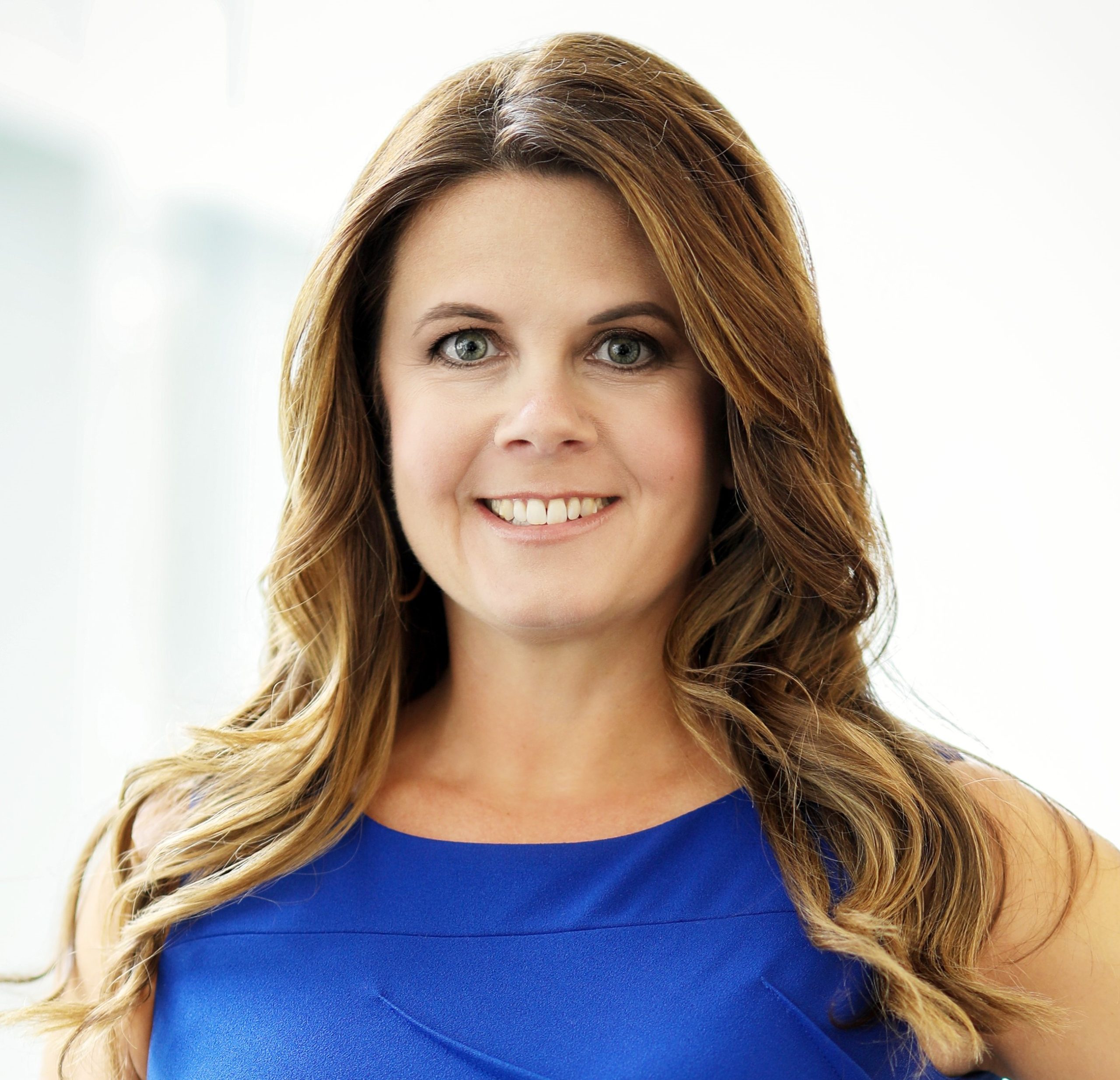
- Meredith Vance, Senior Vice President, Global Treasurer at NTT DATA, Inc
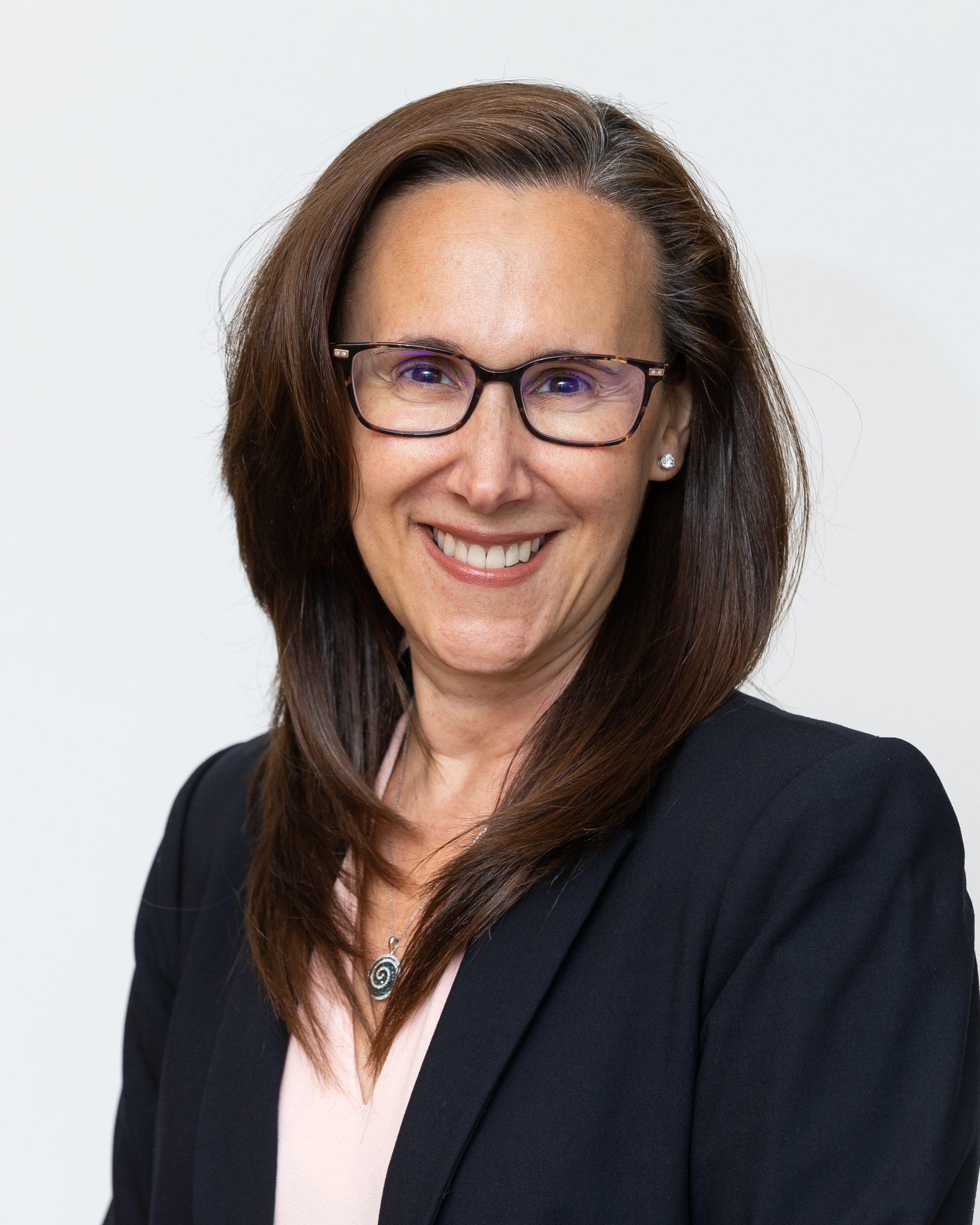
- Sandra Ramos-Alves, Senior Vice President and Treasurer at Bristol Myers Squibb
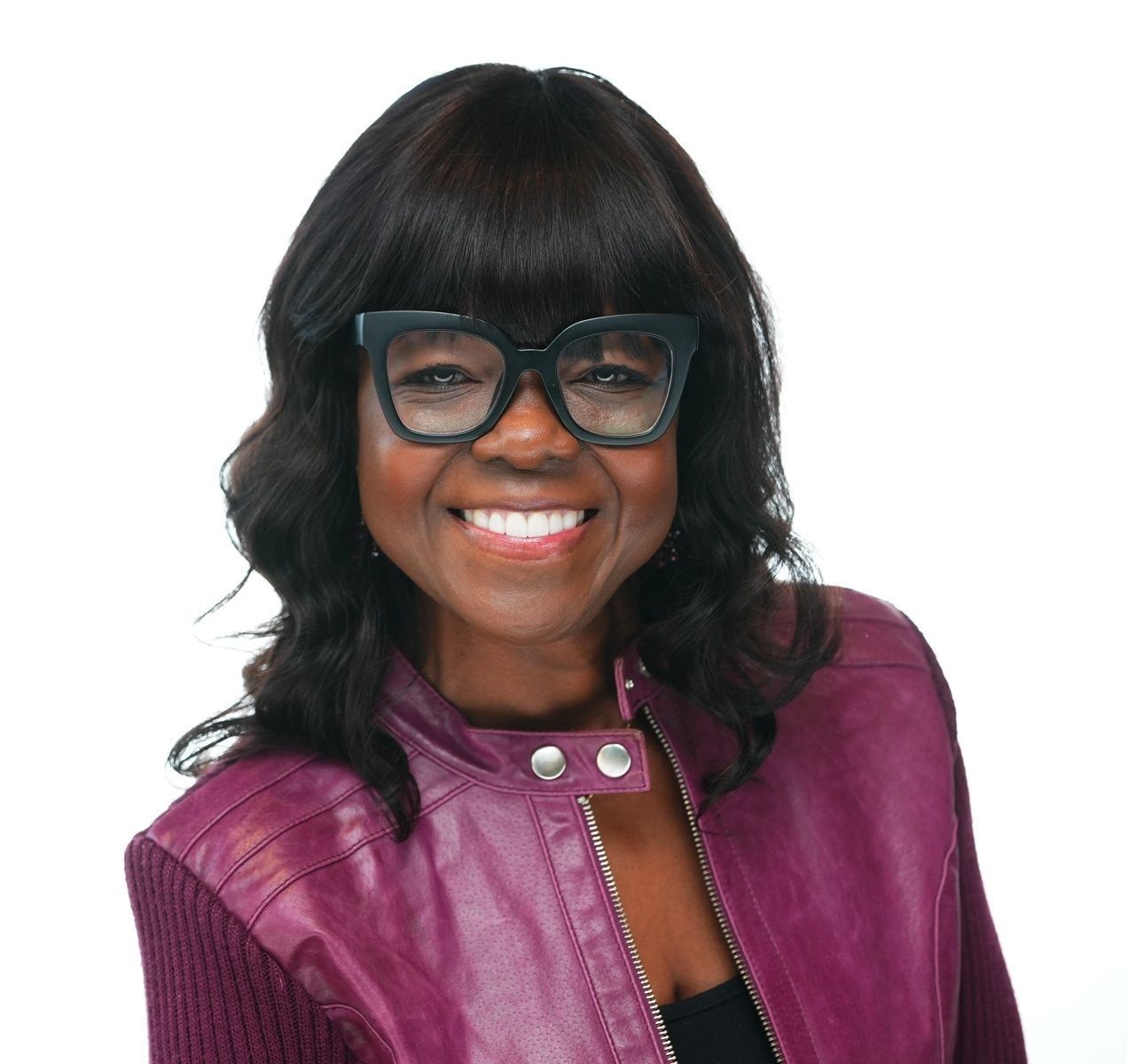
- Summa Simmons, Associate Vice President, Treasury at Victoria’s Secret & Co.
This isn’t about self-promotion – it’s about alignment, integrity, and strategic networking that actually moves your career forward.
Whether you’re just starting out or already leading a global team, the lessons in this episode will show you how to actively manage your professional reputation and make it work for you.
What We Cover in This Episode:
- Defining your personal brand and validating it with real feedback
- How visibility impacts your career trajectory – at every level
- Building credibility through consistent, intentional action
- Tips for early-career treasury professionals to stand out
- How to approach networking as a strategic, long-term investment
- Navigating imposter syndrome and building brand through courage
- Why every interaction – lunch table, hallway chat, or meeting – is part of your brand
- Leveraging internal networks and building strategic external partnerships
—-
🎙️ Subscribe to the Treasury Career Corner podcast – Never miss an episode! Subscribe on your favourite platform:
CLICK HERE for 🎧Spotify Podcasts
CLICK HERE for 🍏Apple Podcasts
🎓 Exclusive discount on CTP & FPAC – Visit our AFP partner page to find out how much you can save: https://treasuryrecruitment.com/partners/afp/
💡 Earn CTP credits just by listening – Selected episodes of the Treasury Career Corner are AFP-accredited. Listen, take a short quiz, score 80% or more, and we’ll send you your free certificate. Filter by CTP Eligible at https://treasuryrecruitment.com/podcasts/
🌍 EuroFinance International Treasury Management – September 16th-18th 2026, Barcelona – The world’s largest treasury event. Save 10% with our exclusive discount code: MKTG/B/TRP10. Book here: https://treasuryrecruitment.com/partners/eurofinance/
👉 FIND OUT MORE HERE https://treasuryrecruitment.com/partners/
Mike Richards, CEO, The Treasury Recruitment Company: In this week’s episode, this is some of the amazing stuff you’re going to get.
Summa Simmons, Associate Vice President, Treasury at Victoria’s Secret & Co.: So my four words, and hopefully by the end of this, you can tell me, those are not it. Find some new words. So my four brand traits are authentic, intentional, relatable, and grounded. So when I think about awareness in the context of a brand, it’s important for you to think about how others receive you. As you’re sitting in this room right now, you’re walking through the exhibit hall, you’re walking through the halls, you’re experiencing people, and you have an idea of perhaps what you’re thinking about them. You have opinions about how you’re thinking about my brain. But it’s important to also think about your own awareness, how you process, how you’re showing up, and how you want people to receive you.
Sandra Ramos-Alves: In terms of your career, I tell everyone on my team, you own your career. So learn to advocate for yourself, and I’ll say this to the ladies specifically, learn to advocate for yourself. Speak up. Tell your leaders what you want. Tell them what you want to do. Tell them what that next role is. Because if you don’t, there’s likely not anyone in the room that’s going to be jumping up and down and telling them what you really want. And men are amazing at this, but women, we don’t. And I went through that. And I’m treasurer today because I learned to advocate for myself and it took me forever to really schedule that meeting with our CFO. But I told him I’d like to be treasurer one day. I never anticipated it would have happened a year later.
Meredith Vance, Senior Vice President, Global Treasurer at NTT DATA, Inc: And I sat here and I thought about, okay, mine may not be exactly three to four words, but I can say that I’m a trusted and bold in terms of a business partner who takes calculated risk. So if you think about what are your few words to describe yourself or start your story, right? Because your story starts today. And it starts with this conference in terms of the people that you meet and the sessions in the learnings that you’re taking such as being here. Welcome to this week’s Treasury Career Corner podcast where each and every week I talk to a treasurer about how they build their careers, where they are now, when they see both themselves and the treasurer profession going to next.
Mike Richards: This week’s show, it’s another special one for you. In this amazing live session from AFP, Boston in 2025, I interview three incredible treasurers. I talk to Meredith Vance, senior vice president and global treasurer at NTT data, Sandra Ramos Alves, senior vice president and treasurer at Bristol -Myers Squibb, and Summa Simmons, Associate VP Treasury and Victoria’s Secret. I interview the three amazing ladies about how your technical skills might get you in the room, but it’s your personal brand that keeps you top of mind after you walk out the room. This episode is an incredible masterclass in owning your brand and it’s taught about through the real-life experiences of three amazing female treasurers. And that wasn’t us to me. It was amazing to share the stage with these three incredible women. Altogether, the four of us, We explored how authenticity, visibility, and how you need to make an effort to do the relationship building can turn these sometimes quiet technical professionals into influential leaders. And you’re going to literally get that from this episode. So as I say, each and every week, let’s get on with the episode.
Mike Richards, CEO, The Treasury Recruitment Company: So thank you all for filling up the room. First of all, I’m gonna ask for some energy, enthusiasm and no phones. Oh
Mike Richards: yeah. Put your phones away. Switch ’em to silent. Why don’t you give the next hour to yourselves, not to your work. Who else is doing it for you? Give it to your colleagues. They can do all this stuff. So when the memoir, that’s a couple of house rules. I’m gonna let my panelists introduce themselves at the moment, but first of all, who am I?
Mike Richards: Mike Richards. I run the treasury recruitment company. I tell you this because I’ve been the treasury recruiter for 30 years. Not against a sales pitch, but more to say why a FP that in this room also. I run a podcast Treasury Career Corner. Started it seven years ago, thought maybe we do five or 10 episodes, 400 episodes later, 415 treasurers, and I’m pleased to say all of the guests here today have all been on the podcast.
Mike Richards: All need to give in, listen. You also get CTP credits from listen to it. So this is the episode. Do a quick quiz, CTP credit. What could we better? So I’m let each of my guests introduce themselves. Then we’ll go into the May session. So firstly over to Sam.
Summa Simmons: Hello everyone. I’m Sum Simmons. I’m the Associate Vice President of Treasury at Victoria’s Secret and Co.
Summa Simmons: I manage cash. Capital and banking relationships that help our business to operate efficiently. And I make sure that our financial choices set us up to win today and to build talent for tomorrow.
Mike Richards: Fantastic.
Mike RichardsSeven.
Sandra Ramos-Alves, Senior Vice President and Treasurer at Bristol Myers Squibb: Good afternoon, everyone. I’m Sandra Ray Alvez. I’m SVP and Treasurer at Bristol Myers Squibb. I have been treasurer since 2021 and I’ve been at the company for 20 years. I have been blessed to be able to build a fantastic team, and we are building a treasury organization for the future. So it’s all about transformation and empowerment and inclusion at Bristol Myers Squibb
Meredith Vance: Perfect. And hey everyone. I’m Meredith Vance and welcome to a FP 2025 here in Boston. I’m. Completely excited to be here with you today, and I hope that you all will get some clarity from our conversation today. A little bit of background. I’m the Senior Vice P President and Global Treasurer for NTT Data.
Meredith Vance: I’ve been in the treasury profession for over 25. Years now, and a part of a FP since 1998. So again, welcome to our session.
Mike Richards: Here we go. This is what the session is about. Now, I’m not gonna repeat the slides. I hate you presented the do that. The one bit I’m gonna say to you about actionable tips right at the bottom there.
Mike Richards: Take some action. You could come here, sit here back in your chairs, and just listen to us talk about how these ladies have built first of around, how I’ve done it, things like that. As I’ve said to you, your technical skills earn you a place at the table. They get you in that room. They get you maybe on panels and things like that, but your personal brand makes sure that you are remembered when you walk out here.
Mike Richards: Oh yeah, that was really good. Someone was great. Sandra, you go, oh, actually, they’re literally doing the branding here for you. So this is a masterclass in it as well. That also means that you want people to understand what you stand for and your thoughts and beliefs about treasury. As I said to a number of, well, I did New York Cash Exchange recently, and I said, you treasury guys, you stink.
Mike Richards: Yeah, you guys, you stink at telling your stories. If I was just to summarize how much in this room de-risk the portfolio of your companies, how much money it helped make. It would be in the millions and billions. How many people know that no one, it’s like a leaf in the forest. You don’t actually talk about it, you just hide it.
Mike Richards: I’m just going and do my job, and I’ll come on to more about that later. But again, it’s about when people remembering when you’re out to the room now. Amazing summer. She appeared with me right on stage last year and she helped out on coming and joining us this year ’cause we’ve had a lovely and all the best to her.
Mike Richards: But summer, um, owning your pr, you can talk about that over to me. Sure.
Summa Simmons: So one of the questions that Mike asked before we joined was, how would you describe your brand? Like what four words would you use? And it took me a little while to think about it and before I commit to it, I tested five or six people and I said, if you had to describe me professionally in three words without thinking about it long, what would you come back with?
Summa Simmons: And the reason why I did that, and I would share my words with you in a minute, is because it’s fine for us to perceive our brands. It’s fine for us to get on LinkedIn and say, this is who I am and this is what I do. But if other people don’t experience you that way, that really isn’t your brand. It’s an aspiration, but it truly isn’t how people receive you.
Summa Simmons: And so my four words, and hopefully by the end of this you can tell me if they resonate or if I those are not it. Find some new one. So my core brand traits are authentic, intentional, relatable, and grounded. So when I think about awareness in the context of a brand, it’s important for you to think about how others receive you. As you’re sitting in this room right now, you’re walking through the exhibit hall, you’re walking through the halls, you’re experiencing people, and you have an idea of perhaps what you’re thinking about them.
Summa Simmons: We’re on stage. You are absolutely sizing us up. You’re trying to figure out was she a model at some time.
Summa Simmons: you have opinions about how you’re thinking about my brand, but it’s important to also think about your own awareness, how you process, how you’re showing up, and how you want people to receive you.
Summa Simmons: Then there’s this idea about alignment. If you make your list of how you want to show up and you send your text to a handful of people and there are gaps, figure out the gap. Identify the gap, and ask yourself, is it a gap that I’m willing to fill or am I okay just abandoning that part of the brand? How difficult is it to do that?
Summa Simmons: How valuable is it to do that? And then there is accountability. Build a relationship you want in every room. When I think about aFP, I get overwhelmed by sitting on stage and sharing and being vulnerable, but I’m even more overwhelmed when I’m in the audience and I have all these opportunities to connect, and I’m like, no, I’m just gonna scroll on my phone and you know, wait for the program to start.
Summa Simmons: I’m gonna be a spectator. Be thoughtful about building that brand in every moment, even when you’re a participant and you’re in the audience. Be super thoughtful about if someone were assessing you later on, how would they describe you in the time that you spent at a lunch table, at a breakfast event, or even in a role at a session.
Summa Simmons: So for me, owning your brand really starts with awareness. We talked about that most of my opportunities that I’ve had professionally have not come because I went looking for them. And that includes my first role in treasury. It came because somebody saw how I worked, how I operated, how I showed up in meetings, and they tapped me on the shoulder and said, Hey, I’ve got this job.
Summa Simmons: What do you think about it? Are you interested? And so I think that is incredibly important to advocate for things that you are interested in, but also know that you’re always auditioning for that next role. And that’s how I think about a brand like we are all auditioning for our next job. And how we’re showing up is the difference between someone getting your resume from your network and going, oh no, I experienced her.
Summa Simmons: We’re good on that, or, I really enjoyed her. I had no idea that she was open to moving to, I don’t know, North Dakota. Let’s give her a call and see how that goes. I think it’s important to be thoughtful about how you’re showing up in the moment. The other thing I wanted to share here is over time, and when you go to my LinkedIn, because you will, if you haven’t, you will learn that I’m a career adventurer.
Summa Simmons: I don’t get attached to a company. And in being a career adventurer, it is incredibly important to manage your brand. One benefit is you change jobs. You get to be a brand new you, right? You get to keep the things at work. You get to work on the things that you wish you would’ve done in your previous company or role, but you also want to be thoughtful about those who have experienced you.
Summa Simmons: Do they get to say you’re version 2.0 or you are worse than you were at that first job, right? You’re just even less pleasant and even more unrefined. You don’t want that type of feedback. So just be thoughtful about how you’re showing up. Last but not least, your brand is not built online. How many people, by show of hands, has looked at a LinkedIn profile of someone that they actually work with and the way that they describe themselves in the about question?
Summa Simmons: You’re like, are you serious right now? Show ahead. Totally. Yeah. Don’t be that person. Don’t do it. Be honest about who you are. Be intentional about the brand that you’re trying to build, and more importantly, be thoughtful about the reputation that you’re creating in every moment that you’re working. And I know that sounds super daunting and overwhelming, but I do believe that our reputations perceive us, and you only need one really crappy moment to ruin it unless you’ve built enough trust in deposits with a large enough group of people that they’ll say, I think she was having an off moment.
Summa Simmons: Let’s give her a little bit of grace. So be thoughtful about how you’re showing up. And finally, the last thing is your reputation does travel faster than you do. So make sure that you’re getting ahead of it and always being thoughtful. And sometimes it’s as simple as I have RBF, like I own it. Like my husband says all the time.
Summa Simmons: If we didn’t meet online, I would’ve never spoken to you in person because you just don’t have a come talk to me kind of face. But I say that all to say, just be thoughtful. It’s easier to smile at somebody and create a brand of being approachable than it is for them to have to push through your RBF to learn that you’re actually quite congenial, like myself,
Mike Richards: election.
I just come back to, before I pass, to actually tell you a story intentional. Now I’m just gonna come back to that. I intentionally got up on stage. I started to speak at various windy city summits in Chicago.
Mike Richards: Done a number of years, and I was halfway through one of my speeches and I could see the audience were going. Yeah, yeah. And I talked to a couple of people. I talked to Joel Campbell who shared the stage with the previous AFPs, and I said to Joel and I said, I’d like public speaking. Yeah, right. Yeah. Nice.
Mike Richards: But I hate this. This is outta my comfort zone. I chose for my business to grow, I had to engage with treasures like this. I had to do the podcast because it’s easier sit in the shed and you have a cup of tea. Have a great chat today like this. But joking aside. I then did a treasure career on the live.
Mike Richards: Did these live events. I had these actually amazing two ladies I shared, but with Sandra, and I said to Sandra, or she said to me, actually, Mike, this is great. You’ve got me outta my comfort zone talking in front of this room, 120 treasurers in New York. And yeah, but famous last words. You feel through it now.
Mike Richards: So I picked up the phone, I said, Samra, you said you need to give. Get outta your comfort zone and be visible. Will you join my panel at a FP? Slight pause, Mike, I hate you.
Mike Richards: I
Mike Richards: think those recorded first. I said, but you also love me an equal amount. She agreed. And then she begrudged me, said yes. So visibility for you guys.
Mike Richards: You can put your hand on down pals like this and everybody else. But without further ado, I’m gonna pass across to Sammo to explain her. There you go.
Sandra Ramos-Alves: Thank you. Yes, I’m really excited to be here. I am incredibly out of my comfort zone. I do not like public speaking, but I am working on improving that and this is a great opportunity, great practice.
Sandra Ramos-Alves: It’s a safe space, and so in that respect, I would encourage everyone to do things like this when asked. Because your peers, maybe they’ll judge you, but maybe they won’t. But maybe, you know, you’ll relate to the challenges. But in terms of my brand, I don’t know that that’s a brand, but I will say that I agree with some of that.
Sandra Ramos-Alves: Your reputation does precede you. So be very careful and be very kind to everyone that you interact with in general. But in, in terms of your career, I tell everyone on my team, you own your career. So learn to advocate for yourself. And I’ll say this to the ladies specifically, learn to advocate for yourself.
Sandra Ramos-Alves: Speak up. Tell your leaders what you want. Tell them what you wanna do. Tell them what that next role is, because if you don’t, there’s likely not anyone in the room that’s going to be jumping up and down and telling them what you really want. And men are amazing at this. But women, we don’t. And I went through that and I’m treasurer today because I learned to advocate for myself, and it took me forever to really schedule that meeting with our CFO.
Sandra Ramos-Alves: But I told him I’d like to be treasurer one day. I never anticipated it would’ve happened a year later. So thank God I did, because I may not be sitting here today. But also develop the skillset when you’re advocating for yourself. And this goes for everyone. Don’t whine, don’t complain. Talk about your value.
Sandra Ramos-Alves: What have you delivered? What can you deliver more for the organization? Because it’s really about results at the end of the day, and ensuring that your leadership trusts you. So if you don’t have a foundation of integrity, that’s probably gonna be a non-starter. So focus on always doing the right thing for the organization.
Sandra Ramos-Alves: And you know it will be seen through by everyone around you. Be authentic. I mean, that’s what it comes down to. So authenticity brings trust. Trust breeds results, and in the end, the results will hopefully deliver career growth for you. What else can I say? Be visible. Show up. Show up for your team. Show up for yourself.
Sandra Ramos-Alves: Really, that’s the most important thing. Do your best. Always do your best. Step out of your comfort zone. Sign up for those roles that are really challenging that. I’ve been working for 30 years, so I can tell you I have the most challenging project of my career at this stage, and I have a lot of people telling me, why are you even bothering?
Sandra Ramos-Alves: It’s nearly impossible. You know, this is from a treasury perspective, building a working capital culture and a cash culture in a very large organization that’s been around for over 150 years. So you can imagine that I am literally getting nowhere fast, but I am not quitting in the process. I’m getting a lot of visibility.
Sandra Ramos-Alves: Some of it I don’t really want to be honest, but the folks on my team. I let them present. I let them take all of the kudos and I fight all the battles in the back. So just sign up to do the right thing for the organization is my advice to everyone here.
Mike Richards: Cool. Yeah. Meredith
Mike Richards: from Texas.
Meredith Vance: From Texas, yes. And Suma, she challenged, actually, I challenged myself as I was sitting here and Sumo said, what are her three to four words that would describe her leadership or her brand?
Meredith Vance: And I sat here and I thought about, okay, mine may not be exactly three to fourwords, but I can say that I’m a trusted and bold business partner who takes calculated risk. So if you think about what are your. Few words to describe yourself or start your story, right? Because your story starts today and it starts with this conference in terms of the people that you meet and the sessions and the learnings that you are taking, such as being here today,
Meredith Vance: But you know, I’ll tell you a little bit. So it’s a little bit of a story in terms of starting your brand today. Something that I do, it’s an exercise that I do with everyone who comes into my organization or my team on day one. And this isn’t necessarily an exercise. Maybe, you know, maybe you’re not in day one.
Meredith Vance: Maybe you’re in day 301 or day 501, or somewhere in between. But I challenge everyone on my team to take a step back as we think about our internal brand and within the first 90 days of being in my organization, or I said, you could even start this exercise today. I said, write down the list of who we interact with.
Meredith Vance: Who’s our internal business partner? So I’m a treasurer. So for treasury, that would be the tax folks, legal folks, the sales folks, et cetera. But who do you interact with or who are you anticipating the teams you’re gonna be interacting with every day? And then figure out who’s your peer in that organization?
Meredith Vance: Who are you going to be talking to every day and sit down and meet them? Sit down and have, whether you’re in the office and you are going for a coffee in the break room, or whether you’re working remotely and you are setting up a teams or a Zoom meeting. And video is very important, right? Because again, we have to connect these personal relationships.
Meredith Vance: But building your brand inside of the organization as a trusted business partner. Starts today. And it starts with identifying those people who you’re going to be aligning with and creating those relationships will help you collaborate quickly within the organization. It’ll help you stay focused on task, make decisions faster.
Meredith Vance: I think as an organization, and for instance, I’ll say, you know how the outcome that I ask my team from this exercise is, okay, Meredith Tax has a question for treasury. Do we want them to say at the end of the day, oh my goodness, I have to go to Treasury. Oh, this is gonna be a long conversation. I may or may not get the outcome that I want.
Meredith Vance: Or do you want the narrative to be written as, I’m gonna go talk to treasury today? I know that we’re gonna come up with some really collaborative, really cool, unique solutions because I know that Treasury is my trusted partner in the organization. And I know them. I know them. You know, over the 20 minute coffee that we had the other day, I am starting to get to know them.
Meredith Vance: Or now that we’re collaborating together, we’re getting to know each other and getting to know our objectives within the organization. What’s driving treasury versus tax? How do we meet in the middle? Or how do we devise the outcomes that are, you know, achievable for both of us? But I think that exercise has been really important for me.
Meredith Vance: It’s been important for my team, for the new folks that come off my team. And I actually continue to do that today, identifying if somebody comes in new to the organization in the legal team, I wanna get to know them because I know that our paths are gonna cross. And I know that I want them to perceive not only myself as I brand, but my team as a trusted business partner.
Mike Richards: Thank you. So I’ve had to work on my personal brand in recent years and a business coach, and she said to me, Mike, you need to tell people the stories that you hear from treasury professionals. And I was a bit nervous about doing it. And she said, right, take one bit of advice, put it in the newsletter, which I now do every week, and I’ve done it for like 40 weeks in a row.
Mike Richards: And then we do a mini video on a Friday, and it’s just about that. Now, one of the stories related to what Meredith talked about, because you guys are go, yeah, but she’s the global treasure of M TT data. She picks up the phone, they all say yes.
Mike Richards: Sometimes it may be,
Mike Richards: But the fact is, what I have as the feedback from a treasurer is he had a treasury associate in his team. He said that I’m wanting to build my brand. I’m like an associate somebody. You guys might be at that level. And what he did, he said, go and have a coffee. Go and invite these guys.
Mike Richards: Here’s my car. Go to the canteen and invite some guys for a coffee in different teams. Brilliant. He got there about, about 10 weeks later it came out. Said, how’s it said? Well, it’s kind of right. Kind that much, you know? He said, well, how many coffees you have? Well, I had three 10 with drink more coffee.
Mike Richards: What he did is every week he went and did this, and actually the word of a lie, it was like 18 months into his job, he got moved back to this, actually moved to the CEO’s office because this kid knew everyone, because he’d actually made the effort to build an internal network. Because he went to this guy, mark and said, mark, what do we do about this?
Mike Richards: Or you know, this person, can you introduce? And he was happy starting his treasury career. So that’s one of the things for you guys. Now, the other bit, so there again, the reputation, this is, you know, your profile shows what you’ve done, but your brand, as I said earlier, shapes what people remember about you.
Mike Richards: I wanna be known as this, and Sandra and I were just talking about this before. When we are in the break room and discussing this, I’m like the nice recruiter. And that’s part of my brand, if you like. I don’t wanna be known as this hard headed, you know, da, da da. I’m here to give advice. This is one of the key things.
Mike Richards: Now, I did the podcast just last week, or just came out with Tony Theone, global treasurer of Amazon. Amazing podcast. I’ve known Tony for many years, recruited for him at ge, very challenging client to recruit for, as he said. He said some other words, but I’m recording this. I’m not gonna say those. They were his words.
Mike Richards: But Amazon have the global brand and when we gave it back to them, they had to make global changes. Someone said, oh, you know our new object. I said, no, no. Amazon want to control the narrative. Why wouldn’t they? They think about their brand every single day. You know, everyone talks about zos. You know what people think about you when you’re not in the room.
Mike Richards: So you guys need to think about that. We said this last year, actually, we did obsession about networking somewhere. Not they. We had the power of networking AFP 23 4. That wasn’t, you know, that wasn’t what we had as a working title that these were not to do at a FP. We were sayingto half the room and actually to do that exercise.
Mike Richards: We’ll do it now. So how many of you have been here at least five or six times? In the past few years. Fantastic. First couple of times. There you go. Right? Keep those hands up. Right. There you go. Thank you. Right? I want you to look at the other people and go talk to ’em after this, because this a FB is a marathon, not sprint.
Mike Richards: Later on when it says free bar, guys, you’ll pay with your socks. Tomorrow morning. You must have one extra margarita. Oh yeah, this’ll be great. Tomorrow morning you’ll literally be having coffee. Please gimme coffee There. You need to think about also. That’s gonna be your reputation, the brand. Actually, you know, we joke about Mike Mike’s had a few business.
Mike Richards: Yeah, I know when to tap out. I’m like, right, it’s time for me to go. Like really went. Yeah, because I know that’s it. Have a beer. That’s it. Because I’m thinking about my brand. Enough from me talking, because I prefer actually summer talking. Well, she told me to say that summer over to you.
Summa Simmons: Power of networking.
Summa Simmons: So I think about networking as it’s not a side hustle, right? It’s not something that you do as an afterthought. It is incredibly intentional. So I told you that I’m a career adventurist, and then I start a new company. One of the first things that I do after meeting with my team, similar to Meredith, I try to figure out who my key stakeholders are.
Summa Simmons: And my first meeting with them is not about how we work together. It’s how long have you been here? What’s your story? What keeps you up at night? Why have you been with the company for so long? Like wanting to get to know who these individuals are, and in the midst of. Getting to know who they are. People tend to share what they like and what they dunno.
Summa Simmons: So things like, you know what my pet peeve is when people cancel a meeting two minutes before it’s about to start, you know what my other pet peeve is? And then they just go down this list of things that they hate and it’s data and it’s really helpful data. And in engaging with these individuals in this way, when it’s time to do the work.
Summa Simmons: Now we can get to the work of the work, but we have a relationship. We are now talking about things outside of the day job and more importantly, if you need a favor or something comes up last minute and you’re having to reach out to your friends in tax, it’s not the, oh Lord, here comes someone from treasury.
Summa Simmons: She only calls me. She wants something. Sometimes they might not even take the call, they might just send you an email or leave you unread. And I think the importance of networking is when it’s authentic and when it’s sincere and when it’s genuine. It is not networking for the sake of it. Like we all are going to spend a lot of time later on and we know we’re ever gonna talk to the person again.
Summa Simmons: But when it’s a relationship that you really want to curate and cultivate, you want to be authentic and you want to be sincere, and you want to make sure that if and when you need something from that person or they need something from you, you are reliable. And they know if they ask their direct report to call Sandra or to call Meredith or to call Mike, the other person is gonna pick up the phone because your network is strong and your reputation is even stronger.
Summa Simmons: Couple years ago, I started a new company. Surprise, surprise. And there was something that we needed to get done and our current bank group was unable to do it or unwilling to do it. And so I went through my cell phone and I was like, Hey, we don’t bank with this bank, but I’m gonna call them and I’m gonna ask them.
Summa Simmons: That was my network. The person took the call, not ’cause there was a sales transaction on the other side of it. They didn’t know that there would be, but there was relationship. We kept in touch over the years that I’d been on money ventures and we were able to solve the problem that had come up. I think the other piece of networking that’s important to remember is that it solves for problems that a system or a process cannot manage.
Summa Simmons: Networking is all of our relationship and everyone in this room that is a practitioner knows that 30% of our time is spent talking to vendors and makers. And a lot of what we need is on the other side of the conversation, and more importantly, it is outside of our organization. So the relationships that we have with our peers, being able to like shoot a quick text to Sandra and be like, Hey, I got this hedging question.
Summa Simmons: I’m just having a green BART moment. I can’t figure this out. Can you talk issues? Not. Super busy trying to figure out the world’s hardest problem. She will probably pick up the phone and say, Hey son, I got five minutes. Use it wisely. But that’s your network. It is not how many index cards, business cards you can collect while you’re at a conference.
Summa Simmons: It is establishing sincere relationships that when you need something or someone needs to rely on you, you are someone that can be counted on. You can repay the favor and you can navigate your life and your career in a meaningful way because everybody that is in your network is solid. The reason why I call it a network is because it’s a net.
Summa Simmons: The type of the net the better. You’re going to be able to catch whatever it is that you’re trying to catch. So really be thoughtful about not just getting to 5,000 followers on LinkedIn, but do you have a relationship and a connection with people that you consider to be your network? And would they describe you the same way?
Mike Richards: I’m gonna past to Sandra, but one of the ways I’ve can illustrate that firsthand was. We had a slightly different panel on Thursday. Liam had to pull out, you know, various reasons. And the fact was, you know, we wish well, but then she said, oh, you know, well actually it’s gonna be fine. We can have a great panel.
Mike Richards: I just picked up the phone son. I said, Hey, you need to do me a favor. She said, no. I said right pictures.
Mike Richards: But joking aside, it was the power of that network just and everything else. Now you and I talk about the power of your network with some of the banking partners, which we’ve touched on here or over to you.
Sandra Ramos-Alves: Yes. So it’s also about being strategic and helping you do your job. Sometimes not. It’s not just about building the network for the next.
Sandra Ramos-Alves: Role for that next promotion. Sometimes it’s how to be really effective in your current role and how to get things done. So I spend a lot of time talking to the peer treasurers in the pharma organizations and I’ve developed really good relationships and I spot one back there. So thanks for the support.
Sandra Ramos-Alves: But it’s amazing when you’re having challenges within your organization to get something done and you can say, wow, if j and j and Pfizer can do this, I don’t know why we can’t. And having those relationships are incredibly helpful. But it do your best to connect with all of your peers across your industries. At the end of the day, we’re not competing against each other. Unless you’re actually competing for a job, but we should all be able to be helping each other.
Sandra Ramos-Alves: It’s one treasury regardless of what industry you work in. So just, you know, people are open. People love to share what they’re doing and they will share and they will help you, and in return you will do the same. The other thing that I always talk about is be kind to your bank group. I see four bankers here
Sandra Ramos-Alves: They came to support, I’m sure, but let me tell you, a lot of the banks come up with really innovative solutions and they will teach you what it actually means sometimes, and they will help you implement it, and they will help you look good in front of your leadership team. The other thing is they can help build or destroy a career.
Sandra Ramos-Alves: They’re human beings just like us. They have feelings. Be nice, be kind. I wouldn’t be sitting here. Potentially, if it wasn’t for my bankers. In 2019, Bristol Myers Squibb acquired Celgene. It was the bankers talking to the treasurer at Bristol Myers Squibb and saying they have a good team at Celgene. That treasurer then called the former treasurer at Celgene.
Sandra Ramos-Alves: I hear you have a good team. Can we talk about your folks? I get a text message, how would you like me to lean in? So I thought about it and I told the story at Treasury today on Wednesday. I was on spring break in SeaWorld with my kids. I said, I’ll be in the office tomorrow. Let me think about it. I was watching Shamu fly and I go, oh, I’m gonna ask for a VP role.
Sandra Ramos-Alves: What do I have to lose? So I went in the next day, I said, I’d like to have a, a VP role and assistant treasurer role, and I will consider coming to BMS. But that conversation may have never happened if it wasn’t for the bankers speaking about us and the background without us ever knowing. So just keep it in mind.
Sandra Ramos-Alves: You know, we all help each other. Treasury is a very, very, very small world. Inevitably, you will cross the same names. So be nice and just do your best.
Mike Richards: Just before we pass the Meredith in about 10 minutes time, you are gonna get to ask questions of, these are the ladies. I’m not answering questions ’cause I’m just too busy.
Mike Richards: Um, Meredith thought through, but I want some questions for you guys because when did you last get an opportunity to ask these three amazing ladies?
Mike Richards: Hope to Mary.
Meredith Vance: Yeah. One thing I will point out, and I love your story, Sandra, in terms of talking about your ask, right? And one thing that I’ll talk about here is you did it through courage, right?
Meredith Vance: I mean, how many of us have been sitting here having thoughts of, gosh, I really wanna take that risk. There’s this opportunity or this project that I really wanna work on. I think I really have the, maybe I have the experience, but it could be a really great opportunity and you shy away. How many have felt, I mean, the raise of hands, how many have felt imposter syndrome, that there’s an opportunity out there, but you just don’t think you’re good enough, right?
Meredith Vance: I can’t tell you how many times in my career where there’s been an opportunity that’s been presented to me to take a different role or move to another company at a greater role, and thinking to myself, gosh, Meredith, are you ready for that? Can you do that? I mean, even the current role that I’m in, in terms of being a treasurer of a $20 billion multinational organization, I said, wow, I only have 28 years of experience.
Meredith Vance: Can I do this? I mean, silly of me to think that, but we all face these challenges and we all come across these opportunities. But if we don’t lead courageously and if we don’t take the calculated risks that make sense in our career, we’ll never know. Right. We, we’ll never know what it would’ve been like to be that leader or to have learned something different or to put yourself out there.
Meredith Vance: And I think this all comes back and relates to our brand and leading and branding ourselves through being courageous and taking those calculated risks that make sense in our career. Stop doubting yourself because we all, you know, take these big steps or put these tools in our toolkits to advance our career, to what our objectives are by taking these risks and being courageous and creating your brand that you are thought of when the, you know, when that big project comes or when that next big role comes, or, you know, they’re thinking of you.
Meredith Vance: So you have the ability and you have the tools to do it, but you need. To brand yourself through courage.
Mike Richards: So I said earlier, actionable tips. So these are some practical tips, having that strong LinkedIn headline, but sharing achievements inside lessons you learn when you get back to the office in a couple of days time.
Mike Richards: Sit down with your team, sit down with your colleagues and say, ah, I picked up this tip, or share it around. You are really good at doing that, so embrace it as well. One of the other tips there is there are some very questionable LinkedIn photos out there. There are some very good ones out there. They do have a studio here.
Mike Richards: You’re looking at it and people laugh, that’s my LinkedIn, or they laugh. That’s the time to visit the studio here. But joking aside, again, I got asked by one of the audience members in New York and they said that, but what’s the difference between humble bragging or bragging? And achievements. I said, well, you’ve answered your own question.
Mike Richards: If you think you’re stepping into that, oh, look at me. I like, great. Then you brag. But if you are looking your, what you’ve achieved and what you saved the company and what your team has done, and I said, this is where AI can step in. He like, oh, well yeah. What about security? I said, well, confidential. I said, well, don’t put confidential stuff on there.
Mike Richards: You’re answering your own questions. I mean, I didn’t really need to be there, but I said to him, look, you can put it in there. This what I’ve done with the team. This is what I’ve done. This what I’ve achieved this month, this week. Put it in there and then you can add it to your LinkedIn profile. It doesn’t have to be specific and you don’t need company information like that offline.
Mike Richards: There are a host for different A FP chapters and things across the country. Put your hand up, see if you can help out. See if you can mentor. You’ve got your internal external. When you, as I said earlier, when you go back to your team, you can actually say, Hey, I learned this. Should we just have a discussion about it?
Mike Richards: Should we have a coffee about it? More coffee, um, that preparation and polish as well. I. You then you can build your own advisors internally. So you can have champions yourself, you, your boss, your colleagues and things. They will help you as well. So we’re gonna go to q and a in a moment. The other couple of practical, just have a think.
Mike Richards: Now obviously some are prepared for this and I said that, what are the four words and but think about for you guys have a think once you’ve gone out here later, what are the three words that you would want people to say about you or you would want them to think about? What do you want to be known for?
Mike Richards: And that’s not speed. Drinking and having the beers and having a bit and laugh. Oh yeah, he was really good. No, but actually what do you want your brand to be to people out there now the 30 seconds. In fact, SAR and I were just talking about this before as well. What we don’t want when you come up and talk to me or when you are, you know, mingling around for 30 mix or later, I don’t want you, Hey, well I’m the treasury manager at X, Y, ZI don’t care.
Mike Richards: What did you do? You know, go on. Ah, we implemented this solution and we say this much. I’m like, let’s say that’s a conversation starter, short elevator pitch, the time it takes. So people then want to engage with you ’cause you are interesting. You guys are interesting. I promise you. I talk to you all day long.
Mike Richards: So quick q and a. So let’s get some questions please.
Meredith Vance: So, Mike, can I add something real quick? I was something that came to my mind as you were talking about storytelling too, and I don’t know if I had a chance to share, but. Storytelling is so important in terms of how you create your brand. And I’ll give you a really good example.
Meredith Vance: So I was presenting to some finance folks, some weren’t finance folks, and I had to give a presentation on debt management. Now, the finance folks in the room completely would’ve understand all the graphs and pie charts and everything that I was putting up there and the numbers and everything behind it.
Meredith Vance: But I knew when I was talking who my audience was, that there were folks in the room that weren’t gonna understand that and probably we’re gonna tune out in the first 10 seconds that I started my conversation. So I had to understand my audience, and I had to tell a story. And the story that I told about debt management wasn’t, you know, rambling off the numbers on the page.
Meredith Vance: Each page and each had a purpose and it had a message. And it wasn’t necessarily just the data, it was the story behind it. And I think that’s really important as you’re creating your own brand. Tell your story, and it’s not only who you are and what you’ve done, but you can take this, I think, example to any conversation that you’re having, but be able to tell the story that’s compelling.
Meredith Vance: And I had the best, you know, afterwards, after the conversation, someone else who wasn’t a finance and technical specialist came up to me and they said, Meredith, that was the most interesting conversation on debt management. I had no idea, but you explained it in a way that made me interested in it.
Meredith Vance: But again, tell your story and understand who your audience is and be prepared. Because the more that you’re prepared, the more that you know, the more questions you’ll be able to answer. Or the more in depth, or, you know, the higher the level in terms of you can go 30,000 feet, but then you can get down to 10,000 feet depending.
Meredith Vance: So understand your information and be prepared.
Mike Richards: So I didn’t want people queuing up for that microphone. ’cause you’ve gotta build a brand and everything else. We’ll come to that, but one of the questions, and I spoke to somewhere about this in New York. I was asked, one of the audience members came up and they, one of the questions they said was, but I’m a treasury analyst.
Mike Richards: I’ve only got a couple years experience. Where do I start with my brand? What are the tips you would give if you’re quite early in your career, how would you, what advice would you give?
Summa Simmons: I would tell them to start by listening to a podcast.
Mike Richards: Yes.
Summa Simmons: Your podcast. Right?
Summa Simmons: And mine too. Mine what I create.
Summa Simmons: Yeah. In all seriousness, I do think that you’re very intentional about who you choose to have on the podcast, and you learn a ton about treasury, but you also get a feeling for these individuals, brands like I worked with Tony Mione, we’ve worked together at ge. I have a couple of GE alum in the audience, and so we all know his personality, and so seeing him be the treasurer of Amazon makes total sense.
Summa Simmons: It’s on brand for him. And so you get to glean a little bit of that as you listen in real life. The first thing that you can do with your brand is to have people see you as curious. So you are owning the fact that you’re only two years in, and most of us did not learn treasury from a textbook. We’ve learned on the job training.
Summa Simmons: So finding senior people in the organization, or people evolved in their treasury career, and just start asking them what kind of jobs do they have? Some were accountants before, some were in fp and a, some were in marketing and publications. Understand how they got into the space, how they navigated it, find people like my panelists.
Summa Simmons: And here, you know, it took you 20 years, which is not a long time to go from entry level to leading a division in the organization. But how did you drum up that courage? When did you finally feel like you had the right to ask for something? So start with curiosity. People will bring that up in calibration sessions.
Summa Simmons: If there’s nothing else to say about you, they’ll say, man, that so and so was really curious. Every time I see them, they’re asking a question and they’re taking really positive feedback. So I would start with curiosity. If you have nothing else to work with from a brand, so.
Sandra Ramos-Alves: Yeah, so I would agree. Seek to learn, learn as much as you can about different areas when you’re younger in your career.
Sandra Ramos-Alves: ’cause as you get older, you’re kind of gonna be on a path to something, whatever that is. But when you’re young, you have really an opportunity to learn all of the different functions within finance. Jump on that opportunity, like she said, be curious, uh, and work really hard. That gets noticed. You know, we have a lot of millennials around us and the hard workers and the ones that are really embracing the technologies, those are the ones that stand out.
Sandra Ramos-Alves: So, you know, it’s about supporting your team and helping your team grow, and then you’ll grow along with them. There. It’s, yep.
Meredith Vance: I think I would end the way that I started in terms of thinking about those few words that describe, I would say, um. Most definitely a trusted, the key word is a trusted business partner to your internal folks that you know, internally and externally.
Meredith Vance: Think bold. Be bold. Like I said, I agree with curiosity. Be curious and take those calculated risk and take ’em now.
Mike Richards: Cool. Any questions from you guys? Oh, yes, we do. Thank you. That’s it.
Mike Richards: Uh, if each one of you could
[Mike Richards: closer to the microphone,
Mike Richards: uh, to
Mike Richards: kind of manage your brand reputation in a highly stressful
Meredith Vance: time, I would say be a good listener, right? In a very highly stressful time. Whether that’s a project, a deadline, or something. When tensions are running high, sometimes conversations. Can go in the wrong direction, right? So being a good listener can really help because if you are a listener, then you are, um, you know, you’re a better partner.
Meredith Vance: And I think that drives, you know, better outcomes.
Sandra Ramos-Alves: So I’d say, and I have many stressful times, keep your cool. So you have to keep your cool and think through all of the alternatives and just talk to the people around you. Ask the questions. Be inclusive. Sometimes something that is stressful. Can have a resolution within five minutes. If you really think through it and you come up with a different solution,
Summa Simmons: I’d say my response is a riff on both.
Summa Simmons: It is being thoughtful about whatever this has stress situation is, and if it is cross-functional, look around the functions and figure out who’s missing. Because sometimes that is a component of the response or the solution that may be missing. We could be the person to identify. We might need tax in this conversation to opine so we can have a better decision.
Summa Simmons: Understanding that someone’s gonna be annoyed, but you’re adding more people to an already stressful situation, but that helps your brand because people know Sandra’s always going to make sure I’m plugged in even if I’m not top of mind for everyone else.
Mike Richards: What I noticed that as well early on in my career did very well, you know, expanding and everything else, but I was letting the stress get to me.
Mike Richards: Now this is back in the days when you could listen to audio tape. Listening to this, a really good one, and actually this guy said There is no such thing stress. I’m like, pretty sure. But he was great actually. He was a trainer for the SAS and everything else and SEAL teams and things like that. He said There is no such thing as stress.
Mike Richards: Stress is your reaction. You choose that reaction to
Mike Richards: pressure
Mike Richards: and that’s within your realm. I was like, oh, okay. And actually he wasn’t just BSing, he was actually, it was true. And I then chose my reaction. There was lots of stuff coming at me and it was like, I’ll choose my reaction. So that’s one of the other bits.
Mike Richards: There will come a point where you might find yourself in pressured situation where you go, actually, I’m out here. That’s all to me. That’s fine. Um, but jokingly aside, one of the key things is you choose that. And how you then react that’s within your realm. So they’re taking time out. And people have said to me about this conference, they said, I was at the Euro Finance Conference and they said, what’s the difference?
Mike Richards: I said, you can’t see the car here because there are so many people. So when you get to the stand and when you get there, look for the exit. Not to Broadway. Just to give yourself some time to get that from someone last year that you will need to over the next couple of days. Otherwise, you know, particularly we will find ourselves talking solidly for three days.
Mike Richards: But you need to take some time to be yourself as well. We’ve got another question, please. Thank you. I
Q1: actually. I ask you question. I’m gonna do one very quick experiment. I told myself I’m always very nervous of asking questions, so I’m just gonna stand out here while someone else ask a question before me.
Q1: Now I stand up here for 30 seconds, Well’s, actually not too bad. Um, while all of the audience walking to Desk Stadium and they’re going, oh, of you looking at me? So I was like, okay, not too bad, do it. Um, so, okay. My, my quick question to the panelist is, um, do you have a pivotal moments in your career where you were like, aha, I can do this, I could be a treasure, I can you share that moment with you?
Sandra Ramos-Alves: Sure. Um, so back at Celgene, they used the treasurer role to just develop future CFOs. And I think I had a banker refer to me in a conversation with A CFO as the engine that kept things running. I said, oh, well if I’m the engine, when do I get to run the show? Because clearly I’m supporting all of these treasurers, but I’m doing all the work and I’m here at 1:00 AM every night.
Sandra Ramos-Alves: So it got to a point maybe eight years ago that I was like, when’s my turn? And I asked and asked, and I got nos. I got a lot of nos. But you just, you can’t give up and you can’t listen to the negative voices. I was actually told you can never be treasurer of a $90 billion company. That kind of hurt. But I became treasurer when we were $150 billion company.
Sandra Ramos-Alves: So I said, well take that.
Sandra Ramos-Alves: Um, so you’ll just know in your heart when you’re ready.
Meredith Vance: Yeah, I think for me it was, as I said, and I’ve told Mike this story before, every step that I’ve made in my career, whether it’s to a new role or to a new company, has been very purposeful. And it’s been putting another tool in my toolkit and to get to my goal of what was to be a treasurer and whether it was taking a role that is very deep in cash management, for instance, or stepping into capital markets and foreign exchange that I had never done before and leading it, or then becoming broader and becoming an assistant treasurer, right?
Meredith Vance: Those steps that I, or going for instance, uh, to a company that was more multinational than I was at today, or was private versus the public that I was at at the time. So each tool that I put in that toolkit, I think led me to the point where coming to NTT data and the opportunity that was presented to me to be a treasurer, I thought to myself, I got this.
Meredith Vance: I got all these tools in my toolkit, they’re exactly what I need. And at this point, the opportunity is presented to me and gosh, yes, I so had imposter syndrome thinking, wow, this is a really large organization, and, and they’re gonna, everyone’s gonna look to me. But I knew that with those tools, I was ready.
Mike Richards: Someone. Sure.
Summa Simmons: I would say I didn’t have a really big moment. I did a lot of work over a long period of time and I finally wrote it down, like people ask What’s in your five year plan? I’m like, I don’t know. I just gotta do whatever’s next and figure it out. And one day during my morning routine where I write down my affirmations, I finally wrote down be a treasurer of a global publicly triggered company.
Summa Simmons: And the minute that I wrote it, I was like, oh, I’m putting this in the universe. I never said it. Like I met with tons of executive coaches and we dance around what I wanted to do, but I never said it out loud ’cause it felt like a jinx and writing it. Made me go through every day thinking about this brand.
Summa Simmons: What does a treasurer of a global Fortune 500 company look like? How does she show up in email? How does she show up in meetings? Is she activated in a FP? Is she trying to play in the Euro finance game? And so writing it made it feel very real for me, and itstarted to manifest. People started seeing me as such.
Summa Simmons: I started getting calls from recruiters. Hey, we’ve got this treasury job. Okay, me, you think I could do it all right. So it just really writing it down I think helped, um, and starting to embody what I believed it looked like. And mirroring from others that I thought did it well.
Mike Richards: And I’d be grateful for the positive feedback of the podcast.
Mike Richards: But for me, one of the key things is ask yourself a question. Why not? You know, you’ve seen it, why not me? You know? So we talked about actually with PayPal and things like that. Chan, who’s now there, global Treasurer I saw, did a open letter on LinkedIn and I thought, wow. He talked about moving back from Singapore, taking the global role.
Mike Richards: I thought, drop him an email on LinkedIn. He’s never gonna read it. Nothing. This is never happening. Drop an email. Next morning I hit a show. My wife. My wife, yeah, podcast, whatever, go back to the shit. But I show her the podcast. I. He said yes. He walks his docket and listen to my podcast. You don’t get that.
Mike Richards: And then following up later on, we were, we were approaching episode 400, we’re about two months away. I thought. 10% global treasurer of paper. And I know him. I’ve known him since GE days asking worst case, he says no. And actually within a day, so would yell i’ll to it. I’m like, oh goodness. A few other words.
Mike Richards: And now he’s been on the show and it’s, uh, you know, because I love talking to you. Treasure class. I geek. Can’t answer. We’ve got one more question, time for one more question and then we’ll give you some lovely takeaways. This our audience.
Mike Richards: Sweet. Thank you. Question for the panel. Have you ever been in a situation in your life you meant to reset your practice or maybe going a direction that you didn’t like it to go and then reset?
Mike Richards: Yeah. It’s called a career limiting move.
Summa Simmons: Yeah, it is. I’ve made one. I’ve made several. World. Thankfully there were earlier in my career, and a large part of it is owning it, right? And just acknowledging that this is going to require a huge pivot. I’m going to have to figure out how to fix this, but it’s being authentic, right?
Summa Simmons: If you damaged a relationship, go fix that relationship because a part of your brand is, again, like I said earlier, how people receive you. So if you’re on a campaign to right your wrong and you haven’t addressed it with this person, trust and believe they are throwing dirt all on your name all the time, and you will never come out of it.
Summa Simmons: So fix, repair the relationship. If it’s with someone directly, if it’s broader than that, and you check in with your cabinet like. Whoever you see as your trusted advisors, especially at the company, and they say to you, Hey, the culture here doesn’t really respond to this world. You gotta go find another job.
Summa Simmons: Like, it could be as simple as that. But if you are having to move companies, then you want to be really clear on who you show up as on day one. And that brand build starts over from there. There’s a lot in between those two scenarios, but I don’t know how dire the streets are. So,
Meredith Vance: and I would just add to that real quick, similar situation.
Meredith Vance: So I was in a part of my career where. I was gaining confidence, I was getting traction and everything. But the way I was going about driving results, I can just say in my Texas line, I was like a pit bull on a pork chop and I was a bulldozer and whatever got in my way, I would just bulldoze it over and I didn’t care how I did it.
Meredith Vance: The fact that I got the result was the only thing at that point that mattered. And it was not very, um, it wasn’t pretty sometimes and sometimes it created a little bit of friction. But I got some great advice from a mentor I had at the time, and he said, sometimes, Meredith, you catch more bees with honey.
Meredith Vance: And I said, what? I mean, I’m driving results. What do you mean? And he says, but sometimes you’re doing it in a way that may not create the relationships thatyou want. And I said, well, let me take back and think on that. And I did. And I started to approach, again thinking about my brand and move, trying to move that in a different direction.
Meredith Vance: And I did, and I thought about that and that was the one of the best advice that I’ve gotten to the state from my mentor because it, it changed the trajectory of my brand and I was able to quickly pivot and I was able to drive still the results that I want. And I’ll still say to you, I am still a bulldozer today, but I do it in a way that is very collaborative.
Meredith Vance: And at the end of the day, both parties feel like they’ve won and the results are still there, but. I do it differently.
Sandra Ramos-Alves: So I’m incredibly blessed in my career. I can’t say that I’ve had to ever really change or pivot. I have been in situations where I’ve had some challenging managers and challenging people on the team, and you lose part of yourself when you’re so busy just trying to survive you, you lose a little bit of the drive to really deliver that 150%.
Sandra Ramos-Alves: To really truly be authentic, you just end up in this survival mode. And I’ve had that a couple of times in my career, and someone right there knows one of the folks I’m talking about, and somebody right there knows another person that I’m talking about because we’ve all lived the same individuals. So don’t be those individuals please, because you destroy culture.
Mike Richards: Now, you are gonna get to be able to ask the ladies further questions after the session, but we’d like to run to time so we do our takeaway. So sum up for you. That’s building.
Summa Simmons: Build a brand that’s trusted, a network that’s genuine, and a reputation that stands on its own. That combination will take you further than any title ever.
Sandra Ramos-Alves: I would say always advocate for yourself and if you have a team advocate for your team. ’cause don’t forget, there is no I and team, and we will accomplish much more as a team. Always lead with integrity. And for goodness sake, please be kind and gentle. Everyone has something happening in their lives, so kindness sometimes goes a long way,
Meredith Vance: and Maya just says it very, very clearly right here.
Meredith Vance: You’re more qualified than you think. Be bold, take a risk, a calculated risk, and tell your story. Tell it clearly. Know your story. Tell it often.
Mike Richards: Love it. Mm-hmm. So my idea is about taking a step forward. Now, it could be updating your limiting profile over the next couple of days about something to close to, or share something about what you gain from today’s session.
Mike Richards: You know, from the conference hall, from the exhibit hall. It could be commenting on a peers post. It doesn’t have to be big, but it has to be deliberate because you choose. You’ve seen three incredibly successful treasuries and each of these days have taken small deliberate steps. So just start with one thing this month and make sure to connect with all of the ladies as well and myself.
Mike Richards: But we’re gonna wrap up there. You can see everyone. Give them a massive round of applause.
Mike Richards: Today’s episode of the Treasury Career Corner was brought to you with the support of our partners, Tradeweb. If you are looking for a smarter way to manage your short-term investments, then Trade Web’s independent portal gives you access to a full range of investment products, integrated analytics, and a simple, centralized platform built specifically for the treasury professionals just like you.
Mike Richards: If you head over treasury recruitment.com/partners, you can find out much, much more, and we’ll be able to connect you with the right person at Tradeweb for both you and your business needs. Many thanks for supporting the show. And don’t forget, if you’ve listened to today’s episode, you’ve enjoyed it.
Mike Richards: Give us a quick rating on iTunes or Spotify, wherever you listen to your show. And as an additional bonus if you. Are CTB qualified, you can actually get CTB credits. Yeah, you just do a short quiz. We’ll market it for you, we’ll send it to you, and we’ll send the CTP credits as well just by listening to a podcast, whether you’re walking your dog at the gym on your commute.
Mike Richards: Thanks very much for your support and we are here to help you. Thanks very much.
- You are always auditioning. Every interaction contributes to your reputation.
- Your brand isn’t what you say it is – it’s what others experience.
- Start with curiosity. Especially early in your career, curiosity builds your brand.
- Be courageous. Say yes to panels, meetings, and roles that stretch your comfort zone.
- Network with intent. It’s not about collecting business cards – it’s about real relationships.
- Advocate for yourself. Don’t wait for others to recognize your potential.
- Reputations are built in private moments. Be consistent, thoughtful, and reliable.
🎧 Earn CTP & FPAC Credits by Listening to the Podcast
Whether you’re at the gym, on your commute, or walking the dog – you can now make your podcast time count toward your professional development.
We’re thrilled to share that Treasury Career Corner podcast episodes now qualify for CTP and FPAC recertification credits through the AFP’s Independent Study category.
How It Works:
- Listen to a Treasury Career Corner podcast episode
- Complete the short multiple-choice quiz
- Score 80%+ to pass
- Submit your credits to AFP as part of your recertification record
➡️ Credits earned per episode length:
- 30 mins = 0.6 credits
- 45 mins = 0.9 credits
- 60 mins = 1.2 credits
No filler. Just real treasury conversations covering leadership, strategy, risk, technology, and team building.
🧠 Quick Facts:
- 📝 Quizzes contain 6–10 multiple-choice questions
- 🎯 You need 80%+ to pass
- ✍️ Quiz submissions are reviewed manually
- 📋 We must then VERIFY you are a CTP treasury professional to help prevent automated or non-genuine submissions
- ✅ Once verified, we mark your quiz and send CTP credit confirmations every Friday
- 📨 If you need results sooner? Then email mike@treasuryrecruitment.com and we’ll try to prioritise the marking of your latest quiz
NOTE: In line with AFP compliance requirements, no more than two quizzes may be completed per day.
