
How Three Treasury Leaders Navigated Career Pivots and Global Moves
In this LIVE episode recorded from our most recent London event, three top treasury leaders share how they made bold career pivots, took on international roles, and built world-class treasury teams from scratch.
Whether you’re early in your treasury journey or eyeing the next big move, this episode is packed with unfiltered advice, leadership insights, and real-world lessons you won’t find in textbooks.
Meet the Guests:
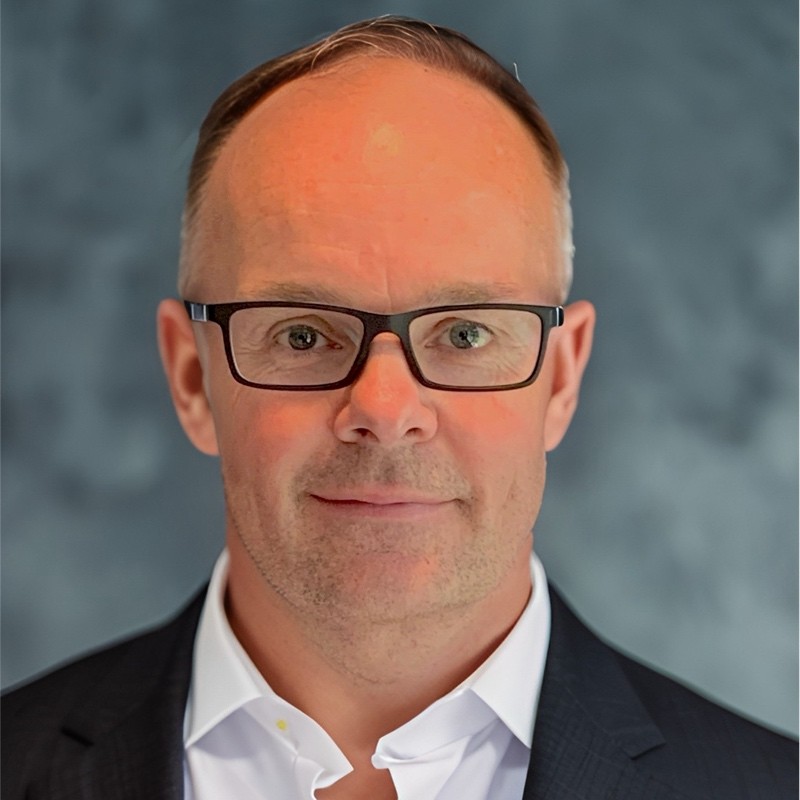
- Brendan Boucher, Group Treasurer at Compass Group PLC
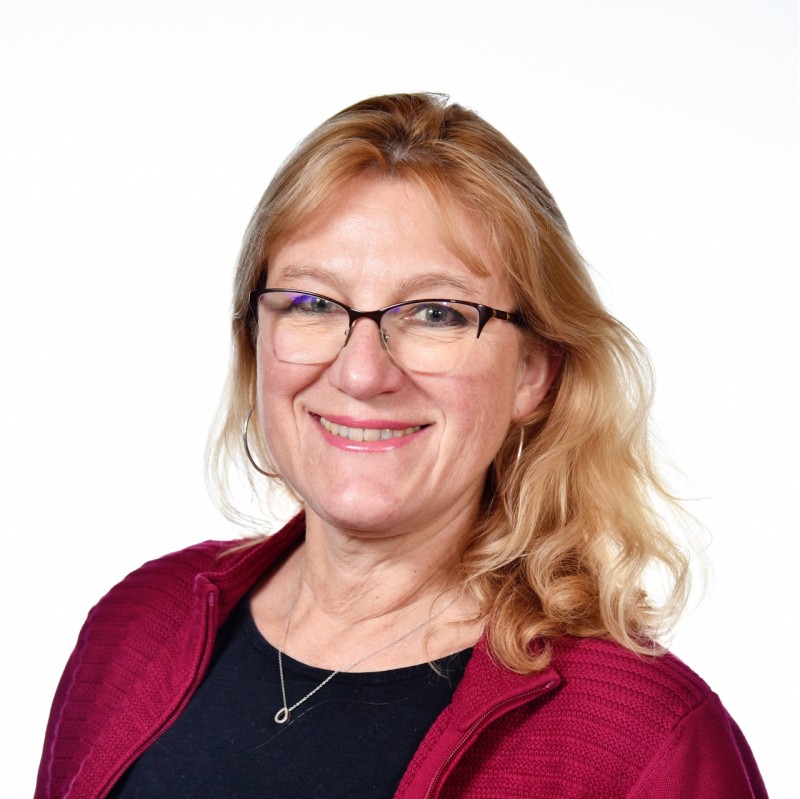
- Catherine Porter, Head of Treasury at Arup
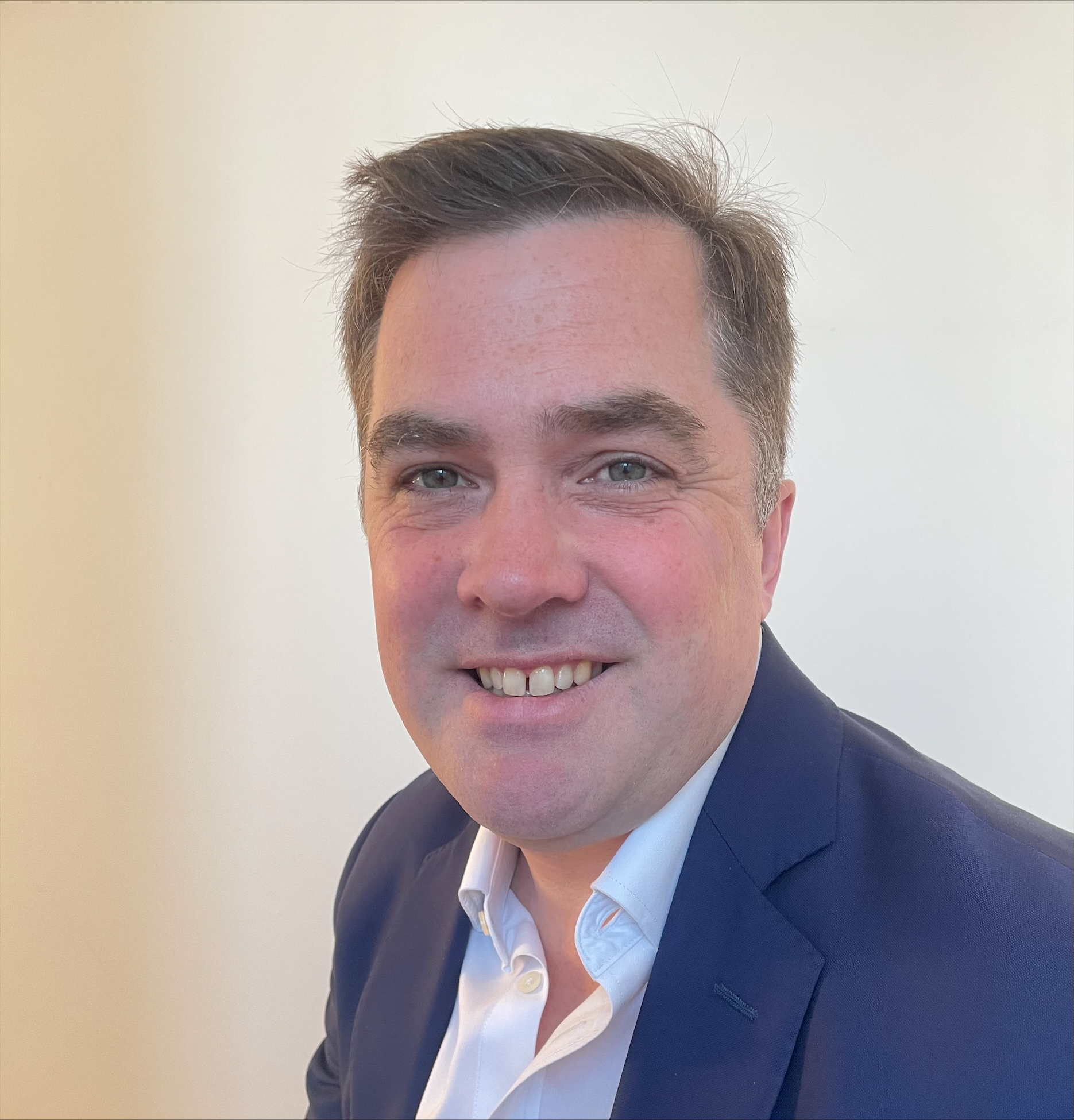
- Adam Richford, Group Treasurer at Smith+Nephew
Listen on:



Featuring

About this episode
These three senior treasury leaders reveal candid insights into their career journeys – from accidental beginnings in the profession to leading treasury functions at globally recognised companies. They open up about the highs and lows of relocating internationally, rebuilding teams from the ground up, and steering organisations through mergers, crises, and major transformation.
Their stories offer a rare behind-the-scenes look at what it really takes to succeed and stay relevant in the ever-evolving world of corporate treasury.
What We Cover in This Episode:
- How each guest entered the treasury profession – some by accident, others by design
- Navigating international moves: Brendan’s roles in Vienna and Dubai, Catherine’s return to the UK, Adam’s transition from turnaround finance to global treasury
- Building and rebuilding treasury teams from the ground up
- The importance of adaptability, grit, and learning through challenge
- Lessons from leading treasury functions during the COVID-19 crisis
- Why automation isn’t a magic fix – and what treasury leaders should do first
- Career advice for aspiring treasury professionals: education, curiosity, and staying strategic
- Real talk on leadership: empowering teams, letting go of control, and managing up
- The impact of strong processes, cross-functional collaboration, and thoughtful use of tech
—-
🎙️ Subscribe to the Treasury Career Corner podcast – Never miss an episode! Subscribe on your favourite platform:
CLICK HERE for 🎧Spotify Podcasts
CLICK HERE for 🍏Apple Podcasts
🎓 Exclusive discount on CTP & FPAC – Visit our AFP partner page to find out how much you can save: https://treasuryrecruitment.com/partners/afp/
💡 Earn CTP credits just by listening – Selected episodes of the Treasury Career Corner are AFP-accredited. Listen, take a short quiz, score 80% or more, and we’ll send you your free certificate. Filter by CTP Eligible at https://treasuryrecruitment.com/podcasts/
🌍 EuroFinance International Treasury Management – September 16th-18th 2026, Barcelona – The world’s largest treasury event. Save 10% with our exclusive discount code: MKTG/B/TRP10. Book here: https://treasuryrecruitment.com/partners/eurofinance/
👉 FIND OUT MORE HERE https://treasuryrecruitment.com/partners/
Mike Richards, CEO, The Treasury Recruitment Company: Welcome to this week’s Treasury Career Corner podcast, where I interview treasury professionals about their treasury careers. Each and every week I’ll talk to treasurers about how they build their careers, where they are now, where they see both themselves and the treasury profession. Going to next, let’s get on with the show.
Mike Richards: So in this week’s episode, I’m thrilled to be able to tell you it’s a treasury career corner live event that we held in London in November, 2025 with three amazing treasurers. Brendan Bacher, group Treasurer at Compass Group PLC, Katherine Porter, head of Treasury, Arup. Adam Richford, group treasurer at Smith and Nephew, three great treasurers.
Mike Richards: They talk about their treasury careers, how they achieve career success, challenges they face, how they got past them as well, and the future of the treasury profession. So enjoy today’s episode and let’s get on with the show. Not gonna do the energy enthusiasm. Well, I am a little bit. Good evening, London.
Mike Richards: Big round of, come on. Good evening, right, you’re awake. Thank goodness. Couple of the house rules for those of you that haven’t been here. And even more so for those that have been here, please put your phones away. Why? ’cause this is an evening for yourselves with energy, enthusiasm. You’ve got three incredible treasures who you get to listen to.
Mike Richards: You made the effort to come here on a pretty cold night. Those of you that were here this time last year, did someone hear someone on a similar night, got snowed in? And we’re like, really? We can see there’s no snow out there. So switch off your phones. Give it to yourselves. Why do we run this thing? I’m like, Richards.
Mike Richards: I run the treasury recruitment company alongside the amazing Katie. Big round applause of Katie. Please, we never do this. Thank you very much. Yeah. You won’t be thanking her, Sue, because she’s gonna come round with the questions later. So you’ve got to give some questions to this amazing panel. We do these events, the three of us, four of us.
Mike Richards: To help you and your treasury careers. We also do the podcast. We do the salary survey, but most of all, we help you give you knowledge to help you move around the room, get your new job. We just done an amazing round table with these guys and get more knowledge, but we couldn’t do it without the amazing support of Herbert Smith.
Mike Richards: Now, can we see Kristen and Stacy where you No. Come on. Get it out there. These are our hosts. It needs to be very nice to them. Pretty nice to Also, Chatham, where are you? Come up and Kyriba and Tradeweb, you have to go and say hello to those guys. They pay for this thing. They’re paying for the drinks at the end of the night, and otherwise they will throw you out the bar.
Mike Richards: But joking aside, without their support, we couldn’t put these things on. But you’ve seen this. There’s a standard slide. What I’m gonna talk to my amazing guests about are how they started in treasury. Where they are now, where they see both themselves in the project profession. Going to next, just to do on the podcast, then we’re gonna get some q and a, and then you’re gonna get some great takeaways from the panelists.
Mike Richards: Wanna give that some good time this evening because they’ve got some great takeaways. But first of all, we’ll pass across to, that’ll be Brendan. Over to you, sir. Where do you want me to start?
Brendan Boucher, Group Treasurer at Compass Group PLC: Mike? Is
Mike Richards: this working? Mike switching on the microphone. That will help that better? That’s better. Good. Thank Can hear you right now.
Brendan Boucher: Um, what brief intro as to how we got here then? Yeah. Yeah.
Mike Richards: Talk through you. Um, well, who you are now and how did you get there?
Brendan Boucher: Yeah. Uh, Brendan Badge, I’m the group treasurer of Compass Group. You might not know the name, but you’ll have definitely eaten our food either in your office, your school sports venue, or a hospital, God forbid.
Brendan Boucher: But that’s where we do global contract catering. I’ve been the treasurer there for eight years. This is my fourth group treasurer role in four different industries in three different countries. So I’m happy to talk about, you know, transferable skills, but it’s been amazing opportunity to do that. I lucked into treasury as I expect many people in this room.
Brendan Boucher: You know, it wasn’t a plan, it wasn’t a career choice, but, you know, I haven’t looked back. I haven’t wanted to go and do a broader finance role. I’ve had opportunities to do that over my career, but I, I really like the treasury, the treasury space. I like what I do, and the variety has come from, you know, being able to work in some amazing businesses.
Mike Richards: Cool. Catherine, over to you.
Catherine Porter, Head of Treasury at Arup: Okay, thanks Mike. So, Catherine Porter. I’m currently the head of treasury at Arup. I joined Arab only in June this year. So it’s still a very new job. Resonating a little bit what’s just been said. I really relate well to what I do. I really enjoy what I do, but I also, I think Mike might go into it, how do I get into treasury?
Catherine Porter: I did have a damning moment when I decided it was for me, and that’ll probably come out in the course of the conversation previously. Was a chartered accountant, so like many people in the room came that route. And I’ve worked in a number of different industries. I’ve worked abroad a bit and had varying roles and.
Catherine Porter: Yeah, currently it’s the head of treasury role and I’m really excited about what I’m currently doing.
Mike Richards: Fantastic. Adam, over to you, sir.
Adam Richford, Group Treasurer at Smith+Nephew: Great. Hi everybody. So Adam Richford, I’m the group treasurer at Smith and Nephew, which is a med tech company. Been there for about 18 months, so similar to other people on the panel today.
Adam Richford: Less time than that. And then likewise, as you would probably expect for somebody of my age. Being in various group treasury jobs for the last couple of decades in different companies up and down the credit spectrum in different sectors and different industries along the way. I’m still looking forward to the conversation today.
Mike Richards: Fantastic. Now, all three guests, if you do want to hear their individual stories, have actually already been on the podcast treasury career dawn corner.com. But when you and I talked on the podcast, Brendan, we talked about how you lucked your way into treasury. Do you wanna talk about that from GlaxoSmith Ply?
Brendan Boucher: Yeah, I mean, I, I’m a chartered accountant by background. My first job in out of public practice was at Glaxo. Welcome. Actually, at the time I was doing a hardcore financial accounting role in the UK business. It’s still a good step out of public practice. I knew nothing about group treasury. I was, you know, it’s a busy, full-time job dealing with the UK business.
Brendan Boucher: But I got a phone call from actually. The guy whose job I replaced in group treasury, he’d got a job as CFO of the business in Ireland, but they wouldn’t let him go until he’d help recruit somebody to replace him. And I’d been supplying him with cashflow forecast one of my requirements in my job. So he called me up and said, would you be interested in this?
Brendan Boucher: Well, I don’t know anything about it. He said, come and have lunch. So I sat down with him and I, you know, I remember going back from it thinking I really want to do this. It helped that it was two notches promotion rather than just one. I was ready for a move, so I went through the process and I didn’t get the job.
Brendan Boucher: They gave it to somebody else and I got I having got excited about it, I was really disappointed about it and the things I liked about it, or I thought I liked about it, rather than being backward looking accounting job. This was forward looking rather than being just in the UK as an international role rather than being in a subsidiary.
Brendan Boucher: This is in the head office and all of these things I still like and value about the job that I do. But for how, fortunately for me, the guy they offered the job, he, to turned it down, he went to do a CFO role in South Africa. So I’m happy to say I was second best, but that was my route in and I took the opportunity from there.
Mike Richards: And then how long were you with GSK? Well, it became GSK over your time. And then you made the overseas move. I wanted to explore that briefly as well.
Brendan Boucher: Yeah, I mean, I, and in total 10 years at GSK, about half of which in treasury lack, so welcome before the merger. So I went through the, the merger with Smith, climb Beecham, and then there was a group treasurer for assistant treasurers.
Brendan Boucher: I was one of the assistant treasurers, but the other three were all for the Legacy Smith Cloud Bee side. So for me, it felt like I was changing jobs even though I was within the same company. I did that for a few years and I said, look, I’m kind of ready to step up. I’m just looking for a, a group treasury role out there, and.
Brendan Boucher: Uh, I got a few calls, had a few interviews. I went through one, one phone call. I remember it very well. The guy went through the spec and said, that sounds great, and he said, there’s a catch. I said, okay, what is it? And he said, it’s an Austrian company. I said, oh, I get it. I don’t speak German. He said, no, that’s not the catch the catches.
Brendan Boucher: You’d have to be based in Vienna. I said, well, that’s good news, not bad news. And that’s how it came about. And that job was on and off, on and off and on and off because of merger talk for the local business. I was excited then disappointed. Maybe it’s happening, maybe it isn’t happening. But anyway, it finally went through and you know, went all feet in.
Brendan Boucher: I mean, it was a perfect job, perfect spec, big company, step up. So I thought, well go for it.
Mike Richards: But very challenging because as you talked about when you arrived there, and this is what we’ll then step across to Catherine about how she started the treasury in this. But it was a very settled team. Where you had to then lead and manage much more seasoned treasury professionals.
Mike Richards: How did you do that?
Brendan Boucher: Well, you know, tough. I hadn’t really thought much about making this transition, but if you think about it, I changed. Job role from, you know, assistant to treasurer. I changed industry, I changed language and I changed culture all at the same time. So, you know, maybe it’s not surprising.
Brendan Boucher: It was quite challenging initially. And as you say, I inherited three teams, corporate finance, which was vanilla to me. You know, funding bank, relationship management risk, and all of this sort of stuff. No problem. Wider enterprise risk management. That’s the sort of. Uh, some nuances there. Commodities obviously as oil and gas company and insurance only, nothing insurance.
Brendan Boucher: 15 people in the insurance team, in-house broker and so on. And people had been around for, I think, doing those roles 15, 20, 35 years. So it was quite tough to start with, did I do it perfectly? Probably not if you went back to ask those people. But
Mike Richards: how did you get ’em on side?
Brendan Boucher: I think you, you know, a hundred percent.
Brendan Boucher: The one thing to do is to not, to try and micromanage these people. Uh, you know, whether you see the world the way they do. They’ve been doing the role for a long time. They clearly have some expertise and some skills, so don’t try and micromanage them. I think that’s really key to not upsetting people.
Brendan Boucher: But similarly, it’s not all perfect, so you’ve gotta be able to tread the balance between making your mark in a sensitive way. And for me, the way to do that was to ask broadly around the organization and other stakeholders in the business, what’s working well, what’s not working well? What needs to change?
Brendan Boucher: Is it. The process? Is it the personnel? Is it the inter interpersonal relationships? What is it? And that was the way I started it. Yeah.
Mike Richards: Catherine, over to you, how you start into treasury and then you pursue some early stages.
Catherine Porter: So I mentioned I was charter accountant, like a lot of other people, and I was working in Hamburg for Arthur Anderson, and then I jumped into industry in Hamburg, and then I worked in Rotterdam.
Catherine Porter: And it was all kind of broad finance and lots of processing lots of people and shuffling paper and this sort of thing, and came back to the uk, did a couple more jobs, and then the damn scene moment was got married and I stopped to have my first. Child, two boys and just going back quite a bit and I left the company that I was currently working in, uh, MWB and it was a property services business.
Catherine Porter: And I was kind of, sort of the group FC role. You know, lots of kind of month end sort of thing, activities, quite a lot of cash management. And I left to go on maternity leave and. I had this moment where I thought, I cannot go back to that sort of job when I’ve finished with in maternity leave. I’ve gotta do something else.
Catherine Porter: And there were a couple of things that really resonated with me. I’m quite methodical. I sort write stuff down until I becomes apparent what my thoughts are doing, sort of use that as a way of marching my thoughts. And one was that I felt that I never. Spoke to the outside world. There was constantly internal, internal, internal, which I think is a feature of those broad finance roles.
Catherine Porter: Lots of them. And the other one was that I didn’t really grasp much about corporate finance. I was quite good at bookkeeping and understanding all that, but so these two bits were missing. And then I found the treasurers. I don’t know what happened. Something, I went online and I found the website and thought, I’m gonna take more exams.
Catherine Porter: Yes. And that was the moment. That was the moment, yeah. I kind of thought you discovered the A-C-T-I-I discovered the A CT and I. Why is that so important? It just gave a new, fresh perspective, and you’ve already touched on it, which was the forward looking aspect. It’s completely different calculations and ideas compared to what you learned in your sort of accountancy background.
Catherine Porter: And it was so refreshing getting a job in treasury, having gone down that route. And stopped for a maternity leave was a bit of a nightmare. It was a bit of a nightmare, but I really haven’t looked back and I was a bit like you Brandon. I was kind of determined about what I was doing. I really enjoyed the subject matter and I thought, I’m gonna stick at this.
Catherine Porter: I’m gonna give it a go. So then the journey started. Yeah.
Mike Richards: Wanna come back to that journey as well? ’cause you’ve done some different industries as well. Adam will go to yourself, obviously your start and then those early experiences. ’cause I know they
Adam Richford: formative, should we say? Yeah. Thank you Mike. So, I guess like a number of people, I started off as a chartered accountant or recovering chartered accountant, as I now call it at Ernston Young.
Adam Richford: And after qualification, I moved into the sort of corporate finance function and specifically ended up focusing on turnaround companies. And it turns out, when you’re in a turnaround situation, what the companies really care about is cash and cash relates very closely to treasury. And we ended up working with a number of.
Adam Richford: Treasury functions on their turnaround situations, and I spent quite a few years doing turnaround in different guises in ey, but also within corporate and also within private equity as well. And that’s where I got bitten by the bug of treasury itself, and then spent a better decade. GE Capital looking after the real estate business in Europe, back when GE had a capital business, when it had a real estate business, and we had a lot of fun buying a lot of things and then a lot of fun selling them again afterwards.
Adam Richford: And as a result of GE moving again that business, I’ve now got a lot of colleagues who are in lots of different companies as well.
Mike Richards: And Adam, with you, as you talked about there, and we’ll come back to Brenda there, but starting teams. At ge, obviously it was an attraction. We used to say, in two years you’ll be in a different job.
Mike Richards: Four years you’ll be in a different country. Otherwise don’t join. No, no. That was a challenge. Then you did the move with AstraZeneca, so with yourself getting those teams together. Again, some of the people in this room will be recruiting for teams, new people going, who are you? What are you? How did you do that?
Adam Richford: Yeah, I mean, I think we were very lucky that we were very transactionally busy, so we had a lot of requirements to look at m and a deals that we were looking at. So we were moving from a real estate owned business where we were performing investments in those particular assets with Joanne as well. And then we moved in the global financial crisis into acquiring lots of debt portfolios and again.
Adam Richford: When you move more onto a sort of asset liability management side of a capital intensive business, bringing those treasury skills was quite unusual relative to the real estate skills because we would really understand. The embedded value of the fixed rate that you were acquiring in that portfolio and the market to market of that and the inherent risk associated with that.
Adam Richford: And that made it quite important to make sure we had appropriate treasury skills across the group. And I can see some other familiar GE friends around the room here. So you’re very much at a balance sheet focused business. But to build the team, I think we, you know, we looked for great talent and managed to secure some and that was great and it made a big difference to being able to.
Adam Richford: Get the work done, essentially.
Mike Richards: What stands out to you about talent, though? How do you identify it?
Adam Richford: I think across all the different roles that I’ve been in, I think it’s about finding people who are enthusiastic, curious, willing to try having a go at different things. Almost inevitably, everybody that you speak to has experience, but it’s slightly different to the experience that you want for the particular role that you are hiring for.
Adam Richford: So you’re trying to imagine how they will be curious to learn and how they will be malleable and develop as part of that role so that they can then contribute to it. But I think particularly people who are interested in growing their careers, people who are interested in developing themselves and developing the team members around them that are happy to have.
Adam Richford: The very curious and careful mix that we have in Treasury where you’re very happy to talk to lots of other people. You’re very analytical in terms of how you think about the risks that you’re facing and that you’re also reasonably articulate to be able to describe those as well, seem to be some of the key criteria.
Mike Richards: And then we’ll come back to yourself. Brendan, you are in Vienna. You then decided to come back with AstraZeneca. Is that right? No, it’s,
Brendan Boucher: that’s right. Step. Step in. Well, we tried to come back. Yeah. We decided to come back from Vienna and ended up in Dubai. That’s right. Was the next move. That was chance as well.
Mike Richards: Yeah. So you, but you were, again, talk us through those couple of moves and how you were establishing your teams there talent wise as well.
Brendan Boucher: Yeah, it’s really strange. I mean, my wife and I wanted to move back from Vienna personal issues along the way, so plan was to come back to the uk and I turned down this one job with a company called Petrol Fact, which you may have read of recently, is now an administration.
Brendan Boucher: But that’s a different story because the CFOs said, look, you know, in order to be successful in this job, you need to base yourself where the. Challenges are, which is in the Middle East. So okay, fine, let’s go. Let’s go do it. And I think it’s a sort of a, as part of a career journey to say or to have the mentality is what’s the worst thing that can happen?
Brendan Boucher: I’m gonna try this, see what happens. It’s not the base case, but it’s a good opportunity. Let’s see what happens. And ended up being there for five years and you know, sort of thoroughly enjoying it. But then. When I arrived at Petro Fact, there was no treasury function. So it was a clear mandate to change, to establish the same, to take some responsibilities from the businesses and centralize them and do treasury properly, so to speak.
Brendan Boucher: You know? Where do you start? I was the one treasury resource, so yes, I was the group treasurer on paper, but I said you, I was also the Treasury T Boy at the same time. You know? You gotta start somewhere. You can’t build an empire. Say, just working out what we need, what’s the sort of the right attributes of the people we’re bringing in to build a small team to, to do that.
Brendan Boucher: And I’m with Adam, you some technical ability and experience. Yes, that’s good, but, but. Whenever I’m hiring, I’m hiring for personality and the people that can just get stuff done. ’cause ultimately that’s what makes you well, makes us all successful in our careers. You can have say, I want to get here, I want to get there.
Brendan Boucher: The best way of doing it, in my opinion, is just to be helpful. Just get involved, get stuff done. That ability to get on with people, to work out what needs to be done and then actually deliver on it, I think is absolutely the key.
Mike Richards: Okay, we’ll come back to you and AstraZeneca and stuff. Katherine, you’ve moved through different industries, but again, Tre’s been at your core.
Mike Richards: What’s your checklist when you’ve gone in? ’cause I know you’ve done varying size, established treasuries. And not so established treasuries. What’s your checklist if you like? What’s day one?
Catherine Porter: Well, I think first of all, taking a new job, you’ve gotta sniff out a project. Otherwise, if you can’t see that, I think as a treasure it’s not so interesting.
Catherine Porter: It’s not gonna be so exciting. But it looks like turning the handle thing. I think a lot of people in the room probably will be less excited. I think we re. To new jobs? Well, when there’s a real sense of a project, something that’s gotta be fixed or done or changed. And then I think in the early days in new jobs, you need to have some patience to talk to people, particularly if people have been there.
Catherine Porter: As you’ve just said, Brandon, you been there a long time doing similar things and are very wed to what they do and potentially with very little time. Or perhaps not the background in making an analysis of what they’re actually doing and what perhaps could be altered. So you need to be quite. Calm about asking questions and quite diligent with that, and then go away and do some thinking about what you’ve heard and what you’ve learned.
Catherine Porter: I think jumping to conclusions is not the right thing. I think even if there’s a fire drill going off, I think you need to say quite calm in terms of finding out what’s going on because then I think you said also it’s a partly technical and inquisitiveness, but it’s also being able to communicate. Well enough to then say to your superiors, I think this is what we need to do, what we need to tackle.
Catherine Porter: And I’m sure there are a lot of people in the room who will resonate with that kind of approach when you get into a new job. So you have a sixth sense about the things you might want to do, but then take some time to find out thoroughly, properly, you know, in a diligent way.
Mike Richards: Do in a sensitive way sort of thing.
Mike Richards: Yeah. And I know that Adam, when you went and joined Shanks for instance, you had to refresh the team or refresh the things. Can you talk us through that as well, and then the evolution there?
Adam Richford: Yeah, of course. I tend to find myself drawn towards things that are in transformation. So inevitably, within a year of joining that company, we doubled the size of the company and were focused on a post merger integration and all the acquisition financing associated with that.
Adam Richford: But in that case, that was the opportunity to take a treasury function. Where the treasury function was retiring. It had no sophistication at all, and through the acquisition that we did, we acquired A TMS and then we extended that to the entire organization and built a team around that moved it from a sort decentralized treasury function to a more typical centralized treasury function, which gave us a lot of control and visibility to the cash performance of the business, which turned out it was very important to have given the performance of the business in that time period as well.
Adam Richford: But I think like others, you know, having been in different companies, it’s very different each situation that you walk into. In some cases it’s been turnaround situations. In some cases it’s been high leverage, private equity situations. In some cases it’s been establishing a treasury function from zero.
Adam Richford: And sometimes you walk into an established treasury function that needs some additional focus to move forward. So. It’s very different. And then I think that’s the really exciting thing about careers in treasury is that you get the opportunity to find lots of different situations that challenge you and that they’re all different, up and down the credit spectrum, up and down the team sizes, and to cross into different industries as well, which makes it particularly interesting to explore.
Mike Richards: And any particular examples from that time where you really got stuck in and it was. Because I know that you and I talked over that time where it wasn’t pretty, if that’s the right, right way, and you had to really roll your sleeves up.
Adam Richford: Yeah. I mean, I think inevitably when you do a substantial transaction like we did in that case, doubling the size of the company, so involving rights issues, placing consideration shares, prospectus share, suspensions, et cetera.
Adam Richford: Quite an intense period of activity, competition, authority, approval, et cetera. And so I think, you know, getting heavily involved in all the corporate finance activities was. Particularly important. In that case, that was the most important thing that company was doing at that moment in time. And I think as treasurers we often get drawn into those most important things that the company is looking at any particular point in time.
Adam Richford: And to be relevant to your CFO and to be relevant to your CEO, you probably want to be part of each of those conversations. So. Really important to make sure we understand the agenda at that top level. But then they also want to focus on all of those activities, and they don’t want to focus on building a treasury function.
Adam Richford: So you have to do that at the same time. So that’s the piece where you’re then rolling your sleeves up, working out what the systems requirements are, what the people requirements are, how to make the processes more efficient so that there’s more time available to focus on the strategic aspects of the business or to navigate through.
Adam Richford: The inevitable ups and downs that you have a performance in any organization, which for me led towards managing through a period of uncertainty at renewing, and then eventually spending so much time talking to debt investors that it ended up being also responsible for investor relations as well, and therefore spending a lot more time talking to the equity capital markets about the performance of the business.
Adam Richford: So there’s quite a natural sort of fit for those of us that talk to the debt investors to be able to then communicate to broader investors as well.
Mike Richards: Brendan, you had to establish a brand new team up in the northwest in AstraZeneca. What was that like for you as well? Talk us through that move ’cause and then we’ll come back to Kathy, ’cause I know she’s been through that as well.
Brendan Boucher: Yeah, I, I relocated from Dubai directly to Cheshire. I’m from London, so this is good. Another new place to go. The treasury team in AstraZeneca used to be in London, relocated to the northwest where the sort of financial controller tax team had always been. A few people moved or asked to move. I joined at the same time.
Brendan Boucher: Effectively combined two separate functions of treasury, operations and corporate finance. And the, the two individuals doing those roles had done, I think 35 and 40 years with a z and predecessors respectively. So a lot of focus had gone, I mean, a Z just pre describes a little bit of a Rolls Royce in terms of process, you know, a high margin pharma business Over decades, people have been thinking about.
Brendan Boucher: Standardization, lots of global shared services, common platforms to a certain extent, and everything is quite different from where I’d been before. But from a treasury perspective, you then got a bunch of people who were familiar with the business. The two senior people had gone, I was new, had to recruit the rest of the team locally without any, with all due respect to everybody, it’s a bit more difficult to recruit.
Brendan Boucher: Treasury expertise in the Northwest than it is in Paddington was where we were before. So, but the two biggest challenges for me in that role, were bringing the two teams together, bringing the new people together. And you know, that was kind of certainly the initial focus to get it working as one team and to get it working to my satisfaction with, to my expectations.
Brendan Boucher: And we, you know, did a few things. You’re not just saying it’s all about team building, but I gave people the opportunity, I wanted to know from everybody and we did. Weekend or away day or two days away over the weekend. I said, I want to hear from everybody what’s good, what’s bad, and what’s ugly, and let’s just go through it, give everyone a voice.
Brendan Boucher: I want to create a level playing field in terms of the way we work together, the way we interact, because you know, in my view, you’ve got the right people. Doesn’t really matter what the challenges are, if you’ve got the right attitude, so cliche maybe, but to have a contract of how we work together. And it was useful because when.
Brendan Boucher: You know, bad behaviors emerge and it did happen from time to time afterwards, we pull people up and say, that’s not what we agreed. That’s not in line with the expectations. So, you know, a bit of creating the environment you want and making sure people are working together. The other aspect of it was, you know, a ZB was investing five, $6 billion per annum in r and d.
Brendan Boucher: So the focus was freeing up cash to invest, you know, raising money. You know, we did some receivables factoring, so what are we doing receivables, factoring for, you know, this is like a expensive way of doing that, but. I learned from that process. It’s not about, this is a cost effective financing. This is freeing up everything you can to invest in r and d.
Brendan Boucher: And you can see that r and d investment is subsequently cost me a few quid to leave AstraZeneca, but nevermind. It’s a different story. But you know, that investment paid off. Yeah. Um, so like Adam said, the circumstances you inherit and the focus changes from role to role. Yeah, there’s been a good degree of change management in all the roles that I’ve done, and that’s frankly been the most sort of rewarding aspect of it because you feel you can really sort of contribute to the development of the organization.
Mike Richards: There’s a theme of change there with yourself. You obviously had some changes yourself. Katherine, what guidance would you give to people in the room about life changes, treasury, you know, you went through lots of different things. Do you wanna share with everyone but more career transitions? Because I know that you’d.
Catherine Porter: Yeah, I think you need to be a bit gritty actually. I think you need to be a bit determined. I actually looked at, you know, some of the thoughts that we’d had before having this conversation and I thought, I’m actually gonna say that and I’ve now said it. I think you actually need to be a bit determined in life.
Catherine Porter: ’cause I think at times this doesn’t all arrive on a plate for you. And I think if you want to have more interesting job. Or you want to achieve something that’s perhaps nothing to do with your job, but it’s more generally in life. You actually have to sort of roll your sleeves up from time to time and it can be a bit hard work.
Catherine Porter: But the upside is that, you know, you end up say in the workplace, having completed a project or completed your transition or whatever you’ve been working on. I mean, one thing I’m very proud of having worked. Alluded to the fact that I’ve done some of the treasury, applied my, some of the treasury principles in a number of different sectors.
Catherine Porter: I was head of treasury at Cancer Research uk, a number of jobs back, and what I really did there was reposition the investment portfolio because for whatever reason I’d inherited cash. Quite a lot of cash, and without going into the details of how they got to that decision, that that was the right decision, I got it back into a structured portfolio with Goldman’s and I’m super proud of it because that was the right fit, right decision to make sure that, you know, that wonderful charity had a good financial basis Going forward, I didn’t see that coming by the way.
Catherine Porter: The job just arrived at mine and suddenly I’m in there and I’m in a charity doing this job, but actually fundamentally was learning a lot about treasury as well. And dealing with the outside as well,
Mike Richards: and advice to more treasury professionals at earlier stages of their careers. You know, what advice would you give to maybe some of the people in this room there, there were some more, uh, experienced treasurers, but maybe those who are following the footsteps.
Mike Richards: What would you say, you know, would find their, some very changing time with technology? We’ve done that this afternoon and things, but what are you thinking is also gonna define that?
Catherine Porter: I think if you don’t enjoy what you do, question whether you should stick in that field. Don’t just stick at something because you’ve been told that this is a field to work in.
Catherine Porter: You must enjoy what you do. There must be some fun in it. I think it’s a good idea to finish your financial education if you can. I think that’s helpful. I’ve definitely worked out that having the accountancy before the treasury was good. There’s no question about that, but I love the fact that I’ve built on that with doing the kind of a CT courses and things.
Catherine Porter: So I, I would definitely recommend while you’re still able, or even when you’re not able, when it’s, you know, when you’re older, it’s harder when you are working, but finish your financial education. You know, there are lots of ways of going at it, not just. Chartered accountants in a CT. There are other courses too.
Catherine Porter: I think it’s useful to have that basis, that sort of slightly technical basis, so you have something to go back to from some first principles when you’re asked to sort of left your question and Yeah, and kind of enjoy what you do. Make a concerted decision to actually go down the route and say, I’m gonna embrace it.
Catherine Porter: Yeah. Because then you make something of your career then. Cool.
Mike Richards: Adam, you’ve been on the podcast a couple of times, my only third time guests where you’ve made these moves over time, but you and I talked, we talked about getting stuck in, but also we’ve got the flip side. Now where you are, you’ve gotta trust your team, and I know that you’ve struggled with that.
Mike Richards: We talked about that, that letting them, how do you empower that team without getting involved and what is giving the team space to run the projects? What sort of thing?
Adam Richford: Yeah, well, despite my tendencies to want to control everything, it’s probably better if other people do the detailed work and control the projects that they’re involved with.
Adam Richford: So I think for us, in Smith and Nephew, since I’ve been there, it’s been about trying to prioritize the most valuable opportunities and making sure that each of the team members have discreet, specific things that they can deliver, that they can take responsibility for. And that’s led us in a number of different directions around changing our FX strategy for one person or for looking at our systems environment for another person, or hiring different people around the world who can get closer to the business in APAC or la.
Adam Richford: But I think for them to be successful, they need the opportunity to run with that. I think people need the opportunities to grow to make some stumbles along the way, and to know that they’ve got the support as well. Whilst they’re going through that, and to me, really important that I use in our organization, the Finance and Banking Committee as a forum, to allow them to show what they’ve done to their broader leadership team, the finance leadership team, the CFO, the group controller, et cetera.
Adam Richford: It’s really important that when they do that, they’ve got successes that they’ve come to the forum with all the things that they’ve done and that people are aware of what they’re doing and that they can recognize the value for that as well. So that’s worked pretty successfully over the last couple of years.
Mike Richards: We’re gonna stay with yourself about technology in a moment, but we are gonna have q and a in a minute. Where’s Casey? Unless you will be mingling with you. So you are gonna get a chance to ask some questions. So we need some good ones. So think about those in a moment. But before we get to that technology, we did a great round table earlier automation, a huge themes at the moment.
Mike Richards: Everyone’s talking about it, but what do you think leaders underestimate? Or overestimate when they’re trying to modernize. You come into Smith, you know, you’re looking at it, you reviewing it, everything else. What’s that been like for you? And then we’ll do the same with you yourself, Catherine, and then back to you Brendan.
Adam Richford: Well, maybe take a slightly controversial perspective to start with that. You know, using technology isn’t gonna fix a broken or rubbish process, right? So technology is not always the right solution. I’d much rather people spend their time and energy focused on improving the processes, making it simple, making it easier.
Adam Richford: And then think about how technology can then help on top of that. So, you know, I think whilst I think there’s a role for technology and it can be an enabler, it can be helpful. I don’t think it’s the panacea. It’s not the only piece to focus on. And I think if we can work out how to do less things better sometimes, rather than how to do more things in a system, that’s typically the right answer as far as I’m concerned.
Adam Richford: And that particularly comes to. Describing the strategy of what you’re trying to do to the board and to the senior leadership team. So to make sure that you can describe, you know, why you are hedging five currencies rather than 25 currencies, for example, why you are hedging, you know, once a quarter rather than doing something in the market every day.
Adam Richford: That kind of process improvement helps keep the focus on what’s important. Uh, and then the technology stack that sits behind that. Again, technology can be great, but it can also hide within it some things that probably need to be explored a little bit further. So automating an FX process through a platform can be great ’cause it’s easy to use.
Adam Richford: But if you don’t have full price transparency as to how the bank got to the quote, you don’t necessarily know whether you got the best quote available. You might have got the best quote available from those that bid, but you didn’t necessarily get the best pricing at all. So I think technology is much more about process for me.
Adam Richford: It’s much more about making sure that we are doing the right things in the right way. Um, then that we use technology to wrap around that, to make those processes even simpler, even slicker, essentially.
Mike Richards: Okay. Catherine Technology.
Catherine Porter: I resonate with quite a lot of what, what you just said there. I definitely think that it’s important not to, uh, assume that you have a system which is a black box and stuff goes on inside there and let’s just switch it on.
Catherine Porter: And there we go. You need to spend time understanding what is going on. So I absolutely agree with understanding your processes fundamentally, and actually also having. I know we’ve got some technology providers in the room this evening, but I think before you dive into a technology, you need to understand the principles of what you’re gonna do in the transaction.
Catherine Porter: You need to know what the flows are, you know what the amounts are, how often that’s gonna happen, what are the principles that you’re gonna propose to do to use the technology for not just blindly plow on with plugging in some kind of platform. That’s pretty important, and I think inevitably. Treasurers often have roles where one job, they’re at the top of the heap and they have phenomenal processes.
Catherine Porter: I can think of a number of treasuries who’ve presented amazing stories about how they do things globally. Incredible. And then, you know, they swap job and they’re back down the slippery pole and, uh, right back with no TMS and a couple of Excel spreadsheets and four people working for them and off they go again.
Catherine Porter: And, and I think, you know. Working lives. We have a range of those experiences, so it’s back to first principles. Use your first principles about looking at examining process and don’t dive into the first technology, but do spend time on technology as well, because technology can take an awful lot of manual things away from you.
Catherine Porter: Nobody really wants to do those manual things anymore. Yeah, if you can help it.
Brendan Boucher: Yeah, I mean, a couple of perspectives. You know, when, when I joined, compass team had been incredibly lean in the past and was characterized by a huge effort in manual processes. You know, very basic stuff, nothing fundamentally wrong, not a catalog of errors, but all the effort was going into manual focus, reactive with the countries and the support.
Brendan Boucher: You, you, no fundamental problems, but there’s obviously li the limited resource. We’re spending a huge amount of time, you know, half year ends or period closes were difficult. People had to be brought in. People were. Passing out of their desks. You know, we had all sorts of issues, so work them harder. Yeah.
Brendan Boucher: The first step was, you know, we can do this with technology. So it was a treasury management system and a cash pull. It made a big change. So that was the sort of the first step was to use some basic technology, nothing particularly sophisticated, but to eliminate some unvalued added manual processes, not to reduce headcount critically.
Brendan Boucher: The headcount shifted over time, or the people doing the work shifted over time because things evolved. COVID came in the middle, different issue, and now we’re in a different phase of thinking about technology in the sense that, you know, we have as a business a very realistic opportunity to double the size of the business over the next 10 years.
Brendan Boucher: So sort 45 billion revenue business at the moment. A hundred billion is an aspiration. It’s achievable. We’re not gonna get double the resource because the company’s twice the size. We’re not gonna work twice as hard because no one wants to do that. We’re not gonna do half as good a job. So you have to think about how can technology fill that gap?
Brendan Boucher: And you know, there are certain things that are already in place, which my view are infinitely scalable. We need to change the TMS just because the size cash pool does what it needs to do, irrespective of size. Policies fit for purpose. Yeah. Broadly speaking, mindset. Yeah, that’s probably the thing that needs a bit of change, a bit of work on having data at your fingertips.
Brendan Boucher: As you were describing, Adam, board CFOs don’t want all the detail, and I think that’s an important point to make if people are stepping up from assistant treasurer to treasurer. You change the mindset about if you spent five, 10 years of your career reporting into a treasurer or a system treasurer. The discussion is very different from when you elevate it to the board and what’s important.
Brendan Boucher: So real precision, clarity of message, simple graphics that explain complicated charts, that’s what you need to. Thinking. So we’ve done quite a lot of work and still doing it in terms of how you present this information in a very user-friendly manner. Dashboards for CFOs and other senior finance folk, which is available with the latest information whenever anybody wants it.
Brendan Boucher: But yeah, I don’t know. I’m not gonna sit here and say, well, I know how AI is gonna change our technology going forward. Data’s always a challenge in a very decentralized organization. Everybody needs to have the mindset. The default should be to think how we can automate this, how we can do it differently.
Brendan Boucher: Because if it’s a frictional irritating point, now, even if it’s 10 minutes a day, we be thinking about how we automate it because as we get bigger, we’re not gonna get simpler. So we have to think differently about how we do this. The same things I think some somebody else, it might mean somebody in the room, another heard another corporate describe it as lights out treasury, and I kinda like that.
Brendan Boucher: Mentality. You think about all the routine things that happen that seems to be right for automation. Again, it’s not about reducing head count, it’s just about being able to redeploy it to better support m and a or things like that. We had another example. We were trying to, we were trying to sort of link together, eliminate two complicated spreadsheets.
Brendan Boucher: One in my area, one in our planning area. With multiple scenarios. Every time a scenario changed, how do you roll it through if your interest forecast and leverage and covenant assessment and all this sort of stuff. We started looking at what technology we could use to do this. Started a project, and then as we were going through it, we’re just.
Brendan Boucher: Removing from two complicated spreadsheets into a complicated piece of software, which will be equally hard to maintain. So we scrapped it and said, well, let’s just simplify the process. So we still have two spreadsheets, but they’re much simpler so they can easily talk together. And the communication between the teams is much better.
Brendan Boucher: Technology can go so far, but I, I’m a hundred percent in the camp that it’s not, yeah, it’s not necessarily. Yeah, needed for every single situation.
Mike Richards: I wanna do questions in just a moment, but just a short, short fire to you guys because you get to see from three treasury leaders top of the tree if you like.
Mike Richards: Now, you touched on it a little bit there about what you’re like as a leader of treasury. Now we did this on the podcast and I loved it at the time. You know, during COVID, obviously Compass Food Group, you know, everything was closed down it since here, toughest times in your history. I remember one of the quotes from you when you’d gone to your CFO and said, look, what lines do we need to draw?
Mike Richards: What arrangements should we do? And we went, all of it. ’cause you’ll never get sacked. But having all of it, a place that’s recorded, don’t worry. So that was published by corporate comms, but what did you learn about yourself as a leader during that period of time or more recently? Then we’ll do the same with yourself, Catherine, and then you, Adam, and then we’ll go through question.
Brendan Boucher: Yeah, I think, I mean, you’re right. I appreciate other organizations had it worse, but we were 50% closed globally within three weeks in March, 2020, and burning at the start, three 50 million pounds of cash per month until actions were taken. So everybody else left the office. We sat in our open plan area.
Brendan Boucher: The only person left in the building was actually the CEO, and he comes and sits down, just put together a, a one pager in terms of what we think we needed. And he just said, yeah, double it. Literally that was the amount was a joke. No, go ahead and double it. This was in terms of the first layer of financing.
Brendan Boucher: So you know, you immediately sense get A-A-C-E-O perspective of positioning, not just to get through the crisis, but how do we come out of the crisis in a better shape than the peers. So it was brutal six month period, Easter weekends. Board meetings at the weekend all written off. But I look back on that and say I really enjoyed it because it was an opportunity to step up and I said to the team at the outset of this, when we all went home, this is our moment in the spotlight.
Brendan Boucher: This is our opportunity to step up and it is incredibly satisfying. To, to get through all of the, you know what, at one point on the sort of top 10 corporate priorities, you know, my name was against sort of half a dozen of them in the initial weeks when COVID kicked off because it was all about liquidity, right?
Brendan Boucher: And, and managing it. But to get through that was incredibly rewarding. And, you know, some of the sort of feedback after the event, I mean, it puts you in an incredibly powerful position in the organization. I don’t mean that in a, we can do this, but just well respected in the organization ’cause people understand.
Brendan Boucher: Yeah, you can add value. I think one of the feedback comments was quietly went about securing the future of the company. I feel pretty, pretty good about that. So to have had that opportunity, that’s why I still do the treasury job. That’s why I like being at the center of the organization. ’cause when the stuff’s really hitting the fan, there is an opportunity to really help out.
Mike Richards: Again, it doesn’t have to be about COVID, but you as a leader, what do you see yourself as a treasurer?
Adam Richford: Yeah, I mean, I think it changes through the time as you get more senior in your roles as well, so I guess. In the first decade, acquiring knowledge and experience and gaining qualifications and accepting it all like a sponge, I think is sort of the approach in the middle bit.
Adam Richford: You are sort of learning even more about how companies work and what’s really important to the CFO and the CEO and the C-Suite, as Brendan was just talking about there, and reminds me you should never waste a good crisis. So that’s certainly valuable. I’ve seen a few of those in my time as well. And then I guess as you get even more senior, you start thinking much more about how you are as a leader in terms of your personality traits, how that’s different to other people, how the way you communicate is different to how other people receive that information.
Adam Richford: And try and nuance the way you lead and manage to reflect that. But it’s always fascinating to me that everybody’s slightly different to how I think about things, which is really awkward.
Catherine Porter: Think. I always try and bring people on a journey, whether they’re people who are in my chain of command or there are others that I meet in, in the business or externally, and I like to do that.
Catherine Porter: I think treasures like to talk to people outside the business and you learn things from that and then you can bring that back into your team and you and reference have reference points for people to understand that you’ve grasped the subject match and you’ve got something to say about it. And I love asking.
Catherine Porter: Team members. So ones who are in the direct sort of chain to step up and present things. I always think that’s, it should never just be the senior person, the team giving their view. It should be getting people on their feet and getting them to present back. ’cause I think there’s nothing like that and that, you know, hopefully it gives people confidence as well.
Catherine Porter: I love that when you’ve had somebody come through a team and you can see. That they’ve really grown in that role. You know, I always feel really proud with that. There’s a few people I keep meeting out at dinners and things who worked for me several jobs back, and I can see that they’ve gone forwards and I get tingly about it.
Catherine Porter: Yeah, it’s absolutely great. And somebody, I think it was you, Brendan, at the beginning about not micromanaging. Never micromanage. It’s much better to let something go a bit wrong and for the people involved, the person involved, to learn from that. Never hover over somebody if you can help it. I mean, occasionally, occasionally if there’s an emergency, if a fire drill, you kind of have to get it stuck in there.
Catherine Porter: But a try and always to be a little bit arms length and I think you end up having a better style than if you’re too busy with it all the time. Yeah.
Mike Richards: Questions. Hopefully some good answers. You know, no pressure advice, local safety. So Katie, where have we got? Oh, right, the front. So we go. That’s it. And anyone else?
Mike Richards: Get your hands up if you want. See we’ve got one there. So we’ve got one over here and then one over here.
Question: Thanks very much. You’ve all talked about the variety of qualifications, including the A CT ones, of course. But looking back, what has surprised you most about the value of your. Post-degree qualifications?
Brendan Boucher: Uh, actually I think for me, and you talked about grit coming outta university and go, going to do a CA, working all day, studying most of the time for three in a bit relentless years. I think that for me that was, forget about what I learned technically. This was about the hard work determination, never giving up and just being, being all in attention to detail.
Brendan Boucher: That actually that comes working in public practice. That’s. All of those traits have benefited me in my career. The A CT stuff, which I did after having worked in treasury for sev quite a few years, actually filled in a lot of gaps. You know, you see one practical way of doing things and then you think, oh yeah, no, I really understand the theory.
Brendan Boucher: So it helps with confidence as well as a bit of technical ability. You’re speaking the same language, but we were talking about this before. Is it a prerequisite to have some of these qualifications? My CFO now is not a qualified accountant, but I can guarantee you he’s pretty sharp. Two PhDs in physics probably compensates for doing a CA or something like that, but you know, if people are coming or we’re looking to recruit, maybe it’s a point of differentiation.
Brendan Boucher: As much as anything, I think with people are serious about their careers, put the effort in. It shows people are committed, willing to graph, willing to put the effort in. I’ve seen. A CT qualified people that are academic, so they pass their exams doesn’t mean they’re necessarily any good, but you know, it’s worth having rather than not having, for sure.
Adam Richford: Yeah. I mean, not to sing the praises of the a CT too strongly since you asked Naresh, but you know, the MCT qualification for me was very pivotal, and I know it doesn’t exist anymore, so that’s another different point. But that transition from being a treasury professional who was in the weeds towards a corporate finance professional was really valuable to me.
Adam Richford: So. Whilst I learned the capital allocation pricing model in my economics degree in the late nineties, when I learned it again at MCT in the mid 2000 tens, it was much more relevant and I’ve probably used it far more since as a result of that, and it’s made me much better corporate finance professionals.
Adam Richford: So I’ve directly seen the benefit of the investment that I made to become a charter account and to become A-A-M-C-T and then to become MCT. But to Brendan’s point earlier, it doesn’t necessarily help you do the job better. But it can be useful. Additional skills to, to
Catherine Porter: de Yeah. Uh, yeah. Uh, agree with the a CA after university.
Catherine Porter: Quite a lot of hard work went into that. The MCT was absolutely the game changer. That’s the MCT full stop was the game changer. Did the MCT? No question. Yeah.
Mike Richards: And I did have Tom Fuller on the podcast recently, and he actually, one of the things he referenced, not just treasury qualifications, he was just, do your qualifications soon as he can.
Mike Richards: He said, because it never gets easier. Now he’s got kids. And he said, just leaning into that, you’re not gonna take it away from yourself. So that was one of the key things. Katie, there was a question from this lady here and then we’re gonna go to the takeaways. ’cause we know you’re looking quite thirsty as an audience.
Mike Richards: They look in their thirsty bunch, but yeah.
Question: Hi. I’d like to ask how to get into the oversee job market, especially to the first speaker. You try to put your CV out and you know, get the opportunity, or how do you get the headhunter to find you from overseas?
Brendan Boucher: I’ll tell you how it happened for me, and again, slightly by chance.
Brendan Boucher: I think it was an a CT. Session. I forget exactly what it was about, what we were talking about, but I agreed to do a panel discussion. It was the only thing I remember. It was in a hotel on Richmond Hill and one of the other panelists was a headhunter who I met at that session, kept in touch and he was the one.
Brendan Boucher: Because, you know, we just followed up. So what are you interested in? And through his, his organization, I got the lead. Yeah, the lead for my first overseas move and that, that’s how it happened. So again, put yourself out there, volunteer for these things. You never know who you might meet and where it might lead to.
Brendan Boucher: You know, and I’m. Appreciate people giving, taking a chance on me. I turn up and c CFOs over there says, you know, at some point someone’s gonna take a a view on you, particularly when you’re stepping up, you’re not necessarily proven at group treasurer level. You know, you think of that now as a senior sort of treasurer and recruiter.
Brendan Boucher: It’s my job, and increasingly it’s my job to create the treasury leaders for the next generation. Pay it forward basically.
Mike Richards: Well, I’ll contribute as well because, so I’ve done these sessions across the world and. One of the things, particularly with the us, they’ve got the A FP and they’ve got their regional associations.
Mike Richards: I’ve said to those guys, and you’ve got here as well, come by. You know, the first step is turning up here today. You know, we’ve got pretty full room, but there are some people, oh yeah, don’t get my homework. Oh, I’m not gonna make the effort. But actually getting out of your corner office, that’s number one.
Mike Richards: But then it’s like putting your hand up, volunteering, you know, saying, oh, can I come to this? Can I help? Can I be on a panel? You know, some people, well, you know, I don’t wanna be a speak, but you can be on a panel. You can contribute your opinion, you know, things like that. I think helping you guys, you guys are very good at helping sell your company, but sometimes you’re not so good at selling yourself, and that’s part of, you know, what you do.
Mike Richards: Presenting yourselves. I mean, anything else to add before we go to other? No, I think. Great. Well, so now we’re going to take aways. So Brendan, you’ve got yours here. A very happy one. It’s a great professional vote. What
Brendan Boucher: did I say?
Mike Richards: Dunno. Just read that. There you go. Read it. That’s it. Let’s go for a beer.
Brendan Boucher: Well, look, I think it’s very simple.
Brendan Boucher: The one thing I would say is life is pretty short. Try different things. What’s the worst thing that can happen? You don’t like it? Make another move. If everyone gets worked up about saying, oh, well, a two year stint to my cv, people are gonna, no one cares. If you’ve got good experience, you’ve learned from it, and sometimes you learn from things you don’t like, and that makes it clear as to what you want to do next.
Brendan Boucher: So go for it. My advice.
Mike Richards: Okay, go for it. You don’t have to do all of them. Don’t worry.
Catherine Porter: Oh yeah. So I suppose the third one about spending time with team members, I alluded to that. I think when you, the question that I stalled on, I think, yeah, putting time into people in your team is a really worthwhile thing.
Catherine Porter: I definitely subscribe to having a wide range of interests. And acquaintances because you learn stuff from people who aren’t exactly like you don’t just exist in an echo chamber. It’s really important to do that. And then the last one, I dunno if anybody’s read CO’s Seven, seven Habits. If you haven’t, go and buy a copy.
Catherine Porter: Okay? It’s mandatory. You need to read. Read this book quadrant two. Is the not urgent but important box. So this might be not urgent. This might be quadrant two. This is not urgent, but it’s important and you wanna stay outta the other boxes. If you read the book, your graphs what I’m talking about,
Mike Richards: right,
Adam Richford: Adam?
Adam Richford: Yeah. Maybe just building on what Catherine says. I mean, I think for me in my career, the most important thing is to add value to the organization that you’re working for, to find the ways that that can be delivered, whatever that means in the organizational context that you are in, in the role that you are in as well.
Adam Richford: Make sure you can articulate that, make sure you shout about that, make sure it’s recognized. I think that’s really important for all of us. No one’s gonna do the advocacy for you in all of these cases, so I think it’s really important to add value and communicate that as clearly as you can. I mean, obviously we couldn’t do the jobs we do without having great teams around us, so I probably don’t need to elaborate on that particularly.
Adam Richford: And then for me, being involved in the most strategic pieces that the business is focused on, whether that’s around acquisitions or it’s around divestments, or it’s around fundraising, or it’s around capital allocation, policy share, buybacks, et cetera, I think that’s where I get particularly interested and excited.
Adam Richford: So again, being strategic and being there involved in the decisions that are made at the C-suite and supporting those happen is an important function that we all provide.
Mike Richards: Okay, so this is my challenge to you, guy. There we go. Boom. There we go. Networking with purpose. It’s all very well, it’s lovely to share some drinks with you and to mingle up, make sure you talk to everyone, but this was the one, the key thing.
Mike Richards: So this is. The live challenge now. I actually started this in Texas, ’cause there was a guy that came up to me before, he said, oh, thank you for inviting me. I’m quite introverted, but only recently moved to the area and I’m trying to remember the guy’s name, but he came up to me afterwards ’cause I said to him, going up to people because he was gonna network and meet some people there.
Mike Richards: I said, yeah, you can meet and you can get them on your LinkedIn, but you’re not allowed to just meet them. Oh hi. Great. How many are you LinkedIn? I want you to go there with your little elevator pitch, who you are, what you do, but then just tell them one thing about yourselves. You know? Tell them actually network, make 5 million.
Mike Richards: He came up to me at the end, went, I’ve got eight. And was like, okay, great. Good for you. No, you made me, you gave me permission. And actually when we went outside of the room, the actual organizer said that was amazing because everyone started talking. Now I think you guys are a little bit better at it, which is great.
Mike Richards: You know, I can see them, you know, but. Do it with purpose. Don’t just get five connections on your LinkedIn. It’s great to grow that, but actually this is the reason you come here tonight. Now you can. This is the other bit with the coats. The coats. If you’re gonna pick your coat up now and leave, you’re stupid.
Mike Richards: ’cause you’ve made this effort, this free booze down there, but more, there’s actually a free chance to talk to these amazing panelists. There’s also the chance to make five connections. So you are five times more likely to grow your career, maybe to maybe have opportunities. That’s up to you guys. So there you go.
Mike Richards: You can meet us in the bar, put your coats. As I say, if you’re gonna grab your coats now, they will be up here, but then they will be transferred if you’re downstairs and they’ll be right outside the room. So big round of applause for this incredible panel. Okay, thank you. I hope you enjoyed today’s podcast just as much as I did recording it.
Mike Richards: But before you go, a couple of quick reminders. It’s salary survey season, so head to treasury salary.com. Take part in this year’s salary survey. 1600 treasury professionals do it globally. If you haven’t done it before, two minutes, start to finish. If you have, thank you very much. Only takes you 30 seconds to update your salary.
Mike Richards: Then you’re part of this year’s survey. We run it all year round, but we actually take snapshots in January and July. So next one is coming up January 20, 26. End of then. And to help you even more, we’ve got some partners that can help you. So we partnered with the A FP in the us. If you’re studying for your CTP or fp and a, we make it cheaper for you.
Mike Richards: Get $150 off your study and $150 off your preparation platforms. And every podcast episode you listen to also gets you CTP credits If you’ve already done your CTP course. Amazing. I know. You’re welcome. Thanks. We’ve also partnered with a couple of others, so if you are wondering about how to map out your org structure or work out where all your money sits across your businesses, go to Fusible, these guys help you visualize it, plug and play, it’s amazing.
Mike Richards: Then if you are struggling maybe with signatory list, talked to a treasurer the other day and she said, actually, all these man bank mandates, I’ve gotta update them all, blah, blah. I said, hang on, here’s my partner’s stigmatize. Real headache for lots of teams, but actually she’s already using ’em. She said it is just amazing.
Mike Richards: But then also you need some training. Who’d you go to? Gazing Performance Systems. Ian Cochran and the team there. Fantastic. So if you are thinking actually 2026, you need to develop yourselves, get some more leadership training, gazing performance systems, and Ian and the team. Again, go to our partners page, treasury recruitment.com/partners, check it out and everything else.
Mike Richards: I’m looking forward to seeing you in 2026 at lots of our events and looking forward to seeing you soon.
- Career pivots can open doors: Many treasury professionals didn’t start with it as a goal – but found long-term fit by leaning into opportunity.
- Global experience accelerates growth: International moves often create high-reward challenges that shape leaders quickly.
- Soft skills matter most: Success in treasury leadership often comes down to attitude, adaptability, and people skills – not just technical knowledge.
- Tech follows process: Before investing in systems, fix and simplify the underlying process first.
- Empower your team: Let team members lead, present, and even stumble – true leadership is about enabling others to grow.
- During crisis, treasury shines: Whether it’s COVID-19 or corporate restructuring, treasury sits at the heart of business resilience.
🎧 Earn CTP & FPAC Credits by Listening to the Podcast
Whether you’re at the gym, on your commute, or walking the dog – you can now make your podcast time count toward your professional development.
We’re thrilled to share that Treasury Career Corner podcast episodes now qualify for CTP and FPAC recertification credits through the AFP’s Independent Study category.
How It Works:
- Listen to a Treasury Career Corner podcast episode
- Complete the short multiple-choice quiz
- Score 80%+ to pass
- Submit your credits to AFP as part of your recertification record
➡️ Credits earned per episode length:
- 30 mins = 0.6 credits
- 45 mins = 0.9 credits
- 60 mins = 1.2 credits
No filler. Just real treasury conversations covering leadership, strategy, risk, technology, and team building.
🧠 Quick Facts:
- 📝 Quizzes contain 6–10 multiple-choice questions
- 🎯 You need 80%+ to pass
- ✍️ Quiz submissions are reviewed manually
- 📋 We must then VERIFY you are a CTP treasury professional to help prevent automated or non-genuine submissions
- ✅ Once verified, we mark your quiz and send CTP credit confirmations every Friday
- 📨 If you need results sooner? Then email mike@treasuryrecruitment.com and we’ll try to prioritise the marking of your latest quiz
NOTE: In line with AFP compliance requirements, no more than two quizzes may be completed per day.
