
How to Lead Global Treasury Teams Across Cultures and Borders at Computershare
Leading treasury teams across borders isn’t just about numbers – it’s about people, adaptability, and strategic vision.
In this episode, Mike Larsen, Global Head of Client Treasury at Computershare reveals how he’s built and led treasury teams on three continents, and what it really takes to thrive in today’s complex, global financial environment.
Listen on:



Featuring
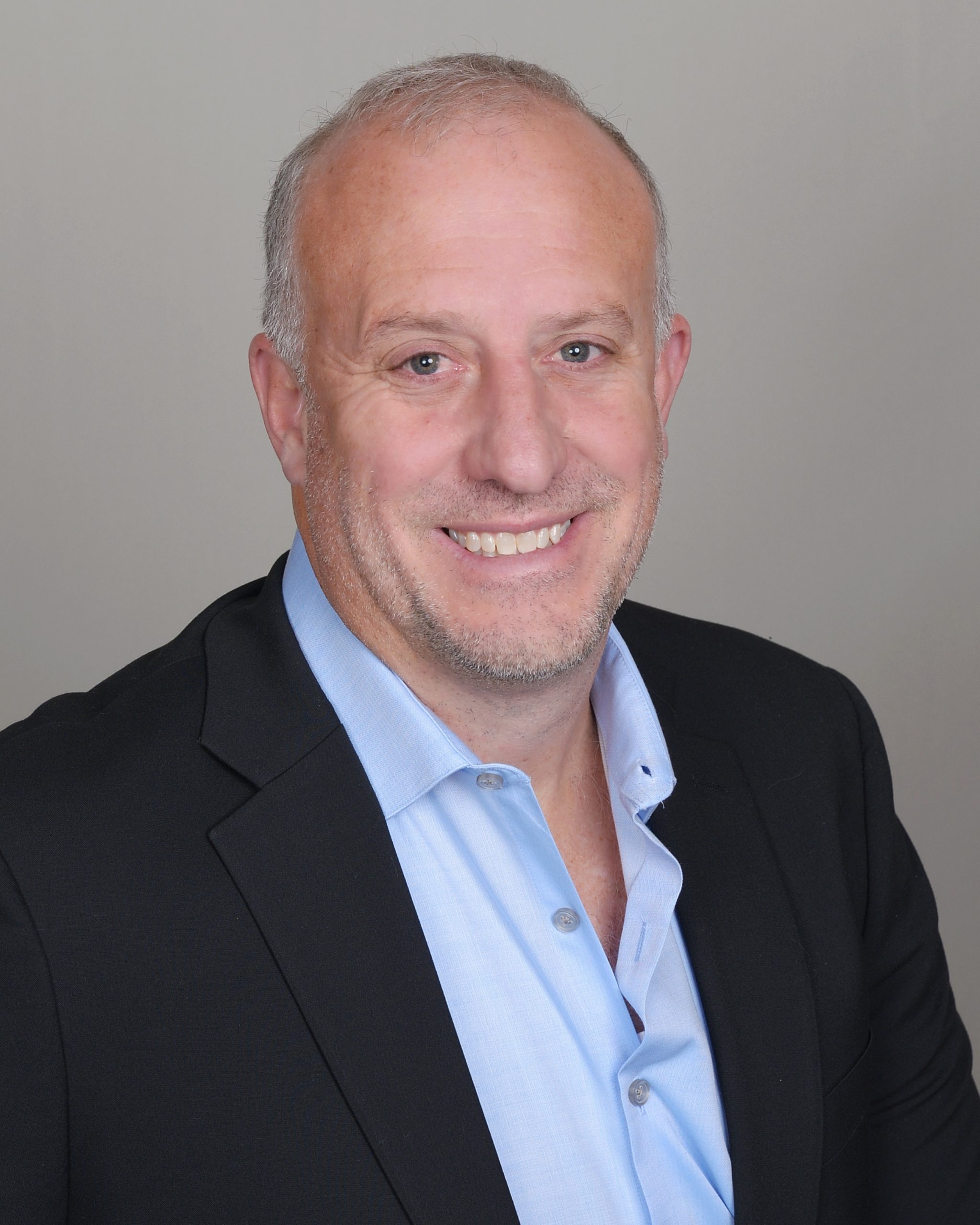

About this episode
Mike Larsen is the Global Head of Client Treasury at Computershare. With a 25 year career that has spanned top financial institutions like PwC, JP Morgan, and HSBC across the US, UK, and Asia, Mike brings deep expertise in building and leading global treasury functions. At Computershare, he has spearheaded a major treasury transformation, helping the company navigate explosive growth and increasing complexity.
This episode delivers a masterclass in global treasury leadership. Mike Larsen shares firsthand lessons from building and leading treasury teams across the US, Europe, and Asia – adapting to cultural nuances, managing multi-billion-dollar portfolios, and transforming operations through technology.
What We Cover in This Episode:
- Mike’s global career journey through San Francisco, New York, London, and Hong Kong
- The critical role of mentorship and networking in treasury career development
- The evolution of Computershare’s treasury function and managing $80+ billion in client assets
- How to adapt leadership style across cultural contexts and global teams
- The importance of control frameworks, cash forecasting, and risk assessment in modern treasury
- Lessons learned from crises: treasury’s role in resilience and transformation
- Advice for aspiring treasury professionals on taking career risks and building influence
Whether you’re a rising treasury professional or a seasoned leader, this episode offers practical strategies and mindset shifts to elevate your impact in an increasingly complex financial world.
You can connect with Mike Larsen on LinkedIn.
—
🎙️ Subscribe to the Treasury Career Corner podcast – Never miss an episode! Subscribe on your favourite platform:
CLICK HERE for 🎧Spotify Podcasts
CLICK HERE for 🍏Apple Podcasts
🎓 Exclusive discount on CTP & FPAC – Visit our AFP partner page to find out how much you can save: https://treasuryrecruitment.com/partners/afp/
💡 Earn CTP credits just by listening – Selected episodes of the Treasury Career Corner are AFP-accredited. Listen, take a short quiz, score 80% or more, and we’ll send you your free certificate. Filter by CTP Eligible at https://treasuryrecruitment.com/podcasts/
🌍 EuroFinance International Treasury Management – September 16th-18th 2026, Barcelona – The world’s largest treasury event. Save 10% with our exclusive discount code: MKTG/B/TRP10. Book here: https://treasuryrecruitment.com/partners/eurofinance/
👉 FIND OUT MORE HERE https://treasuryrecruitment.com/partners/
Mike Richards, CEO, The Treasury Recruitment Company: So welcome to this week’s Treasury Career Corner podcast where I interview treasury professionals about their treasury careers. Each and every week I talk to Treasurers about how they’ve built their careers, where they are now, and where they see both themselves and the treasury profession
Mike R: going to next. In this week’s show, delighted to be joined by Mike Larsen, the Global Head of Client Treasury at Computershare.
Mike R: Which can be genuinely considered, as it says on my notes an Australian success story, but to tell you about it from modest beginnings in 1978, they’re now a global leader in share registry, employment share plans, proxy solicitation, stakeholder communications, and other diversified financial and governance services. Now, Mike will explain what all that is about in a minute, so don’t worry, we’ll come back to that. But what we’re gonna do, the world’s leading organizations basically work with Computershare to maximize their relationships with investors,
Mike R: employees, creditors, members, and customers. Fascinating business, but we’re not gonna start there. What we’re gonna do is, Mike, we’re gonna take it back to the beginning of your career, how you first started in finance and then treasury. I’ll hand the microphone over to you sir, over to you.
Mike Larsen, Global Head of Client Treasury at Computershare: Thanks for having me. And I guess it’s easy. Two Mikes on the phone today. Yeah, it’s great. An easy one. But yeah, no I think treasury, it’s an interesting one because there’s no courses really in university that you take, there’s no treasury path in your university career.
Mike Larsen: I took some accounting classes. It made sense to me. It was easy. And, ended up at PwC. It was right at the end of the, dotcom era. It was started in San Francisco. I do recommend even to a lot of young people, I think the big four is still a good starting point.
Mike Larsen: Because you work for a lot of different clients and you see how different companies work. So you learn a lot in a very short period of time. And, another thing is you work for different managers, and to me what I’ve learned through my career is, it’s your job satisfaction is directly linked to, it’s 50% what you do and 50% who you do it for.
Mike Larsen: So picking your manager and picking your job are just as important. I’ve had some great managers. I’ve had some challenging managers at PwC. At PwC you got to see in the shorter time, I was there several years. I worked for maybe 10 different managers, partners, things like that.
Mike Larsen: So I learned a lot. Not just about different companies that I worked for, but different managers and what did I need? Yeah, that’s a great way to do. Yeah.
Mike R: And then you were at PwC, so you’re doing capital markets there. Yep. What then, or what then attracted you to your next move? Because I think it’s a fascinating one where you’ve done the banking side and then there’s corporate, so you know, carry on.
Mike Larsen: Yeah, no, I’ve been lucky enough as well that I think a lot of my jobs have also come with new locations in new places. So I started out in San Francisco and then, so another theme throughout, I would say my career has been I think networking is so important, one of the partners that I worked for at PwC happened to become the CFO of the treasury services business over at JP Morgan, and was building out a controller team and said, Hey, she basically brought over the the PwC BofA team and ended up becoming the JP Morgan transaction banking controller team.
Mike Larsen: And so it was a network I never had thought that okay I’ll go work for JP Morgan in New York. So I had two great opportunities to go work for a global financial institution as well as the opportunity to work in New York. So it turned out to be great. And I never, when you’re a little kid, you don’t grow up saying I’m gonna be a controller or a treasurer but, it was quite enjoyable and I liked the work and I was learning a lot and, like I said, it was someone I trusted as a manager to make a big chance to move my personal life all the way to New York and and into a new company. And I enjoyed that challenge.
Mike R: And you really, as you said, you’re very geographically mobile, which I think some treasury professionals maybe earlier in their careers do embrace, but you’ve embraced it globally.
Mike R: So you, were West coast, then you’ve gone East coast. Talk us through how it then developed or, because then you did some UK as well, and you
Mike Larsen: know what? Yeah. Yeah, and it was the same thing I was at JP Morgan and there was an opportunity to move on, take more responsibilities, moving from say being a liquidity controller to working as the controller across all the transaction bank in Europe.
Mike Larsen: And they said, would you like to move to London . It’s like the Gilligans Island for the old people on here. We know it was supposed to be a two hour tour or a two year tour. It turned out being for 10 years, and I absolutely loved it. Was able to expand my career in, outreach, manage bigger teams across multiple legal entities and in businesses and learned a lot.
Mike Larsen: And then I think there’s really challenging parts within a career is knowing when to stick and knowing when to move and, that’s hard. Being in a big company I was able to stay in the controller space for a while and then they said, Hey, we need a treasurer for our security services business globally.
Mike Larsen: Would you like to do that? Sure. I took a chance, moved on into the treasury side. I’d never worked in treasury. I’d worked in treasury services as a controller, so it was adjacent, but it was a very new thing, and it was me and my admin started that team. There was no one else there.
Mike Larsen: So it was a big chance within a company I knew and trusted. But I took that chance. And I, I’m really happy I did and moved into the treasury space there in London.
Mike R: And how looking back on that time, how close was that to corporate treasury because I’ve placed people into banking corporate treasury, and people said, do you recruit banking?
Mike R: I went, no. I said, I recruit for the corporate treasury sometimes in the past four banks. But that’s ALM that’s group risk, it’s group treasury, and people are like, oh yeah, I know those group treasury guys, but they’re over there. You know, what was that like?
Mike Larsen: Yeah. Thats a really good question. Because I do think that’s something I learned a difference too. This was a line of business treasury role. Yeah. Which exists within many banks. Not so much in the corporate space probably, but in a lot of banks you end up with a line of business treasurer who’s really focused not on managing the corporate balance sheet, but how do you optimize the returns for your business?
Mike Larsen: So a lot of your, I would akin it to a, sometimes like an inside salesperson. So sometimes there’s salespeople that sell to external clients, some to internal. So you deal with corporate treasury about. So that was when Basel III was coming out. How do you have operational deposits? So you would be defining what does, how does Basel III impact your business in teaching corporate treasury about your line of business and how to get the best value out of say your deposit base
Mike Larsen: or get the least charges on your asset base. Yeah, so it was a lot of line of business work, which I like because you’re in the business, you’re very close, you’re sitting outside with the salespeople, with the head of the business and you’re very close into the business, which I always enjoy.
Mike Larsen: And I think that’s one of the things I like the most about treasury. It is an excuse to learn all the businesses of a company. Especially when you’re like, say you’re in a corporate treasury role you need to learn say at Computershare, we have a trust business, a plans business, an issuer business.
Mike Larsen: I need to know how all those businesses work. So if I go talk to the people in the trust business, they know a lot more about that business than I do. I know a lot about their business and I go to the issuer business. I know a lot about that business. They know more, but I’m probably one of the few people in those roles that have to know all of it right?
Mike Larsen: And how to make all of those businesses and how to manage their liquidity and cash flow in the best possible way for the group in say, in my current role. So that’s what I’ve always loved about treasury. It’s a great excuse to tinker and learn about so many things.
Mike R: And, but as you talked about, you got in there, it was just you, your admin, but then you built what, a 20 strong team I think globally, wasn’t it?
Mike R: Yeah, Yep. Yep. No, built a team just whilst relaxing, sitting back in your chair. What was that like exactly?
Mike Larsen: Oh, no, it was great. Building a team is a lot of fun, and sometimes you have to go through the other way where you’re shrinking your team, which is not fun at all.
Mike Larsen: But growing a team is a great thing. Which again, it goes back to your network like people you know, and people, you’re like, ah, I need a North America Head of Secruity Services, Treasury. I know I should call Dwayne. Let’s call him, see what he’s doing. And those networks and those relationships that you build are so important because even if you call that person and they’re not available, they go no, let’s talk to somebody else.
Mike Larsen: Or call people like yourself and having long-term relationships with people like you, it’s great because you can call and say, Hey I need someone out in Hong Kong. Who do you have? And let’s talk about it. So it’s about people you trust and bringing them in and going on that journey together.
Mike Larsen: So that was a great experience building out a function within the big organization. So it’s, yeah, it’s a startup with a big PE backer. You’re not worried about the paycheck’s still clearing, it’s taking measured risks let’s
Mike R: call it. And, you touch on there Hong Kong because then, so you were London.
Mike R: Talk us through the geographic moves throughout that time, because then
Mike Larsen: yeah,
Mike R: It leads us into neatly into HSBC and Hong Kong, so yeah, through those.
Mike Larsen: Yeah, and I’d been in London quite some time and actually, was one of those, almost a personal family thing. Like I said, we were just having my son was born in London.
Mike Larsen: Yeah. And, to be fair, I was thinking I’m from California originally. Do I wanna go back to California or do I want to take one more chance? Mentors are very important. I reached out to one of my mentors and said I’m thinking about coming back to the States, should I do that?
Mike Larsen: And, his advice was, once you leave stay gone as long as possible. Because once you come back, it’s very rare that people then go out again. If you come back, you’re coming back. And I was like, before doing that, and again, another person I’d worked for at JP Morgan back in New York, had taken on a big role at HSBC and said, Hey I need someone to be the treasurer out in in Asia for our asset management business.
Mike Larsen: I’ve never done asset management. I could do that. Yeah. Never lived in Hong Kong, but I love it. Yeah. I’ve visited many times. I really enjoy it. Why not do kind of one more, one more trip, let’s call it. Yeah. And it was great. Definitely running teams out in Hong Kong is very different than running a British team or running an American team.
Mike R: What’s the biggest difference?
Mike R: Or what are the differences
Mike Larsen: between them? It is probably not the most, I dunno if it’s politically correct but when I land in the UK, the first day with your team, what do you do? You say, Hey. Go to the pub tonight. Pints on me. Everyone loves you. You know that’s how you get to know people.
Mike R: Yeah.
Mike Larsen: In Hong Kong. No. And the same as
Mike R: Singapore as well. It’s a much more No,
Mike Larsen: exactly. No, it was definitely like, let’s go to Dim Sum. Let’s go to lunch. You feed people. Yeah, you either feed them drinks or feed them food. But, Asia, it’s much more, yeah it’s take people out to lunch, get to know them.
Mike Larsen: It’s also, I think it’s really important to learn how to manage different teams as a leader, I think it’s our job to adapt to the team versus this is how I manage people. And they figure it out that, that doesn’t really work. You manage a team out in Asia. If you have a meeting, no one’s gonna speak.
Mike Larsen: If you’re the manager, speak last. Because once you say something, no one else says anything. So you always speak last. Let everyone speak first, and most of them won’t actually say what they’re really thinking. So you need a lot of one-on-ones before and after the meeting to get the real feedback of what they’re really thinking.
Mike Larsen: And there’s incredibly smart people and how do you get their ideas out? Because, trust me, I do not have the best ideas. It’s how do you get those best ideas out of your team versus you’re dealing in an American team? They’re gonna talk, we’re gonna say what we think, it’s gonna be loud and boisterous.
Mike Larsen: There’s no filter. Yeah. It’s like boom!. And so it’s learning how to get the best out of your teams in multiple locations. So that was a great challenge. And, I loved living up in Hong Kong.
Mike R: And then, the next move, I want to get into this, because I know there’s some great value here, but then you went
Mike R: back to the US and the West coast. Yep. Before coming back to the East coast. So Really? Yeah. You don’t mind? Yeah. You like moving around.
Mike Larsen: I know and I keep moving east. It’s, been sequential. If you say I’ve been on a plane, just bought one of those around the world airline tickets that I’m still using it 15 years later.
Mike Larsen: No, I think it was time for us to come back to the US. It was also challenging, again, comes back to personal things where there was COVID starting and living overseas. Hong Kong was a challenge during that time. Yeah. An opportunity came to be a Corporate Treasurer at a very small company, Change Lending in a, mortgage business, which
Mike Larsen: again, I wasn’t very familiar with. But they were trying to go public via ASPAC and they needed let’s call it, they needed some people on the roster. And
Mike R: I know what that is, but some of our listeners, oh, number one, they won’t necessarily know about. Change Lending.
Mike R: So give us a bit more of an insight to that, because I know that you were raising a lot of money. Yes. And doing this back and everything else, but what does that mean? Yeah, purpose and everything else. Yeah.
Mike Larsen: Special purpose acquisition company. So again, sometimes the nomenclature, applying check company.
Mike Larsen: So it’s a company that has already raised money from investors, is already listed on an exchange. They’re already a public company and they’ve raised X Hundreds of millions of dollars and they’re looking for companies to buy to then fold them underneath them as a public institution.
Mike Larsen: So it’s when you look at starting a new company, there’s many exit strategies you could get bought by a PE firm. You could get bought by a competitor. You could go public on your own via an IPO or the, APAC is another way for companies to exit and get their investors back their money. Being independent as it were.
Mike Larsen: Yeah. Yeah. And so they were looking to do that. And when you want to go public, you need more controls more belts and braces around a company when you’re a small so Change Lending was a small, a non-bank financial lender in the mortgage space. There’s lots of them.
Mike Larsen: A lot of them, they’re scrappy little companies, but they needed to institutionalize and professionalize it. So again, I came in, we put in Kyriba, we put in a treasury management system. We put in really strong policies, procedures everything from the lowest level accounts payable procedure, down to how do we get debt funding and raise money in the capital markets.
Mike R: Why is that? How do we get a
Mike Larsen: rating?
Mike R: But why was that so important? I know, because you and I have talked about this. Yeah. But why do you think, again, someone listening today, you gave clarity to the balance sheet. You gave her all that. You were telling a story, weren’t you?
Mike Larsen: No. And it’s definitely it was things like, did we have a three year liquidity plan, a cashflow forecast cashflow forecasting to them it was like, how do we have cashflow for the next day?
Mike Larsen: And it’s like whoa, What about 30 days? 90 days? 120 days? What about years? People get floored with that well What do you mean? If you said in two years time we’re gonna start doing securitizations, how are we gonna finance that fund? Yeah, exactly. So what do we need to do if we want to do securitizations in a year’s time?
Mike Larsen: What do we do? We probably need a credit rating that would be important. That doesn’t happen overnight. So let’s start contacting the rating agencies. Let’s start telling our story. Let’s start showing them things and and what they’ll want is liquidity plans. Multi year forecast. And and you’re talking to the founders of a non-bank financial lender and they’re like no I do mortgages.
Mike Larsen: What about all the and so you really bring that kind of discipline to the organization within reason. They’re founder, sales lead is gonna push you as far as they can this way, and your job is to bring that discipline and show the value of it. No, if we get a rating today, we’re gonna spend some money on it.
Mike Larsen: You’re gonna thank me because then we can raise debt cheaper. Our securitizations can get rated as well. And that discipline is an important job of any Treasurer, I think is to bring that cash flow and future thinking discipline, whether that’s for forecast or other things.
Mike R: And you’ve touched on that. I think there’s external investment and I think it’s like an internal investment just as you say it, then your debt is gonna be cheaper, and everything else, and you can raise the funds because you invested in having that infrastructure, haven’t you?
Mike Larsen: Yeah and I think also I was lucky to have worked at very large global financial institutions in bringing, some of those lessons learned into a smaller organization. You don’t need the same belts and braces of an HSBC or a JP Morgan. But those things are still valuable and I always say things like, even say Sarbanes-Oxley, or I think most regulations have a good intent. They sometimes go way overboard.
Mike Larsen: But even when you’re not subject to, say, Basel III or, Sarbanes-Oxley, you should look at the concept of having a strong internal control environment or what’s Basel III? It says capital liquidity leverage. Those are all key things to look at. Are you too levered? Are you not enough levered?
Mike Larsen: Do you have enough liquidity? Too much or too little is not great, but do you have the right amount of, right balance yeah, of liquidity to run your business and capital on a risk adjusted basis, do we have enough capital to withstand the storm that inevitably will come, right?
Mike Larsen: Yeah. And so I think I’ve taken those learnings and applied them to even companies where they don’t have to, but it’s should I, should we apply? This is the right way.
Mike R: Yeah. This is the rigor to have. And then, yeah. And so from there you’d done COVID, you come through that, so you started to move out of that.
Mike R: What next and what about the next move? Its fascinating as well. Yeah. And then,
Mike Larsen: kind of Computershare came along which I really enjoyed. The same thing, its like I probably barely knew the company, mostly due to my share plans at HSBC or at JP Morgan. I’ve probably seen the name
Mike Larsen: before. Butr I, didn’t have a great understanding, did a lot of research about what they did.
Mike R: What do they do and or what did they do at that stage bring us up to date.
Mike Larsen: Exactly. And yeah, and Computershare it’s actually quite a big company, that I would say
Mike Larsen: from my perspective we do three things. We do record keeping calculations and payments, and that’s the three things Computershare does. We do that across three lines of business, and that’s our, we call it issuer services business, which really is just we call it transfer agency. So we keep the shareholder records of large public companies or private companies, and we pay their dividends.
Mike Larsen: We help run their annual meetings. We take their voting and proxy voting and all those activities. We also help companies when they go public or have what we call corporate actions, so either going public, going private, because you take their shareholder register and you have to get a new share register and combine the two, or you’re taking a share register that’s public and taking it private.
Mike Larsen: So we help them in their corporate activities. And we run share plans. So equity, stock compensation around the world. We basically help companies when you get stock in your company. Computershare is a pretty good chance. We’re the one behind that. You’re the one on the track.
Mike Larsen: Yeah. We track when that vest and we help you sell and buy into shares, employee stock plans. And then our trust business is something we’ve really recently got into which again is, we help around debt issuance and we, again, it’s record keeping. You’re keeping track of who owns all the debt and paying the interest on the debt.
Mike Larsen: If the company wants to extinguish the debt, how do you pay off all the bond holders and bring that back in? So the trust business has been something that’s very successful for us recently which has been interesting since I’ve been here. Right when I got here, actually, we’ve transformed the company to 40% of our revenues now comes from our trust business.
Mike Larsen: What company on the planet can say 40% of their revenue didn’t exist four years ago? Not very many. There’s not very many. The one thing we don’t do is sell computers by the way. So we don’t sell computers, but it’s really, it’s helping companies with their back office activities and you outsource that back office activity to us, and we do it in a more efficient manner.
Mike R: And as you walked in, as the treasurer or the new treasurer four years ago. Yep. What was the global, or how was the treasury team structured? Globally or locally? Internationally? Because I know that’s a big thing. You and I just talked about that, so talk us through. Yeah, no, it was, it is 18 billion in daily balances, so like what?
Mike Larsen: Yeah, so it’s a big global team. I think it was the same thing where the company since 2018 we’ve almost doubled revenue. So again, it’s, grown up very fast, I think. I would put us at a teenage company, as I would say it. if I worked at, those were adult companies.
Mike Larsen: They’ve been around a very long time. You’re a steward of those companies. Where at Computershare we’re, evolving, we’re adapting, we’re very acquisitive, we’re buying things. That same thing of taking some of that discipline from those bigger companies and putting that in place, I think has been really important.
Mike Larsen: So when I came here, my role was somewhat new. They used to combine the corporate and what we call client treasury, were together, but they realized our client treasury activities were so big it needed a focus. Because like I said, it’s 80 plus billion dollars in client assets that we manage.
Mike Larsen: We’re, trading we’re quite a bit of FX. It’s a huge number. We make $2.5 trillion in payments across 80 million transactions a year. You needed some focus around it. And so it’s really been about structuring the team in a front office, a middle office, and a back office, as well as having a strategic investment team to get that structure right.
Mike Larsen: Because as a manager of a large global team, you can’t do everything right. What you can do is get the right people reporting to you, put the right controls and structure in place and then let people go within the guardrails, right?
Mike R: And when you did that what was your framework idea?
Mike R: Was there already a framework that you just followed? Or was there, did you have to freshen it up?
Mike Larsen: No I, think we spent a lot of time first got here. For me it’s always, you start at the top with, do we have the right policies? Do you have the right procedures? Do you have the right kind of controls around that?
Mike Larsen: How does the forecasting process work? How are we comfortable with this? What banks do we leverage? Where’s our money? What kind of reporting do we have? So it’s been a like I said, it’s a teenage company. So the one advantage of that means for me, it means there’s stuff to do, right?
Mike Larsen: You can add value I think first thing I got here said who’s the Head of Credit Risk there? What? Who’s Head of Market Risk it’s oh, we have a risk guy he sits over there. And so it’s bringing some of those disciplines into the thing of we don’t have credit risk.
Mike Larsen: We have 80 billion of assets help with that. Yeah. There’s credit risk there and so I think where that’s really come around is we went through the regional banking crisis, not too long after I got here in running that process of saying, daily calls, six in the morning.
Mike Larsen: Everyone’s on the phone. Where’s our cash? Every, morning and every day. And people are like, this takes us a lot of time to get together. And it’s okay. What we learned in that was we probably didn’t have the right systems in place. So then what we did after that was, well now we’re on a treasury transformation journey.
Mike Larsen: So we took a learning from that and we’re putting in ATM S, we’re putting in a global payments hub, because we realized we had all these different payment systems around the world that had different controls and different features and functionality. So now we’re on a journey to have one global treasury management system and one global payments hub that will enable us to me when
Mike Larsen: I walk in in the morning, I wanna see the dashboard. Where are my balances? What banks? Where are they? Every single, morning. Exactly. So you take a lesson learned from a crisis. You learn more in a crisis in a couple days than you learn in two years. That’s for sure.
Mike R: And let’s just go to that little dashboard. It’s a very small dashboard. As we were joking about before. Some treasurers go in and they see their dashboard and they’ve got, maybe they’re 5, maybe 10 banks You’ve got, yeah. A couple more. Yeah. How many bank relationships.
Mike R: We were just talking about this. When you and I go to the conferences, we’re just deluged with different people, but yours is a different kind of deluge. So talk us through that and why is it so large as well? Because that will give a better insight to you guys.
Mike Larsen: Yeah. When I got here, we had over a hundred banking relationships.
Mike Larsen: That was three years ago. We’re down to about 65 at the moment. We had 13 lending banks, and then we have 65 payment and deposit banks. And, that’s just due to, I think a couple things is one, the acquisitive nature of our company. So we kept buying companies and they had their own bank lists, and those bank lists kept being additive and additive as opposed to rationalized.
Mike Larsen: And then we’re just in so many markets, we are a global company and we span the world. Any large capital market Computershare is there providing our services. And so sometimes you do need those local banks with local payment. So you use Hong Kong as an example.
Mike Larsen: You need access to all the apps that are available in Hong Kong. You need Payme, you need a Paytm. If you’re in India, you need all these different ways to make payments. Because that’s what we do. We execute payments for our customers. And certain banks are better at connecting in certain markets than others.
Mike Larsen: So yeah we manage quite a large bank list. Yeah, 65 at the moment. I would probably say , I would like that smaller, maybe half is probably the right number. But it will always be a pretty large amount. You
Mike R: still need those relationships, as you say, because of each of the different jurisdictions.
Mike R: They each have it like India, you need two for each of the states there and one for the tax, one for the other bit. So it’s hard being a Global Treasurer, isn’t it?
Mike Larsen: Yeah, no. So , that is every company you work in, there’s gonna be different challenges which is fun and exciting.
Mike Larsen: This one is definitely managing your banking partners and and then just the risk management side of the due diligence. Think about the amount of time we spend on due diligence every year going through credit analysis and understanding how is our money safe there?
Mike Larsen: And it’s not just, oh, they have a good credit rating. It’s we were one of those people that always looked at credit differently. We would always look at the bank’s capital, less their unrealized losses, right? If anyone else would’ve been doing that, you’d never had money at First Republic. You would’ve never had money at certain places.
Mike Larsen: And so there’s some basic block and tackling things. If you do that well it’s incredible information that then you can show your management team that, hey, this is the value we add because we’ve really thought about how we evaluate these partnerships in from both a risk and capability perspective.
Mike R: I wanna come back to a point that you made about different people managing global teams and stuff. Because I think that’s a real strength of yourself that you mentioned there the move from London, New York to Hong Kong and the different ways of relating to individuals. But now, your leadership style, how has it evolved?
Mike R: What is it like when you are managing 24/7? Yeah. Or, how, does it work?
Mike Larsen: No, it is, and it is definitely an interesting one that, that I do think about sometimes. I would probably say my management, it definitely has evolved. I’ve learned and I think there’s a great quote from some people might get. What is it?
Mike Larsen: It’s be a goldfish. I think that’s from Ted Lasso. You’re gonna make mistakes. Wake up tomorrow. It’s a new day. You, can do better. You can always do better. I, would say my management style has, I would say softened and hardened over time. Okay. So how’s it softened?
Mike Larsen: Yeah, exactly. Yeah, it definitely has. Like I’ve definitely, especially becoming a parent and understanding the pressures that many of your employees face I’m much more empathetic around people do have personal family needs. There’s sickness, there’s things they need, space and time and what I’ve learned is when you treat people well, they come back and give you that a hundred times more. Give someone a, hey, you need an extra couple days. Hopefully HR is not listening. You don’t have to put that in the system. You need a day, you need five days.
Mike Larsen: You do what you need now to make it, and then during the next crisis you have that person will be in the trenches 24 hours a day working you through that. So the softening, like being softened and knowing when you should give people the leeway ’cause they’ll come back to you. Hardened.
Mike Larsen: I’m probably a little bit less, there are people that will, you give them something and they’ll take, and they’ll never give back. And so I probably have less patience and probably am able to spot those things sooner rather than in the past. And also people that don’t wanna be team players, it’s hardened.
Mike Larsen: I’m not as, maybe, I guess what I’ve learned. How, I’d say it is, it’s 50%. You know what you do, it’s 50% how you do it. So I think in my earlier days I would say, oh man, that guy’s a hard charger. He’s stomping on people, but he’s getting everything done. Or he or she is getting everything done.
Mike Larsen: They treat everyone terribly, but they got everything done. So I would reward that. That’s it. Now it’s no, I’d rather someone that gets 80% of it done, but 80% of the people are happy with them. That person will be more successful and a better team manager and a better corporate citizen than somebody who got a 100% done, but 20% of the people like him and 80% hate him.
Mike Larsen: And so that’s definitely when I say that, that hardened and softened is I wanna give people more leeway. I’m more empathetic. But hardened to people who just are out looking for themselves. You can maybe be a great individual contributor, but you’re never gonna be my next Global Head of Treasury Ops or you’re never gonna be the next Global Head of Front Office.
Mike Larsen: Softened and hardened. I would say.
Mike R: So that’s great advice to treasury professional for self-awareness. But any other advice you’d give to like the up and coming treasury professionals? Whether because you’ve got different regional experiences. You’ve got institutions, you’ve got industries, so you’ve got all of those three different circles if you like, and they cross over in the middle with your experience.
Mike R: What are any of those you’d really pick out for people?
Mike Larsen: I would definitely say I mean we touched on it earlier, I say your, network matters. Treasury, I would say is a small industry. And then if you say you stick to financial services, that’s a small sub-industry within an industry, right?
Mike Larsen: Yeah. And so I would say, I still run into people I’ve worked with for the last 20 years around the world. And some of them I’ve worked for some of them I have worked for me. And being able to use and leverage that network is just so important. That you won’t, know it until you’re older.
Mike Larsen: So when you’re young, you won’t even realize it. Don’t burn those bridges. I’ve worked for people multiple times, same people. People have worked for me multiple times. I’ve laid people off that still come to me for advice on career and so I think it is keep that network even if it’s, you send a text or an email every six months or where are you right now over LinkedIn?
Mike Larsen: Send that comment. Go to a conference. Yeah. Like we talked earlier. Yeah. Work that room. It’s so important. Walking around, shaking that hand. Make time for that coffee. You never know when that could come back to help you.
Mike R: And so that, that could form part of this.
Mike R: You and I have just been back at a number of conferences. We’ve done EuroFinance and we went straight to AFP. We do all of them. We got our Treasury Career Corner LIVE coming up. We do all these, we do them and there are different topics that come up. AI was on everyone’s lips and then different things about risk.
Mike R: I do feel it’s slightly different. A while ago it was all about blockchain. That’s gone away a little bit and people have got that under their belts. But what are the issues you think that people need to think about? Or what are the challenges that if you are a treasurer listening today, what’s on your mindset?
Mike R: I think.
Mike Larsen: Yeah, I think the pace of change with technology now is just so much faster than it used to be. It’s keeping your finger on that pulse and being able to filter the noise from the reality, right? That’s like the blockchain, crypto everyone thought, yeah crypto’s great, every payment in the world is gonna be crypto whatever. .
Mike Larsen: That was the last couple years. Really hasn’t touched a dent in it. I think you have 18 trillion plus of deposits in the banking world and crypto people. Wow. There’s $10 billion, 20 billion, when you put it into a relative size of the real stuff it’s really not there.
Mike Larsen: I am a bit stablecoin I think will be the, that’s the new one, right? We’ve talked a little bit about that. That’s kinda the new one. I think that one I’m a bit more, I think that might have some more legs than, say crypto. You have the backing of the US government’s now getting into it and saying, Hey, this is a real thing.
Mike Larsen: They need buyers of US treasuries. So there’s a very big incentive for them to make this work because they need buyers of US treasuries. I think that has some legs, but same thing. It’s filter the noise from the reality. What are the real problems? What are those things?
Mike Larsen: It’s Netflix didn’t kill Blockbuster not meeting your client needs killed Blockbuster. Yeah. If people, actually, the old people in here know, remember a Blockbuster, but it’s stablecoins it’s just a payment method. But what’s the problem it’s trying to solve?
Mike Larsen: Is it a hammer looking for a nail or is there a real problem? So really focus as a treasurer, focus on your business’ needs, and if there’s a new mouse trap that’s better. Use it. If it’s better, cheaper, yeah, faster. Use it. If, not, if you have your needs working right now, don’t worry about the new shiny thing on the wall.
Mike Larsen: If it’s working, if that thing is working well keep using it.
Mike R: And that’s a brilliant segue. I’m gonna jump in there. Thank you very much for this. And this wasn’t even prompted. We’ve just put on a stablecoin course, and actually specifically for Treasurers and CFOs because
Mike R: i’ve been getting questions, like on the podcast people said, Mike Stablecoin, what do you want? I’m a recruiter, guys. I’m like that. But yeah, probably hearing from other treasurers, and actually we’ve just put this on with Christina. We’ll put a link in the show notes actually , she’s in our partners section, she’s running these stablecoin courses and they’re more for treasurers to get that understanding because I’ve been approached by a couple of guys, in fact, I was approached earlier this year.
Mike R: And I had my head on a swivel thinking, yeah, is this legit? And it wasn’t legit. It turned out to be a semi fraud stuff sort of thing. And they’re thinking, oh okay. Luckily, but Christina, I placed many years ago at Colgate in Treasury. So we were friends and then she’s gone into that world.
Mike R: She loves it and she can stay in that world. I love the podcast world and corporate treasury, but there’s that crossover where treasurers are saying, how do we account for stablecoin? How are we gonna implement it if we’re asked to pay things in stablecoin, what do we need to, they want understanding.
Mike R: Doesn’t mean they’re gonna leap in both feet, but it’s hang on, I need that understanding. So that’s what the course is and yeah we’ll put a link to that in the show notes as well
Mike Larsen: Yeah. Yeah. No, that, that’s great. But yeah, I think with all these things it’s filtering the noise from the real stuff in taking, because it doesn’t mean hold still.
Mike Larsen: It means if you have a problem and technology you can solve it, get in there, if you don’t have a problem. Don’t don’t bother. Yeah. Think of your problems and what’s the best way to solve.
Mike R: Yeah. And any others? We’re not that far off. I won’t go to LinkedIn yet, but any other things that you think you, again, from walking the floor as you and I have just done over the past few weeks at these conferences, anything else you think that was coming up?
Mike Larsen: I would say be a salesperson for your company and be a salesperson for yourself, right? Treasurers always aren’t that great about that. I always laugh when I give my team stuff. They love to walk me through. Look what I’ve done, look at all these Excel sheets and I’ve got this, all this data, and I’ve done all these things.
Mike Larsen: Start with the punchline. Start with the punchline. And, one of my mentors said the same thing. It’s like everyone does their PowerPoint decks backwards. They do 20 slides to get to a punchline. Take that last slide, put it in the front. I trust my people that they’ve done the real work, that they’re not lying to me.
Mike Larsen: The data’s there. If I want to dig into it and I need some sleep tonight. I’ll just read through all their spreadsheets and get a nice sleep. But it’s, what’s the punchline? What does this mean? Yeah, what did all that analysis mean? Do I need to take action? Do I need to do nothing?
Mike Larsen: Is there a revenue opportunity, a cost savings? What is there? Start with that punchline. If we do this, if we spend these, this 5 million, we will make $20 million over the next years. Okay. Whoa. Hey, I’m awake now. Yeah now, attention. Now walk me through a couple. Yeah, exactly.
Mike Larsen: Walk me through the details. I don’t think Treasurers inherently are that good about it. We love to talk and geek out about our spreadsheets and how much data we have. Start with the punchline, both in your professional life and even with yourself as a salesperson for your own career. What’s your elevator?
Mike Larsen: What have you done two minutes on yourself? Make me excited about you as a treasurer, as a, as an employee, as a person. Oh, now you’ve got my attention. What do you want to do next? That would be definitely be my advice. Love that. At the same time you gotta stay humble.
Mike Larsen: I think having kids does that for you. My kids ask me what do I do for a living? My kids think I hunt for treasure. So that’s what I do for a living. I tell them, treasure hunt, daddy, what you doing, what you doing to them? I’m going to hunt for treasure. And it’s true I’m looking for cash.
Mike R: I,
Mike R: got the same, my daughter now 25, but she asked me and she kept asking the same question, which was about eight or nine. And I kept on answering until she could understand. Eventually I find people jobs love. I try and help them find jobs. And she was like, what kind of jobs? I went with numbers.
Mike R: She went, oh, okay, great, thanks. And off she went. I was just like, that was it, eight or nine? Yeah, exactly. Exactly. So we are not that far from the end. So what we’ll do is we’ll put your LinkedIn details in the show notes. You’ve given some great takeaways already, but let’s wrap it up sort of thing.
Mike R: What are the advice you’ve heard a couple of the podcasts yourself. What advice would you give to more junior guys, mid-level senior guys that you know that they should think about? As well as connecting to you?
Mike Larsen: Yeah. No I, would definitely say take chances. There’s one certain thing.
Mike Larsen: If you put a five-year plan out there, the only certain thing is the thing you put in there will not happen. No. We don’t know the future. But take those chances. Take it, get a good mentor, listen to what they’ve done, find people whose careers that you are interested in and admire, and ask them what they’ve done.
Mike Larsen: But it really is, I think say yes, take those chances because those things will lead to things you never thought about doing. If you ask me 20 years ago, did I think I would live in San Francisco, New York, Hong Kong, London? No, but it’s been a great experience. I’ve had some great opportunities leveraging my network and leveraging your skillset.
Mike Larsen: Learn as much as you can and take those chances. Say yes, and I guarantee five years from now you won’t regret it.
Mike R: Great. Final words. I’m gonna leave it there. You are a superstar. Thank you Mr Larsen. Sir. Thank you very much for
Mike Larsen: this discussion.
Mike R: Thank you.
- Cultural agility is essential: Managing teams across regions means adjusting leadership styles to local norms.
- Build a strong framework: Treasury success depends on having the right policies, procedures, and systems in place.
- Transformation comes from pressure: Crises often trigger necessary upgrades in systems and thinking.
- Your network is your career currency: Many of Mike’s career moves came through trusted connections.
- Lead with impact, not just output: Soft skills and how you lead matter as much as technical success.
🎧 Earn CTP & FPAC Credits by Listening to the Podcast
Whether you’re at the gym, on your commute, or walking the dog – you can now make your podcast time count toward your professional development.
We’re thrilled to share that Treasury Career Corner podcast episodes now qualify for CTP and FPAC recertification credits through the AFP’s Independent Study category.
How It Works:
- Listen to a Treasury Career Corner podcast episode
- Complete the short multiple-choice quiz
- Score 80%+ to pass
- Submit your credits to AFP as part of your recertification record
➡️ Credits earned per episode length:
- 30 mins = 0.6 credits
- 45 mins = 0.9 credits
- 60 mins = 1.2 credits
No filler. Just real treasury conversations covering leadership, strategy, risk, technology, and team building.
🧠 Quick Facts:
- 📝 Quizzes contain 6–10 multiple-choice questions
- 🎯 You need 80%+ to pass
- ✍️ Quiz submissions are reviewed manually
- 📋 We must then VERIFY you are a CTP treasury professional to help prevent automated or non-genuine submissions
- ✅ Once verified, we mark your quiz and send CTP credit confirmations every Friday
- 📨 If you need results sooner? Then email mike@treasuryrecruitment.com and we’ll try to prioritise the marking of your latest quiz
NOTE: In line with AFP compliance requirements, no more than two quizzes may be completed per day.
