
Lessons from a Tech-Obsessed Treasurer: Scaling Treasury Through Systems
What if your treasury function could run smarter, not harder?
David Mazzola, Head of Treasury at Norstella shows how a systems-first mindset turned chaotic spreadsheets into scalable, global treasury operations – and how you can do the same.
Listen on:



Featuring
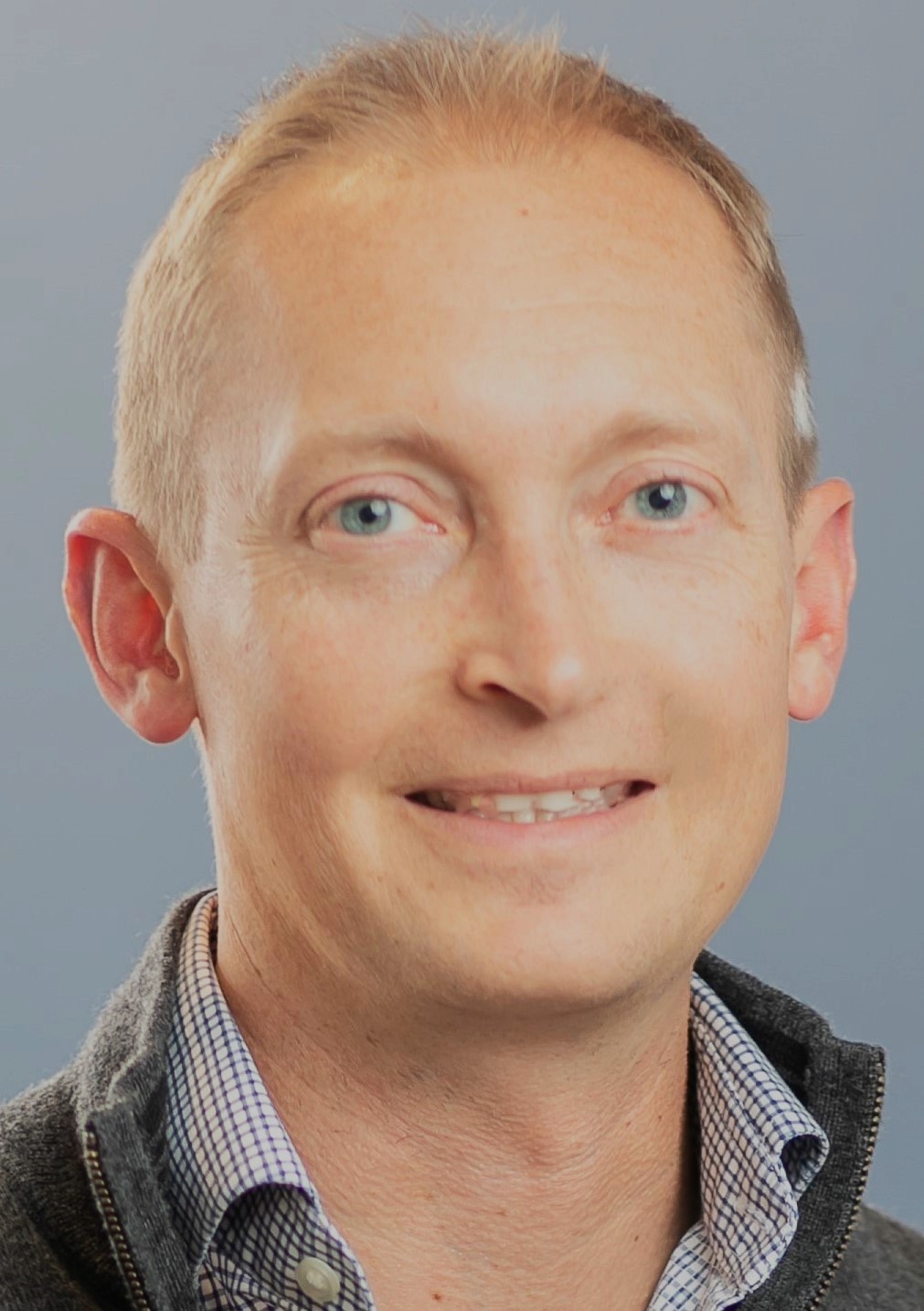

About this episode
David Mazzola is the Head of Treasury at Norstella, a global pharma intelligence solutions provider.
Known for being “tech-obsessed,” David has led treasury transformations across insurance, tech, and pharma by embedding systems thinking into every function he touches.
In this episode, David shares how a deep interest in technology shaped his unconventional path into treasury and helped him drive transformation at companies like QBE, Spotify, and now Norstella.
You’ll hear how he implemented treasury management systems across global teams, why many organizations fail at tech adoption, and how automation tools like RPA can radically reduce manual workloads.
If you’re a treasury professional looking to modernize your function – or just want to understand how to lead with systems thinking – this episode is packed with practical strategies and real-world lessons.
What We Cover in This Episode:
- How David transitioned from banking operations into corporate treasury
- Early lessons from building treasury systems from scratch at QBE
- Why many treasury functions fail at tech adoption – and how to avoid it
- Implementing KYRIBA across global regions and its organizational impact
- What David learned by contrasting organic treasury builds (like Spotify) with post-M&A integrations (like Norstella)
- How robotic process automation (RPA) helped slash 20 hours of work into 45 minutes
- Balancing urgency with control when building treasury infrastructure fast
- Why treasury leaders must keep their eyes on liquidity, risk, and future scaling
- David’s take on the future of treasury – from AI to blockchain to better B2B payment flows
You can connect with David Mazzola on LinkedIn.
—
🎙️ Subscribe to the Treasury Career Corner podcast – Never miss an episode! Subscribe on your favourite platform:
CLICK HERE for 🎧Spotify Podcasts
CLICK HERE for 🍏Apple Podcasts
🎓 Exclusive discount on CTP & FPAC – Visit our AFP partner page to find out how much you can save: https://treasuryrecruitment.com/partners/afp/
💡 Earn CTP credits just by listening – Selected episodes of the Treasury Career Corner are AFP-accredited. Listen, take a short quiz, score 80% or more, and we’ll send you your free certificate. Filter by CTP Eligible at https://treasuryrecruitment.com/podcasts/
🌍 EuroFinance International Treasury Management – September 16th-18th 2026, Barcelona – The world’s largest treasury event. Save 10% with our exclusive discount code: MKTG/B/TRP10. Book here: https://treasuryrecruitment.com/partners/eurofinance/
👉 FIND OUT MORE HERE https://treasuryrecruitment.com/partners/
Mike Richards, CEO, The Treasury Recruitment Company: This week’s guest is David Mazzola, head of Treasury at North Stella, before we get into the conversation, is a short clip that gives you a flavor of what we covered.
David Mazzola, Head of Treasury, Norstella: Yeah, I mean, it’s not easy for sure. I would say that it’s a couple things. One is, again, understanding the priorities and those are driven both by the benefit of the function, but also the risks.
David Mazzola: So like what are the biggest risks that we have to be aware of? There’s liquidity risk, there’s potential FX risk, fraud risk. How do we manage those? How do we make sure that we’re mitigating those risks, but we’re not slowing down the business to the point where it can’t operate? And so I think that’s kind of the main driver.
David Mazzola: And then. In, in my experience, those risks tend to cluster, and so you kinda look for, okay, well if we fix this process here, that’ll address A, B, and C. And those break points are kind of all connected. So if we can come up with a solution for that, if we invest a little extra time beyond the fire drills to come up with a better process, put in better systems and controls, then we’re gonna address.
David Mazzola: All those risks right there, and that’ll set us up for success over here.
Mike Richards: Welcome to this week’s Treasury Career Corner podcast, where I interview treasury professionals about their treasury careers. Each and every week, I’ll talk to treasures about how they build their careers, where they are now, where they see
David Mazzola: both themselves and the treasury permission. Going to next, let’s get on with the show.
Mike Richards: In this week’s show, I’d delight to be joined by David Mazzola, head of Treasury for North Stella. As one of the largest global pharma intelligence solution providers, north Stella Unites Market leading companies that all have a shared goal of helping bring life-saving therapies to the market quicker and help patients in need each organization from siteline, evaluate MMIT penal go the Dedham group.
Mike Richards: Deliver must have answers for critical strategic and commercial decision making. But I’m gonna get David to explain a little bit more what that actually means in reality and who nors that island. David, if you would take us back to the beginning of your career. If anyone sees you on LinkedIn, they say you’re tech obsessed.
Mike Richards: Sir, over to you. Talk us through how did it all begin and we’ll go from your early beginnings. Over to you.
David Mazzola: Thanks Mike. Appreciate it. So, yeah, I, I started out in finance in 2006 and I was. Getting interested in economics and the markets and everything. And so I actually started out in banking doing custody for fund of hedge funds.
David Mazzola: And so essentially you’d have hedge funds that invested in other funds. And we were doing very manual processes of tracking those underlying investments and evaluations of those on a weekly and monthly basis. And it was all Excel based, which is really looking back on it, quite quaint. But the interesting thing, as part of that implementation, I learned a lot about how systems that finance talked to each other and how those can be leveraged for.
David Mazzola: Both scale and return on investment. And about the same time, I was looking to expand my role and kind of move forward in my career. And I was contacted by a recruiter for a role in treasury. And at this point I really didn’t understand what Treasury was. It was kind of on the periphery of what I did, but all I knew was it was sending and receiving wires and that was all treasury was.
David Mazzola: So I said, okay, well this sounds kind of interesting. I’ll go on the interview. One of the things we started talking about in the interview was, well, right now everything is done in Excel, but we wanna put systems in place to sort of track this and we wanna build out a database to track all of our bank accounts.
David Mazzola: And again, at this point, a lot of this didn’t really resonate with me because I didn’t really understand what Treasury was, but I was already interested in the kind of systems and IT side of things. I wasn’t really a computer engineer, so I wasn’t gonna go the route of coding and actually developing software myself, but I loved working with these systems and I really liked working in the finance space.
David Mazzola: I thought it was really interesting, and this was around kind of 2008 when the market was crazy and everything was evolving, and so eventually I did make that move into this role in treasury, and it was my first treasury role, and that was at QBE. QB is an insurance company headquartered in Australia, but it was rapidly growing in North America and Treasury as a function in North America was kind of in the younger stage because it was not really a massive priority for the company at the time.
David Mazzola: And so the, there was a team of people in treasury kind of coming together to really do the transformation there.
Mike Richards: So you’re at QBE, and I know that you were very much into your technology already, but as you said, you didn’t put yourself as a. Technologists, that wasn’t your thing. You wanted system systems, but that was a big part of you.
Mike Richards: So how did that come about? Or you’ve come into QBE, as you say, they’re relatively young and new in the us, but did they say, Hey, with this system stuff you can help us with all this technology? Is that a real passion for you?
David Mazzola: Yeah, exactly. So one of the things we talked about in the interview was a lot of the manual processes that they had in place that they wanted to put automation around.
David Mazzola: Yeah. And I felt that having just come from BNY where we had implemented. This system that helped us automate a lot of those manual processes that we were doing in Excel. Uh, again, at BNY, we were literally printing out reports using a ruler to go line by line to compare prior week to current week. It’s crazy looking back on it now.
David Mazzola: Yeah. And so we had automated that and during the interview at QQBE, I said, oh, well I think we could, I’ve done this. We could build a database for this. We could connect this to that. And again, like I, I couldn’t sit there and actually build the FTP connection myself, but I knew it could exist and I knew these things could talk to each other and we could put proper controls in place.
David Mazzola: So they brought me on in a role that was both products and services and treasury systems, which again, we were still sort of developing that strategy at that point. So it was really interesting to kind of see that evolve. But the company had, at that point, in North America alone, I think we had over 40 banks.
David Mazzola: And something like 1200 bank accounts. And we knew we had to rationalize a lot of this. One of the first things we did was we actually built a proprietary bank account database, and we used that just as a source of truth for all of our bank account and banking information. So things like debit filters, letters of credit bank contacts, and.
David Mazzola: Part of the reason we did this was that there was a treasury management system already in use in the company, but it was not widely adopted in all the regions. It was very heavily used in Sydney, but then in the other regions, UK US was not really used at all. We knew that we were probably going to have to get a treasury system at some point.
David Mazzola: But we wanted to get something in place right away. At that point, everything was in a giant Excel workbook, and if somebody hit delete, I mean this is before SharePoint and things like that. There was no backup.
Mike Richards: So you’ve moved from this treasury into a treasury systems role.
David Mazzola: Mm-hmm.
Mike Richards: And you come from banking operations to in-house corporate treasury.
Mike Richards: How was that different sort of that time, and we’ll bring your story up to date slowly, but it is like sort of this was your first real. Treasury expertise sort of thing. How was Treasury back though? And as you say, I knew CO back in the, and I think was it Quantum they were using maybe or something that Yeah, so yeah, quantum and stuff.
Mike Richards: So yeah, I knew them and I recruited for them at the time. So it was like, so what was it like for you that, what thoughts did you have a treasury that then got challenged maybe as well?
David Mazzola: Yeah, no, it was a tremendous learning experience. One of the things I didn’t really expect out of treasury and I’m, I think it’s a combination of treasury by nature, but also just the move from banking into the sort of corporate sector and treasury specifically.
David Mazzola: It was a lot more dynamic and we were doing a lot more with much fewer people. So when I left BNY Mellon, I had a team of, I think like 15 people. I had a couple different teams in different locations. A lot of individuals and they were all kind of doing the same function, so it was higher volume, but very repetitive work.
David Mazzola: And then I kind of get into treasury and it’s, well, this person does A, B, and C, this person does X, Y, Z. And so it was a big mindset shift to say, okay, well actually there’s a lot more kind of ground to cover with fewer resources. And that was a really interesting learning for me. Again, I really didn’t know what Treasury was at the time, beyond kind of the basics, and so I was learning about kind of.
David Mazzola: The, how do I take the knowledge I have around controls and reconciliations and operations management and apply that to kind of a brand new function that I, yeah, that I had not really touched before. So part of it was understanding, okay, there’s certain fundamentals that you have to get right, like data accuracy and cleanliness.
David Mazzola: You have to understand what are the outputs that we’re going after? Are there KPIs in place? What sort of metrics need to be implemented so that we can measure what we need to manage? And so I was able to apply some of those principles as well. This was also probably about six months after I’d just finished my MBA, so I was doing my executive MBA while I was working, and that really helped me to kind of.
David Mazzola: Take a more elastic approach in terms of taking what I was learning, applying it at work, taking it what I was doing at work, and kind of tying that back to what I was studying at the time. So it was a really good sort of symbiosis there.
Mike Richards: I was gonna say, and with this sort of global view, as you say, you sort of, you took this and that was with your MBA and things, it was much more wider scale.
Mike Richards: The mistakes you see. ’cause again, recurring thing for you is large scale treasury management systems, technology processes, biggest mistakes. You see some of the organizations you te said about data accuracy, garbage and garbage out. That’s one of the key things we talk about sometimes. But you know, are the mistakes that organizations or with the things that you saw at the time to think, right, this is how we make this better, or talk us through how it sort of, you implemented things, made it work.
David Mazzola: Yeah, so I think one thing that comes up often and it’s understandable is just technology adoption can be hard. So if you have technology, especially within finance and treasury, if you have something in place and it works, then there’s not a lot of impetus to change it. Yeah. And so it’s be a dual mindset of what are the outputs that we’re after?
David Mazzola: What do we wanna achieve and how can we. Apply new tools to that without breaking the current process. And it is a tough balancing act. That was one of the reasons QB was using Quantum that you mentioned earlier. Yeah. And it was an install version. I think it was like four or five versions behind. It’s a lot of cost to upgrade to the newest version and it’s install and if there is an issue, and if you do the latest version and there’s a bug, you’ve gotta roll it back.
David Mazzola: You’ve disrupted all of your treasury operations and everything. And so from that perspective. There, there’s just a cost benefit to adopting new technology, and I think that sometimes, depending on how incentives are aligned, people can say, well, we don’t want to adopt new technology now. We’re gonna wait a year or two.
David Mazzola: Maybe it’s as part of a broader finance transformation program, or maybe it’s cost and budget constraints, but there are different limitations. And I think what ends up happening in some instances is that because that technology is not adopted. It then becomes an emergency, right? Yeah. You, you kind of wake up one day and you say, oh wow, like our systems are out of date, or they’re not talking to each other, or we can’t scale if we do an acquisition because we’ve kind of painted ourselves into a corner here and now we need to like rethink everything
Mike Richards: you think people should do instead.
Mike Richards: How do they keep it going? Do you, how do you iterate or what do you do?
David Mazzola: Yeah, so I think there’s a couple different approaches. So again, one is really just. Starting with what is the output that we’re after? Maybe the cash depends on your requirement, right? So if you’re just focused on cash, if you’re just a US based company, you probably don’t need something super complex.
David Mazzola: You might even have a tool on your bank portal that allows you to manage everything you need. And that’s okay. But I think a lot of it is kind of looking at where are we today? Where do we want to be in and plan to be in the next 18, 36 months? And what are we gonna need to have a successful, what does success look like at that point?
David Mazzola: And what are we gonna need to bridge that gap between where we are now and where we’re gonna be in two or three years? And
Mike Richards: so you did your stint in insurance. What happened next?
David Mazzola: Yeah,
Mike Richards: that’s great.
David Mazzola: So at QB we, as part of my technology role, we knew that we had to implement a treasury management system. I ended up leading an RFP to document the requirements, go out, look at a few different systems.
David Mazzola: We ended up implementing RI. As our TMS in North America, and that enabled the treasury team within North America to do a couple things. We were able to supplement our bank account database that we had built. Yeah. And we also enhanced the cash forecasting process. So like many organizations, it was very manual and excel.
David Mazzola: There was a lot of downloading bank balances, plugging workbook, trying to quantify the cash position and the forecast. From there, we were able to put that all into careba. We were able to automate a lot of the payments both within treasury and then eventually we automated some of the accounting as well with the AP team outside of Treasury.
David Mazzola: And so that was a really big success and I learned a lot during that implementation. It was a great chance to understand, again, more of. What does Treasury do, and also what does this tool do? What are the things that we can do, some of the functionality that maybe is not being used today that we can open up both within treasury, but also for other stakeholders in finance.
Mike Richards: And just let me ask there, so you are in that role. You’ve implemented it, maybe applying it to today. What did it give you that again, now everyone’s talking technology, but you know, that was a few years ago now, so what was the. The key things that it gave you or the things that you think that were the limitations then that now we’re getting over.
David Mazzola: Yeah. So I think in terms of the advantages, I mean, it’s amazing to see when you’re doing things in Excel and you get kinda locked into that world of we’re always gonna do spreadsheets and versioning and things like that. When you put it into a system, there are some problems that just kind of go away overnight and you spend hours dealing with them and they’re just mitigated by technology.
David Mazzola: So I think seeing that validated in practice was really valuable for me. And really just eye-opening of like, wow, there’s a better way to do this and if we push it, we can think of, of different ways to use this technology to solve these problems. In terms of the, what’s changed now? I think there’s still a lot of hurdles around data.
David Mazzola: You have different data in different formats that don’t talk to each other necessarily. I think a lot of that’s going away now. Yeah. Things like bank statement payment formats, because it’s proliferated in the marketplace so much now. Every bank knows that. They have to be very tech forward at that point.
David Mazzola: Some banks were like, we can’t build an SFTP to a treasury system. It was a different world. So that’s evolved a lot, which is cool.
Mike Richards: And then the next move, what came next for you?
David Mazzola: Yeah, so after implementing Kariba in North America, I was promoted to the head of systems for Latin America. We implemented Kariba in six other markets within Latin America, and then I stepped into the role of global Treasury Systems manager.
David Mazzola: I was running the treasury systems globally for the company. We ended up implementing Kariba. As a treasury system across all the other regions, including in Australia where we replaced quantum. The big advantage of that was getting everybody onto one system. It really helps to drive one single process and centralize and standardize what all the different teams in the different regions are doing.
David Mazzola: And the other big advantage I think that came out of that was it exposed a lot of the disparities in terms of processes and controls. And how teams are executing their day to day. So if one team is doing things one way and they’re saving files locally, another team is using email. We had a team that was executing investments via fax, so they were literally still sending a fax and these things kind of pop up.
David Mazzola: But yeah, again, within treasury, I think it tends to be, if it’s working, don’t touch it, don’t break it.
Mike Richards: It brings in a common language because you have to work with the system.
David Mazzola: Exactly. Exactly. Yep. And a common process and common control points and And that really just makes everyone’s lives easier. Yeah.
David Mazzola: All the way from the front lines back to audit to the CFO. So that was great and I really, I was really getting into sort of technology and getting excited about what else can we do? And so in 2018, I actually got the opportunity to join Spotify and they had just gone public. They had a treasury team and they had been able to kind of build it much more organically.
David Mazzola: So whereas QB was sort of growth through acquisition and it was integrating a lot of these existing treasury and functions and teams, Spotify was much more deliberate in how they built theirs up. So it was really interesting to see the contrast of how it had been built from the ground up versus kind of coming in and cleaning up and consolidating after the fact.
David Mazzola: And so with Spotify, I was able to leverage a lot of what I had learned at QV and implementing kariba to sort of help expand the usage of Kariba. They had really knowledgeable team at Spotify, and they had started implementing things like FX hedging and kariba. I was really interested in learning about FX hedging and how that would work, but I also loved the system aspect of it.
David Mazzola: So one of the things that excited me about the role was that I was starting to look into RPA, which at the time was what AI is today. Yeah. And so we were able to put RPA on a few different processes within Spotify. It was something I was trying to do at qb, but we didn’t have the budget and the resources to build that
Mike Richards: out.
Mike Richards: Can you explain just. I know it and everyone knows Spotify, so you don’t need to, if you don’t know Spotify, I’m not gonna explain it, but RPA, can you just explain that for, again, I know it, but what does that mean?
David Mazzola: Yeah, so a robotic process automation, um, essentially if you think about what I was saying earlier with data and sources that don’t talk to each other, one of the solutions to that is you can actually program these RPA bots to go out and say, pull data from this screen.
David Mazzola: Drop it here, run a template within Excel or move some files here. Basically anything that you can do on a screen, you could program the robot to do. And so the cool thing about that is we could take processes that were heavily manual, but there wasn’t a really straightforward single solution for them.
David Mazzola: So there wasn’t either one single system that would solve for that or. Maybe there were security concerns around how do we pull that data down, things like that. And we could kind of bridge some of those manual steps with using the RPA solution. I saw a lot of use cases in treasury and it, it was like, okay, if I can just get to that point where we can start implementing that, we can automate this and that.
David Mazzola: Um, so it was a really exciting time. And then, uh, while I was at Spotify, I focused on. RPA, as I said, but also getting more involved in kind of the risk space, uh, participating in the, uh, FX hedging that they were doing and sort of bringing that from a very Excel manual based process into Ariba and kind of automating most parts of that too.
David Mazzola: So when I first joined there, there were a lot of kind of pivot tables on Excel and moving data from this workbook to that workbook. We were able to use the RPA bots for some of that. And then for other things, we were able to use the native system functionality as well. And so when we married those two, we ended up, uh, reducing that process from I would say 15 to 20 hours a month down to about 45 minutes a month.
David Mazzola: Um, ’cause a lot of that was just data consolidation, automating the checks and balances that were happening in the background, and somebody just kinda looks at it and says, yep, this cell is green, this equals this. Uh, good to go and they would click a button and then the bot would run off and do the next part of the process.
David Mazzola: And so that was really interesting because you got to see kind of, if you take a lot of the manual pieces out and you’re really left with just kind of true human in the loop.
Mike Richards: And you were doing and you took up a more senior leader then taking on more responsibilities, obviously, what’s the word?
Mike Richards: Technology and systems is your, was a foundation of yours, you’ve got that, but then you continue to grow and then come onto North Ted as well. What was that like as you sort of, was that like a decent springboard? If someone’s listening today and they’re a treasury manager and they’re thinking, well, should I really invest?
Mike Richards: Obviously it is different as well. It’s just changing all the time. As you and I talked about ai, but. If you’ve that in your back pocket, that’s a, that’s your Trump card isn’t it? Sort of thing, wouldn’t you say?
David Mazzola: Yeah, absolutely. So I think, again, one of the great things to me about treasury is that. You’re doing a lot of different functions with very few resources.
David Mazzola: I felt like, especially at Spotify, but even at qb, I was able to kind of use my systems lens and kind of perspective to look at all the different facets of treasury. Yeah, obviously cash and banking is probably the biggest, but also payments, controls, and audit. Things like front office, FX execution, investment, and then from the risk side, like middle and back office controls around what front office is doing.
David Mazzola: Automating that, but also understanding, well, what are we automating? Why are they doing what they’re doing? What are the risk factors that we have to consider here? Even getting involved in the insurance a little bit. Also, things like treasury policy, understanding what’s driving all of that. So I think the biggest thing for me is within treasury you can kind of.
David Mazzola: Pivot a little bit without leaving the function completely. So there’s so many peripheral things that that you touch and you can learn. In a smaller organization, it’s gonna be the same one or two people doing that. One of the things that brought me to Noella was they basically did not have a central treasury function.
David Mazzola: Noella is an integration of legacy brands that you had mentioned. The company basically covers the drug development cycle from a data perspective. So things like market research and forecasting. Drug development, clinical trials, go to market strategy, and then post-market deployment. Analytics companies developing drugs need different data points for those steps, and so Noella serves that market.
David Mazzola: Prior to that, everything was very, each of those companies had operated autonomously, so you had finance and accounting functions who are sort of doing treasury. But it was kind of an afterthought for them because the patchwork something.
Mike Richards: Yeah,
David Mazzola: exactly. And so they said, well, we need to build a treasury function.
David Mazzola: We’ve just integrated these companies and we need somebody to come in and sort of build out the function, create the global standard, help drive the consolidation of these entities and of the function. And so essentially what I was able to do was come in and lay out my roadmap and say, okay, this is kinda what we have today.
David Mazzola: This is what we need to prioritize. We gotta keep the lights on. We’ve gotta make sure that we’re managing our debt covenants and our liquidity. And to do that, we need to implement a treasury system. So again, kind of using my technology lens to say, okay, where are the big issues here?
Mike Richards: Yeah.
David Mazzola: And what are the systems and technology solutions that we can put in place?
David Mazzola: And so basically, I joined just about three years ago now. People were kind of going to the bank websites and copying and pasting the individual transaction details into Excel every day, and then ting that up and doing a sum if to figure out what is the cash position. And so I said, okay, we’ve gotta get away from this.
David Mazzola: Let’s build for scale. Let’s build for kind of standardization. Again, coming from QVE where we had to do sort of the same thing, but on a much bigger scale, and coming from Spotify that had grown very deliberately with a very kind of organic treasury plan, I kind of knew how to marry those two and say, okay, we’re coming from this.
David Mazzola: We need to build this function. I know what it should look like. How do we bridge that gap? How do we get there?
Mike Richards: How do you balance? You’re creating all these controls, forecasting, automation. All that side of things, but then you’ve gotta get it done quickly.
David Mazzola: Yep.
Mike Richards: With speed. How do you balance getting it right that first time?
Mike Richards: It was one of the questions I had when I looked back through ’em from our original conversation and pre-brief that how do you get the two? ’cause you’ve got pressure, right? Come on, let’s get on and let’s get versus, yeah, but we gotta keep the controls and you’ve got that treasure out. How do you get that working?
David Mazzola: Yeah, I mean, it’s not easy for sure. I would say that it’s a couple things. One is, again, understanding the priorities, and those are driven both by the benefit of the function, but also the risks. So like what are the biggest risks that we have to be aware of? There’s liquidity risk, there’s potential FX risk, fraud risk.
David Mazzola: How do we manage those? How do we make sure that we’re mitigating those risks? But we’re not slowing down the business to the point where it can’t operate. And so I think that’s kind of the main driver. And then in, in my experience, those risks tend to cluster. And so you kinda look for, okay, well if we fix this process here, that’ll address A, B, and C.
David Mazzola: And those break points are kind of all connected. So if we can come up with a solution for that, if we invest a little extra time beyond the fire drills to. Come up with a better process, put in better systems and controls, then we’re gonna address all those risks right there. And that’ll set us up for success over here.
David Mazzola: So planning out that interconnected plan of what will help fix the immediate needs and what will help sort of lay the groundwork for scaling and for expanding the function and sort of optimizing it.
Mike Richards: And, uh, just bringing up here, you, you, what’s the word? You own the title. Tech obsessed, treasury professional.
Mike Richards: What does that mean? When you and I caught up at a FP, we were both joking about that if anyone added AI onto the end of any session, the room would fill up even if they didn’t touch on it and just said, oh, by the way, we’re not talking about that today. What do you think it means and why do you think it’s so powerful?
David Mazzola: I, I think for me, I mean tech is just one of my hobby horses. I’ve always been really interested in it, both personally and professionally. For me, I think it’s understanding what are the tools out there. What is in the market that can help? And again, not just within treasury, but finance more broadly, what’s happening in the ERP space?
David Mazzola: What’s happening with the CRMs? How are those integrating? And I think it’s just constantly asking that question of what could we do better and how could we do it better? What tools exist? And if the tools don’t exist, how can we sort of bridge that gap until they do? Because the way the market is fragmenting from a product perspective in a good way, is that there’s new products for every niche.
David Mazzola: And so, whereas you used to have just a few larger systems that were very generic and used enterprise wide, you have different tiers of treasury management systems for different size companies, and you have different platforms for. Trading FX or short term investment vehicles and things like that. And so there’s always more solutions.
David Mazzola: There’s always more systems hitting the market every day, and I think it’s really interesting to see how that’s evolving as these companies fill these market needs. Those gaps are fairly common among different teams, and so how do we creatively address those gaps and build an end-to-end solution that again, mitigates that risk and drives the efficiency
Mike Richards: and.
Mike Richards: Then aside from the tech side of things, what are the challenges for you as a treasury leader that you think maybe for the future or just thinking well widely, what do other people see? You, you and I, as you say, we hung out at the conference and stuff like that. What do you think is on other people’s minds that you would say, Hey, relax about it, or other things?
Mike Richards: Actually, you should be focused on this.
David Mazzola: I think it’s different for every treasury team because it depends on what, what kind of company are you. What stage of growth are you at? What are the challenges that are coming down from both the market, but also from your leadership team? I would say that there’s not much to not worry about.
David Mazzola: I think it’s more on the side of make sure that you’ve kind of always got your basis covered. Again, I think technology is a great tool to help achieve that, but you’ve gotta make sure that you’re keeping an eye on all your risks. Liquidity risk, counterparty risk. How are you managing your banks and your banking structure?
David Mazzola: Do you have the right documentation and agreements in place for things like tax impact of moving cash? Do you have proper controls and visibility around your FX exposure? Do you have communication with your fp and a team to understand what is the forecast look like? How is the business going to perform in the next 3, 6, 9, 12 months?
David Mazzola: Because that will inform the strategy within treasury or their markets you’re expanding into, or their acquisitions that are being planned. All of that helps to sort of drive treasury. So again, I think there’s a lot to keep track of, which is why treasury is so exciting. But I would say that it’s the responsibility of treasury to make sure that you’ve got that understanding and you’re at least aware of those items on the periphery.
David Mazzola: Because if you’re focused too much on just the technology for cash, let’s say, yeah. And suddenly you’re gonna have an emergency with FX where cable goes crazy and suddenly your exposure is massive and you didn’t even realize it. Right? So it’s things like that where you have to be very dynamic and kind of, again, covering all your bases.
Mike Richards: Anything else that you think that people should be aware of or thinking about?
David Mazzola: I think treasury is a really exciting place to be. You see it, it’s the beating heart of the business in some way within treasury. You’re seeing the cash come in, you’re seeing it go out. You’re having to understand why that is.
David Mazzola: You’re having to understand the direction of the business, and so it’s a great vantage point to see the whole company. To get exposure, not just within finance, but also outside of finance as well. I really encourage people to stick with it and find what interests you within treasury, because again, you can touch a lot of parts of it through whatever lens interests you, whether it’s more of a quantitative math type lens or a technology lens, or even kind of a, a banking relationship, more commercial lens.
David Mazzola: It’s got a lot to offer and I think it’s a really interesting and exciting place to be within an organization.
Mike Richards: It could be the wrap up, but we’re gonna put your link in details in the show notes. Anything else to add to that? Any other final takeaways?
David Mazzola: I’m excited to see what the future holds for the space.
David Mazzola: It’s rapidly evolving. It’s changed quite a bit in the 13 or so years that I’ve been in treasury. I imagine the next 13 will be even more transformative, especially with ai, especially with I think blockchain technology and some of that stuff. I think there, there will be shifts in how. Both B2B and B2C companies pay and receive from their customers.
David Mazzola: That’s gonna drive a lot of change within the treasury function itself. So it’ll be really interesting to see where we are in 2040 when it comes to treasury.
Mike Richards: Yeah, so think so.
David Mazzola: Exactly.
Mike Richards: Thank you very much. Thank you.
Mike Richards: Before you finish today’s show, a quick reminder. You can earn CTP credits just by listening to the podcast. Listen to the show. Take a short online quiz, pass the quiz, gotta do that, and then we’ll send you CTP credits. This means you can recertify, which I know you have to do every two years, and lots of people do it.
Mike Richards: It’s so convenient. They do it whilst they’re commuting. There might be at the gym walking the dog. We are there to help you. It’s designed to fit around you and your real treasury jobs. Not add more work to it. If you are already listening, you might as well get the credit for it. All you need to do head to the episode page, take the quiz, and as I say, as long as you pass, we will send you the CTP credits.
Mike Richards: I know it’s all part of the service. Thanks again for listening. We appreciate your support. I’ll see you soon. Thanks.
- Start With Systems: Whether you’re building from scratch or optimizing, your systems architecture is your strategic foundation.
- Don’t Delay Tech: Waiting to update tech can lead to emergencies – invest early and iteratively.
- Focus on Outputs: Choose technology based on the outcomes you want, not what looks impressive on paper.
- RPA is Practical: Robotic process automation can dramatically improve efficiency – even without replacing core systems.
- Global Unification Matters: One treasury system across regions helps standardize controls, processes, and audit readiness.
- Your Tech Mindset is a Career Asset: A tech-forward approach can be your differentiator as a modern treasury leader.
🎧 Earn CTP & FPAC Credits by Listening to the Podcast
Whether you’re at the gym, on your commute, or walking the dog – you can now make your podcast time count toward your professional development.
We’re thrilled to share that Treasury Career Corner podcast episodes now qualify for CTP and FPAC recertification credits through the AFP’s Independent Study category.
How It Works:
- Listen to a Treasury Career Corner podcast episode
- Complete the short multiple-choice quiz
- Score 80%+ to pass
- Submit your credits to AFP as part of your recertification record
➡️ Credits earned per episode length:
- 30 mins = 0.6 credits
- 45 mins = 0.9 credits
- 60 mins = 1.2 credits
No filler. Just real treasury conversations covering leadership, strategy, risk, technology, and team building.
🧠 Quick Facts:
- 📝 Quizzes contain 6–10 multiple-choice questions
- 🎯 You need 80%+ to pass
- ✍️ Quiz submissions are reviewed manually
- 📋 We must then VERIFY you are a CTP treasury professional to help prevent automated or non-genuine submissions
- ✅ Once verified, we mark your quiz and send CTP credit confirmations every Friday
- 📨 If you need results sooner? Then email mike@treasuryrecruitment.com and we’ll try to prioritise the marking of your latest quiz
NOTE: In line with AFP compliance requirements, no more than two quizzes may be completed per day.
