
Leading Treasury Transformation at SSE Through a £33bn Growth Investment | Treasury Careers Podcast
What does it take to lead treasury during a once-in-a-generation investment cycle?
In this episode, we chat with Andrew Binnie, Group Treasurer at SSE plc and uncover how treasury is powering SSE’s £33 billion transformation – driving strategy, navigating funding, and building purpose-led teams.
Listen on:



Featuring
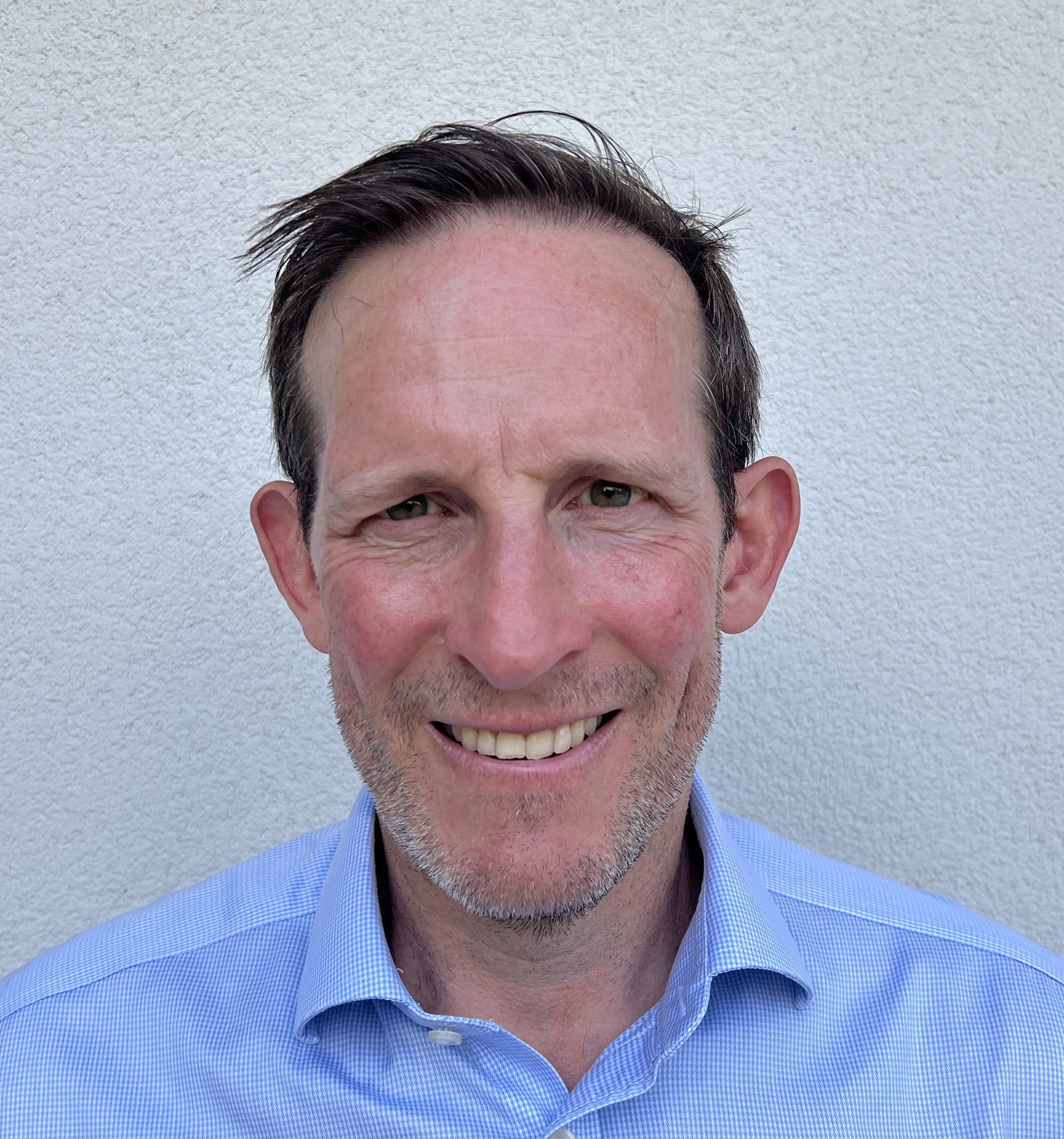

About this episode
This week’s guest is Andrew Binnie, Group Treasurer at SSE plc. With an impressive career spanning Vodafone, BT, and now SSE, Andrew has led treasury through large-scale corporate transformations, capital market transactions, and strategic reorganizations.
Andrew shares the inside story of his transition to SSE and how he’s leading the treasury function through one of the UK’s largest investment programs in energy infrastructure. From IPOs and hybrid capital to leadership philosophies and capability building, this episode offers a masterclass in treasury leadership during transformation.
What We Cover in This Episode:
- SSE’s £33bn “Transformation for Growth 2030” investment plan
- Treasury’s role in funding £15bn of that investment through debt and hybrid capital
- Building and integrating high-performing treasury teams
- Leading with clarity, purpose, and a co-created team vision
- Andrew’s lessons from Vodafone’s M&A, IPO, and high-yield ventures
- How BT’s £25bn fiber investment reshaped its treasury function
- Career insights: when to take risks, and when to build foundations
- Why strong leadership and aligned values matter more than job titles
- The importance of communication, planning, and preparation in treasury
- Treasury’s evolving role: from support function to strategic enabler
You can connect with Andrew Binnie on LinkedIn.
—
🎙️ Subscribe to the Treasury Career Corner podcast – Never miss an episode! Subscribe on your favourite platform:
CLICK HERE for 🎧Spotify Podcasts
CLICK HERE for 🍏Apple Podcasts
🎓 Exclusive discount on CTP & FPAC – Visit our AFP partner page to find out how much you can save: https://treasuryrecruitment.com/partners/afp/
💡 Earn CTP credits just by listening – Selected episodes of the Treasury Career Corner are AFP-accredited. Listen, take a short quiz, score 80% or more, and we’ll send you your free certificate. Filter by CTP Eligible at https://treasuryrecruitment.com/podcasts/
🌍 EuroFinance International Treasury Management – September 16th-18th 2026, Barcelona – The world’s largest treasury event. Save 10% with our exclusive discount code: MKTG/B/TRP10. Book here: https://treasuryrecruitment.com/partners/eurofinance/
👉 FIND OUT MORE HERE https://treasuryrecruitment.com/partners/
Mike Richards, CEO, The Treasury Recruitment Company: This week’s guess is Andrew Binnie, Group Treasurer, SSE. Before we get into the full show, here are a few short clips and give you a flavor of what we covered all the way through from his time at Vodafone. Then he was a BT as the group treasury director and now group treasurer, SSE. So have a listen,
Andrew Binnie, Group Treasurer at SSE plc.: I think being challenged, but also being supported.
Mike Richards: What does being challenged mean to you then?
Andrew Binnie: So being challenged, being put in situations that you may not have felt comfortable. Choosing to be in that situation yourself?
Mike Richards: Yeah,
Andrew Binnie: so having someone I bought, I bought a, A manager, a boss, a leader that has got the confidence in you that they will put you in a situation that you may not feel you’ve got the experience to be able to deal with.
Andrew Binnie: So that’s the challenge. The support coming from, you know, the help you prepare for that challenge, getting out your comfort zone. Yeah. And also having that a leader that has a trust in you that you’ll be able to, that you’ve got some people got and got feeling, I thought, you’ve got some intuition. So you can, you can work things out so they trust that you’ll work it out.
Andrew Binnie: There’s guardrails around it, so you won’t be in a situation where you’d be destroying value. You’d be in a situation to represent your organization and then learn from it, build from it, and then continue to build your confidence. The missteps in careers can often be, we can all follow it, is sometimes taking a short term view, taking, taking, taking a short term view and maybe join joining a, a company where your role may appear to be a more senior, more impactful than potentially a more junior role in the company that you’re with.
Andrew Binnie: And that you need to take your risks in your career, but you need to be really confident that it will give you, it will give you a platform, and the colleagues that you’ll have will enhance your experience.
Mike Richards: Welcome to this week’s Treasury Career Corner podcast, where I interview treasury professionals about their treasury careers. Each and every week, I’ll talk to treasurers about how they build their careers, where they are now, where they see both themselves and the treasury profession. Going to next, let’s get on with the show.
Mike Richards: In this week’s show, I’m joined by Andrew Binnie, the Group treasurer of S-S-E-P-L-C. SSE is a leading generator of renewables and flexible energy in the GB and island markets, and one of the world’s fastest growing electricity networks companies. They’ve got onshore offshore wind farms, hydro. Well, in fact, I’ll get Andrew to explain a little bit more about the business later on the show ’cause he can cover it much more, particularly with some of the new projects that are coming up.
Mike Richards: Infrastructure. And I know we would, when we talked on our pre-call, there were some very exciting things happening at the company, but. Andrew, I know you’re very well rehearsed, which is great. We’re gonna go back to the beginning of your career, how you first started in finance, and then well banking then, but then finance and treasury.
Mike Richards: Over to you, sir.
Andrew Binnie: Yeah, no thanks Mike. Kai, everyone. So, yeah, as you mentioned, the uh, my roots are really in high performance sport and an early career in. Financial markets in banking. Having studied business studies at university in Edinburgh, I spent a bit of time trying to be a professional rugby player, combining that with working insurance, and that gave me a platform to join voice TSB as it was then.
Mike Richards: Yeah,
Andrew Binnie: on the graduate program. And I was fortunate enough to get my first placement within the Treasury division based in Edinburgh. So that was the start of it all.
Mike Richards: And you discovered treasury, then what w what did it look like? ’cause obviously it’s quite different to now really, if you like, it’s a good place to cut your, get stuck in with your roots.
Andrew Binnie: Yeah. So given it was, it was in banking. Yeah. Um, so it was very dynamic. It was very impactful. And part of my role, even at that early stage was supporting the team, managing the bank’s balance sheet, and then managing and supporting the treasury activities of Scottish corporates and financial institutions.
Andrew Binnie: So there was, it was a broad range of activities that I was involved in, and really the key thing, I think. Was the insight into how financial markets operated
Mike Richards: and then what happened next. And obviously you and I have discussed this, how the transition into corporates and corporate treasury.
Andrew Binnie: Yeah. So I think once when I was on in on the bank side meeting, meeting corporate treasurers, understand how companies operated, I got feeling that treasury really being at the center of strategic decision making.
Andrew Binnie: So that was something. Appealed to me and I wanted to pursue further.
Mike Richards: Yeah.
Andrew Binnie: And at the same time, Vodafone was expanding exponentially. And I think you are looking back, you, you were 26 years in 2000 in a way. Vodafone was like the Nvidia of the day. Yeah, it was, it had a market capitalization in excess of 300 million pounds in 2000.
Andrew Binnie: So this was a company expanding. So from someone with a, with a treasury background and treasury as career aspirations, it was an amazing opportunity to move from banking into corporate treasury within Vodafone.
Mike Richards: And as you say, can you, again, we, you and I know Vodafone very well, and as you say, at that time it was what number one of the fse I think it was as well, wasn’t it?
Mike Richards: Yeah. So
Andrew Binnie: yeah,
Mike Richards: talk us through. Your first role there and how did it then develop or the move and stuff?
Andrew Binnie: Yeah, so the, my first role was as a treasury analyst, and my responsibilities were the cash management, liquidity management, some foreign exchange, hedging, very sort of nuts and bolts, nuts and bolts, operational, starting to understand the business and the flows, and after.
Andrew Binnie: Because there was such a lot of activity, responsibilities got allocated at quite an early stage in the career. So I soon became responsible for managing a $20 billion commercial paper program, large foreign currency flows and the short term banking relationships.
Mike Richards: And for you as a an analyst that’s sort of.
Mike Richards: Quite a lot of responsibility on relatively young shoulders. What was that like for you?
Andrew Binnie: Partly? It was exciting. It was challenging, but super fulfilling as well. And there was some great managers,
Mike Richards: right
Andrew Binnie: in Vodafone, the group treasurer at the time. Gentleman called Jerry Bacon, very influential on probably more than a dozen current treasurers or CFOs out there You go.
Andrew Binnie: Have very high standards, but also very focused on developing the team.
Mike Richards: Yeah.
Andrew Binnie: To be able to operate. So probably exceeding what we all thought our own potential was. So the bar was high, the standards were high, but it was, there was lots of support. So it was, it was a great, it was a great opportunity just to, to grab with both hands.
Mike Richards: And so you start in that treasury role, but I know that then you’re given the opportunity to take on broader finance roles, which I think is. Interesting with the number of treasury professionals I talked to at corporate Treasury all the way through and don’t veer from that. And but then later on they go, oh, I wish I’d done these other things.
Mike Richards: Whereas you did that. Talk us through the steps there and how it, your career evolved at that stage.
Andrew Binnie: Yeah, sure. Really through expanding my capability through the skills I built up in treasury. ’cause I had the opportunity to be executing. It would be if there was m and a activity within the treasury, I’d be executing on the funding plan for it.
Andrew Binnie: The foreign exchange required for it. Advising on the impact on the credit ratings. Given that given the the CFOA view all for the funding priorities could be. So Treasury had a big strategic impact and having built up those skills through. Execution and built strong networks in the company. I was able to move from treasury into the Vodafone mergers and acquisitions team as a, as a, as an merger, as and acquisition executive supporting on some very material processes, projects, and activities.
Mike Richards: When you’re doing that role again, I, I was just talking recently to, uh, Jameson over at Ingersoll Rand, and he was talking about they’ve done 18 acquisitions in the past year alone and the playbook and everything else, but you are in a different position doing the m and a stuff. What’s your playbook for.
Mike Richards: You are part of this big corporate, but you are leading the transaction by this stage or certainly playing the key role when you’re looking at things. How do you look at it from a, with a treasury lens or in general terms?
Andrew Binnie: Yeah, I think it’s great having the, the foundation or looking through a treasury lens, which will be, we can finish diligence, looking at the risks that need to be managed, looking at how the acquisition would be funding, looking at the.
Andrew Binnie: Appropriate cost of capital for the business plans and being able to rationalize and articulate the, the challenges around valuation and bid strategy. But it also gives you some big eye-opener on the breadth of stakeholders considerations. First order, second order, third order, political environment, regulatory environments.
Andrew Binnie: Different agendas from other, from parts of the company. So you have to become, you have to become really aware of how people operate, how different people receive information, process information, and ultimately make decisions.
Mike Richards: Yeah. And then you went from m and a, and then there’s quite an unusual move in a way, to financial control, which is not something I’ve, you don’t have to see that in a treasury.
Mike Richards: CV resume and things like that. What did that give you? And that was a, another big move.
Andrew Binnie: Yeah. Yeah. And great opportunities that, that Vodafone gave, that gives, gives colleagues. Yeah. And if they’re willing, if they’re willing to take a risk on their greater move outside their natural comfort zones, and that, again, it’s another, it’s another discipline.
Andrew Binnie: A CFO requires some financial control. There’s financial planning and analysis elements in that. Decision support and is also building up a deeper awareness of accounting.
Mike Richards: Yeah,
Andrew Binnie: accounting standards, governance, and controls as well. So, okay. It’s just another aspect, another building block that I think’s I important in the career.
Mike Richards: Did you enjoy it as much as the treasury piece? ’cause I know treasury then got you back sort of thing, or
Andrew Binnie: no? No, I, yeah, no, I did, I did enjoy it. Again, I was fortunate to be in, in a growth part of Vodafone at the time. Yeah. When I, the financial controller for Vodafone’s businesses in India, Egypt. Qatar and the leadership team, which was, it was led by Nick Reed, who subsequently went on to be Vodafone Group, CFO, and then group CEO.
Andrew Binnie: So it was a really, it was a very high quality, high quality team and just getting that into emerging markets and things like Egypt, for example. I was financial controller during the, when there were troubles in the Middle East. So it was quite, again, in that political regulatory environment and also gave me the opportunity to have my first non-exec board seat where I was on the, on the board of Vodafone, Egypt, which was, Vodafone was the majority shareholder, but 45% was owned by the state controlled fixed line company.
Andrew Binnie: So again, there’s different nuances on how to run such an organization.
Mike Richards: Yeah. And you’ve mentioned there about having just, you’ve mentioned there a couple of good, strong bosses and often you can’t choose your boss, but you can. Follow your boss and and say, right, this is someone I wanna work for, wanna work with.
Mike Richards: When you are, again, if you are someone listening today, what is it you were looking out for from them? What were you thinking? Yeah, this is someone that I wanna work with or continue my career underneath with What? What were you looking for?
Andrew Binnie: Yeah, I think being challenged, but also being supported.
Mike Richards: What does being challenged mean to you then?
Andrew Binnie: So being challenged, being put in situations. That you may not have felt comfortable choosing to be in that situation yourself?
Mike Richards: Yeah,
Andrew Binnie: so having someone, I, I bought a manager, a boss, a leader that. It’s got the confidence in you that they will put you in a situation that you may not feel you’ve got the experience to be able to deal with.
Andrew Binnie: So that’s the challenge and the support coming from, you know, the help you prepare for that challenge.
Mike Richards: Yeah. So it’s getting outta your comfort zone.
Andrew Binnie: Absolutely. Getting outta your comfort zone and also having that a leader that has a trust in you. You’ll be able to, you’ve got some people got a gut feeling, I’ve thought.
Andrew Binnie: You’ve got some intuition so you can, you can work things out so they trust that you’ll work it out. There’s guardrails around it, so you won’t be in a situation where you’d be destroying value, you’d be in a situation to represent your organization and then went from it, build from it, and then continue to build your confidence.
Mike Richards: Yeah. And then you came back into treasury. Dragged you back kicking and screaming in a good one.
Andrew Binnie: Yeah. Yeah.
Mike Richards: What, what happened next?
Andrew Binnie: Yeah. Well, so the way I came back, I’d actually done an, an overseas assignment. Yeah. So my financial controlling experience gave me the, then gave me the opportunity to be head of financial planning and analysis at Vodafone Netherlands.
Andrew Binnie: As part of my assignment there, I supported the CEO of Vodafone Netherlands to craft a merger business case with a company owned by Liberty Global called Ji. Yes. So the was so six months of my assignment was doing this integration plan and have gone signing that it was a good time to come back to.
Andrew Binnie: Back to London and the Neil Garage, who’s a treasurer, Vodafone at the time, he, he asked me to come and be part of the team and it was a great opportunity to get back in, get back into treasury and uh, there was a good alignment with the, the Dutch deal.
Mike Richards: Yeah.
Andrew Binnie: He was part one of my first activities back within the treasury team was doing a recapitalization financing.
Andrew Binnie: Of the joint venture that had a high yield capital structure, right? So more, it had more leverage. Vodafone could strong investment grade company, the joint venture, a high yield capital structure. So that gave me a great opportunity to weave together what I knew about the company, but also learned lots of new, new technicalities and new skills about how you manage a company when it’s got a, a purposefully high yield capital structure.
Andrew Binnie: So
Mike Richards: you’d started in treasury, gone out around the business, you’d come back into treasury. But also during that period of time, Vodafone had changed quite a lot as a company in terms of size, dynamic, a lot of in global, international, but then come back into itself. What was it like or how had it changed, if you like, or evolved over that time?
Andrew Binnie: Yeah. I think the other things to, to remember over that time, we had also been through the global financial crisis. We’d been through the European sovereign debt crisis, so the macro environment changed a lot as well, and the, the Vodafone treasury team had navigated through all of that. In exemplary fashion.
Andrew Binnie: The, the team had really maintained such robust guardrails around how, about how they operated that they’d come through that come through that really well. And it was even more important, the, the financial stability that, that the tre, the treasury was providing for Vodafone as it was pursuing, you know, still pursuing a growth strategy.
Andrew Binnie: That growth need to be funded and needed to be managed. And so the, the treasury team is still, I guess. Provided a platform for a business to, to pursue that strategy. And it also had a really strong commercial layer. I think again, it was a privilege to be part of it because treasury, you can often, you’d be, you know, a finance function, working, working with financial controllers, working with financial planning analysis, and, and working with tax colleagues.
Andrew Binnie: The treasury team were working with sales and marketing colleagues. Because working on working on price plans and propositions where customers were buying now devices for a thousand pounds.
Mike Richards: Yeah.
Andrew Binnie: And treasury was providing the capital and the liquidity to make vodafone’s propositions is as attractive as possible.
Mike Richards: Yeah.
Andrew Binnie: So real wide with the sales force, the marketing teams designing propositions, and then also were really integrated. With the supply chain team, and so that again, both ends, both sales ends and procurement ends. The treasury was integrated across, across both. The organization.
Mike Richards: Yeah. And then what happened next?
Mike Richards: Or then the move after a number of years with Vodafone, it was time to,
Andrew Binnie: yeah. So before I moved on,
Mike Richards: yeah.
Andrew Binnie: I also combining my, my, my treasury experience, my fp and a experience with m and a experience, Vodafone, we decided to embark on a project to demerge some of our telcom infrastructure. So in telcos we call it the mobile towers.
Andrew Binnie: The mast? Yes. Passive infrastructure. It’s steel. It’s still works. It’s bits of concrete. It’s cabinets. Yeah. And we embark on a pro, Vodafone embarked on a project to separate these assets from operating companies across 10 European countries and then merge these companies into a new group.
Mike Richards: Yeah,
Andrew Binnie: and IP that business, it was called Vantage Towers and IPO that business in Frankfurt on in March, 2021, which I’m sure Westerners will, will remember.
Andrew Binnie: That was like peak COVID, the whole project.
Mike Richards: Yeah.
Andrew Binnie: So I, we IPOed this 15 billion Euro enterprise business, so, and I is the program director for, for creating that and then working obviously with lots of colleagues and advisors to get. Legal advisors, financial advisors. It’s a huge project team to, to IPO it, and subsequently did JP bond financing 2.1 billion euros the week after the IPO.
Andrew Binnie: And then having completed that project, there was a opportunity to transform the treasury team at bt. That was so that
Mike Richards: you, and I know BT ISS household name, but we got a lot of US listeners that go Okay. Who are bt. So give us a bit of an insight. I mean, I could probably do it, but you do better.
Andrew Binnie: Yeah, yeah, yeah.
Andrew Binnie: BT Illinois, Richdale Communications, it is the UK tele communications backbone has been, it has been operating in. Telegraph and telephone over 25 years. So it is an institution, and currently it’s, it’s, uh, the UK’s number. It owns the UK’s number one mobile company as well called ee. So it’s, and it’s been it, I was joining at the time that it was embarking on transforming the UK’s fiber network.
Andrew Binnie: In, in 2021, the BT division called Openreach probably passed about less than probably about 4 million premises with fiber and then embarked on a 25 billion capital investment program to fiber ice. Effectively the entirety of the uk. And
Mike Richards: it continues and it’s growing.
Andrew Binnie: Yeah. And continues with this one and modernized the mobile network.
Mike Richards: Yeah,
Andrew Binnie: so this was a phenomenal investment that the company was making, and so the company was transforming. A great opportunity to come and transform the treasury team as well.
Mike Richards: And you came into the treasury team and then also you were creating a center of excellence overseas as well, or talk us through that time.
Mike Richards: You’ve walked in and it’s, it’s not business as usual, it’s like business Plus plus. Talk us through that.
Andrew Binnie: Yeah, you’re right mate. It was, there was, and it was still COVID as well.
Mike Richards: No, this is what I was,
Andrew Binnie: it was, yeah. We had, we had plans to consolidate. The plan was to consolidate the middle and back office activities in a a, and this is a really important point.
Andrew Binnie: Yeah. A BT owned a Center of Excellence in Budapest, so it was about needing to build that team from scratch. Super important to get the senior leaders in Hungary. Trying the right people and also being able to effectively manage the transfer of activities from London to Budapest.
Mike Richards: Yeah.
Andrew Binnie: The loyal, longstanding colleagues in London would, I needed to get their engagement to be able to make sure that this transition would happen as effectively as possible.
Mike Richards: So how did you do that? Except for big bonuses. I’m do joking.
Andrew Binnie: Yeah, yeah, yeah. Well, I guess, I think I’m always there. I think I got lucky. I, it’s always, you always plan for the best and then you, yeah, you plan plan. And if you plan well or not, you get lucky.
Mike Richards: Yeah.
Andrew Binnie: I was able to recruit some great individuals in Budapest.
Andrew Binnie: The Jo jokes aside, thanks to Diaggio Treasury Center, they had some super colleagues that were also looking for the, so sorry for that Diaggio, but they had some great colleagues that were then looking for the next challenge. I wanted to be part of something.
Mike Richards: Yeah.
Andrew Binnie: And be able to create something. So yeah, I got some play that join the team.
Mike Richards: Yeah. Well we did EuroFinance in Budapest just a few months ago and I was met a lot of the local. Treasury talent there. And I, as you say, I was blown away. Yeah. These guys were great. And I’m like, oh, can we move around? We’d like to. And I was like, yeah, send me your cv. I was just like,
Andrew Binnie: yeah,
Mike Richards: they’ve got great experience and they, and an international experience as well, rather than just, sometimes you meet, we’ve been to different venues, it’s more local.
Mike Richards: These guys have got everything. Yeah. And I’m like, wow. Yeah.
Andrew Binnie: Yeah. And the career proposition that they got, it’s not so at bt. Bt. We were managing a debt book of 20 billion. Yeah. With commensurate cross country swaps, interest rate swaps, derivatives. So the guys there were, they’re managing the operational side of that and the valuation side of it, the accounting side of it switch.
Andrew Binnie: And so when we’re doing, we’re doing capital markets, exercises, liability management, the guys the bit, they’re part of that. Yeah. So that was quite, quite, it was a real attractive career proposition. For me, it was making the purpose.
Mike Richards: Yeah.
Andrew Binnie: And the outcomes really clear to get that team operationally.
Andrew Binnie: Excellent.
Mike Richards: So take us through the next move to SSE. And I touched on there as a company, but I know that you can explain a much more. ’cause again, a very exciting challenge and big expansion as well. Talk us through.
Andrew Binnie: Yeah. Yeah. So I guess on a number of SSC, we’re looking for a new group treasurer to, yeah.
Andrew Binnie: Advise and help the company navigate through an amazing investment plan.
Mike Richards: So who are they? Give us business.
Andrew Binnie: So, so, so s, so s, SE as you me, as you mentioned at the start, Mike, we’re what with industry calls an integrated energy utility,
Mike Richards: right?
Andrew Binnie: There’s three main divisions.
Mike Richards: Yes,
Andrew Binnie: networks. So we own electricity networks in the north of Scotland.
Andrew Binnie: The South of England two net. One is called the transmission network, which is the big pylons carrying energy from where it’s generated to where it needs to be delivered, consumed, and where it’s delivered. The distribution network takes it from that point to the premises. So the two, so networks regulated, local monopolies.
Andrew Binnie: There is a renewables, so renewable generation. Owns Europe’s largest wind farm called Dogger Bank. We got a, we were awarded a contract just last week for part of what will become the world’s biggest offshore wind farm called Barrick Bank. That’s a process that we’re, you know, a project that’s starting out.
Andrew Binnie: So the, the generation capacity of our, our offshore wind is, is crucial for the UK energy security and. Super important, the path to net zero.
Mike Richards: Yeah.
Andrew Binnie: And then we’ve got a flexibility, which is our, we do, we sell energy to, to, to businesses. We sell it to consumers in Ireland. So we’ve present UK and Ireland and we’ve still got gas fired power stations.
Andrew Binnie: You need the, we need the flexibility, the energy security needs the flexibility that comes from gas, fire, power stations. And then, so we just go the investment case that they need. UK and countries across Europe, we’re going through an, it’s a one a once in a generation investment in the electricity networks.
Andrew Binnie: Example in the uk. We’ve got all this generation capability in the north of Scotland, but it’s kind of stuck up there. So we need to build a transmission network that will, it will modernize and it will take the power from where it’s generated to where it’s needed. And so in in November, November, 2025, we announced a new plan called Transformation for Growth 2030, which is a 33 billion pound investment program to then just to 2030.
Andrew Binnie: So effectively over, over four, over five years. And that’s to the majority of it is to increase the capacity of the transmission network. Yeah. And while was a treasurer. Would you need a new treasurer to help them on that? Because 35% of the investment is getting funded by an increase in our net debt and hybrid capital.
Andrew Binnie: So 15 billion, 15 billion pounds as a requirement will come, comes from increasing in debt.
Mike Richards: Yeah. And what has been the biggest challenge, if you like, you, you, your first six months in the role. What’s been the greatest challenge or the hardest that you’ve encountered and what has pleased you, if you like how one hearts and minds sort of thing.
Andrew Binnie: Yep. So I think that I, the biggest challenge was, is getting up to speed very quick because this, the decision making on the, how the capital funding was going to happen. That had been, they traded with the station a long time ago. I hadn’t quite got to the destination. But my, the C-F-O-C-E-O seeking my insight on the, how confident I would be on the ability to raise the capital to raise the debt fund to, to really underpin.
Andrew Binnie: Under pinpoints now a fully funded business plan and
Mike Richards: you’re only just in the scene, you’re like, right, okay.
Andrew Binnie: Yeah. So a bit of pressure on, yeah, this is why we hired you, drew. We were expect, we were expecting you to be able to tell us all it straight away, but it was so, it was, there was, that was bit of a challenge.
Andrew Binnie: Yeah. And I think it was made relatively not straightforward, but the, the treasury team a CC is super strong and super experienced. Yeah, and so for me it was ensuring that I, my arrival would, I guess, did it to elegantly with humility, engaged the team and became a bit of a glue for the team as well, and help just to help and elevate their, their decision making, their confidence, and just providing real quantity on.
Andrew Binnie: On a purpose, what our purpose is gonna be, how we’re gonna support the business, what, how we’re going to represent each other values and clarify and do it honing up what outcomes we’re looking for.
Mike Richards: When you say you’ve got a strong team, is that that they’ve got established relationships with the banks and relate around the business as well?
Mike Richards: Or is what’s the standout bits for you?
Andrew Binnie: Yeah. So in the well leadership team, I’ve been with the business for a considerable number of years. So deep knowledge across the business.
Mike Richards: Yeah.
Andrew Binnie: Uh, understand the heritage of the business, understand the strategic direction in the business, and have worked with the, a core number of relationship banks and partners for a number of years.
Mike Richards: Yeah. And you. As you say, the sort of the new person, if you like, new, newly in the seat. What, how did you talk about the clarity and setting their decisions? Yeah, yeah. If someone’s listening today and they’re, they’ve got the similar challenge, was it go out and wins hearts and minds? Or what process have you been through again?
Mike Richards: ’cause you’re relatively early in the role sort of thing.
Andrew Binnie: Yeah, no, I something on these, we’re doing it in a, in a purposeful, step by step, programmatic way.
Mike Richards: Yeah.
Andrew Binnie: But one of the, one of the first things. I that did, and even before joining, meeting everyone one-on-one, the entire team. And then you’ve got a relatively short, you’ve got, I think you’ve got a relatively short time to just make, you need to observe.
Andrew Binnie: You need to consider, you don’t want, you don’t want, you don’t. I would recommend against jumping in the two feet, but one of the, one of the awareness from transitioning in the past was give everyone a voice. And listen to it and try and co-create, try and co-create using use, using technology as well.
Andrew Binnie: Getting the guys that I think being a couple of my senior, Ricky, George and Wisely putting together, you know, a number of questions that you would ask or a team to answer all these questions that we then feed into purpose, why we’re doing stuff, how we’re doing stuff, and what, how we’re gonna measure outcomes.
Andrew Binnie: And then bringing the team together in a workshop. Just, just to go through it and help, you know what? Help them understand what they see.
Mike Richards: Yeah.
Andrew Binnie: As a purpose of treasure, the purpose of their job, how they want to, how they want to show up. What support they need and put something together that everyone buys into.
Mike Richards: Yeah. Well, I wanted to highlight something as well when we, just, before we started the call and stuff today, one of the things that really impressed me was I usually, I have my pick list of questions and some of the transformation and things, and I’ll recommend this to other podcast guests. Andrew sent me through this great background about your phases of your career, expanding your capability, delivering transformation.
Mike Richards: This, I’m thinking, hang on. We’ve done a great document here, but it didn’t, it came from you that, but you, as you said, you’ve really worked on that as well, and I think that’s something that other treasuries should think about and other treasury professionals. Is that the way you think or is that just something you’ve developed over time or where’s that come from?
Andrew Binnie: Yeah, I, so it is something I’ve developed. Over time and I was looking through the other questions that you sent that you’d sent over. Example was it and the Times, there was the other example questions. There was one, there was one in there about mistakes.
Mike Richards: Yeah.
Andrew Binnie: Have you made mistakes? And I’ve made more mistakes than I could care to imagine.
Andrew Binnie: So many mistakes, whether that be early stage career misreading the financial markets. Right, right. Sometimes misjudging investor sentiment when I’m issuance some bonds. Yeah. Turning up to, I remember one. Time with the Vitor Koal, this CEO of Vodafone, and I’m representing them and a team thinking, I, I’m just, I’ll be there.
Andrew Binnie: There’ll be a, there’ll be a few decisions. I more people, more senior than me will be talking here in the room. First thing he says, Andrew, what should we do? I’m like, may be, yep. So that’s a mistake. Yep. Yeah.
Mike Richards: So
Andrew Binnie: I’ve made so many, so I just haven’t done that and made mistakes. I just like to prepare and like to think things through, and if you write stuff down, you start thinking clearer and you put it together and it just helps you.
Andrew Binnie: It helps you clarify why you want to do something, how you’re gonna do it, and it helps you communicate to others so that they can understand as well.
Mike Richards: Yeah, that’s great advice. And that example really reminds me of, I’d made mistakes a bit like that early on in my career. But then I was asked to do a presentation during COVID virtually, and I was meant to be co-presenting with another recruiter.
Mike Richards: And I thought, plan for the hope for the, what was it? Hope for the best plan for the worst. Yeah. Luckily I planned for the worst.
Andrew Binnie: Yeah.
Mike Richards: Because I thought he’s meant to be nice. He was nice on the calls and stuff. Got to the actual session. Oh, he pushed me under that bus. Mm-hmm. He was like, oh, you are the treasury.
Mike Richards: You are the treasury expert. Over to you, Michael. I’m thinking,
Andrew Binnie: yeah,
Mike Richards: that’s not what we rehearsed.
Andrew Binnie: Yeah.
Mike Richards: But the lucky thing I would say is that literally where I’m sitting now was actually full of post-it notes and full of planning things. And I thought just in case what could go wrong. And luckily, and actually I came outta it looking rather good.
Mike Richards: I was pretty. Brilliant because, but that was because I’d planned for it as just as you’ve done. This is the way we’ve gone through the interview now and it’s just made my life a lot easier from everything here. So about strong foundations, expanded capability, this is, I’m reading for Andrew’s notes, so we we’re towards the end just we’re not wrap up yet.
Mike Richards: Where do you see the biggest challenges? Obviously you’ve got some challenges in your current role, lots of stuff coming along, which is great fun, but where do you see the challenges? When you and I are hanging out at conferences? What are the things you think that other treasurers need to be thinking about?
Andrew Binnie: Yep. So I think there’s a lot of noise around, so if we think it’s for the treasury activities from a funding and risk management perspective, there’s a lot of information.
Mike Richards: Yeah,
Andrew Binnie: there’s a lot of noise out there. So I think for a treasurer, it’s. Is being able to have a small group of advisors that can help them cut through the noise and help and help support.
Andrew Binnie: ’cause ultimately the treasurer’s decision recommend to the C ffo, the board, depending on how to governance for, but it’s being really prepared to be able to interpret what was happening from a macro. Macro perspective and then making the, the appropriate recommendations for your company. So that’s one of the, and then of course there’s always evolving technology.
Andrew Binnie: And as we go through different business cycles, there’s operational efficiency pressures that come across all functions.
Mike Richards: Yeah.
Andrew Binnie: And so I think it’s a, it is, it is. It’s a challenge for a treasurer. To continually ensure that the organization understands that second order, third order of the value that a treasury creates.
Andrew Binnie: A treasury is a treasury. I’ve got massive bias, obviously, right? Yeah. A treasury is not a headcount thing. A treasury. A treasury is all the value that sets within treasury. So you’ve got the finance expense, the funding cost. Every member of that treasury team is a commercial member of that team. I think that’s treasurer’s challenge is to, with the bus, if businesses, if you’re, if you’re in a position where businesses are looking for efficiencies, is being, is being able to deliver efficiencies that the company needs, but protect and ensuring the company is protecting the values.
Andrew Binnie: The value that doesn’t set in overhead.
Mike Richards: Yeah. Just as you say, you’ve done a lot of reflection. You’ve gone back through very much planned, but if you look back over your career so far, um, but it continues. Are there any roles in particular or any bits of advice? Again, if someone’s listening today and they’re going, oh, I’m being offered this at FBNA role or something like that, any things that you think maybe.
Mike Richards: Turn the dial for you or that really helped you sort of thing.
Andrew Binnie: Yeah. I think about what it means for the role after you’ve done that. Is it going to, is it gonna be, is it gonna be complimentary? Is it gonna build new skills? Yeah. Uh, is it gonna, is it gonna give you new relationships? Is it gonna enhance existing relationships?
Andrew Binnie: So there’s so, so there’s a number, there’s a number of key factors, but also. The job. I say think deep and hard about the leadership team.
Mike Richards: Yeah.
Andrew Binnie: Who your line manager, what are they like, what are their peers? If you can get to meet the peers, know and what’s the, the boss’s boss like?
Mike Richards: Yeah.
Andrew Binnie: If that, for me is as important, is more, probably more important.
Andrew Binnie: That character side of it is more important than some of the skills that you’re potentially going to gonna build.
Mike Richards: What are the missteps then that people need to avoid you? You talked there about preparing and going into that meeting and stuff. Are there any ones that you think that stand out and go, right, actually guys, you need to be, and maybe even you tell your team, guys plan for this and or watch out for this?
Andrew Binnie: I think the, the mis, the missteps in careers can often be, we can all follow it is sometimes I’ve taken the short term. View taking, take, taking a short term view and maybe join joining a, a company where your role may appear to be a more senior, more impactful than potentially a more junior role in the company that you’re with.
Mike Richards: Yeah.
Andrew Binnie: And that you need to take your risks in your career, but you need to be really confident that it will give you, it will give you a platform, and the colleagues that you’ll have will enhance. Experience
Mike Richards: and you’ve had two decades in, in treasury, either three decades of treasury improvement. So I know it’s not a bit focused, but what keeps it interesting for you then?
Mike Richards: Is it, ’cause you’ve talked a lot about the capital market stuff, you talked about the people. What’s the things that maybe come to the top, and again, you gave a great summary and some of the executive summary you said to Chris, to me, but what, the things that stand out to you?
Andrew Binnie: I think I, I think it’s being at the heartbeat of the company and being able to, and being able to help people make.
Andrew Binnie: More informed decisions bring in insight. So the decisions that are getting made are as informed as possible. That’s number one. Number two, I take great fulfillment from building, building colleagues, building the capability of colleagues. I know we’re gonna wrap up shortly, but from the be bt experience, you know, having the build up given the colleagues the opportunity.
Andrew Binnie: And so when it was time for me, when it was time for me. To move on to the next step in, in my career. In the past, Tesh Golia, he was able to step up to the Treasury Director role at bt. So for me, that’s kinda just what your success keeps me, what keeps me going, just creating successful treasures and successful colleagues regardless of what discipline they’re in.
Mike Richards: And so we’ll put your LinkedIn details in the show notes to be connect to you. Any closing words from you, sir? From today?
Andrew Binnie: No, I think to thank you for the platform. Thank you for the opportunity chair. Maybe there’ll be. A fellow treasurer or a treasury analyst, wherever anyone is in their career. It’s It is, it’s a journey.
Andrew Binnie: Yeah. It’s a journey that you’re on. Take the opportunities. Uh, I think it was something I’ve read recently. It said something along the lines of, you don’t learn to swim by reading a book. So get yourself outta there and get swimming.
Mike Richards: Yeah. Love it. And I love a swimming analogy anytime. So Thank you very much, sir.
Mike Richards: Be great to catch up.
Andrew Binnie: Thank you. Thank you, Mike. Thanks all.
Mike Richards: Before you finish today’s show, a quick reminder, you can earn CTP credits just by listening to the podcast. Listen to the show, take a short online quiz, pass the quiz, gotta do that, and then we’ll send you CTP credits. This means you can recertify, which I know you have to do every two years, and lots of people do it.
Mike Richards: It’s so convenient. They do it whilst they’re commuting. There might be at the gym walking the dog. We are there to help you. It’s designed to fit around you and your real treasury jobs, not add more work to it. If you are already listening, you might as well get the credit for it. All you need to do head to the episode page, take the quiz, and as I say, as long as you pass, we will send you the CTP credits.
Mike Richards: I know it’s all part of the service. Thanks again for listening. We appreciate your support. I’ll see you soon. Thanks.
- Transformational treasury starts with purpose and people.
- Leadership is about challenge + support – not control.
- You grow your career by building capabilities, not chasing titles.
- Treasury must show its commercial value beyond being a cost center.
- Preparation and clear thinking are your best assets under pressure.
🎧 Earn CTP & FPAC Credits by Listening to the Podcast
Whether you’re at the gym, on your commute, or walking the dog – you can now make your podcast time count toward your professional development.
We’re thrilled to share that Treasury Career Corner podcast episodes now qualify for CTP and FPAC recertification credits through the AFP’s Independent Study category.
How It Works:
- Listen to a Treasury Career Corner podcast episode
- Complete the short multiple-choice quiz
- Score 80%+ to pass
- Submit your credits to AFP as part of your recertification record
➡️ Credits earned per episode length:
- 30 mins = 0.6 credits
- 45 mins = 0.9 credits
- 60 mins = 1.2 credits
No filler. Just real treasury conversations covering leadership, strategy, risk, technology, and team building.
🧠 Quick Facts:
- 📝 Quizzes contain 6–10 multiple-choice questions
- 🎯 You need 80%+ to pass
- ✍️ Quiz submissions are reviewed manually
- 📋 We must then VERIFY you are a CTP treasury professional to help prevent automated or non-genuine submissions
- ✅ Once verified, we mark your quiz and send CTP credit confirmations every Friday
- 📨 If you need results sooner? Then email mike@treasuryrecruitment.com and we’ll try to prioritise the marking of your latest quiz
NOTE: In line with AFP compliance requirements, no more than two quizzes may be completed per day.
