
How Innovation and Automation Transformed Treasury at a Leading University | Treasury Careers Podcast
How do you transform a treasury function from manual processes into an AI-powered, automation-driven strategic partner?
In this episode, we’re joined by Karen Kearney, Treasurer at Stanford University. She leads treasury across one of the world’s most complex and innovative institutions, overseeing areas including capital markets, cash management, and financial strategy within a large, mission-driven environment.
Listen on:



Featuring
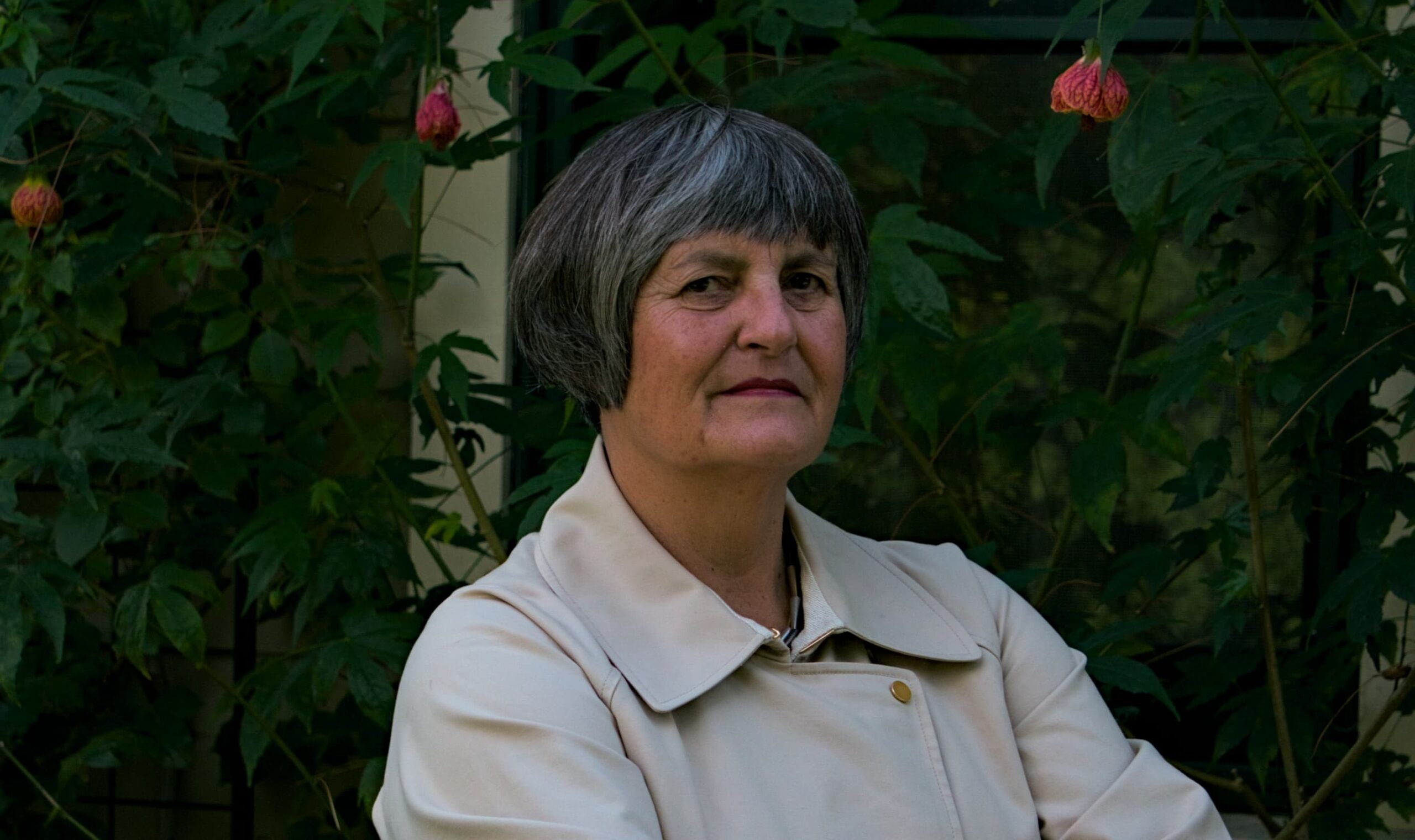

About this episode
On the episode Karen Kearney, Treasurer at Stanford University shares her unconventional journey into treasury, from starting in audit to exploring a career in the culinary world before returning to finance and ultimately leading treasury at Stanford.
The conversation dives into how treasury can evolve into a strategic function through innovation, automation, and collaboration. Karen explains how her team implemented predictive cash forecasting, automated complex processes, and developed in-house solutions that outperform market offerings.
She also discusses the unique challenges of operating in a nonprofit, consensus-driven environment, the importance of institutional understanding, and how AI will shape the future of treasury.
What We Cover in This Episode:
- Transitioning from audit to treasury through a non-linear career path
- The complexity of managing finances in a large research university
- Differences between corporate and nonprofit treasury environments
- Driving transformation through automation and process optimisation
- Managing a multi-billion-dollar debt portfolio and internal banking structure
- Creating a scalable merchant services solution and winning a major industry award
- The role of innovation and Silicon Valley influence on treasury strategy
- Elevating treasury as a strategic partner within an organisation
- The growing importance of AI, data quality, and upskilling in finance
- Future skills required for treasury professionals
- Career advice: embracing opportunities and continuous learning
You can connect with Karen Kearney on LinkedIn.
—
🎙️ Subscribe to the Treasury Career Corner podcast – Never miss an episode! Subscribe on your favourite platform:
CLICK HERE for 🎧Spotify Podcasts
CLICK HERE for 🍏Apple Podcasts
🎓 Exclusive discount on CTP & FPAC – Visit our AFP partner page to find out how much you can save: https://treasuryrecruitment.com/partners/afp/
💡 Earn CTP credits just by listening – Selected episodes of the Treasury Career Corner are AFP-accredited. Listen, take a short quiz, score 80% or more, and we’ll send you your free certificate. Filter by CTP Eligible at https://treasuryrecruitment.com/podcasts/
🌍 EuroFinance International Treasury Management – September 16th-18th 2026, Barcelona – The world’s largest treasury event. Save 10% with our exclusive discount code: MKTG/B/TRP10. Book here: https://treasuryrecruitment.com/partners/eurofinance/
👉 FIND OUT MORE HERE https://treasuryrecruitment.com/partners/
Mike Richards, CEO, The Treasury Recruitment Company: This week show you hear from Karen Kearney, the treasurer at Stanford University. Karen and the team won at the A FP 2025 Pinnacle Award and I was there to see her at the conference. And I’m thrilled to say she now joins us on our podcast. Well adequate. Listen, just a little snippet from the episode.
Karen Kearney, Treasurer at Stanford University: From the outset. So Stanford has generally been quite, it’s an innovative place in general. The environment at Stanford is very, we sit in the middle of Silicon Valley where Stanford is often called the the heart of Silicon Valley. So there is a lot of innovation that happens at the University. Treasury though was what?
Karen Kearney: On the capital market side, we, we were fine, but I think on the cash management side, it had been run out of a dark room in the controller’s office for quite a long time. So. The treasurer prior to me, there’d been a reorg. They brought capital markets, cash management and operations and merchant services together.
Karen Kearney: But from early on when I came on board, we with my new team, really set our North Star as streamlining and automating.
Mike Richards: Welcome to this week’s Treasury Career Corner podcast, where I interview treasury professionals about their treasury careers. Each and every week I’ll talk to treasurers about how they build their careers, where they are now, where they see both themselves and the treasury profession. Going
Karen Kearney: to next, let’s get on with the show.
Mike Richards: This week’s show I’m joined by Karen Kearney, the treasurer at Stanford University. Stanford University is one of the, the world’s leading research and teaching institutions. With world class scholars and seven schools located on a single campus, Stanford offers academic excellence across the broadest array of disciplines.
Mike Richards: Engine of innovation, blending theory and practice to move ideas and discoveries from labs and classrooms out into the world. I’m gonna get Karen to explain a little bit more about the university and all the other things she does, but before that, we’re gonna go back to the beginning of her career in audit before discovering the wonderful world that is treasuries.
Mike Richards: Karen, over to you.
Karen Kearney: Hey Mike. Thanks so much. I really appreciate you. You having me on, so thank you. Yeah, so I’m gonna date myself a little bit here. I joined Pricewaterhouse while there was still a big eight and well before the merger with Coopers and IAnd. So I was in the London office straight out of college with a degree in economic geography.
Karen Kearney: I really didn’t enjoy auditing. I think that is a common refrain.
Mike Richards: Yeah,
Karen Kearney: but I think the training was an invaluable foundation and I would say that the two things that really have been most useful about that time and, and what I learned then was essentially learning the language of business. So just. Make it really simple, the components of financial statements.
Karen Kearney: And then second, a real, a foundational understanding of internal controls. And I think those two pieces have really stood me in good stead as my career has unfolded and even are very useful in, I would say, in my current treasury role.
Mike Richards: And with that, you talk us through the steps in those early years and what they gave you, if you like the first couple of roles and things.
Karen Kearney: I, I have a little bit of a checkered checkered pathway. Two years into auditing, I was doing fine, but I looked at the partners and I just decided that it wasn’t a life I wanted, I, it wasn’t a ladder I wanted to climb. I didn’t really like what I saw. I didn’t. I felt creatively stifled.
Mike Richards: Yeah.
Karen Kearney: And that I was essentially on in a sausage machine, a con, a conveyor belt, if you like.
Karen Kearney: So I, I agonized, obviously, I went to my staff partner who was the first woman partner in the UK practice. You know how hard she had to work to get there.
Mike Richards: Yeah.
Karen Kearney: And told her I was leaving to go to cooking school. She was absolutely aghast, tried to dissuade me, but I knew better. I was in my early twenties and I figured that the longer I waited, the more difficult it would be to extract.
Mike Richards: Yeah.
Karen Kearney: So I went ahead and attended the BLE in London. Cutting. A long story short, I worked in the field for a while, but cutting a long story short, I discovered two things about the food business. One that I didn’t have the palette to be a fine chef, and two, that business is really challenging and difficult to be a success.
Karen Kearney: It’s something you essentially have to be, you have to marry it. And after three years or so of exploration, I wasn’t really willing to do that. I had some really interesting gigs I including as a personal chef to a very well-known movie star. But essentially after that I worked my way back into finance.
Karen Kearney: Initially I was a temp at a bank in San Francisco that had a bond trustee business, so some early connections to treasury there.
Mike Richards: Yeah.
Karen Kearney: And while I was there, I worked for someone who was an an Olympic level swimmer, and she swam down in the master’s program at Stanford and had met a couple of folks down there.
Karen Kearney: Somebody else had suggested that I look at Stanford, but I, at the time, I poo-pooed. I didn’t know a lot about the university. I was laboring under the misconception that, oh, it’s a university. How complicated can it be? They teach students. I was, that was very misguided. It actually is a very large and complex institution.
Karen Kearney: Anyway, my swimmer colleague had heard about a role at Stanford in financial reporting that seemed like it would be a good fit for my background, so I applied, got the job. I credit landing there with much of my, much of the technical expertise that I was able to garner about university finances. So what I later have come to appreciate was financial reporting was one of the few places at the university where it’s possible to get exposure to how the whole.
Karen Kearney: Complex puzzle fits together. So from from the perspective of a technical challenge, I think learning fund accounting, which is the internal accounting system used by US nonprofits who are required to manage the many different colors of money that float around in a large research institution. Those are required essentially to be managed separately as individual funds.
Mike Richards: Yeah.
Karen Kearney: For example, donor funds.
Mike Richards: Can I just jump in to, yeah. As you said, I remember we had our pre-chat, and it’s a little bit like, again, when I’ve talked to people, when they’re in financial insurance institutions, for instance, where you have your client money and you have your company money and it has to be managed.
Mike Richards: But also the rigor that’s around it and compliance and Yeah.
Karen Kearney: Yep. Essentially each of these funds has its own balance sheet and at Stanford and like many other large research institutions, we have over 45,000 of these funds.
Mike Richards: Yeah.
Karen Kearney: Which does, it adds a lot of complexity to the internal financial management.
Karen Kearney: Of the institution. So that’s a little bit of how I got into my Stanford at least. I’m a Stanford boomerang, so I was here initially for eight years in that, doing that role and a number of other finance roles, and then left for about eight years and came back again. But story for later.
Mike Richards: Yeah. Talk me through, just let’s talk about, or bring us more up to date, you know, ’cause you came back when you returned to Stanford.
Mike Richards: Stanford when you first started, can you describe, we, I have an image of Stanford, which you told me about before and actually really educated me. What’s Stanford like? Who? Who are Stanford? You have an external view, but what’s it like from internal things?
Karen Kearney: It’s almost like a mini city. It has a very diversified revenue sources.
Karen Kearney: Most people think about a university. They think about tuition as your primary revenue source. For us, it’s only about 10% of our revenue. We’re an academic medical center, so we have two affiliated hospitals, which you know are a nonprofit, large. Operations in and of themselves.
Mike Richards: Yeah.
Karen Kearney: Doctors are, hospitals don’t employ their own doctors, so all of the doctors that our hospitals are employed by the university through our medical school, so many of them teach as well as, as well as practice.
Karen Kearney: Then there’s the research enterprise, so that in fiscal year 25 is about a $2.3 billion enterprise, largely funded, I would say about 80% by the federal government. A lot of healthcare, medical research and then of course all the auxiliary units, housing, providing food for students. We run a very large, almost a professional sports business.
Karen Kearney: You probably would’ve seen, we had a lot of Stanford Olympians in, uh, in Milana, Corina. So we have 36 varsity sports. And then all of the, you mentioned earlier in your intro, we’re located in Silicon Valley on 8,200 acres. It’s a very large, the physical plant is, is quite large.
Mike Richards: Yeah.
Karen Kearney: So yeah, it’s, it’s certainly enough to keep anyone outta trouble.
Mike Richards: I was gonna say it, despite the title, it’s a large, massive corporate. Yeah. I know when I’ve spoken to some of the treasurers in housing associations who said, look, we are here to make a profit, but we make a profit for our. Housing tenants Exactly. If you like. Exactly. And you guys reinvest in yourselves.
Karen Kearney: Yeah. I think I, I always say, people often ask me what, how, what it’s like to work in nonprofit and how it’s different from corporate. And I think for me, the most focusing element is. There is no bottom line. There are every, so faculty members in a university like ours are individual rainmakers. They’re individual CEOs of their own businesses, essentially.
Karen Kearney: And so they all have their own bottom lines, but it’s not a financial bottom line. It’s a mission-driven bottom line. So that leads to an organization that. Is often very consensus oriented when it comes to decision making and very consultative, which takes getting used to, certainly if you come from a, from a corporate background, it’s does not tend to be hierarchical and top down driven.
Karen Kearney: It’s much more, much more bottoms up.
Mike Richards: Yeah. And then talk us through your move into treasury, if you will, because you’ve been the treasurer there for 12, 12 plus years, or, yeah. Coming on 12 years, but you’ve. Moved into that role, and you’ve helped shape finance there as well. Again, I think sometimes people just come in as a treasurer within a corporate, and that’s it.
Mike Richards: But you’ve had all this exposure, but you’ve been doing treasury in some of your previous roles as well, but then
Karen Kearney: yeah.
Mike Richards: You’ve taken on this role.
Karen Kearney: I, so let me step back a little bit. Yeah. To the, one of the roles I had while I was on a hiatus from Stanford. I, as I said earlier, I’d done. Eight years at Stanford.
Karen Kearney: I cycled through a number of finance roles, so financial reporting where I started. I did a stint in one of the large acade in the School of Medicine, one of the large academic units. We had a coordinated an IRS coordinated exam program where they send in a team and they just basically camp out for a couple of years.
Karen Kearney: I headed up that that response team, which was really interesting. And then my last role. At Stanford the first time around was heading up as the business lead of of an ERP replacement, financial system replacement. And that was, I’m gonna be very honest here. I don’t think anyone would be surprised. The project from hell, it almost killed me and it actually drove me, was what drove me outta Stanford the first time around.
Karen Kearney: I did three years and it took them 10 years to get it in. It was, it was a monster, but I, when I left, I moved into a CFO role at a much smaller institution. But an institution that had quite a high profile in San Francisco and I was much more involved with as a smaller institution in and in that role with the board, had both the audit and finance committee as well as the investment committee.
Karen Kearney: Real baptism by fire. It was pretty intimidating to go toe to toe with the likes of the captains of industry and the likes of Chuck Schwab on investment policy. But I think I really learned a lot doing that. It was hard, but I think I, I had to learn very quickly about the nuances of relationships and the symbiosis, especially in a smaller institution of what can often be the outsized influence of high value stakeholders.
Karen Kearney: So that was a, that was a real learning and I think it’s stood me in good stead for coming back to Stanford and stepping into, into the treasurer role because obviously I, I do work with the board, primarily the finance committee and other high level executive leadership. I was not a, so the treasurer role was open for quite a while.
Karen Kearney: We did a lot of interviewing of corporate treasurers, and we really found, you mentioned, you alluded to this earlier, but the, there was a real issue with the, the cultural fit. So this consensus oriented decision making environment was a, was a challenge. I had no background in treasury, and my boss said to me, will you take it on?
Karen Kearney: And I was like, are you crazy? I know nothing about this
Mike Richards: around law treasury who the
same,
Karen Kearney: you know about Stanford, you can learn treasury. After about six months of six months of that, I, I finally, I finally gave in and I said, all right, I’ll give it a try, but I need to have, I need to have some people. So I.
Karen Kearney: I had to, I did have to rebuild the team. There was some folks there that were not a good fit, and that was, that’s always hard, but I, so I was able to bring in, bring in my own team, which was very helpful. Early days, it was pretty hard. I, one of the challenges was just, just the lingo of treasury, especially in the capital markets.
Karen Kearney: I, I remember my first bond deal. I was. I felt very naive, but I think once you get the hang of that it, it was like anything else. That’s that a technical competency that you
Mike Richards: learned. You learn
Karen Kearney: it. Yeah.
Mike Richards: When you’re in that stage of L, if you like learning it, your experienced finance professional, you’ve come in, but you are fresh to treasury.
Mike Richards: Talk us through that learning curve over the past 12 years and 10, 12 years sort of thing. What do you think that, because also Joy, you were doing that as treasuries evolved a lot in that past. 12 years. Yep. Talk us through that.
Karen Kearney: From the outset. So Stanford has generally been quite, it’s an innovative place in general.
Karen Kearney: The environment at Stanford is very, we sit in the middle of Silicon Valley where Stanford is often called the the heart of Silicon Valley. So there is a lot of innovation that happens at the University. Treasury though was what? On the capital market side, we, we were fine, but I think on the cash management side, it had been run out of a dark room in the controller’s office for quite a long time.
Karen Kearney: So. The treasurer prior to me, there’d been a reorg. They brought capital markets, cash management and operations and merchant services together. But from early on when I came on board, we with my new team really set our North Star as streamlining and automating, and that started very early on when, right when I started, we.
Karen Kearney: We had a reevaluation of how we were managing operating liquidity, and one of the things that that brought to the fore was the need for a robust cash forecast. So I brought in a data scientist, and this was about, I guess this was 2015 ish, and he, we, he did most of the heavy lifting, but we developed a first gen ai, predictive analytics cashflow model.
Karen Kearney: We are just starting to see that come out in the marketplace now from the banks and the TMSs and I. Routinely get pitched for taking a look at our forecasting model. And frankly, the one we developed in-house performs better and has been a real asset to us. So we just chipped away at automation, uh, on an ongoing basis.
Karen Kearney: We took it process by process. We didn’t have ATM S, we brought in ATM S. We don’t use all of the modules. We use the modules that make sense for us. Our ERP cash, cash allocation and booking process is all automated, so it’s been our debt. So we, we run a, we have a $6.3 billion debt portfolio and run an internal bank.
Karen Kearney: So our internal borrowers are two primary purposes, obviously CapEx, so all of the, we’ve run about. Half a billion dollars of CapEx every year. And about half of that, I would say is debt financed. And then the other big need in the debt space is we run a mortgage program. We live in a very, we’re located in a very high cost of living area.
Karen Kearney: So to attract the best faculty and students we have to provide housing support.
Mike Richards: Right.
Karen Kearney: So we run a pretty large debt financed mortgage program that’s part of our internal bank and have also early on automated all of that. So our internal loans, our amortization, our allocations, but there’s a lot of regulation around how you can use tax exempt financing, which we do issue.
Karen Kearney: So we have both taxable and tax exempt, but a lot of both state and federal regulation around. Compliance for tax exempt debts. So managing all of that compliance. So all of that is built into a custom built system, and we are now starting to see the marketplace develop those kinds of solutions as well.
Karen Kearney: But it’s nice that we’ve had the benefit of them for some time.
Mike Richards: Where did, where does that come from? What I mean by that is. You’ve already done it. Did you say people are picking up the phone, say, Hey, do you want our cash management, this solution? We’ve already got that. We wrote it ourselves. Where does that come from?
Mike Richards: Is that someone like yourself going. We should invent this ourselves or, that’s quite unusual, I would say. ’cause you don’t get that in a corporate Yeah. Necessarily all the time.
Karen Kearney: So I, I think our operating environment, it’s two things. I think the environment is values innovation and certainly adoption of tech.
Karen Kearney: We we’re in the middle of Silicon Valley, it’s all around us. So there’s a, there’s an ethos. So I think that’s part of it. It’s certainly an institutional value. To streamlining, this is fairly recent, but streamlining of administrative systems is one of our top institutional priorities. So it’s just, it’s almost built in to the ethos of the institution and it’s on the academic side and it’s, it trickles down to the administrative side as well.
Mike Richards: And you’ve talked about your, the role there and things, but you, let’s touch on. You, you recently, one of the reasons you came to that I came across yourself was I saw you standing on stage at a FP in Boston collecting the award. Four. I’ll let you fill in the rest. Can you talk us through what happened?
Karen Kearney: So yeah, we, last year we won the 2025 AFPs Pinnacle Award, which is for transformative change in in finance and treasury. And yeah, this is another example of streamlining and automation. So I’m one of my, one of the domains in treasury is merchant services. So for those who may not be familiar with that.
Karen Kearney: It’s the acceptance. It started with the acceptance of credit compliant credit card payments, which there’s a lot of regulation around that for data privacy reasons, but also increasingly digital payments and digital wallets as those have emerged in the marketplace. So we have over 350 merchants across campus in our community, all the way from selling.
Karen Kearney: Football tickets, athletic event tickets to executive education programs, to philosophy journals and podcasts. So there’s a huge range of needs in terms of processing those payments. Incoming payments, I. And we started out some time ago recognizing that our merchant services program was not really, it was, it had been when the new PCI compliance requirements came to the fore, roughly 2010, the whole program had been handed over from the business side to the to our IT side.
Karen Kearney: And they’d done a great job of. Building infrastructure to really prioritize compliance with PCI, but it was very much belts and suspenders and it was not very flexible. So what we found was our merchants, the needs were, there was a lot of frustration needs were going unmet, and we really were not able to respond to, to what our clients needed in a customer friendly and cost effective way.
Karen Kearney: So. We brought the program back under treasury and into the business and gradually tripped away at various elements of it. But what we won the a FP award for was the development of an application that is essentially is a straight through processing applications, very customizable front end, so easily meets the needs of these very disparate needs Of these 350 merchants.
Karen Kearney: And then straight through processing to the of digital payments to the gl. You can choose what kind of digital payment. It’s PCI compliant, P to P encrypted, straight through processing to the gl, and then auto reconciled on the backend. So this has been hugely successful. Internally, it’s, we’ve estimated that it’s saved us across the campus about a million dollars in resource time.
Karen Kearney: So we decided to license it and have done that, and I’m hopeful that it will bring utility to, to other potential users.
Mike Richards: And why is it so successful? What, what’s it come from or what you’ve talked about the use case of it and why you are using it, but why is it so much better? What’s this? Well,
Karen Kearney: I, it’s much, it’s the automation takes out a lot of the human
Mike Richards: friction.
Karen Kearney: The human friction, the manual work that’s involved in booking those payments and reconciling those payments.
Mike Richards: Right.
Karen Kearney: So it’s really, it’s automated that process in a way that’s it’s, you’re not gonna be able to get rid of people wholesale, but it frees up people who are doing that work both centrally and at the merchant level for other higher value tasks.
Mike Richards: Do you think you as a university can do it and that some corporate struggled to do it? Is it just you’ve got more resource or why, or you’ve got a different ethos or what’s about it?
Karen Kearney: I think the ethos has a lot to do with it. We have very creative people and I think one of the things that we’ve increasingly learned over time in the finance domain is really trying to tap into our native.
Karen Kearney: Creative folks on the academic side of the house. So we’re increasingly using students to help us solve business problems, talking to our faculty and the business school to tap into their expertise. And we have a lot of expertise in house. Yeah. And bringing that to bear on business problems that we face is a little bit of a secret weapon.
Mike Richards: And with yourself, you and I were just talking before the show about how. You collaborate with other universities and academia and things like that, and you said there’s much more of a collegiate feel when you’re working with other universities and things. Why do you think that is? Or is it, how come that, how could people best use that?
Karen Kearney: Yeah. I think it gets back to our mission, and our mission really is at Stanford, we do not do secret research, and that doesn’t directly relate to what we do in treasury, but. The ethos of what we do is for the benefit of the public domain.
Mike Richards: Yeah.
Karen Kearney: On the academic side, and increasingly is paralleled on the administrative side.
Mike Richards: And you’ve talked about how you’ve worked effectively with this Uni rev system and you’ve done various other things, but treasury sometimes can be, particularly maybe with institutions not not understood so well. Yeah, I get it. I get the question. Less so now, but, oh, so you do treasury, so do you work for the government?
Mike Richards: You’re like, no, that’s not what we do yourself. How have you worked to raise a profile? Obviously winning the Pinnacle Award, that’s one way, but other ways that you’ve perhaps worked to raise the profile of. Treasury and understanding. Are there any tips that you’ve got for other people listening?
Karen Kearney: Yeah, that’s a really great question, Mike.
Karen Kearney: We face that too. I actually was in recently in a leadership program at Sanford and I was at dinner with sitting next to a, a very, a senior academic leader, and we were chatting and she said, what do you do? I said, I’m the treasurer. Oh, I didn’t know we had a treasurer. What does treasury do? And there’s this, there’s this sense, at least in academia, that if you have budget, you just spend, and nobody thinks about.
Karen Kearney: Who’s minding the cash.
Mike Richards: Yeah.
Karen Kearney: To make sure that, that you can make payroll or that you can pay those vendors that you’re, you’re engaging with. I’m not sure that we’ve entirely solved that globally. What I would say is we strive really hard to be good partners. To be seen as As advisors.
Mike Richards: Yeah.
Karen Kearney: And have our.
Karen Kearney: Clients come and our co service providers come to us for advice.
Mike Richards: You’ve, you talked about building and leading your treasury team earlier in the show and things, but it’s more as we future face if you like. What skills do you think are mattering that are coming to the fore matter more than they did perhaps earlier in yours and my career?
Mike Richards: I think the treasurers I was talking to. 30 years ago and what they were doing, your roles have massively evolved and changed a good way. Yeah. But what do you see as now future fit or future skillset?
Karen Kearney: That’s a great question and something we are actually grappling with. We have an offsite strategic retreat in a couple of weeks, and the focus is ai.
Karen Kearney: I think understanding the fundamentals is always gonna be important. That’s a, that’s just a given.
Mike Richards: Yeah.
Karen Kearney: I think depending on what level of the organization you’re at, the balance between technical skills and people skills might be a little bit different. I think the higher up you get the relationship management and people management becomes.
Karen Kearney: Maybe more important, but I think all of us are going to have to get to grips with, with ai, we are foc, I talked earlier about our c, our first gen predictive analytics cashflow model. So we’ve done a little bit of it, but starting to bring in AgTech AI and thinking about how we can use that to further streamline processes and eliminate friction.
Karen Kearney: We call it friction fighting. Is our next challenge and I upskilling everybody, is something we are grappling with is a is an organization in the higher ed space that deals on the technology side of the house and they’d have a framing for AI use cases that I really like to use. The basic productivity stuff, helping you draft emails, helping you draft presentations,
Mike Richards: process and things.
Karen Kearney: The fourth one is really the re-imagining. The, how do you bring it to bear in your, in your workflows, in your processes, in your models. We all still use spreadsheets and spreadsheet models, and those are inherently prone to errors. How can you use these tools to mitigate those risks? But I, there is a big gap right now between.
Karen Kearney: The promise of AI and what it can actually do and our skill sets, and not just in treasury, I would say throughout finance to, to really start leveraging it. So we’re, we are thinking hard about how do we best do that? We are piloting things, we are putting governance frameworks in place. The state of your data is absolutely critical in terms of ai.
Karen Kearney: It’s the old adage, garbage in, garbage out. That hasn’t changed. So making sure your data is clean. We’ve spent a lot of time doing that for other reasons, really for reporting reasons. So we’re in pretty good shape in that regard, but there’s a lot of. Infrastructure work. I think that has to take place before you can really even start to leverage the tools and make sure that you’re gonna get good results.
Mike Richards: Yeah, and in actual fact, I was just looking at today’s newsletter is, which is great, quite crazy mine, the title was, does AI Turn you off? Because a lot of people are now. In fact, I saw a guy, it was a great podcast, actually. He did, he’d did this amazing article and it was really good. But he then turned, used AI to turn it into a podcast.
Mike Richards: He was doing it with value behind it. And I think, actually that’s the thumbs up. That’s brilliant. But I think it was just also, and I commented about this on the newsletter that I’m saying, people are saying, am I worried about AI coming in? For the reason. Yeah, but the, there’s what these called, there’s these podcast factories where they’re producing 3000 episodes a week just to rack up the hits.
Mike Richards: But the thing is, they’ll produce them, but then people won’t listen to them. It’s like on YouTube, you see someone who does the AI type video, and I dunno, I see one and you can see it’s enhanced. It’s like flick it off straight away. You’re like, let’s. I think there will be natural selection. Right, right.
Mike Richards: So I don’t think it’s, as you say, the AI lop, it’s not gonna take tomorrow.
Karen Kearney: Yeah.
Mike Richards: So I think we stay
Karen Kearney: well and yeah, this, there’s the scary sort of 1984 threat of AI taking all of our jobs away. But I, I just, for me, I think those critical thinking skills and the business acumen to understand what the AI is producing
Mike Richards: Yep.
Karen Kearney: Is always gonna be really just fundamental and critical.
Mike Richards: What I’ll do is, I’ll actually put in our show notes actually a link to this article. Actually it was written by a David Richards, which is quite weird. He’s not relation. I wish he was, ’cause he’s got an MBE, which is rather good I think. But he was talking about reflecting about the industrial revolution and Yeah.
Mike Richards: Some of the things and, but he was, it was a really the word really insightful article because he was talking about the evolution of labor and how. This will be, and these people will win and these people will lose and, yep.
Karen Kearney: Yeah. Yeah. Exactly. So I think we’re all gonna have to adapt. Yeah. ’cause I think it is an industrial revolution type.
Mike Richards: Yeah.
Karen Kearney: Order of magnitude of change and upskilling is gonna be really critical.
Mike Richards: No, I wanted to talk just briefly to your background as well. You covered it very eloquently earlier in the show where you talked about. You didn’t have a traditional treasury path. Lots of people would go in Discover, treasury, but there’s an analyst bounce around eventually bomb, and they end up as a treasurer, whereas yours was so much wider of things.
Mike Richards: What advice would you give to someone either that’s maybe early to treasury or. Maybe that doesn’t have a traditional path. Maybe they’ve listened to this podcast and they’ve been inspired by you. What sort of advice would you give to them about moving into treasury, maybe later on in their careers and things and developing it?
Karen Kearney: Yeah, so I think early on, if you have the opportunity to do a rotation and treasury, I think grab it. Because again, treasury is one of those places in the institution where you get to see how it all fits together. Certainly. We manage all the cash that comes in the door and all the cash that goes out at a high level, obviously, but you need to have institutional acumen, I think is probably the most, and curiosity about what drives certain flows.
Mike Richards: Yeah,
Karen Kearney: that institutional acumen is a really important. Foundation and I think you can learn treasury, you can learn the technical components and even better if you have a great team underneath you. ’cause you can, it’s the complimentary skill sets of the team that can be brought to bear.
Mike Richards: Yeah,
Karen Kearney: so I, I think understanding the institution is probably.
Karen Kearney: Biggest skillset that you can leverage. And in just going back to my career, I think the one thing that, and I, I heard a, a Ted talk about this actually, and it really resonated with me. It’s never say no. If you get offered a project, just always say yes, because there’s always something you can learn from it.
Karen Kearney: And it just builds your, it builds your portfolio and it builds your knowledge base.
Mike Richards: And would you say that mindset or capability you’ve embraced that about never saying no has made the biggest difference to your career progression? That you just talked about it? Yeah. That you didn’t know about treasury, but Right.
Mike Richards: Here’s a treasury job you went. Yes. Okay. What’s treasury you? Is that why
Karen Kearney: I think openness to learning and you know, you got, there’s a certain degree of humility that’s required because it can be challenging and you can feel like an idiot once you get over it. Once you get over yourself, you just buckle down and figure it out and learn it.
Karen Kearney: So I think, yeah, being open.
Mike Richards: If you reflect back over the timeline of your career, you’ve had all these different experiences and the variety was amazing, any advice, any looking back and any notes you’d pass yourself that to say,
Karen Kearney: yeah,
Mike Richards: you wanna do this?
Karen Kearney: Good question. I’ve really enjoyed the experiences I’ve had.
Karen Kearney: I think I would’ve finished my charted account. Articles.
Mike Richards: Right.
Karen Kearney: I probably would’ve been able to move faster having done that. Yep.
Mike Richards: So we’re gonna put your LinkedIn details in the show notes and how we wrap up the show every week is advice for the more junior members, if they’re listening listeners, more senior staff or some of the takeaways.
Mike Richards: What advice would you give to BPA out there? You’ve given some great nuggets all the way through, but how would you bring it together?
Karen Kearney: I think treasury, you hear this a lot, but I think it’s true. I think treasury is increasingly. Getting a seat at the table. And I find this often folks are looking around for an answer to a question or a solution, and it’s, oh, where is that?
Karen Kearney: Where does that live? Who knows about it? And, uh, it’s in treasury. So I think increasingly we’re being looked at as. Critical strategic partners. It’s definitely true. At Stanford, we pride ourselves on, certainly in the capital market space, we contribute to the strategic health of the institution by keeping our borrowing rates low and ensuring predictability in terms of being able to budget CapEx, CapEx, borrowing rates.
Karen Kearney: So I, I think there’s a strategic advantage in a well run treasury and treasury can be. Very critical strategic partners to the rest of the institution.
Mike Richards: Great. Final words. I’m gonna leave it there. Thank you very much, Karen. It’s been lovely to talk to you and we look forward to meeting you in real life one day.
Mike Richards: Six. A
Karen Kearney: pleasure. Thanks so much, Mike. Enjoyed talking with you.
Mike Richards: Thank you. Thanks.
Karen Kearney: Bye-Bye.
Mike Richards: Bye. What we had off, one quick thing. We just released our latest treasury salary survey. Most people take part for one reason and one of them, if they’re underpaid. Fair enough. That’s what it’s in for now with over 1700 treasury professionals already in the dataset spanning right the way across the uk, the US and Europe.
Mike Richards: We can give you a pretty accurate, but here’s the bit most people don’t expect. It’s not just about the salary, because when you dig into the data, as we do each and every time in our survey, the number one reason people are unhappy in their roles isn’t pay. It’s lack of regression, not bonus. Benefits progression in their actual roles.
Mike Richards: That tells you a lot about where the market really is right now. So if you listen to this, they’re thinking, am I being paid fairly? What does someone like me earn in the market? What are the averages? What are the ranges? And actually what’s next for me? You can head to treasury salary.com or go to the treasury recruitment website.
Mike Richards: Look for the salary survey. Take part three minutes later, maximum. If you’ve done it before, it only takes 30 seconds. You can benchmark your salary, get a clearer picture of where you stand. The more people who take part, the stronger the data becomes for everyone in the treasury profession. So fill it in, share it with your team as well.
Mike Richards: Thanks again for listening. I’ll speak to you
- Treasury can become a strategic driver of organisational value, not just a support function
- Automation and AI are essential for reducing friction and improving efficiency
- Deep institutional understanding is critical to success in treasury
- You don’t need a traditional path – treasury skills can be learned
- Strong team building and collaboration are key to transformation
- Innovation often comes from leveraging internal talent and cross-functional expertise
- The future of treasury will require a blend of technical knowledge and relationship skills
- Staying open to new opportunities and challenges can significantly shape your career
🎧 Earn CTP & FPAC Credits by Listening to the Podcast
Whether you’re at the gym, on your commute, or walking the dog – you can now make your podcast time count toward your professional development.
We’re thrilled to share that Treasury Career Corner podcast episodes now qualify for CTP and FPAC recertification credits through the AFP’s Independent Study category.
How It Works:
- Listen to a Treasury Career Corner podcast episode
- Complete the short multiple-choice quiz
- Score 80%+ to pass
- Submit your credits to AFP as part of your recertification record
➡️ Credits earned per episode length:
- 30 mins = 0.6 credits
- 45 mins = 0.9 credits
- 60 mins = 1.2 credits
No filler. Just real treasury conversations covering leadership, strategy, risk, technology, and team building.
🧠 Quick Facts:
- 📝 Quizzes contain 6–10 multiple-choice questions
- 🎯 You need 80%+ to pass
- ✍️ Quiz submissions are reviewed manually
- 📋 We must then VERIFY you are a CTP treasury professional to help prevent automated or non-genuine submissions
- ✅ Once verified, we mark your quiz and send CTP credit confirmations every Friday
- 📨 If you need results sooner? Then email mike@treasuryrecruitment.com and we’ll try to prioritise the marking of your latest quiz
NOTE: In line with AFP compliance requirements, no more than two quizzes may be completed per day.
