
How Treasury Professionals Build Careers Through Networking | Treasury Careers Podcast
What does it take to build a long-term career in treasury leadership?
In this live panel discussion from TEXPO, senior treasury leaders, Meredith Vance, Emily Howell, and Bruce Perry share how networking, mentorship, intentional career moves, and continuous learning helped shape their paths from accidental entrants into treasury to leading global treasury organisations.
Listen on:



Featuring
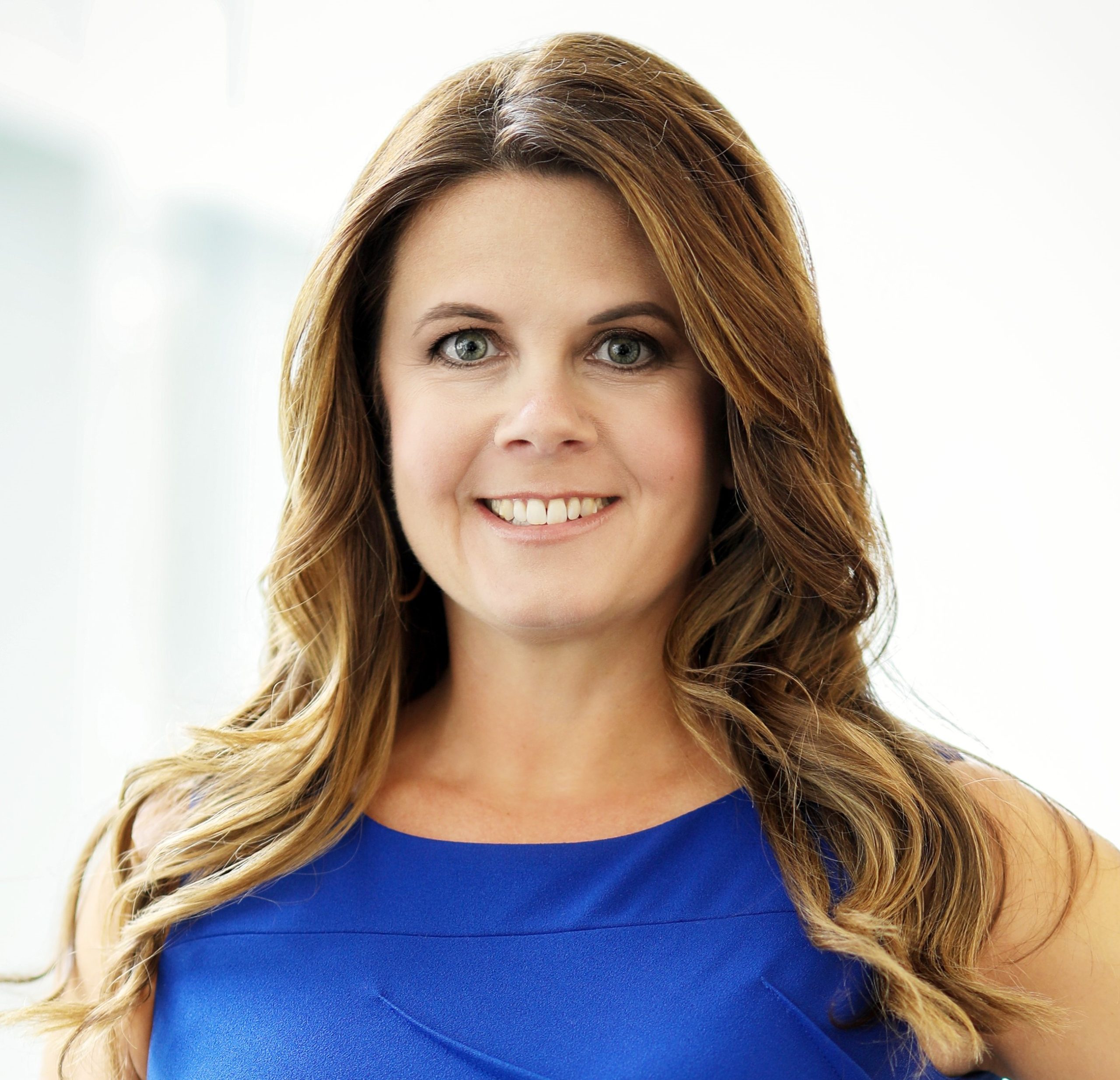
Emily Howell
Corporate Treasurer & Senior Director of Treasury & Risk at Copart Inc

About this episode
Meet the Guests:
- Meredith Vance, Senior Vice President and Global Treasurer at NTT Data
- Emily Howell, Corporate Treasurer & Senior Director of Treasury & Risk at Copart
- Bruce Perry, Senior Vice President and Treasurer at Gainwell Technologies
Recorded live at TEXPO, this episode explores how treasury professionals can intentionally build rewarding and long-lasting careers in treasury leadership. The panel discusses their different career journeys into treasury, the importance of education and the CTP qualification, how mentorship and networking accelerate career progression, and why treasury remains one of the most relationship-driven areas of finance.
The conversation also covers leadership, treasury technology, scaling global treasury organisations, navigating acquisitions and transformations, and how treasury professionals can continue developing their careers in a rapidly changing environment.
Key topics discussed:
- How each panelist entered the treasury profession
- Building a treasury career intentionally versus “falling into” treasury
- The role of the CTP qualification and continuing education
- Why networking is critical for treasury career growth
- Mentorship and developing future treasury leaders
- Expanding treasury skillsets through strategic career moves
- Treasury leadership during acquisitions, carve-outs, and transformations
- Building global treasury organisations from the ground up
- Selecting treasury technology and treasury management systems
- The importance of relationships across treasury, banking, and the wider business
- Managing treasury teams in remote and hybrid environments
- How treasury professionals can become more comfortable networking and building connections
—
🎙️ Subscribe to the Treasury Career Corner podcast – Never miss an episode! Subscribe on your favourite platform:
CLICK HERE for 🎧Spotify Podcasts
CLICK HERE for 🍏Apple Podcasts
🎓 Exclusive discount on CTP & FPAC – Visit our AFP partner page to find out how much you can save: https://treasuryrecruitment.com/partners/afp/
💡 Earn CTP credits just by listening – Selected episodes of the Treasury Career Corner are AFP-accredited. Listen, take a short quiz, score 80% or more, and we’ll send you your free certificate. Filter by CTP Eligible at https://treasuryrecruitment.com/podcasts/
🌍 EuroFinance International Treasury Management – September 16th-18th 2026, Barcelona – The world’s largest treasury event. Save 10% with our exclusive discount code: MKTG/B/TRP10. Book here: https://treasuryrecruitment.com/partners/eurofinance/
👉 FIND OUT MORE HERE https://treasuryrecruitment.com/partners/
Mike Richards, CEO, The Treasury Recruitment Company: This week’s episode you’re gonna hear from three amazing panelists. Recorded at the TEXPO Conference in April 2026, I interviewed on my amazing panel Bruce Perry, the Senior Vice President and Treasurer at Gainwell Technologies; Emily Howell, Corporate Treasurer and Senior Director of Treasury and Risk at Copart; and Meredith Vance, Senior Vice President and Global Treasurer at NTT Data.
Mike Richards: They were great. It was a lovely panel. They give you some amazing value. I just had a blast with these guys. I tell you what, have a listen to some of the, some of the little extracts now, and then we’ll get on with the main episode.
Bruce Perry, Senior Vice President & Treasurer, Gainwell Technologies: I kind of fell into treasury myself. I started my career in banking on the trading side, and it was all fun and games until the financial crisis hit-
Bruce Perry: and put an end to that. So I, I just happened to be on vacation one day and looked to see what Royal Caribbean was go- had going in terms of cruises, and checked the career site, and they needed a derivative trader. And I said, “Hey, I know how to trade.” Had no idea about corporate treasury, and the day I sat down is when I learned, and I immediately said, “Wow, this is actually quite fun.”
Bruce Perry: Kind of in the markets, at the same time you’re kind of running a company. 17 years later, here I am. When you come from the banking side, your focus is on making money, right? It’s about the P&L versus reducing risk, mitigating risk, hedging risk, whatever you like to call it. So the banking world, right, it’s about generating income.
Bruce Perry: On the corporate side, it’s not. So that was the, the, the number one thing I had to change my mindset was to, to move away from that, which I found very interesting after spending all those years. You see it on TV, the trading desks and the traders and all that. When you move from that world into the corporate world, it’s just a different, it’s just a different mindset.
Emily Howell, Corporate Treasurer & Senior Director of Treasury & Risk at Copart Inc: I think what really differentiates treasury from other areas of finance, I don’t think you could easily slip into FP&A without an FP&A background- Yeah … or accounting without an accounting background. Treasury you can. And to augment where you might feel you don’t have a good history, it’s very relationship-based.
Emily Howell: Mm. You can reach out to the people who do have it, and either internal different departments, external partners like banks, or even peers. I have done many projects strictly by asking peers how they did it. So it’s very relationship-focused. And so knowing that you control your own destiny, you can form a network, which I cannot overstate the importance of how important having a network of bankers and peers and industry leaders is to help drive your career to where you find the most interesting aspects of, you know, if you…
Emily Howell: For instance, the career journey that we’re h- we’re all on of treasury is you reach out to other treasury professionals, you listen to podcasts that really help augment that, and then you wound up having a career that you love and not just a job that you do.
Meredith Vance, Senior Vice President, Global Treasurer, NTT DATA, Inc: I had the most fantastic opportunity when I was working as the Assistant Treasurer for eBay to be part of separating two very large companies into two independent public companies, eBay and PayPal.
Meredith Vance: We had to separate treasury organizations- create for PayPal a very, you know, its own robust capital structure. I did its very first revolving credit facility with a new banking group with no credit ratings and under, you know, investment grade, you know, credit profile. We created, like again, a different, a new treasury team, making sure that we had cash in the right place, people in the right place, technology, processes, policies, et cetera.
Meredith Vance: Just an amazing opportunity. I always say oftentimes we get the opportunity within our careers to be part of M&A in terms of acquiring, but it’s not very often we get to separate. So that was just one of, like I said, an instrumental turning point I would say that has taken me in the rest of my career journey so far in being able to be part of that.
Meredith Vance: And being able to… You know, I’ve learned very quickly that, okay, you have to make decisions with imperfect information and know that you can pivot along the way. Because at that time we had nine months to separate the company, and so there wasn’t time to sit back and continue analyzing to get to the right decision.
Meredith Vance: You had to make an- you had to make decisions and you had to make them quickly, but knowing that you can pivot along the way. I think that was, you know, one of the key learnings that I took from that opportunity, and the ability to do that is, is taking that ability to know that you can, that you can pivot.
Meredith Vance: But empowering to, being empowered to make decisions was a big part of that.
Mike Richards: Welcome to this week’s Treasury Career Corner podcast, where I interview treasury professionals about their treasury careers. Each and every week, I talk to treasurers about how they built their careers, where they are now, where they see both themselves and the treasury profession going to next. Let’s get on with the show.
Mike Richards: Now, I’ve got some bad news for some of the people sitting in the room. This is an hour to give to yourselves, not to your companies. This is an hour for you guys to invest in your treasury careers. So those of you that have your laptops open, gently close them, will you? Give it to you. It’s an investment in you.
Mike Richards: And having this amazing panel that I’ve put together who begrudgingly said, “Yes, we’ll talk to all these amazing treasury guys,” it’s worth it. And the second thing is your phones. Put your phones on silent. Put them away ’cause they’re not gonna help you with your treasury careers. These guys might. I’m Mike Richards.
Mike Richards: I run the Treasury Recruitment company. As you can see here, I find practitioners like you guys other roles. And if a treasurer needs to recruit, they come to me. This then led to my podcast. Thought we’d do 10 episodes. We now have done 425 every week seven and a half years. And the kicker is you can get CTP credits by listening to it.
Mike Richards: Big woo. Thank you. That’s better. So that’s the team. They do all the hard work, and I get to travel here. This is what we’re gonna do today I’m gonna get my panel to introduce themselves. They’re gonna go through how they started their careers, where they are now, and where they see both themselves and the treasury profession going to next.
Mike Richards: From there, we’ll get about education, some of the keys to their success. You will get to do Q&A later on as well, so do get u- and, uh, up and ask some questions because when was the last time you got to ask three amazing treasurers like this and got some face-to-face time? So first of all, Meredith, over to you.
Meredith Vance: Excellent. Well, maybe hopefully everyone can hear. Yeah,
Mike Richards: bring it down. Yeah, that’s
Meredith Vance: good. Perfect. Can everyone hear me? Oh, yeah. Excellent. I tend to speak a little bit louder anyway. Hi, everyone. Welcome, y’all, to TechSPO here. We are so thrilled to all be here today. I’m Meredith Vance. I am the senior vice president and treasurer of NTT DATA Inc.
Meredith Vance: For those of you not familiar with NTT DATA Inc., we are an IT services company, about a $20 billion company headquartered in Japan with US headquarters in Plano, Texas. I’ve been the senior vice president and treasurer for the company for a little bit over nine years now, and I am a treasury career professional.
Meredith Vance: I’m a 28-year veteran of, you know, growing up as a treasury analyst as my first career to becoming a treasury advisor with big four accounting firms, and then decided to go back into being a corporate practitioner where I’ve really strategically grown my career throughout treasury, like I said, for the past 28 years.
Meredith Vance: And I’m really thrilled to be here today to share with you all, you know, that journey and steps that I purposefully have taken my career and hopefully, you know, give you some knowledge as you are continuing in your treasury career journeys.
Mike Richards: Emily.
Emily Howell: All right. In contrast to that rich pedigree- … I ended up in treasury by dumb luck, and the fact that a random little liberal arts kid wound up in corporate finance when my entire degree was crafted about avoiding math, I have no idea.
Emily Howell: For a long time, I wasn’t sure what I wanted to do and just followed a path that really spoke to me about building relationships and being creative, and that pairs exactly with the treasury career. So I’m Emily Howell. I am the corporate treasurer of Copart Inc. over on the tollway. I have a lot of friends in the audience, so thank you for showing up for me.
Emily Howell: I’ve been here four years. Before that, I worked in private equity for a while at Forterra Pipe & Precast, and I am a good spokesman in that I will try and get everyone to drink the Kool-Aid. Treasury is the most fun part of finance, and you really can’t change my mind on that at all. So welcome, I’m glad y’all are here.
Emily Howell: Bruce.
Bruce Perry: Thank you. Hello, my name is Bruce Perry. I’m the senior vice president and treasurer at Gainwell Technologies. We are a IT services firm focused mainly in the Medicaid space, amongst other things. Similar to Emily, I, I kind of fell into treasury myself- I started my career in banking on the trading side, and it was all fun and games until the financial crisis hit-
Bruce Perry: and put an end to that. So I, I just happened to be on vacation one day and looked to see what Royal Caribbean was go- had going in terms of cruises, and checked the career site, and they needed a derivative trader. And I said, “Hey, I know how to trade,” had no idea about corporate treasury, and the day I sat down is when I learned, and I immediately said, “Wow, this is actually quite fun.”
Bruce Perry: Kind of in the markets, at the same time you’re kind of running a company. 17 years later, here I am. I worked with Meredith back then originally 17 years ago, and somehow we’re here today. I also worked with her, with her once again maybe eight years ago. So folks that you meet here you might meet once again or work with them later on down the road, but hopefully I can give you a few nuggets along the way of how I made it to, to where I’m at right
Mike Richards: now.
Mike Richards: Cool. So we’re gonna kick off with a little bit about education and how you, you talked there, Meredith, about purposely starting- Mm-hmm … your career. And I wanna talk about education, what the contribution made, and CTP as well. Mm-hmm. ‘Cause I know that you’re very pro it, with, you know, you’re on the board, Meredith’s on the board of AFP for the final year this year.
Meredith Vance: Right.
Mike Richards: Over to you.
Meredith Vance: Absolutely. So gosh, education, I will share with you that my undergraduate degree is not in finance. Mm. My gr- undergraduate degree was in hotel restaurant institutional management, and decided after I graduated from, from, from getting that at Texas Tech, I said, “Holy cow, what now?” Like, my dream r- was to run a major mega-resort somewhere in the Caribbean.
Meredith Vance: Okay, my 21-year-old self said, “Meredith, that’s probably highly unrealistic at this point, so we need to do something different.” So from an educational perspective, I went and got an MBA in finance, and that’s where, you know, that kind of then opened the door for me to r- read the newspaper one day because, again, back in the late ’90s, we read the newspaper to find jobs.
Meredith Vance: And so I opened up the newspaper, and there was a company called Flowserve Corporation- Mm … that needed a treasury analyst. And so similar to, you know, starting my career, we all said stumbled into treasury at some point, they needed a treasury analyst, I had an MBA in finance, and I said, “Why not? Why not?
Meredith Vance: Why not apply?” Like, what’s the worst that could happen? You know, this, this recent MBA grad with very little other kind of corporate experience, maybe some internships here and there, but education is what opened the door for me. That education, that MBA in finance, opened that door so that I could start pursuing and understanding what treasury was.
Meredith Vance: Two years later, you know, went to study for my CTP, so I received my CTP, you know, close to here 1998, where it was called a CCM, certified, certified cash manager. And the CTP, and I would say my education, really, like I said, number one, opened the door for me, and probably for the first, I would say, good 10 years of my career, that was really important, having that education and then having that CTP.
Meredith Vance: Right? That CTP, getting that so early in my career, in each step that I made in my career journey, having that CTP was so important for those that understood the treasury profession, right? In each, I would say, I’ll talk about this throughout the way, these tools in my toolkit, right? In each step in my journey, it was what is the next tool in my toolkit that I need to meet my ultimate objective, which was to be a treasurer of a very large company.
Meredith Vance: So those two things with starting out with the education to get my foot in the door and the CTP to, to carry me, help carry my furthering education along the way, were very important. And now I can say being on the, like Mike said, the last year of my term on the board for the national AFP, again, has been so instrumental.
Meredith Vance: Getting involved in, you know, in your local community, whether it’s your local community AFPs, your, you know, the national AFP, with your education is so very important.
Mike Richards: Can I just ask you as well, I- you just mentioned then about getting involved in the AFP. You’ve got lots of the associations here.
N/A: Yep.
Mike Richards: I got asked by some of the junior guys at one of my recent sessions, they were like, “But I’m junior.
Mike Richards: Like, I can’t do anything. I don’t, can’t sit on a panel like this.” And I said to them, “Hand out leaflets.” Absolutely. “Man the desk,” you know? Right. “Help.” That then gets you introduced. Would you say the same? And-
Meredith Vance: Oh, absolutely. I, I thought the same thing, right? I thought to myself, “Gosh, how do I get my foot in the door of not only my career, but with the AFP?”
Meredith Vance: I, I started out the same way. I started out, I was attending via my companies the AFP annual conferences, which then started networking with other folks that were in the AFP, folks that were doing things maybe on advisory boards, like policy advisory boards. I didn’t even know that existed, but I started and, and got my way from my network into sitting on an AFP advisory board, right?
Meredith Vance: So then that kind of built my credentials within the AFP to start getting to know more folks within the organization. And when it came time for open slates on the board to come up, I, I was rightly positioned myself then to have enough exposure and experience working within the AFP to be nominated to the board.
Mike Richards: Emily, we’re gonna pass across to you. As you said, you started in risk management and then got into the world of treasury and CTP, I know. Talk us through that.
Emily Howell: Yep. No, I, when I graduated with my shiny degree in philosophy and political science, I was qualified for absolutely nothing. Took the first job I could get, which was in insurance, and so began a seven-year journey learning risk.
Emily Howell: I transitioned to, from an insurance carrier over to a private side, and it was private equity backed, and they said they, they knew they needed someone to help handle risk, but at that moment, they just split from their parent company and had no liability. So they said, “Well, we know we need you. We don’t have that role open yet, so in the, in the meantime, you’re gonna back up treasury.”
Emily Howell: I said, “That sounds awesome. What is treasury?” I had never heard of it. I had never taken a class in it. I had never had exposure to it. I wound up having a couple of really great mentors in the field, and after about four years backing up, training new people as they came in, I just went to my CFO at the time.
Emily Howell: I was like, “Hey, I’m tired of training new people, and I really like this job. Can I just have it?” And he was like, “Oh, yeah. I didn’t know you want it. Of course, yes. That’s much easier for me.” So at that point, I realized that while I was doing something that was fun and creative, I was not qualified. I did not have any kind of educational background to support taking that career forward, so that’s when I went and got my CTP back in 2018.
Emily Howell: And I’m sure everybody here knows Ernie. He taught me my CTP. You’ve probably been in a few of his sessions. He’s fantastic, and he was one of those mentors along the road that really ignited the love of treasury and how much was open to, to follow any kind of pathway you wanted. You can be a strict cash manager in times of your career when you have small kids and you need to get home.
Emily Howell: You can be- grow into more beefier projects when you’re able to take on more. And so that journey at Forterra was where it was at. We did IPOs, ac- acquisitions, divestitures. We rescheduled our entire loan load. It was just such a fun journey, and then it was an easy transition over to Copart four years ago because of that background.
Emily Howell: I have two degrees that are exactly 20 years apart which I’m actually proud of. At the time, I thought, I’m like, “I’m so old to go back and get my master’s.” But again, I knew I was not really qualified in the same way that most people in the same room were, and so I thought it was important. I went and got a master’s in accountancy in 2024 to kind of augment that from a educational standpoint what I had learned as a experience standpoint.
Emily Howell: And I- you’re never too old to continue that education. I have a, a few people on my team here now actively getting their CTP, which I’m incredibly proud of. I think that our team is well-positioned to lead a global corporation because of that and, and the exposure to just the- all the avenues possible that you could build and contribute to a company through treasury.
Mike Richards: So Bruce, we’ll come across to you. Move that along and that you talked there about coming into treasury from banking, if you like, and- Yep … the derivatives and things. What did you have to unlearn or adapt when you’re coming into corporate treasury from your previous environments?
Bruce Perry: I would say when you come from the banking side, your focus is on making money, right?
Bruce Perry: It’s about the P&L versus reducing risk, mitigating risk, hedging risk, whatever you like to call it. So the banking world, right, it’s about generating income. On the corporate side, it’s not. So that was the, the, the number one thing I had to change my mindset was to, to move away from that, which I found very interesting after spending all those years.
Bruce Perry: You see it on TV, the trading desks and the traders and all that. When you move from that world into the corporate world, it’s just a different, it’s just a different mindset, yeah. You’re the other side of the trade, right? So it was rather interesting. I mean, uh, I don’t have as interesting of a story, but what I did go to school for actually was pretty relevant for me.
Bruce Perry: Mm-hmm. I went to school for finance, and then I did my MBA in international finance. So when I finally made my way to Royal Caribbean and sat down to, to hedge our FX exposure- I remembered saying to myself, “Wow, I actually did learn this in school,” when I think about it. Like, it was worth the money maybe in this case.
Bruce Perry: Obviously they didn’t teach you how to hedge interest rate risks per se, or maybe hedge commodities, but there was a nugget there that I said, “Wow, I actually learned this stuff in school.” So at Royal Caribbean after there I went to oil and gas, and sa- same, same situation. Cash and banking, a lot of the things that I learned at school I was able to apply and just, you know, continue to build and work my way up.
Bruce Perry: So I think overall, you know, it was pretty relevant, at least in my experience for at least what I had learned, and I, I think I still apply a lot of that stuff today for the
Mike Richards: most part. I’ll stay with you for a moment. I also get, I get questioned about, “Oh, I need to get capital markets experience. I need to get this before I can apply for this role.”
Mike Richards: And, and I’m like, “Actually, you don’t. You know, you just need to know who to work with, know which banks to call,” ’cause they’re gonna, you’re gonna lean on them all the way through it. Uh, you know, how would you… What skills do these guys need to know about capital markets, and what don’t they need to know?
Mike Richards: And then we’ll come back to you, Meredith, as well. I’ll, I’ll ask the same of the rest of the panel.
Bruce Perry: I mean, in general, I mean, if you’re… For the most part, right, you could always lean on your banks. You’re never going to know everything for the mo- right? I mean, even today I don’t know, and I’ve done a lot of deal.
Bruce Perry: Yes, ideally you do understand the markets, and you have to, you know, have a base knowledge of certain things. But for what you don’t know, you can reach out to your bank partners. That’s what they’re there for. That’s why you pay them many times, right? There’s always ways to get the information and/or knowledge that you need if you don’t have it, and there’s always people you can lean on to do so.
Bruce Perry: No, you don’t have to be an expert. You never are. I’m not in a lot of the things I have to take on nowadays, but I, I just lean on the people who do have that knowledge to really make that happen. Okay. Meredith?
Meredith Vance: Yeah. I, I mean, I would say maybe not speaking about capital markets specifically, but i- in terms of, you know, I, I…
Meredith Vance: That experience of going into whether it’s a new role or the idea of a new role, and I’ll go back to saying the tool in your toolkit that you don’t have today, but you know you need tomorrow to get where you want to. You know, I’ve experienced that with capital markets myself, knowing that, okay, if I really wanted to be a well-rounded treasury professional and someday, you know, sit in this seat as the global treasurer role, I really do need to sit deep in the capital markets and understand what that means and immerse myself with it.
Meredith Vance: And when I did that at the point of my career where I took a capital markets role, I… It was one of those where you could have imposter syndrome that, “Oh, my goodness,” like, “I, I’m not… Am I good enough for this? Do I know?” But again, like what Bruce says, you’re get- you’re getting that experience because you’re being put in the thick of it, and you’re, you’re learning it and you’re leaning on folks like your bankers or others who can help educate you.
Meredith Vance: But that was the, w- the one thing I would say is that take those chances when they come along. Because those chances are what gets you to the next level in your career progression. Because you’ll walk in today, you’ll walk in the door, and you may not know everything, but you will, right? You’ll get there, and then you’ll get to say, “Okay, I’ve got…
Meredith Vance: Now I have that tool in my toolkit. What do I need to go next?”
Mike Richards: So Emily and Meredith have both been on the podcast Treasury Career Corner, so look that up. It’s on pod- it’s on Apple, it’s on everything else. When I interviewed Emily, she destroyed me halfway through the show because, and to quote Emily, she said, “Well, Mike, at the end of the day, you’re the CEO of your treasury career, right?”
Mike Richards: I’m like, “Oh my God.” You’ve gotta- we- I made her repeat it at the end of the show. It was just gold. Emily, being the CEO of your treasury, what does that mean to you? What should it mean to these guys? And yeah, grab the microphone, love.
Emily Howell: I think what really differentiates treasury from other areas of finance, I don’t think you could easily slip into FP&A without an FP&A background- Yeah
Emily Howell: or accounting without an accounting background. Treasury you can. And to augment where you might feel you don’t have a good history, it’s very relationship based. Mm. You can reach out to the people who do have it, and either internal different departments, external partners like banks, or even peers. I have done many projects strictly by asking peers how they did it.
Emily Howell: And so you don’t have to have that inherent knowledge and background to be successful. You really just have to focus on building the networks that can help augment whatever you don’t, you know, have at the start of a project. And I think that’s really why it has appealed to me personally. I’m very extroverted, and I love people.
Emily Howell: And knowing that I get to be like, “Well, I have no idea how to do Bitcoin,” but I know Matt Davies, and I know other people that can come help me figure it out as we kind of learn together. So it’s very relationship focused. And so knowing that you control your own destiny, you can form a network, which I cannot overstate the importance of how important having a network of bankers and peers and industry leaders is to help drive your career to where you find the most interesting aspects of, you know, if you, for instance, the career journey that we’re h- we’re all on of treasury is you reach out to other treasury professionals, you listen to podcasts that really help augment that, and then you wound up having a career that you love and not just a job that you do.
Mike Richards: And you’ve talked about how mentors have influenced you. You’ve got your team here as well. If… Well, you got two levels of people in here, some that may be mentors to some of their teams, but also some of the people in the room may be looking for mentors. What should they look out for? What, what’s key would you say?
Mike Richards: What’s influenced you, if you like?
Emily Howell: Well, I think it’s, it’s super important that wherever you get, whatever level is, that you turn around and help people come with you. People have done that for me, and I hope that I d- I have a legacy of doing that in the, in this industry space as well. But having that, that network of, of folks that you can rely on can help- Build not only where you’re always looking for a mentor, but that you look for opportunities to be a men- ment- sorry, m- you can find a mentee.
N/A: Yeah. So
Emily Howell: that you can have both sides. And you actually might realize how far you’ve come. You might have been in the industry one or two times, and you might get, you know, a, a third year, maybe a master’s student or something like that, that looks at you as the expert. And so you realize, I really, I can show and, and share some of my expertise on how to get into the industry, how to build a career.
Emily Howell: So I think both aspects are really important, having strong people you look up to, and then having people that you’re willing to kind of pull with you, maybe against their will. But either way, both sides are really important in complementing the full spectrum. We’ll pass,
Mike Richards: we’ll pass it to Bruce, but just before we do, one of the podcasts I did way back when was with a lady called Karen van der Drieshe.
Mike Richards: She’s now with Lipton Teas and things. And I said that, “Why is a mentor important to you?” She went, “‘Cause I can be stupid.” It’s like, hello. But not a stupid treasurer. Went, “No, my mentor, I can be a stu- I can have a crazy idea, and we bat it around.” And actually, she said some of her crazy ideas turned into some great new initiatives.
Mike Richards: B- but if she’d gone to her boss, she said, “I’d have been laughed out the room.” Like, I would go, “Oh, my God, no. What are you doing? You can’t do that.” Actually, then they will go, “Well, actually, what would be the risk profile if we did this and stuff?” Similar to you, what, what have you, you found? Obviously, you’ve had to work alongside Meredith in the past.
Mike Richards: So let’s just skip past that bit. I know. But carry on. Skip
N/A: past the remark. In terms
Mike Richards: of mentors? Yeah. Yeah.
N/A: A mentee,
Bruce Perry: maybe. Excuse me? In, in both
Mike Richards: sides.
Bruce Perry: In both sides. Yeah, I mean, uh, honestly, Meredith’s probably pretty close to the, the best mentor I’ve had, in all honesty. As I said, I worked with her 17 years ago.
Bruce Perry: So- And I was just telling her- We can cut this out. I was just telling her before- No, no, no. It’s all right … and she never even knew this, that I ended up in Houston because of her. So I ended up in Houston because of her, and then I ended up in Dallas seven, eight years later or so because of her. So from that perspective, I learned a lot.
Bruce Perry: But yeah, obviously it’s, i- it’s important to have somebody who can… It’s always ideal to have somebody who’s in a position where you would like to get to, right? Where you could say, “Hey, how did you get there?” And, you know, maybe cut some time out of the, out of the, the path there and/or avoid some of the mistakes that were possibly made.
Bruce Perry: So it’s, if you can find that person or, you know, if you have that person, it’s invaluable because, you know, they can lead you on that path to where you wanna get to. To Emily’s point, at the same time, I think it’s, it’s really important, if, give back. If somebody can help you get there, give back and pass it on down.
Bruce Perry: It’s all… And, you know, we, we’ve been in the business long enough where you’ve accumulated all of this knowledge, that not only is it beneficial for them, but it’s also nice for us to be able to pass this on, right? We’ve done all this stuff all these years. We’ve had all this experience. Why don’t you pass it on to somebody else and save them some time, effort, energy, and maybe skip some of the things you had to do to get where you had, where you got?
Bruce Perry: So I think it’s important, obviously, A, to have a mentor to help you get where you need to get, and once you get there, pass it on and, and if you can find a mentee, it’s always, always nice.
Mike Richards: So we’ll come to Meredith. I’ve, I’ve had some treasurers on the podcast who Have been accidental treasurers. You know, they’ve got there, they’ve got promotion, they’ve got steps up and things like that.
Mike Richards: Whereas I had Meredith on my podcast, and she was great, by the way. I’m just saying that because she’s sitting here, and she was, you know, if I’m… Believe that. Oh, no. No, she was absolutely fantastic. And but you’ve been very intentional with your moves. Yes. And which is quite different to some of the other guests.
Mike Richards: Yeah. How, why, and what should these guys do?
Meredith Vance: Yeah, absolutely. I’ve been very intentional. I knew, I knew very early on where I wanted to go, right? I knew that once I started this journey as a treasury analyst, and then working for a Big Four, and having, having the opportunity, I’ll say, to be kind of a sponge of knowledge, right?
Meredith Vance: And always being curious and working for different clients across different industries, complexities, sizes. I, I kind of, I knew that treasury is where I wanted to be, and I knew that my ultimate objective was to become a corporate treasurer for a large global company. So then I was very intentional with every step that I made along the journey of what I…
Meredith Vance: How I needed to get there, right? I didn’t ha- I know I didn’t have all the answers, but you know, kind of along the way, it was, okay, here’s an opportunity that really deep, you know, is a deep dive into global cash management. Okay, well, now here’s an opportunity that is a deep dive into global capital markets.
Meredith Vance: Okay, here’s another one that now I can be the assistant treasurer of all of that, and I think this is gonna get me to my… Helping me get to, towards that career path. So I would say each step that I’ve taken has been very intentional. And whether it’s, again, to go into a different role to gain a greater level of, you know, expertise, or a company that was more complex or more global than the company that I was currently working for.
Meredith Vance: But each of those was, again, to fulfill a purpose to ultimately get me to where I sit today.
Mike Richards: And you did, to- as you mentioned it just before, about eBay, PayPal, and massive project. Can you talk us through that and some maybe the biggest learning takeaways that you got from it, again, to share?
Meredith Vance: Yeah. So I had the most fantastic opportunity when I was working as the assistant treasurer for eBay to be part of separating two very large companies into two independent public companies, eBay and PayPal.
Meredith Vance: We had to separate treasury organizations, create for PayPal a very, you know, its own robust capital structure. I did its very first revolving credit facility with a new banking group with no credit ratings and under, you know, investment grade, you know, credit profile. We created, like, again, a different, a new treasury team, making sure that we had cash in the right place, people in the right place, technology, processes, policies, et cetera.
Meredith Vance: Just an amazing opportunity. I always say oftentimes we get the opportunity within our careers to be part of M&A in terms of acquiring, but it’s not very often we get to separate. So that was just one of, like I said, an instrumental turning point I would say that has taken me in the rest of my career journey so far in being able to be part of that, and being able to…
Meredith Vance: You know, I’ve learned very quickly that, okay, you have to make decisions with imperfect information, and know that you can pivot along the way. Because at that time we had nine months to separate the company, and so there wasn’t time to sit back and continue analyzing to get to the right decision. You had to make an- you had to make decisions, and you had to make them quickly, but knowing that you can pivot along the way.
Meredith Vance: I think that was, you know, one of the key learnings that I took from that opportunity, and the ability to do that is, is taking that ability to know that you can, that you can pivot. But empowering to m- being empowered to make decisions was a big part of that.
Mike Richards: And you’ve scaled NTT Data, and then I want to bring in to Bruce as well, ’cause he came and joined you despite the very challenging boss, as you and I talked about.
Mike Richards: But we’ll come back to that later. So talk us through the NTT and how you’ve taken it. We were just talking about there- Yeah … it’s just got bigger and bigger. It’s massive.
Meredith Vance: It did. So I, I first came to NTT Data. There were two of us in the treasury organization for a $4 billion global company, right? W- they were, they were starting, and I came there because it was the opportunity to build with a clean sheet of paper a global treasury organization from the ground up.
Meredith Vance: People, processes, systems. Y- you say it there, we, we didn’t have an FX hedging program. Bruce can talk along the way, but when Bruce came to join us, created our first hedging program. Cash flow hedging, balance sheet hedging, policies, everything. But that was just a great opportunity to do that. And over the last nine and a half years, scaled in that organization.
Meredith Vance: Now we’re a $20 billion organization, and we’re kind of doing with, with folding in a lot of the companies within NTT Data, we’re kind of on this second journey of the transformation, right? Folding in and, and kind of starting to do this all over again, but at a much larger scale, which is an- another exciting opportunity.
Mike Richards: Bruce, to you. I joke about, you know, Meredith and things like that because, you know, she will slap me if I go too far out of this. But the fact is, you came in as part of that journey. What was that like for you? No, it was
Bruce Perry: exciting, and that’s really what… I mean, obviously the opportunity to work with Meredith was great, but the fact is, is it was like a blank slate, right?
Bruce Perry: Meredith noted it well. It was an opportunity to build a company/treasury from scratch, which you don’t typically find. Most companies have some treasury org in place, some- whether it’s, you, you know, a payment shop/treasury, which is where Gainwell was when I essentially joined, or a real treasury group.
Bruce Perry: You don’t generally get the opportunity to do everything from scratch and build it in the way you would like to. So I thought it was a, an exciting opportunity to do so, and we had some g- good times and some great experiences doing it. So it was, yeah, it was a challenge, but nonetheless it was an exciting challenge.
Mike Richards: And then you joined Gainwell. Can you explain a bit more, you know, about your role at Gainwell and what you’ve established there as well? Yeah. ‘Cause it’s wider than just treasury. Sure.
Bruce Perry: So Gainwell to my p- To my earlier point there, Ganwoll, it’s a PE-owned firm to start, so it was created out of a carve-out from DXC and then they bought a public company called HMS and combined them.
Bruce Perry: So essentially it’s two companies that just operates as one. They were looking for a treasurer. The opportunity was somewhat similar in the sense where they didn’t have a really defined treasury group. They had a couple of folks. Essentially, they made payments. They did a little bit of forecasting, but there was nothing else.
Bruce Perry: There was no, there were no policies. There was no technology. There was no true treasury experience there for the most part, for lack of a better term. On top of that, after I, I, I mean, it took maybe six months to really get things sorted, get some policies, et cetera, in place, and then they came along and said, “Hey, Bruce, why don’t you take finance ops as well?
Bruce Perry: You know, clearly treasury op- treasury manages cash, manages liquidity. Why don’t you take on APAR, payroll of all things, and then T&E?” So on top of treasury, I have those groups as well, which makes my life very, very exciting, for lack of a better term. Treasury at this point, we’re, you know, we implemented Travada, so we implemented, call it, a TMS lite.
Bruce Perry: So we put some technology in place. We could see our cash. We have maybe 210 bank accounts, give or take, at any time. So we see our cash all in one place now. That all runs well. You know, obviously the policies, we have some offshore folks, so we grew the team. We have six folks focused on treasury exclusively.
Bruce Perry: So for the most part, treasury runs pretty well. We have forecasting in place. We’re putting in a new bank module for fees, et cetera. So we’re, we’re slowly, you know, fine-tuning the treasury operation as we go. But to, to Mike’s point there, you know, they piled on, you know, the, the tr- the finance operations and…
Bruce Perry: But in the end, I think it’s a smart move, right? Because so much information is coming through treasury. We kind of see… I say it’s, many times I say it’s good and bad to be a treasury person. It’s good because we kind of see everything that’s happening in the company, so when it’s going well, you kind of know.
Bruce Perry: At the same time, when it’s going bad, you like, you kind of know. So you’re like, “Ah.” So they know we have the data. We have the information. So they said, “Hey, why don’t we tack on these ancillary areas, and why don’t you just manage all, all of working capital, all cash liquidity?” It makes a lot of sense. Now, payroll, I mean, that’s, you know, that, that’s a different story nonetheless, but it made a lot of sense.
Bruce Perry: So in the end, I think it was a smart move. I’ve learned a lot from those areas, to be honest with you, and it, and it, it is a challenge, especially when y- I just, I often say, I’m just a treasury guy. I’m a paid actor on the other stuff. But nonetheless, it’s, it, it’s been a, a very,
Mike Richards: very fulfilling experience overall.
Mike Richards: So I’m going to carry that on with you, Emily. You’ve been part of an acquired business, and you’ve been through the life cycle as that as well. Mm-hmm. What’s that been like for you, and what did that teach you maybe? And then we will do questions soon, so have some of those, you know, but we’re going to go a bit wider, but yeah, what did that teach you?
Emily Howell: Just to being comfortable with chaos. You don’t get to choose what your next project is handed to you. So being able to just kind of go with it, willing to learn Willing to explore the best option because you’re looked to as a leader, but you have maybe no experience in whatever they’ve just tasked you with.
Emily Howell: So that critical thinking of exploring and calling on your network and doing your research and recalling your CTP, so you’re just always taking on something new. I used to say at Forterra it was kind of like a river. You never stepped in the same Forterra twice because it was just constantly changing.
Emily Howell: So it takes a certain personality that’s wants excitement and wants a little chaos. That’s carried over to Copart. Copart was a family, it’s still founder-led, but a family-owned business that grew to a 1.50 billion market cap. We’ve pulled back a little. That had not scaled the back office appropriately to really support that.
Emily Howell: So coming in, we were Excel-based. We were paper payments, printing out and signing and scanning. So being willing to be like, “Okay, this is dumb.” So bringing in a TMS, bringing in an, an FX provider, eliminating just the menial work to give the team a more beefier job that’s more enjoyable, to be willing to go tackle the next big project that’s handed to us, I think is, is kind of a hallmark of a successful personality in treasury, is you’re just willing to accept whatever your next task is handed, having no say in what it is or when it needs to be done by, but willing to tackle it and see it through.
Mike Richards: That’s a nice segue ’cause I know some of the questions might be about technology, but we’re gonna ask them now. Technology, obviously these guys have been wandering around the rooms for two days, three days, and people have been shoving cocktails in their face saying, “Talk to me about my TMS.” We’re the best thing since sliced bread.
Mike Richards: This is it. What should they be looking out for technology now stroke in the future? And we’ll go Meredith, then Emily, then back to Bruce. So, you know, what are you, what’s your setup, and, you know, what are you, what, what’s your filter?
Meredith Vance: So I would say, so I’ve been on both sides of the coin, right? I have been on the corporate side, where I’ve selected technology to fit the corporate needs, and I’ve been on the side, the consulting side, where I’ve helped clients select technology and implement to fit their needs.
Meredith Vance: And I will say with both of those, there isn’t, well, one size fits all about technology, right? You, you have to understand, you really do have to understand your own business requirements. You have to start there. Understanding, for instance, the nitty-gritties of even cash management. Like, how are you structured?
Meredith Vance: What do you need out of a system? What are those detailed business requirements? How do you connect with banks? How do you want to connect with banks? You know, foreign exchange risk management. Do you do, you know, cash flow hedging? Do you need the ability to do accounting for that? So that’s what I’m talking about with really understanding your own business requirements within your environment.
Meredith Vance: I think until you really get a grasp on that, it’s very difficult to go out and select a provider because these days there are so many technology providers out there- The gamut is just i- it’s from specialized systems that are just FX-focused to just cash to just bank connectivity to middleware. I mean, there are so many technology systems, so I say until you really look inward and understand what you need, then you can go out and RFP, and then you can go out and try to fi- you know, find the right partner.
Meredith Vance: And it could be… Like I said, it’s not a one-size-fits-all. I know in our own infrastructure, we have a primary TMS, but… And it fit, I would say, 80% of our needs, but it didn’t fit our FX hedging needs. So we went and found that, because we had a very large trading portfolio, very large exposures, so we needed something that was more robust, and we did do…
Meredith Vance: We did execute cash flow hedging. So we needed something to do that, so we have a primary treasury system, and then we have a system that, uh, actually Bruce put in place- … that does our FX, you know, risk management. And then both of those talk to our ERP, and that, I think, is another key element that is oh-so-very important, and I cannot stress more.
Meredith Vance: If your treasury systems do not integrate with your ERP system, you’re doing yourself a little bit of a disservice because to me, that is the last step in the process that really comes full circle with your technology journey. You want that integration into your ARP, I mean, ERP. You don’t want to have to run manual reports, hand them off to accounting, hand them off to somewhere.
Meredith Vance: That just creates a lot of inefficiency. You want that to be a seamless integration.
Mike Richards: Emily?
Emily Howell: So two parts. I would say starting with the angle of what you want it t- to look like, is it kind of a waste to have talented people doing manual journal entries for two weeks at a ti- yes. And so finding what that ROI is gonna be and be able to give time back and give a more meaningful career back to a team so you can retain them, develop them, I think that’s the first t- kind of step is to look where you wanna go and then find the right journey there, if it’s TMS or some kind of automation.
Emily Howell: And then the second part is really partnering with the business to understand where you can complement. So, you know, we work really closely with our operations department. They wanna go sell a product, and they need a component that they can’t quite figure out for payment, so that’s where we can come in and, and building that cross-collaboration.
Emily Howell: So you, you can both develop your own team but also develop the, the business in a way that not a lot of other departments get to create in a corporation like treasury does, where you can come in and say, “Well, I think that we could do this, and it would make your goal much more streamlined.” And they’re like, “Sh- yeah, do that.”
Emily Howell: So those are really two comp- components of looking at the, the end goal and building towards that instead of getting a tool and seeing where it takes you, and then working with the business to see how you can collaborate and support them to kind of grow creatively together. Okay. So.
Mike Richards: And Bruce, to you, technology, what, what does it mean to you, or what should it mean to these guys here as well?
Bruce Perry: Yeah, I guess, I guess the really what it, and there’s, there’s not a ton to add, but I guess the question boils down to, I mean, what’s your structure? What’s your budget? And how much time do you have? Because I guarantee you it’s going to be two times your budget and probably- … two times your time at a minimum, right?
Bruce Perry: So really, if you’re a company that’s global and you’re in 100 company- countries, and you have intercompany loans and you’re hedging, you know, FX and rates and all that, there’s a certain subset of TMSs that would work for you, right? But if you’re just, say you’re US-based and you- everything’s in dollars, and you only have a handful of accounts, you know, there’s another set you might work with.
Bruce Perry: So it really depends on what are your needs, right? Then of course, like I said, what’s your budget? Because nobody likes, folks don’t like spending money if they don’t have to. And, you know, you put in a system that you really don’t necessarily need or can’t utilize all the capabilities, you’re essentially wasting money for the most part.
Bruce Perry: And then really, as I noted, time. It, for example, in our case, we picked Travada mainly because we were able to implement it in about three months. We didn’t need external consultants. It cost us, to be honest, less than 50K a year, and we had it in, literally it was a treasury manager working on it, a treasury analyst, in three months, done.
Bruce Perry: Connected to all of our banks, all the reporting’s in place, and we were ready to go. I’ve seen Integrity, and I guarantee you they’re still working on it from, like, 15 years ago. So it just depends on the system that, you know, you, you really do need. But I think it’s, you know, the real decision is how much can you spend, how much time do you have, and what, what, what are those needs?
Bruce Perry: And then if you, you know, you work through those boxes, and you’ll land on something. But obviously the alternative is nothing, and that’s painful- … running through Excel sheets. So I do recommend you, you, you take a look at some technology because it saves time, effort, and a significant amount of headaches along
Mike Richards: the way.
Mike Richards: I’m gonna go to your questions in a moment, but one thing I wanted to come back to both of, well, all three of you, actually, but Emily, when you and I talked about on the podcast being an extrovert and going out there, and some of these guys will be introverts, and it won’t be their natural default. How do they get over that?
Mike Richards: And then Meredith, you and I did this when we had our session in not Nashville, where, yeah, at the last AFP when we were, and we were talking about this, so that was our rehearsal for it. So it’s great. Mm. Emily, for you first, or actually we’ll stick with you, Perry. With you, sorry. Ex- explain for us, if you would, you know, what you think or how do people do it?
Mike Richards: ‘Cause you’re obviously quite outgoing and stuff like that. Say it again? What was the question? Yeah. If someone here is introverted and they don’t really wanna network, they’re a little bit nervous- Yeah … and they’re going, how would you do it? So.
Bruce Perry: Yeah, I mean, I’m not the biggest extrovert per se, but I mean, the, the value of networking, I mean, uh, I think Me- Meredith mentioned it earlier.
Bruce Perry: Obviously, I, I found, I made my way to Houston because of her. I made my way up to Dallas because of her. A lot of the jobs that we come across and/or find, a lot of the things that come across our plates are from people you know or have interacted with in the past. Obviously, we have tools such as LinkedIn, et cetera.
Bruce Perry: I mean, if you don’t want to just get out here and, you know, at all the networking and all the various events, you could obviously meet people and chat with them. I find it much easier when everybody’s an, you know, a treasury person, and you’re standing at the little round table and you just introduce yourself.
Bruce Perry: I’ve made a lot of relationships that way. Alternatively, obviously, they have the LinkedIns, et cetera. You make a connection, you chat, you know, and, and, and you maybe talk treasury and, and you have that connection along the way. But I think, you know, obviously, the network is probably imperative. And, you know, a lot of the, a lot of the jobs and roles that we do find come through the network rather than, as we all know, just applying on the website d- doesn’t really cut it most of the time.
Bruce Perry: So I mean, I, I, you know, I emphasize this to my son, “Hey, if anything, talk to people, talk to p- people in your grade. Meet as many people as you can because as you g- start your career,” he’s about to graduate college, “as you start and get into your career, the network is,” I don’t wanna say everything, but it’s, it’s very, very important.
Bruce Perry: Thanks, Bruce. So Emily,
Mike Richards: to you.
Emily Howell: Well, first, I don’t think I’ve ever gotten a job since my first job at 16 without a referral from someone I know. So I would s- challenge even introvert- introverted people that it is important to build a network. But that being said, there’s different ways to network. I love Texpo every year ’cause I know a few more people, and I, that’s, I feed off that energy.
Emily Howell: So every time I recognize someone, I get to hug somebody I know, that’s what drives me. But if you’re not like that, you have an online group you can join. LinkedIn is great. There’s all kinds of online podcast resources where if you listen to a great episode with Meredith, you can just reach out to her.
Emily Howell: You don’t have to invite her to coffee. Yeah. But you can still build a network within your comfort zone. But the e- end of the day, you do need a network, and I would still push people that are introverted to, to find some way to challenge you where you can make some connections in real life as well because it is instrumental in building a career.
Mike Richards: Before we pass to Meredith, one of the things I was gonna say to you guys is when you’re reaching out to people, you might reach out to our panelists, you might reach out to some other people you’ve met here, don’t just reach out. Don’t just hit connect with no message, ’cause they’re going, “Who is this freak?”
Mike Richards: Like, “Why are they coming out? I don’t know you.” Like, I get it all the time. It’s like… And I’m going, “I, I… Have I met you? Have I… Oh, yeah.” And then sometimes I get the inevitable sales pitch from them. But if it’s a treasury professional, I wanna help you in your treasury careers, but tell me where we met, what we’ve done, and things like that, or how I can help you.
Mike Richards: You know, just… And that’s the, that’s where the power comes. And then Meredith, you’ve got similar?
Meredith Vance: Yeah. No, absolutely, and I think, you know, Mike, we talked about this in Boston recently- Yeah, yeah … at AFP, so I’ll steal your thunder in terms of going and c- it’s coffee, right? It’s about if you’re an introvert, and so maybe you don’t feel comfortable talking in front of a large group of people or being part of a large, you know, gathering or such, but then start small.
Meredith Vance: Go have coffee, right? And coffee virtually, coffee physically. Emily and I did this. Emily and I met because we went and had coffee. We got introduced within our network, and I live in Frisco. You know, she works at Copart, and we were like, “Holy cow, we’ve been so close all these years. Let’s go have coffee one on one.
Meredith Vance: Let’s- let’s go have coffee and get to know each other.” That was two years ago now. Mm-hmm. Um, and now we’re speaking next to each other. So if you don’t feel comfortable in large groups, something smaller, something… Reach out to someone that has something, you know, that’s interesting to you and have that coffee, virtual coffee, in-person coffee if you’re not or if you are in the same geographic area.
Meredith Vance: But that’s what, that’s what the networks start to build, is really that, you know, small, you know, small kind of instances that get you then more comfortable with maybe a larger gathering or, you know, a cocktail hour or something like that where there’s more people and you’re encouraged to- to meet even more folks in your network.
Meredith Vance: But I will say that network is so very important. Similar to Emily, every step in my career journey has been because of my network.
Mike Richards: So before Van shouts at us and throws us out the room, for our last 10 minutes, which question, what questions do you guys have? And you have to usually come round with the microphone, but they wouldn’t give us one.
Mike Richards: They couldn’t afford one. Nice and loud. I’m
N/A: curious if you have suggestions of how corporate can treasury align and communicate with current strategies, updates, et cetera, because we’ve had a real communication issue where we’re on… Other than email? Yeah.
Meredith Vance: I- I mean, I can start with that. Something that, you know, we, within our own treasury organization, we- we meet at least monthly as a, as an organization for, from a communication standpoint to make sure we’re touching base on, you know, what we call them, like, the big rocks, right?
Meredith Vance: The major projects that are going on around the world, what’s going on with corporate strategy, what are some of our learnings. We’re sharing knowledge. And it’s not even that we have a formal agenda all the time. It’s more of, you know, “Hey, we’re going around the room virtually,” right? We’re going around the room and we’re just sharing knowledge, right?
Meredith Vance: We’re sharing, “Hey, what’s going on? What are we working on?” Like I said, what communications are coming, you know, our way or what’s changing, what do we need to refocus on. So I would say having that constant point of contact and communication within your teams and from your leadership specifically helps drive that cohesiveness.
Emily Howell: I- I will say I- I had a boss that I have since grown to appreciate very much, but at the time was a difficult boss, and he, one of his lessons was- It’s very hard to hate somebody face to face. So if you’re having friction points over email and I said this and I wanted this, uh, what I do is I, I do one-on-ones because much like, uh, all of us, people love to talk and hear their own voice.
Emily Howell: And so without an agenda, put a one-on-one with your business deve- development or your operations and just say, “What are your projects? How can I support you? Like, where, where can I complement you?” And maybe bring a little bit of that, w- what is it, servant leader to leadership attitude so where you can say, uh, you know, “I’m excited to hear what you’re doing and I’m excited to see how I can complement it.”
Emily Howell: It’s hard for them to throw you out of their office when you come kind of hat in hand of like, “I wanna work with you.” There are strong personalities that make that easier said than done. But again, it’s, it’s harder to do it face to face than over email or Teams or any time, any other kind of faceless communication, so.
Bruce Perry: Bruce.
Meredith Vance: Have more coffee.
Emily Howell: Yeah.
Bruce Perry: Yeah.
Emily Howell: We’re very caffeinated. Yeah. Yes.
Bruce Perry: Yeah. We’re, we’re, we’re, we’re a remote company, so there is, there is no face to face. So typically it’s, you know, I meet with folks pretty regularly, and if, you know, that, that’s, uh, one-on-one with all other leaders throughout the company, work through any issues.
Bruce Perry: There, uh, uh, I found, at least in my current company, just the way folks interact, I don’t know if it’s just being remote and most people have never met each other in person. People tend to interact a little differently than I’ve experienced in the past where I’ve been in the office. Prior to COVID at least, I’ve always been in the office.
Bruce Perry: So I tend to just meet, usually it’s one-on-ones, and I usually interact directly with the other leaders and kind of, you know, work through any issues that we have communication-wise, and usually cover things that we’re all working on just so we’re, everybody’s
Mike Richards: on the same page. The panel was joking a little bit, you know.
Mike Richards: We joke about having a coffee and stuff. I had a weekly newsletter which I was, you know, coached to do by a, a social media coach. And one of the first newsletters I did, and I pick out the stories that I hear from you guys, and one was a really junior treasury person, and they were struggling to get networked where they were.
Mike Richards: And the boss came to the… They went to their boss, said, “Look, how do I get, build this network?” “Go and have a coffee with them.” “Oh, yeah, okay.” So does two or three weeks and he said, “Every week have a coffee.” So goes off. Two or three weeks later, he said, “How’s it going?” He said, “Yeah, well, I, I’m not really making that much progress.”
Mike Richards: I think it was six weeks later, he’d only had three coffees. He went, “Drink more coffee.” He said, “Go and meet someone in FP&A. Go and meet someone. Every Friday you have to go meet someone. Doesn’t matter what level they are. Don’t try and meet the CFO every week. They’re too busy. Go and meet another member of sales.”
Mike Richards: But within, when he took that advice, within six months, he… Unfortunately, he’d left treasury because he was so well-networked, people were going, “Oh yeah, go to Brian. Brian probably knows the person.” And then he was, went on to the exec program with the CEO, said, “Who is this junior guy that knows everybody?”
Mike Richards: So that’s the thing that you guys can take into your hands sort of thing. So try and do that. Any other questions? We still got another, yeah, five, five, eight minutes before we got takeaways. Yes, please.
N/A: What would you say is one thing that we can do on a daily basis to improve our knowledge of treasury or our career path and career growth going forward?
N/A: Oh.
Emily Howell: You know we have to say listen to Mike. Oh, yeah,
Mike Richards: I’ll take that. That,
Bruce Perry: that, fine, but…
Emily Howell: He’s my plant, so I’ll, I’ll-
Bruce Perry: Yeah, fair enough. He’s my plant. So what I would say is personally in this, to, to this day, I always have CNBC going- Yep … in the background. I, e- and even if I didn’t work in treasury, I would have CNBC going in the background.
Bruce Perry: So for me, it’s an invaluable tool to understand what’s going on in the markets, the world. But for what we do, and at least maybe this is my perspective, I feel like we’re the financial experts for the company. So when the CFO says, “Hey, Bruce, what happened?” I should know what happened to payrolls. I should in turn then know possibly what might happen to rates, then what might happen to our interest expense.
Bruce Perry: So I think it’s invaluable to have either a Bloomberg channel, a CNBC channel, anything where you’re getting financial information on a daily basis, so you could stay up to, up to date, up to speed. And then you get nuggets you didn’t know about, and it’s always nice to have a little something and chat your boss and say, “Hey, this happened in the market,” and maybe they didn’t know, but you do.
Bruce Perry: And so I, I think that’s an invaluable tool for, for anybody. And, and if you have cable or anything, it’s essentially free. Yes, you pay for it in theory, but it’s right there. So I, I, I don’t know what I would do if I didn’t have it, honestly.
Emily Howell: Yeah, yeah.
Bruce Perry: Really.
Emily Howell: I would say it’s definitely staying curious, which they all know this, the, on my team, but being willing to understand you don’t know everything, and having that growth mindset, the Carol Dweck mindset book is in, is super important, highly recommend.
Emily Howell: But knowing what you, that there’s things that you don’t know. So I’m not a TV person, but I have lots of newsletters that I, I can either delete all if I’m busy, or I could sit and just pour through each one that has little nuggets. So finding channels or, or newsletters that appeal to you and have a little, little nugget that might spark a, like, “Oh, I wonder if we could do that.
Emily Howell: Let me research it.” But staying very curious as to how you can improve your desk, make it better, make your job more rewarding for everybody through learning is, is my recommendation.
Meredith Vance: Yeah. I completely agree with both of those sentiments very strongly. I, I too am a big CNBC watcher. It’s always in the background.
Meredith Vance: Bruce and I then often, you know, chat about things that go on to C- in CNBC sometimes and, you know, share, but that’s again, part of the network. Like, we’re sharing information- Mm-hmm … going, “Hey, did you see that on CNBC today?” And I’ll be like, “Oh, no, I missed that. Can you catch me up?” But again, and then with Emily’s point about newsletters, like, there’s so many different ways that you can connect with what’s going on, not only in treasury, in our world, but with the financial markets in general, which have such a huge impact on what we do every day.
Meredith Vance: And staying curious and always wanting to learn more, Emily said, I think that’s an absolute key, not only to your own personal development, but to your career development because it gives you ideas, like it ma- and sparks that idea of, “Hey, I, I wanna try that next,” or, “I wanna learn more about that.” And I can do that through bank, the bank newsletters, like through all of your corporate banking partners.
Meredith Vance: They provide newsletters with either capital markets, liquidity management, et cetera. You know, there are news stations. There’s CNBC, right, who financial markets updates. But just ways, again, staying curious, you know, understanding what’s going on around you because if you understand the broader context of the financial world around you, that can also give you different ideas for things that you may want to incorporate in your own organization.
Mike Richards: We’ve got some takeaways we’re gonna give you in a moment before Van, uh, throws us out. But actually, I was g- just gonna reflect there from, joking aside, Emily says about the podcast. But I went, and JP Morgan flew me to Paris to speak to a big group of treasurers, and they were saying, “What’s it given you?”
Mike Richards: I said, “Do you know, I used to be a pretty good recruiter. Now I’m a great recruiter.” And they’re like, “All right, Mr. Big Head.” I was like, “No,” I said, “Because at that stage I’d done about 360 episodes.” I said, “I’ve heard your whinges. I’ve heard your pain points. I’ve heard your successes. I’ve heard the bit- the good and the bad and the ugly from their mouths and stuff.”
Mike Richards: And actually, couple of really good bits of advice, one from Emma Haywood, from Dowlace Group. What she does every week is when her boss is gonna come by and say, “Oh, how’d you get on this week?” I, you know, she’s just gonna go out of her head. But no, what she does, she sends herself an email on a Friday, and she keeps this, what have I achieved or what the team achieved and what have I achieved.
Mike Richards: And she just does that every Friday. Little reminder, just a few notes, and it builds up, it builds up. And by the end of the year, she’s going, “I’ve got 40 things to tell them, 40 ways we’ve saved money,” and she just puts it all together, ChatGPT and everything else. The other one, Tony Masone, episode 400 of the podcast from Amazon.
Mike Richards: Great guy, but he talks about winning the day. He said, “When you start your day, have your one goal that you want to get through.” And he has this, he like puts it at the top of his pad, win the day. If I can just… And it might be something small, it might be something bigger, but that’s what he tries to do. So we’ll go to some takeaways.
Mike Richards: We have… Have we done the questions? There you go. Meredith.
Meredith Vance: Yeah, I mean, I, I think I’ve said this before in, in the last hour, but build trust within your organization. Go have coffee. Meet those individuals that can help influence not only your team and the success of your team, but you as, you know, in developing your own career.
Meredith Vance: Go have coffee with them. You know, the first 90 days that I have someone that joins my team, that’s the first thing I say, is let’s make a list of those internal stakeholders that can be, that need to serve as our trusted business partners, and go meet them and go understand what their objectives are ’cause only when we clearly understand someone else’s objectives can then we understand how we influence them.
Meredith Vance: And another thing that I’ll say in terms of a takeaway from a career journey, don’t be afraid to take a chance. Don’t be afraid to take that calculated risk- With, and I say calculated because it’s smart, right? A smart risk with your own career in getting those tools in your toolbox that you need to ultimately get you to where you want to be in your career journey.
Meredith Vance: Emily.
Emily Howell: Mine is, is really shifting your mindset from being reactive to things happening to the department or to the company, and really try and focus on being proactive. Part of that comes from staying up on education and staying curious, but look for ways you can head off problems, ways you can introduce new things, and that comes from deeply knowing your business, which comes from deeply knowing the people who run your business, and developing relationships across other departments to really give a, a good global picture of not only do I not want to be reactive in my department, but I wanna know what ops is doing so that I can be proactive in how I can support them before they come to ask me.
Emily Howell: Yeah. ‘Cause you look really cool when you’re like, “I already knew that. I already got it done for you.” Yeah, totally. It’s just a, a real focus on changing your mindset is mine.
Bruce Perry: Bruce, you’re welcome. What did I put here? All right. Oh, yeah, have a plan. So I think it’s important to have a plan. Most folks, let’s just say you’re a manager and you want to become a treasurer, it usually just doesn’t happen by accident, right?
Bruce Perry: And the plan could be flexible. Obviously, plans will change, but have an idea of what you need to learn, what you need to work on. Most treasurers usually are experts in one area but also know a lot about the others as well, right? So you need to get involved and learn as much as you can. So have a plan, change plans as needed, but have some plan.
Bruce Perry: And then be flexible. In my career, I moved from Miami, which trust me, I did not want to leave the beach and the sunshine to go to Houston, which is a great city in the end. Nonetheless, went from Houston to Dallas. If I had to leave again, I would, to get to where I wanna get to. So if you’re flexible, I always say go where the opportunity is.
Bruce Perry: So if it’s not where you’re at, you might have to find it. You gotta be flexible. You’ll just possibly get there a little bit quicker. So have a plan, be flexible, yeah, and, and, and, and most likely you’ll find
Mike Richards: success.
N/A: Good.
Mike Richards: Talk to people about not just jobs and things like that. Actually build relationships.
Mike Richards: You guys are really good at this, but don’t always start with the end in mind. We’ve got great relationships, so I got to know these guys. That’s what’s gonna help make your careers. And then following up. Yeah, so when you go back to the, your home office and you sit in your corner office, “Oh, what a great Texpo.
Mike Richards: That was lovely. Yeah. Great. Put those stuff away.” And you’re just gonna put it away. You have met so many good people here. You’ve followed them. You’ve seen a great panel. You’ve seen the other great panels. Reach out and connect. You’ve talked about the network. That is what’s gonna help you guys. So to quote Leanne Perkins, this is killing me, ’cause remember, your network is your net worth, and that’s what she quotes, and I want to steal that ’cause she’s brilliant.
Mike Richards: Mm-hmm. But basically, that’s what you do. Right. Now, put your hands together for these three amazing panelists. Thank you very much. Thank you. Before you finish today’s show, a quick reminder. You can earn CTP credits just by listening to the podcast. Listen to the show, take a short online quiz, pass the quiz, got to do that, and then we’ll send you CTP credits.
Mike Richards: This means you can recertify, which I know you have to do every two years, and lots of people do it. It’s so convenient. They do it whilst they’re commuting. They might be at the gym, walking the dog. We’re there to help you. It’s designed to fit around you and your real treasury jobs, not add more work to it.
Mike Richards: If you’re already listening, you might as well get the credit for it. All you need to do, head to the episode page, take the quiz, and as I say, as long as you pass, we will send you the CTP credits. I know, it’s all part of the service. Thanks again for listening. We appreciate your support. See you soon.
Mike Richards: Thanks.
- Treasury careers are often built through relationships, not just technical expertise
- Strategic career moves help treasury professionals build broader leadership capabilities
- Mentorship can significantly accelerate career development
- Networking creates opportunities that traditional applications often cannot
- Treasury professionals do not need to know everything – leveraging expert partners is essential
- Treasury technology should be selected based on business requirements, not trends
- Continuous learning and professional development remain critical at every career stage
- Treasury offers exposure to leadership, strategy, technology, operations, and global finance
- Successful treasury leaders stay adaptable and comfortable working through uncertainty
- Building a strong internal and external network is one of the most valuable long-term career investments
🎧 Earn CTP & FPAC Credits by Listening to the Podcast
Whether you’re at the gym, on your commute, or walking the dog – you can now make your podcast time count toward your professional development.
We’re thrilled to share that Treasury Career Corner podcast episodes now qualify for CTP and FPAC recertification credits through the AFP’s Independent Study category.
How It Works:
- Listen to a Treasury Career Corner podcast episode
- Complete the short multiple-choice quiz
- Score 80%+ to pass
- Submit your credits to AFP as part of your recertification record
➡️ Credits earned per episode length:
- 30 mins = 0.6 credits
- 45 mins = 0.9 credits
- 60 mins = 1.2 credits
No filler. Just real treasury conversations covering leadership, strategy, risk, technology, and team building.
🧠 Quick Facts:
- 📝 Quizzes contain 6–10 multiple-choice questions
- 🎯 You need 80%+ to pass
- ✍️ Quiz submissions are reviewed manually
- 📋 We must then VERIFY you are a CTP treasury professional to help prevent automated or non-genuine submissions
- ✅ Once verified, we mark your quiz and send CTP credit confirmations every Friday
- 📨 If you need results sooner? Then email mike@treasuryrecruitment.com and we’ll try to prioritise the marking of your latest quiz
NOTE: In line with AFP compliance requirements, no more than two quizzes may be completed per day.
