
Treasury Networking Strategies That Create Long-Term Career Growth | Treasury Careers Podcast
Recorded live at the Kyriba Live in Las Vegas, this episode features Sabrina Janulis, Benjamin Seal, and Brian Gittelman sharing honest insights into treasury careers, leadership, networking, treasury transformation, and the skills needed to build long-term career growth in the profession.
Here’s the YouTube video of the session https://youtu.be/YeNOj70MZMg
Listen on:



Featuring

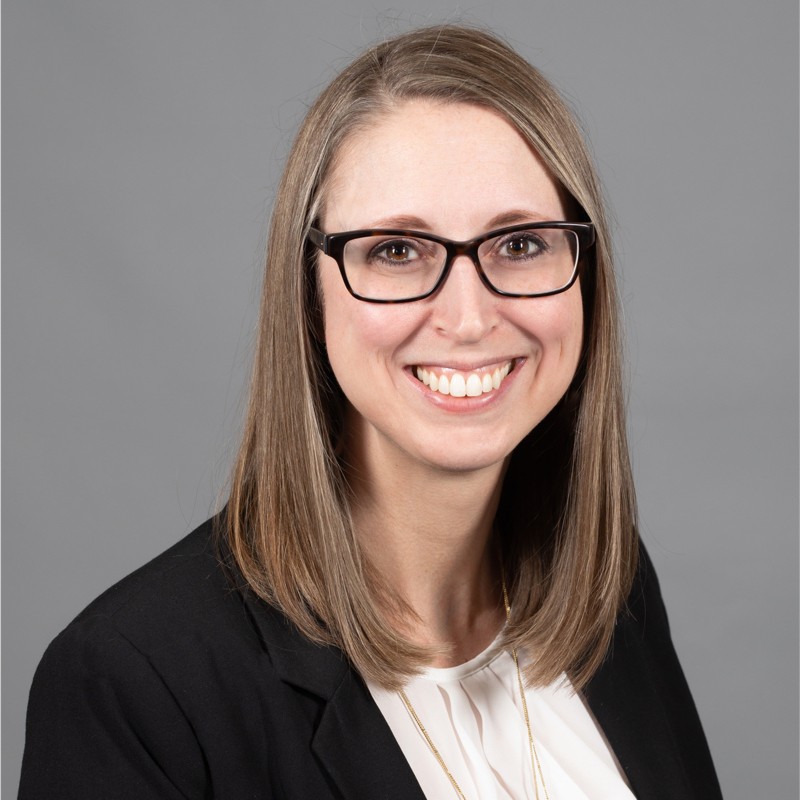
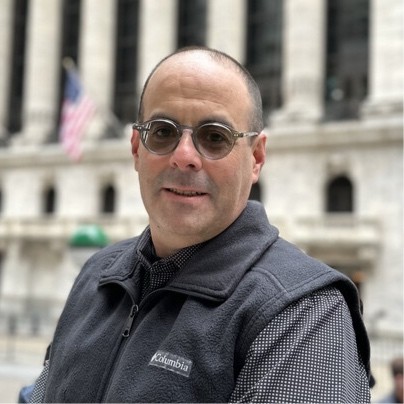

About this episode
Meet Our Guests:
- Benjamin Seal, Director, Global Treasury & Risk Management at Inotiv, bringing a unique perspective on treasury leadership shaped by healthcare, process transformation, and global treasury experience.
- Sabrina Janulis, Director of Treasury at Baxter International, known for leading treasury transformation initiatives and championing relationship-driven career growth.
- Brian Gittelman, Deputy Treasurer at Kapitus, sharing insights on treasury strategy, financial services, professional networking, and technology implementation.
In this live panel discussion, the guests explore how treasury careers are often shaped by unexpected opportunities, strong professional relationships, and continuous learning. The conversation covers transitioning into treasury from different professional backgrounds, implementing treasury technology, managing banking relationships, and developing leadership skills that support long-term career progression.
The panel also shares practical advice for treasury professionals looking to grow their careers, including how to advocate for yourself, leverage networking opportunities, and stay open to new experiences that expand your skill set.
What We Cover in This Episode:
- Why treasury careers are rarely linear
- The role of networking and mentorship in career progression
- Treasury transformation and implementation
- Managing banking relationships and reducing banking complexity
- Treasury technology, AI, APIs, and data readiness
- The importance of process improvement and cross-functional collaboration
- How treasury professionals can position themselves for promotions
- The value of certifications like the CTP
- Practical strategies for advocating for yourself professionally
- Why curiosity and listening are critical leadership skills
- Lessons learned from treasury leadership during COVID
- The importance of understanding end-to-end treasury processes
—
🎙️ Subscribe to the Treasury Career Corner podcast – Never miss an episode! Subscribe on your favourite platform:
CLICK HERE for 🎧Spotify Podcasts
CLICK HERE for 🍏Apple Podcasts
🎓 Exclusive discount on CTP & FPAC – Visit our AFP partner page to find out how much you can save: https://treasuryrecruitment.com/partners/afp/
💡 Earn CTP credits just by listening – Selected episodes of the Treasury Career Corner are AFP-accredited. Listen, take a short quiz, score 80% or more, and we’ll send you your free certificate. Filter by CTP Eligible at https://treasuryrecruitment.com/podcasts/
🌍 EuroFinance International Treasury Management – September 16th-18th 2026, Barcelona – The world’s largest treasury event. Save 10% with our exclusive discount code: MKTG/B/TRP10. Book here: https://treasuryrecruitment.com/partners/eurofinance/
👉 FIND OUT MORE HERE https://treasuryrecruitment.com/partners/
Mike Richards, CEO, The Treasury Recruitment Company: This week’s podcast was recorded live at Careba Live in 2026. Three great guests, Ben, Sabrina, and Brian. Have a little listen to them first, and then we’ll get on with the show.
Sabrina Janulis, Director of Treasury, Baxter International Inc.: And so I had to come in and kind of be the bad guy, but I was okay with it because I always explained to my team that if you issue a payment that ends up being fraudulent for some reason because you don’t know exactly what’s going on.
Sabrina Janulis: And by the way, a vendor master file change and banking information, that process is a well-controlled process and it’s in place on purpose. And a manual payment means that everything’s manual that goes with it. The accounting is manual. The payment entry is manual. The collection of information is manual.
Sabrina Janulis: And I just made it very clear to my team, you know, if you do something and it ends up being bad, like I can’t stop you. But what I can say is if we come in and we have to be the bad guy to change the process and put in the control, that’s a defendable move. And I know that my boss and the head of internal controls and everybody else is going to be okay that I’ve maybe made some people in legal mad because I can explain why I’ve done it.
Benjamin Seal, Director, Global Treasury & Risk Management, Inotiv: Well, I say it’s because I jumped around because of adult ADHD. I got to keep moving and being curious. And that’s one of the things that for me, to quote the great Ted Lasso, be curious, non-judgmental. And what I bring is the aspect of being able to take back and look at the process and how to develop it and not be judgmental to why they’re doing it the way they’re doing it at the time.
Benjamin Seal: And I think that’s one of the rest of where there was like you’re always moving and trying to re-innovate and you have to be adaptive. I think that’s really what helped me exceed in my career with Treasury is because I can adapt on the fly. The fact that if I can’t find the solution to the problem, I can step away.
Benjamin Seal: And that’s why I like Treasury too is because I can turn around and go to another department and help them out with something and then integrate that in with Treasury. So and then I can always go back to that problem and it’s easier to find that solution. And it also allows you to work with other departments and pick their brain too.
Brian Gittelman, Deputy Treasurer, Kapitus: I think that is one of the things that allowed me to stand out. And the other thing I’d say is, hey, be easy to work with. I mean, one of the things is you want to earn a reputation that if somebody has a problem or an issue, you help solve it and be easy to work with, approachable, and build that reputation early.
Mike Richards: There you go, some great quotes from those guys, which tells you exactly why you should be listening to today’s show as always. I just introduce them a little bit more. I’ve got Ben Seale, Director of Global Treasury and Risk Management at Inotiv. I’ve got Sabrina Giannoulis, Director of Treasury at Baxter International, and Bryan Gitelman, Deputy Treasurer at Capitas.
Mike Richards: Three great guests live on stage for a panel, Careba Live over in Vegas. Great session. Really enjoyed it. We talked a lot about things, uh, you know, their treasury careers and everything else, the march of AI, how they’re filtering through it, the rest of their treasury lives, the lot. So I hope you enjoy it.
Mike Richards: Let’s get on with the show. Thank you very much. This is what I do. I talk to you guys. My main job is as a treasury recruiter, so I help you find new opportunities, new roles. In addition to that, I also do a podcast. A lot of people go, “Oh, you do a podcast? What, couple of them?” No, we’ve now done 425, 250,000 downloads, but more for you guys in this room, you get CTP credits for listening.
Mike Richards: Yeah, now you’re looking, aren’t you? So that’s the team. I’m gonna introduce my panel in a second. This is the… gonna be the structure of the session. But before I do that, I’m actually gonna ask you, a few of you I can see looking down at your phones, I wonder if your company’s paying extra for the time you’re giving them.
Mike Richards: Are they investing in you? by you looking at these guys, giving your energy. So first of all, I’m gonna get, well, I’m gonna get each of my panelists to introduce themselves. We’re gonna go through their treasury careers, how they started, where they are now, and where they see themselves and the treasury profession going to next.
Mike Richards: There will be chance for Q&A at the end. We’ll run to time as well. And then we’ll do some takeaways. So firstly, lovely Sabrina. We told her not to do karaoke, but there is a danger.
Sabrina Janulis: But I’m really good.
Mike Richards: Yeah. There you go, see? Well, there- there’s a word about it now.
Sabrina Janulis: I am really good.
Mike Richards: Oh, there you go.
Sabrina Janulis: So I’m Sabrina Janulis.
Sabrina Janulis: I’m a director of treasury at Baxter International. I manage our Americas and APAC cash management teams and also treasury operations. Um, started my career at Deloitte. I did five years in their forensic and dispute group doing fraud investigation, litigation support, and then moved to Baxter. I’ve been with Baxter for about 15 years, and I went– I moved into Baxter in audit, then spent two years there, went into internal controls, then from internal controls was asked to take a role in our business transformation office.
Sabrina Janulis: We went through a divestiture in 2015 and had a lot of cost reduction that needed to be done as a result of that divestiture, and so I was leading our key operating expense reduction project. And then in 2020, I had twins, so in February, right before the– everything shut down. And when I returned from maternity leave, I got a phone call from our treasurer.
Sabrina Janulis: I’d never met her before. She was new six months prior to that. And she said– she started giving me a hard sell on a role, a treasury transformation role, and she s- at the end of it, she said, “And the role is yours if you want it.” And I said, you know, “I’m, like, shocked. I don’t– I’m surprised. I’ve– we’ve never met each other.
Sabrina Janulis: I don’t even know why you’re calling me. I don’t know treasury. I don’t know cash. I actually don’t know anybody on your team, and I’ve been here for ten years.” And so– And she said, “Well, that’s actually exactly why I called you, is because I’ve heard your name. I’ve heard really great things. A lot of leaders really support you, and I’m looking for somebody who can bring that cross-functional alignment and work well with others and help lead a transformation so that people do know who treasury is.
Sabrina Janulis: And so I took that role, and it was a lateral. And actually, at the time, I was in a position where I was possibly gonna be promoted into a director position, but I gave up that promotion to take this new opportunity because I knew it was a skill that I would learn, something brand new. The promotion was gonna be in audit.
Sabrina Janulis: I kind of hated audit, so it, it wasn’t that b- big of a decision, I would say. And so I, you know, took a leap of faith, moved into treasury, and after two years doing transformation, I led the Kyriba implementation in that role, and then also did some… We were, we did a big finance transformation with all of the other functions, and my boss at the time, who was the director, left the company, and I was then offered her role, and so that’s how I came into the role that I’m in right now.
Sabrina Janulis: And I will say, when I came into treasury, I was very much like, “I’m not a treasury per-” Like, every time, every time I got on a call, I’d be like, “I’m not a treasury person, I just wanna, like, make sure everybody knows.” Like, there was a lot of, like, imposter syndrome. And I thought I would only be in treasury for two years, so it was, like, very shocking to m- me when I took the role that was, like, a real treasury role, and then all of a sudden I couldn’t tell people I wasn’t a treasury person, ’cause then I was a treasury person.
Sabrina Janulis: And so now I’ve been in this role for about three years, or four years. I’ve been in treasury now six years. So it’s been the best career decision that I’ve personally made. Fantastic. Unexpected.
Mike Richards: So we’ll pass across to Ben. Ben will introduce himself, and Ben has been on the podcast, so you can catch up with his story as well.
Mike Richards: But Ben, over to you.
Benjamin Seal: Yeah, well, thank you for the introduction, and thank you for joining the panelists, and thank you firstly to everybody coming and showing up today, and who’s gonna listen to the podcast in the future. But my name’s Benjamin Sill. I’m the director of Global Treasury and Risk Management for a company called Inotiv.
Benjamin Seal: But I always say that my career path’s a little, little bit different than everybody else, and as you speak to people in your network, you’ll find out nobody’s, typically nobody has that linear pathway. But for my pathway, it’s more like a, a child took a crayon, and you, you said, “Draw a l- a straight line,” and then he hopped on a, uh, a rollercoaster.
Benjamin Seal: So it’s all over the place, and the reason why is ’cause I have a background also in the medical field. I had come out of school, I was an emergency medical technician, I became a respiratory therapist, but it, my segue into the treasury space was I started in accounts receivable as an account analyst, and I transitioned into another company managing their, well, basically business analyst in their shared service department, then credit manager and director of shared services, and for, for a company called Synveio.
Benjamin Seal: Uh, we went through a, a restructuring, but prior to restructuring, they wanted to restructure their treasury department, and my boss, boss’s boss at the time asked me to come in a- and take over the department based on my process improvement achievements So I went through the whole entire process, loved it, glad I did it, and we did a lot of stuff during COVID.
Benjamin Seal: I think I always say that if you lived through COVID as a treasury professional, you probably added 20 more years to your life. Like it was just bad. Like, and the experience, ’cause I’ve been in treasury now for going on 10 years, and I, I do feel like it’s been like 20 years just because of COVID. And I’ve always typically been a, a department of one, so I, I three years ago transitioned to Inotiv, which is a life science contract research organization based out of Indianapolis, Indiana, and I’m ro- remote based, but it’s probably been the best decision I’ve ever made ’cause I never had that global aspect to touch the EMEA and Netherlands and various other countries in that, and that’s really greatly improved my understanding of, you know, global banking as well Uh, and like I said, it’s been the, probably the best transition I’ve, I’ve made and I, I love the company, love the people.
Benjamin Seal: And that’s the best thing is if you find a company that you have great employees, great bosses, it just makes a difference.
Benjamin Seal: Cool. All right, hand over to Brian.
Brian Gittelman: All right. Hello, all. Pleasure to be here on the best treasury podcast in the world.
Mike Richards: Thank you. I am paying him for that.
Brian Gittelman: Uh, Brian Gittleman. I’m de- deputy treasurer for Capitus.
Brian Gittelman: We’re a small business lender based in Times Square, New York City. We extend credit or, or loans to small businesses. We usually fill that up in a, in a, in a warehouse, and we ABS those deals out. We’ll usually issue one or two deals a year. We’re working on one now. How I got into treasury was, well, I was a, a finance major, and I got in my head that I wanted to be, um, a, an attorney, and I went to, to law school, Villanova Law School, right outside of Philadelphia.
Brian Gittelman: And I was there, I lasted about a semester. But I, I thought, you know, let me go back to basics. Let me try to find a finance job, and I was lucky enough to land with an organization, a large food service company called Aramark, as a banking analyst. And I’ve been in treasury longer than I care to admit, but I was earning my keep, probably saving 300K a year, getting paid substantially less at the time because, like I said, I’ve been in treasury for a long time.
Brian Gittelman: After one of my colleagues had, had left for a, uh, a, a chemical company called FMC Corporation, he invited me to, to come along with him after, after him being there a few months. He felt there was a, a need for some strong cash management. So I, I, I went over to FMC Corporation, and we really went from a mid-tier diversified chemical company to one of the largest, uh, agricultural chemical companies in the world.
Brian Gittelman: So to, to be with a company during that growth period was certainly an experience. After– On the, on the path for, for FMC Corporation to become a focused ag chemical company, one of the things that they decided to do was spin off their lithium division, and I was tapped to stand up the treasury organization at a concern called Livent, which is now part of Rio Tinto.
Brian Gittelman: And it, it– that was probably where I had the most hands-on in, in, in building and implementing a treasury management system, as well as coming up with policies, controls, et cetera. After being in startup land for a few years, I was, had an opportunity at a very large insurer, which Chubb Insurance. I, I, I took that role and there was…
Brian Gittelman: I could see some, some restructuring going on. And, and one of the things that I did, which, uh, allowed me to parlay my experience into working for, uh, a finance organization that, that lends out money is I, I took a certificate program through, through, through Wharton to, for, for fintech, and that allowed me to become a deputy treasurer over, along with other experience at Capitis.
Mike Richards: Nice. We’re gonna come- we’re gonna explore with each of the panelists how they’ve made their career moves. Will it moves? There you go. So we’ll come back to you, Sabrina. So with you, you were a forensic accountant into treasury. Natural step, obviously. But joking aside, what transferable skills did you find that you brought from that?
Mike Richards: And then again, for this audience listening, you know, they’re- they might move from accounting. What are the things that you kept with you, if you like
Sabrina Janulis: So I do h- so I have a CFE, so a certified fraud examiner. I’m also a CPA, and then most recently now a CTP. So we were joking, like I like to collect letters.
Sabrina Janulis: Yeah. And I would say the biggest thing… So Baxter had people in their treasury department historically that were in their treasury department for many years, and what that means is that some of the processes stayed the same for many years. And none of them, they all were treasury people at the core, so they did their entire career in treasury.
Sabrina Janulis: So the thing that I think I was able to come in and add value is I do have a background where I am skeptical, and I also understand a control, like what a good, solid control environment is. And so an example is when I came in, you know, there were a lot of manual payments that certain teams relied on us to make because we were th- they were their friends.
Sabrina Janulis: It wasn’t because there was a good reason that we were necessarily doing them, it was just that was what they were allowed to do. And so I had to come in a- and kind of be the bad guy, but I was okay with it because I always explained to my team that if you issue a payment that ends up being fraudulent for some reason because you don’t know exactly what’s going on, and, and by the way, a vendor master file change and banking information, that process is a well-controlled process, and it’s in place on purpose.
Sabrina Janulis: And a manual payment means that everything’s manual that goes with it. The accounting is manual. The payment entry is manual. The collection of information is manual. And I just made it very clear to my team, you know, if, if you do something and it ends up being bad, like I can’t stop you. But what I can say is if we come in and we have to be the bad guy to change the process and put in the control, that’s a defendable move.
Sabrina Janulis: And I know that I, that my boss and the head of internal controls and everybody else is going to be okay that I’ve maybe made some people in legal mad because I can explain why I’ve done it. And so I think that was one of the biggest transferable skills or things that I was able to bring to the team that kind of made things better and was able to improve processes and definitely make audit and internal controls a lot happier when they came in and did our SOX testing and stuff.
Sabrina Janulis: Yeah.
Mike Richards: So with you, Ben, you’ve got a quite different background. You c- you went very quickly past it. Could you explain for the audience, so you were, you were actually a therapist as well within respiration, and you did that differently, and then you came into treasury, so accounting into that, and then what…
Mike Richards: How come? You know, w- what about your career ladder? How come you’ve fallen in love with treasury?
Benjamin Seal: Well, I say it’s ’cause I jumped around ’cause of adult ADHD. I gotta keep, I gotta keep moving a- and being curious, and that’s one of the things that for me it’s, it’s, uh, to, to quote the great Ted Lasso, “Be curious, non-judgmental.”
Benjamin Seal: And what I bring is the aspect of being able to take back and look at the processes and, and how to develop it and not be judgmental to why they’re doing it the way they’re doing it at the time. And I think that’s one of the respiratory therapist, like you’re always moving and trying to re-innovate and, and you have to be adaptive.
Benjamin Seal: And I think that’s really what’s helped me exceed in my career with treasury is because I can adapt on the fly. A- And even that with adult ADHD, I joke about, is the fact that if I have a… I can’t find the solution to the problem, I can step away. And that’s why I like treasury too, is because I can turn around and go to another department and help them out with something, and then integrate that in with treasury.
Benjamin Seal: So, and then I can always go back to that problem, and it’s easier to find that solution, and it also allows you to work with other departments and pick their brain too.
Mike Richards: And I know that you’ve also partnered with the business very well as… And you’ve, y- you’ve moved industry recently. So you were in envelopes and everything else, and now you’re in sort of…
Mike Richards: Well, just explain the past couple of companies and- Yeah … how that’s different in treasury terms.
Benjamin Seal: Yes. When I first started off, it was then you could actually manufacturing with, with a powder metal injection. But with, with- The treasurer one with that, it was with Cenveo, so it was a leading manufacturer of envelopes in North America.
Benjamin Seal: And, you know, I told Mike too, you know, with manufacturing, a widget’s a widget. You know, it’s easy to kind of cash flow and you know your, your ins and your outs, but when you go into a life science organization, which is a contract research organization, it’s more for biotech, it’s more scientific, and you’re working with excellent, brilliant people.
Benjamin Seal: But because of the, kind of the, the lumpiness of some of the collections and stuff, you have to do a little bit more diving on the cash forecasts, disbursements are a little bit more different than you would with a manufacturing. So it’s different. I really like it. It’s, like I said, I’ve been there for three years and it feels like day one.
Benjamin Seal: I learn something every day. I’m never the smartest one in the room, and everybody’s always willing to provide the education about the company, the science, and it just, it’s just amazing.
Mike Richards: Thanks, Costa. Brian, with, Brian, with your career, you’ve gone from analyst all the way up to deputy treasurer so far.
Mike Richards: We’ve got a room here of a lot of people at earlier stage of their careers. What are the moments that, you know, that stand out for you, the pivotal moments that perhaps other people should think, “Oh, I should do that,” or what were the, what were your bits?
Brian Gittelman: Sure. So when, when I came into, into treasury, I liked it.
Brian Gittelman: I, I liked th- what I was doing. I didn’t want to analyze bank fees forever. But I did like being e- exposed to the capital markets side of, of treasury, the, the cash management, liquidity, forecasting. I liked all that, and even though my focus was on, on, on bank fees. So I ha- Since it was a place I wanted to be, I, I thought to myself, okay, I had just finished up an MBA, so a- after dropping out of law school, I did continue my education, just, which I think is important.
Brian Gittelman: But with finding treasury, I, I committed to… I was in study mode and I said, “You know what? Let me, let me do the CTP now.” And I, I did that shortly after I received my MBA, and I really think that allowed me to learn more about just j- more than what just my company’s treasury department look like, what other treasury departments can look like, and the breadth and depth of, of the treasury function.
Brian Gittelman: And I think that is, is one of the things that allowed me to stand out. And the other thing I’d say is, hey, try, be easy to work with. I mean, you, you… One of the things is you, you want to, you want to earn a reputation that if somebody has a problem or an issue, you help solve it. And be easy to work with, approachable, and build that reputation early
Mike Richards: And we’ll stay with you for a moment.
Mike Richards: Y- when you went to one of your previous roles, Arcadium, you’d gone in, there was a blank sheet of paper. What was your checklist? We talk a lot on the podcast each week with people who’ve gone into roles, and they’re like, “Right, we’ve gotta get this right.” Is it the cash, foreign exchange, or what are the, you know, Sabrina was just talking there as well.
Mike Richards: You know, are those are the right things to do? What would you say?
Brian Gittelman: I would say that one of the first things that you’d, you’d wanna set up, especially if there’s any complexity to the organization, is a treasury management system. And we’re… Yeah, so that was one of the first things to implement. The other thing is you wanna choose a good banking partner.
Brian Gittelman: From my experience in working with many banks at the larger company that, that was spinning off Livent, then Arcadium, Lithium, I, I, I had preferences on which systems that I, I liked working with, which bankers I liked working with, and I was able to carry over my past experiences, again, getting back to who was easy to work with, what portals were easy to work with, what technology was easy to work with, who created that easy to work with and approachable reputation with me, and that’s, that’s who I wound up giving business to as far as banking.
Brian Gittelman: Of course, policies and procedures, that’s… You, you can’t just copy and paste policies and procedures from a larger organization into a smaller one. That has to be… There’s different risk tolerances. There d- there’s different cost of capital. There’s all sorts of different other considerations to make. But we were fortunate enough to have, there was a major accounting firm that was involved in, in the split, so to speak, or the spinoff, so they were there to assist as well.
Brian Gittelman: But I, I, I know who I wanted to work with. I know what we needed, and, uh, I think that was pivotal in
Mike Richards: standing treasury. Okay. We’ll come back to Ben now. Um, Ben, we’re here at Caraiba Live, technology, lots of different vendors in the room. There’s lots of tech chat, particularly at the moment, the advancing of…
Mike Richards: How do you see through it? How do you filter through all the noise that’s coming through for you as a treasurer? And then we’ll do the same to yourself, Sabrina, as well, so No, I’m good. I’ve done this before.
Benjamin Seal: Yeah. Yeah, I can tell. I close something like that every week. That was good. Uh, I don’t know, it’s really just to kind of networking with all individuals and kind of listen to the webinars and, and stuff.
Benjamin Seal: That’s how you feed through what, what’s best for you. So you listen to the information, and I would say, too, you have to know the past in order to know where you’re going. So you have to have the data there to be able to even, you know, take advantage of that technology, especially with AI coming. If you don’t have the technology or the technology like Kyriba with the historical data, you’re gonna be behind the eight ball, and that’s where you get
Benjamin Seal: you gotta get it going. But yeah, it’s networking, speaking to the vendors, getting, gaining the information. I mean, at lunch I was speaking to an individual that does banking for MEA as an advisor. That’s one of our next step is doing a cash pool system, but I didn’t know how to set it up. I’ve never had that experience.
Benjamin Seal: So just doing that, then she can provide that guidance to me now to how to do that. So it’s very helpful.
Mike Richards: Serena, and we will ask you, Brian, the same question, because, I know, because you’ve got some good views on it, so over to you.
Sabrina Janulis: I would say w- I, I mean, I’m skeptical, I already said that. I would say one of the things that I always try to do when I’m, like, looking at new technology is ask a lot of questions, and also ask, “Okay, in order for this to be successful, what is the level of information or data that is required?”
Sabrina Janulis: Because I will say, even when we did implement Kyriba originally, we had a lot of delays in that project going live because nobody told us, in order for this to be successful, you need X, Y, and Z first. And so then we kind of got caught up in, in a lot of delays because we were having to fix things that we didn’t know needed to be fixed until we were in the middle of the project.
Sabrina Janulis: And also understanding that, like, when you’re being presented a new technology, whether it be by a consultant or the technology company itself, they’re gonna show you the best case scenario. It’s filtered information. It’s they’re gonna press a button, it’s going to work perfectly, and that is not the reality.
Sabrina Janulis: So, like, understanding that sometimes it looks pretty, but y- you can’t always trust that’s how it’s gonna work when you move forward. So just make sure you ask a lot of questions, and get other people’s feedback, and ki- and know who your, who the people or groups are that you can ask for information. I think treasury is a very lucky
Sabrina Janulis: Like, one of the things I love about treasury compared to the other roles that I’ve been in is that- There’s a big external network, and so you can go to your banks and they’ll, they’ll tell you advice for free. Now what I’ll say is we did a global cash pooling, notional pooling presentation. We asked three banks to come and present to us on it last year.
Sabrina Janulis: All three of them recommended something completely different from the other ones, and I would say , you know, after the first one I was like, “Okay, yeah, this makes sense.” And then we went to the second one and I was like, “Well, this makes less sense because they’re saying the opposite of what that one said.”
Sabrina Janulis: And then I got to the third one and was like, “Well, that’s… I didn’t know there was a third option for this.” So you have to kind of also understand the place that those people are coming from. If they’re trying to sell you something, they may be tailoring it to that. But at the end of the day, they will come and consult for you for free, which is not normal, I would say, in other industries.
Sabrina Janulis: You’re not gonna find a lot of free help. And then there’s also peer groups and things like that that you can kind of reach out to or through Kyriba. I know I’ve done a lot of referral calls for the consultants that implemented Kyriba and for Kyriba itself, and those are ways, like if you wanna be connected with somebody, you can go to those people as resources to just say like, “Hey, I just wanna talk to somebody who already does this and see how they made it work.”
Sabrina Janulis: And just, like, understanding who are your resources I think is the best thing you can do.
Mike Richards: Pass on just to you, Brian, but just before we do, one of my upcoming guests actually who I’m interviewing in Luxembourg later this year, Jean-Philippe Dewalle, international treasurer at Johnson Controls He said, “Mike,” and we were doing a session a few years ago now, and he was saying, “If you employ a new person, you take references, right?”
Mike Richards: I was like, “Yeah, we do them for people and our clients.” And they said, “If you’re bringing in a new treasury system, how many references do you take? How many past customers are there?” It’s not their, their, you know, their pinnacle clients and, yeah, they’re great and stuff. Who else do you ask? Because a lot of people just go, “Oh, yeah, well, this is a really good system.
Mike Richards: Looks really great.” Exactly to your point. And he was saying, “Yeah, reference them. Get at least two or three of their customers. What’s the good, bad, and the ugly?” And that was one of the key things he brought up. Brian, over to you.
Brian Gittelman: I would say, s-sure. I would say talk to people, and that’s, that’s echoing what you’re saying, Mike, Sabrina, Ben.
Brian Gittelman: It’s– There’s a lot of resources. There’s a large community that you can be a part of. There’s, there’s the national organizations. There’s regional organizations for treasury, which I find great value, and there’s, there’s membership organizations as well. I would say talk to people. I’d also use the old adage, you know, if, you know the insurance company, if, if you’re not using somebody certified, they’ll make you get three quotes.
Brian Gittelman: And I think that once you start seeing the different offerings for tech providers and banking services, what-whatever the case might be, you start getting more and more insight on that. I think it’s important to, to come to conferences, networking events, and also stay well-read when you are by, uh, looking at tech stack.
Brian Gittelman: I’d also say you, you wanna see everything can be integrated, but at, to, at, at what cost? Are, are there preexisting APIs between systems? That’s one of the big things that I am very cognizant of, especially seeing when, when there’s not out-of-the-box APIs, what’s involved.
Mike Richards: This podcast, as you may have worked out, has no sponsors, has no ads.
Mike Richards: Nobody pays me to record these episodes. I make it because I love corporate treasury, and I want to help treasury professionals just like you. If you’re getting value from this, there’s a couple of things I’d ask. Share it with your friends. Tell them about it, how you’ve enjoyed it. If it’s helping you in your treasury career, fantastic.
Mike Richards: But then maybe connect with me on LinkedIn. Mike Richards, I’m there. You can actually look me up. My URL is actually linkedin.com/mrtreasury or Mr. Treasury if you want to call it that. Hit connect, drop me a quick note, say you found me through the podcast on Apple or Spotify. I read every single message, and yes, I will reply.
Mike Richards: There’s no funnel, no sales pitch. It’s just a chance to say hello, stay in touch, and see what I can do to help. So anyway, let’s get back to the episode. And we’ll stay with you for a moment as well. What I will say, actually, before we… the next question, we’ve got about 10, 15 minutes left, so you are gonna get a chance to ask these guys some questions.
Mike Richards: So do think of them because you don’t often get the chance to actually quest- quiz some treasurers. Brian, we’re gonna just talk about banking relationships and ba- banking partnerships because I think it’s something that has been coming up from here and some of the people. How do you maintain those relationships with banks when you haven’t got too much going on?
Mike Richards: Say it’s a quieter period or unsettled And you’re still wanting to get, you know, keep on the good. They know there’s not much wallet share. How do you keep on going with those guys? What’s your secret?
Brian Gittelman: Well, I, I think you, you want to keep, first of all, y- you don’t want to put too much on your plate than you can handle.
Brian Gittelman: I know a lot of organizations are stuck with having 12, 15, 20 banks, and I understand that that might be the case at a larger organization because of acquisitions and whatnot. But I, I think a handful of banking partners will give you the diversification that, that you need, the appropriate comparison between strengths and weaknesses, and also better views into pricing as well.
Brian Gittelman: We usually, we usually have a, a cadence of … At, at one organization we, we had a bank week because we had so many bankers. They would come in once a week. I w- I would say with, with where I am at Capitis, since we do have so much going on and, and we don’t necessarily need to have a bank week or bank quarter where, where different banks come in for the whole, whole week, we, we are in constant contact with our banking partners.
Brian Gittelman: Yeah.
Mike Richards: Ben?
Benjamin Seal: Yeah, no, I mean, for us, we always keep at least an annual meeting in place, but I always try to meet with the rep at least quarterly, but it’s always touching base points because I’m always looking at ways of looking at process improvements for our banking relationships as well. So constantly staying in contact and seeing what, what divers- diversifications are there, what their viewpoints are, because like I said before is, you know, you never know where the solution can come from.
Benjamin Seal: So, and they’ve been in, they, they have other clients that they can refer to as well if you need assistance with items or any references. So just stay in contact with those reps on a constant basis. Tell them what you’re working on, and maybe they have a, might have a solution or a client that’s been through the same, same ordeal as well.
Sabrina Janulis: So at Baxter we have 80 operational banks. When I started in my role six years ago, we had 120, so we’ve done a lot of work. That was actually one of the big projects and things that I’ve been working on with my teams, is trying to reduce banking relationships, so we’ve made a pretty big effort. Only six of them are strategic from an operational standpoint, and then we have 12 that are in our revolver, and those aren’t…
Sabrina Janulis: The 12 that are in the revolver are not necessarily all in our operational banking. It be- does become complicated when I have a, maybe want to make a change to make things more efficient on the cash management side, but that bank is in the revolver. And so there’s a, there’s a push and pull, I think, from both teams, where we kind of have to make sure there’s an alignment from a strategy perspective.
Sabrina Janulis: But it can be rather challenging in a company, I think, as big as mine, and with so many, so much wallet share that we have to worry about. I’m interested, though, to find about, out about your bank week. Did you not let anybody come in except for that one week per year? Pretty, yeah, obviously. Here, you can.
Sabrina Janulis: Yeah. I want more.
Mike Richards: You can talk to him afterwards.
Sabrina Janulis: It’s not
Mike Richards: Q&A. I know. I know. The Q&A’s in a minute. Right. Sorry about her.
Brian Gittelman: Well, y- y- hey, you’re, you know, you, you get first dibs. So yes, yes, we had so many banks at the large insurer. We would dedicate one week, everybody had to be on site, and we had back-to-back meetings for a whole week annually.
Sabrina Janulis: And nobody, like 51 weeks out of the year, nobody came?
Brian Gittelman: Oh, well, no- Nobody came. … occasionally we would get called, or if we’re, if we were working on projects. But the, with… So a- and, and to your point, there, we had, we had really three, three strategic banks. The rest of them, a- again, were in the revolver or were for a special purpose because of various countries we were doing business in.
Brian Gittelman: But yeah, and it’s, it, it was, with so many, you had to schedule, and bankers would come in.
Mike Richards: Best way to do it. Yeah. So we’re gonna go to Q&A in a second, but one question to each of you. We’ll, we’ll go back from you, Brian, because you’ve got the microphone. Advice to your younger self, or maybe some of the advice that you give to…
Mike Richards: Again, we’ve got treasury professionals here coming up through the ranks and starting. What advice would you give to those guys? Maybe you do when you’re over a coffee, or your team, or maybe looking back at yourself. You know, what, what earlier advice?
Brian Gittelman: Looking back, uh, I… The advice that I would give, and I know that this isn’t for, for everybody, but I just feel that my network and the organizations I’ve been able to be a part of have increased exponentially once I started working for a New York-based company.
Brian Gittelman: The amount of people you can meet and organizations and fountains of knowledge that you can sip from, whether it be an industry-specific event m- or, or people that you talk to at, at rating agencies or, or in structured finance or at, at law firms or at the local treasury management group, which is extremely, which is extremely active in, in NYC.
Brian Gittelman: So l- looking back, yeah, I, I, I wish that I worked in NYC, uh, sooner than I did. The other thing that I’d, I’d suggest is it took me a while to find… I, I, I studied, I majored in finance and, and got my MBA in finance, but it’s, it’s so different working for a finance-based organization where we manufacture financial products.
Brian Gittelman: It’s… Everything is treasury related at a finance organization, where of, of course, treasury touches everything in any type of organization, but especially a, a financial services company. And I just, uh, I’m just r- really happy with, with the industry, being involved with that because it’s where my interests truly lie.
Mike Richards: Yeah. Ben? Your younger self or, you know, to some of the younger members of the audience, you know, that, or earlier in their career
Benjamin Seal: I feel like I could write a book on this, by the way. But mainly focus on, you know, being intentional with your experience or your, your knowledge, getting it, get your CTP, find a mentor.
Benjamin Seal: Network, and the big thing is find that net- that mentor to, to lead you and guide you, but make sure it’s the right mentor, too. Fit your personality, the one that actually has the experience, CTP, goes to AFP, goes to networking, that can help you along the way. ‘Cause there’s a lot of experience out there.
Benjamin Seal: It’s just find that right connection.
Sabrina Janulis: For me, it’s relationship building and the importance of it. So I always say that I’ve been very lucky at Baxter. Since I came into Baxter, every role that I’ve had in this 15-year journey, somebody came to me and said, “I want you for this role.” I haven’t applied to anything since then, and it’s not actually luck.
Sabrina Janulis: Really what it is is I built relationships, and even though I mentioned it at the beginning, I didn’t love my time in audit, but my time in audit was the real reason why I’ve actually gotten at least three or four of my roles since then, is because I went in and I approached audit differently from maybe others on the team, and I built relationships, and people actually liked me when I audited them, which was unique.
Sabrina Janulis: And so but really, like, if you, you can- nobody’s gonna advocate for you the way that you should be advo- advocating for yourself. And there’s a lot of importance in making sure that you do put in the time, that people like to work with you, and, and just knowing that, like, you don’t know necessarily who your next boss is gonna be or who will tap you on the shoulder.
Sabrina Janulis: So be kind and try to work well with others and volunteer for things. And, and the other, I guess I have one other thing, which is I- I, if somebody does tap me on the shoulder and say, “Hey, I think I have a role that’s really good for you,” I’m always open to listening to what it is, even though I don’t necessarily see why at the time.
Sabrina Janulis: Like the treasury one for me was like, that one completely threw me. I was like, “I don’t have, I don’t have a finance degree. I’m an accountant. I have an accounting bachelor’s and master’s, so I don’t even have that background. I’ve never done, like, true finance.” And it was a completely new thing. But also I knew that it was gonna give me a new skill and a new career that I didn’t have as an option before.
Sabrina Janulis: And so just be open to listening, because you just never know what your next good opportunity will be.
Mike Richards: So questions from you guys. I’ll grab this for a sec. Who’s got a question? Who, d- are they, oh, had to be right at the back as well. There you go
Unknown: Yeah, I guess my question would be, uh, so we recently had, like, our annual review, uh, and maybe our treasury space is competitive and everything, uh, but how do you position yourself for that next position or promotion, and how can you advocate for yourself the best?
Mike Richards: Great question. So who wants to take that first? One of you put your hand up. There– Yeah. Oh, Brian was first. There you go.
Brian Gittelman: One of the, one of the things that I think is important to do is if you don’t have a one-on-one with your, your, your manager, you should probably set one up, regular cadence, whether…
Brian Gittelman: Mi-mine’s every other week. At least once a month, I think that’s important. I think it’s also important to maybe once a quarter, every twice a year, something like that, have skip level me-meetings a-and touch points with your boss’s boss. One thing that I think really helps clarify what you’re working on and, and why you matter is between those one-on-ones, y-you come up with a list.
Brian Gittelman: “Okay, these are the wins from the last one-on-one, and this is what I’m working on.” And then you just keep racking up those wins. You save those. I usually– We have a, we have a system called… It’s a, it’s, it’s a tracking system that’s online. Or you can use, what, just put it on email. But you, you can take those, those documents, run it through AI, and it’ll put together a nice year-end writeup.
Mike Richards: Well, I’ll chip in here as well. Emma Hayward, who’s one of my past podcast guests, she’s great, from Dowlais Group, and I’ve talked about this on a couple of the podcasts since, and she’s a treasurer, and she measures her team and herself every week But what she does, she sits down, has a coffee with herself on a Friday morning.
Mike Richards: “Right, what have we achieved as a team this week?” Sends it, put it into, sends her an email, herself an email, what she achieved as a treasurer. Because there’s nothing worse, as she said, the CFO comes up to you and goes, “How have you got on this week? How have you got on this month?” And she’s like, “Whoa, hang on.”
Mike Richards: Like, because they’re just swinging by your desk. And actually she’s going, “Do you know what?” And as Brian said, she summarizes it on a monthly basis, just puts it in. Now you can use ChatGPT and everything else, puts it in there. And so this month we’ve saved this. This month we’ve reduced this cost. And they’re like, “Oh, wow.”
Mike Richards: Because you’ve actually given it some, some value, if you like, and given it some clarity. So that’s one of the, one of the other ways that I think that people have done it. Now, I think we can, you can do questions afterwards. I’m gonna let you do that because I do wanna run to time, ’cause otherwise look at Steve.
Mike Richards: He, yeah, he gets angry. Yeah, yeah, watch him. But we’ve got some great takeaways for you. So Sabrina, we’ll come to you first of all. Grab the microphone so it’s like-
Sabrina Janulis: I don’t remember what
Mike Richards: I said here. No, no, well, you can sort- Oh. Just make it up. Have a read. Just, y- you got… There you go. There… I’ve, I’ve got it up there for you.
Mike Richards: Just-
Sabrina Janulis: Okay. Yeah. Oh, well, yeah, so don’t… Yes, don’t chase the promotion, number one. There have been a few times where I have taken lateral moves. Treasury was one of them. And be open to understanding what a la- what skill or new thing you can learn that will just make you more valuable in the future that can kind of tack on to the skills that you already have.
Sabrina Janulis: A promotion is one way to get new opportunities, but trying something new is another way, and so it, it does work out sometimes. It’s not always maybe, but in my experience, it worked out very well.
Brian Gittelman: There’s
Mike Richards: two
Sabrina Janulis: Oh, yeah, and then, yeah, I guess the other one is, is I think a lot of people do tend to sometimes understand their part of a process, but they don’t necessarily understand how the thing, how it flows end to end in other areas that are, that it’s touching.
Sabrina Janulis: So like in treasury, you’ve got cash on both sides, the accounts receivable team, the accounts payable team. You’re also starting with an invoice. Trying to understand when you do something, who is affected by it? And I think the biggest example for in, in my role right now are the manual payments. One of the benefits of me saying we’re not gonna do manual payments anymore is that it pushes people to Coupa, which is our PO system, which automates the payment and the vendor master part and the accounting flows.
Sabrina Janulis: If I, if we do a manual payment, f- four other teams suffer with that manual payment along with us. And so, you know, understanding, like by making one s- one decision, you’re not only necessarily impacting yourself.
Mike Richards: Yeah, helping others as well. Yeah. So Ben.
Benjamin Seal: Two big items here. One is be a sponge. Absorb everything around you.
Benjamin Seal: Go to the networking events. Go to the conferences and, you know, just, just listen and absorb, ’cause you never know, gonna know where you’re gonna get the next idea for you guys. Uh, the next one’s gonna be for speak less, listen more Everybody wants to talk, but you don’t learn anything that way. It c- it can go right through one ear and out the other.
Benjamin Seal: So you just got to continusly- continue to listen to people that’s underneath you, above you, j- because you never know where the next idea’s gonna come from. And then I’ll add a third one just to kind of reinforce the question before was just advocate for yourself. That’s the big thing, just advocate for yourself.
Benjamin Seal: You want the next promotion, advocate. Take daily journals, put down what you’re, you’re doing that day, and then when they’re com- accomplished, mark it off. That’s the greatest feeling in the world is when you mark off a goal.
Brian Gittelman: All right. Well, I did have… I initially had seven takeaways, but-
Mike Richards: You did. Yeah. Oh- I, I know
Mike Richards: but we only had an hour.
Brian Gittelman: Yeah, we only had an hour. So a- again, I think if you like treasury, if it’s where you wanna be, go for the CTP, hands down. I’d also say as far as, as, hey, deliver value to your, to your company. And if you need to build a raft or get certified in, in what- whatever you wanna specialize in or your, uh, industry area of interest, then do so.
Brian Gittelman: And also I’d, I’d say a- and I, I can wind up do- doing this too much in New York, being part of industry events and networking events and whatnot, but you still have to get your work done, right? So I try to limit that to maybe once a week.
Mike Richards: Yeah. He does. So that’s one of the things you hopefully you’ve been doing with the guys w- you know, past few days.
Mike Richards: Talk to people and actually… Well, it comes back to Ben’s as well. It’s about listening with purpose, but not just for yourself, actually to help them and build your network. That was one of the key bits. When you go away from this conference, the worst thing you can do is just… When I was connecting with people the past couple of days with LinkedIn, I was going, “We met, we spoke about this,” and people are, “Oh, wow, you know, you’ve actually remembered it.”
Mike Richards: Actually show an interest. So it goes back to the first bit. Don’t just go, “Oh, LinkedIn connect” without a message. Don’t do it on your phones. You know, in fact, it’s getting better on phones with LinkedIn, but then you can build a network because that network will help you. Now, talking about that, we’ll finish on this is the challenge.
Mike Richards: So when you… You’ve still got a- an hour or so, couple of hours. There’s some closing drinks. You’ll Steve, Steve at the bar. That’s where, you know, he’ll be handing them out hopefully. But what I want you to do is make at least, before you go away, maybe even just as you’re walking out here, w- and next event you go to, and Brian does it very well, make a couple of connections because you never know what that’s gonna do.
Mike Richards: You know, what we do in our main events, you know, when we’ve done them in New York is we say, “You’ve gotta meet five new people.” And the people come up afterwards and they go, “Oh my God, I met five, I met eight people.” And actually it really helps your network. So without, without further ado, put your hands together for these amazing panelists.
Mike Richards: Thank you. Come on. On to time. Thank you very much Thanks. Thanks for tuning in to another great episode. You really enjoy it. Thank you very much. You make it worthwhile, us recording them with these amazing treasury professionals right the way across the world, from the US, across the UK, across Europe, and there’s lots more exciting guests to come and lots more live events.
Mike Richards: We love delivering this content. We get asked now, “Is this what you do? Do you just do content? Do you just do…” No. The reason we do the content is to get to know you guys, to give you back the tips for success, if you like, but we’re here to help you hire someone. If you need to recruit, call us. Because at our heart, we are a treasury recruitment company.
Mike Richards: That’s how we pay the bills. That’s how we pay for the podcast, and that’s what we’re passionate about. We hear from you at events and things, “Can we also help you find your next great role? Can we help you hire?” The answer is yes. That’s exactly what we do. Yes, we do our treasury salary survey at treasurysalary.com.
Mike Richards: That helps us know exactly how to benchmark not only your salary, but also when you’re looking to hire, we know exactly what the market is paying wherever you might be, whether it’s the US, UK, or Europe. We wanna make sure that we are the best informed, that we’re not just finger in the air. We always know.
Mike Richards: If you wanna hire the best in treasury, don’t hesitate to contact us. Go onto the website treasuryrecruitment.com, or for the US, you can contact Joe Grabowski. Europe, contact the lovely Katie. For more senior roles and roles across the UK, reach out and contact me, or drop any of us an email, joe@treasuryrecruitment.com, katie@treasuryrecruitment.com, or mike@treasuryrecruitment.com.
Mike Richards: Let us help you make the hiring process as amazingly seamless and easy as our podcasts are to listen to. Thanks for your amazing support, and looking forward to seeing you at either an event or a conference very soon, or just give me a call. Let’s help you find the next role or recruit the next treasury professional.
Mike Richards: All right. Until next week. Many thanks.
- Strong professional relationships often create the biggest career opportunities
- Lateral career moves can build valuable long-term skills
- Treasury professionals benefit from understanding broader business operations
- Technology projects succeed when data and processes are prepared upfront
- Networking events and industry groups can accelerate career development
- Mentorship plays a major role in treasury career growth
- Being adaptable and curious is essential in modern treasury roles
- Tracking and communicating your achievements helps support career progression
- Treasury leaders must balance technology, controls, banking, and communication skills
- Listening and collaboration are often more valuable than having all the answers
🎧 Earn CTP & FPAC Credits by Listening to the Podcast
Whether you’re at the gym, on your commute, or walking the dog – you can now make your podcast time count toward your professional development.
We’re thrilled to share that Treasury Career Corner podcast episodes now qualify for CTP and FPAC recertification credits through the AFP’s Independent Study category.
How It Works:
- Listen to a Treasury Career Corner podcast episode
- Complete the short multiple-choice quiz
- Score 80%+ to pass
- Submit your credits to AFP as part of your recertification record
➡️ Credits earned per episode length:
- 30 mins = 0.6 credits
- 45 mins = 0.9 credits
- 60 mins = 1.2 credits
No filler. Just real treasury conversations covering leadership, strategy, risk, technology, and team building.
🧠 Quick Facts:
- 📝 Quizzes contain 6–10 multiple-choice questions
- 🎯 You need 80%+ to pass
- ✍️ Quiz submissions are reviewed manually
- 📋 We must then VERIFY you are a CTP treasury professional to help prevent automated or non-genuine submissions
- ✅ Once verified, we mark your quiz and send CTP credit confirmations every Friday
- 📨 If you need results sooner? Then email mike@treasuryrecruitment.com and we’ll try to prioritise the marking of your latest quiz
NOTE: In line with AFP compliance requirements, no more than two quizzes may be completed per day.
