
Say Yes More Often: Why the Best Treasury Careers Start with Curiosity | Treasury Careers Podcast
What separates good treasury careers from great ones?
According to this panel of senior treasury leaders, it often comes down to curiosity, reliability, and a willingness to say yes to opportunities before you feel completely ready.
This special live episode from our Dublin event features a panel of experienced treasury professionals sharing their career journeys, leadership lessons, and views on the future of the profession.
Meet the Guests:
- John James Dunne, Founder & Principal at Elevate Treasury Advisory
- Donna Foley, Global Treasury Director at Sandisk
- Rónán Clifford, Senior Director of Treasury and EMEA Treasury Lead at Honeywell
- Aimee Cullen, Director Global Cash at Carrier
Listen on:



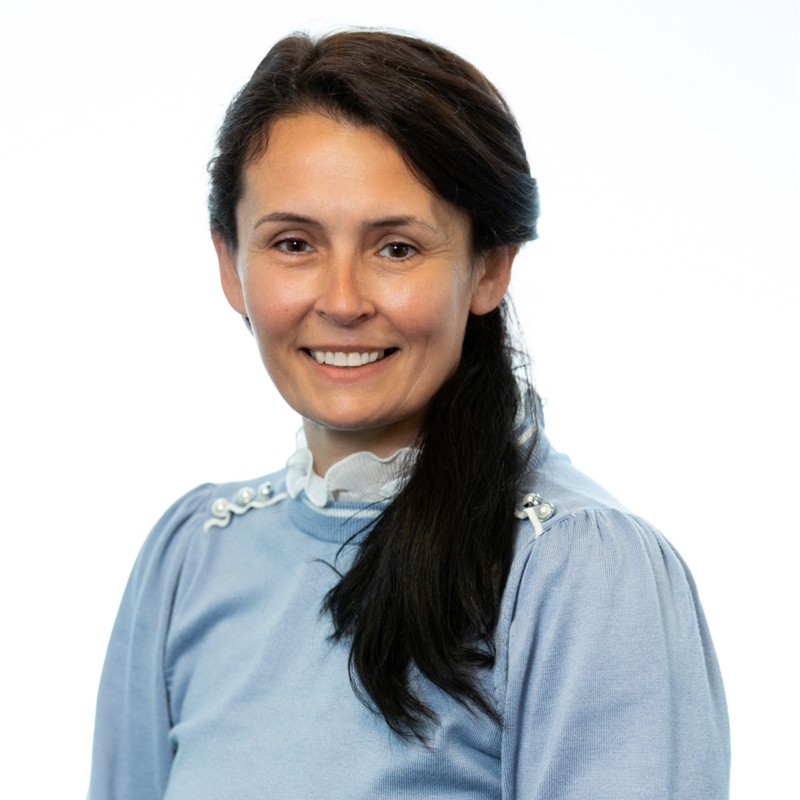
Featuring




About this episode
Recorded LIVE in Dublin, this panel discussion explores the realities of building a successful treasury career. The conversation covers career progression, professional qualifications, talent development, leadership, international opportunities, and the growing impact of AI on treasury teams.
The panellists share candid reflections on their own career journeys, including the opportunities they embraced, the challenges they overcame, and the lessons they wish they had learned earlier.
They also discuss what they look for when hiring treasury talent and why relationship-building, curiosity, and business partnering are becoming increasingly important skills for treasury professionals.
Key topics discussed:
- How each panellist found their way into treasury careers
- The role of treasury qualifications and professional education
- Why continuous learning remains important throughout a career
- Developing treasury careers within large multinational organisations
- The value of international assignments and global experience
- How to create opportunities for career progression
- Building credibility and earning a seat at the table
- What treasury leaders look for when recruiting new talent
- The importance of soft skills, communication, and stakeholder management
- Coaching, mentoring, and developing treasury teams
- Treasury’s role as a business partner across the organisation
- AI, automation, and the future of treasury operations
- Why treasury professionals must understand the business behind the numbers
- Lessons learned from working across different countries and cultures
- Career advice the panellists would give their younger selves
—
🎙️ Subscribe to the Treasury Career Corner podcast – Never miss an episode! Subscribe on your favourite platform:
CLICK HERE for 🎧Spotify Podcasts
CLICK HERE for 🍏Apple Podcasts
🎓 Exclusive discount on CTP & FPAC – Visit our AFP partner page to find out how much you can save: https://treasuryrecruitment.com/partners/afp/
💡 Earn CTP credits just by listening – Selected episodes of the Treasury Career Corner are AFP-accredited. Listen, take a short quiz, score 80% or more, and we’ll send you your free certificate. Filter by CTP Eligible at https://treasuryrecruitment.com/podcasts/
🌍 EuroFinance International Treasury Management – September 16th-18th 2026, Barcelona – The world’s largest treasury event. Save 10% with our exclusive discount code: MKTG/B/TRP10. Book here: https://treasuryrecruitment.com/partners/eurofinance/
👉 FIND OUT MORE HERE https://treasuryrecruitment.com/partners/
Mike, CEO, The Treasury Recruitment Company: This week’s podcast was recorded live at our Treasury Curriculum Live event in Dublin in May 2026. Four amazing Treasurers. John James Dunn, founder at Elevate Treasury. Donna Foley, Global Treasury Director at Sandisk. Ronan Clifford, Senior Director of Treasury and EMEA Treasury Lead at Honeywell. And Amy Cullen, Director Global Cash at Carrier.
And me interviewing these four… amazing treasurers live on stage in the heart of dublin it was a great session in fact have a listen to some of the quotes just to have a little feel of the episode.
John James, Founder & Principal at Elevate Treasury Advisory: So when i bring someone in for the interview stage i’m really looking for potential obviously to get in the door they’ve had a certain amount of experience and the skill set is there i’m looking for potential because i adopt a mentoring and coaching leadership style where i’m more than happy to roll up my sleeves bring the individual from point a to point b to understand the process, but more importantly, understand why they’re doing it. So if, let’s say, a treasury analyst comes to me and they want to execute a hedge out 12 months and it’s 25% bigger than the previous month, I say, well, why? And generally, you get a bit of a blank stare going, well, that’s what the system said. I want them to understand that there’s seasonality in the business or whatever the commercial rationale is, so that they’re not just following the process from A to B, that they understand it.
And that’s why I look for potential that they can absorb the learning from me, that eventually I can pass responsibility over to them. Of course, they can come back to me with questions, just like Ronan has said, or vent. But ultimately they get responsibility and that gives them the sense of satisfaction that they own the process from A to B and they don’t have a manager over their shoulder that they’re standing up independently.
Donna, Global Treasury Director, Sandisk:
I think part of what I always looked for was anything new that someone else didn’t know how to do or there was a problem with problem solvers.
Whenever there was an issue within the business that needed a solution. I would always want to be at least looking at it and coming up with suggestions. What I also found is that I nearly almost tried to automate my way out of roles, because by doing that, you’re also then becoming a little bit more value add to new roles.
So the more that you can almost build a scenario where you’re no longer required in a certain role, it makes you one of the key picks for the next jump up.
Ronan, Senior Director of Treasury and EMEA Treasury Lead, Honeywell:
I suppose I just want to pick up on something that Donna said. Absolutely, there’s an element of luck and getting stuck in certain projects. But what I always emphasize to my whole team, not everybody can work on everything.
The ones that are, let’s say, not working on the glamour projects, the ones that are doing the BAU, they’re still contributing. So it’s not necessarily focusing on what you aren’t doing or what big projects you are. Get the reputation of getting stuff done. That’s how you get the seat at the table. That’s how you get your bosses noting, getting the reliability that if I give person this and they say it’s going to be done by that day. that reputation isn’t vital and that’s how you get, sorry, that’s how I kind of view you get the seat at the table.
Aimee, Director Global Cash, Carrier:
So I went to course there, but for like nine of the 11 years that I was with change, I just could say yes to every opportunity and then wanted to come back. So I think, you know, the experience being in and embedding yourself in a new culture, a new community, you know, the preconceptions that you might have for Brazil is like what else is like. different from you there. I’ve been supporting the team on resilient investments. There’s nothing like that. I had the opportunity then to work in Argentina and support the Southern Code. So you have the theory of what’s going on in all of these markets, and it’s not the market. It gives you then the insight to actually challenge, particularly then having the opportunity at the corporate level saying, this makes no sense for them. And this is great for the US economy, single banks, whatever. This will work practically. So you just have those insights and then just build your own mindset.
Mike:
Welcome to this week’s Treasury Career Corner podcast, where I interview Treasury professionals about their Treasury careers. Each and every week, I’ll talk to Treasurers about how they build their careers, where they are now, where they see both themselves and the Treasury profession going to next. Let’s get on with the show.
Mike: What a great turnout this evening. Thank you very much for everyone showing up. I know it’s ’cause we’ve got a free bar later. But I’m not gonna hold that against you. We’re gonna enjoy it. I’ve got an amazing panel to join you tonight. So good evening, Dublin No, no, no, we’re not doing that. Come on, give it a bit more.
Mike: Evening, Dublin. Evening. Right, you’re awake because these guys have made this effort to come and, come and give you some of their treasury career journeys, some of their learning lessons, some of the different things they’ve been through, and share it with you guys. And you get to ask some questions in about 40 minutes.
Mike: We’ll do Q&A. We’ll then do a wrap-up, and then we will be going, heading out to the ferry. Remember, we’re in the private bar upstairs, so it means you can get to the bar. So don’t worry. But first of all, I put on these sessions. These are some of the things that we do. As some of you, a lot of you, I’m connected to on LinkedIn.
Mike: I’m a recruiter, but that’s then led to me doing things like these events where we give you career advice. It’s not just like, “Hello, got any jobs?” It’s about, do you know what? Let’s help you guys with your treasury career journeys. We do our salary survey. We do webinars, the lot. This is the team, do all the hard work behind the scenes and some front of house.
Mike: Now, these events would not happen without the amazing support of State Street, Chatham, Chrysalix, Gre- Coalition Greenwich. If you can all put your hands up, please. Let’s get, let’s see. Now make yourself at right. Now look around at these guys. If, if we weren’t, we, we wouldn’t have this venue without their support.
Mike: So when you go at the end, if you want to get a free beer, you have to say hello to these guys. This is the running order. We’re gonna get each of the panelists to explain from the beginning of their career journeys where they’ve got to now. And we’re then gonna go into a bit more about education, qualifications, what has played in their career journeys, what’s been key to their success, and where do we see it going to next.
Mike: Yes, we will do some technology AI, but not all evening. Uh, James would love that, I know, but we’re not gonna do that. Then we’ll do some Q&A with about ten, 15 minutes to go. We do have to finish at nine thirty because the security- At nine… Oh, sorry, Jackie. Did I say that? Oh, sorry. Sorry, seven thirty. Sorry. I wanted to give Jackie a bit.
Mike: She, she is awake. It’s great. There you go. Um, so yeah, no, at, we will be leaving at seven thirty, but you will, you will get to meet the panelists in the p- in the pub, ask them some one-to-one questions. So first of all, I’ll let each of you introduce yourselves. Grab your microphone and no karaoke.
John James: Good evening, everyone, and thank you, Mike, for the opportunity to speak here today.
John James: So for those who don’t know me, my name is Sean James Dunn. I’m a former group treasurer and former president of the ICT. I started my treasury career in IBM on a graduate program, rotating around various departments before moving into the dealing room. I then moved on to Grafton Group PLC, where I established their treasury function, implemented a TMS, and won an Adam Smith award.
John James: I took a brief stop in DCC with James, who’s in the audience here, uh, today. Most recently, I was group treasurer of Glen Dimplex, where I introduced a brand-new team, improved our processes, implemented a TMS, and I finished that role actually a few weeks ago, and I’ve just founded my own treasury advisory business.
John James: So, uh, looking forward to the new adventure
Mike: Donna
Donna: Not really sure how to follow that one. Um, okay. I, I have had a, I suppose my, my treasury career didn’t start as a wanting to go into treasury or even finance. Um, I wanted to go into sports science, and that was my trajectory. Um, I came over to Ireland, I was traveling, and then ended up in the bank, and then I stayed in the bank for 10 years.
Donna: Uh, got a bit of a taste then for, for something different. I went and did the masters in, um, the, the, the DCU Master’s in Investment Treasury and Banking, and then moved into treasury. Uh, I just, I grew up in, in Xerox, um, that was where I really went through all of the treasury analyst all the way through to treasury director role.
Donna: Um, and then very recently decided to move away from what I knew into, um, a new role in SanDisk, where I’m currently the, the global treasury director. All
Mike: right. Rona, over to you
Ronan: I just want to point out since, uh, she’s joined Sandx, your stock has jumped 4,000%. I don’t know if that’s serendipitous or- Good timing
Ronan: t- timing, timing. Yeah. Uh, and she’s also didn’t mention, but I’m the only non-IACT former president or president, uh, I’m, uh, a- a- among, among, among the, the greats of, uh, treasury in, uh, in Ireland. So I’m, I’m Ronan. Uh, I’m, uh, I suppose in treasury probably about 20-plus years. Um, similarly, didn’t really know treasury.
Ronan: My background was, uh, maths and politics in college. Kind of accidentally stumbled on it in a back office role, then moved away from through back office, front office. Sorry, back office, middle office, front office. Then, uh, I’m showing my age then because the, uh, the, uh, the financial crash happened and then my front office role got, uh, uh, got, uh, made redundant.
Ronan: So I kind of then did a pivot then into the corporate treasury world, where I’ve been kind of working, uh, since. Um, various different roles and kind of achievements from setting up a treasury in Belgium to moving a treasury over to Ireland. Um, similarly, we also won the Adam Smith Award for top, uh, treasury team, uh, for some of the separations and spin-out activities we did.
John James: They’re giving them out now, though. That’s- They’re starting to give them out now.
Ronan: Yeah, yeah. But when I won it, though, you really had to work for it. Yeah, I agree now. The ones that win it today, because I think our friends from Solstice won one, and I was gonna a bit of a jibe because, uh, we did that spin-off with them.
Ronan: But anyway, uh, they, they… We’re all, we’re all friends now though. But, uh, yeah. So as I said, various different treasury roles. And then once I moved and pivoted into corporate treasury, um, my kind of career and focus kind of took off, uh, and now I lead the EMEA treasury team, uh, at Honeywell.
Qu1: Amy. Yeah. Yes.
Aimee: Uh, so Amy Cohen.
Aimee: I, um, as the rest of them, pretty much fell into treasury as well. I started off after I graduated from Trinity, thinking I was joining ABN AMRO as was treasury, just to save for a trip to Australia like which was most of my peers were doing, moving over and going year in, year and out. Um, but that gave me a taste for treasury.
Aimee: I mean, enjoyed what I was doing. I stayed there for eight years until the financial crisis, but also saw issues, decided just that that business that was subsequently bought I think by ABN AMRO, by Citi, by Bank of America, I mean, where a lot of us probably got our start, uh, was wound down. And I then joined a bank and worked in the middle office there, and that’s where it was growing.
Aimee: Uh, financial crisis hit, and I jumped the fence to corporate treasury. It was a role I didn’t think I’d get with Johnson & Johnson because it was very tech-focused, and I was interviewed by a very strict IT director who still wanted to hear that. And stayed there for about eleven years in, in various roles and then came back to Ireland, um, because I had been abroad with J&J.
Aimee: And now I’m working with Carrier. So I was privileged to join there two years ago, uh, to start up their treasury in Dublin and, uh, working there and responsible for global cash management.
Mike: Okay. So- As it says up there, we’re gonna- we’ve got a whole mix of treasury professionals here, some with less experience, some with more.
Mike: But so what we’re gonna explore is a little bit more of the earlier stages of your career. Now, each of these amazing treasurers has come up through… And I wanted to ask about the part, the education and the qualifications, ’cause I know you guys all with the IECT are very much pushing that forward. I know, John James, our podcast now, which we do every week, should have mentioned that.
Mike: So we do a podcast every single week, seven and a half years, four hundred and twenty episodes. Couple of, uh, guests have been… Amy’s been on, Ronan’s been on, these guys will be on. Donna will be on one day. She doesn’t know it yet, but she will be. Um, but joking aside, that is to help educate you guys and give you knowledge about treasury.
Mike: What would you say to someone… You know, you’ve talked about the Dublin University or, you know, contributed there. Can you explain to the audience what you think they should be trying to focus on? Is it getting treasury qualifications, general finance, or what do you think they should be doing at each stage?
Mike: And we’ll go along the panel, and then we’ll flip around different steps. So to you.
John James: Yeah. Well, I’ll have to start with a, a selfish plug with the, uh, IECT and the Institute of Bankers. We have a professional diploma in corporate treasury, which has just started this year. There’s actually several, several students in, in the class or in the, in the room here today.
John James: And the feedback from the podcasts that are on the reading list has been absolutely fantastic. The, the course is grounded, obviously, in theory, but both myself and Jason, who is also a past president, sorry, Ronan, uh, both of us who are lecturing on it, we really want to take that theory but come at it from a application point of view.
John James: So how do you apply the theory? How do you think like a treasurer, taking the commercial and operational impact, uh, of the wider organization into your treasury strategy, into how you shape your operating model? So if there’s one thing you do, is to have a look at that course and, and, uh, please sign up.
Mike: Well, big plug. Donna, with yourself, education-
Donna: Yeah …
Mike: study and
Donna: things? Again, I would say now we’re, the IECT also, um, offer a number of academies. Again, that’s more from the, uh, I’d say the, the kind of the junior, new, new starter, uh, within a, a treasury environment. Um, there’s also the, uh, level two, which again, is the, the next step.
Donna: Um, so, so I’d definitely say, where possible, uh, get the time, join those, um, academies. Um, I think as well, there’s an awful lot to be said to making sure that in your own workplace, you’re kind of making your own opportunities to learn. So there’s gonna be different things happening, um, and, and just ask for a seat at the table.
Donna: Some- you don’t need to be a part of any decision or necessarily part of a project team, but you can still be, um, part of the discussions.
Mike: Okay. Ronan.
Ronan: Um, first of all, education is never a waste of time regardless treasury related or not. So if you’ve the opportunity and the time, 100%. Um, what I would say is it depends on the more formal side of training.
Ronan: It really depends on what stage you’re at and what experience you are. So sometimes if you’re, let’s say, like me, I came from a maths and f- um, politics background. I didn’t have finance, uh, in my, my degree. So as I was in my early stages doing a treasury qualification made, made sense. Um, I had the privilege of, of being over in London last week and I, and I met a lady who’s a data scientist, and she was saying that, oh, she’s now looking to do treasury to move into, um, into, in- into our world.
Ronan: So it depends on, on, on where you are, where if you’re transitioning to a different role, the education can help. It can kind of just dif- differentiate you or get you that foot in the door. But similarly to what Donna said, um, when you have the opportunity within your role or within your peer group, a- ask smart questions.
Ronan: You don’t necessarily need to be part of the project. Um, but a- ask smart questions, kind of show an interest. Um, I kind of jokingly say to, to, to people that report into me, I want people to give me a good headache. I want them to show enthusiasm. I want them to basically, you know, come with me with not just problems, with solutions and, and ideas, and that’s probably the best form of education.
Mike: Cool. Thank you.
Aimee: I would agree with everything that was said before, but also say I think treasury is a problem-solving profession. So, you know, some of the best interns I had came from engineering. So you don’t necessarily from set have to have that financial background. But I’d say if you did want to go the professional, um, route in ACCA accounting or even tax exams, your controllership
Mike: are gonna be your biggest internal customer and your biggest partner. So being able to sort of speak their language can also help you move further. Okay. We’ll go to Donna first on this. We– This is the Treasury Career Corner live, so this is about your treasury careers as well. As you just touched on there, you did fifteen years with Xerox in a different range of roles with different challenges.
Mike: I wanted to ask about that, how you kept challenging yourself through that with one, with, you know, one company, if you like, and a series of different roles. And then we’re gonna go across the rest of the panel with Ronan, with Amy, you made international moves, and what, you know, do you think that these guys should be thinking about you have to make that or what value they gave to your careers?
Mike: And then we come back to you, JJ, and you, you’d see, you know, your opinion on it. But for you, first for yourself, you know, fifteen years.
John James: Wow.
Donna: I know. Oh, it went past quickly but slowly
Aimee: at
Donna: the same time. It was actually seventeen nearly. Oh, sorry. So a year and a half, yeah. But, uh, but yeah, um, I think part of what I always looked for was, you know, anything new that someone else didn’t know how to do, or there was a problem,
Qu2: as to your point,
Donna: we’re problem solvers.
Donna: Whenever there was an issue within the business that needed a solution, I would always want to be at least looking at it and coming up with suggestions. Um, what I also found is that I nearly almost tried to automate my way out of roles because by doing that, you’re also then becoming a little bit more, um, a value add to new roles.
Donna: So the more that you can almost build a scenario where you’re no longer required in a certain role, it, it makes you one of the, the key picks for, for the next jump role.
Mike: When you’re in a big company like Xerox, though, how do you make your voice heard? You know, where the, you know, and you guys all have worked for smaller corporates and large corporates, but how did you actually prove your value or, or get your seat at the table?
Donna: There’s an element of luck as well. You know, I was lucky in that certain opportunities presented at, at, at certain points. Um, there were times when I may have felt I wasn’t quite ready, but I still just went for it and, you know, just, just jumped straight in. Um, you’re not always gonna feel like you’re, you’re fully prepared.
Donna: So it, it… A combination of, um, taking a bit of a risk sometimes and, and going into a, an area that you feel uncomfortable with, but also you, you have to have a bit of lady luck on your side also.
Mike: Okay. Ronan, over to yourself. You d- you know, I followed you, you were on one of my earlier podcasts as well, and we were talking a lot about your journey then.
Mike: Maybe for the audience, what, you know, maybe just re-explain where you’ve been. You went internationally as well, didn’t you?
Ronan: I suppose I just want to pick up on something that, uh, Donna, Donna said. Absolutely, there’s an element of, uh, luck and getting stuck in, in certain projects. But what I always emphasize to, to my whole team, not everybody can work on everything The ones that are, let’s say, not working on the glamour projects, the ones that are doing the BAU, they’re still contributing.
Ronan: So it’s not necessarily focusing on what you aren’t doing or what big projects you are. Get the reputation of getting stuff done. That’s how you get the seat at the table. That’s how you get your bosses noting, getting the reliability that if I give person this, and they say it’s gonna be done by that day, that reputation is vital, and that’s how you get– Sorry.
Ronan: That’s how I kind of view you get the, the seat at the, the table. Um, then in terms of, I suppose, my, my career, as I mentioned, um, I was an FX trader, and it was probably one of my kind of– Well, I worked from back office to middle office to front office. So once I got to the front office role, I kinda thought I’d kinda made it in my career, and then the financial crash hit, and I suddenly realized, oh, what do you do now?
Ronan: And I wasn’t really prepared for that ego-wise, and I wasn’t really prepared for that just kind of, um, skill-wise. So I kinda had to take a step back and kinda figure out where I wanted to go, uh, and I kind of reasonably reali- really realized that execution is the easy part. So to kind of move away from, from, from, from the glamorized version of anybody who watched Industry.
Ronan: Um, it’s not really like that, uh, but for those that haven’t watched Industry. But anyway, uh, it’s, uh… So hence move into, uh, on, on the more, more corporate side. So I just got involved as in various different projects. Um, there was absolutely an element of luck. I was working at Pfizer at the time. Pfizer were doing some spinoffs, and I was getting involved in a lot of continuous improvement projects, and an opportunity came to move across to, to Belgium.
Ronan: And I went, “Why not? I like beer. I like chocolate.” Uh, so moved across to, to Belgium. Um, the role, uh, it was brilliant because again, uh, working for Pfizer, massive company, then moving across to, to what became Zuetta. Super just interesting setting up the front office, um, for, for, for that company. Uh, but I could feel the career not progressing, if you will.
Ronan: Um, so I went, “Okay, why not?” Uh, this opportunity happened with, uh, with, with Honeywell, and from there it kind of just took off. Uh, similar to, to Donna in the sense that I started off a treasury manager, uh, and now 11 years later I’m, uh, leading the team. Um, so yeah, just l- look at your different opportunities, position yourself.
Ronan: You may not get every opportunity you want, but kn- having your manager know that you’re there, you’re reliable, and that when those times come you will deliver, then that’s kind of how you get the progression. And in my case, as I said, I, I… For me, it took me to Belgium. Um, so I had the privilege of setting up that team in, uh, in Brussels, and then also the privilege then of setting up something similar in, uh, in Dublin.
Mike: Right. And Amy, with yourself, you’ve obviously made a number of different moves and things. Over to
Aimee: you. Totally. Um, so for me, I, I mentioned that I didn’t think that my role was changing because it was, you know, very technical, technically focused, building out a system on daily interest factors, which I’d never done before, you know, especially in a corporate treasury.
Aimee: But again, the people element, the team were really nice. They were very open. They let me, um, more of shadow them and ask questions. So I got to do a lot more with them. I was back and forth to Belgium as well a lot, um, and got to meet the wider group. I then wanted to progress. I really enjoyed the corporate treasury space, and if I wanted to progress to manager, the next available role was going to be in Brazil.
Aimee: Um, so when my manager at the time gave me that option, he was laughing into my face basically, you know, it’s because he would not go. Um, but I didn’t mind it. I- it was a challenge. I’d been dealing with the team there in Brazil, and I knew also I could just come back, right? So if I didn’t really like it or it was very stressful Learned entire hopes and my Portuguese, uh, at the time was, uh…
Aimee: That worked out well. And then again, you know, I always put my hands up for international projects or, you know, um, strategic enterprise-wide projects. So that meant I kept growing my network internally within J&J, and
Aimee: I had an opportunity then to go to the US, the corporate headquarters. Like America was somewhere I never really wanted to go to work. It was never on my bucket list, unlike a lot of people, but I just wanted that opportunity to be at a corporate headquarters. So I went, of course, there. But for like nine of the eleven years that I was with J&J, I just could say yes to every opportunity and then wanted to come back.
Aimee: So, um, I think, you know, the experience being in and embedding yourself in a new culture, in a new community, you know, the preconceptions that you might have of what Brazil is like or what Brazil’s like, it was completely different when you’re there. I’d been supporting the team on Brazilian investments.
Aimee: It was nothing like that. You know, I had the opportunity then to work in Argentina and support the Southern Cone. So you can get the
Aimee: theory of what’s going on in all of these markets, and it’s nothing like it. You know, it gives you then the insight to actually challenge, particularly then having, you know, the opportunity at the corporate level to say, “This makes no sense,” you know, for them. This is great in the US or economy, you know, single banks, whatever.
Aimee: This won’t work practically. So you just have those insights and then just build your own, uh, mindset, establishment, I should say.
Mike: So we’ll stay with you for a moment. You as an entire panel, you’ve all built your teams and developed talent. Uh, what’s been key to you when you’re, when you’re, you know, looking at a CV, lands on your desk, and what, what goes on the A list?
Mike: What goes on the not so A list? You know, what, what are you seeking when recruiting, but also when you’re also developing your team members? So talent development, you know, the people here are thinking, what should they be doing next? We’ll come on to tech and all that stuff in a bit, but, you know, with yourself, and then we’ll come back across the panel, back through Rona and things.
Mike: So what do you look for?
Aimee: First, I think I learned over my career, um, to judge based on CV. So, you know, you can have like, you know, top performer Qualification after qualification, and sometimes the book knowledge is just proving maybe that you can learn, not necessarily that you can really use up against again.
Aimee: So I think it’s really important to have those face-to-face interviews, try to not, you know, try to eliminate that unconscious bias. So where you might dismiss somebody, give them the opportunity to have the conversation. And interviewing them, I’m really just looking for a great problem-solving opportunity.
Aimee: When were you asking for more opportunities to learn? So just that openness. And within the team, I probably like to knock people down a bit but I certainly challenge them and try and see how they cope with increasing responsibility and just from a coaching standpoint, it’s listening, trying to encourage them to come up with the solutions as well.
Aimee: But quickly trying to identify where people are floundering because I don’t think it’s fair. Like, everybody has their strong suit and, you know, some people work better than others. Like individual performers, you know, said earlier, once you deliver and you’re performing, that’s fantastic. Um, others might be great at the theory end, but they may be able to corral people.
Aimee: So trying to identify quickly where people’s strengths are and getting them into the right role, you know, and building their confidence I think is huge. Because sometimes if people are failing in a particular role, it may through no fault of their own, they’ll thrive somewhere else. So just trying to be emotionally intelligent.
Aimee: Sure. And
Mike: Ronan, you’ve been building your team in recent years and, you know, you’ve obviously seen, you know, some people that really stand out. And again, what is it about there? You’ve talked a lot about the team element, but anything else as well?
Ronan: We’ve technically had to build three teams because we’ve done some spinoffs.
Ronan: Uh, and then that has helped mean reshaping a- an existing team. So there’s been a, a lot of looking at that. Uh, I don’t know if I’m allowed curse, but I will anyway. Don’t hire an asshole, number one. Get, um, get, get good people, um, because you don’t necessarily have to like who the person you’re dealing with, but you have to trust them, and they have to trust you.
Ronan: If you don’t have that trust or confidence relationship, it’s, it’s very, very difficult to be able to kind of do what Amy says in, in terms of, um, either put them into the deep end or help them kind of grow or develop because, you know, what they’re saying and what they’re doing or how they’re interacting with other people, it’s, um-
Mike: How do you assess that at the beginning, though?
Mike: Are you talking to their colleague, you know, or referencing? People have said, you know, you can reference people or what, what other ways do you do it?
Ronan: Uh, well hopefully you saying good people, Mike. But anyway, um, no, there’s, there’s a, there’s a mix. As Amy was saying, you- you, the first thing obviously we’re getting a, a, a CV in, so it’s impossible to tell from the CV.
Ronan: Um, right now thankfully I’ve built a good management team below me, so they’re essentially screening everybody before it gets, uh, if the person gets to, to, to me. But it really boils down to that interaction. Now, again, how much can you judge within a 30-minute interview? Dublin is a small place, um, so there are a lot of people I can, you can reach out to, to, to, to check.
Ronan: Uh, and, and we do, uh, to, to, to, to manage that. Sometimes it’s, it’s, and we mentioned earlier, it’s a lot about, look, we fired, we fired somebody based on recommendations from our peer group. Um, and you know, a good recommendation from a trusted colleague or a trusted peer, that’s, that’s invaluable because I know I would only give a recommendation if I truly believed it, because that’s ultimately, uh, back on, back on my word.
Ronan: Which kind of brings down to some of the things and why maybe a lot of people are here today is about the networking, knowing people, because that’s how you get to kn- that’s how your word of mouth, or sorry, by word of mouth, your reputation kind of evolves and, and, and kind of gets known within the, the community.
Ronan: Um, in terms then of once someone kind of, uh, is identified and, and, and, and starts and how to kind of develop them, I’d say it’s a similar kind of approach with, uh, with Amy. The way I view my role is I’m, I’m a safety net. I’m not their first point of contact. I’m not their first point, especially at my level.
Ronan: Sorry. No, I, ’cause I, I have managers that report into me. So my management team are, are fantastic, none of which are here this evening. They’ve all had surprisingly more interesting things to do. But anyway, um, but they, they, they, um, they- It’s their role to kind of help develop them. I’m there for their managers.
Ronan: However, I’m the safety net, so when something kind of goes wrong, the worst thing you can do is ignore it. You, you raise it, you bring it up, and, and that, again, it brings you down to that kind of trust element that they know, they know that they can come to me if and when needed. Uh, and sometimes if it’s just to vent, that’s perfect.
Ronan: Like- Yeah … you know, then, you know, you let it out. We’ve figured it out, and it’s like, “I don’t need you for this. Just to let loose. This is what happened, and this is what we’re going to do to solve it. Off you go. I support this. This makes sense.”
Mike: Yeah. Okay. Donna?
Donna: One of the things I would say, we, we have, like, an in- or had an internal, like, recruitment team.
Donna: Yeah. So there would always be certain criteria for, for roles, and obviously it depends at what level the, the role is being paid at. Um, but typically there would be a level of education required, some, some formal education, and it would need s- to be finance related. Wouldn’t always need to be treasury related, but where there were any sort of treasury qualifications, for us that would be a moving on to the we’re-gonna-speak-to-this-person pile.
Donna: Um, if there were no formal qualifications, that, that wouldn’t even pass, um, for, for our, whether it be internal or, or external, uh, recruitment.
Ronan: Can, can I ask, do you do that now still? ‘Cause we, we decided after research with some of our recruiters to remove the requi- so it’s not to discriminate about anybody who has the qualification.
Ronan: We’ve just removed it from the, the, to have a qualification from the applications because we found we get a broader, uh, amount of people applying. But you, you still look at that as an entry one? Yes,
Donna: we still have. Okay, that’s interesting. Yeah, it’s still, it’s still there for us. Um, which again, with regards to ROM, you know, I, I do always think you’re kind of, you’re narrowing your, your, your potential, um, your potential recruitment pool, uh, which is, uh, never a good thing.
Donna: Um, but yet it, it, again, maybe it’s because it’s that, that bigger, older sort of institution. Um, now I’m in a different world, and it is a little different. Um, but again, it, there’s, there’s always these, um, you know, you want to see some sort of involvement in, in treasury. You, you want to see something within their CV that, that, I, I suppose kind of leads you to believe that they do have a genuine interest there.
Donna: Um, so whatever that involvement might be, whether it’s with a, an association or whether it’s you doing some sort of independent learning, they’re the kind of things that I, I think just get you onto the, the desk so that you then get the opportunity to, to speak to somebody, and that’s really when you can make the difference.
John James: Yeah. So when I bring someone in for the interview stage, I’m really looking for potential. Obviously, to get in the door, they’ve had a certain amount of experience and the skill set is there. I’m looking for potential because I adopt a mentoring and coaching leadership style, where I’m more than happy to roll up my sleeves, bring the individual from point A to point B to understand the process, but more importantly, understand why they’re doing it.
John James: So if a, let’s say, a treasury analyst comes to me and they want to execute a hedge out 12 months, and it’s 25% bigger than the previous, uh, the previous month, I say, “Well, why?” And generally, you get a bit of a blank stare going, “Well, just that’s what the, like, system said.” I want them to understand that, you know, there’s, there’s seasonality in the business or whatever the commercial rationale is, so that they’re not just following the process from A to B, that they understand it.
John James: And that’s why I look for potential that, that they can absorb the learning from me, that eventually I can pass responsibility over to them. And of course, they can come back to me for, with questions, just like Ronan has said, uh, or vent, but ultimately they get responsibility, and that gives them the selse- sense of satisfaction that they own the process from A to B, and they don’t have a manager over their shoulder, that they’re standing up independently.
Mike: I’ll stay with you for a moment on this, if I may, that, um, we’re gonna go onto technology and AI, ’cause I know you guys want to ask, and you can ask some questions about it later as well. But so I did a panel last week, UK Treasurers’ Conference, really great, and one of the, uh, panelists, Victoria, uh, Underwood from Imperial, she was saying about how they were using, you know, AI to look at some of their FX hedges, and she was looking at this and stuff.
Mike: As she put it, and I said to her, there’s AI and there’s RI, artificial intelligence and real intelligence. Now, what she actually did, she put in some of the FX swaps, it was a thing. It got the wrong answers, and it actually went through the wrong methodology, and she then accused it, said, “Look, you’ve got this wrong.”
Mike: And it went, “Oh yeah, you’re right, I have.” Now, she wouldn’t have understood that if she didn’t have a basic treasury education and she did everything else. Now, with this rise of AI, do you think that’s a, a danger? What do you guys think? You know, we’ll pass back. What are you seeing? You know, comment on it for, from your own perspectives and maybe from your companies, and what are you guys…
Mike: techno- technology
John James: and things. Yeah, that, that links back to my previous comment about why, like, so if an AI model throws out a certain answer, you have to be able to stand back and challenge it, justify it. What are the assumptions? Does it make sense? Does it pass the reasonableness test, or does that, the answer look funny?
John James: Because if you’re just relying on a model, you don’t have the understanding, you don’t understand the cash flows of the business, the operating model, the, the seasonality, et cetera. You’re just gonna create, execute.
Ronan: Mm.
John James: And that’s where you have the problems at 12 months down the line when the hedge matures or whatever investment you’ve placed, uh, you, you’re suddenly…
John James: You have an, a deposit on the books, and you’re also overdrawn. Like, it’s, it’s not a good place to be. You need to obviously, you know, embrace technology. It is the future. We’ve all come through the process, you know, as a, as an industry from paper to Excel to, to treasury management systems. AI is the next step.
John James: We do need to embrace it, but you do have to be very, very careful with how you execute it and how we use it, and be able to stand back, see the bigger picture, and ask why.
Mike: So how, how do you do that? How are you… You know, when you’re, you know, you’re going into this independent business and things, when you’re going to these clients, how are you…
Mike: You know, they’re going, “Oh yeah, this is great.” And there’s all this stuff that’s coming through. There was a comment, you know, just today, someone saying that AI capital gets rid of human capital and stuff. It was all in the press. You know, where do you see it going?
John James: Yeah. I think it comes back to one of the, the, the comments earlier about being problem-solvers within, I suppose, strategic value, um, business partners.
John James: Um, yes, AI can remove a certain amount of workload, but that should just see us as treasurers go up the ladder in the, in the value, uh, creation that we can deliver. That, um, we just can’t be seen as, as, as, um, as processors. I think as, as Ronan said, moving from just doing the execution to the wider group treasury, um, function and being a, I suppose a, a partner to the C-suite, a partner to the wider business to help them achieve their, their, their business goals
Mike: Donna, you’re in a, you know, SanDisk Technology, you know, and I know it’s manufacturing and things, but-
Qu1: Very high.
Mike: It’s very- Oh, okay. This is, this is recorded, but okay.
Donna: No, I mean, the, the, the, the, the way that they embrace AI is something I’ve never seen before. So I’m trying to get comfortable with their level of comfort with AI. Um, but John James’s point is exactly right. Like, it’s great at putting the numbers together.
Donna: It can throw out analysis, but it’s, it’s being able to understand what assumptions have been built into any AI tool so that you can make sense of, of what it actually spits out at the other end. Um, but, but it’s, it’s here to stay and, and it’s… You need to just embrace it. Um, I think as well, as an element of AI, it, it needs to learn as well.
Donna: So it’s, it, it needs a lot of investment so that you’re actually teaching it what’s right, what’s wrong, so that the AI itself is, is, is sort of learning itself.
John James: Yeah Neil?
Ronan: Um, AI, AI is making my emails more human. Uh, that, that is for sure. Sometimes when I have Copilot write some of my, my emails, I’m like, “Yeah, that’s not me.”
Ronan: They, they’ll, they’ll know that’s way too, too polite and too, uh, too nice and too friendly. Um, but we- we- we- it’s- we- the, the, the two, they’ve, they’ve kind of hit the nail on the head. Like you have to embrace the technologies here to, to stay for sure. Having that natural curiosity definitely helps. Um, at Honeywell, we were using Copilot, um, quite a lot, and at the start genuinely wasn’t too enamored with it, and I use it every day now.
Ronan: Uh, it’s still very basic in the sense that, um, it’s helping me doing a lot of legal documentation review, and this is where the treasury skill comes in because there’s something you can do, let’s say, legally, but would you want to do it from a treasury perspective? And so it, it kind of gets rid of, you know, something that I’d be reading a document that could be taking me an hour to do, that’s now kind of summarizing, getting to the points where I need to be more m- um, mindful of, and that work is getting a lot…
Ronan: It’s more focused in terms of my, uh, analytical skills, and I’m able to be more productive in, in terms of, uh, in ter- in terms of that. But, um, yeah, like a lot of companies are rolling out it very, very differently. You know, agentic AI, I think we’re still a good bit away from, um, especially full end-to-end because we don’t have it in the human world where one person does everything.
Ronan: There’s controls, there’s SO- SOX controls, and there’s brake and there pauses, so it won’t replace the human element of it. It just replaces the, the time to get the data, the time to get the a- the analysis, uh, make it a lot quicker c- coming with recommendations, um, but the- but not necessarily, you know, full agentic straight, straight, uh, straight through.
Ronan: But for companies that do have Copilot or whatever version you might have, play around with it. Um, I’ve had a few members of my team who were a little bit standoffish at the start. Once I showed them a kind of a live case, and this is for, uh, um, for, for, for specifically for trade finance because it’s quite document heav- heavy Um, they were literally, “No, no, this could never replace us.
Ronan: This, no, we couldn’t do this. This, this, this has been around for a hundred years, this type of treasury.” And now they’re like, “Every single thing we know is being pushed through, through, uh, through that.” But it took that kind of nudging them to kind of see the, the, the real test scenario for it, and now it’s paying, paying, uh, paying dividends.
Mike: A lot of the time it’s removing the process. That’s from other panels that I’ve been doing, that it’s, you know, the more you can embrace it, the more you can get rid of the process, then you get onto the interesting stuff- Yeah … which is the, the value add as well. Yeah, for sure. Yeah. So yeah,
Aimee: I agree with all that.
Aimee: I think certainly anything that’s documentary makes sense. Um, but I think you’ve still got that fundamental issue of data. So if your data isn’t clean and isn’t complete, it’s very difficult to layer around in any sort of productive AI process. Um, I know even back in my J&J days we were talking about data lakes, and I think that’s still where we are.
Aimee: Practically, again, we’re obviously at Bing Harry using Copilot, looking at agents and building those out, but no active use at the moment. But I also feel that, you know, Carrier, like any other technologies, a very acquisitive company. We had 180 repeats. When I joined, we were down to 48. You know, so it’s quite difficult to layer something on there as well in a, in multinational.
Aimee: So that may limit you a little bit, might.
Mike: We’ll stay with yourself and then come back through the panel if we could. One of the things, again, that I’ve been doing all these panels. I’ve done three conferences over the past six weeks, and- Previously, a lot of you guys were sent out by your CFOs to be like the route master.
Mike: You know, go out, find, discover the… Look at this new technology. But, you know, a few years ago, it was blockchain. Everyone was, “Ah, blockchain this, blockchain…” And now you’re going, “Block what?” You know, it’s like… Now, obviously it’s different with technology, but there’s also other things where, you know, saying, “Look, we want you as a treasurer to, you know, connect with the business much more.
Mike: Go out. You know, before you were specialist, now you’re back out the corner.” What do you see as the, you know, the biggest opportunities for treasury to get involved, or where do you see it going to next sort of thing? We’ll start with yourself, then come back across.
Aimee: Yeah. I think treasurers are already nosy by nature, right?
Aimee: You know, like, we want the context for everything. So even if you’re given a model and the numbers are there, you still want to understand the context of them. And, you know, Don James mentioned on it as well, like, what is the business? What are you here for? What is the mission statement of the company? And understanding that, then just the logic has to come through, right, and the rationale, uh, for what you’re trying to achieve.
Aimee: But I think you can’t beat relationships. You know, putting yourself in front of CFOs, speaking to the CBS teams, like understanding what are they doing on a day-to-day basis. What are they trying to achieve? Like, I have had many fights with IT people because they want to power ahead and, you know, build out an e-commerce model, and you’re trying to explain to them why you can’t just layer on anything, you know, price-wise.
Aimee: But who’s got my cash? You know, thinking of the other questions. But you just have to get out there. And I know there’s still a lot of companies have travel bans and things like that, but there’s going to be an opportunity, even virtually, to put yourself in front of people, even asking, as Donna said, “Can I sit– Can I join this meeting, silent observer, just to learn more?”
Aimee: But then also reading. Like, there’s so much out there in terms of your industry, you know, and then different things that your CFO, CEOs, um, attend
Mike: Bernie, to you.
Ronan: Um, I, the only thing I’d add to what Amy says, it’s super important within your own organization to build those allies, those connections. So we, we talked about, you know, the controllership, the legal, the tax, um, and the various different stakeholders.
Ronan: Know- knowing those people, partnering with them, learning from, from them. Um, yeah, and treasury, you are quite nosy, absolutely. But I think we’re very people p- people, people people, uh, in the sense that we, as a function, I think it’s almost unique in finance in the sense that we pretty much have stakeholders in almost every area of the business, because cash touches every area of the business.
Ronan: So you don’t necessarily have to be an expert in all the various different aspects, but the amount of times I’ve had calls where I’d be like, “I’m not the tax person, but… I’m not the controllership person, but…” Because you are naturally brought into conversations, um, and discussions with the various different, uh, different business stakeholders and you learn.
Ronan: Um, one of the things that our treasury is very much focused on outside of the technology side is, and it’s kind of Amy was alluding to it, is on the people management and stakeholder management of the business, getting closer to them, because we are or will get more processes opera- or, um, um, operationalized or automized, which then should hopefully, in theory, free you up to kind of get more closer to, to, uh, the various stakeholders and your business units.
Ronan: And, you know, we gave some examples of why understanding the s- uh, the seasonality of your flows or just the type of area you’re in are important for treasurers. But, you know, that people element is, is very much prevalent for us.
Mike: Yeah.
Donna: Donna? I think what I’ve found, um, is everything that you’ve said, absolutely, but I think as well treasury is almost the glue that brings it all together.
Donna: Because of the fact that we have the, the finger in so many pies around the, the organizations, I, I think treasury is kind of the glue. Um, very rare do you find a tax team trying to pull in all of the various e- elements of the business that really need to be party to any discussions or, or decisions. Um, so a- and I think because of our curiosity and because we are always thinking big picture, we’re always trying to look at, you know, who else is this gonna impact, w- we typically are the, the sort of the, I don’t…
Donna: the center of the universe. But we are, we are … Everything we’ve got- Everybody listens to us. That’s the problem. I know. But it, but it is that whole all roads lead to treasury. Yeah. No matter what it is, it leads to treasury. But-
John James: Yeah, I think, I think it all boils down, you have to be a business partner and you have to build a tangible relationship.
John James: As Amy said, there’s no replacement for, for face-to-face. And you have to bring the businesses on a journey, sell them the success story. You have to explain to them what you’re doing, why you’re doing it, whether it’s an implementation, a transformation, a centralization, whatever it is, you need to explain to them ’cause they’re…
John James: they can be quite, um, tunnel-focused. So a lot of them are typically accountants by nature, so month-end, quarter-end, year-end, month-end, quarter-end, year-end. You need to show them the bigger picture, explain to them the journey, how we’re gonna get there, what are the benefits, ’cause a lot of them don’t understand as well as corporate treasury, ERP systems, TMSs.
John James: They need to be brought through that kind of decision process so that you can bring them along, and if you’re able to connect with people, you’ll have a far greater, um, probability of success.
Mike: Um, I’m gonna go to questions shortly, but I’m gonna ask one more question of the panel, starting with you, Declan, and going back across.
Mike: You, you talked earlier, Dublin University, your obviously face-to-face time with some of these more junior guys who are, or earlier in their treasury careers and finance careers. As you look back to your treasury career, any advice that you would’ve given to an earlier version of yourself about dos and don’ts that these guys can learn from?
Mike: And then we’ll pass it along the panel. Then I’ll steal your microphone and get out to the audience to give these guys. But yeah, so I mean, you’ve got it firsthand, so you’ve done some rehearsal and say, “Right, this is what I did, but don’t do this.” But…
John James: Yeah, I suppose looking back at my career, my biggest regret is while I worked in international global organizations is not taking the opportunity to maybe travel both from a professional and, and personal perspective.
John James: I’ve done secondments. I’ve always had, uh, done secondments in different countries, but n- nothing really on a more permanent basis. Um, I’ve always had that cross-cultural element to my roles, but getting out, and, and Amy and, and Ronan can testify, getting out and actually living and breathing a different country i- is a different story.
John James: So that’s something that I would recommend, uh, to any of the, the next generation. Then one thing to add, and I see this when I’m doing my interviews, when I’m doing my lecturing, is the soft skills, the people management. A lot of people are unaware or don’t maybe fully appreciate the, the value that you must place on your soft skills, whether it’s public speaking, presenting, managing people, selling your success story to stakeholders, to the C-suite.
John James: As, as Ronan said, building that reputation that, you know, “Come to me, I will deliver,” that’s something that I suppose the next generation need to be cognizant of.
Mike: Fabulous. Well done.
Donna: I also missed out an opportunity to, to travel, but I’m not sure if it’s something even if I went back I’d actually do it again.
Donna: But I do, I, I, I am a big advocate of taking those opportunities. Um, don’t do… I, I do think that sometimes, um, when you are on that whole trajectory, you need to also keep a little bit of yourself, keep a little bit of time for you as well. I think there’s times when, um You can just be all in. And I don’t necessarily think that’s always, always been something that I would do again in, in the future.
Donna: Um, for things that I would definitely say do, be curious, stay curious, put your hand up as many times as you can to take advantage of opportunities that you’re really excited about. Sure.
Mike: Brendan.
Ronan: Um, yeah. The, I s- thinking back, I’d say when I had the fin- when the financial crash happened and my position did get maintained at Dundon, I was a trader at that stage, and I kind of went, “I’m now a trader.
Ronan: This is where I want to be.” I kind of, looking back, rested on my laurels a little bit. I stopped pushing myself. I stopped kind of getting those stretch assignments. I kind of, I thought I was where I’m supposed to be. I didn’t kind of, um, continue to kind of, yeah, to, to, to push. So wherever you are in your career, just, you know, look outside your, work outside your comfort zone.
Ronan: Um, believe it or not, some people who may know me, they think I’m a natural extrovert, but I’m not. But I insert- I, but I make sure I try and put myself in those scenarios where I’m kind of forced to push myself a little bit. Um, and so yeah, th- that, that’s the advice that I would give to my, my younger self, is that no matter what stage you are in your career, keep pushing.
Ronan: Mei.
Aimee: Pretty similar to that. I think thinking I probably would’ve started sooner is maybe advocating for myself a little bit more, you know, and being a bit more confident to take on the projects that I wanted to take on. You know, I, as I said, got lucky with some of the people I worked with who were quite open and, you know, wanted to give me that start.
Aimee: But when you feel you can do it, just go for it and don’t be worried of like failing maybe or letting people down. And other than that, I think, you know, once I figured that bit out, putting your hand up to do things and just, yeah, it’s okay and then see where you can help people. I think that’s what I’d say to the younger me.
Mike: I’ll come out for the questions. I know, well, I was just gonna contribute to this. So I’ve got these guys up on stage, and they said yes, and that’s one of the key things. Just say yes. The default reaction when I do the podcast a lot of the time, I go out to people in the UK and Europe, um, not Ireland so much.
Mike: They do us- usually say yes, which is great. But I’ll, I’ll say, “Will you come on the podcast?” And they say, “Well, send me the details. I’ll think about it.” When I go to the US, one of the things a lot of the time they said, “I’ll do it. Send me the details.” Just get out of your own way. And I said this a number of years ago in Chicago, and I was halfway through a speech there, and everyone see, you guys see it, you see the LinkedIn profile, you see this, and I created these events and stuff.
Mike: But I chose to do that to develop the business, to get out to give you guys the education. I don’t, didn’t enjoy it then. I enjoy it a lot more now, but the fact is, I just thought, “If I’m gonna develop this business, I’ve gotta get out of my own way.” So when you’re approached to, you know, speak at the IACT, sorry, here I go.
Mike: I know that, that… I had to say that ’cause otherwise, you know, they made me buy all the drinks. Um, but joking aside, put your hand up. Get on a panel You know, help out the, you know, by getting involved in those situations. That’s how you’re gonna, you know… What’s, what’s the worst that could happen? You know, you get a new opportunity, you get promotion, you get something else.
Mike: That’s one of the things to lean into it. So we’re gonna come to the questions, and you’ve got… Come on, when did you last get a chance to ask these guys some of this? Right. Thank you very much, Adam. Straight to you.
Qu1: Folks, I don’t know who will want to answer this, or if anyone will want to answer, but from a career perspective, have you preferred being the big fish in a small pond or a small fish in a big pond when it comes to the smaller businesses where you’re at top of it, or where you’re a treasury front office trader within J&J or somewhere like that?
Mike: Who’s gonna take that first, Ian? And you, Donna, you’re gonna have to share your microphone with, uh, JJ as well. But who’s gonna go first? I can. Well, go, go Amy. One
Aimee: of the roles I came by, I decided to come back to Ireland. It was to, um, an Irish company in Carrefour, but actually an Experian acquisition. Was it…
Aimee: But I decided to go back there because they were going to IPO, and I thought it might be interesting. And COVID happened, and travel tech didn’t go so well. Um, but I was the head of treasury there, having come from a senior manager role with J&J. And it was interesting. COVID brought its challenges, but for me, the scope wasn’t broad enough.
Aimee: I really loved the multinational piece and the structures. So probably the smaller fish in a bigger pond
John James: Yeah, I think if you’re looking at kind of big versus small, one thing you have to consider is generalist versus specialist. So if you go into a big organization, obviously the numbers are a lot bigger, but you might be focused on a more siloed role.
John James: Whereas if you go into a smaller organization, you’re more likely to have a wider, um, list of responsibilities. And in a lot of cases, the only difference is there might be one or two less zeros on the transactions you’re doing, but you’re getting a far greater, uh, uh, depth and, and breadth of, of experience as a result.
Mike: How, uh, how long do you stay in that role then, or what’s, what’s a sweet spot?
John James: In, in the generalist or what’s-
Mike: No, if you go into
John James: specialist … So in the, in the specialist, just thinking and, and kind of linking back to Ronan a little bit, uh, when I became a, a dealer in IBM, I did roughly kind of two years there, and I felt at the time like I was the Wolf of Wall Street.
John James: I thought- … thought, thought I, thought my career had peaked at the grand age of, of, of twenty-three. And I, I suddenly realized that actually, you know, there’s more to treasury than executing, uh, transactions, and that’s where I moved to, to Grafton Group, where I had a full suite of, of kind of treasury responsibility.
John James: And that’s where I, I, I, I’m a firm believer of, of trying to go for the more generalist role because I was covering a little bit of everything. I may not have had the, you know, the billions or trillions worth of transactions, but I got a little bit of everything across, uh, across a, a range of responsibilities and that helped develop my career to grow.
John James: And of course, if you do that, you can then specialize, so you might decide, well, I like A, B, and C, I’d only like, um, E, G, and F, and you can tailor your, your career in one way or another. But I would definitely recommend at one point in time just to try a generalist role.
Mike: And like Wolf of Wall Street, you, you got enough of selling that pen so many times if it’s like that.
Mike: Right, who’s next? Come on. Someone with a question? Sorry, there was someone there. No? Come on. Any other questions? Yeah, there you go. Rachel.
Qu2: Hello. Hi. Um, has there been anything unique, like geographically or industry-wise in your career that you’d like really shocked you a little bit, um, given the kind of treasury spaces mainly different to what you’re used to?
Qu2: Very much.
Ronan: I don’t know how we answer shocks. What have shocks been in, in treasury? Um, what I, I suppose, I’m not, not bigging up Ireland, but I suppose the, the work ethic that I’ve seen in Ireland versus in other geographies, people here naturally want to help and naturally want to get involved. I found when I’ve dealt with some other geographies specifically, um, it’s been more, more challenging.
Ronan: And I’ve also learned from, you know, the power from, like my, my, my French-speaking friends, they take lunch, and they don’t mess around with it. But it’s– they’re right. But they’re dead right. That, that, that walking away from your desk, cutting off, having your own time, doing your doing, you come back more recharged.
Ronan: When I pre-previous to that, I was like, “You take lunch at your desk.” You know, that’s just what you did. You run down, you got a sandwich, you brought it back up with you. That, that was just the, the norm. But with when, when I, when I moved over, and again, it was very, very evident with the French speakers, uh, in, in Brussels, it’s like, “No, no, it’s, it’s lunchtime.”
Ronan: And it was only after that I realized, no, no. So I’ve… My, my, I’ve a colleague, um, a team member on my– on, on, uh, on a– in the audience here, but like they all know my morning, my– sorry, my lunchtime is completely blocked out. And I u- I… And I, and I emphasize this to them, block time in your calendar, ’cause that– otherwise other people will try and make their priorities your priority.
Ronan: But I, I’ve really made a conscious effort of, um, blocking, uh, blocking lunchtime. I also do morning time, but that’s at six thirty, so nobody contacts me from the Middle East, and I use it for the gym. But, uh, yeah, for, for lunchtime, that’s, that’s probably the biggest shock, that, that kind of cultural kind of nuance.
Aimee: Right. Yeah. And you. So just more on the treasury side. Um, being in Argentina, and, you know, you think you’ve got all these controls around dollars and the view of your pot, you could take that. Um, but how that’s not always the case. And, uh, so many different markets, you’ll never get a no, but you won’t get a yes.
Aimee: And again, go back to the relationship piece, because you have to get to know who to work with in certain markets to get your yes or to have somebody navigate for you. So like finding the right banker that has the ear to the Central Bank of Argentina that will make sure that you can have the allotment of dollars that they have, like simple things like that.
Aimee: Because, you know, and it goes back to the point you were making earlier, right? Policies and corporate policies and what you should do and how it should work, and it doesn’t always work like that. So Shocked me at the time
Donna: Yeah, I think the only other area that I, um, have kind of just been a little bit surprised, um, in Japan and the way that the, the, the business works, um,
Donna: for particularly where, where I’m working at the moment. Um, it’s, it’s almost like it’s off limits to treasury. The, the relationship is all managed by the business in Japan. Very, very, um, proud of their relationships with their banks, and it’s, it’s quite a, um, it, it’s something that just feels very much we’re n- we’re not in there yet.
Donna: It’s something obviously I want to break through, but that, that was a little bit of a surprise to me.
John James: Yeah, one thing that shocked me just generally throughout my career is the speed or lack thereof our, of our banking partners, um, and particularly the, the French-speaking ones in, uh… Not to pick on any particular culture, but, um- We’ll have to cut this out I think.
John James: Yeah. It’d be nice. Um, and I suppose that kind of comes back to stakeholder management. So if you are going through a transformation and implementation, so you have to get them on board very, very early because if you’re gonna build up your reputation, you’re gonna build up your success story, if they’re not going to deliver on time, overall your project is not gonna be delivered on time, and then it’s your reputation, your success story that’s, that’s, that’s, um, that’s at risk.
John James: So it’s imperative that you kind of, you manage your stakeholders, you, you get your banks, you get your, your vendors, your software suppliers on board and get everyone, uh, internally and externally lined up.
Mike: So, um, uh, one of my podcast guests, Mike Larson, a while ago from Computershare, he actually talked directly to this, and actually…
Mike: And he didn’t wanna make too much light of it because, you know, he said, “Look, if you wanna get on with your English partners, you go to the pub.” But he said, but it wasn’t just about going to the pub, it was actually meeting them, having a drink, you know, be- getting to know them in a relaxed setting.
Mike: Whereas, where he went then out to Asia, you met over lunch, and you would go out, and he would, you know, sponsor the team. He would take them out and say, “No, we’ve all gotta go out to lunch.” But not you have to come, but they wanted to. And actually, that was one of the key things. It was, for them, it was a, you know, that’s how they got to know you, and that was the culture.
Mike: So I think it’s being culturally sensitive and things like that. So that’s one of the key things. And we’ve got some great takeaways for you guys, and I’ve got a little challenge for you towards the end. So we’re gonna go to those as well. So any other questions? JJ? You’ve got some time for this as well, so that’s good.
Mike: But you got it at the back. You can see if you-
John James: Yeah, my glasses aren’t on. Um, I suppose I’ve kind of probably touched on that already to a certain extent, to broaden your, your, your treasury knowledge. Obviously, sha- a shameless plug once again, look at the IAB course. And as I say, understand the bigger picture.
John James: Ask why. Um, I think it’s… Someone has a phrase, has it, “Ask why thr- uh, three or five times to eventually understand exactly why you’re doing something.” So that’s something that you can kind of take away and think about. Um, and throughout my career, I’ve always combined, uh, education and practition. During my 20s, and this is gonna sound a little bit boring and potentially why I didn’t travel as much as, as some of the others here, is I was pretty much studying part-time throughout my whole 20s.
John James: I did the grad certificate, the MSC, and then CIMA all back to back. So that’s, that’s roughly about seven years of study back to back. Um, and maybe you don’t have to… I’m not saying everyone has to do that, but my point is, if you combine strong industry experience with academic knowledge, that’s a very powerful, uh, CV that you’ve put together.
John James: And obviously, the likes of Steve Jobs, et cetera, have done quite well for themselves without any education. But, but for the, sort of the mere mortals among us, um, it, it’s, it’s a proven success factor.
Mike: Nice. Right. Donna, your takeaways. Yeah
Donna: Oh, yeah. Make brave moves and seize opportunities. Look, we already spoke about that anyway.
Donna: Um, but look, you need to step forward, put the hand up, um, take on projects and just take yourself out of the comfortable. And then again, stay curious and stay open-minded about where treasury can take you. Um, it’s dynamic. It’s, there’s no fixed path. Um, and just, yeah, the more you’re curious about the business, the markets that you’re working with, and technologies that are available to you, I think the more value you bring to your treasurer, the more value you bring to the treasurer, the quicker you move up Cool.
Donna: Brendan. I can just about
Ronan: make out mine without looking that way. Not, not to brag, but, you know, mic, mic drop. Uh, yeah, so it’s, uh, as I said on the screen, about building those relationship and those partnership, those, those allies, um, be it with your own internal network, uh, ex- uh, your own internal network within the company or, you know, I’ve, I’ve texted Amy, asked for, for opinion on, on, on, on, on certain things, how you do things.
Ronan: But you, um, to, to, to learn and, and be willing to kind of hear what other people, um, um, go about doing different things. So having those allies, people that you can trust are, you know, it’s, it’s invaluable. Not just your career, but your personal life obviously as well. Um, it kind of goes without saying then embrace technology because we, we know we were talking just at the start of paper to Excel and then various different automations and now we’re at AI.
Ronan: Technology, you know, w- it, it, it comes, it changes, it evolves. You kind of have to stay, stay up with it to stay relevant. Um, and that kind of brings you onto that natural curiosity. Um, understanding what’s coming, um, from a technology perspective, and then also to what John James was saying, you know, kind of being naturally curious.
Ronan: Does it pass the smell test? The computer says this, but does it make sense? You know, why, uh … but, um, having that natural curiosity to, to challenge the outcome is, it is invaluable. Can you see your screen now, Amy, or do you need me to look at it? Do you want me to call it out for you?
Aimee: Um, I think for me, I– one of my first ones is to fail fast. So I’d say the skill set that you develop probably within treasury is that mitigating of risks. You probably quickly do the SWOT analysis in your own head, so you can go for it, figure it out if it doesn’t work, draw a line under it, pivot and move to the next thing.
Aimee: So I think that would be important. But then also, I just think that the treasury world is so small, which it really is. And I, you know, when I was at David O’Connor, worked for Vend Universal and Delta Royce and, you know, and then you see him there in every conference and you’re speaking in a different capacity.
Aimee: So it’s not just about Ireland, where I think almost everybody knows everybody. Um, but it– globally, treasury is small. Like, I seen it, like, last year at the Ferryman, one of the bankers I dealt with with J&J walked in the door. So, you know, make those relationships, sustain them, take the time to invest. Like the Irish Association of Corporate Treasurer is fundamental for me coming back into Ireland to building out my career again.
Aimee: But then as Rhoda mentioned, it’s the learning. You know, what do you really think of this bank? Have you done this? What do you think of that? And when you’re getting the challenges from CFOs and things, you get your, you know, with your peers, you can really just keep the tires on it, you know, and, and help yourself feel that you’re right
Mike: So when I go through this episode in the editing later, I’ll- I might even just run a test of how many times these guys have mentioned the word network.
Mike: And actually-
Ronan: Can you remove my curse? Huh? Can you remove my curse from earlier on? Oh, yeah. Don’t worry about it. I,
Mike: I think that wasn’t too bad, I don’t think. But you’ve got here where Amy’s saying about maintaining your network. This is the key bit. When you’re talking to people this evening, and don’t…
Mike: You know, actually engage with them. You know, don’t just… You know, it happens, I think you guys are very good here, I’ve got to say some of you. Some of you do need to work on it, you know, to actually engage with them and things. Then when you’ve met them this evening, reach out to them as well. You know, stay in touch, but then don’t just like, “Oh, we met.
Mike: Yeah, let’s connect.” Actually add value to them as well. Now, that comes into the networking challenge that we do. There you go. So we do this as a live challenge, and we do this obviously at the pub- … because the fact is you guys have made the effort. Now, it’s a bit further down. You know, y- you’ve all made this effort.
Mike: Thanks for getting through. But the key thing is, if you’re gonna make the best of this situation, it’s a five-minute walk down there. But why? It’s not just for, you know, a joke about, you know, we’re gonna have a drink and everything else. If you can go there… And I did this in Houston, in Texas. There was a guy there, lovely chap, and he said, “I’ve come here to network.”
Mike: I said, “Okay, I want you to go away.” This is before we did this. “Before you walk away this evening, you need to make five new connections. They’re not just five people. You talk to them about who they are, about their treasury career, find out something about them, not just the panelists as well.” And he came up to me at the end.
Mike: He was like, “Mike, I’ve done eight.” I was like… He was s- he was super excited. He said, “Yeah, but that’s eight more than I’ve done in the past three to six months. I’ve met eight people that can- I can help them, they can help me.” And the fact was it was gonna help him in his treasury career. So, you know, invest in yourself.
Mike: Do come and join us. We’re literally, ’cause we’re staying to time, Jackie T., I’ve stuck to the t- t-… But we’re literally gonna gather in here, and then we’re gonna walk out. So yeah. So we’re going to the upstairs of the Ferryman. It’s not the downstairs bit. We’re upstairs there, got a private bar, have some lovely time, meet the panelists, ask them some more questions, and thanks very much.
Before you finish today’s show, a quick reminder. You can earn CTP credits just by listening to the podcast. Listen to the show. Take a short online quiz. Pass the quiz. Got to do that. And then we’ll send you CTP credits. This means you can recertify, which I know you have to do every two years. And lots of people do it. It’s so convenient. They do it whilst they’re commuting. They might be at the gym, walking the dog. We’re there to help you.
It’s designed to fit around you and your real treasury jobs, not add more work to it. If you’re already listening, you might as well get the credit for it. All you need to do, head to the episode page, take the quiz. And as I say, as long as you pass, we will send you the CTP credits.
I know, it’s all part of the service. Thanks again for listening. We appreciate your support. See you soon. Thanks.
- Say yes to opportunities, even when you don’t feel completely ready.
- Curiosity is one of the most valuable traits a treasury professional can develop.
- Reliability and consistent delivery are often what earn you greater responsibility.
- Treasury qualifications can help open doors, but practical experience is equally important.
- Strong stakeholder relationships are critical to long-term career success.
- International experience can accelerate both personal and professional growth.
- AI should enhance treasury decision-making, not replace human judgment.
- Understanding the wider business context is essential for effective treasury leadership.
- Soft skills such as communication, influencing, and presenting become increasingly important as careers progress.
- The best treasury professionals combine technical expertise with problem-solving and business partnering skills.
🎧 Earn CTP & FPAC Credits by Listening to the Podcast
Whether you’re at the gym, on your commute, or walking the dog – you can now make your podcast time count toward your professional development.
We’re thrilled to share that Treasury Career Corner podcast episodes now qualify for CTP and FPAC recertification credits through the AFP’s Independent Study category.
How It Works:
- Listen to a Treasury Career Corner podcast episode
- Complete the short multiple-choice quiz
- Score 80%+ to pass
- Submit your credits to AFP as part of your recertification record
➡️ Credits earned per episode length:
- 30 mins = 0.6 credits
- 45 mins = 0.9 credits
- 60 mins = 1.2 credits
No filler. Just real treasury conversations covering leadership, strategy, risk, technology, and team building.
🧠 Quick Facts:
- 📝 Quizzes contain 6–10 multiple-choice questions
- 🎯 You need 80%+ to pass
- ✍️ Quiz submissions are reviewed manually
- 📋 We must then VERIFY you are a CTP treasury professional to help prevent automated or non-genuine submissions
- ✅ Once verified, we mark your quiz and send CTP credit confirmations every Friday
- 📨 If you need results sooner? Then email mike@treasuryrecruitment.com and we’ll try to prioritise the marking of your latest quiz
NOTE: In line with AFP compliance requirements, no more than two quizzes may be completed per day.
