
How Do You Build a Treasury Function from Scratch in a Global Company?
What does it take to launch a treasury function from the ground up – twice?
In this episode, Anshul Patni shares how he built treasury operations at Instacart and Bakelite Synthetics, and offers practical, actionable lessons on leadership, technology, and global cash management for today’s treasury professionals.
Listen on:



Featuring
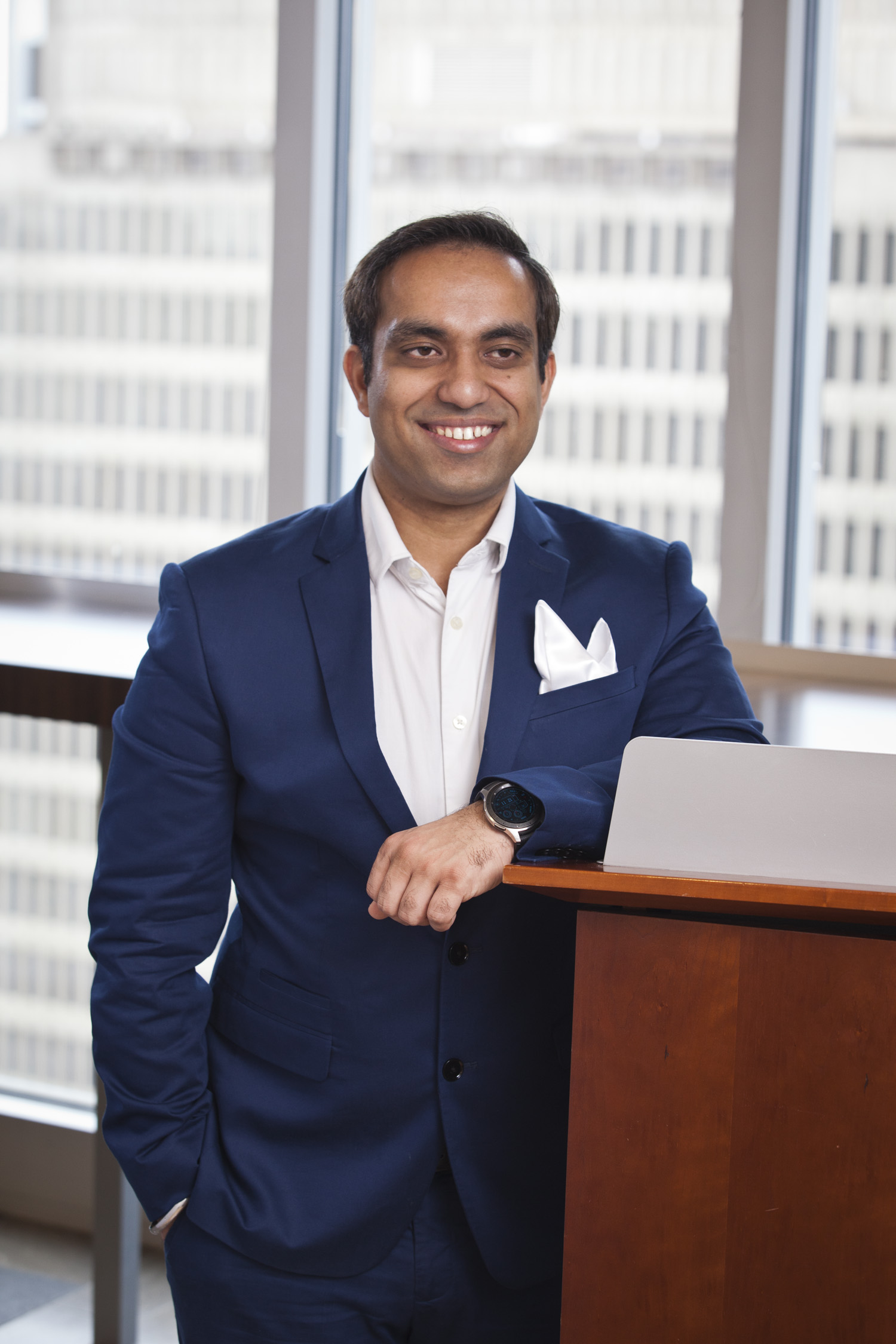

About this episode
In this special revisited episode of the Treasury Career Corner Podcast I reconnect with Anshul Patni now the Vice President and Treasurer at Bakelite Synthetics, where he leads a global treasury, credit, and insurance team.
With prior experience as Treasurer at Instacart and a long tenure in treasury consulting at Deloitte, Anshul brings a rare dual perspective from both corporate and advisory sides of treasury operations.
What We Cover in This Episode:
- Anshul’s early interest in economics and risk management
- Key career lessons from roles at Reval, Deloitte, and beyond
- The shift from treasury consulting to corporate leadership
- Building treasury teams and functions from the ground up
- Differences between managing treasury in high-cash tech vs. PE-owned global companies
- How to evaluate and implement a Treasury Management System (TMS)
- Managing FX and interest rate risk in multinational operations
- Why technology selection must match business process, not brand
- Strategic treasury leadership during debt-heavy growth phases
- Coaching team members and developing cross-functional expertise
You can connect with Anshul Patni on LinkedIn.
—
🎙️ Subscribe to the Treasury Career Corner podcast – Never miss an episode! Subscribe on your favourite platform:
CLICK HERE for 🎧Spotify Podcasts
CLICK HERE for 🍏Apple Podcasts
📊 Managing short-term cash and investments – Without the right technology is a huge risk for modern treasurers. ICD changes that!
🎓 Save $150 on CTP, FPAC & AFP Boston 2025 – Exclusive discounts for treasury professionals – thanks to our trusted partners.
🧠 Leadership Under Pressure – Practical tools and coaching that work – from the team at Gazing Leadership
🧩 What if your whole team had one clear view of your group structure – Fuseable makes it happen
🔐 Managing signatory lists manually? Cygnetise gives treasury teams a smarter, safer way
👉 FIND OUT MORE HERE https://treasuryrecruitment.com/partners/
Mike Richards, CEO, The Treasury Recruitment Company: Welcome to this week’s Treasury Career Corner podcast, where I interview treasury professionals about their treasury careers. Each and every week I’ll talk to treasurers about how they built their careers, where they are now, where they see both themselves and the treasury profession going to next.
Mike Richards: Let’s get on with the show. This week’s show. I welcome back a former guest, Anul Ney. Anul is now the Vice President and Treasurer at Bakelite Synthetics. I’ll tell you about those shortly. But he originally, when he was on the show, he had a, I had a great career. He’s was the Senior Director and Treasurer at Instacart when I spoke to him.
Mike Richards: Just over two years ago now, actually back in 2023. Now we’re recording this. In August, 2025, he’s been with Baker Light synthetics for a year and a half. So what you’re going to have is way back when, uh, when he was at Instacart. We then bring the show up to date. We get to the end of his time at Instacart.
Mike Richards: Then we have a short break and we pick up his story from there and how he made the move across from Instacart to Baker Light synthetics, as we say. Enjoy the show.
Anshul Patni, Vice President and Treasurer at Bakelite Synthetics: Thank you Mike, and thank you again for having me on this PO Podcast. It’s been a while, about 15 years back, uh, in fact, if I go back to my school years, I would go back to the college when I was doing Bachelor in Economics.
Anshul Patni: Very interested in knowing about micro and macroeconomics of the world and very. Relevant at all point of time. Even now with uh, everything that’s happening with the macroeconomic headwinds, I knew it’s a great start, but did not know what to do with my career at that point of time. Thought about what’s the next step?
Anshul Patni: Uh, did well, do I go into economics? Are there enough career options or do I do MBA, which opens, uh, different lines of finance for me. So that’s where I think I, I got some idea that that’s what I want to pursue and was very clear that. That’s an area of finance and international business is what I wanted to focus on during MBA.
Anshul Patni: And was very focused on different areas, whether it’s portfolio management, equity analysis, but one of the key areas that even while studying it was highly relevant and something I thought I could do well was foreign exchange risk management. Interest rate hedging was very intrigued about how to corporate professional actually manage it, whether it’s banking professionals.
Anshul Patni: Companies, how, how are they managing it at that point of time? During second year of my MBAI got an opportunity to do internship with Einstein Young. At that point of time with their firm in India, great opportunity learned how they were managing their foreign exchange risks. They had certain strategies in place.
Anshul Patni: Really learning about it and then also trying to give my viewpoint as to how that can help them. It was a great opportunity for me to learn about how companies practically manage their hedging risks. In fact, at that point of time when when I did that internship, I got nominated for. The best internship during that year in my college actually won that award successfully.
Anshul Patni: So that kind of gave me this feeling that, yes, this is the world I want to go in and do finance. There were several companies when I was applying for jobs during my MBA that were coming into my campus, but my focus were very clear. I wanted to be into risk management at that point of time. I got an opportunity, Mike to work with Rebel, which now is actually part of ION trading.
Anshul Patni: So they, at that point of time, used to do derivative risk management, hedge accounting. They had a software for that. I worked with them for about five years. Great opportunities. Worked with them for about two to three years, or actually about three years in India, then moved to the US in New York.
Anshul Patni: Wonderful opportunity to work with all the big companies to name some of them. Working with companies like Coca-Cola, GE and Heiser Busch, Starbucks. Uh, great opportunity learning how they are managing their portfolio, providing them advice in difficult matters when it comes to fx, risk management, interest rate, hedging.
Anshul Patni: Or even how do they manage based upon FAST and IFRS based requirements for hedge accounting? Wonderful learning over the years there working at Reval, I felt at that point of time that I need to broaden my horizon, and I’ll also talk about this later during this interview that something that treasury professionals should continue to look at.
Anshul Patni: Is there something more they can learn? And I wanted to then think about how Treasury is actually managing their cash. How are they thinking about capital structure?
Mike Richards: I just want to jump in. I know Reval, and I’ve known it since the days of Jro and everything else. Can you just explain to the audience if you like, now, whilst you and I both know the company very well, you know Reval was a hedging system, if you know, or you, you can perhaps explain it better to the audience because obviously, as you say, it was then taken over when you were there.
Mike Richards: You were, you know, looking after their hedging and the accounting matters for lots of different companies. Wait a bit, can you just explain to people, you know, because it wasn’t a treasury systems company, if you know you got the Kyrie and everything else, it was far more specific. Can you, again, for the listeners, some will know the name very well.
Mike Richards: I do, but some of them don’t. So how can you explain that for us?
Anshul Patni: Absolutely. So reval, when they started, when Giro, who was the CEO at that point of time, he built a company which, uh, or a software which could not only do the derivatives to market valuations. But could do hedge accounting, uh, which means companies wanted to elect hedge accounting.
Anshul Patni: They can actually pass certain gain and lo unrealized gains and losses to other comprehensive income. And this product was one of its kind, especially in the North American market, at least between 2010 and 2016 when they were not other TMS who used to do hedge accounting like Aribas and FIS. They actually provide those solutions now.
Anshul Patni: But, uh, Reba had that. Product advantage at that point of time and my role, Mike was focused on a team called Reval Center, which was acting as a treasury team for different clients. A company which had very small portfolio, did not have enough people in their treasury teams. They would come to reval to look at their portfolio, make sure we are actually managing their middle office and back office responsibilities, which included macro market valuations month and close and doing hedge accounting.
Anshul Patni: So pretty much. Once the traders have executed the trades, managing the whole trade lifecycle and accounting from there on, and that is where the experience was highly relevant. Understanding how companies could use different hedging strategies, what could work in different markets, could you do plain IL forwards?
Anshul Patni: Could you do some effects, options? And what would accounting allow you? So Rebell as a product was great, and for me, the learning was even more useful because opportunity to work with different big multinational corporations. Came through working with reval
Mike Richards: and as you said, you spent that period of time with him and that provided a, a springboard, if you like, if that’s the right way into your next role.
Mike Richards: Can you maybe talk through how that happened? I think
Anshul Patni: absolutely. This was 2012 when I think I knew n enough about hedging. Spent five years by that time with reval. Learned a lot with respect to risk management. I wanted to broaden my horizon, really do still wanted to remain in consulting at that point of time, but wanted to focus on other areas, how companies assess their treasury, how can they transform it with respect to whether it’s cash management doing m and a deals or capital markets.
Anshul Patni: That’s where I got an opportunity, Mike, to work with Deloitte. I spent about eight years with Deloitte at that point of time, between 2012 to 2020. Very good experience, and I think an advice that I would also give to young treasury professionals that if you get an opportunity to work with, sometime with consulting firms, you get an opportunity to work with different kind of companies.
Anshul Patni: You can really see end to end. How are they managing their process? How can you really help them transform? One of the first projects, Mike, that I did was with Coca-Cola, which. Was doing a big treasury system implementation. At that point of time, they were implementing Wall Street Suite, which is another ion trading product, and they were implementing that solution for different entities all over the world.
Anshul Patni: Very, very complex project and really required you to understand how they are managing their process right now. They were mostly manual or using SAP at that point of time. Helping them understand what would a new solution do to you? How does it really impact you in terms of your resources and operations you’re managing?
Anshul Patni: And really getting them through that implementation were the very complex tasks. But how it helped was really helping them break down into different milestones and solutions to make sure that they can achieve what they were looking for as their end goal. And even now, my, as I look at my career, that’s what I try to do.
Anshul Patni: With different priorities that we have, make sure that we are looking at in the right direction. What is important for us? Is it optimizing cash? Is it investment? And really helping down with respect to making sure that we are looking at from the LA right lens. So I think from Deloitte’s perspective, great experience.
Anshul Patni: I got a chance to work both in the US and Canada. I’ll talk about some of the experience in Canada. I worked with the firm for about one and a half years there. It was an international assignment, and it was more about helping them set up their treasury team. Deloitte, at that point of time in Canada, did not have any treasury professional, so helping them think about what kind of market is it, what kind of team structure that we need, and really pitching to the clients how Deloitte can help you.
Anshul Patni: So I think that experience was, again, immense in terms of. Making sure you’re learning, you’re working with different clients. And some of the clients that I worked with, like I talked about, Coca-Cola, hp, I was involved with HP when they were actually doing separation of the firms initially when they were h hp.
Anshul Patni: And then two different firms got created between HPI and HPE, helping them think about how would the different treasury structures look like. And again, from all the process that are involved in treasury, whether it’s capital markets. Whether you have interest rate effects, rate risk management, how would the cash management work for two different companies and what kind of team structure you need helping them think about is the current banking structure the right for you?
Anshul Patni: Or do you need to think about new banking partners now that. Your geographical entities could be changing. That could also have impact on how you would like to operate. So really I think that experience over about eight years working with Deloitte, I joined there as a senior consultant, got promoted to senior manager, had responsibilities for both.
Anshul Patni: Doing sales for the companies as well as managing such such long-term projects was very valuable in terms of helping me get through where I am right now.
Mike Richards: Michelle, can I ask the. And we’ve explored a little bit on some of the previous podcasts when I’ve had a number of treasury professionals who are now in corporates or then some of them were in consulting firms themselves.
Mike Richards: In similar way to yourself, how do you balance out the sales? Being pushed towards a sort of sales route and right, you’ve got to sell a piece of work and you’ve got to deliver this and you’ve got to do that delivery model because it’s different to when you’re in corporate treasury, you are working for the corporate, whereas, as you say, you are working for Deloitte who are providing their services, but they want to get value for money as a client and everything else.
Mike Richards: That balance, if you like, you know those scales. Delicate balance between delivery, but also, right. Where’s the next piece of work going and everything else. And obviously you were. It became more senior and that must have been a challenge. How do you deal with that, would you say?
Anshul Patni: Yeah, Mike, that, that’s a great question and I think including me, a lot of people struggle with initially in terms of.
Anshul Patni: What to do now that you’re getting promoted. The focus is not just on delivery, but also sales. How do you help the company with that? I think it’s important to understand at that point of time, what are you really good at? What is the area that you would like to own within treasury? And that’s what having a right mentor also helps you.
Anshul Patni: Thankfully, I did have few people who I could talk from different point they knew, what are my skillset, what am I strong at? So given that I had a lot of experience with. Risk management. When I came through, uh, reval, I knew technology well as well. So my focus, talking to my peers as well as my leadership, was that I should focus on clients who are focused on managing their risk, improving them with their hedging practices, as well as focus on technology.
Anshul Patni: Am I really good at Ariba? Yes, I am. I know Reba, I know a few other solutions, so I think at that point of time, that’s where I made a niche for myself at Deloitte. Then I knew what I needed to focus on in terms of client’s conversation because when you have delivered it for over the time, you kind of understand that some of the problems could be very similar, and then really helping them drive through those conversations.
Anshul Patni: I think when you are selling, it’s not about really generating sales or getting the revenue. It’s more important thing is. To understand what the client is struggling with, how you can help them. Because if you try to bring a solution to them, rather than bringing a sales pitch, they understand that this person really wants to help you.
Anshul Patni: And that really becomes key point in terms of you helping them, not just in short term, but in long term with different opportunities that come up. So I think Mike, knowing what I wanted to do was important there. Then it was more about focusing on it and what the key area that I would focus on is if I am trying to bring in a client for the long-term engagement through sales, I would try to be on the delivery model as well, because the client’s trust is in me as I was involved in the sales process, and if they see that person as.
Anshul Patni: Linked to the whole implementation cycle, they know that they have the right trusted partner whom they can go to. So I think that’s what I would advise to other treasury professionals, especially who have been in consulting space or aspire to that. It’s not just about sales, but it’s also about how you support the client through that end-to-end engagement.
Anshul Patni: And with your experience
Mike Richards: of, um, if you look back now, maybe at your, you know, experience as a Deloitte consultant. You were walking into a number of different treasuries, and I’m not specifically talking about Coke or HP and things like that, but when you came into a consulting gig, you know, when you coming into an assignment, again, this is for some of the maybe more junior consultants, because you grew in your experience there seven and a half years and everything else.
Mike Richards: With that, how did you coach the other members of the team? Or if you are in a situation where you are walking in the door, it’s a pressure assignment, maybe a bit later on in your career, this is, you know, maybe before you made the last move, what would you say that those consultants need to think about, you know, when they’re helping a client and thinks, what’s your checklist if you.
Anshul Patni: Yeah, no, I, I think one of the key things that helped me at that point of time was being very flexible and keen to learn, uh, different areas that are coming to I initially, when, especially when you’re new in your career, you may not get the top layer work of the project. You may start with something that is more of a.
Anshul Patni: Filler work at that point of time. But that is again, important for you to understand that this is bringing different skills in you, whether it’s project management, whether it’s making sure that you’re delivering key aspects of the projects at that point of time. Then as you are learning, learn and focus on different things.
Anshul Patni: I would advise the consultants that if you are a cash management expert, not just focus on that, learn about technology because you cannot do anything without technology during this time in the world actually, that we are working in a, in an environment where we do not go as much into the office. As well as if you know cash management, you learn about technology, you learn about risk management, you learn about capital markets.
Anshul Patni: So that is where I would say for a person who’s new in the career, don’t just focus on one part of treasury. Rather be knowing different skills because that’s what really helps you drive. And get you the next opportunity. If I, as a corporate treasurer is looking to hire someone in my team, Mike, I have a very small team right now.
Anshul Patni: If I need someone, I would rather have someone who has done some work in all different areas of treasury rather than a person focused on one specific aspect because we pretty much have to do everything on our own, and we are still in the process of improving our banking and technology infrastructure.
Anshul Patni: So that’s where having holistic knowledge of treasury becomes very important. I was gonna talk about
Mike Richards: you making the move to eyeball and stuff, but before we do that, 2020 Jan. 2020, you made the move across. So where did it sort of stack up with regards to COVID and pandemic and everything else? Obviously that’s a, I don’t wanna get deep into COVID.
Mike Richards: You know, we’re, we’re moving past that now, and, but there’s these new ways of working, talking to a colleague in an hour about it and, you know, on another podcast. What was it like for you? How did that affect you with, with consulting and everything else? Still on everybody’s lips?
Anshul Patni: Yeah. No, absolutely. 2020 was very interesting time as, as we all know, especially with respect to making the move at that point of time.
Anshul Patni: And personally, my, where I was at that point of time felt that I needed to spend more time with family, have a young daughter, and wanted to spend more time with her and my wife. That was one of the key drivers to think about switching to Dbol nextdoor at that point of time. There was that nervousness with respect to what’s going on in the world during pandemic, how it could impact different companies, what could be relevant versus what may not be relevant after a pandemic was a key part to think about.
Anshul Patni: But I did switch and make, make that Switch, decided to join as director. I had B Board next door. I think very rewarding in terms of career experience, what I learned through treasury consulting with working with four different clients. Really helped me shape the vision as, as I joined Dbol. Dbol is a very global company.
Anshul Patni: It’s, it probably operates in more than 80 countries in the world. And initially when I started, I was very focused on FX and interest rate risk management. Before my role got broader into other aspects of tri, we were having some very high challenges with respect to managing the effects risk we were operating in Latin America.
Anshul Patni: As well as in some Asian markets, and with FX risk being very volatile, we needed to think about, rather than being more static in terms of hedging, adopt an approach, which was more of a risk management model base. So we decided to use value at risk models so that we can try to correlate our hedges in terms of how those would work, and really come up with a model that could work for the company.
Anshul Patni: At that same point of time, another key aspect that of working at D Board was we were able to refinance some of our long-term debt with respect to changes in interest rate at that point of time. So that’s an opportunity that Mike, I had not worked at Deloitte. I worked with the treasurer at that point of time.
Anshul Patni: It was a very long-term project in terms of making sure what we are doing for the company. Is the right structure from the capital structure perspective, I think what we did was, was create, we were able to refinance at at very attractive rates, especially in the market that we were in. So really, really proud of what we did in terms of making sure that our treasury was operating in a way that helps the company.
Anshul Patni: Then I think finally helping the company at that point of time automate all their treasury process. We were pretty manual at that point of time, so helping get all our FX risk and trust, rate risk, hedging, hedge accounting into Kariba as ATM S, we had issues with our netting and in how banking process, those were further automated using Kyriba.
Anshul Patni: So I think really key learnings and making sure that the team delivered some of the goals that we had set up with my treasurer. Talk us through the next couple of
Mike Richards: moves to bring us up to date with Instacart things and how you got there.
Anshul Patni: Absolutely. After working with Doll, I spent some time with Deloitte again, in terms of consulting.
Anshul Patni: It turned out to be relatively short move because this great opportunity came up with Instacart and I was offered an opportunity to work as a treasurer of the company. As Mike you described earlier. During this podcast, Instacart is a company which is transforming how people do their groceries with respect to not just helping them during pandemic, but becoming a relevant lifestyle in terms of how people want to shop.
Anshul Patni: The opportunity came up for me to lead the treasury team. We did not have. Any treasury professional at that point of time and where we are, we are a late stage private company looking to go for an IPO when the timing would be right. It seemed like an opportunity where I could use all my experience that I had during my consulting days.
Anshul Patni: Really think about what is right for the company in terms of treasury structure. How can we better manage our process, all the, and also think about what kind of team structure do I need to create Now, Mike. Six months into this role, we are a team of three professionals, still a relatively small team. Uh, hopefully we’ll grow up further next year, but already some key opportunities that we have started working on.
Anshul Patni: We have started thinking about do we have the right banking structure? We operate Mike, mainly in the US and Canada region, but we also have some operations in Australia and China. So want to think about as we grow further in future, is the bank that we are working with, uh, going to support us with the right structure in place.
Anshul Patni: Do we also need to think about how we manage our payment aggregators, so there is a lot of work that’s required there. And then also thinking about what is the right capital structure for this company that we can have as we grow further. I think a lot of rewards in terms of working with this company in terms of what you could do, as well as helping them shape what could be the right vision for the company, is what I’m getting here.
Mike Richards: One
Anshul Patni: of
Mike Richards: the things I’d, I wanted to ask there actual is I know that a number of my clients have actually used the podcast that I’ve done with them to sort of attract staff or to explain to them about why come and join you and things we, you know, with why come join Instacart. So feel free to use it. But when you’re doing that, where would you see the treasury team and department for Instacart developing too?
Mike Richards: You, you’ve seen, the great thing is you’ve seen a number of different other. Treasury teams. You see what’s good, not so good. You know, you’ve judged it, you, you know, we don’t have to name names. That’s fine. The good thing is you’ve seen that with yourself. What would you be thinking about? And again, for someone’s coming in and you are presenting Instacart of the future, how would you explain that to the people?
Anshul Patni: Yeah, I think my, when I hired my team initially, I think the great thing about where we were, everything needs to be done. We did not have any treasury policies in place or process in place. When I hired a senior manager in my team very recently, it became an easy fit because there’s a lot of work to be done.
Anshul Patni: And when I hire someone, I also look at, in a similar way. Is the person motivated, does the person has passion to work for several years in treasury. So I, I think that was a, that was a key pitch at that point of time, really telling the candidates that, well, there is a lot to be done. We have to think about our banking structure.
Anshul Patni: We have have to think about automation. We have to create treasury policies and procedures. And then as we grow, there is more to come with respect to effects and capital markets. So that delivers that message to the candidates that. This is an a role which will continue to have responsibilities, which will continue to grow as as we move along and as Instacart grows further into international markets.
Anshul Patni: And I think that will become highly relevant, uh, because treasury team is the one that provides the strategic vision to the finance organization. How we can manage cash if we need to acquire certain companies, what we need to do in that sense. So, so I think it was key from my perspective, Mike, to make sure that I’m delivering the right message, which is to be honest with you, all the truth, uh, because there’s a lot of work to be done, but then that really becomes rewarding for the person because that gives you the recognition when, when that works, is being delivered.
Mike Richards: Podcast is sponsored by I-C-D-I-C-D. Are an independent platform trusted by thousands of treasury professionals worldwide to manage short-term investments. One. Global Treasurer recently told me it was one of the smartest technology decisions they’ve made. No license fees, rapid setup and tangible returns.
Mike Richards: If you are looking for a smarter, simpler way to manage your liquidity, then head to find out more on our partners page, treasury recruitment.com/partners and find out much more. Let’s get back to the episode. I know again, we spoke before the episode that you know, so which areas are you really passionate about and you, one of the key things you just touched on there is technology.
Mike Richards: So you’ve got this. Real strand of technology all the way through you, your experience and utilizing it. But I’ve just, you know, returned from a number of different conferences and you know, I’ll be in the room and there’s so many different providers and they’re all different sizes different. Cost structures different ways.
Mike Richards: If I was to ask you, you know when you are, when you are at those and they’re sort of dilu you, it’s quite funny ’cause you’d be like, look guys, I’ve done your job. I’ve stood at your stand. When you’re doing it, what are you assessing? And again, this is to try and give some of the listeners a bit of advice really, that they walk into there.
Mike Richards: What should they be thinking about or what should they be avoiding, if you like, you know, because you’ve been, you’ve seen behind the curtain, so what are you looking at?
Anshul Patni: Absolutely, Mike. I was in the same conference in the US as you were attending a few months back, and really the number of vendors have grown up.
Anshul Patni: But I think your point, it is very important that I, as a treasury professional, I’m looking at what are my business process? What is the requirement of my company? Then don’t just go by the name of the different products, really see what is relevant for you. Do you really need a full blown system, which has very good functionality, but it could be very complex for you as a treasury team, or should I go with a system which is relatively smaller in size and in functionality, but it meets the vision that you have set up for the next five years.
Anshul Patni: That is what I would see in terms of choosing the technology. And then, like I said, all organizations are different. Mike, if I talk about my organization, for us, cash visibility and payments, uh, visibility as very important The way our business operates when we are assessing these different systems, we look at different technologies.
Anshul Patni: We use certain payment aggregators like Stripe and Marketa. Could they actually connect with these aggregators? Could they provide us real time payments or visibility into my cash? So again, I think going back to my message, it’s important to see what is your need and making sure that it aligns with, it’s what is not important for you or not as important, is looking at what other company has done.
Anshul Patni: It may be a right system for them, but unless you look into your requirements and scope in. Make sure the tre’s vendor that you’re meeting with you do proof of concept with them. Make sure the requirements that you’re providing, they can actually show you that those can be implemented in the system and then you execute that project.
Anshul Patni: Because I’ve seen working with, uh, different clients that you may have spent a significant amount of dollars in terms of implementing a system, but the effort that was required during the selection of the system was not done right. That could impact you in the long term because you may not be satisfied with the system.
Anshul Patni: And then in the, in a year or two, you may already be thinking about moving to a new TMS, which may not be the right thing to do.
Mike Richards: I think it brings in actually something at the Dublin conference in our, did our treasure career call alive, and one of the things that came up about technology, actually it was one of the talking points that, you know what had happened throughout lockdown and.
Mike Richards: Some systems have been found not to be quite as helpful as they might be. I’m not gonna name names, uh, name a shape, because otherwise we’ll have a lawsuit on our hands. But it was more that I, I referenced a conversation I had with a very dear friend, John Phillipe dweller. John Trolls, amazing guy. And we were having Neil one night and we talked about, I was, I had a speech coming up for EuroFinance.
Mike Richards: We talked about where technology and they’ve really utilized it to the max using Mario, their amazing systems guy. But what we brought out was about referencing. So if you’re can bring a brand new employee, you are minimum two references, probably three or four. Make sure how have they been conversations just like this.
Mike Richards: You’ll go through all that reference checking and he said, well. When you’re bringing a system, which is actually in some ways probably gonna cost you more than an individual and can be used by more people and being used across the organization, wider sense. How many references do you take? How many other customers do you talk?
Mike Richards: How many, do you do a real in depth study of their backgrounds? Or do you just take what they’re saying at face value? And it was a great piece of advice and I’ve now it’s more and more and more recently as we come out of lockdown, I’ve noticed more people looking at. Technology needs and reviewing that.
Mike Richards: And you just talked there about some of the integrations with things like Stripe and everything. So making sure it all works and getting that value. So that’s a long prelude to the question, but how do you make sure, and how would you recommend that any of the listeners really get the most out their systems or before they even get there, what are the recommendations from you as an experienced person in that sense?
Anshul Patni: Yeah. So like I said, two, three things are very important. One is knowing what you need from your system. Is it just going to be utilized by treasury? Is it going to be, uh, utilized by other teams in the organization, which could be accounting, which could be your AP professionals to centralize payments within the TMS?
Anshul Patni: So first, understanding the scope of what you want. What you want to achieve in the next three to five years? How is your company growing? Like in our or for our company? My, we do not have very heavy effects exposure at this point of time, but we know that we will grow in future. We will look at expanding in international market.
Anshul Patni: So that is one area we would consider that, that TMS should be able to support. As we bring on more effects we bring on, say we get into a debt and managing the interest rate risk. So knowing the scope and requirements is very important. The second thing is doing the thing for concept is another key area that I would always recommend to all the treasury professionals while choosing the system that when you have know your requirements, make sure that those can be actually tested within the system.
Anshul Patni: I know you have a very short timeline in terms of selecting and finalizing the contract with the TMS vendor, but provide those requirements and make sure this vendor can. Actually commit to implementing those in the system. And then the third one, Mike, like you said, having at least three to four reference check would be highly important.
Anshul Patni: And if you can do a reference check with a company which is in the same industry, at least couple of clients like yours, and if they can say that this is the right system and they meet most of the requirements that you have, I think that that helps you think about that you’re going in the right path.
Anshul Patni: So. Three things, like I said. One is knowing the scope and requirement. Second is doing a proof of concept, and third is reference check with, especially with someone who’s in that same industry.
Mike Richards: Excellent feedback. That’s great. I think not too far from the end of the show because it’s been great advice all the way through and she, we’re not gonna go through the top tips just yet.
Mike Richards: We’re just gonna ask any other areas that you think that treasurers out there should be? Thinking about not keeping them awake at night, but they should be considering, if you like, and making sure that they’ve got an eye on what are the key things that, you’ve obviously got global events happening and lots of other things, but what you know, what particular things do you think?
Anshul Patni: Yeah, Mike, that’s a great question. Link from my perspective, always having visibility to your cash, how much cash you have in different entities. How are you? Managing it, optimizing that the use of that cash is very important. Could you centralize the cash and make sure you are taking the right opportunity?
Anshul Patni: Especially in the environment we are in significantly higher compared to what we have seen in the last few years. There’s an opportunity for companies who have excess cash, who invest in securities that can provide good return compared to what we have seen in the past. That’s an area I would keenly focus on.
Anshul Patni: Then I think third, like I said, risk management becomes always, remains absolutely important for the company. Make sure that you are, if you have cash within the foreign entities, how are you managing it? If you have receivables or you have different kind of exposures, how you’re managing it. Then I think the final thing is, which I think most of the treasurers would talk about, is having visibility to the forecast that you have for cash always is important for the company, especially in this environment where there are so many macroeconomic challenges that you can forecast your cash accurately.
Anshul Patni: You have that. Relationship with different finance teams so that they can provide you the right information that you need to make sure that your forecast keeps becoming important and accurate for the companies. So I think those are three, four areas that I would advise all treasury professionals to keep a focus on.
Mike Richards: Welcome back to on the Treasury Career Corner. Now this is an interview with an Sure. Obviously you’ve heard. From Ansel and his journey so far, but that was last time we caught up was a couple years ago now, 2023. Last time Ansel was at Instacart, now he’s moved on. I won’t take up the story. I’ll let you tell your story, sir.
Mike Richards: So bring this up to date with, when we last left you, you were a, um, Instacart as the treasurer there. What’s happened to you now? You know, very different business. Over to you.
Anshul Patni: Thank you, Mike. It’s a pleasure to be talking to you today. Like you said, I have moved to be like synthetics. Uh, it’s uh, it’s an industrial company, which is, uh.
Anshul Patni: Into formality, hide and regions, uh, chemicals that are used as adhesive for large scale construction. In layman terms, you can see that it’s used as in adhesive if you are building houses or even building claims. So it, it’s actually used across the industries and bigly. Synthetics, uh, it’s a, it’s kind of a startup because it was, there was ature a few years back, uh, from the legacy company.
Anshul Patni: Yeah. Uh, this company has grown significantly, been backed by two private equity owners, uh, uh, since, uh, started it acquired couple of companies. Georgia Pacific Chemicals, LRBG, and we recently acquired Stech, which is a Polish company for their r and d technology. It has been a great experience and the reason to move from Instacart was it was a very successful, uh, career experience launching the treasury practice.
Anshul Patni: They were helping them go IPO. Establishing all the treasury PO policies and readiness with respect to SOX and going into a private equity company, which is a very different industry, uh, but it was very global. They have operations in Asia Pacific as well as Europe and North America, and that was the reason to consider a global company where cash forecasting was significantly more important, uh, as the cash runs tight, uh, and also making sure that.
Anshul Patni: Uh, we are optimizing how we are investing that cash. Really forecasting it well, as well as making sure we are covering for any effects risk that we had. So what, what very different experience than Instacart where a company had high amount of cash, which we are using for investment here. We are actually optimizing it so that we can manage the capital structure well.
Anshul Patni: Uh, as well as making sure that we are able to just manage our day-to-day process in a much better way. So that was the reason to get a very different experience with a global company. And really establish their treasury process.
Mike Richards: And when you say that, when you came into Baker, like what was the treasury structure?
Mike Richards: ’cause you, they’ve been there a few, couple of years now. What was it when you arrived and what was your checklist? I often ask this, you know, we probably did our previous episode, but how, you know, how did you take it through?
Anshul Patni: Great question Mark. Uh, I have a global team. Uh, so I manage treasury, credit collection and insurance for treasury.
Anshul Patni: I have a team of about 15 members, and this was a higher, or having a new treasurer. There was somebody who was in the previous role, but not enough. Full-time basis. So the company felt that it needed someone who can really get hold of the process. When I came in, there were no set process and procedures.
Anshul Patni: So one of the things to really establish was having treasury process when it comes to cash management payments and making sure we have better control of things. There was no, uh, technology that we were using. So one of the key aspects was which TMS do we implement and how do we automate our process?
Anshul Patni: And as we did that, we are right now in the middle of. Implementing Kariba as a treasury management system for us, which I have done at previous places as well. Uh, and it is really going to improve our process because our operation really lacked that transparency, uh, being a global company, how much cash we have at different locations, and how do we really create pooling structures.
Anshul Patni: Uh, that was one of the key aspects. So with implementing TMS at the same time, our focus has been. Really creating our cash concentration and in-house banks. Uh, we have focused on having in-house banks in Europe, north America, as well as South America, so that we can have regional liquidity structure and internally manage our cash needs better.
Anshul Patni: We did not have any investment policies. Uh, we implemented JP Morgan’s tool, uh, Morgan Money as well as we are. In, uh, discussion with ICD to see if we can use their portal to invest our excess cash. That has been a big achievement. We have been able to generate interest income, uh, over the last couple of years, which the company was not even thinking about, and that has been helping us offset some of the interest expense we have.
Anshul Patni: A private equity leverage company. We have a lot, we have a high amount of debt, and having even a small amount of investment, uh, really helps us offset that interest expense. That has been really a great point for treasury, that we are not really there as someone who’s supporting the company, but being more proactive and thinking about different ways that we can generate revenue or help company get more income.
Mike Richards: And I’m gonna give a shout out to ICD who sponsor our show now as well. And as you say, if you don’t, if you don’t use ICD and then anyone should look at it, they’re on our partner’s page and people will find a link in the show notes as Ashley, their treasurer said, and before he was even a, before they owned he Ashley from Trade Web.
Mike Richards: He said, if you don’t do this, you’re just leaving money on the table. Sounds like it’s worked for you guys. And how have you implemented that? You know, was it just you saw this lazy cash sitting around or what did you do?
Anshul Patni: Yeah, the, that’s, that’s a great question. Uh, we, like I said, we are a private equity owned company.
Anshul Patni: There are a lot of controls, uh, with respect to how we can invest cash. So it has been an approach on a country basis. We have started implementing in North America, we have been investing cash for. Almost a year now, uh, and now our focus is shifting towards Europe as well as Canada. Uh, due to certain restrictions, we cannot pull Canadian cash to our US balance, but we are, like I said, actively now discussing with ICD because what they really do is they have both offshore and onshore investment funds, which provides us more flexibility.
Anshul Patni: As well as availability of higher rates, uh, based on our investment policy. So that has been the focus. Go slow, but go in a steady way so that we can establish what we need.
Mike Richards: And then, so that’s the cash side, then the foreign exchange side, obviously foreign exchange in a tech company like Instacart, which is very, you know, one way of operating and that, that’s some, one of the things I will say.
Mike Richards: People say, how come you’ve done so many podcasts? Because I talked to a treasurer like yourself who, one minute you’re in a tech firm. Next minute you’re here with a synthetics and you know, chemicals company. How has foreign exchange been different, if you like, in that sense?
Anshul Patni: Yeah, great, great question. I think foreign exchange is a key consideration for us, uh, although we manage it on an as needed basis.
Anshul Patni: Uh, in Instacart, the company was. Not as global. They were mostly in Canada and in the US so the ex exposure was somewhat immaterial and we did not need to have an active effects policy. But here we keep an eye on where our exposure lies. We have a significant exposure in South America with operations in Chile and Argentina, and those currently being volatile.
Anshul Patni: We continue to look at materiality of that exposure and see if we need to do any effects, hedging similarly, Europe and USD, uh, how the rates are changing. We keep an eye on it and then we do that. And throughout my career, even at other companies prior to this at BOL ndo, we had a. We had a FX policy where we were looking at balance sheet hedging, cashflow, hedging, so that that can be optimized in terms of protecting our margins.
Anshul Patni: Uh, and I, I think, uh, having that leverage in terms of connecting that with DMS is very important to us to make sure that data is integrated and we are able to see how those exposures are being actively managed.
Mike Richards: And you and I, we spoke a few days ago about the show and things like that. You know, the, the company itself has been through a per period of unsettledness, you know, and this sort of thing.
Mike Richards: And, you know, that’s affected some of the, the feelings of people. How are you, you’ve joined in the, you know, and your part of this new wave of taking it from what you know, what was, there were, you know, there were some missteps and things like that. Where is it now? What’s the culture you are taking around with?
Mike Richards: Treasury, for instance, and some of the other departments. Talk me through that.
Anshul Patni: Yeah, my, my great question. Uh, I think being a startup, which has really gone through acquisition phase and really, uh, grown fast, uh, people have really tried to go at the same pace, but it has been difficult because that integration of process is always challenging.
Anshul Patni: So my focus when I came to, uh, BCL synthetics was. How do I understand the motivation of my team? Yeah. What is the right structure for the organization and how do we optimize, uh, the process that we have? And I have always invested in the career of people I’ve worked with, uh, knowing people who are working for my team, how do they want to grow, how do I help them and really give them that leadership opportunities, uh, by setting them.
Anshul Patni: That path for success has been important for me, so that with some turnover in my team and new people coming in. I wanted to make sure that their vision aligns with how I want to grow with this company and then giving them the path for the success. So that has been important and I feel that my team is at a much better place compared to where I started when, when I joined Big Light.
Anshul Patni: And you
Mike Richards: then talk about the technology there. What’s the hardest part, if you like, of that, that treasury tech, right? Is it the. The platform itself or the people or going through the process, or is it a combination of both? How have you seen it or you’ve, you’ve been through it a few times yourself in other companies.
Mike Richards: What, what’s the sort of, what’s the flow, if you like, or ebb and flow of that?
Anshul Patni: No, great question, Mike. Thankfully, I was a consultant for long amount of time, so I, I have invested in knowing these treasury tech, uh, that experience has helped me with system would fit our organization’s need. So that really helped me think about what would be the right system to implement.
Anshul Patni: But like you rightly said, it’s about the people. And, uh, how do you, uh, make sure your process get right? Uh. A lot of pain goes through when you are implementing systems because you’re managing your regular day-to-day process. You are also getting trained on the system, going through scoping sessions and making sure you are having a successful go life.
Anshul Patni: That is a very difficult process. But I think that understanding of how the system is going to help your jobs better, make better, your payments process are more secure. There are less chances of fraud. You have real time visibility into cash, which you are co. Earlier you were coordinating with your pay, how much cash you have.
Anshul Patni: How much cash we have in North America and can I make the debt payment today? Do I have enough cash? And really now being at a place where system is able to do that in an automated way, my team is now more focused on other strategic things. Yeah, how do I invest excess cash? How do I look at other opportunities to grow?
Anshul Patni: Uh, we have been recently talking. Okay, we’ll be done with this phase of Kyriba soon. What can I do next? So next focus is, can I do geo rec in Kyriba? Can I do multilateral netting? So our team is already thinking about how automation is going to further help us. Yeah. And not really thinking about those old days.
Mike Richards: And you’ve been through obviously some crises and stuff like that. And this is one of the things I’m gonna say. So you’ve gone from you Silicon Valley, you know, that’s been and done, thank goodness that’s over. But you know, now you are getting through, you know, leverage debt and that’s one of the key things for the group.
Mike Richards: And that’s a public thing, you know, how do you approach, you know, leading your team through that, those periods of time? And what’s the sort of, what’s your leadership style?
Anshul Patni: No, that’s, that’s a great question and thankfully great support, uh, network with our private equity, uh, investors as well as our CFO who have taken a lead on debt refinancing opportunities.
Anshul Patni: But I think having that conversation with the team that if we are refinancing debt or even if we are. Having higher leverage. Why is company doing that? How is it going to help? Because, uh, our focus has been to grow big light in a way where they continue to have EBITDA growth, they have the volumes are supporting our business.
Anshul Patni: So having that conversation that, okay, is the high debt supporting acquisitions, is it supporting some dividend recapitalization strategies and making sure. Our team understands that high leverage does not really mean a bad thing because this business is continuing to grow and having more debt will only support it.
Mike Richards: And with yourself, you know, the future of, I know we spoke about it a bit on the previous show, but where do you see it going next in? How are you developing people sort of thing? What’s the, you know, the ethos we, you know, we’ll go to, we’ll put your LinkedIn, Lisa, we’re not quite there yet. Sort of just talk to me about that.
Mike Richards: You know, how are you developing and coaching your team?
Anshul Patni: Yeah, no, I think it’s important to understand. What are people’s aspirations? How do you want, how do they want to grow? I met someone who we were actually interviewing for an analyst role in my team, and I said, what do you want to do in five years?
Anshul Patni: He said, I want to be hungry and I want to be a manager in three years. Uh, I want to manage people. And I said, well, this is an organization where people grow if you are really performing. And I’ve seen that happening within my organization. Yeah. And put my way of promoting them that if you’re really performing well, you are aligning with, uh, other teams.
Anshul Patni: It’s very important to have cross-functional knowledge. Uh, and if you’re continuing to, well do well with the right motivation. There’s nothing that can stop you. So. That has been my leadership style, coaching people what you want to do, helping them take the lead and making sure that I’m there to support them if there are any issues, to make sure they are not feeling left out.
Anshul Patni: And I think it has really worked well for me, uh, and I’ve helped people get invested in people and their growth.
Mike Richards: Fantastic. And we are gonna, again, as we did last time, but again, we’ve tweeted a little bit with this catch up episode. We’ll put your LinkedIn details in the show notes. Uh, if someone is listening and they are at that junior level, what sort of choices should they make?
Mike Richards: And if they’re more, maybe more senior. Any advice that you, maybe when you go to a conference and then people say, oh, what, what choices do you look back on and think, oh yeah, this is what you should be doing as a treasurer? What sort of, what takeaways would you give to people today?
Anshul Patni: Yeah, great question, Mike.
Anshul Patni: I would say, uh, that somebody who’s just starting their career in treasury, I would like them to learn. Anything and everything within Treasury Cross collaborate with other teams, FDA accounting tax so that you’re really are learning how different process are affecting, uh, treasury as an organization and don’t feel hesitant about trying new things.
Anshul Patni: Uh, yes, mistake could happen, but that will give you an opportunity to learn. Uh, I’ve seen people who have. Just focus on one aspect of treasury, and that has really stopped their growth after a while, because then you don’t have that well-rounded focus. So focus on fx. Focus on day-to-day cash management, focus on debt capital op optimization.
Anshul Patni: Once you have knowledge of all these things, that will really help you jumpstart as to how you can grow within treasury.
Mike Richards: Love it. And if you’re a bit more an experienced practitioner sort of thing, any things that you think is you as a leader and you, you know, again, you are, you’re coaching them and say, these are some of my tips for success.
Mike Richards: What, what do you think they should be thinking about?
Anshul Patni: Yeah, so I, I think somebody who is more senior, they’re probably learn different aspects of treasury. Yeah. What’s really there to learn is people management, investing in their career and making sure. They are helping you grow as a leader as well as them growing because I think that naturally then makes Treasury as as a successful organization and that really takes your journey from a manager to assistant treasurer or treasurer pretty quickly, whether it’s within the same organization or somewhere outside.
Mike Richards: Thank you sir, that we’re gonna wrap it up there. You’ve been great advice and great company as always, and look forward to seeing you at a conference very soon. Thank you sir. Thank you, Mike. Been a pleasure. Thank you. Thanks. Today’s episode of the Treasury Career Corner was brought to you with the support of our partners ICD.
Mike Richards: If you are looking for a smarter way to manage your short term investments, ICDs independent portal gives you access to a full range of investment products, integrated analytics, and a simple centralized platform built specifically for treasury. If you head over to treasury recruitment.com/partners, you can learn more.
Mike Richards: And we’ll be able to connect you with the right person at ICD for both you and your business. Many thanks for listening to the show, and thanks for your continued support.
- Broaden your expertise: Treasury professionals should learn across all functions i.e FX, cash, capital markets, and tech to be truly valuable.
- Be strategic with tech: Choose treasury systems based on your business needs, not brand prestige. Proof of concept and reference checks are vital.
- Visibility is power: Cash visibility, centralized liquidity, and accurate forecasting are essential pillars of a modern treasury.
- Leadership matters: Investing in your team’s growth and aligning with business strategy is what turns treasury into a value-driving function.
- Tailor your FX policy: A one-size-fits-all FX strategy doesn’t work – customize it to your operational footprint and risk profile.
🎧 Earn CTP & FPAC Credits by Listening to the Podcast
Whether you’re at the gym, on your commute, or walking the dog – you can now make your podcast time count toward your professional development.
We’re thrilled to share that Treasury Career Corner podcast episodes now qualify for CTP and FPAC recertification credits through the AFP’s Independent Study category.
How It Works:
- Each episode comes with a short multiple-choice quiz
- Score 80% or higher and you’ll receive your credit confirmation
- You track and submit your credits to AFP directly – nice and simple
➡️ The longer the episode, the more credits you can earn:
- 30-minute episode = 0.6 credits
- 45-minute episode = 0.9 credits
- 60-minute episode = 1.2 credits
No filler. No fluff. Just real conversations with top treasury leaders on strategy, leadership, risk, tech, and team building - everything AFP expects at an intermediate to advanced level.
🧠 Quick Facts:
- 📝 Quizzes are 6 to 10 multiple choice questions
- 🎯 You need to get at least 80% to pass
- 📨 We’ll send confirmation - you log the credit with AFP
- 💼 You can include this as part of your recertification record
NOTE: In line with AFP compliance requirements, no more than two quizzes may be completed per day.
