
How to Build a Strategic, High-Impact Treasury Team – Lessons in Process, Progress and People
What does it take to lead a treasury team that not only performs but transforms the business?
In this revisited episode, we uncover how Adam Richford, now the Group Treasurer at Smith+Nephew built and scaled treasury functions across global industries – transforming processes, empowering people, and delivering strategic impact at every level.
Listen on:



Featuring
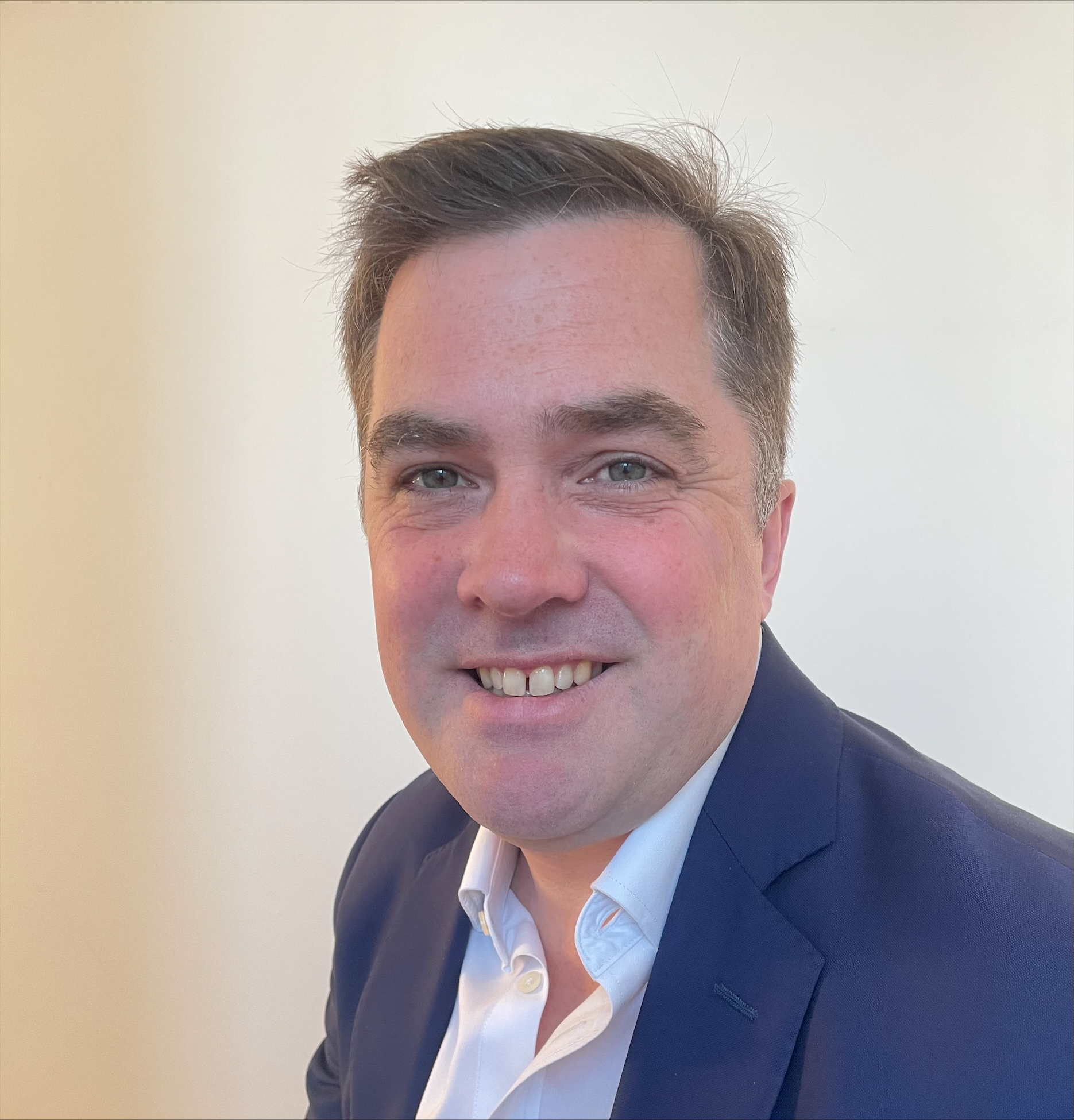

About this episode
In this special episode of the Treasury Career Corner Podcast I reconnect with Adam Richford who is now the Group Treasurer at Smith+Nephew and former Treasurer at Renewi.
With over two decades of treasury experience spanning global giants like GE Capital and transformative growth firms like Renewi, Adam brings deep insight into building agile, high-performing treasury teams that operate as true strategic partners to the business.
Main topics discussed:
- Adam’s early career journey – from EY to leading treasury at global firms
- How treasury plays a critical role in M&A, corporate turnarounds, and strategic growth
- Lessons from transforming Renewi’s treasury: from spreadsheets to automation
- Building a centralized treasury function with TMS and improved funding structures
- Why strong team culture, trust, and clarity of roles are non-negotiable in treasury leadership
- How Adam approached remote team management during the COVID-19 crisis
- Transitioning into investor relations and why it matters for treasury leaders
- The impact of ESG and sustainability on treasury and funding strategies
- Hiring and talent development: what Adam looks for in treasury professionals
- Lessons from his current role at Smith+Nephew: balancing treasury, pensions, and insurance in a FTSE 100 company
You can connect with Adam Richdord on LinkedIn.
—
🎙️ Subscribe to the Treasury Career Corner podcast – Never miss an episode! Subscribe on your favourite platform:
CLICK HERE for 🎧Spotify Podcasts
CLICK HERE for 🍏Apple Podcasts
📊 Managing short-term cash and investments – Without the right technology is a huge risk for modern treasurers. ICD changes that!
🎓 Save $150 on CTP, FPAC & AFP Boston 2025 – Exclusive discounts for treasury professionals – thanks to our trusted partners.
🧠 Leadership Under Pressure – Practical tools and coaching that work – from the team at Gazing Leadership
🧩 What if your whole team had one clear view of your group structure – Fuseable makes it happen
🔐 Managing signatory lists manually? Cygnetise gives treasury teams a smarter, safer way
👉 FIND OUT MORE HERE https://treasuryrecruitment.com/partners/
Adam Richford, Group Treasurer, Smith+Nephew: Mike. Fundamentally, for all of us, we need to work out how to improve the processes and push work down the teams to enable ourselves to elevate and take on the new and unusual stuff that’s coming down the pike. From above, you know, the, the organization is always constantly thinking about doing things differently and therefore we as a treasury function need to be able to respond to that.
Adam Richford: And at each level, within the team, it’s important to try and develop capacity for looking at the projects, looking at the unusual things that come along, and then obviously the most fundamental one. For any of us, it’s just the power of the team. So being part of a, a strong and high performing team means that you need to have trust between the team members.
Adam Richford: You need to have the right skillset, you need to have diversification. Um, but most importantly, you need to have, you know, camaraderie. You need to have, you know, an opportunity to enjoy working together. You need to be able to push and challenge and test each other as well. And that’s upwards as well as downwards.
Mike Richards, CEO, The Treasury Recruitment Company: In this week’s show, we’ve got something special for you. We’ve got Adam Richmond, who just heard a moment ago. Adam and I have known each other for 20 plus years. Adam is now the treasurer of Smith and Nephew, one of the top 100 companies in the uk, a FSE 100 company. But when I first met and recruited for Adam, he was at GE Capital where he was head of or was treasurer for Real Estate Europe.
Mike Richards: I then actually recruited for Adam and I recruited his team for him. It was fantastic. Stayed in touch. Then a few years later, I placed Adam at a company called Shanks Waste Management Group, or Shanks Group, which then evolved, changed the name to Nui, which was again, waste Management. So he was one of my first original guests on the podcast when he was at Nui, and then four years later we caught up with him because Nui had changed his role had broaden.
Mike Richards: He’d gone become gone from treasurer as I placed him at Shanks to director of investor relations, treasury and insurance at Nui. So expanded his role. Everything else you hear that transformation, which is what want you guys to listen to. And then from there, more recently, uh, 18 months ago or just over, he joined and became the treasurer for Smith and Nephew Group in the uk.
Mike Richards: So you’re gonna get to hear everything beginning of Adam’s career up to Nui. And then four or five years later, as he took a more responsibility and then we catch up again, it’s my, he’s my, I say a double guest. He’s not, he’s a triple guest. I’ve never had one of these before. So enjoy the show. It’s great.
Mike Richards: And there’s lots of stuff for you guys and treasury, corporate treasury professionals to really enjoy in the show. So enjoy the show. As always, if you want to connect with me, reach out to me anytime, but let’s get on with the show. In this week’s show, I’m delighted to be joined by Adam Richford, the group treasurer of a new EPRC.
Mike Richards: Nui is a leading European waste management company focusing on the European and North American markets. Nui Connect connects waste and recycles it back into usable materials. So you’ve got recycled paper, metal, plastic, glass, wood, and then that comes out as energy, uh, contributing as they say in a concrete way to a circular economy.
Mike Richards: Their mission simply stated, is Waste no more. The Renewing Group was actually created in 2017 following the merger of the UK corporate Shanks Group with the Netherlands based company Van Gans Group. They’re listed on the London Stock Exchange. Have more than 8,000 employees spread over nine countries, 200 sites across Europe and North America.
Mike Richards: Now for some of my shows I’ve given increasingly long overviews, like me chatting away of my guest careers, but I’m stopping that. I want my guests to tell their stories more than they. So Adam, uh, originally you started your finance career with ey, the global accounting firm. Perhaps kick us off there and how you started your journey.
Adam Richford: Yeah, thank you Mike. So, yes, absolutely. I started my career at, at Anderson Young, at a sort of fairly typical way into finance, doing the chartered accountancy qualification initially after university in a major big four company and getting a good exposure to lots of different, um, clients and different experiences there.
Adam Richford: And like many people after qualification, I looked to do something a little more interesting than auditing afterwards and, and joined the consulting practice within ERNs and young focused on turnaround. Mm-hmm. Um, and that was really the first exposure that I had then to treasury function. So a lot of underperformance end up in the treasury lap for responsibility to manage the, the Castro and other issues through difficult situations.
Adam Richford: So that was sort of the, the first glimpse into, uh, a treasury function was there in a consulting environment, which I then followed on into a corporate environment with a, uh, a fallen named Telco, um, which is my first line responsibility for. A treasury function, a company called Energy stuck in all day.
Adam Richford: Um, and then that led into a career in, in treasury thereafter, which was started in GE Capital, where I worked for, for about 10 years. Um, and then got a coral group before now joining Renew
Mike Richards: EPLC. Okay. And with the, you know, so going through from those early times of ISTs and things, that was your first real experience of treasury.
Mike Richards: What was it that grabbed you about treasury? You, how come you got the role or how were you recruited into ISTs and say, right, can you come into treasury, please, and you’re going, what’s treasury? Or, you know, give us, give us that.
Adam Richford: Yeah, sure. So, I mean, I think, um, you know what, what I particularly like about treasury from the very beginning and, and still do today is when it sits high up the corporate agenda.
Adam Richford: So a lot of the strategic activities that are being considered by the company have a treasury. Implicational requirements, whether that’s as it was in, in, uh, in some of my early, um, assignments around turnaround and under performance or more recently in terms of growth and corporate acquisitions and m and a and, uh, and mergers where, you know, in each chase the, the treasury activity that needs to be managed, there’s, you know, an impetus to doing it is strategically important for, um, the business to be successful in doing that.
Adam Richford: And that provides a lot of, you know, dynamic activity and a lot of excitement, a lot of interest. And therefore I was scope to add a lot of value to the organization that you are supporting, um, which is also then coupled with the, the more routine aspect of the treasury function to, to manage on a day-to-day basis as well.
Adam Richford: But it certainly, for me, it’s the, it’s the dynamic elements that keep me most interested and excited by the, the courier and treasury.
Mike Richards: And then you went to GE working within their real estate business. Explain how, you know treasury was structured there and team wise, and what was the role like?
Adam Richford: Yeah, so in, and she’s a, a massive company.
Adam Richford: It, it had a, a large financial services business and therefore an appropriately large corporate treasury function, the majority of which was led outta the, the us. So it might have been around 500 people in total. Uh, my role in that context was much more sitting within a business unit, helping them think about the treasury issues associated with all of their activity.
Adam Richford: And, and in the period that I was there, we did. A lot of corporate acquisitions and acquisitions and disposals of real estate properties and real estate portfolios. Initially starting with creating a, a single treasury function, following a couple of delisted companies that were taken private by ge. Um, in the early two thousands, we, we established a treasury function.
Adam Richford: We grew that portfolio both in the UK and Europe. Um, and then during the financial crisis, we then diversified into, um, a lending product. So we bought a number of lending portfolios, particularly from distressed sellers like Brad Fiddle, Bingley, and, and others at the time. And so it was always evolving in terms of the, the, the strategy for, uh, the real estate business and sitting there within the treasury function was all about listening to what the business was doing.
Adam Richford: Um, helping them understand, you know, the implications from a, from a funding perspective, from a financial perspective, from an interest rate risk, orx perspective to contribute to that deal team and, and make sure that those deals happened and were managed successfully. Mm-hmm.
Mike Richards: And in the business, like ge Gee’s massive, you know, and, and everything else.
Mike Richards: And someone listening might think, well, hang on. You know, how hands on was he when he were surely just seeing rack telling people what to do? And I know for instance it wasn’t ’cause we recruited for you at the time and stuff, but what was your ethos around treasury then, and how do you get your hands on it?
Adam Richford: Yes. I mean, I think in an m and a driven environment as the estate business was, it’s very much understanding the idiosyncrasies of each of the individual transactions being a key part of the deal. Team involved heavily in the due diligence of the, the assets that are being acquired to understand you, the cash flows of those assets, the, the exposures that their associated with that.
Adam Richford: And I think treasury particularly came into it for, as we migrated from. Looking at owning buildings to lending against buildings. And a number of the portfolios that we were requiring had fixed rates, loans, and therefore embedded within them there was a market to market on the interest rates of the, the loans themselves, as well as a recoverability issue associated with the value of the property relative to the value of the loan itself.
Adam Richford: So, you know, that was one of the, the things that we did in those first acquisitions was to really get under the skin of what the embedded value of the interest rate risk was, and then how that influenced the recoverability of the loans, particularly over time. So, you know, being very much, uh, as you say, sleeves rolled up, working very much as part of the team to look at the, the details of each of the, the transactions and make sure that we understand, you know, what we could do to, to manage those effectively or, or influence the, the price at which we’d be prepared to buy those, uh, those assets or, or indeed what we would want to sell otherwise.
Adam Richford: And team wise,
Mike Richards: I think you had a team of four in London. What, what were you, you know, what were you like as a leader for those guys? Or what was, what was the team sort of structure?
Adam Richford: Yeah, so we had, um, uh, we had coverage for the European real estate business at ge, uh, treasurer based in, in Paris, and, and some guys based in the UK as well, covering the, the entire European area, you know, individually.
Adam Richford: The, the teams were mostly focused on a particular segment of the portfolio. So country basis was, was how it was structured. Um, so the French trade would look after the majority of the French transactions. What we would try to do is, you know, give the teams good exposure to all the activity in those particular country divisions.
Adam Richford: Um, make sure they had the, the skill and capabilities to, to review those transactions and that they could discuss those with, you know, the broader team and, and make sure that they got their inputs as to what the, the key issues and risks were to be able to manage those effectively and advise the business appropriately.
Mike Richards: And then from there GE changed quite radically and sort of exited a lot of their, you know, change from being a big financial services GE Capital and changed that to actually being an industrial company now. And obviously that then impacted you guys. Talk us through how you
Adam Richford: managed that. Yeah, so I think, you know, ge, you know, made a, uh, picked up a CFI designation, um, during the financial crisis.
Adam Richford: So it proves that it was a significant financial institution in the US right? Um, with that came lots of regulatory requirements to report and manage the financial services business in a very careful fashion, um, which became quite burdensome and distracting for ge. Is it? As a company and, and they chose to therefore exit the financial services business, which was a, a very large financial services business until they exited the real estate business, um, amongst many others.
Adam Richford: And, you know, dispersed the, the assets to new owners and, and the teams obviously to the, to the Four Wind as well. So there’s a lot of CHI colleagues that are in many, many other financial institutions these days because the business no longer exists in that place.
Mike Richards: And then you made, you made a move to Gala Coral.
Mike Richards: Some people will not know, you know, certainly outside of the uk they’re not gonna know the Gala Coral Group. Maybe explain what that was if you were. Yeah, so
Adam Richford: I got a call, a licensed betting office and online gaming and a bingo and betting shop business, which was in private equity ownership, a high leverage structure under that private equity ownership.
Adam Richford: Very much focused at that point in, in its evolution. What I joined on looking at the exits for the private equity firm, whether that would’ve been, you know, an IPO or, um, as it was in the end of trade sale, uh, in terms of the transaction with Lab Brooks. And
Mike Richards: throughout that period, you were obviously doing lots of different activity because by the end of it, had the group sold or what had actually happened by the end when you finished with the role.
Adam Richford: So, uh, when, when we finished there, it was agreed in terms of the transaction with lab books subject to competition authority approval. Um, the competition authority approval in that context was a, a phase two competition authority, um, process, which was, uh, requiring some remediation whereby if they were, would, had too much density of licensed betting officers within a local market, they would need to sell a number of those assets to somebody else to ensure that they didn’t have a, a too strong, a competitive position within a micro market.
Adam Richford: Right. So that process you expected to then take a year or so to conclude in terms of the. Response from, from competition authority in terms of that process. Um, and then a disposal process to be managed thereafter. So that was likely to be a, a long period of time and, and hence a good opportunity at that point to, to move elsewhere
Mike Richards: throughout that period as if you weren’t busy enough anything you were studying your MCT, which are the sort of the top level of treasury exams you can do within the UK Association of Treasurers.
Mike Richards: And you were even a prize winner on top of the class. So you’ve got a family, you’ve got all those demands, and some people say, oh no, I’ve gotta study as well. But you, you cope with both. Talk us through that if you would.
Adam Richford: Yeah, look, I think there were, there was, there was definitely a big commitment for the MCT, but I think it’s certainly been worth it in, in my mind.
Adam Richford: So when I, uh, read the, the materials I said you were gonna spend 10 to 15 hours a week studying for a period of 15 months. I thought, that can’t possibly be true. It can’t take that much time at all. But, but they were absolutely right, of course. And thankfully, uh, my wife was very supportive. So I, she was able to, to do that in a, in a more senior point in my career and actually.
Adam Richford: Doing that, having had a lot of experience at that point was really good because it sort of helped solidify some of the things that I had seen and, and put a bit more theory around some of those things and, and actually was well positioned in anticipation of some of the future things that I’ve done since then actually, to, to think more strategically about the, the funding of the organization and how to practically think about those funding decisions and, and how to, to manage the sort of strategic treasury questions, which, you know, a lot are oriented around the, the funding and financing decisions in that context.
Adam Richford: So it was, it was a very valuable experience. I think also, you know, the, the content was, was useful, but also the, the approach was really useful and, and working closely with a, a cohort of other treasurers. Um, a lot of the material was done. Online and interactive and giving feedback to each other on, on our responses to, um, case studies, which was really an interesting way to learn from other people’s experience and exposure.
Adam Richford: But to your original question, you’re obviously quite challenging to fit in, in the context of a, uh, a busy job and a busy family life. It is, but thankfully well worth it in in the end. I think from my perspective,
Mike Richards: at the time you were finishing your MCT, you weren’t busy enough. Well, I actually secured you the role at Nui.
Mike Richards: Talk us through that new position and that move.
Adam Richford: Yeah, so I think re renew was a really interesting move for me. So this was a move from a private equity environment into A PLC environments. A very interesting challenge in that context. You know, shanks as was at the time, had a very small treasury function, um, a very decentralized approach to treasury.
Adam Richford: Um, a lot of obligations, obviously as a, as a PLC in that context. And, you know, some strategic challenges to manage as well in terms of the market size of the company in total, but also the positioning within the markets, which we were subsequently able to address in the, the transaction with Link.
Mike Richards: You talk about how you restructured treasury.
Mike Richards: So talk us through the, the, the past, present, and future. You know, where have you taken, you know, there was a, at the time you would join shanks, but then there was the coming together of the treasuries, take us from the shanks treasury. And you know what you did, you walked into a treasury that were perhaps needed or refreshing, you know, how did you approach
Adam Richford: that?
Adam Richford: Yeah, so I, the treasury function when I, um, joined was, it was fairly basic, fairly manual spreadsheet oriented. I don’t fair to say. Um, and fairly decentralized. So you know that that was quite different to what we’ve now created, which is a much more centralized treasury function, which involves a high degree of automation.
Adam Richford: With the implementation of a treasury management system, we we’re taking control. Over some of the, the cash responsibilities of the group. We’ve transformed the funding structure. Uh, we’ve grown the team size. We’ve sort of, uh, improved the, the capability of the treasury function, which has really enabled us to deliver a lot of sort of high value add opportunities over the, the last couple of years and, and make it a much more resilient treasury function, um, than the one I inherited, um, a number of years ago.
Adam Richford: So, you know, not showing through. So we’ve moved the treasury function forward very significantly in that context.
Mike Richards: Your thoughts around treasury? Well, some people have sort of said, oh, sort of about de-risking everything, you know, what’s your reason behind treasury? What’s your, you know, your message if
Adam Richford: you like.
Adam Richford: Yeah, I mean, I think, you know, for me what’s been particularly successful is really trying to focus on. How treasury can add value and thinking about that in, in a very clinical fashion in terms of what the value add opportunities are through different projects, and making sure that we spend the limited time that we have on the things that have the, the maximum value.
Adam Richford: And to be able to do that necessarily trying to, um, reduce the focus of time and effort on, on the lower value activities and therefore to try to really improve processes where possible to improve automation, to improve homogeneity and consistency across the group. To, to make those things that would otherwise distract and take time and effort to deliver, to become less so, to free, more time to be able to deliver the things that are very important and, and add a lot of value.
Adam Richford: Um, and then I think, you know, within that context also, once we have something that we want to deliver, I think it’s also a very practical approach to implementation, which is, you know, not, not spending a long time trying to generate something fancy that you hope will work, but trying to get on with it.
Adam Richford: And I was thinking that as a sort of interesting approach where you, you start something and, and you start to implement it with the full knowledge that it can be improved over time. But the important step is getting it, getting it up and running in the first place, and then making sure that the focus remains to continue to implement it rather than waiting for a perfect solution to, to come along.
Adam Richford: And I think by doing that, we’ve enabled us to, to really focus on some very high value items, but also to get a number of projects up and running that, that would otherwise have died if, if we had waited for, for the eventual solution to be perfect.
Mike Richards: Yeah, and you’ve been with the group three years and you’ve been through a merger and you’ve seen, you know, teams come together and everything else.
Mike Richards: What would you say has been the, you know, that aside, or maybe part of that, what’s been the biggest challenge for you? You know, looking back over the time you’ve been there, think. Well that was, that was horrible. This is how we got through it. Or, you know, what was the biggest challenge?
Adam Richford: I think we’ve had a, a number of different challenges.
Adam Richford: I think, uh, bringing, you know, shanks and Van wrinkle together a major corporate transaction companies of approximately the same size. So sort of a merger of equals in that, in the context of of that perspective is quite difficult to, to bring different organizational cultures together across different countries in Europe as well.
Adam Richford: So that, that’s always represents some challenges. And we’re, we’re still very much in that post-motor integration phase at the moment of trying to create the single way of working the, the one unified way of being, uh, renewing. So that’s, that’s the, the ongoing challenge for us that we’ve been working on quite extensively over the last few years.
Adam Richford: But I think also there’s been a number of other. Yeah. So challenges along the way. Yeah. Particularly as a result of the acquisition, the, the leverage is also at a relatively high point at the moment, so we have to manage that carefully and communicate that carefully with our investor base and, and look to bring that down over time.
Adam Richford: It’s, it’s following a trajectory that would be expected given the merger, but it also makes it a more sensitive period from a treasury perspective. So we need to carry on managing that carefully over time. What, what do you like as
Mike Richards: a boss? What, what’s your ethos around team management and running those treasury guys or helping them?
Adam Richford: Yeah, so I, I think helping them strongly read the right description actually. So I like to be supportive to, to the team and, and give them a lot of opportunity with a lot of space to be able to deliver projects. So giving them, you know, very clear responsibility for specific projects and trying to, to make sure that they have the space to be able to take ownership for those and deliver those.
Adam Richford: Uh, for example, on the team are, are at the moment delivering the, the cash management transformation project that we’re working on, which is to centralize, um, all of our cash responsibilities, implement a, a cash pooling approach and implement the, the, the treasury management system as a payment gateway for, for all of our activities and forecasting.
Adam Richford: Uh, so it’s a fairly significant project, but that they get a good opportunity to run that on a day-to-day basis and keep me informed and they ask me for my input where they think it’d be valuable. And, and, and that works very well I think, in terms of giving them. The opportunities to grow and it stays to grow and, and, and feedback along the way to make it successful.
Adam Richford: And where are they, are they all based in the UK or No, we’ve got, uh, the team split between the uk, uh, and the Netherlands as well. Right. Which is sort of typical for the entire renewing business. The majority of our business is based in the Netherlands and Belgium. About 90% of the operations are there.
Adam Richford: Right. Um, so unsurprisingly we have a presence in, in the Netherlands and Belgium as well, so up to most of our functioning activity. So how do you manage
Mike Richards: those guys remotely? You know, is it one, a quick call on the phone every week? How, how do you manage those guys when they’re X amount of miles away from you?
Adam Richford: I think it’s important to be present with the team on a regular basis. We’ve got one of our colleagues over here today, for example, from Wein Haven, but personally, I, I’m, I’m probably in the Netherlands and Belgium most weeks to, to make sure that I spend time with the team, but also the broader network of the people that we work with internally and externally, the banks and also our, our colleagues within the Renew business.
Adam Richford: So it’s, it’s really important to get as close as possible from my perspective to, to the business to understand what’s going on to, to the advisors, to the, to the lenders to understand their issues and concerns, uh, and to develop a strong relationship with each of them, to be able to be effective for all the things that we’re trying to do.
Adam Richford: So there’s a lot of effort going into maintaining those relationships. There’s a, a fair few air miles generated, even though it’s only a short hop over to the Netherland. Yeah, but
Mike Richards: face-to-face actually helps as well. But when you’re in that recruitment phase, what is it you are looking for? I mean, looking at your background, you’ve got this great history, you know, a levels great degree.
Mike Richards: Then you know, qualified accountant, treasury exams. Actually I want someone just like that. Or what’s your ES ethos around recruitment? What, when you are looking at someone and you are sifting through resume cbs, what are you looking for? What’s the standout factor for you?
N/A: Yeah, I
Adam Richford: mean, I think for me, diversity is really important.
Adam Richford: So a carbon copy of myself is not gonna be a a, a good team mix at all. So rarely do I look to recruit in my own mold, and if I get biased towards that direction, I normally. Come back from it quite quickly actually. So, but, but that said, I think there’s components that are relevant. You know, I think, uh, having appropriate qualifications for the, the role that you’re doing, whilst it doesn’t necessarily help you to do the day job, it also does show that you have a commitment to continuous education and to learning and to try new things and to, to learn from those experiences, which I think is an important characteristics.
Adam Richford: And that’s certainly, um, important. And, and then I think there’s obviously different roles within Treasury that require different sorts of skills. So making sure that the people that we’re hiring, um, you know, have that the right sort of skill set for the, the role that we want. And sometimes that’s going to be a, a very detail oriented and, and routine processing activity.
Adam Richford: And sometimes that’s going to be a more expansive role where people can, you know, run out big projects and, and make them their own and, and, and deliver them so. Very much a sort of horses for courses approach to recruitment and, and making sure that we get the, the right people for the right situation.
Adam Richford: Um, and then making sure that the candidates, you know, fit well within the organizational context as well. So, you know, making sure that they’re, they’re going to be somebody who can, you know, communicate effectively, particularly with the rest of the, the business is very important, and particularly in the small teams that we have.
Adam Richford: So to understand the business, to be able to communicate treasury, um, and to be able to understand what’s going on in the business and reflect on that and, and how we manage the treasury function, uh, some of the important, uh, skills from, from my perspective.
Mike Richards: And when you’ve looked to those people that are able to communicate, what, what’s been the standout factor for you, or how have you assessed that when you’ve interviewed them or spoken to them or, you know, spoken to ’em throughout the process?
Mike Richards: What’s been the, oh, actually that’s the person we want, you know, how, how have you assessed that as it were?
Adam Richford: I think an important part of the assessment is, you know, the treasury function is very capable of assessing the treasury capability of requirements. And, you know, in some ways whether you can communicate with somebody outside of treasury is a very important test and therefore an important part of the recruitment process from my perspective.
Adam Richford: So, you know, meeting with the, the broader finance team, whether that’s within the controlling team or or FPNA or elsewhere, you know, to be able to have a conversation with those team members particularly, and, and, and not get lost in in treasury detail as some people can, um, and be able to, to come across well to those people and, and therefore be people that, that the, the, the broader team can work with effectively on a day-to-day basis is, is one of the key things that we we’re able to do here.
Mike Richards: And have you ever, you know, struggled to find those people or, you know, what, what’s been the, you know, what have been the challenges for you?
Adam Richford: One of the recruitment challenges for us is just a, a, an outta town location, um, whether they’re in the UK or in the Netherlands. Mm-hmm. Um, so that insurances the candidate pools quite significantly.
Adam Richford: Um, certainly in my past when I’ve been recruiting in London, it’s been a broader slate of, uh, of candidates and, and therefore be, are able to do that. I think one of the key differentiators for, for renewing in that context is. The purpose of the company is such a positive purpose that it’s a very attractive company to work for in terms of what it does and, and the contribution to society that comes from that, the contribution to the environment that comes from that.
Adam Richford: And we certainly emphasize that. We’ve emphasized that through our funding structure and making it into a, a green financing as a, as a visible way of describing that. But also it, it does translate through to how passionate people feel within the organization about the value of what we’re doing for our customers, um, which is otherwise not necessarily very glamorous.
Mike Richards: And you’ve been in treasury now 20 years. How have you seen it change?
Adam Richford: I mean, it’s difficult to comment. I think I’ve worked in lots of different treasury function and lots of different capital structures and in different industries, so they, you know, it is not been a linear path for that context. So I haven’t, um, I haven’t grown up in a treasury function in the same way as some of the other people that you may have interviewed have.
Adam Richford: But I think, you know, certainly, um, in the current context, you know, looking, um, up. Uh, process improvement, but the use of systems and automation within that context is a, is a valuable part of, of what we’re doing at the moment. But some, some of the skills and treasury are timeless that they don’t change.
Adam Richford: You know, in looking at the capital structure and managing the cash flows carefully and, and projecting that as best you can and managing the relationships with the banking group or developing relationships with the advisors, the lawyers, the, the corporate finance advisors, the risk management advisors, et cetera, I think are, are fairly timeless and, and changing.
Adam Richford: Uh, and, and it’s perhaps just a little bit more in terms of the sophistication of how we do that and progressively making each of the treasury functions that we work in progressively more sophisticated over time, uh, and more efficient over time as well.
Mike Richards: Yeah, I think it’s, well certainly from the conversations I’ve had about you talk about derived value, there may be of what a treasurer does.
Mike Richards: I, I’ve sometimes felt in a couple of the shows that people have said, well, we’re, can be replaced by robots or, you know, everything technology is taking over and streamlining the jobs and we’ll be streamlined out of a job. We’re actually, as you say, it’s about much more than that. And that’s certainly what I found from talking to treasurers like yourself for the past 20 years, that actually you’re not just, you know, guys that switch on the PC and feed in the data and outcomes, the results.
Mike Richards: Thanks very much. It’s all about, yes, there’s a part of that, but actually it’s about all the other stuff you do, all the relationship and, and all the other things that you actually add value on as well. And you see that, you know, in the, yeah, I know if there’s another.
Adam Richford: I think that’s right. It’s also a lot of, you know, in interpretation of information, it’s not just a generation of information.
Adam Richford: So the systems and automation help generate some information in a better clean fashion, which becomes more actionable, uh, and more intuitive to use and more reliable. But absent that, actually the treasurer of skills are even more in demand, which is to try to make sense when you know some of the.
Adam Richford: Indicators are not as clear as you would like them to be. Um, but we’ve, um, we’ve been implementing some ro robotization in our shared service center, and I really like the description that our shared service center leader uses, which he thinks of the robots as, uh, as employees. You know, that they have sick days and they go wrong occasionally, that they need care and maintenance in the same way an employee does.
Adam Richford: So I don’t think it’s a utopian answer that, uh, automation will be able to survive without the, the input of, of experienced users to manage and control, to configure, to, to, to make them work properly and to fix them when they go wrong as well. So I think there’s still a, a huge role to, to do even when you are on a process stage, uh, of automation as well.
Mike Richards: I hope you guys enjoyed that amazing podcast with Adam when he was the treasurer of Renewing. Well, actually, he still is, but we are four years later. His role has obviously over this pa, past four years hasn’t stood, still been through a pandemic, been through all the stuff that’s happened, Adam’s role has evolved and that’s where we’re gonna pick up the story from now from 2019.
Mike Richards: Now we’re in 2023. We’ll go from where he was then to where he is now, where he sees, sees it going to next as well. Adam, if you joined us once again, thank you for your time, Adam, but to pick up the story, your own story if you would, hopefully you understand it. Back to you Adam, where are we now or where were we when we last left You on the show and everyone’s just heard over to you, sir.
Mike Richards: Great, thanks Mike and,
Adam Richford: and nice to be on the show again this morning and get a chance to catch up on what has been an amazing four years for sure. I think back in 2019, Nui was still very much focused on post merger integration. Having brought the company together in 2017 and the treasury function very similarly so we were focused on creating a centralized treasury function, building out.
Adam Richford: Team putting in place systems and you know, that continued and, and completed during the course of the last four years. And we’ve continued to focus on obviously funding the company with bond issuances in 2019 and 2021. And, and, and then more recently European private placement issuances and European investment bank facility and exploration of USPP and, and other funding instruments as well.
Adam Richford: So it’s been a very active period over the last four years on the funding fund, but very much in a sort of steady state fashion. So with the mantra of good orderly financing of the company rather than doing anything on a hor or emergency basis, obviously with the exception of having to manage through the crisis of, of COVID and the concerns that I had for every business around the underlying performance and from a treasury perspective, of course the, the covenant profile of the business and looking for leniency from the banks during that period of uncertainty, which, you know, we, we managed to achieve, but it was.
Adam Richford: A fairly painful experience in, in that, in that first summer of COVID where, you know, we had our, our year end going out with a, a March year end, COVID timing was pretty bad for the auditors to get comfortable in the, the main year. So absolutely essential that we had, uh, the support of our banking group at that point in time.
Adam Richford: But, you know, as we roll forward to today, the, the, the group itself has completed its post-merger integration and the, and the performance of renew e and its balance sheet is much stronger than it’s ever been In last year, the profit increased by 83%. So very strong performance, uh, revenues up strongly as well and, and even advance further in the first half of, of this year.
Adam Richford: So that certainly helped as a backdrop to provide a, a period of calm, uh, and enabled renewing to then focus more on investing in the portfolio, both organic growth and m and a as well. So competing a, a tuck in acquisition in the middle of last year to, to strengthen the portfolio.
Mike Richards: Today’s episode of the Treasury Career Corner was brought to you with the support of our partners ICD.
Mike Richards: If you are looking for a smarter way to manage your short-term investments, ICDs independent portal gives you access to a full range of investment products, integrated analytics, and a simple centralized platform built specifically for treasury. If you head over to treasury recruitment.com/partners, you can learn more and we’ll be able to connect you with the right person at ICD for both you and your business.
Mike Richards: Many thanks for listening to the show and thanks for your continued support.
Mike Richards: We whiz through those four years and they were certainly challenging. I just wanted to re-reflect when we were on the last episode we talked to, then you were talking about some of the keys to managing a team remotely and to getting the best outta them, but then you, you know, that was a voluntary thing and then it was an involuntary thing thing through pandemic.
Mike Richards: How did you get through that again? ’cause then I want to bring up today ’cause your role has evolved, but before we get to that, what was that like? So you, you were, as you said, you were recruiting the team, getting them sorted. Great. All in the right direction. Here we go, guys in the office and suddenly, right.
Mike Richards: No, you know, the office is locked now. How, how did you get through that? What was, what was that like for you guys as a team?
Adam Richford: I think the, the core team transitioned very well to the working from home environment and, and have the utmost respect for, for my colleagues who were managing young families who had demands of their own when they were also trying to work at home.
Adam Richford: And they, and they did that admirably, working flexibly through the, the early stages of the pandemic. Obviously glad that that then calmed down and settled down in, in due course and, and schooling and, and nurseries returned back to normal and, and they were able to get back to a more normal functioning and, you know, they transitioned very well to the more hybrid model where.
Adam Richford: Many days are spent working at home and, and very effectively. So, um, but also many days are spent now in the office and collaborating with colleagues and sitting next to one another and making sure that their connections are close. But I think like, like many companies, we probably had the experience of trying to hire during the pandemic.
Adam Richford: We hired a treasury analyst, uh, somebody that we hired remotely, onboarded remotely, and then decided to leave. So we never met the guy. Uh, we, we learned very much from, from that experience, the importance of close connections for the team and, and being physically present. So when we hired a replacement treasury analyst, the team shifted gears at that point in time to deliberately spend two days a week in the office and to make sure that, that onboarding, that interview process and, and, and the, the successful collaboration was done in person as well as remotely.
Adam Richford: And, and I think that really made a huge difference. And it was really. Almost the perfect illustration of how significant, how important it is to be in person with people. And you know, very much being part of our ethos, if you like, as a group, a very long period of time, given that the business is in the Netherlands and Belgium, principally, most of our six and a half thousand people are there.
Adam Richford: So I’m always saying to my treasury colleagues, you know, it is very important to get on a plane, go out and visit the teams, go and see the sites because it’s through those interactions that you really get a deeper understanding of the individuals you’re interacting with, the priorities and competing priorities that, that they have to manage and therefore where you fit within that.
Adam Richford: And also get to know what the business is, what it does, and, and, and expand the network beyond the, the immediate context that you need to be able to do your day-to-day job, which gives you that broader perspective that’s always necessary and treasury to be able to think about what’s happening in the business.
Adam Richford: Be able to think about how that reflects into the requirements for the, the funding of the organization or the operational requirements for the business. And that’s certainly something that the team have adopted very well and transitioned successfully into that hybrid model.
Mike Richards: And with yourself, you, you just touched on there that the evolution of treasury.
Mike Richards: You’ve got the, the team, the treasury engine, if you like, functionally pairing well, and then you sort of took on other responsibilities and it, and evolved your role, if you like. And I know that a number of listeners will, you know, at the more senior end, and particularly looking right, treasury, working treasury ops, that’s great.
Mike Richards: That’s all going. How did you then sort of take on that where you’re putting your hand up, say, great, give this to me. What, what can I do? Or how did it all happen from there? Because again, people will be listening to again. I’d like to do that. How did Adam, you know, manage to wrestle that, those other interesting parts into his role?
Adam Richford: Yeah, so I mean, if we roll forward to today, I, I look after investor relations. I spend probably the majority of my time focused on investor relations as well as leading the insurance team and the treasury team as well as you sort of allude to the, the, the permission comes from getting treasury, running like a sewing machine and, and running very effectively and working closely with the colleagues.
Adam Richford: And it’s not to say that I step outta the treasury function entirely. I still am very much involved in all of the strategic funding aspects and all of the key relationship management pieces with our, our key relationship banks as well. But increasingly that takes, you know, less time and therefore there’s capacity generated, which is obviously the objective of, you know, focusing on trying to push work down the team to give the team development opportunities.
Adam Richford: And that creates capacity for me to then add more value by doing. More valuable things and, and investor relations is the, the perfect example of that. So I was able to start helping out the, the CFO on investor relations back in 2019. Very much starting off really in a sort of bag carrying capacity. I think I’d probably described that, you know, so just sort of helping out where, where possible with preparation of year end materials, for example, the, the investor presentations.
Adam Richford: And then, you know, slowly building that up into supporting, attending conferences on the, the buy side with, with equity investors. Hearing how we describe the company to the market. And that’s certainly getting closer to the equity story was, you know, very valuable in terms of communication with the, the debt investors as well because you understand the, the performance of the business better as a result of that and, and how to talk about it.
Adam Richford: And then over time that’s evolved into creating an investor relations function. So. You know, back in 2019 and prior the, the, the CFO, um, was the, the investor relations function. So what we have done over a period of time is create more resilience for renewing by creating a function of that, um, that’s included, you know, improving a lot of different aspects of investor relations.
Adam Richford: But, you know, the simple output of that is that in 2020 the share price was 180 pence, and last year it hit 850 pence. So that’s the, the visible outputs of all of that process. But there’s a lot of shoe leather and hard work that goes into to making that happen. So one of the big critical success factors that we’ve been able to deliver is to increase the amount of coverage on the sell side.
Adam Richford: So the number of equity analysts that are writing about nui, that are talking about nui in the market, that are generating interest in, in investors on the buy side. To want to, to buy the shares. And we’ve increased the, the sell side coverage from three firms to, to nine over that period of time, which in a post MiFID two world where they make less money from doing equity research, um, that’s a notable achievement and sort of illustrative of how well positioned renew is within the thematic of impact investing, circular economy, ESG sustainability, but also reflective of the fact that the financial performance of the business has improved as well.
Adam Richford: And therefore, it’s a more interesting story to sell into the, uh, investors on the buy side. Well, you say that,
Mike Richards: you know, ESG is front page is, is every, you know, it is everything at the moment is, you know, going like that. Obviously you guys are at the forefront of it. Did you, did you feel that you were right, let’s ride this wave.
Mike Richards: Are you, are you nervous about it sort of going off the ball or you just see it continuing sort of thing? Particularly given that sort of IR perspective? So.
Adam Richford: I’m not remotely concerned about it going off the boil. No, I think it’s a, a long term secular focus on what’s important, which is preservation of the planet.
Adam Richford: And anyone that thinks it’s short term in nature would appear to be fairly misguided from, from my perspective anyway. So I’m a true believer in that context and certainly for to renew EI see enormous opportunities coming from, you know, the, the transition of consumer consciousness to be more focused on climate related matters, including recycling and circularity.
Adam Richford: So that’s really important. But then also consumer behavior, which being driven by legislation in the broadest sense, including disclosure legislation such as TCFD and, and other requirements CSRD in Europe and, and, and the likes, which is really promoting companies to really focus on how they are impacting the planets and, and their carbon commitments.
Adam Richford: And, and many have made, you know, net zero commitments and. Signed up to science-based targets, for example. And that’s all helping drive demand for secondary materials, particularly the the low carbon sector materials that that nui produces and puts back into, um, the economy for reuse. Uh, and then also particularly at the, the governmental level.
Adam Richford: And, and at the EU level, there’s a lot of progressive legislation focused on trying to do things better. So fit for 55 is the processor, uh, the eu, and then if you translate that into national policy, and particularly within the, the waste market, then there’s been a real focus on eliminating landfill, which has happened sort of 10, 15 years ago in the Netherlands and Belgium, uh, down to less than 1% of waste.
Adam Richford: Aris. And then a real focus now in terms of shifting away from incineration, which is a definition of the linear economy. So you produce, consume, destroy, release the carbon at the end of that process. And, and the, the incineration is the release of carbon, which is the. The, the description of the bad element, essentially.
Adam Richford: And so what they’ve done is introduced taxation on incineration, which creates more space economically to be able to recycle. It makes it more advantageous to try and put materials back into reuse. And then more recently, legislation in Flanders, which is half of Belgium, has introduced legislation where you can no longer put recyclable materials into incinerators.
Adam Richford: So you must have sorting and treatment processes prior to that which enable you to remove those materials. And we’re investing fa fairly heavily off the back of that legislation to be able to, to, to meet the requirements of that with new infrastructure that enables us to support it. So very strong drivers from consumers, corporates and from from governments, which underpins, you know, investment opportunities for, for us.
Adam Richford: And it’s a long term secular shift that’s going to happen if you then also reflect it back into the. Asset management industry particularly. So on the buy side and, and also on the lending side. You know, corporates and asset managers are looking to, uh, use the EU taxonomy to talk about the alignment of their portfolios to sustainability.
Adam Richford: And I think that’ll be another important driver over the next few years. My expectation is that Nui will fall into a fairly unique category of companies where the vast majority of the activities are aligned with climate objectives. So very simple toes, Nui per purse is to put materials back into reuse.
Adam Richford: Uh, and that itself is, is a sustainable purpose. And therefore that puts us into a very unique universe of investment propositions that are impact investing. Uh, and that impact investing category is. Something that funds will be raised to be deployed against impact investing. And then if the universe is relatively small, then if Nui fits into that story, it’s a, it’s a very helpful additional factor to growing the number of investors who are investing in renewing from an, from an ESG and sustainability perspective.
Adam Richford: So I certainly see for, for renewing that’s a long term secular change. It’s impacting behaviors, not as I said, corporates, consumers, legislators, banks, asset managers, and all of that impacting positively for our business and for our activities.
Mike Richards: And so, you know, that, that brings us up to date with the company.
Mike Richards: That brings us up to date with where you guys are set up for the future with, with yourself. Where do you see it now sort of evolving? ’cause you’ve got this. You were treasurer, you still are, but you’re treasurer plus ir plus treasurer Plus, plus plus. Where, where do you see it next? Or you know, for you as a treasurer, what are you thinking about next sort of thing?
Adam Richford: Yeah, I mean, I, I think, you know, I’m still trying to build out the investor relations function for renewing. It’s still relatively masons, you know, we’ve just taken on a first member of staff, we’ve implemented a system to manage our interactions with investors. There’s still a shareholder rotation going on.
Adam Richford: The share price is still not a valuation that’s, that I like particularly, I would like to see it higher, particularly relative to other comparables in, in the markets. There’s a lot of hard work required on the investor relations side, and it’s an important piece because if the share price I is below, you know, where market transactions are, are operating in terms of multiples, then it’s very difficult to.
Adam Richford: Do any transactions that require equity to, to grow. So it limits the growth ambitions unless we can get the shareholder rotation to happen successfully. More support, shame institutional investors that are focused on small and mid caps and, and building out that equity story further and demonstrating a, a, a longer track record of performance for renewing will be a, a key part of that.
Adam Richford: That is all happening. It’s all under, it’s all underway. It’s all ongoing, and it should, you know, follow naturally over the course of the next year or two that, that, that continues that, uh, that progression. So it’s all set, fair and set well for the, the future, but still a lot more work to do on the investor relations side or the treasury side.
Adam Richford: There’s always work to be done around the, the funding and always work to be done to, to maintain our reputation in the insurance markets, particularly around, um, PDBI, so property damage and business interruption, as well as the, the motor cover where we have, you know, exposures that are important to, to manage carefully and to invest, to protect the assets for the insurance business.
Adam Richford: So, lots to do at renewing, but, you know, last year we had A-A-C-F-O transition. So the previous CFO left in March, and the, and the new CFO joined us in June. That was a nice opportunity to, to step up into some of the CFO responsibilities, including, you know, delivering the, the results to the city, uh, which we do in May.
Adam Richford: So preparing all the investor materials, the, the roadshow activities and supporting and delivering the results with CEO on on the day. So that was a nice glimpse of, of some of the, the CFO responsibilities and. You know, gives a, gives a, a view as to where I might look ahead in due course.
Mike Richards: So I hope you enjoyed that episode so far.
Mike Richards: We talked to Adam a couple of times throughout his journey at renew e and we’d gone through his previous career and rejoined by Adam today. Adam, you were at renew, e leading treasury and investor relations. You’ve moved roles, new fresh challenge over to you. So what, bring us up to date with your story.
Adam Richford: Yeah, no, thank you Mike. It’s, uh, great to connect again and to have the opportunity to speak again on the podcast. I think when we last spoke as it renew, uh, which just as a reminder was a listed recycling company looking after investor relations, treasury insurance as you, as you mentioned. Um, I’m pleased to report that Nui has had a good outcome in the end.
Adam Richford: So it’s now been acquired by Macquarie share price of eight 70, up nearly five fold from the low of one pound 80 when I took over investor relations. So. You know, very happy to see that resolution for renewing and, and a reward for all the team who worked so hard over the last years since 2016 when the merger was completed to, to double the size of the group.
Adam Richford: So a successful outcome. I’m, I’m pleased to wrap that up. And then I joined Smith and Nephew, um, about 18 months ago now. So, Smith and Nephew is a, a MedTech company focused on orthopedics, on wound care, on sports medicine, around 6 billion of revenue, a billion of trading profit, and a market cap of $15 billion.
Adam Richford: Um, a long history as a UK company originating in Hull in 1856. Wow. And now derives over 50% of the revenues from the US and sells its products in. A hundred markets around the world and has manufacturing locations in the uk, in the us and Malaysia in Costa Rica, China and Switzerland. So a different sort of organization to renewing.
Adam Richford: But, uh, a very interesting one to sort of turn my, turn my head to and Elizabeth and Nephew, I’m responsible for treasury, corporate finance, pensions, and insurance, which is a team of around 10 people. Yeah. And from a treasury perspective, just to orientate those that like numbers, um, it’s a little over 4 billion of, uh, facilities, net debt of around 2.7 billion and leverage of around 1.8 times.
Mike Richards: And how does that compare in terms of, as you say, the structure, complexity and priorities that we’ve talked about before? When you, uh, and it was great, you’ve just given a lovely segue from Nui to then Smith and Nephew quite different. And you and I were just talking before the show. What’s that like for you as a treasurer?
Mike Richards: A, a fresh new challenge, but also different as well? What are the differences?
Adam Richford: I mean, obviously functionally I’m looking after different areas of responsibility at renewing. I spent a lot of time looking at investor relations, particularly in the last few years whilst I was there. And now we have a, a very good team looking after investor relations with a nephew, so I don’t need to be involved with that.
Adam Richford: So it’s mostly focused on treasury and, you know, it’s a, it’s a bigger organization than nui, so SY two 50 to Footsy 100, albeit, obviously I have experience of working in big companies previously when I was working at GE back in the day. So it, it’s familiar from that perspective. Teams, bigger balance sheet is bigger, but challenges are very sim similar, you know, the, the, the things that derive value, the opportunities.
Adam Richford: We can deliver as a treasury function, as significant as well. Um, but the scale and international reach of the business is quite different. So it’s been an interesting comparison to go from one to the other and to see there are lots of differences from being a bigger organization, but also how familiar that is as well in terms of the things that we’re focused on.
Mike Richards: As we said, you then had left renewing, you joined 18 months ago to Smith and Nephew. A really quiet time in the markets, you know, plain sailing, you know, nothing, calm waters. It wasn’t like going, the market’s going crazy with tariffs and everything else. So you arrived in this period when everything’s blowing left and right.
Mike Richards: How have your fx, you know, how have you coped in FX funding, treasury, you know, and how has it evolved in your new role sort of thing, because it, you know, a challenging time to arrive in a new job as well.
Adam Richford: Look, I think it, it has been a challenging time, Al, albeit for Smith and Nephew. I think the challenge has been to get back to the delivery it was achieving prior to COVID.
Adam Richford: Uh, obviously COVID resulted in a lot of elective surgeries being canceled and particularly relevant in the orthopedics business where you are replacing people’s knees and hips and things. So actually the, the turnaround for, uh, Smith and Nephew’s been ongoing for three years, and I think we announced our results for the half year earlier this week, which are very well received by the market.
Adam Richford: Shares up 15% and announced a, a buyback of half a billion. So yes, we’re in volatile markets, but, uh, Smith and Nephew is performing very well in that context and certainly incredibly grateful that when I arrived, the team had spent so much time on funding the organization before I arrived. So, done that, well,
Mike Richards: as you said, you could just sit back, you know, they, they’ve done all the hard work.
Adam Richford: They had done a bond issuance just before I arrived and refinanced the revolving credit in the prior year. So on the funding side, the only activity I’ve had in the last 18 months has been to activate the plus one on the RCF. So we were not exactly a huge amount of stuff to do there, and we’ve been long cash for the entire period as well.
Adam Richford: So, um, a very comfortable funding position to be in. And, and hence the, the buyback is entirely funded from cash that we just announced, uh, this week as well. So half a billion of shares that we’re buying back. So look, I think it, it has been volatile in the markets and there has been things we’ve had to think about in terms of the implications of tariffs, um, of changes to rates and foreign exchange environments.
Adam Richford: They are less, you know, significant than the overall trend for Smith and Nephew, which is an improvement profile as part of the turnaround plan. Uh, and treasury fits into that story. So what that’s really led to for me is it’s given me a bit of a, a room to breathe, a bit of a space to get into a new organization, get to know that organization and get to all work out, you know, the things that we can and could and should be doing differently to add value to the organization, which is, if you listened to some of the previous podcasts, what I typically try and focus on.
Mike Richards: Yeah. Which is great. And then you just touched on there earlier that you said you were Fs E two 50, then FSE 100, obviously you’re stepping into a higher level role. Is that different as well, would you say, you know, more focused or different, you know, what are the differences and things? Again, this is for someone listening today and they go, oh, I’m, I’ve got that coming up.
Mike Richards: Or, you know, what, what’s that been like?
Adam Richford: Look, I think that the team size is different. So it’s a team of 10 folks in total here relative to, you know, two or three in the previous organization. So, uh, much more about, uh, making sure that the team are effective and make sure we’ve got the right people in the right places, doing the right things, um, and supporting them to be successful.
Adam Richford: Obviously the objective of all of that is to make sure that, that the machine is working well and that the team may know what they’re doing and they’re managing all the activities efficiently so that we can generate the sort of head space at the top of the team for all of the things that come down the pike that are different and unusual and require us to, to think and to do things we haven’t done before necessarily.
Adam Richford: So, yeah, I think that that is very similar for organizations to the next, but having a larger team sort of helps to make that more, more possible. Um, and we’ve had a little bit of rotation around the team, which has helped us to improve the mix of the organization a little bit and, and certainly we’ve.
Adam Richford: Taken the opportunity to hire a couple of people internationally in our local markets, in in Asia and in Latin America, which has really added capability to the team as well. So there were new roles that didn’t exist before that have helped us to reach out into the organization and to try and address some of the treasury requirements that perhaps were underserved previously.
Mike Richards: Yeah, and you’re actually helping in those, as you say, having someone ingrained in that market. I know I’ve spoken way back in the day with Stephen Medhurst at Omnicom and India was a big thing for him. And you mentioned that actually having someone in in place locally really helps with the local relationships, doesn’t it?
Adam Richford: Yeah, I mean, it helps us to understand the cash flow performance of those businesses better. It helps us to be more proactive to what’s happening in those markets. ’cause we are hearing about things. Quicker in the process. And obviously from a time zone perspective, particularly for Asia, you know, the crossover time for Europe is quite short.
Adam Richford: So having somebody in the region that can spend their full work working day talking to the teams in the region is quite different to trying to cover that out to the UK and only having one or two hours of crossover time. So, so it makes a huge difference. And I think we’re, even though those team members have only joined us in February and in May, we’ve definitely started to get a big advantage from having those folks in the markets.
Adam Richford: So, and they’re starting to identify the sort of value adding opportunities that we expected existed in those markets and now starting to move from that position of identification of the opportunities into the delivery of those opportunities as well. So definitely making a, a big difference, having those extra roles in, in the team.
Mike Richards: Obviously in your previous role, you know, ESG, green Fi, I know that you had that green financing framework and I was looking back this morning actually, my notes and things. Sustainably sustainability linked financing across the sectors. Has you, have you seen that momentum slowing down or, you know, now you’re in this different role, you’ve, you’ve been, you know, fully, you are at the coalface of it with Renew and recyclables now, now you are here at Smith, every different kind of company.
Mike Richards: But do you see that across bleeding into treasury still?
Adam Richford: I, I think it’s still a relevant theme for all treasury firms. Just be focused on, I think the two organizations, Nu Ian Smith and Nephew, have a commonality that they have a purpose that’s positive in both cases. So, in one case, nui around the circular economy and in the second case with a nephew with a strap line of Life Unlimited, is about improving patient outcomes.
Adam Richford: So they’re very, they’re both similar organizations and they have a positive purpose. You know, you don’t necessarily need a, a green finance framework to prove that. You don’t need to have that to be a good company. It was a way of drawing attention to the company being a positive purpose company at Smith, at Renew particularly, which is very, very helpful.
Adam Richford: And at Smith and Nephew, we haven’t got any instruments that are ESG linked directly. So that’s some maybe something for us to think about for the future. In the future.
Mike Richards: Yeah. It’s just sort of thing. And then I know before you and I have talked very much about digital digitization as well. Is tech an automation still on your mind?
Mike Richards: I mean, you know, you were leading a lot of that before and now it’s like, you know, just today it’s chat, GPT fives come out and we’ve got agents, you’ve got all this and you know, it’s the, it’s the talk of the town. Whenever you and I go to conferences, is that on your roadmap or what are you thinking, or what are you looking at?
Mike Richards: Technology wise?
Adam Richford: Yeah, look, I think it’s
Mike Richards: interesting. We’ve
Adam Richford: spent some time over the last year as a team trying to define what our treasury technology roadmap looks like. So we have an existing technology landscape, which is working really well. So there’s not a, not a problem, there’s nothing broken, but it’s still important to think about how that should change and might change over time.
Adam Richford: I think we’re relatively early in our stage of thinking around, you know, the use of AI and how that might transform the function and opportunities that come from that. Obviously that is largely around sort of data management and, and like many organizations that data management sometimes relies on the organizational building blocks in finance, like the ERP landscape.
Adam Richford: And I think we have a fairly pastiche landscape at the moment. So there’s an opportunity there to be more consolidated
Mike Richards: into at an
Adam Richford: ERP level, um, which is less of a treasury led activity, more of abroad. Organizational wide transformation that needs to be considered treasury could slot into that. So I think, you know, treasury technology is something that we’re watching closely, that we’re talking about a lot, that we’re thinking about how to change over time.
Adam Richford: But from a position of strength where there’s nothing that’s fundamentally broken, um, we’re just working, trying to work out where new opportunities might exist, where we might be able to leverage those and, and get better outcomes as a result of that.
Mike Richards: And I want to just explore the roadmap for the next, you know, again, for the next 12 to 18 months, you know, not going further than that in a second, but before I do, I know that we’re gonna, as we’ve said before, we have takeaways.
Mike Richards: We’ve taken some of the takeaways off of the previous episodes. People can go back and listen if they want and they’re not too dissimilar. But just before we get to that stage, 12 to 18 months, or what are you, what’s your roadmap sort of thing and you know, what do you see as the priorities that then other treasurers should be thinking about as well?
Mike Richards: If you are sitting having a, you know, you and I met at a couple of conferences. He came to our Treasure Career corner live. When you are having that, that coffee with people, what were you, you know, what were you talking about? What were you interested? Blended knowledge, if you like, what were you thinking?
Adam Richford: Yeah, look, I think there’s a number of themes that we’re thinking about and looking at as an organization. So I guess the, there’s all the constancy of treasury around the funding needs for the organization around the optionality that you’re creating for the organization to, to do corporate finance type activities.
Adam Richford: So that continues as a, as a theme. We’ve had a big focus in the last year around foreign exchange. So we’ve changed our foreign exchange edging programs substantially. There was a, a major activity of work, so it took us sort of six to 12 months to get the new policy defined and implemented, but has successfully reduced the hedging notional by over 50%, extended the duration from 12 months to to three years.
Adam Richford: And safe is a lot of money in the process. So that is something that we’re continuing to sort of embed into the organization. Yeah. Within the next sort of six to 12 months as well. Um, I think we’ve got more to, to do around the other sort of hedging topics around interest rates and what have you. So there’s, there’s work to be done there.
Adam Richford: I think for us, the organization continues to be a key area of focus. We’ve had a number of new hires, so you’re trying to make sure that they group comes together and, and that we’re all focused on delivering the highest value added opportunities from a, a treasury perspective. So there’s plenty to go for, I think is the simple version of that.
Adam Richford: So that the new hires in Brazil and in Singapore have, have got a big opportunity to add value to the organization. Um, so we’re working on that and, and trying to create a. A better link with the businesses in Asia and within Latin America as a result of that as well on treasury technology. Look, I think there’s a number of changes to technologies where, for example, vendors are retiring systems and that forces you to change and to think about what you want to do going forward as well.
Adam Richford: So we have a number of areas like that, that we’re managing at the moment. Um, and then started to think about the longer term requirements for, for treasury as well in terms of systems and how that might be implemented, impacted by a, um, by ai. But I think we’re relatively early days in, in, in those sort of considerations.
Mike Richards: Fair enough. Well, you’ve been very kind with your time today. Again, we’re gonna put, as we have done before, your LinkedIn details in the show notes, flood of people trying to connect to you. Takeaways from you today. Again, you’d reflected some of the previous ones and you said they’ve just not really changed, but maybe just evolved or you know, if you are listening today and wherever you might be, wherever in the world, what are your, your advice for those treasury professionals that were yourself 20 years ago or yourself 10 years ago and now those level of treasury folk?
Adam Richford: Look, I think it is, it is very similar to what I said when we last spoke a couple of years ago, Mike, which is fundamentally for all of us, we need to work at how to improve the processes and push work down the teams to enable ourselves to elevate and take on the new and unusual stuff that’s coming down the pike.
Adam Richford: From above, you know, the, the organization is always constantly thinking about doing things differently and therefore, we as a treasury function need to be able to respond to that. And at each level, within the team, it’s important to try and develop capacity for looking at the projects, looking at the unusual things that come along.
Adam Richford: And to be able to do all that, you need to be able to do the routine things very efficiently and very well, and very comfortably, so that you have that space and capacity to be able to, to think about it and to, to look around corners and to anticipate what might need to happen in the future. And, and certainly as, as you do all of that, I think.
Adam Richford: There’s a significant power to the external networks that we have within treasury, particularly. So whether that’s strong relationships with your banks, where you are listening carefully to what they’re saying to you and helping to reflect that back into the organization, whether it’s, you know, working closely with advisors and consultants who can help us to achieve the projects that we want to.
Adam Richford: So being able to manage and, and draw on those external resources makes us effective in our roles. And then obviously the most fundamental one for any of us is just the power of the team. So being part of a, a strong and high performing team means that you need to have trust between the team members.
Adam Richford: You need to have the right skillset, you need to have diversification. Um, but most importantly, you need to have, you know, camaraderie. You need to have, you know, an opportunity to enjoy working together. You need to be able to push and challenge and test each other as well. And that’s upwards as well as downwards.
Adam Richford: I think as well. So important that we, we develop the team and that, that each, each person can, can make their full contribution and, and be heard and, and, and progress in their careers at the same time.
Mike Richards: Thank you, sir. Amazing to rejoin you. Thank you very much for your, uh, we’re giving more time. You know, I’m very grateful over the past few times.
Mike Richards: The third time. Lucky. There you go. You know, we finally, there you go. Thank you. Thanks very much. Thank you.
Adam Richford: Thanks, Mike. Appreciate it.
Mike Richards: Today’s episode of the Treasury Career Corner was brought to you with the support of our partners ICD. If you are looking for a smarter way to manage your short-term investments, ICDs independent portal gives you access to a full range of investment products, integrated analytics, and a simple centralized platform built specifically for treasury.
Mike Richards: If you head over to treasury recruitment.com/partners, you can learn more and we’ll be able to connect you with the right person at ICD for both you and your business. Many thanks for listening to the show and thanks for your continued support.
- Process Transformation is Essential: Centralization and automation create capacity for strategic work.
- People Come First: Building trust, giving ownership, and supporting professional growth leads to a high-performing team.
- Progress Over Perfection: Start initiatives with a “build as you go” mindset to avoid stagnation.
- IR and Treasury Are Linked: Understanding the equity story helps treasurers align funding with investor expectations.
- Leadership Evolves: From technical execution to relationship management, a modern treasurer must wear many hats.
- ESG is Not a Trend – It’s a Driver: Funding, investor relations, and long-term growth now rely on clear sustainability alignment.
🎧 Earn CTP & FPAC Credits by Listening to the Podcast
Whether you’re at the gym, on your commute, or walking the dog – you can now make your podcast time count toward your professional development.
We’re thrilled to share that Treasury Career Corner podcast episodes now qualify for CTP and FPAC recertification credits through the AFP’s Independent Study category.
How It Works:
- Each episode comes with a short multiple-choice quiz
- Score 80% or higher and you’ll receive your credit confirmation
- You track and submit your credits to AFP directly – nice and simple
➡️ The longer the episode, the more credits you can earn:
- 30-minute episode = 0.6 credits
- 45-minute episode = 0.9 credits
- 60-minute episode = 1.2 credits
No filler. No fluff. Just real conversations with top treasury leaders on strategy, leadership, risk, tech, and team building - everything AFP expects at an intermediate to advanced level.
🧠 Quick Facts:
- 📝 Quizzes are 6 to 10 multiple choice questions
- 🎯 You need to get at least 80% to pass
- 📨 We’ll send confirmation - you log the credit with AFP
- 💼 You can include this as part of your recertification record
NOTE: In line with AFP compliance requirements, no more than two quizzes may be completed per day.
