
From Credit Control to Treasury Leadership: Building Skills the Non-Traditional Way
What does it take to move from credit control into leading treasury for fast-growth, acquisitive businesses?
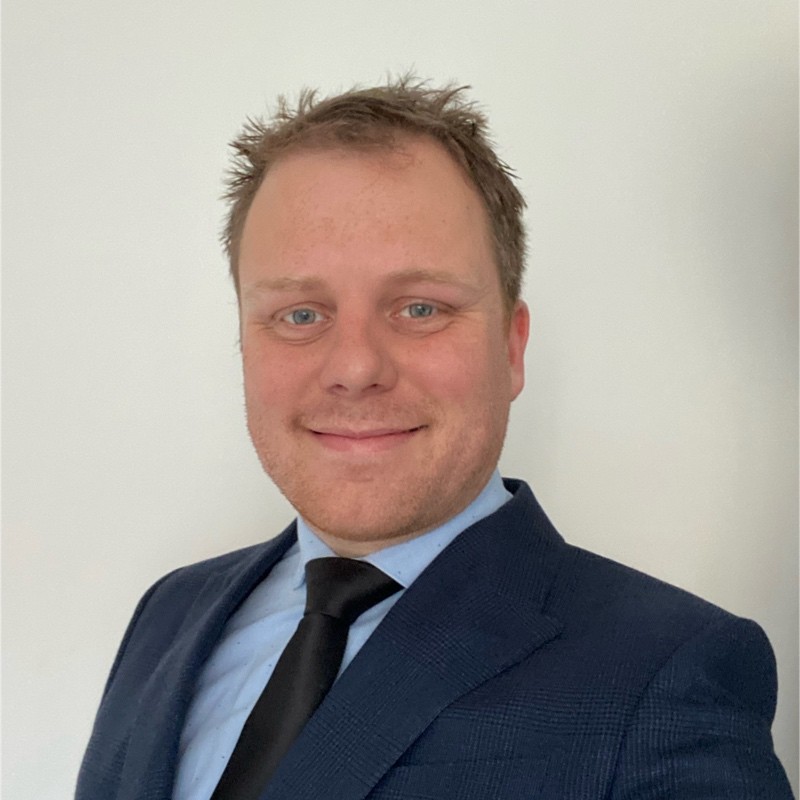
In this episode, I chat to Tom Fuller, Financial Controller & Head of Treasury at Form3. We explore how non-traditional career paths can build the skills and resilience needed to thrive at the top of treasury.
Listen on:



Featuring

About this episode
Tom Fuller, an experienced treasury professional joins the podcast to share how he transitioned from credit control into treasury, building his career across regulated utilities, high-growth fintech, and acquisitive corporates.
In the episode Tom reflects on the lessons learned from managing billions in M&A, implementing real-time systems, and scaling treasury functions under pressure.
What We Cover in This Episode:
- Early career journey: moving from credit control into treasury and finance.
- The importance of seizing opportunities and learning treasury “on the job.”
- Building treasury infrastructure in fast-growing, acquisitive businesses.
- Handling $3bn M&A financing and $2.2bn hedging transactions.
- Implementing cashflow forecasting, payment platforms, and SWIFT connectivity.
- The role of treasury systems: Kyriba, MT940/942 messaging, and reconciliation.
- Real-time payments: CHAPS, Faster Payments, and new connectivity models.
- Scaling treasury in fintech: balancing liquidity, debt, investors, and growth.
- Time management, qualifications, and practical career advice for treasury professionals.
You can connect with Tom Fuller on LinkedIn.
—
🎙️ Subscribe to the Treasury Career Corner podcast – Never miss an episode! Subscribe on your favourite platform:
CLICK HERE for 🎧Spotify Podcasts
CLICK HERE for 🍏Apple Podcasts
📊 Managing short-term cash and investments – Without the right technology is a huge risk for modern treasurers. ICD changes that!
🎓 Save $150 on CTP, FPAC & AFP Boston 2025 – Exclusive discounts for treasury professionals – thanks to our trusted partners.
🧠 Leadership Under Pressure – Practical tools and coaching that work – from the team at Gazing Leadership
🧩 What if your whole team had one clear view of your group structure – Fuseable makes it happen
🔐 Managing signatory lists manually? Cygnetise gives treasury teams a smarter, safer way
👉 FIND OUT MORE HERE https://treasuryrecruitment.com/partners/
Tom Fuller, Financial Controller & Head of Treasury at Form3: So I think if you are junior focus, if you are 20 years old, 21 years old, out of university or even just out of school,
Mike Richards, CEO, The Treasury Recruitment Company: yeah,
Tom Fuller: get the qualification done. R threat, you’re at the perfect time in your life to do it. Because by the time you get to, I mean, I’m 35, I couldn’t imagine starting it now. People do and they’re fantastic for doing it.
Tom Fuller: Yeah. But I think those early part of your career, the big focus on getting qualified and moving forward so that you accelerate into senior roles, be them accountancy, treasury, commercial, whatever it is, with the right mindset by those foundation qualifications.
Mike Richards: Welcome to this week’s Treasury Career Corner podcast, where I interview treasury professionals about their treasury careers. Each and every week I’ll talk to treasurers about how they build their careers, where they are now, where they see both themselves and the treasury profession. Going to next, let’s get on with the show.
Mike Richards: In this week’s show, I’m joined by Tom Fuller, the financial controller and head of treasury at Form three. Form three was established in 2016 by four banking and technology leaders with a single purpose to transform outdated, complex and costly payments infrastructure to a modern cloud-native real-time payments as a service yet, I’ve got that right.
Mike Richards: Thank goodness. They do this by, uh, offering a fully managed payment technology platform for financial institutions as a service. Their vision is be the world’s most trusted provider of payment technology by designing, building and running the technology that powers the future payments. Now we’re gonna get into that a little bit later on the show with Tom, who’s fantastic when he explained it all to me earlier when we had our pre-call.
Mike Richards: But I’m gonna go back through Tom’s corporate career and it’s still corporate treasury career, but it’s really interesting how you’ve then got into form three and everything else. Tom, I’ll hand over the reins to you. Uh, we were just talking before the show. You first started. Accounts payable, but engineering and everything.
Mike Richards: So give us a start over to you, sir.
Tom Fuller: Sure. Thanks Mike. Yeah, so I mean, my, my career did not start in the traditional kind of graduate scheme, uh, doing accountancy and then, and then moving to industry.
Mike Richards: Yeah,
Tom Fuller: I started on a two week, um, contract with two e Travel at Luton Airport, uh, on cold calling, uh, working in credit control, just working down a list of.
Tom Fuller: Various different, um, customer and were chasing and debtors. Yeah. And then that kind of, that moved on and it went from two weeks to, oh, why don’t we stay for six months? We, we like what you’re doing. And I worked my way around the, the shared service center as it was then and eventually was coaxed into starting a, uh, a SEMA qualification, which completed at tui, um, whilst working in their airline finance team.
Tom Fuller: So I have, and just,
Mike Richards: just for our US, this is SEMA by the way, chartered Institute of Management Accountants. So is a, a management accounting qualification that you, but you study on the job, don’t you?
Tom Fuller: Yes, that’s right. And it’s the challenge really, I think a lot of people in industry face when they’re juggling day-to-day work, trying to progress in the career, doing interviews for, for different jobs and, and ultimately making sure they, they pass their exams to, to get to that next level of experience and, and quality.
Tom Fuller: So I think ultimately, I. I got through all of that and was doing a management accounting job in airline finance, spending a lot of time building knowledge around how aircraft are cared for the mots they go through, which are called seed checks.
Mike Richards: Yeah.
Tom Fuller: And then progressed into, into treasury because we had to feeding cashflow forecast into group treasury on a regular basis as part of our month end process.
Tom Fuller: And I just found it interesting to understand. The way a big tour operator such as two E hedged out its foreign currency exposures and managed, its, its fuel requirements. And can you explain,
Mike Richards: explain again for the audience. I know too, I just re group for two years, you know, and everything else. Who are two E at that or who were they at that stage?
Mike Richards: Because obviously they’ve evolved in recent years and then a part of that. How did you discover treasury? You said you were talking to treasury or beating in both of those, if you would.
Tom Fuller: Yeah, so I mean, um, through your travel. Started out as a major German operator really, and, and grew substantially in the UK in the kind of mid two thousands ultimately.
Tom Fuller: Um, and had really developed, um, into our, not just a short haul business such as EasyJet, but actually looking longer haul and managing packaging package holidays for lots of customers. And they’re in the millions in terms of the. The footprint of customers that they would serve and they would be operating as far as as Asia and also into into America with a lot of the kind of the Disney tourism, et cetera.
Mike Richards: Yeah, so
Tom Fuller: they had a wide footprint and a lot of operation and stretching across Europe and they were obviously a keen employer locally when I was, when I was growing up. So that was kind of a natural f foothold into the world of work when I started. And the treasury function. There is a group treasury that’s headed at Crawley, which is just, um, Gatwick Airport.
Tom Fuller: Oh
Mike Richards: yeah.
Tom Fuller: And then we had a subsidiary function in, in, uh, in Luton. And ultimately it was, it was a fantastic way to gain some real hands-on experience on how a big firm operates in hedging out really large currency exposures when they had such a UK market dominance and such a big requirement in terms of managing currencies day to day, but also planning for.
Tom Fuller: Winter season or a summer season. So we had to make sure that we knew by cost element, how much money are you gonna spend for six months at a particular planning rate and then go, fine. How are we gonna hedge that out to make sure that we lend into an achieved rate for that season that we can, we can make sure keeps the margin of the business at a particular threshold.
Tom Fuller: So very, very intricate and uh, ultimately very. Very complex for a lot of different stakeholders through the business to make sure they were ultimately managed the group’s bottom line
Mike Richards: and very challenging in that in travel business about margins. The margins are everything that sometimes they’re more than the actual business itself, aren’t they?
Mike Richards: The, you can see the treasury is really the center of things.
Tom Fuller: Yeah, absolutely. I mean, yield management is, is the bread and butter of how they run a successful travel. Operation. I mean, they can be operating to far-flung locations where they haven’t necessarily got all the seats filled and they’re flying a loss, but obviously they’ve, they’ve kind of entered into that market.
Tom Fuller: They’ve got a partner, maybe they’ve got, uh, a venture deal going with a, a hotel there, and therefore they need to show operation. But ultimately, sometimes there are some loss leaders enable them to enter certain markets at certain times. So build
Mike Richards: up from that.
Tom Fuller: Yeah. Fine balancing act for those types of businesses.
Mike Richards: Then you made the move to my good friends at Anglia Water Group and at the time Jane Pilcher and everything else. So talk us through a WG, if you would, and yeah. Explain who they are. Obviously some of the listeners may have heard from a number of years ago, but your next move, what happened next?
Tom Fuller: So, I, I’d completed the, the accountancy qualification.
Tom Fuller: I was in treasure, but I really wanted to experience a different type of, of business. There was a new analyst position that opened up in a utility, a water utility called Anglia Water, and it was an exciting step into a heavily regulated space. Very, very different from FSE 100, managing to quarterly reporting and ultimately dealing with off what?
Tom Fuller: Heavily in massive planning cycles.
Mike Richards: Yeah,
Tom Fuller: and they call asset management periods. And it felt like a, a bit of a step into an unknown, but also a treasury department that was completely different in terms of the risks it was managing. Obviously it’s a a UK utility, so it’s not got lots of FX to worry about, but as we all know with the water industry, there are a lot of kind of debt transactions that built up over time and a lot of risk management has to take place in looking at where interest rates are.
Tom Fuller: Now where they’re going to be in the future and how they lock in, um, interest rate risk to make sure that they’re not over overspending for the debt that the companies are carrying at any one time. So that whole kind of debt management piece was a completely different window for me to step into and, and understand.
Tom Fuller: And it took me into the world of I four s nine hedge accounting for interest rate swaps, cross currency swaps, and really looking at how. A business that was privatized in around 1989, how that had progressed to build all the assets and services that it needed to for a growing region, such as, as, um, as East Anglia, and make sure that it’s getting the appropriate finance in place whilst working with the, the regulator.
Tom Fuller: So it was a, an established team of around 15 to 20 people and there was a very formal front office, middle office, and back office. Not necessarily subsidiary treasuries, but treasury function. We did treasury management system implementations. We did a lot of front office dealing with actually transacting with the banks over the phones initially, and then as automated and electronic dealing came in place as well with Bloomberg terminals.
Tom Fuller: And it was just showing the next level of treasury and how ultimately large group treasury functions work.
Mike Richards: Before we go onto your next role at Apex, I wanted to sort of just touch in there ’cause. You talked about technology, I know that’s a strength of yourself and you’ve really developed that. What have been maybe, you know, we are looking back in, you know, to late to you late 2020 around there sort of thing, and you were doing a lot of the technology stuff.
Mike Richards: What were the challenges you faced and you know, how did you get through them sort of thing at that period? So, you know, we’re pre ai so five, it’s only, it’s only five, six years ago, but technology is a strength of yours.
Tom Fuller: Yeah, absolutely. I mean, I think. Any company that has been around a long time has a lot of legacy, legacy systems that they’re having to cope with.
Tom Fuller: And ultimately, the way that effectively cash management is reported by businesses is a, is a key, a clear focus for any developing treasury because they want to make sure they’re at the forefront of what they’re looking to report up to the group treasurer, to the board, and make sure they’re making the right real time decisions on.
Tom Fuller: How much currency they’re holding, how much actual cash there is on the bank account, where it’s invested and what the return is. So a clear thing for us when we were working through our angling water was how do we make sure that we are getting in place a one-stop shop, all of our banking information, and we partnered with bottom line technologies to introduce a a Swift Bureau where we were consolidating all of our bank accounts in one place, getting regular reporting.
Tom Fuller: Via Swift. So we’d have empty nine forties empty nine 40 twos coming in daily and during the day as well. So our front office dealing team could make intraday decisions on what they wanted to do with balances as they changed the the day. And that’s because sometimes we would have customer deposits, um, coming in throughout the day.
Tom Fuller: We might have a direct edit run come in, first thing in the morning, and we wanted to have that real time information ready in order to make. An investment with a money fund or place some cash on deposit with a bank. So having those systems ready and willing to be able to take in data form decisions were, were crucial.
Mike Richards: So you made a natural career step then from a regulated water utility to Apex group, which is like, just shows the, you know, the flexibility of treasury professionals like yourself. That’s one of the key things. I had a, a call with a. A client just last night in the US and he was just saying, yeah, it doesn’t really matter whether you’re treasury, you can do treasury, wherever it needs to be for yourself.
Mike Richards: You know? Talk us through that next step. ’cause you know, say it tongue in cheek, you completely shifted. Talk us through the next moves.
Tom Fuller: Yeah. I mean, uh, apex, the move to Apex was an interesting one because I was asked to join the team there where there wasn’t a treasury, a formal treasury team in situ already.
Tom Fuller: Uh, there, there was a lot of work that was going to have to take place to. Assess, assess what cash management looked like day to day for that business because it’s highly acquisitive.
Mike Richards: What is Apex, by the way? Well just give us an, an idea of them at that time.
Tom Fuller: Yeah, so, so Apex is a, is a fund administration business, um, right bought from its kind of inception, it’s grown substantially into a massive technology group now and, and deals with all of the administrative tasks.
Tom Fuller: Funds may not want to deal with in-house and they would outsource maybe some of the reporting, the depository duties. Also out to what are we gonna do when we look at stable coins in the future, and how is that gonna be managed through good governance, et cetera.
Mike Richards: Yeah. And
Tom Fuller: Apex is heavily involved with, um, over 3 trillion assets under management.
Tom Fuller: Uh, so it’s a huge, huge business now. Yes. But when I was, when I joined it in 2021, it was still building up a large portfolio of companies that it was acquiring over, over kind of a three year period. So I was brought in to look at how we consolidate all of the information that we’re getting in from those businesses around.
Tom Fuller: As I said, cash management, making sure the bank accounts were all consolidated, and then putting in place a luxury management system. We chose kariba.
Mike Richards: Yep.
Tom Fuller: Which was a fantastic tool to be able to upload cashflow forecasts, track against budget. Also make sure we’re actualizing as we go forward. So you have a, a rolling cashflow forecast with.
Tom Fuller: Hedging view of of the business. And as I say, we were over 150 entities, so there was a huge amount of data coming into the group, treasury team day to day. And again, I come back to that real time process and being able to make decisions as new information comes to light was critical. So I worked, I worked there for about two and a half years.
Tom Fuller: We did a a lot of work in terms of closing acquisitions too, and some of those acquisitions were in Brazil where obviously. You’ve got the currency impact as well, but also the time all that you, you close off with, with clear counterpart in time for the closing of that market in particular whilst operating in the, in the UK and the London office.
Tom Fuller: So,
Mike Richards: and I think, sorry, I just wanna jump into, and I think you, you just, you don’t oversell ’cause you’re not like that, you’re, you know, very modest about it. The fact was there were $3 billion worth of m and a activity over what, in 2022. Hedge accounting for 2.2 billion. These are some big numbers that, you know, learning from, you know, working on transactions.
Mike Richards: What’s that like?
Tom Fuller: Stressful is one where you have a lot of pressure to execute and deliver in a timeline. With lawyers? Yeah, with account parties that are selling their business. And then going, well, okay, we’ve, we’ve done this, we’ve made this decision to buy this business. How do we make sure that we manage the debt that’s been raised off of back to finance it?
Tom Fuller: Yeah. And some of these businesses were fsy two 50 businesses that were, were purchased. So some group was one of them where yeah, a huge amount of money had been, have been transacted. Um, and we needed to hedge out to make sure that we can manage that interest rate risk. Myself and the group treasurer there were working heavily with a consortium of banks to ensure that we had interest rate swaps and interest rate options ready to execute, to hedge out and ensure that we were sure from a cashflow perspective, we had cashflow hedges in place.
Tom Fuller: What our, um, ultimately our interest cost was gonna be year, because as you know, planning year after year and making sure that we have a coherent pro forma for. The underlying p and l for the business is critical. When you’ve done all the acquisitions, the one-off costs have all been done, but ultimately, how profitable is that business?
Tom Fuller: Once it’s all controlled over?
Mike Richards: Yeah,
Tom Fuller: in kind of the efficiencies are hit, how profitable is it gonna be in the future? And that’s critical for any shareholders.
Mike Richards: The move to form three and what I want to do here is talk about your move there, but also can you explain or simplify it, but some as simple as me.
Mike Richards: What form three. I know we had our, again, call a couple of weeks ago and it’s fascinating, but also my head was still spinning a little bit, but try and, you know, bring it down to my level if you would, over to you. So form three here, were they,
Tom Fuller: form three is a very young company in the sense that it, it, it started 2016 as you alluded to, and it’s, it’s been been growing significantly by partnering with some key infrastructure providers, but also some tier one banks.
Tom Fuller: About looking at what is the legacy payment infrastructure starting off in the uk, what does it look like and how is it actually gonna be future proof going forward? And the critical question is 1970s tech and is still being used heavily by corporates all over the country in order to manage kind of payroll payments and direct debits.
Tom Fuller: Um,
Mike Richards: again, Royal us, we’ve got a lot of us d you explain what is so, just so they.
Tom Fuller: So it’s a three day payment cycle. Effectively, you submit payments to pay uk, which are controlling that backs environment. They would be normally batch files that are submitted across and then over a three day cycle that payment is ultimately match.
Tom Fuller: It’s released.
Mike Richards: Yeah, but
Tom Fuller: it’s a lot cheaper to run because it’s a lot slower. Uh, in UK we also got chaps that’s used for very high. High end transactions where you absolutely need to make sure that money is getting to the counterparty same day and it can’t be late, and it’s gotta be able to be easily traced as well.
Tom Fuller: And then you’ve got faster payments and far payments is the piece where the founders ultimately said, we can do this better in a more constructive way, in a cloud native infrastructure with multi-cloud technology so that you have multiple servers supporting it to make it heavily resilient. It was focused on how do retail customers move payments from account A to account B in the shortest time with the most resiliency.
Mike Richards: Love it.
Tom Fuller: And the platform is effectively set in place to speak to the central infrastructure in the uk, in the us, in Europe, and be able to say these messages, communicating settlement of funds from counterparty A to counterparty B are going to happen this point. Once those messages are received and reconciled and those counterparts are notified effectively within a platform, at the end of the day, those banks can do the formal cash settlement.
Tom Fuller: The Bank of England? Yeah. Or the bank elsewhere. So it’s in the clearing that Form three sits as the platform provider to kind of come back to that same phrase of one-stop shop, to be able to say whatever payment rail you are trying to transact through. Form three can assist in confirmation. There does not sit in the money flow.
Tom Fuller: We are separate to that. So we are almost just the reconciler of the messages as they’re moved across, across the network.
Mike Richards: You’re the channels, you channel provider. It’s brilliant. Yes. And you explained that well to me the other day, so I thought that it was worthy of reinventing. But you went in there into the head of treasury role.
Mike Richards: Talk us through what was treasury like there that, you know, they were an advanced company, so you know, was it. You know, all sorted, just take over everything and turn a handle.
Tom Fuller: So Form three was advanced. It has gone through, uh, series C fundraising in, in 2021, and it’s built out a significant amount of its, of its platform through that, that, that funding.
Tom Fuller: What the treasury function needed when I stepped in was making sure that we were making use of the investment vehicles that I know are available in the market. To make sure that if we’re sat on cash, we’re not just leaving it on the bank account or if we are, we’ve spoken to the bank account and ensured that we’ve got the right interest rate agreement there.
Tom Fuller: We are using the right number of bank accounts for our currency exposures, and we are making sure that day to day we are intervening to keep those balances where they need to be so that our working capital is, is solved for and we’re not over over keeping cash on funds when actually we need to make sure we’re not running overdraft.
Tom Fuller: And that day-to-day cash management piece was first and foremost what I needed to do. And it’s now grown substantially into how do we look at processes in the team to take this company into the next level of a mature finance function.
Mike Richards: And you are in a fast growing FinTech environment, you know, like literally, and then, but then you’re managing debt, relationships and on the other, and you’ve got liquidity, you got all those balances coming at you, big themes and everything else.
Mike Richards: How, how do you. Reconcile that in your head again for the listeners. ’cause they might also be going Yeah, I, I face those problems.
Tom Fuller: Yeah. I think the, it’s coming into, uh, a FinTech environment and a start headspace. It’s, it’s very challenging because you are, you’re going through and saying, have I got the best financing deal in place current?
Tom Fuller: Is it what we need in terms of the currency we’ve been supplied? What are the rates like versus what we could now get in the marketplace? Who are the stakeholders behind us in supporting the business? Are they in it for the long term or not? And it’s how do you ensure that you are managing all those relationships, keeping the investors up to date with the latest market trends, how the business is performing and how it’s growing.
Tom Fuller: Because critically we are obviously scaling significantly. We have lots of customers in the pipeline. We need to be able to be communicating that growth trajectory, not least in revenue, but also the volumes that the business is dealing with. And we process circa 300 million transactions a month. So it’s, it’s a significant amount now that we are working with, and our platform is heavily resilient for because of the partnerships we’ve had with the investors.
Tom Fuller: Ultimately the tier one customers that we brought along the way.
Mike Richards: And you’ve got, so you’ve got your balancing, as you say, those operational needs you just talked to there and then strategic stuff coming along. And then to add it to that, you’ve taken on more responsibility more recently and you’ve become the financial controller.
Mike Richards: Could you explain, you know, the step up in that? What’s the sort of the toughest part of that? Or, you know, how’s it been for yourself?
Tom Fuller: It’s been fascinating because it’s, it’s not. The the treasury that I know because it’s stepping into financial control and understanding ultimately how you take those steps towards a CFO position.
Tom Fuller: And what are the strains and pressures of someone in that role? Well, it’s looking at statutory accounting. It’s looking at how the shared service center actually operates. How do you deal on the commercial side with the business who are facing off against customers, and what does the strategic direction look like going forward?
Tom Fuller: And those are all things that. As I kind of broadened my, my horizon, so to speak, on, on business matters in general. They, they are interesting because it’s not something I’ve always had exposure to. We’ve been closing off the year end audit going through making sure that we obviously do all of the good stuff that, you know, you would learn about if you were pwc, for instance, and starting out in, in, in that guise.
Tom Fuller: It’s something that I’m now really getting my teeth into because. I’m speaking to the partner about the considerations they’re making when they’re reviewing our accounts at the end of the year. So it’s been, it’s been a steep learning curve, no doubt about and heavily challenging, but coupled with it has been really good because I’ve got a great team of people and I’ve been working with that have really pushed and assisting me on the way to deliver over the last six months in the run.
Mike Richards: And you are right at the front edge of a lot of this emerging technology and everything else, which is obviously great to yourself. You know, is that the key challenges that you see at the moment? You know, again, this is a part of the show where we sort of talk through a lot of your career. Where do you see, what do you see coming for you?
Mike Richards: You know, you’re standing at a conference and you explain what you do and then you know what? What are the things on your mind? How are you seeing it?
Tom Fuller: My mind always points to payment because I think there’s so much of the world and you only have to look in the US market
Mike Richards: grid.
Tom Fuller: How payments are dealt with there.
Tom Fuller: I mean, if you go into a bar in the US and you are paying with a card, they’ll take the card away, walk, maybe swipe it and come back with the receipt. You are signing for it, adding the tip, et cetera. And then you might actually see the entry on the bank statement for two, three days.
Mike Richards: 15. Yeah.
Tom Fuller: Pardon. You know?
Tom Fuller: Then you go to Africa and you think the infrastructure just isn’t there for real time payments at all in that part of the world. Isn’t that gonna revolve over the next 10, 20 years? You know, Brazil the same. Some of these far-flung places such as Australia, when you are sweeping cash from those jurisdictions, it can take 36 hours sometimes for cash to actually materialize bank account in London.
Tom Fuller: And I’ve seen that when I worked at Apex that that kind of, that time management on cash when you are dealing with the global network of payments, has to be taken into account these days.
Mike Richards: Yeah.
Tom Fuller: But I can see that changing dramatically and. That’s why form three’s at the, uh, the forefront of it, because it’s about accelerating it, getting people to think about cash movement as impacting their own personal working capital, which I think people don’t really kind of think about.
Tom Fuller: If you, if you go to, I always remember Jane Cher told me about this, actually, think about supermarket. They’re always positive working capital because. They’re collecting cash every single day from customers.
Mike Richards: Yeah.
Tom Fuller: They’ve got credit terms with their suppliers, so they might not have to pay for the eggs for two weeks.
Tom Fuller: Mm-hmm. Yeah. Or two months or whatever. Yeah. They’re, you know, they’re still collecting the cash for them. And it’s kind of that, that process around making movement of money quicker so that it’s in people’s hands to be able to spend elsewhere, will hopefully accelerate the economies of these countries that haven’t really, um, cottoned on yet.
Tom Fuller: That is a, a big. A big issue for their development. And I think the case in point is in the US where Form three can be an accelerator to move to Fed Now Fed Instant for a lot of these big count counterparties and banks. And that then we see our growth, uh, in the future.
Mike Richards: Our podcast is sponsored by I-C-D-I-C-D or an independent platform trusted by thousands of treasury professionals worldwide to manage short-term investments.
Mike Richards: One. Global Treasurer recently told me it was one of the smartest technology decisions they’ve made. No license fees, rapid setup and tangible returns. If you are looking for a smarter, simpler way to manage your liquidity, then head to find out more at our partners page, treasury recruitment.com/partners, and find out much more.
Mike Richards: Let’s get back to the episode. And as is in, you mentioned about the us you know, we, we’ve obviously got our US business, our LLC, and we do a lot of our business out there as well. And we just, we work with Bank of America. We’re gonna tell that, you know, that’s fine. But we also, we’ve just signed up with Mercury Bank and the speed at which they’re moving.
Mike Richards: It just like, it’s like I talked to you guys on the podcast each week, the way that they turned it round, and then actually we can validate you or you’ll do, we need your KYC, but the KYC was all done online. Then we did a couple of verification checks, and then I did it with my passport and I’m like, okay, this took me three weeks before when I originally set up my bank account out there.
Mike Richards: Now it was done in an evening. I’m like, okay. But it was all, you know, verified and I was really impressed by them. It was like, okay, this is, this is catching up very quickly sort of thing.
Tom Fuller: Absolutely. Digital banks are a game changer globally. Um, and yeah, the speed in which all of the compliance is it achieved is, is fantastic, really in the way that they can assess your identity by taking photographs of yourself, your passport, and then match it all off.
Tom Fuller: We see that with counterpart, like, like Revolut, just from a purple perspective building. It’s a, it’s a bit of a game changer. Um. UK, but that it’s gonna happen globally.
Mike Richards: I dunno if I should have given a shout out to Mercury, I’ll, I’ll have to recheck or see if I get an affiliate code. That would be really good actually.
Mike Richards: Um, you know, as a very happy customer so far, guys, you know, there they go. Enough shoutouts for that. Let’s go back to treasury. Biggest challenges would you say at the moment or other things that you’ve been going through and you think right, that’s, you know, obviously as you, you’ve just touched on all the evolution and stuff, other things that are coming along.
Tom Fuller: Yeah, I think, um. I think AI is a massive opportunity for treasury, but I do think it’s a challenge because you have to make sure that it’s being used in the most useful way to enhance decision making at the top of a group or company. Obviously, we’ve treasury systems have focused on cash matching bank statement versus tagging rules in systems for a number of years.
Tom Fuller: I can only see that accelerating as. More passing rules are, are put in place to be able to look through narratives on statements, but ultimately, if bank payments are not articulated properly in kind of the information that’s included in the remittances, it’s very challenging to get really accurate data.
Tom Fuller: It all comes back to, you have to make sure that the the inputs are are, are ready to be read by the appropriate system. I think AI will be able to make informed decisions as it goes along and keep learning, but. There has to be that kind of, that fallback of someone to be able to go through and say, actually did we spend all of that on payroll this month?
Tom Fuller: Or are there some, some taxes that have clicked in here that,
Mike Richards: yeah,
Tom Fuller: miscoded. And I think the problem is if you just let it accelerate off suddenly and you don’t look at a, I dunno, a cashflow statement, uh, for quarter, and you come back and look at it as a CFO and a company and the way, you know, accounts payable has moved.
Tom Fuller: It’s been tagged incorrectly. Suddenly your whole ledger can be quite out of kilter quite quickly and then you’re gonna have to go through and spend a lot of time unpicking it. So I just think the acceleration to how AI is used in accountancy needs to be considered. But I do think it’s gonna be a game changer, uh, just in the way accountants are used for the future of businesses.
Mike Richards: And it’s an interesting one actually, ’cause I was interviewed myself. By someone the other day where I saw it and went, because I talked so many treasurers and they were asking me about where I’ve seen it with treasurers and I was saying to them, look, I see this a massive, exactly as you said, massive opportunity.
Mike Richards: The problem is in the middle bit, you know, as I, there’s a lot of noise and actually I see there they’re becoming more of a burden, a little bit on treasures. Where you guys, before you were being asked a few years ago to look at. Different technologies coming along. Blockchain, could you look at this?
Mike Richards: Could you look at payments of you? All this different stuff? And actually, you know, you’ve in teams and you’ve been told by yourself, go look at this. Go look at this. And actually it was already on top of a heavy workload. So a big burden there. But now I think the problem is is, and I find it in recruitment, you know, every day I, I’m getting deluged with this noise of you could use this AI system, you could do this.
Mike Richards: And actually. I dunno about you. I’ve started to turn down that volume a little bit. ’cause I’m thinking, do you know what, I’ve gotta focus on the basics first and then see who wins. I’ve all often said that a lot of treasurers are late adopters. In a good way. Go out, see what happens. Yes, you can be the root master, but actually there, there could be a lot of time wasted on that as well.
Mike Richards: And you think same?
Tom Fuller: Yeah, definitely. I think there’s, you know, there’s so many different ways in which you could, you could look at applying. AI to existing systems. There are all different other systems on the market as well that are heavily marketed. And it’s just making sure that whatever you are deploying is fit for purpose for your treasury team as, as it stands.
Tom Fuller: And also that the changes and challenges of the future.
Mike Richards: So
Tom Fuller: I think you have to be considered in how you approach the, the new technologies come available.
Mike Richards: And I don’t wanna do the takeaways yet. We, we’ll do those shortly, but. If you are giving advice to treasurers, listening today, or treasury professionals, whatever level they might be.
Mike Richards: So it’s not the wrap up sort of thing, but you know, other things that you think people should be thinking. You’ve got this great career and I’m, as I say, I’ve known you for many years and now the companies you work with, you know, any, you know, looking at that, you know, someone’s listening to the show today going, oh yeah, that, that’s good advice.
Mike Richards: What, what other advice would you give to people before we get to them?
Tom Fuller: My, my big thing, I think a lot of treasury teams. Don’t think about because they haven’t really had to in the past, is what does, what do the payments infrastructure look like for your business going forward? How is Swift gonna change its standards?
Tom Fuller: What impact does that have on the way you make payments to customers or vendors? How are you gonna manage that transition? Because it’s coming, there’s gonna be more compliance placed. On businesses, people as well to make sure that they’re being clear about why they’re sending funds to certain areas, certain jurisdictions.
Tom Fuller: And how is your team set up to be able to deal with that more kind of focused, broad and compliance.
Mike Richards: Should responsibility for that sit squarely just with treasury or what? What’s the sort of percentage would you say, with general finance and things like that? Who, who take, who’s in charge of it, would you say?
Tom Fuller: The thing is, historically, it’s always sat with treasury in terms of making sure that you know your customer checks. Yeah. And obviously fraud, et cetera. I think it’s shifting, isn’t it, with with AI coming along and how is that gonna impact how banks trace for fraud transactions, et cetera. We will see how that’s adopted.
Tom Fuller: Obviously it’s a very heavily regulated space. I think where I’ve worked in teams. Especially around kind of the key compliance issues is that relationship with the legal department is critical to understand from the customer success team how we are onboarding a particular customer and, and why we’re going down that route with a particular customer is, is important too.
Tom Fuller: So it definitely has to be a coordinated approach to make sure that it’s not just sat with treasury to go through all the paperwork to make sure that. We comply with regulations and their sanction list, but there is that communication in the in the business to ensure the right people are involved at the right times to make decisions on counterparties, vendor management and ultimately customer.
Mike Richards: Okay, so we are getting towards the end. So you’ve been very calm with your time today. We’re gonna put your linked in details in the show notes. This is the wrap up as you know that I give each week. But I wanted to ask two things. Firstly. Key skills, mindset. If you are a more junior treasury professional, you know, you’ve made that progression.
Mike Richards: So I want to ask you about that, to answer that sort of area, and you might have your own answers as well. And then more, you know, for the more experienced treasurers, what do you think they should be doing? So not two, two, a two part question and not two questions, but what would you say
Tom Fuller: if you are junior?
Tom Fuller: I think the, the big thing for me is get your qualifications done. I think you look at. Accountancy obviously is one, one Head space. Yep. But also the treasury qualifications that are available too. They are there to teach you the, the right route through and the right thought processes to think about business.
Tom Fuller: That’s, um, and I, I really do feel like if you don’t, if you stop halfway with a lot of these qualifications and only do parts of it, does limit you professionally, but also just limits you in terms of how you think about where your career could get. Yeah. So I think if you are junior focus, if you are 20 years old, 21 years old, out of university or even just out of out of school,
Mike Richards: yeah,
Tom Fuller: get the qualification done, rattle through, you’re at the perfect time in your life to do it.
Tom Fuller: Because by the time you get to, I mean, I’m 35, I couldn’t imagine starting it now. People do and they’re fantastic for doing it. Yeah. But I think those early part of your career, the big focus on getting qualified and moving forward so that you accelerate into senior roles, be them accountancy, treasury, commercial, whatever it is, with the right mindset by those foundation qualifications.
Mike Richards: Yeah. You got that, that roadmap if you like, which is fantastic. And then. As you get a bit further on other things that you think that treasury professionals or more senior finance professionals should be thinking about as well?
Tom Fuller: Yeah, I mean, um, certainly the, the managers that I deal with, the, the, the things that I always say to them in terms of trying to develop them going forward is make sure you can see.
Tom Fuller: Tasks as this is what I need to do today and close. Don’t linger. Don’t let things kind of jump over several days to get things finished. Yeah. Make sure that if you’ve committed to a date to finish something, do it because that is the way you get through your work and ultimately you perform. I see a lot of people where they might have a task that they’ve got two weeks to complete.
Tom Fuller: They know that they can, they can complete it probably within that first week, but they still let it drip over into the second week. My view is that. If you are able to time manage properly, you can close that off in that week and then you’ve got the opportunity the following week to focus on something else.
Tom Fuller: And that’s what drives businesses for. You don’t have people sitting on their hands waiting for the next task to come through. It’s right. I’ve bled that off my desk. Let’s move on to something else. Let’s focus on the next step.
Mike Richards: Brilliant. Closing words. I’m not gonna say much more than that. Mr. Tom.
Mike Richards: Amazing. Mr. It’s just been great. You, lovely value with everyone there. Thank you very much and looking forward to seeing you very soon, sir. Thank you. Thank you very much. Thanks. Today’s episode of the Treasury Career Corner was brought to you with the support of our partners ICD. If you are looking for a smarter way to manage your short-term investments, ICDs independent portal gives you access to a full range of investment products, integrated analytics, and a simple centralized platform built specifically for treasury.
Mike Richards: If you head over to treasury recruitment.com/partners, you can learn more and we’ll be able to connect you with the right person at ICD for both you and your business. Many thanks for listening to the show and thanks for your continued support.
- Non-traditional backgrounds can be a strength – credit control skills are transferable into treasury.
- Treasury leadership is about building scalable processes, not just managing transactions.
- Real-time visibility and systems integration are now core to effective treasury.
- Managing large-scale M&A and hedging requires preparation, confidence, and the right support.
- Career growth comes from taking opportunities, continuous learning, and managing your time effectively.
🎧 Earn CTP & FPAC Credits by Listening to the Podcast
Whether you’re at the gym, on your commute, or walking the dog – you can now make your podcast time count toward your professional development.
We’re thrilled to share that Treasury Career Corner podcast episodes now qualify for CTP and FPAC recertification credits through the AFP’s Independent Study category.
How It Works:
- Each episode comes with a short multiple-choice quiz
- Score 80% or higher and you’ll receive your credit confirmation
- You track and submit your credits to AFP directly – nice and simple
➡️ The longer the episode, the more credits you can earn:
- 30-minute episode = 0.6 credits
- 45-minute episode = 0.9 credits
- 60-minute episode = 1.2 credits
No filler. No fluff. Just real conversations with top treasury leaders on strategy, leadership, risk, tech, and team building - everything AFP expects at an intermediate to advanced level.
🧠 Quick Facts:
- 📝 Quizzes are 6 to 10 multiple choice questions
- 🎯 You need to get at least 80% to pass
- 📨 We’ll send confirmation - you log the credit with AFP
- 💼 You can include this as part of your recertification record
NOTE: In line with AFP compliance requirements, no more than two quizzes may be completed per day.
