
Treasury Careers, Teams, and Excellence: Lessons From the Top
What do global treasury leaders really do to build high-performing teams, navigate massive organizational change, and win industry awards – all while working across time zones?
In this live episode from our Dublin event, three senior treasury professionals reveal exactly how they’ve built careers, led global teams, and driven continuous improvement at some of the world’s most recognizable brands.
Join Mike Richards as he chats with these three powerhouse treasury leaders:
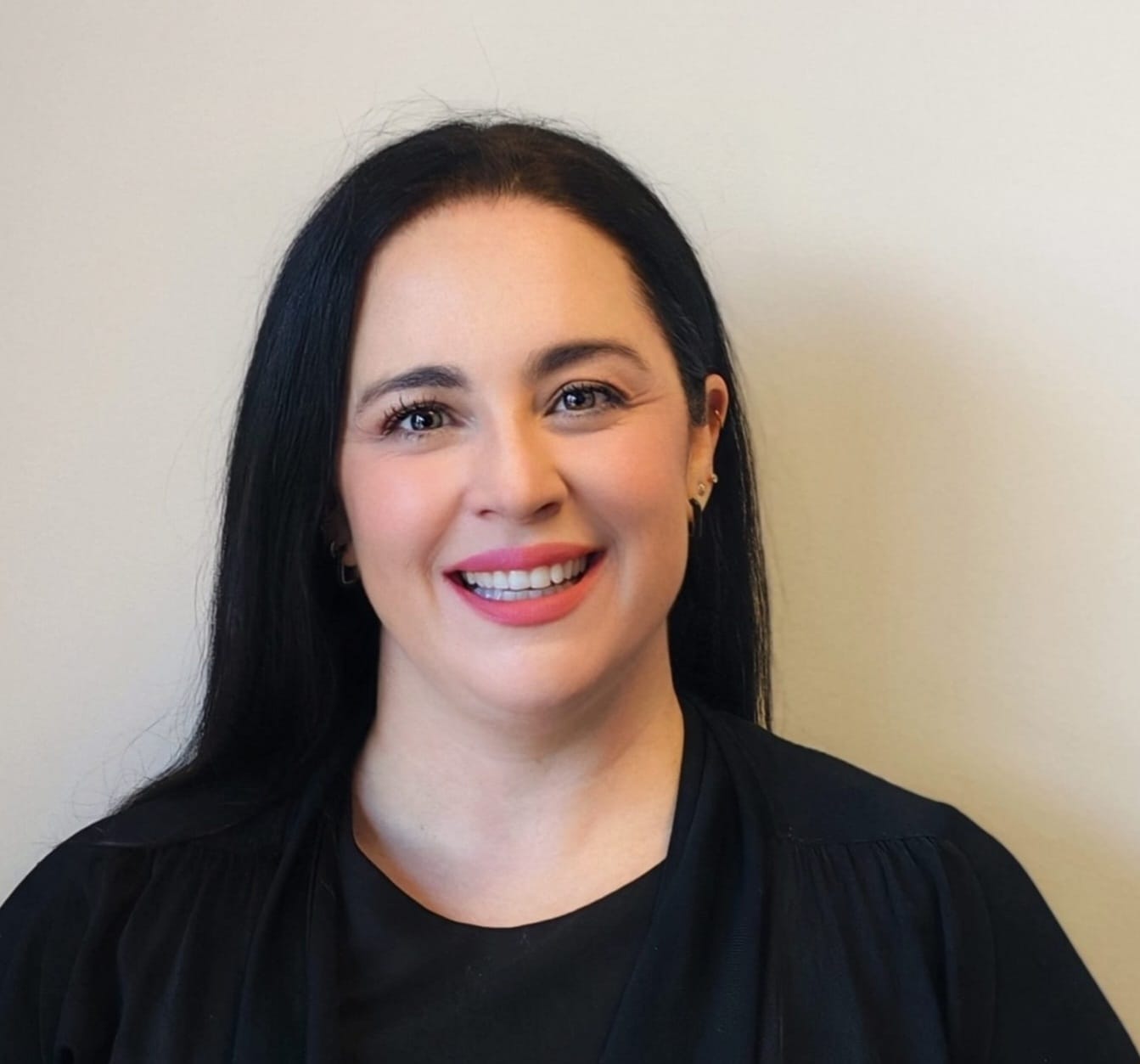
- Kiera Agnew, Assistant Vice President, Corporate Assistant Treasurer at Kellanova
- Julia Donegan, Global Treasury Director at Newell Brands Inc
- Keith Lynch, Senior Director, Global Treasury Centre of Excellence, Viatris
Listen on:



Featuring



About this episode
Hosted LIVE in Dublin, this episode unpacks the real-world challenges and successes that come with leading treasury in complex, global organizations.
From entering the field by chance to shaping the future of the profession, this candid conversation offers a masterclass in what it takes to thrive and lead in modern treasury.
What We Cover in This Episode
- How each guest accidentally fell into treasury and built global careers from the ground up
- The role of formal education vs. real-world experience in treasury success
- How to build and scale global treasury teams, especially post-COVID
- The shift to remote and hybrid work, and how it’s changing team dynamics
- The importance of mentorship, leadership, and soft skills in treasury
- How treasury teams earn a seat at the table in strategic business decisions
- Using automation, TMS, and AI to drive transformation – without reducing headcount
- Lessons from award-winning treasury projects in virtual accounts, restructuring, and more
- Advice on career progression, visibility, and getting internal recognition
- The challenges of navigating acquisitions, integrations, and rapid change
—-
🎙️ Subscribe to the Treasury Career Corner podcast – Never miss an episode! Subscribe on your favourite platform:
CLICK HERE for 🎧Spotify Podcasts
CLICK HERE for 🍏Apple Podcasts
📊 Managing short-term cash and investments – Without the right technology is a huge risk for modern treasurers. ICD changes that!
🎓 Save $150 on CTP, FPAC & AFP Boston 2025 – Exclusive discounts for treasury professionals – thanks to our trusted partners.
🧠 Leadership Under Pressure – Practical tools and coaching that work – from the team at Gazing Leadership
🧩 What if your whole team had one clear view of your group structure – Fuseable makes it happen
🔐 Managing signatory lists manually? Cygnetise gives treasury teams a smarter, safer way
👉 FIND OUT MORE HERE https://treasuryrecruitment.com/partners/
Keith Lynch, Senior Director, Global Treasury Centre of Excellence, Viatris: I’ve been an, an individual that I can’t sit still or to go into a role where it’s just a monotonous day to day, the build or the change. And that hit at the end of it where you see the result. Even though there are bad days and good days throughout the journey, you see the end results. That’s rewarding.
Keith Lynch: And that’s a trill.
Kiera Agnew, Assistant Vice President, Corporate Assistant Treasurer at Kellanova: They were solving a problem. And yes, there were problems, but I suppose as a team we were able to look at all the different things and say, okay, well if we can figure out how to automate that, I can take that 10 minutes a day, two hours a day, eight hours a week, and feed that back into something else.
Kiera Agnew: And I, I had actually managed to get my team to a really good place around continuous improvement, where it was actually baked in to most of my teams.
Julia Donegan, Global Treasury Director at Newell Brands Inc: I think I’ve taken several risks in my career by leaving very stable and good jobs to try something that was gonna be more interesting. And I’ve had moments where I went, I taste a terrible choice.
Julia Donegan: What have I done? But like that it’s being persistent, it’s putting your own shape in it. Like similarly, when I left Pfizer and I did my first few weeks in Newell, I was like, what have I done? How can I put some shape on this? What can I do? You know, we didn’t even have bank balances reporting. I tried to sit down and say to myself, this is an opportunity.
Julia Donegan: It’s not a challenge. If you can fix this, then you can succeed in this organization, or you can go anywhere else. And it’s just about, I suppose seeing that a challenge is really an opportunity for you to step in and say, I can do this, I can fix this, I can solve your problems. And then more challenges or opportunities can come your way from them.
Mike Richards, CEO, The Treasury Recruitment Company: Welcome to this week’s Treasury Career Corner podcast, where I interview treasury professionals about their treasury careers. Each and every week I’ll talk to treasurers about how they build their careers, where they are now, where they see both themselves and the treasury profession. Going to next.
Mike Richards: Let’s get on with the show.
Mike Richards: So who am I now for, again, I feel like I’m saying this ’cause we did it not so long ago. I’m Mike Rich, as I’ve run the treasury recruitment company. I’ve done it for 25 years, talking to treasury professionals. We recruit at all levels. Treasury analyst, a global treasurer, and then that’s enough about me.
Mike Richards: You go, there’s the team. How did this all happen? So six and a half years ago, pre COVID, I thought I’d do this podcast. Talk to us about 10 treasurers, see how it went. Unfortunately, the record got stuck and now we’re 385 episodes, 400 guests, 200,000 downloads. What it means is that you guys love to hear the stories of other treasurers.
Mike Richards: So I said, I know what. Let’s make it into a live stage show. Let’s have amazing guests like this be recorded for the podcast, but they also tell their stories and that’s how it’s gonna go this evening. So in turn, I’ll get each of my guests to introduce themselves, how they started their treasury careers, well, where they are now.
Mike Richards: And then they’ll talk through how they started their treasury careers, how it developed, and how it’s grown. And then a bit later you’ll get to ask some questions that you want to do, and we want to leave room for that as well and make the most of it. ’cause if you don’t, when else are you gonna get a chance to do it?
Mike Richards: You can’t ask these questions. And also you can put people on the spot, but he did it in London last week. There was a particularly quick, difficult question for one of our guests about how he had a route with A CFO. Now, I knew that he’s had so many routes with CFOs, he’s been five or five times, but we couldn’t do that in a pat room.
Mike Richards: But don’t ask that question. Or if you do, just ask Keith. Okay. So first of all, ki if you would, and yeah, the lovely carry, oh, look at this. He’s great. With a microphone. Go.
Kiera Agnew: So my name’s Kira Agnew and I’m the assistant treasurer for anova. Uh, so I am an ACC accountant by trade. Um, I would, uh, I have a Bachelor in Commerce, a master’s in accounting, and I did my training contract with KPMG.
Kiera Agnew: Uh, my training contract with KPMG was very specifically in the financial services sector, and that is most likely how I fell in love with all of the different treasury components. So I did a lot of hedge fund work. I did, uh, pensions, aircraft leasing, and quite a lot of the other kind of big buzzwords around Dublin kind of business wise.
Kiera Agnew: Uh, I then actually started working as a treasury accountant in Pfizer, so the Dublin Treasury Center, which is pretty close to here, um, and then got an amazing opportunity to move as a treasury accountant to Kellogg at the time. Uh, so they were going through a reorganization. They had just purchased, uh, quite a large brand for them.
Kiera Agnew: Uh. You guys might know it, it’s Pringles. And uh, we then went on to consolidate, they consolidate that from p and g in and do other kind of small bolt-on m and a. And I managed to go through from a treasury accountant to a risk manager, to then senior treasury manager in Europe, the assistant treasurer in Europe.
Kiera Agnew: And then I got an amazing opportunity to do a global role. So again, COVID made strange bedfellows, I think of most. And I actually got an amazing opportunity to start doing our debt capital markets from Dublin. So I did debt capital markets. I led, we did a spin, uh, about 18 months ago now. And, uh, I would’ve led that project.
Kiera Agnew: I did, uh, strategic planning, global fx. I also recently took in our global risk policy. So I manage all of our global insurance policies and cash flow, which. May be slightly different. So not necessarily liquidity cash flow, but fp and a cash flow. So actually the cash flow that we would report in our KRQ.
Kiera Agnew: Um, I also have middle office and the C and cash management for North America, which is our largest region reporting up through me.
Mike Richards: Amazing. So, and we will quiz each of our, um, panelists as we go through. We’ll move on to Keith if you would.
Keith Lynch: Good evening everybody. My name is Keith Lynch. I am senior director at Via, we’re a pharmaceuticals company, global multinational, $15 billion, uh, revenue company as a 24.
Keith Lynch: Um, I am working there at three and a half years or so. I was assigned the task of setting up a treasury center of excellence. We have a global presence. I have a team in Hungary. I have a team in China, India, and we have some presence in Dublin as well. I started on the treasury journey 26 years ago. Um, when I left school, uh, when I was 70 and 18, uh, again, by accident, uh, a lot of, uh, treasury professionals end up in this, uh, sphere, I suppose by accident.
Keith Lynch: I didn’t know what treasury was. I don’t think anybody, uh, in my class anyway knew what treasury was and like how that accident came about was I was studying by night. I did a com, an honors degree in computer science, and I had to find a job for those four year. And I found that job in National Arts Bank, which is, I think it’s Danska Bank now.
Keith Lynch: Um, and I studied in Trinity College. So the, the bank was located close by and I fell into international and treasury within the bank. Loved the office environment. Doing bank recs, looking at checks, drafts, paper everywhere. Didn’t know what a bank rec was back then. Now I certainly do. I, so I moved on from there and, uh, went to YIB Bank for a year and then onto Citi.
Keith Lynch: And we’ll maybe talk a bit about, uh, Citi, uh, down the track. Citi had an outsourced treasury function, and that was a good transition for me back then in the early two thousands to, uh, move into a, a pure corporate role. Um, I moved from that point onwards into a osa, a South Korean conglomerate. I was there for 11 years, dipped my toe into the water of consulting for a year, a year and a half, and move to via, um, where I’m loving work.
Keith Lynch: I’m running the, as I said, the Treasury Center of Excellence globally and other COEs as well. And I’ll go into that in a bit more detail later.
Mike Richards: Julia, I’m.
Julia Donegan: I am the Global Treasury Director for renewal brands. Many of you probably don’t know the name of our company, but you know, are very, very famous brands such as Sharpie, Yankee Candle, Greco Rubbermaid.
Julia Donegan: Um, I started my role there about five years ago. I started off as a treasury manager for EMEA Task with setting up a treasury center, um, and migrating work from all around Europe into one single center. From there, progress to senior manager APAC was Mar migrated to Dublin, and last year I’ve made the Global Treasury Director, which covers then the Americas as well.
Julia Donegan: So I have a team in Dublin and a team in the US that manages all our treasury globally. Um, our primary focus is treasury, operations and liquidity management, and we have netting and also back office fx. Where I started my journey for treasury was, again, by accident, I think. Like most people. Um, I decided to leave a very good and stable job too because I wanted to follow my dream of being an accountant.
Julia Donegan: You know, it’s a very exciting start. Um, and ended up in the middle of a recession going from contract role to contract role and ended up in a bank called post Bank, which some of you may know, but most of you probably don’t. ’cause it didn’t last very long. So when I was there, it was winding down and I got the opportunity to work in every single area because there was nobody left.
Julia Donegan: And the joke was that I was head of treasury ’cause I was the only person there, even though I didn’t even know what treasury was. So, um, when I went to recruiter when that was winding down, they said, oh my God, you’re an accountant with treasury experiences. This is great. I said, I’ve sent some faxes and done a bank rec, but okay.
Julia Donegan: Um, and from there they recommended, you know, continue with treasury. It’s a great area to go into. And I ended up in Pfizer, which I was there for 10 years and really grew to love treasury and basically just wanted to stay there. Uh, from there I moved on to. Newell because I wanted the challenge of something new and it definitely was a challenge.
Julia Donegan: But, uh, seeing the team and the Treasury Center grow within Newell has been fantastic. Um, and I’ve enjoyed all of it.
Mike Richards: Cool. So we’re gonna start with your younger selves and that, those accidental journeys into treasury. But coming from study, first of all, if you like, you’ve, we’ve got a range of treasury professionals, we’ll move a bit more senior treasury career later.
Mike Richards: But for those that are in the early years of their careers, what role has education, whether that’s university or treasury education, played with it. We’ll go across the panel starting with yourself, Kiera, and then go across this way and then we’ll vary it a bit later. So what about you? ’cause you’ve done a lot of study as well.
Kiera Agnew: Yeah, and I suppose I would really say accounting was very beneficial and, uh, being. Part of the big four. Again, being able to see a lot of different things, uh, really, really did set me up for success as I moved into that next role. And it was why I got the role in Pfizer. I mean, one of the things that Pfizer were looking to do was, uh, really change, well not change, but, uh, refine how they were actually, uh, valuing their, their portfolio.
Kiera Agnew: Mm. And like, this was through Bloomberg, it was through Quantum. We were basically testing cubic splicing and all the rest of it through the quantum system. And like I’d been involved in some of, uh, some very, and by the way, very like not as detailed as Pfizer were doing, uh, work on that in KPMG. And it was probably the one thing that kind of like snapped in the interview.
Kiera Agnew: And I’d say that was why I got the role. Um. But again, like, so the experience that I would’ve had when I was valuing, um, the pension funds and the different hedge funds that I would’ve been auditing through Bloomberg was probably one of the things that I was able to use as part of my career. And again, obviously enough doing, uh, my degree.
Kiera Agnew: And then during the milk round getting offered the role with KPMG, um, I did also get other, um, other opportunities as in other big four, uh, opportunities. But KPMG for me specifically was interesting because it was financial services. And I won’t lie, I didn’t know at that point what I wanted to be when I grow up.
Kiera Agnew: But for me, I, I, I had a little boy at the time, I didn’t wanna go do like audit where I was going, like driving around the country, like counting whatever. So for me, financial services, which was IFSC located close enough to the office, located close enough to my house, was kind of like where I thought I was going and I was looking enough to have KPMG uh, sponsored me for my then as well.
Kiera Agnew: No.
Keith Lynch: Okay, Keith. I suppose education, yeah. Really has played a, a huge role in, in my career. As I said, I’ve, I’ve studied by nice, I did eight years in total by night. Um, I said when we had our podcast, or I had this love-hate relationship with education, um, when I was studying, I could never understand why I’m doing this.
Keith Lynch: You know, falling asleep on the desk after a hard night’s work or trying to balance, you know, personal life. It’s a tough slog. Um, so I did four years computer science. Now, computer science, not really relevant to treasury. There were a few business aspects to that, but when I was interviewing over the years, my line to the interviewer was, well, I’ve done an honors degree in computer science.
Keith Lynch: I’ve worked during the day. I’ve shown that I’ve been able to work and put the hard slog in, and I’ve done it. So that was my key line in an interview. I then went on to do the A CT or the A MCT with the Association of Corporate Treasures. Why did I do it? I was in treasury for quite a long time at that stage, but I guess I wanted to kind of step back out and see how it was written by various authors and, and validates, you know, what I’d learned over the years and what I’d learned was great.
Keith Lynch: Even when I interview people, I, I’m really looking for the experience, but for me it was a, a challenge. I want to challenge myself again, and I feel it was value, it was a validator for me, again, to say, yes, what you’ve learned through 15 years at that point in time is what they’re writing.
Mike Richards: So when you, whenever you, when you are recruiting, and we’ll come back to yourself as well, but is that something you, when you are looking at someone’s cv, are you thinking, what have you done?
Mike Richards: Because obviously you, you didn’t do a finance degree, you know, you did the computer science and then you did the other things. So how do you balance that out? And then we’ll go to Julia as well.
Keith Lynch: But it, I suppose it depends at what stage of their career you’re interviewing, you know? So if it’s at the front end, you would say, okay, you’re educating yourself on the treasury side.
Keith Lynch: That shows the intention that you want to embark upon treasury. Whereas for ourselves, mostly we’re, we fell into it. So there are avenues there, but I suppose a more junior treasury professional, we’d look out for that, or I’d look out for that anyway. But as you’re going through your career mid-level, then you’re, look, you’re shifting more towards experience and you’ve gone through it.
Keith Lynch: You’ve gone through the operations, you’ve gone through various aspects of treasury, project rollouts. That’s kind of where I would then focus at that stage. Yeah.
Mike Richards: Judy,
Julia Donegan: I think I’d agree with Kira on the accounting qualification as really beneficial. I did my degree in business, I specialized in finance, so I obviously preferred that area of business.
Julia Donegan: And then I did my masters in business. And then qualify as an accountant. But I can still see daily how I use my degree, even if I’m not an accountant. Even with dealing with other teams within the organization, when you’re dealing with legal and tax and audit, it just gives you an a grounding and understanding of often where they’re coming from and their approach.
Julia Donegan: So I see it as as very beneficial. And I think my first, um, real job at a college was for the Institute of Bankers, which is the education body for bankers. So obviously there was a big focus on being educated and within that organization you knew to get anywhere, you had to be well educated. Like most senior people were doctors.
Julia Donegan: So that’s why I started with the masters and then I thought maybe I’ll do a PhD, but I didn’t like doing master’s, so that’s when I decided to go back and be an accountant. And you know, it’s not anything I’ve ever regretted. It’s definitely a skill that I use still daily, even if I’m not an accountant.
Julia Donegan: And when I look at CVS and I see maybe that’s my. Bias, but I do put them to the top a little bit. Um, but in general, I think everybody now needs a, you know, if you’re looking at a CV or even getting a CV through hr, you do need a minimum of a degree, um, in terms of what you’re looking for. And again, one that’s probably business finance, but I think more and more in treasury, um, actually computing or data analytics are becoming more and more relevant and then often some of the business degrees.
Julia Donegan: So in terms of an area of expanding or studying, I definitely think, it’s not that I’m ever going to go back, but if you’re wanting to, might you want to look at
Mike Richards: ki talking about IACT? What, what’s that initiative or. You know, is that something you, you are trying to help the younger guys coming into treasury and not being accidental treasuries?
Mike Richards: There’s no, no judgment on you guys.
Kiera Agnew: Yeah, so we launched a program where we have an IACT graduate coming out of a Trinity College course that our current president is giving right now. Um, and we actually have the, our intern this year in the room. So she spent six months with me. She’s moved on to ESB and she will then go on to, uh, the, a third placement in FTI Ireland.
Kiera Agnew: And that has actually been so, um, popular, um, and, and of such great benefits to the organization so far that we’re actually doing two interns, uh, next year. And the idea is to start in college communicating that, you know, treasury is also a career. And I mean, there’s a lot of it in Dublin. So to start, you know, from as young an age as possible to start thinking about this is something where you could end up career-wise
Mike Richards: going to Keith.
Mike Richards: I’m gonna ask you Keith about, so last night I was speaking at an event for JP Morgan in Paris and we talked lots about technical AI coming along. Everything’s happening, and we got a bit later on in the session and I said, you’ve got technical expertise. This is undoubted with you guys. But now you’ve got the softer leadership skills coming up and a lot of you guys haven’t been trained on it.
Mike Richards: You’ve sort of, again, developed those over time. And the the room was looking at me, I said, right, how many people in here have had any training on leadership and coaching? And it was like, yeah, I know. Keep your hands down. And they were like, oh God. Yeah. But you guys have done it successfully. Talk us through your leadership style, if you like, and how you coach the teams and then we’ll move across to junior and then come back something.
Keith Lynch: You’re absolutely right. It’s something that you’re, you’re not taught. Yeah, really, and for me, I, I felt like I, I jumped in at the deep end and, and this is not only leadership, I, this applies to various aspects of what I’ve done, but throughout my career, I, I’ve looked at leadership or other aspects where I said, Keith, do it.
Keith Lynch: You know, go for it and do it. You know, even if it’s something that you, you haven’t embarked upon before. And it’s, it’s about self-learning, I suppose. Now, mentoring and mentorship, and if you can find a good mentor, that’s a bonus us in a way. I’ve been really lucky. I’ve had good people along the way.
Keith Lynch: There’s an element of luck there. Good leaders and good teammates. But those, some of those leaders have given little snippets of, of education along the way. And it may have been something that you’ve done wrong. Where the, there’s a, a little correction there on
Mike Richards: leadership or whatever it may be. And when you’ve talked about the mentors, what’s in it for them then?
Mike Richards: Why, why would you know, you’re, you’re getting them and say, I’ll be my mentor. Yeah, but how did, how does it work? What’s key to it?
Keith Lynch: I suppose some of the mentors to me have been my managers, some of them have been external as well, but managers in the past. So Citi for example, Doon has been great. I still have my ex-manager or ex-boss that I can pick up the phone to.
Keith Lynch: I suppose I can see potential planning on their part as well to make sure, you know, when they leave, it’s in good hands. So there is an onus on them as well. I know I’ll keep on talking about the IACT and, and the education side of things, but you know, in the past the ICT have set up a, a mentoring program that is a good channel really to go to as well.
Keith Lynch: Um, and they’re really, really great mentors and senior professionals out there that wasn’t there when I was going through the midsection of my career, but I was lucky along the way as well.
Julia Donegan: Yeah, I, from my, a lot of my team are here, so they might disagree with you.
Mike Richards: Oh, okay. Hang on.
Julia Donegan: But
Mike Richards: give us a microphone.
Mike Richards: We’ll go out there and ask them. We go with, with the team. Hang on. Where are we with? Great. Okay. I’ll be over there in a minute. Okay.
Julia Donegan: Yeah. But I think, um, yeah, soul Skills has, you focus a lot on I definitely my career in the early stages and my technical skills, but then I realized actually these are not the only things that are gonna get me far.
Julia Donegan: And watching people that you work with, how do they get things done and the good and the bad because you learn not just from people who are very good, but. You learn how, okay, this is not how I would like to be treated. I don’t work well under these circumstances. I’m gonna take that with me as well in every interaction.
Julia Donegan: Um, and I think also one thing I’ve had to learn over time is that you have to adapt to each individual in your team. Each person that you’re working with a project on, you have to adapt every time your manager changes as well. Um, and it’s just that constantly taking the moment to get a note, get to know a person, and then how you deal and direct with them is really important.
Julia Donegan: But that takes a lot of time and as much as time it does to grow your technical skills. I think
Mike Richards: well stay with you for a moment. You’ve been obviously through, as you described earlier, some restructuring and lots of changes, you know, and that’s one of the constants been there. How have you kept the momentum up or how have you.
Mike Richards: You know, kept the team on board sort of thing.
Julia Donegan: Yeah, I think just always having a clear picture of where you’re going. Because I think when you’re in an overwhelming time and in the detail of everything, you kind of forget where you’re going, but always reminding, this is where we’re going, this is what we’re trying to achieve.
Julia Donegan: And then have regular check-ins say we’re, I know it might seem like it, but we’re actually getting there. And I think it’s important. That’s something that often you don’t feel like you have time to do, but do the look back and say, okay, look where we were two or three years ago. Look at what we’ve achieved.
Julia Donegan: And I think it keeps the momentum going then to say, you know, if we can do this, we can keep going and going. And also for, I suppose a lot of change within our, our team happened and we’ve had a lot of growth, and to see that as a positive thing as opposed to just work it shows, the more that we get into our, you know, our Dublin center is the more faith that the, obviously the overall the organization has us, has in us and how well they perceive us as doing.
Julia Donegan: So. The more work we’re getting, it means overall how positively we’re viewed. Even though some days it seems pretty hard.
Mike Richards: Our podcast is sponsored by I-C-D-I-C-D are an independent platform trusted by thousands of treasury professionals worldwide to manage short-term investments. One Global Treasurer recently told me it was one of the smartest technology decisions they’ve made.
Mike Richards: No license fees, rapid setup and tangible returns. If you are looking for a smarter, simpler way to manage your liquidity, then head to find out more at our partners page, treasury recruitment.com/partners and find out much more. Let’s get back to the episode and I’ll give a shout out. Actually, we did our session in London this time last week and a few people were here from there.
Mike Richards: And we had Declan Doley from DCC in very similar way. One of the things he said was with his team is they, they focus on three things, not 33 things. Their top three things and how do they make a difference? How do they achieve them and get through it? And that was how they kept their momentum going, which was really great.
Mike Richards: So you’ll hear that on the podcast. So download the podcast and this Keith, we’re gonna come to you with. You’ve been through all these big changes and you’ve got awards, but you’ve also got, I know we talked about it on the podcast, that you challenge the status quo. You’re not afraid to do it, but the awards going hand in hand with, right, this is how we’re gonna push this through.
Mike Richards: And then, you know, how do you do it?
Keith Lynch: I suppose if I look, look at myself, I’ve been in an individual that I can’t sit still to go into a role where it’s just a monotonous day to day. The build or the change. And that hit at the end of it where you see the results. Even though there are bad days and good days throughout the journey, you see the end results.
Keith Lynch: That’s rewarding and that’s a trill. And the team that I have, or we have in, in the organization, we have that culture, a continuous improvement. Mindset. Sometimes it doesn’t come naturally. You know, it’s a culture that maybe you have to instill in, in the team itself. I’m not gonna say it, it’s luck again, because it’s, it’s not all luck, it’s education, it’s guiding, mentoring, leading by example.
Keith Lynch: Good planning. I, I think they’re kind of some of the ingredients around
Mike Richards: success. And you’ve got, you’ve shown the success through what awards have you got along the way, or, you know, why, why do you think the recognition is there?
Keith Lynch: There’s a couple or a few of them. So in Doan we had highly commended because we rolled out a virtual account solution.
Keith Lynch: It’s probably at the front end of virtual accounts when they. It became a thing at Vitri with two awards. Actually there’s one up potentially upcoming again in two weeks time for team of the year. So fingers crossed there and IACT, actually I think it was last year. It’s not luck, it’s part of a build and there were elements of low hanging fruit in some of those organizations that we pick up on and say, okay, we’ll roll up our sleeves and get this done.
Keith Lynch: Best practices, they’re the words that are at the top of our mind even. We have a continuous improvement focus. We have a core team, um, in my current treasury team, but I, I have another COE call inventory manufacturing as well. We have a continuous improve improvement team embedded in that they’re the same people, but it’s a, it’s a core focus and when you have focus like that in a team, I think that’s a help.
Mike Richards: Kira, I wanted to go to you about the, the uk, well, the island and the European teams. And the US teams, you and I were just talking about it before. Yeah. You know, you’ve got this broad time zone challenge. Does it mean you, you never sleep? What happens? Like, how does, how does it work for you? How do you make it work?
Kiera Agnew: Yeah, I mean, I suppose once I started the US role I would, I have my debt capital markets guy, so he’s fully remote and he’s out of Vegas, which generally gets a few titters. And my global FX guy who I actually think definitely worked with Julie, might have worked with you actually as well. Keith in city when in the outsourcing.
Kiera Agnew: Uh, he’s fully remote as well in Spain and he runs our global FX from there. My director for risk, um, a middle office, uh, Heather’s in the US at our old headquarters and she has one person with her that does insurance claims. And then my middle office manager is fully remote in big rest and he then has two team members that came out of our GBS and they’re located in Mexico.
Kiera Agnew: So there’s literally only like two, two Macs on my team that are in like the same location.
Mike Richards: And obviously the over the past few years, the world has changed and the hybrid working, but this is remote working fully. Yes. Fully. How do you, how do you keep it on task then?
Kiera Agnew: Yeah, and I mean, look, I mean, we were talking about this earlier.
Kiera Agnew: Yeah. I, I struggle a little bit with the idea of onboarding someone or somebody young or somebody new to treasury and allowing them to be something like that fully remote. Yes. There’s ways of it. It can work, you know, you might do something around that. They have to be with you for three or six months or whatever it looks like.
Kiera Agnew: Um, but those two individuals in particular, um, one was with the company over 20 years, one is over 10 years. And my biggest problem with him is to actually try and get him how to stop working, you know, the way. So again, massive amounts of trust in both of them. You know, the way they’ve never been late with deadlines or anything like that.
Kiera Agnew: And so therefore it’s a case of let them do what they do. Um, but yeah, like I have nobody in Dublin right now. You know, the way that with my, with on my team, I have the Europe team that’ll allow me to tag along every so often so I have somebody to talk to in the office. Um, but again, I suppose because it is a global role, I am talking to everyone.
Kiera Agnew: And so from my point of view, it’s a lot easier to talk to the Asia CFO, you know, in my time zone as well as the LATAM one and the US one. You know, it is, in all fairness, it’s a reason there’s a lot of treasury in Dublin. We’re able to hit a lot of time zones. So, you know, I mean, the only one we have is Australia.
Kiera Agnew: That’s awkward. And I actually had an amazing manager on my team, so he was an intern with me that we took in as a treasury analyst and then senior, and then I brought him over to the corporate team with me. He decided he wanted to abandon us and go to Australia traveling, but we, it was okay. We found a job for, in treasury, um, just because it was like, we’re, you’re not going, I, I can’t talk to him though.
Kiera Agnew: That’s really awkward. Yeah, that’s difficult. Yeah. So that’s hard.
Mike Richards: Hybrid. And, you know, working with, we go to Keith and then you obviously pre COVID. It was five days a week in the office. What’s the new sort of with yourself and your team and then with Julia, how, how do you work it?
Keith Lynch: I’m probably one of the very unusual ones.
Keith Lynch: I hate work from home. Luckily enough, our office is, is close to where I live, so I’m in five days. That’s, that’s my choice. I have a global team, so Treasury, COE, as I said, China, India, Hungary. We had to build that team post COVID right out the back of COVID. You can’t really do that successfully when you’re entirely working from home.
Keith Lynch: You have to have this gel as a standard right off the back of when everything relaxed from COVID team was built, minimum two days a week in the office. And that’s globally, I don’t think people really realize, but structure is good. Yeah. Um, whether getting, getting in your car and getting into the office, you don’t realize what you’re picking up among people.
Keith Lynch: Those little conversations, those phone calls, those teams calls that you hear beside you, you’re picking up little bits without knowing it. But I think a collaboration, people being together, in fact, in our. Office in Budapest, they play foosball at lunchtime. They enjoy each other’s company. And that helps collaboration, it helps us move forward.
Keith Lynch: I think it’s excellent.
Mike Richards: And I talked about this last night and the, I said, and we can see, and we’ll see it on the video as well, if people are watching, you know, if someone approaches me and said, I wanna be a hundred percent remote and work in treasury, I said, well great. Go on LinkedIn and get a job then.
Mike Richards: I said, don’t call us treasury is, as you say, collaborative. And actually the sum of all the parts brings out those better ideas sort of thing by working together. And as you say, I prefer working in office. My team don’t, so I’ve had to get over that. ’cause otherwise we wouldn’t have a team. But Julia, with you guys, what’s the working style?
Mike Richards: And you’ve got, again, you’ve got teams right around the world as well.
Julia Donegan: Yeah, so we’re hybrid as well. So we’re two days a week. Our Dublin office is two days a week in the office. And the only rule being, it has to be the same days. There’s no point in coming in on a Monday. There’s nobody else there. So that’s what we’re quite clear at my US team.
Julia Donegan: They, they’ve decided they wanna do it slightly different. So they do kind of a week on, a week off, but again, altogether, um, which I think it works really well. I do think it’s important to have some time in the office. I think we’re a very new team. Um, so it, it’s, it’s important that everybody informs those connections but also learns from each other.
Julia Donegan: They’re covering different areas, different regions. But I’m really trying to work to standardize how we do everything. Um, and we can’t do that if everybody’s just at home doing their own thing. And it will say, for me, I find the working hybrid really beneficial. ’cause I have to cover every time zone. So when I’m scheduling calls, it’s so much easier for me to do my New Zealand call if I know I’m going to be working from home the next morning.
Julia Donegan: Um, so I find I love that balance and I can schedule. My life appropriately. Like I can actually take a couple of hours in the middle of the day to do my own things and then now I’ll be back on that night or maybe early the next morning. So it does give balance, so it gives that flexibility. I think if we were permanently in the office, it would be harder to be, for people to be so flexible.
Julia Donegan: Um, but I do think for growth and learning and even just team, the team working well together, the hybrid model works very well.
Mike Richards: So by the way, we will have q and a and we’ll leave room for that in about 10 minutes. So you do get to quiz A, the guests, we all love a good highlights reel. Oh, we’ve done this.
Mike Richards: We talked about some of the awards and things like that, but we’re the challenge challenges along the way where you go, we’ll go with Kean across any particular challenges that stay, you know, that stand out to you across your career that you’ve got over? Or you know, things that you can share with these guys that you know that they should think about?
Kiera Agnew: I mean, like, I suppose I am one of those people that, I mean, most of the challenges that I’ve had in my career. Have actually turned out to be decent enough, you know, kind of wins.
Mike Richards: Yeah.
Kiera Agnew: You know, I, I mean, everything is a challenge when you look at it first. You know, um, when I started in Kellogg in particular, I mean, I came from Pfizer, which again, a lot of people would know, is having quite an advance, uh, like treasury system, treasury it, all of that kind of good stuff.
Kiera Agnew: I went from that to Excel sheets in Kellogg’s, you know, and that was quite a, a move and it was quite shocking. Um, but like, so that would’ve been one of the first things I did was implementing a treasury system, you know, and all then the different other things we did around, um, we implemented fire apps, um, and then we actually took it back down because we developed ourselves in house and sap, all of those different things.
Kiera Agnew: They were solving a problem, and yes, there were problems, but I suppose. As a team, we were able to look at all the different things and say, okay, well if we can figure out how to automate that, I can take that 10 minutes a day, two hours a day, eight hours a week, and feed that back into something else. And I, I had actually managed to get my team to a really good place around continuous improvement where it was actually baked in to most of my teams.
Kiera Agnew: They had at least two to three days a month. And again, spread, not like fixed days and probably a week at a quarter end of like, this is the time we use to either, you know, take that time back. ’cause again, sometimes big projects and you will be able to get that time back or you develop it into what can we fix this year?
Kiera Agnew: So, um, we’re very, very focused on how do we do something better? How do you step back your value chain? We call it the cradle to grave. So it’s not just about knowing this part of it that affects treasury, but why does it come to me like that? How can I change that? How can I get at that source data, you know, the way, fix that so I can then automate it for myself?
Kiera Agnew: So, I mean, we do a lot of work around the company and I mean, that then has kind of fed on itself. I mean, that is how we’ve managed to convince everyone and give us that seat at the table. You know, way as I was saying, we, we got cash flow into my team because of that. Because we were the ones that were able to automate through all of our reports that we were pulling out a sap.
Kiera Agnew: We were able to use that to say, okay, well this is where cash flow’s gonna be, and our number was within 2% of where we land, and therefore that was a better number than the fp and a team were calling. Yeah. So we eventually ended up getting that. But I mean, it’s, it is really about, I suppose, and again, it sounds a little bit trite, um.
Kiera Agnew: That It’s alright,
Mike Richards: I’ll cut it out later. Exactly.
Kiera Agnew: Okay. That challenges are only challenges as long as you think of them like that. That’s really
Mike Richards: Right now that’s really, yeah, I know. Yeah. Okay. That’s that.
Kiera Agnew: But there have been areas where I will say that I suppose I’m a very determined person and most people will know that, that know me, that I will come up against hurdles that I generally maybe might struggle to kind of get resolved the first time.
Kiera Agnew: But I’m persistent so I’ll get it eventually even. Yeah.
Keith Lynch: Keith Kira said you will have those natural challenges, whether they be operational or system related. It it’ll always be the case, you know, whether you’re implementing or not. Specific to my organization or building a team. Time constraints are a challenge in itself.
Keith Lynch: You know, building a team, building processes, systems, getting visibility across the globe on cash, doing all that, all in one go with specific time constraints and check points along the way when a business is coming together. ’cause Beatrice itself is a relatively new organization. Um, when I joined, I looked at and said, well, this is a, this is a big task.
Keith Lynch: This is a massive challenge. But again, it goes back to the point I made. When you get to the end of it and you, you, you look back and overcome the challenge. And per you mentioned persistence. I think that is a, a great quality to have persistence and keep going at it, and you’ll overcome it. As long as you have good people around you that you have that support network, you can turn that challenge into a real success.
Keith Lynch: Yeah.
Julia Donegan: Yeah. I think I’ve taken several risks in my career by leaving very stable and good jobs to try something that was gonna be more interesting. And I’ve had moments where I went out, take a terrible choice, what have I done? And, but like that it’s being persistent, it’s putting your own shape in it. Like similarly, when I left Pfizer and I did my first few weeks in Newell, I was like, what have I done?
Julia Donegan: Um, how can I put some shape on this? What can I do? You know, that we didn’t even have bank balances reporting. And you know, it was just about, I tried to sit down and say to myself, this is an opportunity. It’s not a challenge. If you can fix this, then you can succeed in this organization, or you can go anywhere else.
Julia Donegan: And it’s just about, I suppose seeing a challenge is really an opportunity for you to step in and say, I can do this, I can fix this, I can solve your problems. And then more challenges or opportunities can come your way from them. Um, and as again, just having a clear plan that you keep reminding yourself, this is where I wanna go and I think I can do this.
Julia Donegan: And yet we went and Adam Smith last year for our tructure, we ended building for emea. Um, and it was great then to think, okay, this was something that we weren’t sure we could do. And to look back and now be awarded for it is an amazing feeling and it keeps pushing you to go more and more for it.
Mike Richards: So Keith, we’ll go to you first and then Kira, and then back to you Julie.
Mike Richards: Uh, we can’t do anything without tech and AI and everything else taking over the world. Don’t worry. That’s what we’re hearing. But that aside, what skills do you think is gonna separate treasury, great treasurers over the next? Sometimes people say, hi, what’s gonna happen in 10 years? No one knows what’s happen in five.
Mike Richards: We barely know what’s happening at the end of, you know, by Christmas. Um, but what do you see as you, as a treasurer? What are you planning for? Are you bringing in technology or do you, you know, you’ve got that background as well. I know you’ve both, all three of you have mentioned it a little bit. Is that the biggest change or what other areas do you see?
Keith Lynch: We
Mike Richards: embrace technology
Keith Lynch: quite a bit. You know, we’ve been up in researching forecasting tools and our more recent go get and it’s really to be tech savvy and having that ability to understand data slic and dice data in a way that tells the story in the correct way. I think that just talent in itself to be able to bring it from that raw data right through to the storytelling.
Keith Lynch: Um, and in the middle of that it’s having that tech mindset, my own opinion around ai. It will be a great thing and there is a great thing, but I think it’s too freely used to term ai. There are tension misunderstandings around us. I’ve seen some instances of AI being used when it’s really logic and not ai.
Keith Lynch: Yeah. And like we can build logic ourselves, you know, rules, et cetera. To read statements or to predict forecasts and hope it’ll never replace treasury professionals. There’ll always be that degree of human intervention needed. That layer removed and of
Mike Richards: course removed the non elements. And when I interviewed Declan last week and Mags from Duracell, Declan said, over two years they’ve gone for 15% automated, 90% automated.
Mike Richards: But it didn’t affect their staffing. They’ve kept the staff they’ve got, but actually use the more to do more interesting stuff rather than the cash p Do you see that, that it is not gonna necessarily reduce it? ’cause again, when I was talking to people last night, mags, she talked about they took over, when they took over the, the cash from p and g uh, for Duracell, they were given an Excel spreadsheet and she said, oh, thanks very much for that.
Mike Richards: But what they do is they now use bots who do 80% of the stuff, but as she said, but they go wrong a hundred percent of the time for 20%, you know, she said, so the 20% para, that’s where they go fixing them. They said there’s lots great, but you have to intervene and stuff. Is that what you see fellow, A couple of examples like we use
Keith Lynch: technology, it obviously frees up capacity and that capacity can be utilized elsewhere.
Keith Lynch: So we have rationalized our banking footprint, but we reduced the lights per had a thousand bank against two and a half years ago. We now 698 to be specific, but that’s an example of us freeing up capacity to apply it to something that’s hugely valuable and reducing costs, less infrastructure, et cetera.
Keith Lynch: I’ve seen some AI technology or demos on, or a client at the KYC, for example, straight all of the KYC information and putting it in a standard form. Looking at org charts, looking at directors listings, that, and that’s non-value add. You know, once you can bring that to a common standards. Yeah. Again, you can use that capacity to apply elsewhere.
Mike Richards: Yeah. Ra,
Kiera Agnew: yeah, definitely. I mean, when we implemented our treasury system in 2015, we did it on a, a shoestring budget. It was the polite word. Um, and we were also given very little IT resources by the company. And so because of that we were the treasury it, you know, the way, and because we set it up like that, we ended up then being the ones that could implement it out.
Kiera Agnew: When we were doing the virtual accounts with Citi, we were the ones that were explaining our Citi setup to our consultants. You know, the way at Citi that were there to help us because we knew it better. Um. And again, I think we’ve always said that if it’s within our sphere of influence, we will definitely make sure that we know as much as possible about it so that we’re able to amend it.
Kiera Agnew: I mean, right now we’re going through a very large acquisition, um, being acquired, not acquiring, and um, we’re doing a lot of different things around like how they’re scraping that data, you know, and we’re able to use a lot of our treasury system to say, okay, well just tell me what you need on this. Okay.
Kiera Agnew: Next day Reports built, yeah, we’re able to move on. Wow. So definitely, um, I’d be a little bit same as Keith around some ai, not all, but like some AI in particular. Um, it definitely is, it’s scholastic rules based, like this is about like, you tell it enough things that are relevant and you will get an answer out.
Kiera Agnew: Yeah. Um, I look at things like, um, cashflow forecasting so I can get something to tell me what my. My receivable balance from Dun is right, but I actually can’t get AI to tell me, well, how much trade and promo are they gonna take this month? Right. Again, I actually would need a bot to actually go out and tell me, right, well somebody tell me where Walmart’s landing this quarter, where’s their cash flow coming?
Kiera Agnew: ’cause that’ll actually impact my cash flow.
Mike Richards: Yeah. You
Kiera Agnew: know, the way, as an example. So there’s things like that, that a bot’s never gonna be able to tell you. You know, the way it’ll be able to tell you trends, so it’ll be able to tell you high level analysis. Um, and by the way, those are also both valuable and they can actually give you a threshold, a range of where you think this is gonna come in, and then that’s helpful and then that’s what we use and how we’ve built our cashflow forecast to be.
Kiera Agnew: It’s called roughly right? Not exactly right. Yeah, exactly. It’s the ish.
Mike Richards: Yeah. Julia.
Kiera Agnew: So we say RT is still very,
Julia Donegan: our early stages of the journey and we’re still operating by itself. We’re implementing TMS. They’ll not in any way look at ai put one skills for those starting career. Treasury’s definitely gonna be more and more at, you know, nalytics and forecasting is moving more and more to treasury level.
Julia Donegan: There’s a lot of pressure for the US for very long term forecast and, and which, and I gonna be more other organization. So it’s definitely an area for growth for us. Been big issues, having our data in the right places because when you get to the data you put in and have this conversation with it before, say, oh, you can use all this because that’s in, you know, hold the CP but you not by, from those entities.
Julia Donegan: It goes two entities that are. And it’s, it’s linking all those data points together is one. Something that we’ve been working on I over the last year is kind of all our data in one place so that hopefully we get to a point where we have this huge amount of data, but then we can work to analyze with the trends and all of that.
Julia Donegan: I will say, just to a data perspective, where I’m finding Ray is, you know, I’m a numbers person, so buy my emails, do my presentations. It’s small, but it helps. And, you know, hitting the make my email friend brought is very daily. So like, I know it’s only you, a very small thing, believe it. Now I sit down and say couple hours every week that I used to play into trying to upse a lot of recommendations and reports from that side as well.
Julia Donegan: So aside from these huge, you know, for us, they can tell with there is day to day utilizations that you can have that it can make your life easier.
Mike Richards: Easier. Okay, so we’re gonna go to question and answer in just a moment. What we will then do, we’ll have some questions. Then our panelists have got some lovely takeaways, and then when, before we finish up and go to the pub and that, we’ve got the card behind the bar.
Mike Richards: So we’ve gotta use it because there’s a minimum spend there. And it’s a lot. I know. You, you, you’ll do me proud guys. Yeah. So this’ll be good. But what I want, after we’ve done our takeaways, I’m gonna ask the, give you a few minutes to think about it so you don’t do this. What’s the best piece of career advice you’ve ever received?
Mike Richards: And do you still think you follow it today? So you’re gonna have five minutes to think about that one. Just let that bubble away. So Jackie, with the, uh, if you can with the, uh, microphone questions. That’s it. So, we’ll, we’ll go to James first actually, if we could. There we go. And then we’ll go to David as well.
Mike Richards: So what’s the next big obstacle coming to you guys? Or what’s the biggest big hairy goal that’s, uh, coming to you? We’ll start with you, Keith.
Keith Lynch: Uh, I mentioned briefly and we’re embarking upon a cash forecasting, uh, technology rollout. It is a big, a big culture, and we’re going with a self build ourselves.
Keith Lynch: It’s a massive challenge, but we feel we can do with it. It’s going to be this kind of, uh, hopefully a win at the end of that, hits that we guess, uh, in January next year. And when we go live, we’re, we’re going, well, we did our due diligence. We went through several exercises to figure out how we’re going to design, design and implement.
Keith Lynch: And we’re now in a, uh,
Mike Richards: stage. This is what the direction we’re going. Julia, biggest, biggest challenge coming along,
Julia Donegan: so we have new system of the 1st of July, is all a huge restructure. An organization of a distribution, how we distribute products for certain products. Which is not a treasury project, it’s a strategic global project, so gonna have to go on the continual changes.
Julia Donegan: So it’s gonna be very tough and July’s not gonna be our spreading on our team. So
Mike Richards: are you just telling them now,
Julia Donegan: I mean,
Mike Richards: are you just doing this So it’s on it, it it’s on, sorry guys, we’ve got this on camera.
Julia Donegan: Yeah,
Mike Richards: well no, they definitely
Julia Donegan: will drink the bar.
Mike Richards: Okay. Okay.
Julia Donegan: And then also we have, we are a town RP late last year, so we’ve just started implementing that as well, so never Okay.
Mike Richards: Kira. Mm-hmm.
Kiera Agnew: So as I said, I am about to be acquired, so it’s a pretty large acquisition, $32 billion. Um, so honestly, my future’s pretty uncertain, so I’m not really sure what the biggest challenge will be. I think maybe I’ll have to come back.
Mike Richards: Yeah,
Kiera Agnew: I tell you. There you go.
Mike Richards: No, that’s all right. Right. David, you get, you had a question?
Mike Richards: Yeah. Nice and loud. How is the treasury function perceived within your organization, and do you think it gets the recognition? Oh, nice question. Who wants that one first? Well, good to you, Keith. And then, then we’ll go to camera. Yeah.
Keith Lynch: We may set a slight difference. So I, I run the Treasury Center of Excellence, so we’re kind of a partner to corporate treasury.
Keith Lynch: We’ve been given this kind of stamp of approval because we now run multiple COEs. I mentioned inventory manufacturing. We’ve advertised ourselves very well. We have good relationships in the organization and with the business with CFO, we’ve always been given, uh, well to trust in us, I suppose We’re the experts, and I think that’s, that’s half the battle when some people puts trust in you and gives you the time slot.
Mike Richards: Yeah.
Keith Lynch: Been received very, very well in, in the organization.
Mike Richards: Um,
Keith Lynch: cost of the work.
Mike Richards: I, I actually chip in as well. For me, I, I was just thinking, I can’t actually say the treasurer ’cause it was, I signed a bit of paper that said it was all confidential last night. What I can say is there was a treasurer last night who said one of the big wins, he went, uh, to their board and everything else said we’ve, we’ve saved through hedging 60 million.
Mike Richards: And actually he was like, yeah, punch it. And they were all going, right. Brilliant. But actually he realizes, when I was saying about talk about your wins and everything else, share it with the organization. He’s got a nickname as he comes in the room and, oh, here’s Mr. Cash. You know, he’s the guy who talks about the cash.
Mike Richards: And he realized afterwards it’s a bit broken because he said he goes in the room and they, they, but these people are saying, well done. You’ve saved 60 million. Doesn’t, what do I get that as a bonus next year? You know, is that my Christmas bonus? Is that actually, yeah, I need to trans, I said, yeah, you need to.
Mike Richards: You know, not dumb it down, but actually how does that affect the people, right? I’ve secured everyone’s jobs here at the company for another three years, or what are we doing that was actually translate that, that was one of the key things that he realized. And actually that’s something he’s going back, uh, tomorrow and then he’s gonna try and work on the plan to change it with his self.
Mike Richards: Ki what’s the perception?
Kiera Agnew: Um, I suppose as an organization we’ve been very lucky that we would have a seat at the table again, mostly because we’ve a proven track record. I mean, from our point of view, um, the company does a three year forecast. Treasury’s the only one that maintains a five year, you know, the way.
Kiera Agnew: So, and ours can flex out to 10, which we do for certain scenarios. Um, we’re the ones that would look at basically like what was, and again, previously to being acquired, obviously, what was our acquisition capacity? If we were to gonna go buy something, what would that look like? How would we do it? And all of that kind of good stuff.
Kiera Agnew: Again, we then look at a lot around, uh, at a more kind of, uh, strategy level around different locations. Again, because we manage the global insurance policies. So is this a good place to build? You know, is it a good place to ensure, um, we don’t always win those fights. We’ll be very open and transparent. We can only highlight to the business what the risk is.
Kiera Agnew: The different benefits might outweigh that risk. And so we can only highlight, and again, sometimes the dollar saving is more than the cost that it will be for an insurance policy. Uh, we’re very good at collaborating, as I said, the whole way downstream.
Mike Richards: You
Kiera Agnew: know, as far as GBS and around, uh, I suppose headcount savings, overhead savings through automation of certain processes, tidy ups again, we’re.
Kiera Agnew: Uh, the company’s old, it’s over a hundred years old. So there’s a lot of stuff that ends up being that’s how we always do it. Um, so again, we’ve looked at quite a few different processes. So whether it be ar, ap, distribution, logistics that we go the whole way back to, where does it start at the plant? How does that happen?
Kiera Agnew: And because we touch insurance as well, health and safety. So I suppose we’ve earned that right to sit at the table. Um, and yeah, I mean, we were very vocal, you know, a part of it. Um, again, as I said, openly and transparently didn’t always win, you know, but are any risks that we saw, uh, we were very good at highlighting, quantifying, and then the business would make that decision.
Mike Richards: Do you have the perception of the business of treasury? Yeah,
Julia Donegan: I think I noticed a change over, over the last few years before we getting to say something’s happening and now we’re able to build the planning, which took a while to get there. Again, to build a lot of trust, you have to show, you know, that we’re a team that are vis on.
Julia Donegan: Um, and then de were both very, very on with that. But not just that, I noticed that not just from the technical side, we’re all on more and more to sit between other teams and the not project management, but also that kind of broad along collaborating between teams and when there’s a problem that’s been not tending treasury, um, we’re calling more and more to say, can you work with a team on this?
Julia Donegan: You did this project and it worked really well. Can you just show ’em how that works and give advice? So we’re definitely seeing more and more I’ll, I’ll change that in that area. Okay.
Mike Richards: Which
Julia Donegan: is perfect.
Mike Richards: Great. Got time for one more question or We will, well, we’ll let Amy, amen. God, we can’t. I’ve gotta let Amy ’cause otherwise she will.
Mike Richards: Yeah. Less loud.
N/A: And just listening to all of you in the team and your involvement, and you’re all obviously very driven, but would you be more inclined to use your projects and initiatives to bring your team along in terms of experience versus maybe sending them on some of these like the ICT education, the a ct just experience more than the,
Mike Richards: do you wanna explain that question a bit louder just for the audio?
Mike Richards: Yeah. Come on. Yeah. So the question is what from Amy?
Kiera Agnew: Yeah. Paraphrase again. To paraphrase. Yeah.
Mike Richards: Uh,
Kiera Agnew: some of the project work that we’ve discussed up here on stage, Amy wants to know, do we use our team to, uh, develop them on rather than the IACT and the A CT or, or education in general?
Mike Richards: Yeah.
Kiera Agnew: Okay. Brilliant.
Kiera Agnew: I’ll go now then. Go for it. Go for it. Um, yeah, I mean, honestly for us, it is a team effort. We would have quite a broad range, you know, the way across the globe. Obviously enough working on our different projects, we don’t do it in isolation. Um. I, I would lead, like again, if I’m looking at some of the stuff we’re doing right now, I’m leading about four different projects.
Kiera Agnew: But like I’m talking to someone maybe every week or every two weeks. I’m not actually the person that might be working with the consultant or working on, uh, with the other team members to implement it. I’m not doing that. I’m the sounding board for, I asked them, or we laid out the project plan, you know, this is what it looks like.
Kiera Agnew: This is where we’re trying to get to, they’re doing it. And then it’s a case of we got stuck. Okay, let’s talk, we’ll fix it. You know? Um, so we’re definitely, and that also allows my team to massively develop and it’s not just like tech. It can be a broad range of things, you know? So getting people involved in the forecasting, getting people involved in the insurance policies, you know, why, why is that so important?
Kiera Agnew: Like that then is a broad range of, they then have contacts with. Engineering or the plants that they didn’t have before that then when there’s inventory problems or something like that, they actually know who to go talk to ’cause they’d already spoken to them. So really like making people’s networks as wide as possible in the business, we have found really, really beneficial little plug for the IACT.
Kiera Agnew: We do find the IACT also valuable, just from the point of view of we have obviously been able to leverage off other people’s experience around what people have done. So we’re never, ever starting from scratch. You know, you can find like at least a couple of people that have done something before, um, and use that and say, okay, well how did you fix this issue?
Kiera Agnew: Or where, what are the, what are the pitfalls? And learn from that
Mike Richards: Good heath.
Keith Lynch: Yeah. I think being involved in a project or initiative is, is, is a massive me to a science, some degree of responsibility or. It may be full responsibility to individuals that are coming up on their career or maybe junior level.
Keith Lynch: I’ll give you an example. We put, we had an issue called a cash law, cash task force, and which was ensuring our double was law efficiency on our cash in bank accounts and entities. We freed up $400 million on an average basis, an ongoing basis. Through that, we signed individuals to that, so treasury, analyst level, assistant manager level, and they were essentially individuals to host forums every week to discuss and to present heat maps around our cash globally, where we were going, slipping, where we were doing better, taking actions and minutes and driving that initiative.
Keith Lynch: That was a huge, earning a good responsibility in the sense of ownership, I think is something part. Of your evolution of,
Mike Richards: of your career. And you will get to ask questions when we’re in the bar as well. But this is good. But final question for your final answer from Julian, then we’ll go to the takeaways.
Julia Donegan: Working do, do we have HR person? We do. I hope the ID me carries them to go to all the events. It’s good learning. It’s also great way to look network. Um, yes, we have different colleagues to write on different projects, but even from his knowledge perspective, if I didn’t start bringing the team up, I don’t think I would’ve spent to here.
Julia Donegan: It would’ve followed out some points though, some about aspects. You know, it’s your, to benefit yourself and your team, you need to continuously add products. Starting smaller and then building your way up. And then also the bonding within your team. You know, what each person is suitable for is going to be very different to what type of projects they’re gonna lead.
Julia Donegan: Is very different. So taking the time to kind of learn that, test out a few different ones before you go for, you know, quite a massive one, but it’s a huge partner. I was speaking to people interest. Like if you just see order day to day, eventually they’ll move on and they’ll have different challenge. So see mattifying those challenges for them.
Mike Richards: Okay. Takeaways. So another questions you carry your, well just bring out a couple or all three. It’s up to you. Um,
Kiera Agnew: I suppose, yeah, like, so curiosity for us, for, for me is key. Like, I would’ve been the kid in the class with the hand up, but why? I’ve also been blessed with three children that did the same. So, you know, there is whatever.
Kiera Agnew: So definitely there’s a whole thing around like, because we’re a business enabler, a business partner, if you’re not understanding what they’re trying to get to and how they’re trying to get there, you’re not gonna be as effective as you can be. Um, this is probably, I would feel the most important as, as I’ve gotten higher in the organization.
Kiera Agnew: I mean, you can’t, you cannot do that if you don’t have a solid team underneath you. If you do not have people that can cover you, you know, the way, while at the same time growing and developing, um, you, you can’t, and I mean, like if I think about when I first started and I obviously was spending a hundred percent of my time on treasury, you’re now at a position where that’s, I’m lucky if that’s probably 50% because you are managing people and managing those projects.
Kiera Agnew: Um, and then networking again, I do feel that’s essential. So it is also, as I said internally, so whether that be through your projects and the different day-to-day work, we also would have quite active employee res resource groups and things like that in work that you’re able to kind of network along, um, and again externally.
Kiera Agnew: So it is really, really important to, to educate yourself as to what’s out there. Those are future possibilities of what you could do. Um, and whether that be something you can bring back to your organization. So it, it’s absolutely essential in a way to make sure that you’re getting out, you know, the way and that you, you’re learning, you know, and you’re asking as many questions as possible.
Mike Richards: Okay. Keith And to network and then challenging yourself. Yeah. Mentoring
Keith Lynch: is,
Mike Richards: is,
Keith Lynch: is something that I mentioned. The IACT, I actually see Revco here was one of the mentors on many on occasion in the IACT. And, but I think that is absolutely key and it’s a great platform and it was something that I wish I had sooner rather than later.
Keith Lynch: I did get it, but if you have the opportunity and you’re either junior logging into mid management level, that is a great guide. It’s, it’s really worth something network. When you look at Dublin, you know, I mentioned it before, it’s, it’s like a village or a town of treasures. I didn’t do it in the earlier years, and I had to be kind of, I had to push myself to do it and as with other things, but being able to put the phones when we had phones, you know, teams or Zoom, and being able to do that and knock on the door of, uh, you know, other treasures or treasury professionals that helped me sense, check what I was doing, whether it was the right way of doing it or not.
Keith Lynch: And, and there’s no right or wrong either, you know, it’s just to see what, what is the best and what I’ve heard.
Mike Richards: Yeah. And
Keith Lynch: and the last one, challenge yourself continuously. Yeah. Yeah. It, it’s continuous improvement development, always kind of looking at things, saying, I know I’ve done something last year.
Keith Lynch: What. What next? What next? Mm. And and even in my team as well, even though I’ve implemented something, look at it again and see if it’s, it’s the right fit at this point in time. Julia.
Julia Donegan: Just guys,
Mike Richards: well, you can see behind here. So you gonna here as well, well
Julia Donegan: maintain curiosity and is really important and not just in what you’re doing in Tary, but what the whole organization is doing is tertiary touches every part of the organization. Logistics, whatever you, whatever anyone makes, does, touches match.
Julia Donegan: So it’s constantly learning what touches you and what the effects that they can have on and vice versa. So it’s learning of your whole organization. What I, I would say is key and enjoy flexibility because whatever you think today, you can wait until tomorrow and your whole world can change. And how Catholics be run.
Julia Donegan: Any graduate, like you said, acquisition, anything. So you have to be constantly agile I think would be a key. Recognize your strength and your weaknesses ability based on that. When I hired, I hired him based on what I’m terrible at and that’s when, when I knew the team, I was given, you know, a free rally to assign roles, like pick, pick particular roles.
Julia Donegan: And I was like, I’m all with this. I need somebody who’s going to be great at it and be okay with your weaknesses. You know, be, you know, colorful with them, know that they’re there and try and build a team that like, well, and, and then embrace your authentic self. I think that sometimes in my early career I am, I kind felt I had to fit into a certain way of doing things or a certain way of approaching things.
Julia Donegan: And I remember when I moved to this role and my current job and my role said to me, you know, you can meet more straightforward, it’s fine. I thought, oh my God, this is very more straight fruit. To me. So it’s just about finding the good bit for you within an organization. And I think that you can make the most of your own career and yourself well being very comfortable with who you are.
Mike Richards: Okay, so actually I’m gonna do this in reverse order. First of all, I’m gonna go with owning your value at the bottom. So, ’cause it’s come up quite a lot on a few of the sessions about, as I said to the guys yesterday, and I say to you lot, you lot are terrible at representing yourselves and sharing your wins.
Mike Richards: And it’s something that I’ve got better at over the years. But when I did a session with the New York Association recently, I said, how many of you, you know the, how many of the guys that attended it were sharing any wins? Were they updating their LinkedIn, not just to look for a job, but to actually just to show what they were doing?
Mike Richards: ’cause what if a job came looking for them as one of the points I made? They said, it’s not bragging about it. It’s actually sharing it. Like you might then be on a panel, you might attract other members of staff and everything. It’s not bragging. I said, how many people have done it, done it nine outta 10, hadn’t touched it or hadn’t done, you know, an update and you don’t have to give away confidential information.
Mike Richards: That then leads to visibility. As I said, you know, people said to me, well, I’m not really looking for a job. I said, yeah, but what if a job came looking for you? Or what if an opportunity, so put your hand up to grid on a panel, it’s gonna help you as we talked about, which then leads into from enough networking.
Mike Richards: So we did this challenge actually in Houston. Um, it was a guy, lovely guy, quite slightly introverted, and he was like, I’m quite new to the region. I’ve just really got here. And I said, right, your challenge this evening is to make five connections, not just go up to people, get them on LinkedIn, add them quick, quick, add on LinkedIn.
Mike Richards: You’ve done one great. He said, look, you have to, and this is what you guys have got to do as well when we go there for drinks and when you’re. I need you to actually connect with people and get to at least five y ’cause you’re gonna five x for some of you your actual opportunities. And that’s to grow your career, not just again, other roles.
Mike Richards: And this was the thing, and he came up to me at the end of the evening. I’ve got eight, Mike, I’ve got eight. But for him it was a real achievement. Now you guys, I think are much better. In fact, I know my panel brilliant at networking, but it’s gonna help you guys and help the profession. So you know, you are investing in yourselves.
Mike Richards: So without much further ado, the bar is open. Just down the road. We’re all going to the Ferryman. I know it’s chucking down cats and dogs, but we can run there. It’s very quick. Um, give these guys an amazing round of applause. Thank you very much. Thank you. Today’s episode of the Treasury Career Corner was brought to you with the support of our partners ICD.
Mike Richards: If you are looking for a smarter way to manage your short-term investments, ICDs independent portal gives you access to a full range of investment products, integrated analytics, and a simple centralized platform built specifically for treasury. You head over to treasury recruitment.com/partners. You can learn more, and we’ll be able to connect you with the right person at ICD for both you and your business.
Mike Richards: Many thanks for listening to the show and thanks for your continued support.
- You don’t need a finance degree to thrive in treasury – but accounting and analytical skills help.
- Global treasury leadership is about collaboration, not geography. Culture and communication matter.
- Tech-savvy treasurers are in high demand – but not all AI is “smart.” Knowing the difference is key.
- Change is constant. High-performing teams embrace continuous improvement as a core habit.
- To lead well, you must adapt your style – and invest time in understanding your team’s needs.
- Clarity of direction is critical when leading through growth, acquisition, or restructuring.
- Don’t just solve problems – understand where they start. Fixing upstream issues leads to scalable impact.
- Mentorship and training are key to pipeline development – especially in a field people often “fall into.”
🎧 Earn CTP & FPAC Credits by Listening to the Podcast
Whether you’re at the gym, on your commute, or walking the dog – you can now make your podcast time count toward your professional development.
We’re thrilled to share that Treasury Career Corner podcast episodes now qualify for CTP and FPAC recertification credits through the AFP’s Independent Study category.
How It Works:
- Each episode comes with a short multiple-choice quiz
- Score 80% or higher and you’ll receive your credit confirmation
- You track and submit your credits to AFP directly – nice and simple
➡️ The longer the episode, the more credits you can earn:
- 30-minute episode = 0.6 credits
- 45-minute episode = 0.9 credits
- 60-minute episode = 1.2 credits
No filler. No fluff. Just real conversations with top treasury leaders on strategy, leadership, risk, tech, and team building - everything AFP expects at an intermediate to advanced level.
🧠 Quick Facts:
- 📝 Quizzes are 6 to 10 multiple choice questions
- 🎯 You need to get at least 80% to pass
- 📨 We’ll send confirmation - you log the credit with AFP
- 💼 You can include this as part of your recertification record
NOTE: In line with AFP compliance requirements, no more than two quizzes may be completed per day.
