
Write Your Own Career Playbook: Lessons from Amazon Treasurer Tony Masone
Celebrating 400 Episodes of the Treasury Career Corner!
This is a major milestone – 400 episodes of The Treasury Career Corner! For seven years, we’ve shared the career journeys and insights of the world’s top treasury professionals. To mark this special occasion, we’ve brought in a powerhouse guest whose story perfectly encapsulates what this show is all about: world-class leadership, growth through challenge, and relentless focus on impact.
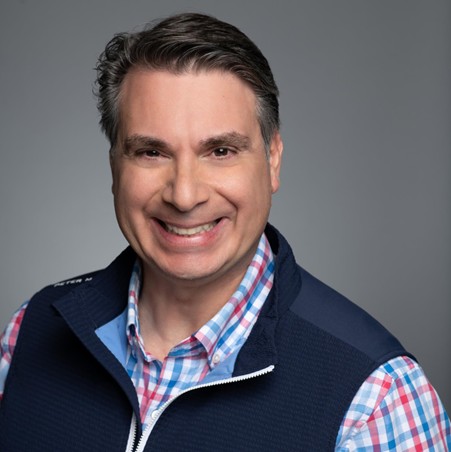
We are delighted to welcome this week’s guest Tony Masone, VP, Treasurer, Treasury & Risk Management at Amazon.
Listen on:



Featuring

About this episode
Tony Masone is the Vice President, Treasurer, of the Treasury & Risk Management organization at Amazon where he oversees Treasury, Global Risk Management and Claims, and Internal Audit functions. With a treasury career spanning global giants like GE, PepsiCo, and Amazon, Tony has built treasury infrastructures from scratch, led organizations through crises, and developed a personal leadership framework rooted in fortitude, passion, creativity, and grace.
In this episode Tony shares how he went from working in Audit to becoming VP, Treasurer at Amazon. This episode is a masterclass in treasury career progression, leadership mindset, and building resilience in high-stakes environments.
What We Cover in This Episode:
- Tony’s early beginnings in public accounting and how it opened the door to treasury
- His transition from internal auditor to treasury specialist at PepsiCo
- The critical role of mentorship in his career moves
- Lessons learned from major treasury operations at GE, including managing through the 2008 financial crisis
- The building and scaling of Amazon’s treasury function
- Creating a personal leadership framework to thrive in a high-growth, entrepreneurial culture
- Why treasury professionals must write their own “career book” instead of following others’ paths
- The importance of resilience, risk-taking, and strategic thinking in treasury leadership
You can connect with Tony Masone on LinkedIn.
—
🎙️ Subscribe to the Treasury Career Corner podcast – Never miss an episode! Subscribe on your favourite platform:
CLICK HERE for 🎧Spotify Podcasts
CLICK HERE for 🍏Apple Podcasts
📊 Managing short-term cash and investments – Without the right technology is a huge risk for modern treasurers. ICD changes that!
🎓 Save $150 on CTP, FPAC & AFP Boston 2025 – Exclusive discounts for treasury professionals – thanks to our trusted partners.
🧠 Leadership Under Pressure – Practical tools and coaching that work – from the team at Gazing Leadership
🧩 What if your whole team had one clear view of your group structure – Fuseable makes it happen
🔐 Managing signatory lists manually? Cygnetise gives treasury teams a smarter, safer way
👉 FIND OUT MORE HERE https://treasuryrecruitment.com/partners/
Tony Masone, VP, Treasurer, Treasury & Risk Management at Amazon: I said, these are the values that are going to make me successful here at Amazon. And for me, it’s, it was fortitude. It’s my passion, it’s my creativity for creating processes. And it’s grace. And, and the reason why I call it grace is for my grandmother. And, and the one thing I learned in my entire career is you needed to treat others the way you want it to be treated.
Tony Masone: You can’t come in here and tell people what to do, and you can’t tell them they’re doing something wrong. You need to work with them and respect them because the, the way they’re doing it is the way is the, they created their culture.
Mike Richards, CEO, The Treasury Recruitment Company: Welcome to this week’s Treasury Career Corner podcast, where I interview treasury professionals about their treasury careers. Each and every week, I’ll talk to treasurers about how they build their careers, where they are now, where they see both themselves and the treasury profession. Going to next, let’s get on with the show,
Mike Richards: and this is a special milestone episode for me. After seven years, every single week without a gap, we’ve hit the milestone of episode 400, and I’m delighted, thrilled to say I am joined by one of my old clients, actually, Tony Massone. Is that how I say it correctly, sir? Got it. Yeah. Perfect. I wanted to nail that.
Mike Richards: I was going to ask you before the show, but just go in with it. Um, Tony is, as you guys will know, the VP, treasurer and, and enterprise risk management at Amazon. Amazon, as you guys know, is guided by four principles, customer obsession rather than competitor focus, passion for invention, commitment to operational exercise, and long-term thinking.
Mike Richards: Driven by the excitement of building technologies, inventing products, and providing services that change lives. Amazon embrace new ways of doing things, making decisions quickly and not afraid to fail. I’m going to let Tony explain a little bit more about, about Amazon and some of the principles that you guys also live by, and you can explain this a bit, but obviously I know Tony, we’ve known each other for many years.
Mike Richards: If you would, Tony, someone listening today. Julia, guys, take us back to the, we’ll, we’ll go through your career journey, how you first started in finance. I know we met and we spoke recently about how you did a great session in New York, which was fascinating. Take us back to the dim distant past and then bring us through to now over to you, sir.
Tony Masone: Yeah, so it’s, it’s, uh, I want to thank you for being here. I, I’ve been trying to get on your podcast for the last seven years, but I’ve never been asked. Oh my goodness. But I, I’m very honored to be the fourth 400th. Uh, or to be here today. And hopefully I can add some insight to some treasury, uh, uh, tips here and there.
Tony Masone: Uh, what I’ve learned over the years, but, you know, for, for me, my career really started in public accounting. And I go back, uh, like most of my peers back to the public accounting stage. ’cause there really isn’t a path to treasury right out of college. It just doesn’t happen. And so for me, the, uh, love for treasury started at very young age, uh, as being the treasurer for my, uh, my class at university.
Tony Masone: And then my internship at Clara, where I worked in the, my first internship was in the Treasury Department, and I worked in the AR department. I got a good feel for how the banks operate. Reconciling the daily cash receipts, putting together the batches, and then pushed them over to, uh, accounts receivable so they can actually process all the payments in and post, uh, the, the receipts.
Tony Masone: So I got a good feel for the money side, and then I got to know the treasurer really well. And, and it was fun to kind of hear what Treasury did. So in the back of my mind, treasury was always there, but it wasn’t what I was studying. There’s not a course that says Treasury 1 0 1, and that’s things that you learn as you progress in your career and you start to do things.
Tony Masone: So we, we, we, we think about the KPMG days of audit. Get to learn how to read a balance sheet, get to learn how to read a cash flow statement, get to learn how to put one together. You get to learn about controls, what makes a good strong control, what makes a weak process? What’s a strong process, what’s a weak process, testing it and making sure that you can, uh, kind of say and yeah.
Tony Masone: This is a strong control environment. We feel good about it, the numbers are accurate and report so great learnings. And if you think about the companies that we audited as a 22-year-old, like I’m auditing GE, PepsiCo, uh, combustion Engineering, Xerox. I mean, these companies are enormous. Yeah. And as a 22-year-old, you get to see all that.
Tony Masone: Uh, so for me it kind of gave me a good insight to finance, um, which, which is great. And I think for me, I, if I had to do it over again, I wouldn’t do it any differently. I think public accounting is a great foundation. It’s like getting your master’s in finance. Um, so I kind of look at it as a good stepping
Mike Richards: stone.
Mike Richards: And then you, but you touched on there that you got some exposure to treasury. Did you then think, Hey, see treasuries for me? Or how, how did it sort of grow in your mind if like,
Tony Masone: yeah. So when, if you think about. I used to audit sn, uh, SNLs, right? Saving loans, uh, banks when they started crashing. So like, I kind of got a feel for what it was like, but I got to kind of feel of the financial side and the banking side.
Tony Masone: And if you think about treasury, it’s, you do work with banks and I look at my job as the main banker for Amazon, right? So my organization within Amazon is the bank for Amazon. We’re the ones who are funding them. We’re the ones who have make sure we have enough liquidity. So from my perspective, when I was auditing the banks, I had that in the back of my mind that I really liked this stuff as you’re going through testing the loan reserves, testing the liquidity that they had going through the re uh, regulatory requirements and kind of getting a feel for what it was all about.
Tony Masone: Uh, but I still enjoyed the manufacturing side as well. ’cause that’s, I grew up on the manufacturing side and auditing and manufacturing operations is, is really neat as well. Um, but all came. To, to fruition was at PepsiCo. Uh, so I left public accounting. I went to PepsiCo and I didn’t internal audit it.
Tony Masone: And I, PepsiCo was one of my clients at KPMG. So I had a feel for the culture there and I love the culture. And the thing is though, you pull up and purchase and you see the beautiful campus of PepsiCo, you’re like, wow, I really want to work here. And then you walk down into the gym, you’re like, wow, this is really nice.
Tony Masone: And you’re like, what? Are you 25 years old at this point? And you’re like, I can see myself here. Yeah. Um, so I decided to join internal Audit as another learning experience for me to learn more about PepsiCo and how they operate. And what was nice about PepsiCo is you got both operational audit experience and financial audit experience.
Tony Masone: So if you think about on the KPMG side, it was all financial audits. Then all of a sudden you’re walking into operational audits and you’re actually learning how they manufacture products and how a product is put together and what the cost elements of a product are. And that’s fascinating to me. And, and just from a, a finance perspective, and it’s like, okay, you have a can of Pepsi, it costs you a dollar to buy that in the store, but what makes up the cost of that Pepsi?
Tony Masone: So now you have the raw materials, you have the advertising, and then when you realize like everything that goes into that Pepsi can, the biggest cost to a Pepsi is advertising. Like I would’ve never known that as a 25-year-old until you got into this role and you get to learn what makes up a product and how you sell a product.
Tony Masone: Um, so going a little bit past my two years in audit or up every one does two to three years, and then they roll out to a job. My last audit was in treasury. And, um, and I was doing the audit for Seth Marlow, uh, who ended up hiring me into the Treasury Department and then who interviewed me. Uh, so that was really my first role.
Tony Masone: I it was funny ’cause I, I went up to Seth I’m like, Hey, Seth really love treasury. I did it for my internship. I, I audited, uh, financial institutions and now auditing treasury here. I can see myself being here.
Tony Masone: I get a call like maybe a couple months after and saying, Hey, I got an opening. It’s a mid office job. Uh, it’s does X, Y, and Z and I didn’t even care about the role. I more cared about being a trade. And Seth gave me that, that opportunity.
Tony Masone: He hired me and I ended up working for Seth for a couple of years doing. Back office, mid office, uh, reconciling short term borrowings and investments and kind of working through that. So getting to learn more about what treasury does. And then I was a backup, uh, cash desk for when, uh, the cash desk, um, uh, professional wasn’t there.
Tony Masone: And so, and then I kind of did that. And then when on she went on maternity leave, I took over the cash desk for a little bit of time. Uh, had a lot of fun doing that. And what I learned in that role and what Seth really did a nice job on, is teaching me how it all comes together from an operational perspective.
Tony Masone: And I think that is so critical in treasury to understand how it all comes together, what systems you need, how do you bring the cash in, how do you make sure the liquidity’s there when you need it, and, and keep thinking about how to automate and set like I I I, he was a great mentor for, for my first treasury job.
Tony Masone: ’cause to this day I still have that same mindset and so it kind of, kind of. Travelled with me and then I, um, did cash management. And so after working like for 18 months, two years with Seth, I moved over to the cash management department. I worked on the, uh, young, um, disposition and, um, offering there. So that was fun to do.
Tony Masone: We had a create a treasury organization for young brands. Yeah. Uh, so we like carve out all the bank accounts, move them over to Yum. We had to make sure all the operations were there, all the systems. So you got a good feel for how that, and that was my first m and a deal ever. And uh, so that’s where I also loved the other side of treasury was the m and a side.
Tony Masone: And it’s the integrating or the dispositions that you had. ’cause you’ll learn a lot, uh, about treasury that way as well. And that’s where it started. And I
Mike Richards: never went back. And let me ask on that. So you and I remember, you know, you and I have spoken about this maybe before, but yum. Obviously. Smaller group as a carve out and everything else, how do you Right size, treasury for that kind of organization.
Mike Richards: But you know, you’re coming from a mega major. We had, um, recently predict bag cheese. He was one of my guests. He was a Pepsi. And we would talk about you’re in a big blue chip that, you know, we come onto your GE experience, you’re like massive, massive. And then suddenly you’re doing a carve out for a smaller group again, for the listeners, if someone’s doing that, you know, it doesn’t Right size just straight across.
Mike Richards: Does it, you know what, what’s that like? So like
Tony Masone: for me, I was really young, right? Yeah. So I, here I am 26 years old working on this enormous, you know, disposition. And it was, if you think about restaurants and you think about cash management for a restaurant or treasury operations, it’s very operational.
Tony Masone: Yeah. So here’s, just to give you an idea, the Treasury Department probably did more work around the restaurant side from the cash management side than they did for the regular Pepsi. So if you think about. Each restaurant had its own bank account, and each restaurant produced cash flows that needed to get deposited.
Tony Masone: So you had about 28,000 bank accounts for 28,000 locations. So it was not an easy operation. So the treasury Department actually became really big on the operational side, but there was a lot of automation, right? A lot of drawdowns, a lot of all this. But to manage 30,000 or 28,000 bank accounts was quite a bit based on the restaurants.
Tony Masone: But not only did you manage it for the wholly owned, you also managed it for the franchisees. And so you have this two different business models that were there. So that was like my first insight to it. Still young, not really comprehending what was going on, but thinking back 30 plus years ago, it was amazing the work that I got to do, uh, based on that.
Tony Masone: So for me, that was my first really good understanding on how to build a standalone treasury department. For a standalone public company. And, and it became yum. So, you know, again, got the opportunity. You took the opportunity, you learned from it. You quite didn’t know what you were doing back then, but you kind of know now and saying, wow, that was a great experience to do that.
Tony Masone: And, and so we had fun. It was a good, good
Mike Richards: experience for me. And then name, well, the next moves. Talk us through those. ’cause some, yeah, you kept going. Yeah, so
Tony Masone: it’s kind of funny. So I’m in treasury, you know, kind of do all this stuff, but then you’re hanging out with all your friends and they all did the same thing.
Tony Masone: You did public account and journal on it. But they went to FP&A. Yeah. And I started questioning myself like, Hmm, do I want to try FP&A, um, you know, and, and, and you know, the opportunities were kind of getting smaller and smaller in treasury. So I decided that this was probably a good point. Go try something else.
Tony Masone: And what was nice, I was still young in my career. This is the time that it was a, , I kind of came to the realization, this is the time to try something different. And I thought about it as a two-way door. I thought about it as I can go out, I can learn something new, and if I don’t like it, I can come back to treasury.
Tony Masone: Yeah. And so I, I, this craft opportunity came up. I had a friend of mine who worked at Kraft that I worked with at KPMG. We were out one night, uh, with some friends. She’s like, we’re looking for somebody. This is probably a good role that you want to try. It’s the, um, FP&A leader for Breyer’s yogurt. So you kind of were like a mini CFO for Breyer’s yogurt.
Tony Masone: And I said, you know what? I think I might want to try that 50 million. So I did that. I did that role probably for about, uh, almost 18 months and got to learn the FP&A, the operating plans put together marketing plans. Uh, and, and it was funny ’cause every Monday I remember this to tee was a big day for my, for.
Tony Masone: Because I get to pull down all the results of the week of what we sold and then report out Monday afternoon the success we had, or not the success, the plan we had for Breyer’s yogurt. And so you kind of get a feel for the importance of your day-to-day operations in a business unit. And I love that. And I felt like I was that little CFOI got to do all that, put marketing plans together, uh, figure out what the shrinkage is going to be.
Tony Masone: ’cause yogurt, you know, goes bad and there’s a, the shelf life there. And then when you come up with a new product, how does it, how does that product, how do we price it? And then how do we make sure that we get it on the shelf? And, and these are all the great things I got to work on. Again, here I am at 26, 27 years old, kind of working on some of these cool things.
Tony Masone: And then I worked on the project that bought yogurt from eight ounces to six ounces. And what was the cost benefit of that? And you got to kind of work through the models of doing that and making the company a little bit more profitable. So you, you kind of got a good feel. But deep down inside, I was still missing treasury and it was like, yep.
Tony Masone: And so there was this opportunity to be the assistant treasurer at a young age for a company called Air Express International that was based in Connecticut. And, uh, the, the treasurer was ready to retire in the next couple years, so they wanted to bring in someone who could take over that role.
Tony Masone: So I already started planning, like, yeah, I would love to be a treasurer one day, let me do this assistant treasurer. And because the company was small, you were the jack of all trades. So I did all the FX, I did all the investing. I did, you know, the borrowings, I, so you kind of got to feel for the whole treasury
Mike Richards: suite and got smaller company.
Mike Richards: And tell us about who Air Express were, just so that you, you and I for this, but again, what, what they dimensions of treasury were for them.
Tony Masone: Yeah, so Eric Air Express International was a logistics company that worked just like A DHL or a FedEx, but they did specialty products. They had specialty packages that F FX and DHL couldn’t do.
Tony Masone: And so it was about a $5 billion, uh, industry, uh, a company. And, uh, they were in about every country ’cause they had to move product to every country. So FX, I got to learn about FX exposures very quickly on when to sell, when to buy, when to hold onto the exposure, not hold onto the exposure, when you want to go long, when you want to be short.
Tony Masone: So that was kind of a good learning from that perspective. Also, setting up bank accounts in all these countries. So I got to work in some of the remote countries to kind of get these accounts set up and the operations there with, with the company. So it gave me a good feel for being broader. And like when I was at PepsiCo, it was already kind of established, right?
Tony Masone: It was an established company, it was very mature. You walked in there, it was a great place to learn, but you really couldn’t add that much value. Here was a little bit different ’cause this company was growing, it was going country to country. It was delivering products to new jurisdictions and you had to kind of set that up.
Tony Masone: And I was kind of loving. And working under the gun and being able to get accounts set up fairly quickly, understanding the culture of the country that you’re going to be in kind of gave me that broad treasury experience that I was lacking from being very specialized at PepsiCo in really the cash management operation side of the house.
Tony Masone: So now I kind of started building my suite up and so now you got your cash management, you got your back office, and now I got my front end from investing and FX and then I got issuing debt. And so now it started, the suite started getting bigger and bigger. And so it was great. And then the company, uh, was bought out by, uh, Deutsche Post, which is owned DHL, uh, which is DHL today.
Tony Masone: Yeah. And so I was there and they were going to make me the regional treasury for the miracles. Which was great for me ’cause that was a big role. A lot larger than it would’ve been staying at Air, air Express International. Um, but I was at a networking, and this is why networking is so important. I was at A-K-P-M-G networking event and it was an old partner that I used to work for, uh, Greg Hanson from, from KPMG.
Tony Masone: And, uh, we did some audits together and he was, he came over and was like, Hey, what are you doing now? I was like, Hey, I’m working at Air Express. I’m the, uh, you know, assistant treasurer just got bought out and I’m going to be the regional treasurer for, for Deutsche Post in, in the US uh, for the Americas.
Tony Masone: He’s like, oh, that’s a great role. You know, it’s funny ’cause I’m the CFO of GE Capital Real Estate and I’m looking for a treasurer right now. Would you come back and work for me? And I’m like, huh, I got this opportunity. So now was, I was stuck between yeah. What I wanted and what I thought I wanted, or it’s GE.
Tony Masone: Living in Connecticut, GE was always that staple, right? Everyone kind of inspired to work for a GE and so for me it kind of was a no brainer. And, and I knew Greg really well. I didn’t really know Deutsche Post really well. They were a company that just bought us out. So it kind of said, all right, Greg, you know what, I’m going to give this a chance.
Tony Masone: Yeah. And that was the year 2000. And I, I moved over to, uh, be the treasurer for GE, uh, capital Real Estate. And so it was kind of fun being there because when I got there, the company was about maybe 15 billion in assets at 2000 when I left real estate to go to a different division in 2008, uh, real estate was 92 billion in assets.
Tony Masone: So I grew through that and I learned a lot about the real estate industry. I learned about securitizations. So now as we talk about our, your progression as a treasure. Cash management back office, you know, uh, uh, doing the cash desk, doing FX. Now all of a sudden I got securitizations in my portfolio and all of a sudden, uh, the accounting standards changed to FAS 1 33 and I got a derivative of accounting in my, ’cause we had a bunch of derivatives on our books.
Tony Masone: Then we had the Enron happen during that time, and the accounting changed for SPVs. So I had to unwind some of the structures that were put in place that were off book SPVs. So if you think about all this experience starting to kind of pile up now, and I’m getting, I’m building my suite and I think of it as a treasury workstation, right?
Tony Masone: As a human. And you’re kind of building up all these different facets of treasury and getting every opportunity that you are. And, and maybe it’s luck, right? That you happen to be in these times that everything happened. So, as we think about it, it was a treasurer of real estate, did a really nice job, worked really hard.
Tony Masone: And talking to my second mentor who was a CFO of real estate. It wasn’t Greg. ’cause Greg had retired. It was, uh, Stuart Coburg, who was a CFO of real estate really gave me the opportunity and put me in front of Jeff Bornstein, the CFO for all of GE Capital. And, uh, kind of gave me the opportunity to prove myself, show him a lot of things that I was working on.
Tony Masone: Um, and then we get to a point where GE Capital was splitting into. Yeah. And so now we had the consumer side and the commercial side and Jeff asked me to be his treasurer for the commercial side of GE Capital. And, and I thought that was for me, like amazing to work for Jeff and, and do that. And that’s where I got the opportunity to do just not real estate, but all of commercial finance.
Tony Masone: So now you’re talking about asset backed lending. So you’re getting more experience and you’re thinking about all these experiences that you’re picking up along the way. And again, here I am, uh, in 2006, Jeff calls me into his office. He’s like, Hey, Tony, I got a banking license, but we don’t know what we should do with this banking license.
Tony Masone: You take a look at this. Yeah. In Utah and the ILC, can you work with the businesses and try to figure out how we can use this banking license to, to our advantage? And so this is like 2006. I’m like, oh, I don’t know anything about banking and licenses. But again, here’s another challenge and opportunity and a hard one to kind of do.
Tony Masone: So I started working with the businesses and we started learning more about the ILCs, what they do, what they can’t do, what, what kind of assets can we put in there? How would we raise deposits? And next thing you know it, we’re building up a bank in Utah under the ILC regulations, and we grew it to $45 billion
Mike Richards: assets in deposits.
Mike Richards: And for someone listening today of peaking. But they’re in corporate, they’re enjoying the corporate side. How did this change you as a treasurer? How did this improve this? ’cause I know you talked about that a little bit on stage, and you and I have talked about it as well because I recruited loads for GE and you know Yeah.
Mike Richards: Stuff for Adam, uh, you know, in London, and we did a lot of the other things. But why is that important to build that suite of treasury expertise outside of just your core corporate stuff? Yeah, so
Tony Masone: if you think about what we just talked about, running operations for some, some of the largest companies, right?
Tony Masone: So if you think about, we talked about PepsiCo with the restaurants, having 29,000 bank accounts and getting all the cash in. And then you talk about like, you know, raising liquidity FX. So now you have the, all these suites of, of good solid, uh, um, skills that you can kind of use. And then you get to a bank, and a bank is completely different than a corporate.
Tony Masone: And, and now all of a sudden you have. All these standards that you have to follow from a regulatory perspective. So if you think about all the control environment that you’re used to learn from your audit days, from a strong control environment, what looks like strong, what looks like weak is, and you want to kind of build to a strong control environment, take all that, and you’re like, okay, how do I do a bank?
Tony Masone: And so I’ve never done banks before except for audits, right? And, and my audits all what I’ve done is I was just auditing loan reserves. I was, uh, auditing to make sure that the receipts matched three days before the quarter closed, three days after the quarter closed to make sure the timing was off.
Tony Masone: And, you know, you just audited cash with bank account statements. So, and now you’re at the bank and now you need to build out all the controls and the control environment through what’s called an ALCO process. I’ve never done an alco before. I had no idea.
Mike Richards: And so well imagine I, so I walked in the door when I Robert Walters many years ago.
Mike Richards: They said, we need someone to recruit head of a LM and once. What’s a LM? And they went and they went, you are recruiting this. And I did it for Barclays and did it for NatWest. And people said, oh, was it good fund? I said, no fund’s not a word I would use. It was character building. And you know, literally, you know, Monte Carlo in the vr and people are like, what’s value at risk?
Mike Richards: I mean, well I can tell you, but you don’t want to know you need another coffee. And they were like, okay. And it was, as you say, it was great for the po you know, now we still focus on corporate, but now I’ve got that knowledge like you, it’s, yeah, as you say, it’s sort of, it’s character building, should we say.
Tony Masone: Yeah. And, and if you think about this, back in 2006, yes, theater was okay, but it wasn’t great. It’s not like they can type in there, Hey, what does an alco look like? And it was going to spit out Alco. So you had to kind of learn this stuff through sitting with the regulators, what’s required. Sitting through people that worked at GE Capital that worked for a bank before and saying, Hey, have you ever heard of this Alco thing?
Tony Masone: Like how do you think about this guy? And, and, and like, I’m a corporate guy, right? And, and real estate. And here I am trying to build the infrastructure for a bank. And, but the, the good news is we worked with some great people. We worked with some great resourceful people who were really smart on putting this together.
Tony Masone: We, we sat with the regulators, regulars told us what was required to do, and we did it. Yeah. And this is where we learned that, this is where I learned the concept of FastWorks, which is build what your end product should look like, and then go back and continue to make it better and better and better.
Tony Masone: Yeah. Uh, a lot of people, when they take a project on to build, they start from the beginning. They work all the way to the end here. You didn’t have time because you needed to build this bank quickly to move assets in there, to start getting deposits to go. So we had to build a quick alco. So we started with the framework.
Tony Masone: We built the framework based on the Alco, and then what we did is we refined it as we went. And then, you know, your first audit’s not going to be great with, with the, with the local regulators, but you’re going to learn from that. And then you’re going to be better. And then your second audit’s going to be a little bit better.
Tony Masone: And then your third audit’s going to be a lot better because you’re taking everything that they’re telling you and you’re learning and you’re getting better at it. And you know, so this is where I, I was introduced to doing a really tight alco, and I got to tell you, it’s, it’s probably one of the best things I’ve ever learned how to do.
Tony Masone: Then I get tapped. So I, I finished that assignment. I was at probably ILC for about two years.
Tony Masone: Banking crisis happens and here I am and GE Capital and working night and day 24 7 as we are working through the liquidity crisis and making sure we can stand up liquidity to where we need to be to get ourselves through this crisis. Not only did I learn, I mean I lost 10 years of my life going through that.
Tony Masone: But I’ve learned a lot of the right way to think about liquidity and alco. ’cause this is where you’re really testing your alco and this is where you really think how well you stress test your portfolio. And this is when you learn what we should have done compared to what was done,
Tony Masone: so a lot of learnings from 2008, a lot of cleanup. Um, I’m happy that we were able to get ourselves through it came with a lot of pain, but also a lot of
Mike Richards: learnings. Oh, podcast is sponsored by I-C-D-I-C-D are an independent platform, trusted by thousands of treasury professionals worldwide to manage short-term investments.
Mike Richards: One. Global Treasurer recently told me it was one of the smartest technology decisions they’ve made. No license fees, rapid setup and tangible returns. If you are looking for a smarter, simpler way to manage your liquidity, then head to find out more at our partners page, treasury recruitment.com/partners and find out much more.
Mike Richards: Let’s get back to the episode. When you are in that banking side of things and you come from industrial side, you’re there as you say, stress testing. Some people go, I don’t understand what stress testing. I got to know it. As you said, I had to sit with all these banking treasurers. They taught me, bless them.
Mike Richards: Poor, they were very patient. Um, but they, we were talking about liquidity buffers and things that if a bad event happens, you know, something with the economy or whatever, you’ve got to have enough, basically money in the bank really. Um, to cover it. Is that what the best way you would describe it? Yeah, so
Tony Masone: I, uh, I created my own term for this.
Tony Masone: Yeah. I call it survival horizon. Love it. And what I think about a survival horizon is how much liquidity do you need to survive any downturn in the market?
Tony Masone: And that’s
Mike Richards: why I call it a
Tony Masone: survival
Mike Richards: horizon.
Mike Richards: And it was described quite similarly. We had Brendan Bacho, who’s actually one of my guests at Treasure Career or Alive in London in November, and it always stuck with me that we were, it was pre lockdown, it was one of my guests, so quite a few years ago now, and he was a Compass group. He is now still.
Mike Richards: And the CFO did a very similar, they did scenario planning. There are food services businesses going into lockdown. They went, right. So how much should we, uh, you know, try and draw down how much should we arrange a facility? Everything. He went, what? He went, and this is on the tape, so it was over un approved.
Mike Richards: He said, get everything. He said, we’re never going to get in trouble for helping the, for surviving. Are we? They planned for the worst. And they did. And they didn’t use it all. But the fact was they were then able to make decisions on the back of that, which held you as well. ’cause they knew whether to do that.
Mike Richards: And then you did the G capital rock, but then went back into industrial because you know, wanna them get onto Amazon. Well, it gets a little
Tony Masone: bit better. It gets a little bit better. So yeah,
Mike Richards: and
Tony Masone: this is the, this gets a little fun. So after creating the ILCI get another tap on the shoulder. I need you to go to London.
Tony Masone: I need you to be the treasurer for Global banking. We have about $98 billion of assets in about 40 different countries and the banks that we own in those countries. And I need you to think about. How we get the funding through deposits again, and how do we bring all those banks under one holding company?
Tony Masone: Uh, so, and then it’s like, oh, that sounds hor. Yeah. And I’m,
Mike Richards: here we go. I
Tony Masone: just did this little ILC that we had our own assets, that we moved the, the assets into the ILC and we did broker deposit to fund it. Now you’re asking me about these banks that are in like, Romania, Lafayette, Russia, and uh, uh, Hungary and putting all these banks under one structure, finding a funding solution for all these banks and making sure all the outgoings in these banks are running separately.
Tony Masone: So you have 80, like, you know, 40 to 60 different banks. And then I was like, wow, this is, this sounds really hard. He’s like, just do me this favor. Do this for me. I promise you, I’ll get you back and I’ll get you in a great role on your way back. So they kind of promised me to say, help me out here. And I says, all right, I’m going to try this.
Tony Masone: Yeah. So I, I pick up and move my family to London. We were there for four years and working through this project, and I was looking at stuff that I’d never seen before and I was actually quite nervous my first, uh, couple months there. I remember sitting with Robert Green, who was the CFO of global banking then at the time, and I’m like, Robert, I don’t know if I can perform.
Tony Masone: I, I don’t know if I could do this. This is way over my head. He’s like, I got faith in you. And, and I said, look at, like, you, you pick up these mentors along the way. And, and working with Robert was amazing. He always had a way of making you feel good about what you can do, and if you start doubting yourself, he always brought back the positives that you did for the company.
Tony Masone: He’s like, look, I saw what you did at the, at the ILC. You can do this. He had a way of making you focus on what was important and taking the noise away. So what he really did for me is he said, don’t worry about all the noise that’s happening around, think about what we’re trying to get to here. We’re trying to get all these banks under one entity, put them in one structure, and get the funding structure set up for these, and making sure that all the outgoings are intact with the local regulatory requirements as well as the UK regulatory requirements.
Tony Masone: So spending a lot of time with the different regulators, working with the UK regulators, making sure that we established this entity according to the right regs. Um, and, and he got me focused. Got me on to Go ahead.
Mike Richards: And I was going to say, and when you, you had this great phrase that you used the other day. It said about winning the day.
Mike Richards: Yes. You getting through and having your, you know, your ness and winning the day. Was that perhaps where it started or it already begun, or where was it?
Tony Masone: Yeah. So there, what I learned in that role is really how to take something that’s so massive and start focusing on what’s really important and what the end game is.
Tony Masone: And as I learned from one of my mentees on Win the Day, like it was funny when she told me that it kind of resonated because it’s kind of like the way I was doing things on my own. And I talked about when I make my lists and I get through the lists and I go and do all the eyes through it, I start doing all the, the win the days and then getting through it.
Tony Masone: And it makes you feel really good, but it makes you focused. And that’s what, what Robert Green did for me is actually help me get to what’s important and prioritize how to get the right things done at the right time so you’re not lost in the world of noise. Yeah. Uh, ’cause that happens and, and, and it was just, just a big undertaking, uh, that took us four years to do, but we did it.
Tony Masone: And, and again, it was like one of those things that I look back. And that’s kind of like one of the hardest jobs I’ve ever had. And to, to think about the accomplishments that we did, we’re able to put these banks in a holding company, we’re able to start selling some of these banks off out of the holding company.
Tony Masone: I mean, it was just a success story all the way it, it’s unfortunate that we had to do what we had to do because of the crisis, but it actually was a great learning experience and also taking on a project that you knew that you were not qualified to do, but you were able to accomplish it. And, and that is a really good net, really built up my confidence.
Tony Masone: And again, you know, to this day, you know, Robert sits on one of those pedestals as a great mentor on doing it. And it’s funny how you get mentors in different parts of your life that have that meaning, like each one of my mentors was there for me at the time where I needed that experience that I did half.
Tony Masone: And that’s what made it great. ’cause then when I think about today where I sit and now I’m a mentor to people in certain parts of their career and helping them understand the different building blocks that you need to kind of build the confidence that you need to be who you are. Because it really is confidence and courage, right?
Tony Masone: You need the courage. It’s, if you don’t have the courage to do stuff, you’ll never take that chance. And then you’ll always be risk adverse and you’ll be status quo. And it’s almost like swinging for the stars, right? I always think about like baseball and the only way you’re going to get a home run is if you connect and you have the perfect swing and the perfect speed.
Tony Masone: But that’s hard to do. That’s why people’s averages are, you know, 55 home runs in a year is really good. ’cause not everyone’s an errand judge. And your batting average, which is a decent batting average, is about two 50 to to 300, right? So if you think about that, that’s kind of what you’re doing. And you know it’s not going to always hit a home run.
Tony Masone: You got to try to play small ball and keep getting yourself on base and, and making your, your way around. And then when it’s time to hit that home run, you’re going to try to get that one ready for it.
Mike Richards: And then you’d had this incredible, you know, time at GE. And then talk us through what happened next and how you joined Amazon and things.
Mike Richards: ’cause again, yeah.
Tony Masone: You know, I became, I came back from London and they made me the industrial treasurer and this is where I started taking the Alco concept and building it into a corporate America style. And we started doing that for the industrial company. And so we kind of built this really robust enterprise risk management deck for the senior leadership of GE company.
Tony Masone: And I’m mostly for the industrial side. And it was a success because it kind of gave the liquidity requirements for the company how much cash the company needs to operate, where we were doing so well. So we were able to. Um, kind of find some issues that we needed to deal with on that perspective. And it all came from the Alco concept, um, building it out.
Tony Masone: So that’s where I kind of build out my scenario testing today here at Amazon. So I do the industrial treasure role. They asked me to do the Alstom integration in, in France, so buying a European company. That was a smaller GE energy company and integrating it in and working on getting the deal done. So I was kind of on the deal team and I saw all the facets of buying a large international company.
Tony Masone: Um, and on top of that, a French international company, ’cause cultures don’t match, right? So now you had to bring the two cultures together. So I kind of learned a lot about how different cultures work, different local requirements for, for, for, uh, employment. So you learn a lot and you learn like, you know, we have the, you know, the Federal Trade Commission here.
Tony Masone: They have their own version, what you can and can’t do, how you buy it. So great experience. I get back, we’re selling GE appliances. Tony, can you create a, uh, treasury infrastructure for GE appliances to make it standalone? Because we were very centralized in GE, treasury was done at the corporate level, and we did all the treasury on behalf of all our.
Tony Masone: Our, our businesses now we had to make a standalone. And to me that was just another opportunity for me to take everything I’ve ever learned and build it. And sitting with the buyer of GE appliances and the treasurer there and saying, okay, I’m going to build this out for you. What would you like me to do for you?
Tony Masone: And she said to me, and this just resonates, do how you would do it if you were the treasurer of GE Appliances. And I’m like, really? She trusted me. She didn’t even, she just met me for the first 20 minutes. But she trusted the fact that of all my experiences, ’cause she had my cv, she saw everything I did and she had the confidence in me to build her a high, the highest standard treasury organization.
Tony Masone: And that’s what we did. We, we bought in the Treasury workstation, we created a treasury organization. We built up the team, we built up the systems, we built in the processes, we decoupled it from, from GE company and made it a standalone treasury organization. Fantastic. So taking, going back in history, all done feeling really good, created my own treasury infrastructure for this standalone company could, which could be a, a Fortune 100 business on its own.
Tony Masone: ’cause GU Appliance is a fairly large company and worldwide. And then it gave me that another insight to, you know, how to create a whole treasury organization. I get a call when I get back, um, from, from Amazon saying, Hey, your name popped up. It was an executive recruit for Amazon saying. We would love for you to have an opportunity to speak with our treasurer if you’re thinking about it.
Tony Masone: So I said, all right. I said, look, let me call, you know, this is 19, uh, I mean, sorry, 2016. Yeah. Uh, Amazon was large, but it wasn’t where it was. And it was a growing company. And you know, it was always fascinated by the growth of the company, of where they started from selling books and albums to where they were in 2016.
Tony Masone: Uh, I went, did the interview there. Uh, got to really like the fact that they didn’t have a lot of the same processes and systems ’cause they were still growing and they needed someone to come in and help them, take them to the next level. So I, you know, and for me, I was like, wow, this could be a great opportunity to build again and build it for a company that is, I think is going to be.
Tony Masone: One of the biggest companies in the world. Yeah. Like I’m thinking to myself like, this could be the next GE. Yeah. And, and I said, this could be a great opportunity for me, but it was an at role and for me it was kind of like going backwards a little bit in my career. But this was an opportunity for me to say, you know what?
Tony Masone: I can have fun doing this, and if this all works out for me, it could be a good thing. And so I thought that way. So I took that risk. I, I went, I took a step back to take a step forward and, and, and I, I did exactly that and, and, and it was the right decision. And again, we talked about this before, it’s the courage and taking that risk and doing something you’re not comfortable with.
Tony Masone: ’cause most treasury people are risk adverse and we never going to take a risk on that. I was happy, I loved GE. I thought I was going to retire at GE, but this opportunity to do something different and build and be in an entrepreneur environment kind of suited me, the kind of who I am. Kind of a scrappy kind of guy, right?
Tony Masone: So for me that was a perfect opportunity to build again. So roll up my sleeves, get into it, and then how do we ensure that what happened to GE in 2008? This never happens at Amazon. And that was my interview point with Brian. So at the time, Brian was the CFO, he’s like, Hey, how do you think you can add value to Amazon in this role?
Tony Masone: That was the question I remember to this day. And I said, Brian, the way I look at it is I lived through 2008. I never want to live through that again. I don’t what I’m doing again. I want to make sure that that never happens here at Amazon. Yeah. And to this day we still talk, we, we joke about that and uh, ’cause like, you know, we had to go through COVID a little bit.
Tony Masone: We weren’t really sure. So you had that uncertainty time. So, and then, you know, we had to build time, so we. We got through it. We got through it because I built all the, all the things I learned from day one from my PepsiCo days of learning the operations and how to use the systems and the processes to my days of Air Express International, of working in, in jurisdictions that you would never think about working in like the Angola’s and the Mozambiques of the world.
Tony Masone: Like the, you start thinking about that and then all of a sudden you’re taking all those things you learned and you’re building this out in a company that is growing.
Mike Richards: And when you came in, uh, we, at the top of the show, I talked about some of the principles of Amazon and that you, you know, you really grabbed those, didn’t you as well.
Mike Richards: But I know that when you first, the GE culture to Amazon was a transition and you, but you lent into that. But it was challenging at times. It, it was,
Tony Masone: uh, I would say my first couple months here were challenging and understanding what an entrepreneur culture was really all about and building. And uh, like you kind of always look at over your shoulder, like, am I doing this right?
Tony Masone: And you had that kind of fear. I had some. That was the worst thing for me. Having fear is not a good thing and I was kind of like, lost my confidence a little bit. So I had to kind of find myself, uh, ’cause it was a hard environment ’cause it was so entrepreneur that the business units kind of want to do their own thing and it was hard to kind of break in.
Tony Masone: And for me, I kind of felt like an outsider and I, I didn’t have that culture ’cause I came from a, a, a culture that was similar in building and growing and getting into new jurisdictions and new products all the time. But it was just a little different from an entrepreneur to a company that was less than 20 years old to a company that was 125 years old.
Tony Masone: And it, it was a little bit harder for me, but I, I had to do some soul searching. And what I did is I, I found out the type of person I was and what I wanted in my values and what I wanted to get out of this role. Like, I actually, at one point I actually doubted myself. I’m like, oh my God, did I make a mistake?
Tony Masone: Did I, did I leave company that I absolutely love? To, to do this, and I’m finding myself struggling here. But once I sat down and I kind of figured out the type of looter I wanted to be, and when I put together the, uh, four core values of my own values, I said, these are the values that are going to make me successful here at Amazon.
Tony Masone: And for me, it’s, it was fortitude. It’s my passion, it’s my creativity for creating processes. And it’s grace. And, and the reason why I call it grace is for my grandmother. And, and the one thing I learned in my entire career is you needed to treat others the way you wanted to be treated. You can’t come in here and tell people what to do, and you can’t tell them they’re doing something wrong.
Tony Masone: You need to work with them and respect them because the, the way they’re doing it is the way, is the, they created their culture. So for me, I had to kind of take a step back and saying, yes, the respect, the listening, the working together. All came into effect in, in on all those. So when you think about fortitude is fighting through those hard times, the adversity, right?
Tony Masone: It’s my passion that I, I see something and I want to build, and I build that passion to help me get through any downtime that I have, and then my creativity and innovation, how am I going to innovate in this role? And to me, that resonated the most in a culture like Amazon, where it’s entrepreneur, it’s building, it’s creating new processes, creating new products.
Tony Masone: And then the grace part of it, and, and to me, the grace is probably what gets you through it, is, is just treating people the way you want to, making sure you’re a likable person. And I think this is a lot of a mistake a lot of people make is they’re not, they, they, they focus so much on the core of what I need to deliver.
Tony Masone: And they forget about them as a person. And you, you, you want to be likable so people trust you because if you’re not likable, the trust isn’t coming. Yeah, maybe your work will show it, but you, you need to have that trust. So you need to kind of build those relationships. It’s really important. Uh, and I find that out later in life, right?
Tony Masone: Because like for me, in my thirties and forties, I’m, I’m pumping, right? I’m not even thinking about anyone else but myself and how can I get this accomplished? And I’m knocking walls down and I’m doing everything. And then at this point in, in my career, I, I take a step back and it’s like, that’s not who I am anymore.
Tony Masone: I’m, I’m a different leader now. I’m a leader that’s going to build and build talent and make sure that this company’s set up for success with a succession plan and making sure everyone sees the world the way I saw the world from when I was 22 years old, to how I see it today. And look at all the different crisis that I lived through.
Tony Masone: You know, I’ve lived through three. Big recessions. I lived through a banking crisis. I lived through COVID, and, and you put all that together and you, those, all those learning experiences and making sure that the next treasurer is set up for success and as well as the industry. And I, I, for me, I’m, I’m giving a lot back to the industry to think about the things that I’ve seen.
Tony Masone: Because I remember when I was a new kid in the block, a lot of the treasurers have been in their roles forever. And then I was like, wow, I’m looking up to these treasurers of Apple, you know, Gary at Apple, Tony at PayPal. And I’m like, these are, these are like, like to me, they’re the heroes, right? They started it, but then now I’m where they were.
Tony Masone: Yeah. And I’m like needing to do the exact same thing that they did and helping the new treasurers understand some of the facets of treasury and how do we make treasury better for everyone that comes into treasury today. Um, so for me, setting up those core values was really important. Building and doing what I was doing and getting the company to success.
Tony Masone: And that’s, that’s kind of where I am today. And I think for me. Probably the best thing I ever did was take this role as a person, as an individual. And, and it really, I kind of inspired myself to create these roles. And, and we talk about this a lot and I mentioned this and, and, and the thing is like when you build out your control and you trying to figure out what kind of leader you are, you know, people have a tendency to read these books and we talked about this and then, you know, they get these self-help books and saying, Hey, this treasurer or this CFO or this CEO did these 10 things to get to where they are today.
Tony Masone: But that’s that CEO, that’s not you are, you need to write your own book. And, and I’m going to continue to say that, uh, all throughout, like until I die, is you own your own destiny. Everything you do, you do because you want to be the best of who you are. Not the best of. The jet, the Mils books of the world or the Jack Welch books and or the Elon Musk, you know?
Tony Masone: Yes. They’re really successful and maybe some of the things that they did resonate with you, but that’s not who you are. Yeah. You’re different. So you kind of have to do it yourself. And, and that was that, you know, that that aha moment for me is when I came up with those four core values of who I am as a leader and who I want to be.
Tony Masone: And that kind of resonated with me to this day. So I, I, yeah, I do that with my mentees and I kind of have them think through what’s important to you, what do you want to get out of life? Like, what are your values? And then, like for me, I’m a big black book mole skin person. I have about 300 of these in my closet throughout my whole career.
Tony Masone: And, um, every book, every time I get a new one, my first page is that page of, it’s a picture of my daughter and I, and my four core values in every book. And, and that’s kind of reminds me of who I am and why I do what I do. And, and so kind of all kind of comes back 360 to where we are today. And it, it’s, it’s great.
Tony Masone: It’s, um, for me, I couldn’t have done it any better. Uh, but times are tough. So
Mike Richards: yeah, go back on that. And I, I mean we could leave it there. I’m not going to, ’cause the other thing that you and I were just talking about is that’s your internal little bit, but also you’ve got this other internal or being a trusted partner.
Mike Richards: As you said to me back before we, you kicked off the show, you said about how you spreading the word, the good word of treasury around the organization, around Amazon and how that’s also evolved, you know, with you, you know. Can you just, can you talk to that before, you know, we will come to, yeah. Let’s, I know you’ve got other meetings.
Mike Richards: Yeah. I think it’s, so it’s really important to think
Tony Masone: about like. I think treasurers now have a seat at the table. Yeah. And during, if you think about the, the, the, the volatility that’s in the marketplace today, I think a lot of people are on edge. I know I am. And uh, and now your expertise is needed. And I find myself that I do have a seat at the table.
Mike Richards: . So, you and I are going to reconnect, we just talked before the show at a FP. Hopefully you have a nice conversation so we can announce that on the show. So we’re going to look out for that one. Um, but as all as we do each and every week, uh, you’re a busy man.
Mike Richards: We’re going to put your LinkedIn details in the show notes. Takeaways from today’s show, I mean, we’ve covered so much, been brilliant, but you know, you, looking back, if you were more early years career or a bit, you’ve, you’ve touched on a bit with more experienced treasures. What are the takeaways you get?
Mike Richards: You
Tony Masone: know, for me, as I think about building the most successful and well-rounded treasurer, it’s, it’s taking every experience that comes from you and learning from it. So learn and be curious, which is one of our leadership principles, is probably one of the most important things ’cause you’re learning every day.
Tony Masone: And today we, and the, uh, we have an opportunity to build out treasury with using AI to make our jobs even better and to do even better analysis and analytics. Uh, so the learn and be curious is really important. We talked about the customer obsession is making sure that you’re delivering for your customers, making sure that you’re building the processes and having the ample opportunity for your business partners to continue to grow.
Tony Masone: Making sure you can help them understand the risks that are out there from an exposure perspective, uh, really critical. And in number three, we talked about, you know, when I talk about mine being Grace, we talk about the networking, how important it is. It’s also important to be a likable person to make sure that you can earn trust with your senior leaders and also with your banking partners.
Tony Masone: Um, I mean, everyone forgets that you know your banks that are with you, they’re not a commodity. They’re your partners. You need them just as much as they need you. Yeah. So you got to build those relationships up because when you find yourself in the jam and you pick up that phone and you call your banking partner, you want them to be there for you.
Tony Masone: And it’s really important to make sure that you build those relationships and you build those partnerships with, with the banks and your business units, which we talked about earlier, as well as your staff. And if you’re not continuing to develop your staff and build the treasury leaders of tomorrow, you’re not a good leader.
Tony Masone: And it’s so important and you, the, the, the most important thing about being a leader is about developing the staff. And, and again, we really didn’t talk a lot about it, but that’s why I love the junior achievements model is teaching young kids about business and finances. ’cause you don’t learn that growing up.
Tony Masone: You learn that after and learn, like when you go to university as a senior, a lot of us haven’t taken one business course. So how do you know what, what it’s like to be a finance person? You don’t. And so giving opportunities to the young to understand what tre’s all about, what finance is all about, and doing it through these programs, like junior achievements or jumpstart or, uh, internships that you have with, uh, college, undergrad and graduate really helps.
Tony Masone: And that’s kind of why I keep myself. Close to those, um, organizations as well as our internship program here and giving everyone opportunity to learn about finance. So those kind of in, in the nutshell, I know we couldn’t cover it all, Mike, on this one we, we’ll
Mike Richards: do it. We have a follow up. We’ll keep going.
I’ve got to say it was worth waiting 400 episodes or 399 to get to this, this point.
Mike Richards: Seven years in the making. Great. I’m just thrilled. Thank you sir. It’s been great to kind of reconnect.
Tony Masone: Yeah. And I’m looking forward to part two ’cause there’s so much more we can talk about. We didn’t talk about current events. Yeah. We didn’t talk about how we think about, uh, you know, stressing the portfolio in today’s environment and then what we should be thinking about.
Mike Richards: love it. Mark two as well. I say in a month’s time, isn’t it? So it’s a bit crazy. Absolutely.
Mike Richards: It’s like, yeah, look forward to it. Seeing you live and on stage. So, uh, thanks Ram. Alright, terrific. Thanks. Sounds great. Talk to you soon. Bye. Today’s episode of the Treasury Career Corner was brought to you with the support of our partners ICD. If you are looking for a smarter way to manage your short term investments, ICDs independent portal gives you access to a full range of investment products, integrated analytics, and a simple centralized platform built specifically for treasury.
Mike Richards: If you head over to treasury recruitment.com/partners, you can learn more and we’ll be able to connect you with the right person at ICD for both you and your business. Many thanks for listening to the show and thanks for your continued.
- There’s no direct path to treasury – Tony’s career evolved through intentional learning and seizing opportunities.
- Mentorship is pivotal – great mentors unlocked his potential and offered critical career shifts.
- Build your skills like a treasury workstation – master back office, front office, FX, investments, M&A, and risk management.
- Prepare for the worst – Tony’s “survival horizon” approach to liquidity planning emphasizes long-term resilience.
- Leadership starts with values – Tony’s personal framework (fortitude, passion, creativity, and grace) shapes his success.
- Your career is your own book – don’t try to copy others; instead, define your own principles and path.
🎧 Earn CTP & FPAC Credits by Listening to the Podcast
Whether you’re at the gym, on your commute, or walking the dog – you can now make your podcast time count toward your professional development.
We’re thrilled to share that Treasury Career Corner podcast episodes now qualify for CTP and FPAC recertification credits through the AFP’s Independent Study category.
How It Works:
- Each episode comes with a short multiple-choice quiz
- Score 80% or higher and you’ll receive your credit confirmation
- You track and submit your credits to AFP directly – nice and simple
➡️ The longer the episode, the more credits you can earn:
- 30-minute episode = 0.6 credits
- 45-minute episode = 0.9 credits
- 60-minute episode = 1.2 credits
No filler. No fluff. Just real conversations with top treasury leaders on strategy, leadership, risk, tech, and team building - everything AFP expects at an intermediate to advanced level.
🧠 Quick Facts:
- 📝 Quizzes are 6 to 10 multiple choice questions
- 🎯 You need to get at least 80% to pass
- 📨 We’ll send confirmation - you log the credit with AFP
- 💼 You can include this as part of your recertification record
NOTE: In line with AFP compliance requirements, no more than two quizzes may be completed per day.
