
How Two Treasury Leaders Partnered with Their Businesses and Earned Treasury a Seat at the Table
In this feature episode, recorded live at our inaugural Amsterdam Treasury Career Corner LIVE event, two senior treasury leaders share how they transitioned from banking to corporate finance – and reshaped treasury into a strategic force within their organizations.
You’ll hear how they built credibility, influenced business decisions, and led globally dispersed teams while driving treasury beyond its traditional operational boundaries.
Listen on:



Featuring

About this episode
Our guests this week bring a rare blend of technical mastery and real-world leadership experience, offering practical strategies for anyone looking to elevate treasury’s impact in their business.
It’s a powerful conversation about influence, transformation, and the future of treasury leadership.
Meet the Guests:
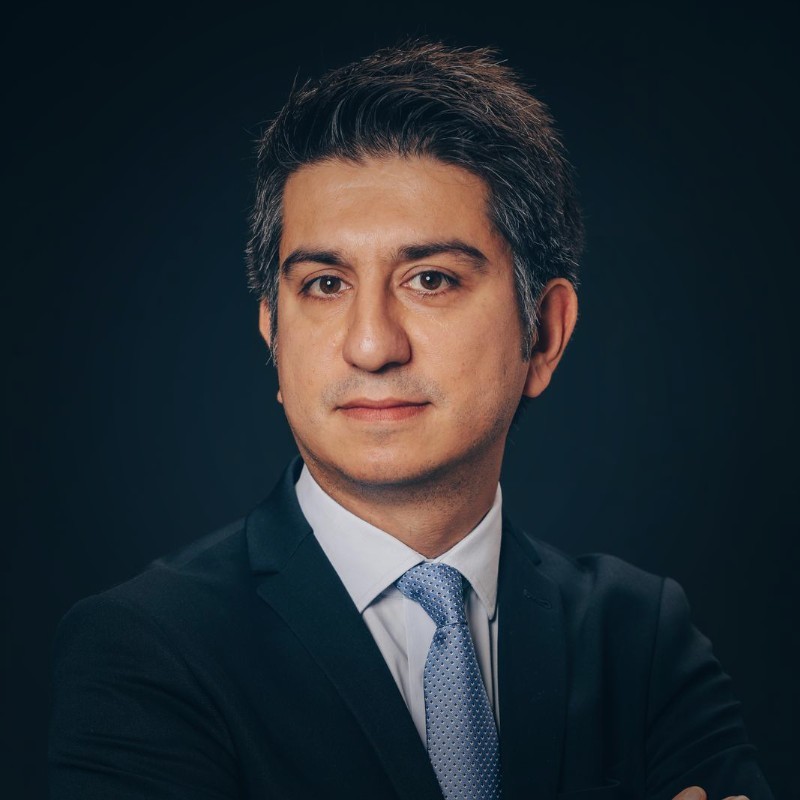
- Engin Dorttepe, Director of Global Cash Management at SABIC
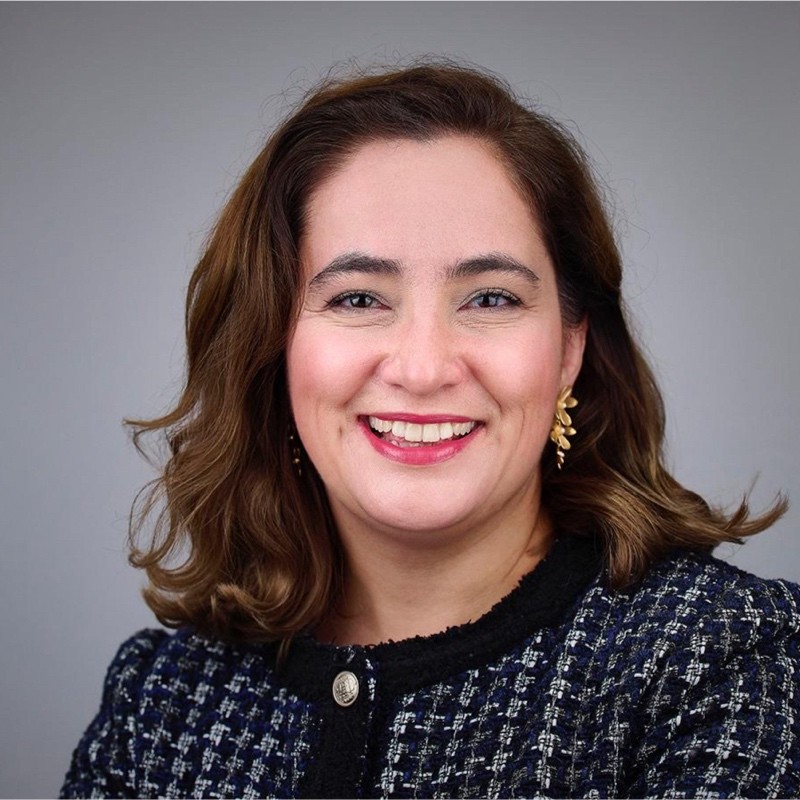
- Ayca Arisoy-Kilic, Treasurer & Global Head at Bunge
Tune in to hear honest stories, leadership insights, and actionable advice straight from the frontlines of global treasury.
What We Cover in This Episode:
- Transitioning from banking into corporate treasury – and why each guest made the leap
- How to get treasury invited to the decision-making table
- Leading global treasury teams across cultures and time zones
- Selling the value of treasury to the wider business
- Lessons in managing liquidity, transformation, and internal buy-in
- The role of data, technology, and macroeconomic awareness in modern treasury
- Building influence through soft skills: empathy, communication, and cultural awareness
- Real-life challenges and wins – from cash repatriation to systems implementation
- Why soft skills and strategic thinking are just as critical as technical knowledge
—-
🎙️ Subscribe to the Treasury Career Corner podcast – Never miss an episode! Subscribe on your favourite platform:
CLICK HERE for 🎧Spotify Podcasts
CLICK HERE for 🍏Apple Podcasts
📊 Managing short-term cash and investments – Without the right technology is a huge risk for modern treasurers. Tradeweb changes that!
🎓 Save $150 on CTP & FPAC– Exclusive discounts for treasury professionals – thanks to our trusted partners.
🧠 Leadership Under Pressure – Practical tools and coaching that work – from the team at Gazing Leadership
🧩 What if your whole team had one clear view of your group structure – Fuseable makes it happen
🔐 Managing signatory lists manually? Cygnetise gives treasury teams a smarter, safer way
👉 FIND OUT MORE HERE https://treasuryrecruitment.com/partners/
Mike Richards, CEO, The Treasury Recruitment Company: Welcome to this week’s Treasury Career Corner podcast, where I interview treasury professionals about their treasury careers. Each and every week I’ll talk to treasurers about how they build their careers, where they are now, where they see both themselves and the treasury profession. Going to next, let’s get on with the show.
Mike Richards: This week’s episode, I’m thrilled to be able to share with you that it’s another Treasury Career Corner Live event. This one, we held our first one in Amsterdam in November, 2025 with some amazing treasurers. We had Engin do Tepi, director of Global Cash Management at saic, petrochemicals and Acha. Ay, the Treasurer and Global Head at Bunge.
Mike Richards: Um, two great guests really. Uh, fascinating treasury career stories about how they achieve their career success, some of the challenges they’ve overcome, and the future of the treasury profession. So enjoy today’s episode and let’s get on with the show. So thank you very much for all showing up. I know it’s just ’cause there’s free beer later.
Mike Richards: It’s what I’ve been told about the guys in the Netherlands, but. Thank you very much for coming along. So what we do is first of all, we get you concentrating and we get loads of enthusiasm. So good evening, Amsterdam. You haven’t let me down. Thank you very much. So we’ve got energy, we’ve got enthusiasm, but what we also want is your attention.
Mike Richards: So I do ask if you’ve got phones, switch them off, give yourselves this hour. To yourselves, to your treasury careers and get to listen to three amazing treasuries. It’s an investment in you. If you like, you’ve all come out here to, here we go. I’ve got a bit of the structure. Yes, it works. So first intro, I’m Mike Richards.
Mike Richards: Spoken to a lot of you over the past couple of weeks. I run the treasury recruitment company. I put on these events because as a recruiter of 27 plus years, I then started a podcast seven years ago. That’s grown and grown. Four hundred and five, four hundred eight episodes. Recently had the global treasurer of Amazon.
Mike Richards: We talked to global treasurers, and you guys get the knowledge that then became the live event. But the live event actually only happens. Oh, they go, there’s us. This is who does it with me, Katie, my colleague, Joe in the us and Carly, who does all the hard work. But aside from that, we wouldn’t be able to put this on without.
Mike Richards: The support of our amazing hosts and sponsors. So can I have the guys from Baker McKenzie please? Hands up. Big hands. Come on. Those guys there, they let us in the building, so please be careful and don’t break anything. Okay? Because they are lawyers and they will sue you. We have Chatham Financial, you go Sarah from Chatham State Street Investment Management.
Mike Richards: Great. And TIS. Great. Now those guys, they’ve got the drinks tickets, so if you want a drink, you have to go and talk to them and also find out what they do because they sponsor the events and let us do these things as well to give you this treasury knowledge. But this is gonna be the run through. I’m gonna talk through with each of our guests, allow them to introduce themselves.
Mike Richards: They’ll talk about their treasury careers, how they’ve grown them, where they see their treasury, correct. You know, the treasury profession going to next. And what we also do is then do question and answer. It’s up to you guys to ask questions. When did you last get an opportunity in this kind of forum? I know we’re gonna get some answers downstairs in the bar, but joking aside, you actually get to ask these three amazing treasurers, some of their views on treasury and everything else.
Mike Richards: Then we’ll also finish up with some key takeaways before going for refreshments. So. First of all, I’ll let my first panelist engin introduce himself. Over to you,
Engin Dorttepe, Director of Global Cash Management at SABIC: sir. Hi, thank you, Mike. My name is Engin Dpe. I’m the director for the Global Cash Management at sabic, and also I’m the managing director for the SABIC Capital.
Engin Dorttepe: So I am living in the Netherlands nearly for 20 years. Actually. I came here as a student and as you know, like the logical, reasonable 23-year-old, you know, like the young man. It wasn’t very difficult for me, you know, like to decide for a job actually, you know, like it was in Amsterdam. The salary was good.
Engin Dorttepe: So, and then I didn’t know what I was going to do actually. So I started my career as a derivative trader at Ante Bank International. I stayed in banking nearly for 11 years, and then when I left bank, I was the head of the foreign exchange and derivatives desk. Then I made it. Significant shift in my career.
Engin Dorttepe: Actually, I joined Heineken, so I worked in Heineken for nearly in treasury for two, two and a half years, and then moved to business transformation, worked with data and technology guys and the business controller. And then one day Mike gave me a call and then I joined sabic. I started my career there in corporate finance, and in the last one and a half years I’m leading the global cash management team.
Mike Richards: Now, a lot of people know who SABIC are. Can you just for the audience, explain exactly.
Engin Dorttepe: Well, how Mike described me IC was, you know, like I have a company. It is one of the biggest companies that you never heard of. And then it was true actually. So when I Googled it is the chemical arm of Saudi Aramco. So it is one of the biggest chemical companies in the world operating nearly all around actually.
Engin Dorttepe: And then most assets in Saudi Arabia, but operating from US to China and well, yeah, it has a very strong mandate from the Saudi government as well to diversify the economy from. Oil to more, you know, like the value of the products as well. And Sub capital is the financial arm of Subic that does all the international financings throughout Amsterdam.
Mike Richards: Cool. And what we’re gonna do is dip into the earlier stages of each of our panelists careers in a moment, and then some of the choices they’ve made as well. And then again, you can explore it when you do the questions. So Acha, over to you.
Ayca Arisoy-Kilic, Treasurer & Global Head at Bunge: Hi.
Mike Richards: Nice and loud. Go on.
Ayca Arisoy-Kilic: Yeah, I’ll go up.
Mike Richards: Thank you.
Ayca Arisoy-Kilic: So my name is Acha.
Ayca Arisoy-Kilic: I started my career in banking, actually in corporate banking initially with Citibank and then with HSBC bank. Then I left banking to move over to the corporate side. I left banking to join Shell in London, and I worked for Shell for just about a decade in a number of roles. My. Last treasury role at Shell was Deputy treasury role for downstream business in London.
Ayca Arisoy-Kilic: And the role that made me move from UK to the Netherlands was my last role at Shell, which was the head of finance role. Uh. A regional finance lead role for exploration business in Africa. So I stepped out of treasury and went into business for quite a challenging part of the world based here in the Netherlands.
Ayca Arisoy-Kilic: Yeah. Then I left Shell and I joined Bunge in 2016 where I’ve been since. I did cover a number of roles, including Global Head of Capital Markets, and lastly, the emea. An Asia treasurer role together with head of Global Treasury operations.
Mike Richards: And who are Bunge again? Just for the Sure. We should know them. So
Ayca Arisoy-Kilic: Bunge is a, I think shell doesn’t need much telling, but Bunge is a global agricultural commodity trading and food company.
Ayca Arisoy-Kilic: It basically connects farmers with consumers managing the whole supply chain for a number of agricultural commodities.
Mike Richards: And it was quite, it was more by luck than judgment when I invited my panelists that there’s. A lot of crossover in their backgrounds as well, so we can talk to that. But one of the other things was that you all had an early start in banking and you then made that shift into treasury.
Mike Richards: I wanted to go through, starting with yourself, Ian, when, what was the moment you decided a pivot into treasury Or, I know it was more, was it by plan that you thought treasury’s the area for me or Explain it to the audience, if you will, and then we’ll go across the panel.
Engin Dorttepe: Well, I think, you know, like the banking back then in two thousands, early two thousands, it was the shiny times actually.
Engin Dorttepe: So it was, you know, like it was not as a young graduate, you know, like it was not a difficult decision to go for banking. But then, and also it gives quite good impression because. And we were creating solutions, hedging solutions for the big companies, actually from airlines to conglomerates to production companies.
Engin Dorttepe: So then again, it gives a very good sense of, you know, like you need to understand your customer and then create a solution for that. And then I was lucky enough to have my own p and l as well, so I was able to trade. So then again, it gives you the commercial mindset also and result orientation, but. The bank says one architecture, if you are good.
Engin Dorttepe: They keep you happy and then they keep you on the same spot. And then that was sort of the trap that I felt I fell into actually, because I was doing the same thing for 11 years. I mean, I felt myself like a dentist, actually. I mean, there’s nothing wrong being a dentist, but dentist does the same job, you know, like for 30 years.
Engin Dorttepe: And then I didn’t want to do that. And moving to Heineken, you know, like I think it was the same with Coca Nic bottling. Yeah. Or Shell as well. You know, like it was really an eyeopener for me actually. And then that helped me to diversify.
Mike Richards: And what was it like? You know, did you know about treasury or, you know, we sometimes talk about how treasury needs to sell itself a little bit more to the world, and you guys, that’s why we do these events and things.
Audience: What did you
Engin Dorttepe: think? Well, then again, that that was a difference actually. So I knew about coming from banking, knowing the banks, you know, like it helps a lot in terms of doing the business. But what Heineken teach me, actually the first thing is that beer doesn’t like to travel. So what it means is that you have to produce locally.
Engin Dorttepe: You have to sell locally. It is the same case for Coca-Cola as well. And then if you operate in 70 countries, then at least there’s a crisis in five of them. So you need to really be close to your customer and then internal customer and then understand what is happening there. I mean, this year it is Nigeria.
Engin Dorttepe: Next year it is Brazil, the year after it is somewhere else. So what is happening in this country? How these companies work actually. So that mindset shift. You know, which I learned in Heineken as well. And another thing, you know, like what I, similar to Coca-Cola, so you know, I learned marketing. So for Heineken, the outside of the bottle is as important as the inside of the bottle as well.
Engin Dorttepe: People look in the covers, you buy it if you like to taste, then you buy the second one. So going back in banking, it was extremely straightforward. You have a p and l. If you meet your above your target, perfect. If you are below your target, not too bad, but. In Heineken or most of the corporates, it’s more about, you know, like how you present your work, how you sell your work, and then how is as much as important, like the storytelling is as much as important.
Engin Dorttepe: The work itself actually.
Mike Richards: Yeah. Rachel, what attracted you to Treasury? You know, shell, it’s a mega major, so did you know them well or,
Ayca Arisoy-Kilic: that’s a great question because I ended up in treasury, but I think deep inside there were queue so. I, if you haven’t figured it out by now, I’m Turkish. I’m originally from Istanbul, so I wanted to be a corporate banker.
Ayca Arisoy-Kilic: It kind of looked sexy when I was in school. We had some university instructors, teachers, professors who were double working, advising banks and so on, and all those examples brought to me, made it look fun. So I, after an internship at one of the banks I mentioned earlier. They liked me and they asked me to start working part-time whilst I was still studying in school, and I did that in my last year at university in corporate banking.
Ayca Arisoy-Kilic: Then I graduated, they offered me a role, and then all these other big multinational corporate banks in Istanbul back then offered me jobs too, and I chose one. I started in one. And then back in the day in Turkey, I mean, we weren’t really part of the global world of graduate talent, but they used to choose one or two people to send to London for their executive graduate development program for investment banking.
Ayca Arisoy-Kilic: So they chose me. I came to London. Trained for two months, fully paid excellent program with a lot of tutors, majors of their industries, and surrounded with people who studied from, you know, coming from New York, Hong Kong, all over the place. Gathered there for that training and I loved it and I felt like I needed that challenge and I needed to be in that environment.
Ayca Arisoy-Kilic: We go, I go back after two months and I tell them, can you please sign me for an assignment in London? I wanna work abroad. I wanna try that. And they said, you know, to the 22-year-old, I said, no, no, no, we need you here. We are going to grow, we’re going to go big. We need you here. You know, it was disappointment.
Ayca Arisoy-Kilic: So, you know, I did that. I enjoyed corporate banking. It’s an excellent learning ground. You know, you learn how to analyze your financial statements, do your rating models. If you are surrounded with good relationship managers, you learn how to build relations, which is a key skill, whether you’re in treasury or in another part of the corporate world.
Ayca Arisoy-Kilic: It was an excellent learning ground for me. But then that drive for, I wanna go beyond this. I wanna, I still need an assignment, can I go? And then it didn’t happen. And then I just solved my own problem. I applied, I got accepted for a roll at Shell and my first roll at Shell wasn’t actually in treasury, so I biked the bullet.
Ayca Arisoy-Kilic: I took the risk 23 years old. Back then. I just started they, because there was no roles available in treasury, I started in controlling function as an analyst. Yeah. But then, you know, I moved to uk. I know no one in the UK. And I worked hard. It worked well, and I knew treasurer was close to my heart because of that few years of experience after school.
Ayca Arisoy-Kilic: And I just introduced myself to the treasury teams. They liked me. And then I got hired into treasury after my first assignment as a junior treasury manager. And then I went up the ranks pretty quickly and did a number of roles. So that’s how it evolved for me. And I truly enjoy treasury because if you’re in a major global organizational setting, it allows you to intersect many different parts of the organization.
Ayca Arisoy-Kilic: And if you have the personality and the curiosity, you can be very close to the business.
Audience: Yeah.
Ayca Arisoy-Kilic: And all those things appeal to me, but I also stepped out of it and then came back to it. You know, in that sense, I specialize in treasury, but I would say I probably am a rounded treasury professional, rounded finance professional.
Ayca Arisoy-Kilic: I qualified as a chartered accountant whilst I was in the uk. I mean, so you know, it’s kind of, accountancy and treasury can be counterintuitive to each other. We often have heated debates with controllers, and whether it’s the accounting treatment or the real money value that matters in a lot of discussions.
Ayca Arisoy-Kilic: Knowing what they do also helped me on this side. So in that sense, I try to do different things, but then, yeah, treasure has always been close to my heart in that sense. So I came back
Mike Richards: and you’re gonna come to yourself. That transition to sabic and it’s a global, and obviously there’s different cultures as well as a real melting pot.
Mike Richards: You and I have talked about this before. What have you found the greatest challenge and also the greatest reward from that? What have you found? Well.
Engin Dorttepe: SABIC is, I mean, one of the biggest challenges or you know, like the differences actually, I mean our, you know, like the lonely and beautiful country has been living on depth in the last 300 years.
Engin Dorttepe: Big Saudi is totally the other side of that actually. So it is, you know, like extremely cash rich. So all the muscles are developed on investing cash, not raising cash, actually not raising money. It doesn’t exist. The borrowing concept doesn’t exist, or liquidity management. I find myself, you know, like the privileged, lucky enough to be the director of a cash management of a company, and I’m sitting on 12 billion of cash actually.
Engin Dorttepe: So why do you need to manage your liquidity? You know that that is, but yet ambitious growth targets and then those growth should happen. Should only be, or can only be available. With leverage, then again, but that requires significant mindset shift because the company has been set up established by, and still being governed by engineers.
Engin Dorttepe: So the finance or the corporate finance is not their concern actually. So I need to explain a lot of times, what is debt? Why do we need it, how do we raise it? You know, like why bonds? Why banks? Why this bank? Why Japanese? Why not Americans? Why? And then also why credit trading is important. Why do we need to take care about our investors?
Engin Dorttepe: Those things were extremely important actually. But also what is interesting in SAIC is that, you know, like it is, it’s a truly international company. Actually. We have, you know, people all around the world and then it is transforming quite fast. And in the last one and a half years ago, actually, we had a new group treasurer, and then that’s where I have been appointed as the director and we reshaped all the treasury.
Engin Dorttepe: So it is, I mean, if you want to do something then what is the reward? Actually a lot of opportunities are there, and I’m not a person. I say yes easily, actually. So, and then I don’t shy away from, I don’t know, but let me try to figure it out. So I said yes, a lot of things, and then, well then I figured out.
Engin Dorttepe: Yeah, and then it worked well. So crafting things and then the shaping things. I think, you know, like that was the reward in that, you know, like the growing environment.
Mike Richards: Richard, with you and Bunge, food, agriculture, commodities, rapidly changing, volatile, what have you found most challenging or coping within a, you know, it sets a global treasury in that sector.
Ayca Arisoy-Kilic: Yeah, it was a shift for me from Shell to Bunge. Similar to you, shell. Liquidity is not a problem highly rated. The challenge there is finding counterparties that are at least rated similar to you to place your cash with. Move to the other side. I felt like the true treasury work started. There was a crunch, you know, liquidity.
Ayca Arisoy-Kilic: There was stress. The company performance wasn’t good for a period of time, and then there were other challenges. Then there was a turnaround. But all in all, in trading business, you really work with highly smart, highly market savvy individuals who are all, for example, gifted amateur in effects. They all have their opinions on things.
Ayca Arisoy-Kilic: Which could generate results. And of course you are there to protect and manage risk. So often you may clash, you may need to hold your course, and then who are you? You kind of look young and where are you from? Where did you come from? Do you even know what we do, how the commodity markets work? And so on.
Ayca Arisoy-Kilic: So it hasn’t been easy, I would say initially, but once, if you show humility. Wanna learn and show that you’d learn fast. And then you bring some ideas and actually, you know, we generate results and then you earn your seat at the table, so then you become a credible partner, not just some roadblock between them and the markets.
Ayca Arisoy-Kilic: But, um, yeah, it, it is difficult. I mean, you work a lot of, with highly intellectual people who already have an opinion on, I mean they trade commodity. So they wanna trade other things as well. And then, you know, you just, there has to be some boundaries around that. But it all is up to how you present yourself, how confident you are in yourself.
Ayca Arisoy-Kilic: But it’s also enjoyable. It’s equally rewarding. You learn a lot. So I’ve enjoyed it.
Mike Richards: So stay with you for a moment. You now coach and lead these very diverse global international teams and a lot of these guys in the audience will have exposure in a similar way. How do you get the best of those out of those teams that might be working remotely or quite distant from you and or any mistakes you’ve made along the way as well, and things that you wish you’d, you know, obviously you never make mistakes we know.
Mike Richards: Not that we know. Oh, tell me
Ayca Arisoy-Kilic: about it. I know, but,
Mike Richards: but any things that you can share with the audience and then we’ll come to you may Sure.
Ayca Arisoy-Kilic: People. Are your only assets. I think, you know, you may be trading this, buying this, manufacturing, this and that, but your people, your teams are all you have, and you are only as good as the weakest link in the chain and in global work environment.
Ayca Arisoy-Kilic: It’s important to create a collaborative platform for your teams to work together and then to feel that they are all equal. And there’s open communication. So I found that if you facilitate a platform where people can talk to each other from Southeast Asia to. A Middle East or to Europe, explain their issues, what they’re dealing with.
Ayca Arisoy-Kilic: They’re able to connect with each other and then, I mean, everyone is smart and everyone is skilled. In many ways. The light bulbs lit. You just facilitate it. That’s all you do. But you need to encourage people to bring out the best. I mean, some cultures don’t wanna speak up. I mean, they’re brilliant, but they won’t say a word.
Ayca Arisoy-Kilic: So you have to, you know, at that point, it’s not treasure skills. It’s really basic human and personal skills that come into play. You need to. Pull out. Encourage them, motivate them, and then let them speak and share and ask, and then the other one talks, and then this collaborative environment often helps achieve well.
Ayca Arisoy-Kilic: Then the other thing is you need to empower your people. You need to trust them and then let them go. One, I’ve made so many mistakes, I still do, but one mistake I made was I was very obsessed about doing well and doing the right thing that I wouldn’t let my people fail. That was the feedback that came to me a while ago and it was spot on.
Ayca Arisoy-Kilic: I mean, I just, you know, whenever I felt somebody was doing something wrong, I would step in or do it, or, you know, help them immediately show them the right answer and put them on the right track. But that so in a controlled manner, I’ve learned throughout my career. You let people fail and learn and then next time actually you, you don’t need to be even around.
Ayca Arisoy-Kilic: Allowing people the space through their own thing to show themselves, to present themselves in front of the business is vital. You just recognize people by letting them show their work by speaking up. So you create platforms where they just don’t only talk to their internal treasure peers, but their other colleagues from across the organization.
Ayca Arisoy-Kilic: And you throw stretch assignments at people as well. I mean, if you feel somebody has the energy and they could do well, you put them in an assignment, you know, in another part of the world, or you allow them to partner with someone else, that’s the way to grow. And if you trust your people and you’re fair, I find that, you know, if you gain a lot of loyalty and get a good performance out of that.
Mike Richards: Thank you.
Engin Dorttepe: I mean, I have not that much to add actually, you know, like I do agree with most of the, the comments here, but what I also have recognized is I worked previously with Heineken in and ins two different big transformation projects as well. And then what I realized is that, you know, for a transformation to be successful, then first you need to get a buy-in from the people and then to convince people, I think, you know, like starting with, okay, why are we doing things actually the moment that if people are not convinced.
Engin Dorttepe: Why we do things and then, you know, like the why we are changing then, I mean, forget about everything actually. You can have the best systems implemented or you know, like the best strategy or you know, like the best structure. But if people didn’t buy it then well, you know, like the two years later another consultants came and then you know, they start a new transformation project.
Engin Dorttepe: So I think it starts with the people on top of that and then getting the buy-in and convincing the people on the why. I think. What I can add on top of eye chain money,
Mike Richards: and we’ll stay with you for a moment. Obviously treasury professionals in this room, they’re trying to partner with businesses, you’re trying to get out to the business and you know, how have you effectively done that?
Mike Richards: Partnered with the business and then also moved treasury? ’cause again, we’ve talked about this, moving from operational to strategic and being a business partner. There’s lots of. Business or we’re a partner to the business and then people go, who are you? Who’s treasury? How do you do that? And then we’ll go across the panel.
Engin Dorttepe: Let me give you one simple example actually, then again, coming from a company that cash and the financing was never an issue. So then again, who is treasury? So that was step one actually, that I needed to pass. Then the second thing is that it is all about understanding the people and then what they need, and then most of the time, you know like the, what they think.
Engin Dorttepe: As a problem is not really a problem, actually. Or what your problem is not their problem. So most of our affiliates as cash manager. Then again, what I wanted is that okay, right. Cash needs to be at the right place. So I want to, you know, like the dividend upstream dividends as much as possible. We want to the affiliates and then say yes, but they want to stick to a lot of cash buffers.
Engin Dorttepe: But I mean, it is not that cash that they need actually, you know, like that. They need a better forecast. If they have a better forecast and then we created them a better forecast how to do that, then the problem is solved. But on top of that, they said, yes, but you know, our cash is going up and down there are cyclical.
Engin Dorttepe: Okay, fine. Then we created them revolving credit facilities from the local banks that they could, you know, like to borrow. But then these are engineers, so utilizing a credit facility is for them a failure. So I need to convince them guys, it is not bad to go borrow from a credit facility. As long as you are not addicted to that.
Engin Dorttepe: Then, you know, with that, you know, but they took two years by the way. You know, it wasn’t easy. How did you sell
Mike Richards: that to them? How did they buy it?
Engin Dorttepe: Well, at, at the end of the day. What has been managed is that, you know, like they realize and then their managements realize that the cash efficiency is one of the most important things.
Engin Dorttepe: And then they should be able to operate with thin cash. And then that is the success not sitting on a lot of cash actually. So what we are trying to do, you know, like the moment that they are convinced it is something good for them as well, then it is achievable. But those convincing steps, you know, that needs to be step by step.
Engin Dorttepe: Or another example, you know, let’s say. TMS is your problem, our problem. But A TMS is treasury management system is never a problem for A CEO. CEO wants to have higher profits. Full stop. Then, you know, like the, okay then, you know, like, because I made this battle recently actually. Okay. You want higher profits than, you know, like the, you need less interest expense.
Engin Dorttepe: Okay? For less interest expense. We need better visibility, better forecasting, better analytics, and then to get to that. I need this too. So you want better higher profits than bring, bring me in the moment that I start crying, I want this because it’s my problem. But the decision maker, I mean the CEO hasn’t, or the CFO doesn’t have a problem.
Engin Dorttepe: So understanding the problem is, I think
Ayca Arisoy-Kilic: help the battle.
Engin Dorttepe: Yeah.
Ayca Arisoy-Kilic: So I mean, nobody just gets given a seat or, you know, gets to be accepted. I found that I, in some shape or form, you always. And, uh, having to earn your credibility, but that’s doable and it can be done in any environment. I think flexibility and adaptability really helps.
Ayca Arisoy-Kilic: So that’s quite key I find, as a treasure professional as well. But partnering with the business requires you to understand the business. I think first of all, I find that it’s vital to understand what business your company is doing. Leave aside the treasury part. Who is doing what? What are we producing?
Ayca Arisoy-Kilic: Why, where, how are we managing the risks around that? You know, going and seeing the plans, understanding the business. Nothing to do with treasury is white. At the end of the day, I’m going to represent a corporation in front of banks. I’d like to be able to tell the story. I need to be a good storyteller.
Ayca Arisoy-Kilic: So. I need to learn the business well. And I find that that journey of trying to learn the business often helps me get my way into the business as well. ’cause they get to know about me and from my questions line of questioning or understanding. And then gradually you get invited, but you just earn it. I mean, nobody just goes in and gives it to you.
Ayca Arisoy-Kilic: And often settings are challenging. I mean, I was. Managing the finance function for exploration business in Sub-Saharan Africa, responsible for countries like Nigeria, Gaon, and I remember those meetings in Nigeria where they wouldn’t listen to a woman. So I’m not trying to generalize, but it wasn’t in the culture that this foreigner came in and you know.
Ayca Arisoy-Kilic: But they were great at telling me and then, you know, coming to me when I’ve just started to work with them. And it was quite counterintuitive to a treasure before who was used to dealing with millions and where to put it and so on. To work with all these smart geoscientists who were basically promising.
Ayca Arisoy-Kilic: Below 5% probability of finding oil and gas somewhere and you know, money and billions to spend. Meanwhile, in that effort, that’s just how that business is. It was quite counterintuitive. So you have to let your baggage go and then just keep an open mind and sit with them and understand, and then put forward a proposal.
Ayca Arisoy-Kilic: You have to put forward a proposal asking for money. And then, you know, which is in the form of, you know, invest goes to an investment committee for approval and you have to support it. So that requires a lot of partnership and understanding. But it’s not just a matter of saying yes to everything. It’s also saying no when it doesn’t make sense to you.
Ayca Arisoy-Kilic: And having a bit of the courage and accepting the fact that you will not be very popular from time to time. I think that’s quite key as well. Stopping things. It feels very painful in the moment. Often very painful, but then in the mid run it corrects itself and then that pain becomes some sort of a victory or common success.
Ayca Arisoy-Kilic: But yeah, I’ve been in situations where war broke somewhere and then in the supply chain they thought, okay, that country’s in war now will shift everything to that. I need that much of that currency. And we need to do it now. Can we buy this much? No, no, no. That currency, that country that just started the war, the currency collapsed.
Ayca Arisoy-Kilic: This, it costs now X percent more to start buying that. And by the way, I know that there will be sanctions coming in. I will have a convertibility. I will have an issue very soon. I won’t even be able to get the money out. So let’s stop and, you know, let’s just take our time to decide and then well, XY No, no, no.
Ayca Arisoy-Kilic: You’re stopping us. So you know, how do you go into those situations? Keep your cool, make your points. But yet respect what they wanna do and then ensure an open environment where, you know, maybe a wider audience comes in and judges the situation. So it felt really painful. In the moment you’re not popular, but in the end, people understand.
Ayca Arisoy-Kilic: Yeah. So I think also at times like this, it’s vital with the business that you’re confident and you speak with the right market acumen examples, and you effectuate what you say. And sooner or later it lands.
Mike Richards: So again, you guys should listen to the podcast more. So one of the reasons being when we did our session in New York earlier this year, had very good friends, summer Simmons, Victoria’s Secret.
Mike Richards: She encountered just this very problem and she was doing a lot of this. What she discovered is that a lot of the other teams, tax, for instance, didn’t really understand treasury. So she instigated corporate Treasury 1 0 1. She went out to the business, ran these classes and these groups and helped and brought them in the room, taught them, and then, you know, they were doing this with accounts payable.
Mike Richards: They were doing this. Just transformed a lot of this stuff. Now we were sitting there and you were thinking of, there was Sandra from Bristol Myers Squibb, you know, global multinational. You had Frank there from another global insurance group as well, and they just sat there, said, we’re stealing that idea.
Mike Richards: Yeah, they went, we are gonna do that ourselves. And they literally have instigated those programs. That’s one of the good things as well that you guys are describing as well. Now I wanna come back to another point. So we’ve got about 10 minutes left. We’re gonna do some q and a in a minute. But before we do that, I want ask another question to the panel.
Mike Richards: Then we do q and a and they’ve got some great takeaways for you guys, and also you will get to quiz them afterwards over refreshments. Oh, we’ll say to you. So first of all, Eng, and we’ll go across the panel. We go to a lot of conferences. You know, I’ve seen you at various ones and we were just talking about it before, ladies, there were lots of sessions, some of the headlines.
Mike Richards: Oh, anything, you know, they could put AI in any other title, you know, just to fill the room a little bit more. They would, you know, and a few years ago is blockchain and everything else, which of the, not the sessions, but which are the things that are top of mind to you as treasury that, you know, top two or three maybe or top two even.
Mike Richards: That you think treasures in this room should be thinking about and maybe the one they shouldn’t really worry about for now, we come to you eng and then go across and then we’ll do questions.
Engin Dorttepe: I think you know, like the two things actually, one of the most important thing is going to be data and analytics actually.
Engin Dorttepe: So how to leverage ai. Is AI going to replace us? I don’t think so, but you know like the thing is that if we don’t leverage AI, then we will be replaced by another one, but then this is going to come. We need to compensate it with all the soft skills, actually, because then that is, I mean, what GPT cannot do is, you know, like the convincing, you know, like the money or you know, like the U for a credit deal actually.
Engin Dorttepe: So how, to what extent, you know, like then investing in the social skills to understand the different cultures and then the real problem so that we can solve it by leveraging all the data and analytics section. That is more or less what I’m thinking. We would be going ahead,
Ayca Arisoy-Kilic: geopolitics and macro economy.
Ayca Arisoy-Kilic: I think as a treasurer you need to understand where the world is headed, what are the key schemes, what’s happening with trade in the world, and it just puts you in a different place when you’re having conversations with the business so that you can smell what is going to happen and be ready for it. So it’s really.
Ayca Arisoy-Kilic: Anything that would equip me and my teams with market acumen, understanding the possible scenarios, the macroeconomic factors shaping up world demand, supply, trade dynamics, that’s quite vital because I should be able to smell something before it happens. Then I’ve added value to the organization. I mean, if you know a country is negotiating with I-M-F-X-Y-Z, and then you can say.
Ayca Arisoy-Kilic: There will be a depreciation. We, we just need to cover your position. And they said, no, no, no, no. It’s so costly. It’ll, you know, it’ll eat up all our margin. This is the maths. This is your margin. This is how likely the devaluation is going to be. And then, you know, so scenario is here. And so that way of thinking only comes with making sure you’re very well connected to the world reality of commerce, trade, and politics.
Ayca Arisoy-Kilic: So I think that’s number one. And I don’t think any sort of technology would replace that. It’s a lot of insights. It’s acumen ai. You throw a problem at ai, it’ll give you a solution, but it won’t synthesize for you. What your corporation does and how it ties in with what’s happening. And then what are the outcomes?
Ayca Arisoy-Kilic: You still need a human brain. You should still use it. Absolutely. But just take it and then make it your own. And the second one is technology. Whether it’s, like you said, blockchain, it was, now it’s ai. It could be something else. But I don’t think it’s to replace what we have, but rather to support, and three things to automate.
Ayca Arisoy-Kilic: But really three s is, as I see it, to simplify, standardize. Streamline. So really getting your basics as automated as possible. Or cash forecasting your day-to-day cash management operations, your effects dealing if it’s not, uh, a volatile business, but it’s kind of standard. So all of that is enabled by algorithms or you know, various technologies you can use.
Ayca Arisoy-Kilic: Make sure you basically deploy as much as possible and then leave time for your people to think and. Put into play intuition for markets. So I think it’s those two things. Geopolitics, macro economy and technology.
Mike Richards: Cool. And actually on the back of that, some of the guests that I’ve spoken to recently, we were talking about the use of technology and mm-hmm.
Mike Richards: And actually I did the session and it was a, the session in Budapest actually, and some was, was asking me did I tend to use it in recruitment? I said, no. I said, I don’t necessarily use it in recruitment. It gives me more time to do other things like these events and everything else. But also one of the other points I’ve got from some of the people we’ve had on the podcast, some of the treasuries, and the best example is making a sandwich and you put it in there, said, oh, make me a ham and cheese toasty on, you know, with chat GBT, and it will come out with an average and it’ll be a really poor average really, because thousands of bits of data and backward data it’s pulling in.
Mike Richards: But actually if you say, make me a how many cheese toast that Gordon Ramsey would make. Without the swearing, but, you know, make me this perfect sandwich. Make this, they’re two different things and there’ll be different ingredients and different, but it’s actually, as you say, the technology, the prompts, the things that you’re putting in there.
Mike Richards: You know, it’s garbage in, garbage out, but actually if you put in the right things and the right questions. So questions, we’re gonna go to you guys in the audience. Oh one here.
Audience: Yeah. This question is for you because I could relate when you were saying about African. Hmm. So how do you explain the sense of urgency?
Audience: How did you explain the sense of urgency when you were talking to your African colleagues? Because you gave the example of Gaon. So you know everything in Gaon takes it at its own pace. But for me, everything is so urgent. Like even the dividend declaration takes three months when you have to get approval from the regulator.
Ayca Arisoy-Kilic: Yeah.
Audience: So getting that sense of urgency in your African colleagues, how difficult was it for you? Because for them it’s a way of life, right? I mean, the war is, their standards in their regulation keeps on changing, but for me to get that money out of government as soon as possible is my highest priority.
Ayca Arisoy-Kilic: Yeah, excellent question and I have an anecdote actually. I was in Nigeria and we were not allowed to travel extensively but only be in for secured reasons, but in these specific places, and it’s quite representative of. The way of working. We ordered some pizza and the pizza wouldn’t come and wouldn’t come.
Ayca Arisoy-Kilic: And then, you know, after a few ask, and anytime from now it’ll come anytime from now. That was the response we got. So, yeah, it’s a bit cultural, but I think if you know that you can try and work around that. Ironically, I find that things just work. I mean the airports there, I’m taking examples outside the function, but I think they’re quite.
Ayca Arisoy-Kilic: Transferable. I mean, everything happens last minute, but it works and everyone is on the plane. All baggage is on the plane. You should see how manual it is, but it just works. I think people often discredit them for the fact that it looks lazy or late, but it works. So it’s just not in maybe the culture to do it early enough, which is what we in Europe or in the Western world, are considered more orderly.
Ayca Arisoy-Kilic: Well. Which one is orderly? I don’t know. In Europe there’s a delay. Then nothing works there. It’s last minute, but it works. So IFI found that it was a bit of a shift in my mind to trust them with it, but also try to meet somewhere in the middle. You do more work for sure. You do more explaining, you do more reminding.
Ayca Arisoy-Kilic: Eventually you will get there, but accept and manage your stakeholders that this is going to be different. It’ll be on a different timeline. But it will get there. I find that it works and they’re so clever at coming up with solutions. What we could add in there is making sure they’re sustainable solutions and not one-offs.
Mike Richards: Yep. Other questions? Yes, please.
Ayca Arisoy-Kilic: Uh,
Audience: thanks for the very interesting stories. You mentioned that as treasures you would suggest focusing on, you know, learning the global trends and of course learning, uh, the technologies that are coming or have already come. And at the same time, I heard so many times the word like building bridges, but for building bridges, we all need soft skills.
Audience: What do you think on this, uh, question, oh, which soft skills would be the most helpful in the treasure work?
Engin Dorttepe: Start with you again. I think going back to your gavan example, actually, I mean, it starts with listening and not making any assumptions or any judgements because. Then again, there’s a problem. You need the dividend assumptions, or you know, the declarations are delayed by three months.
Engin Dorttepe: When they’re asking for a loan, are they also delayed by three months or are they more urgent? So then again, so if people, I mean, it’s not that people are lazy, actually it is the different thing. So then again, you know, so when you want something from people, okay, then how it is beneficial for them, actually, what is in it for them.
Engin Dorttepe: And then if they get this, then they are going to do it faster. So. If they were totally lazy, then they wouldn’t ask for a loan application in the three months that, that place as well. So I think, you know, like the listening is the most important part in my opinion, without making judgements. And one of the most important thing is that I think around the room, it is the same case as well.
Engin Dorttepe: We are so many different cultures, and then there are a lot of things are lost in transition, so that we need to be aware of that. I mean, when a British person says, wow, that’s very interesting. Let me think about that. You know, like, I know how to interpret that. Versus a Dutch or a Turkish person says this also.
Engin Dorttepe: But then again, the same thing can be understood or interpreted differently. To Asian versus to a French people or to a Brazilian accent. I mean, those differences in the cultural codes, which I always try to keep in my mind as well.
Ayca Arisoy-Kilic: Yeah, I agree with engin. I think awareness on cultural attributes is a important skill.
Ayca Arisoy-Kilic: It helps you uncover people, get the best out of people, and adjust your style basically, to be able to work with them. Communication, I think, is vital In treasury, we are often seen as technical geeks doing their own thing in our corners. And if you let it be like that, then you’ll be a lonely geek. But if you have the empathy to tell it in simple terms to others, I mean, we are all working with highly intelligent people.
Ayca Arisoy-Kilic: You are in respect and in return you get something as well. You build your connections, you start building your village, people who will support you. And if you help people at tough times, also you’ll find that it finds you back. So I think it’s important to not be carried away by just your daily priorities.
Ayca Arisoy-Kilic: Be open to people and then be humble and nothing specific to treasury. Actually, these attributes are needed for any professional, but in an area which is considered to be highly technical, I think they pay off even more.
Mike Richards: So these guys, oh yeah. This is the last question you’ve got in there Quick, but we will also have time with the panel as well.
Audience: It felt very inspiring now that I think I’m just gonna combine it. So I’m a bit younger than you, but I have less experience. So it felt very inspiring for me to see that you can still stay passionate about treasury. So I started my career as an FX trader, then I moved to treasury advisories with both my is doing projects, et cetera.
Audience: I’m just curious, after spending so many years in treasury and what. Else would you do, like if you were to take an alternative path, what is still stands attractive for
Ayca Arisoy-Kilic: you? So within treasury, I think the first question I would ask myself is, have I done enough of everything? Is there other areas which I can tap into?
Ayca Arisoy-Kilic: It’s just easier when you’re within the same function if nothing interests you or if that’s not viable. And then is this a function that’s being what led in such a way that it supports talent to grow? And so am I in the right place? That’s a fair question to ask. And then what is the broader organization?
Ayca Arisoy-Kilic: Then what, what else can I possibly do on commercial finance? FPNA tax, if you have passion for it, m and a, corporate development, finance aspects of corporate development are all some of the other kind of functions areas which may exist in a lot of corporate. More so in global corporates perhaps, but how do I naturally connect YMI work to those.
Ayca Arisoy-Kilic: If not, then just do a cold call to those and inquire and find out more and try to get in maybe accepting the fact that it’ll be a parallel move. I mean, my move from Deputy Treasurer downstream into the Head of Finance role for Exploration Africa was a parallel move. It took me a while to digest the fact that, you know, I’m not being promoted here.
Ayca Arisoy-Kilic: I’m taking a side step. Going into something else brand new. Am I doing the right thing? Why would I do that? Why? But you know, it was the best thing to do. It broadened me in ways that I couldn’t have imagined, and it made me a more of a commercial leader. You know, you have to give in some, take some, but in the end it pays off and it requires a bit of faith and mid to long run vision.
Ayca Arisoy-Kilic: So in the short run, a lot of things will not make sense. It’ll feel that way. But I think you need to do the analysis. Pros, cons. I used to build models to judge what are the pluses? Whatever works for you as an individual, but you come up with your way of calculating and then convincing yourself which route makes sense.
Ayca Arisoy-Kilic: It will feel like taking a step back sometimes or taking a side step, but a few steps later it you’ll see that it’s actually a definite up.
Engin Dorttepe: Yeah, just, you know, let me compliment, I totally agree with you, but I am a little bit more simplistic than your extra, so if I am bored, then I do something else. So then the question is that what is something else actually?
Engin Dorttepe: And then when you are bored, it is a little bit more difficult to go up. So parallel move is a better thing actually. And you know, three of us former companies said. This sort of good thing actually pushing people out of the comfort zone. So when I was in treasury, then I became the finance business partner of the Agile transformation.
Engin Dorttepe: I worked with the IT guys, data technology. Okay. One part was Boston Consulting Group, McKinsey, which I had a familiarity with, but the IT guys, I had no. Yeah, and then I learned, you know, like how they are think I learned working with PostIt section, you know, and then believe me, it was extremely challenging to explain the difference between CapEx and OPEX to an IT director.
Engin Dorttepe: But then again, that experience was, in my opinion, the most valuable thing because I learned, you know, like the how to explain things to the people who has no clue what I’m talking about actually. In bank or in treasury. I mean, we had this sort of a luxury that, you know, like everybody speaks the same language, same background.
Engin Dorttepe: Things are easy. So switching to these side things, I think, you know, that helped me a lot actually. Yeah, and also at Heineken, for example, if you want to be a CFO, you need to be a controller. You need to check that box. And then, okay, then okay, I want to be A CFO. I decided I also worked one year as a controller.
Engin Dorttepe: And then I realized I don’t want to spend my time doing a budget and then explaining rest of my time why it is deviating actually. So then, you know, like then moving back to treasury was, you know, at least, you know, like I convinced myself, okay, no, my place is in treasury. But then again, trying something else is just sometimes, you know, like that what we have valuable in our hand as well.
Mike Richards: So they’ve got some great takeaways and I’m gonna also. Yeah, take some video from the back of the room. So if we would, and again, you don’t have to go through all of them, but you can explain to the audience, cover your takeaways.
Engin Dorttepe: Then again, we are problem solvers, so we generate, create value to our customers or to business.
Engin Dorttepe: As long as we solve the problem, not we are the problem actually. And then diversification, going back to the same discussion. I think, you know, like it’s the biggest asset that we can get our in ourselves as well. And then. Back to our discussion. I think all these transformation people and without getting the people buying them, nothing happens actually.
Engin Dorttepe: And all of them goes back to the influencing actually we, all of us good things in our mind, but if the message is not there, if we don’t have these soft skills to influence to dividends get in three months time, then the money is not in the bank account actually.
Ayca Arisoy-Kilic: Yeah. So look, I’ve referred to these points throughout the course of the discussion.
Ayca Arisoy-Kilic: What I find that a lot happens throughout your career. So what is white is that you stick to your guts and your moral compass is important that you stay true to yourself. You find yourself in situations. We challenge you personally, and I think holding your ground, allowing your values lead you and not just the ways that come through your way is important.
Ayca Arisoy-Kilic: And that will shine no matter where you are, whether you’re in the treasury function or in another part of finance or in just the commercial environment. So I think that’s important. I try to, you know, stay true to myself and I also would like every team member of mine to do the same. If it doesn’t feel right to them, it probably isn’t and they should speak up generally.
Ayca Arisoy-Kilic: I mean, I think keeping an all good mind and remaining flexible is a life skill. You know, I was able to move from one country to the another to another when the phases in my life allowed it and I accepted assignments that had nothing to do with what I originally had in mind, but they just made a lot of sense.
Ayca Arisoy-Kilic: They had a few things that they would add to me. So that openness opened doors in many different ways for me. So I think not being rigid and being open pays off. Observe your environment. Something that I’m still not that good at, but networking smartly. So build your village. For those of you that have children, you know the saying goes, if you need a village to raise a child, it’s the same for careers and it’s not your immediate team or your immediate function.
Ayca Arisoy-Kilic: Actually, you need champions and sponsors outside your function, your team that will speak about you. And when the time comes that they will have an anto to tell about you and it would make all the difference. So how do you do that? You start by observing and then who are the critical people? Who are the people I can learn from, who have things to offer and what, how can I help them when the time comes and going to the next one?
Ayca Arisoy-Kilic: They’re in connection with this. Never waste the wood crisis. Those are the moments to shine. If you help someone, another senior leader that’s not even in your organization or your immediate team to cover up something that just happened or to help solve a problem they had, you know, you’ll find that they’ll also say a few things about in another setting that will pay you off in many different ways.
Ayca Arisoy-Kilic: So be a helper, be open, and never waste those moments, even if you may be stuck in another call, which you deem is important. Step out of that call, go help that person solve it, and then go back to the call, which will take another probably four to five minutes of your time. So I think it’s important to build your own village and it needs to be done naturally.
Ayca Arisoy-Kilic: But make sure you have people outside your immediate organization that know you, that know your work. And the last thing I get asked a lot, work life balance, and there’s no such thing as balance. I find you just find your own equilibrium somehow along the way. I mean, some days feel like it’s all about work.
Ayca Arisoy-Kilic: Some days feel all about family, and a lot of days it feels like it’s chaos, but you just hang in there and allow that it’ll not feel equal or balanced throughout and you just somehow make it work. And that’s okay. That’s how everyone has it.
Mike Richards: Mine. I’m just gonna keep ’em shorter and sweeter actually. So.
Mike Richards: You can see those and I can share them with you, networking with purpose, and that’s the one I’m gonna focus on. Actually the other bit successfully, is learn from the others. You’ve seen three incredible treasures here. You’ve got some great knowledge from them. Listen to the podcast, go to panels, go to conferences, listen to your peers, and you’ll get the knowledge.
Mike Richards: Now, the reason I’m gonna cut it short is because I also wanna mention about this, so Career Corner Challenge now, which I put to you guys. So just last week we did a treasury career corner live in London. And before it, we actually ran some round tables and the feedback was like, we loved the live session and we loved the networking afterwards, but actually the round tables where we got to spend one to one time with, as it was three groups of eight treasurers in a room going, talking about technology, talking about this, said incredible networking, incredible to meet people, and they were also.
Mike Richards: Part of this where, and what I say to you is when you go down for a drink, now it’s lovely. Now some of you might think, Hey, I’ve gotta get going, dah, dah, dah. You’ve made this effort to come here. Make the effort to be there, even if it’s for 10 or 15 minutes. I did this challenge in Texas. This guy said, I’m quite introverted.
Mike Richards: My, you know, I’m not quite sure. I said, look, I want you to go and make five connections. Now that is not five people you’re just connecting to on LinkedIn. You need to go and talk to five people. Now. They all need to be Chatham. And needs to be the guys at Baker Mackenzie and they, our sponsors, but at least one of those guys.
Mike Richards: So do go and speak to those guys. And there are the other sponsors where TAS they go, TS, thank very much, you gotta speak to them, at least one of the sponsors. They can be one of your connections. But then at least four other treasury professionals, when you go there, who are they? What’s their name, who they work for.
Mike Richards: But then one thing about their company that they’ve gotta tell you. So it can’t just be, I work for these guys. So we just said about, you know. Be interested. So without further ado, the drinks all came warm. Give this incredible panel a big round of applause. Great, thank you. Thank you. I hope you enjoyed today’s podcast just as much as I did recording it.
Mike Richards: But before you go, a couple of quick reminders. It’s salary survey season, so head to treasury salary.com. Take part in this year’s salary survey. 1600 treasury professionals do it globally If you haven’t done it before. Two minutes start to finish. If you have, thank you very much. Only takes you 30 seconds to update your salary.
Mike Richards: Then you’re part of this year’s survey. We run it all year round, but we actually take snapshots in January and July. So next one is coming up January 20, 26. End of then. And then to help you even more, we’ve got some partners that can help. So we partnered with the A FP in the us. If you’re studying for your CTP or fp and a, we make it cheaper for you.
Mike Richards: Get $150 off your study and $150 off your preparation platforms. And every podcast episode you listen to also gets you CTP credits If you’ve already done your CTP course. Amazing. I know. You’re welcome. Thanks. We’ve also partnered with a couple of others, so if you are wondering about how to map out your org structure or work out where all your money sits across your businesses, go to Fusible, these guys help you visualize it, plug and play, it’s amazing.
Mike Richards: Then if you are struggling, maybe with signatory list, talked to a treasurer the other day and she said, actually, all these man bank mandates, I’ve gotta update them all, blah, blah. I said, hang on, here’s my partner’s stigmatized. Real headache for lots of teams, but actually she’s already using ’em. She said it’s just amazing.
Mike Richards: But then also you need some training. Who’d you go to? Gazing Performance Systems. Ian Cochran and the team there. Fantastic. So if you are thinking actually 2026, you need to develop yourselves, get some more leadership training, gazing performance systems, and Ian and the. Again, go to our partners page, treasury recruitment.com/partners, check it out and everything else.
Mike Richards: I’m looking forward to seeing you in 2026 at lots of our events, so you’ll see more links and looking forward to seeing you soon. Thanks very much for listening and see you and thanks very much for listening and see you very soon.
- You don’t need to wait for a seat at the table – earn it by understanding and serving the business.
- Soft skills are not optional – empathy, cultural fluency, and communication are vital for leading global teams.
- Transformation starts with people, not just systems. Buy-in and trust are essential for long-term success.
- Understanding the business first makes treasury relevant. Take time to learn what your stakeholders truly need.
- Don’t just automate – simplify and strategize. Leverage technology to focus on value-adding activities.
🎧 Earn CTP & FPAC Credits by Listening to the Podcast
Whether you’re at the gym, on your commute, or walking the dog – you can now make your podcast time count toward your professional development.
We’re thrilled to share that Treasury Career Corner podcast episodes now qualify for CTP and FPAC recertification credits through the AFP’s Independent Study category.
How It Works:
- Each episode comes with a short multiple-choice quiz
- Score 80% or higher and you’ll receive your credit confirmation
- You track and submit your credits to AFP directly – nice and simple
➡️ The longer the episode, the more credits you can earn:
- 30-minute episode = 0.6 credits
- 45-minute episode = 0.9 credits
- 60-minute episode = 1.2 credits
No filler. No fluff. Just real conversations with top treasury leaders on strategy, leadership, risk, tech, and team building - everything AFP expects at an intermediate to advanced level.
🧠 Quick Facts:
- 📝 Quizzes are 6 to 10 multiple choice questions
- 🎯 You need to get at least 80% to pass
- 📨 We’ll send confirmation - you log the credit with AFP
- 💼 You can include this as part of your recertification record
NOTE: In line with AFP compliance requirements, no more than two quizzes may be completed per day.
