
Scaling Treasury From Startup to Multinational: Insights From Zalando to Lufthansa
How do you lead treasury teams through rapid growth, market volatility, and cross-continental transitions?
In this episode, Edwin Koopmans, VP Corporate Treasury at Lufthansa Group returns to the show to share what he’s learned from managing treasury at both fast-moving tech platforms and one of the world’s largest aviation groups.
Listen on:



Featuring
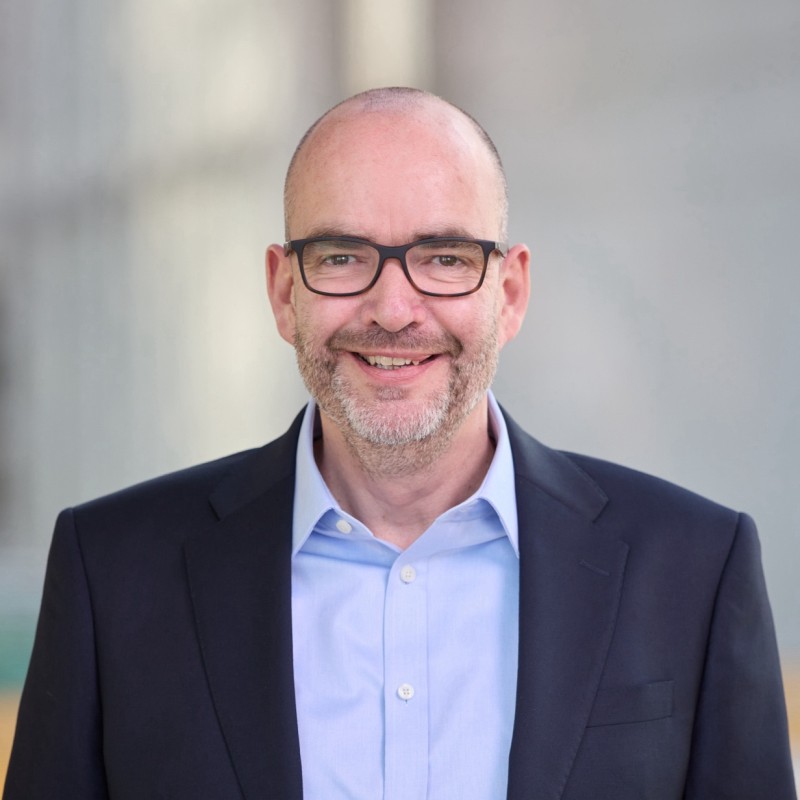
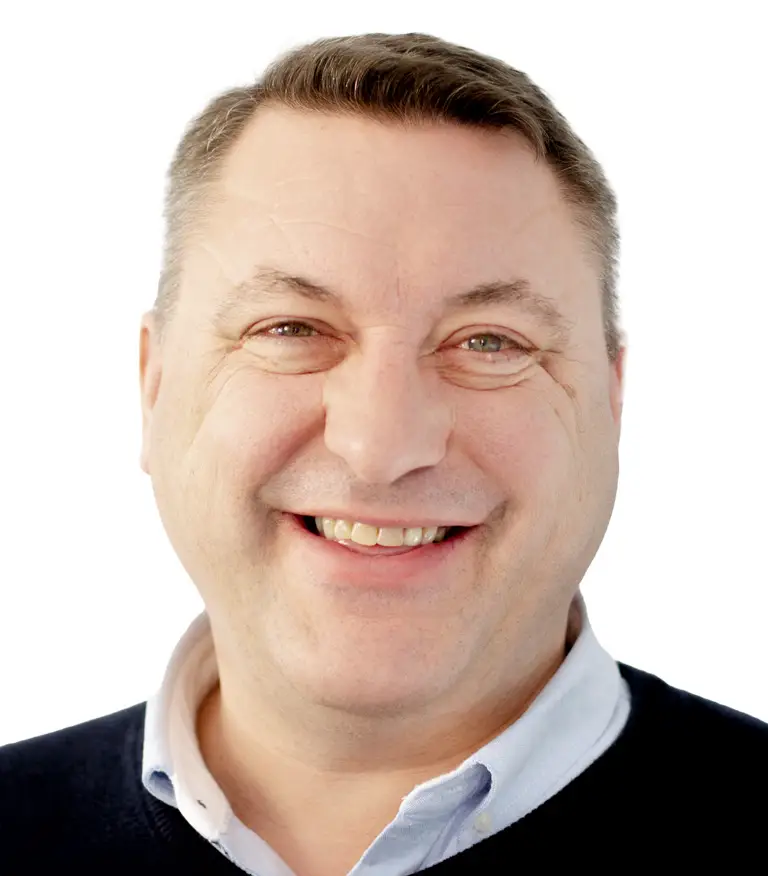
About this episode
In this insightful follow-up episode, Edwin Koopmans reflects on his dynamic career evolution, offering listeners a rare look into the inner workings of treasury leadership across vastly different corporate environments.
From his early days in hospitality and banking, to navigating treasury transformation at Sara Lee and scaling up operations at Zalando, Edwin shares the key moments that shaped his strategic mindset.
Now at Lufthansa, he unpacks the challenges of managing global FX risk, massive capital investments, and leading highly specialized teams.
What We Cover in This Episode:
- How Edwin transitioned from hospitality and banking into corporate treasury
- Lessons learned building treasury functions across Europe and North America
- Leading treasury through corporate transformations and spin-offs at Sara Lee
- Managing pension plans and financial risk during market downturns
- Taking treasury global at EVRAZ and overseeing teams of 30+ people
- What it’s like leading treasury at Zalando during hyper-growth
- The shift from Zalando to Lufthansa and adapting to a much larger scale
- How treasury at Lufthansa deals with fuel price volatility, FX, and interest rate risk
- The importance of cross-functional leadership and humility in high-expertise teams
- How technology and AI are reshaping treasury – opportunities and risks
- Edwin’s advice on managing teams with more experience than yourself
- Why senior treasury professionals need to rethink what an FTE means in the age of AI
Whether you’re a seasoned treasury professional or an aspiring leader, Edwin’s journey offers practical lessons on growth, resilience, and staying future-ready in a rapidly evolving financial landscape.
You can connect with Edwin Koopmans on LinkedIn.
—
🎙️ Subscribe to the Treasury Career Corner podcast – Never miss an episode! Subscribe on your favourite platform:
CLICK HERE for 🎧Spotify Podcasts
CLICK HERE for 🍏Apple Podcasts
📊 Managing short-term cash and investments – Without the right technology is a huge risk for modern treasurers. Tradeweb changes that!
🎓 Save $150 on CTP & FPAC– Exclusive discounts for treasury professionals – thanks to our trusted partners.
🧠 Leadership Under Pressure – Practical tools and coaching that work – from the team at Gazing Leadership
🧩 What if your whole team had one clear view of your group structure – Fuseable makes it happen
🔐 Managing signatory lists manually? Cygnetise gives treasury teams a smarter, safer way
👉 FIND OUT MORE HERE https://treasuryrecruitment.com/partners/
Mike Richards, CEO, The Treasury Recruitment Company: Welcome to this week’s Treasury Career Corner podcast, where I interview treasury professionals about their treasury careers. Each and every week I’ll talk to treasurers about how they build their careers, where they are now, where they see both themselves and the treasury profession. Going to next, let’s get on with the show.
Mike Richards: Welcome to this week’s Treasury Career Corner podcast. Well, this is one, a blast from the past, one of from our archive. So I am catching up with Edwin Koopmans. When he and I last spoke, he was the. Head of group treasury at Zalando, the retail group. But I actually catch up at the end of this episode with Edwin, who’s now the VP corporate treasurer at Lufthansa, the Aviation Group.
Mike Richards: So what we’re gonna do, have the original episode, edited slightly, not too much, but then we don’t catch up with his story, how he’s moved roles when we originally spoke, yeah, in 2021. Now we’re catching up at the end of 2025. So lots of things have happened, a bigger group and everything else. Let’s get on with the show, this week’s show.
Mike Richards: Delighted be joined by Edwin Copeman, the head of treasury at Zalando, now founded in 2008 in Berlin. Zalando is one of Europe’s leading online fashion platforms, connecting customers, brands, partners. You’ll see everywhere on the internet and everything else headquartered in Berlin, but also offices across Europe.
Mike Richards: Dublin and Helsinki platform approach. Lots of different fashion and style products and 23 different countries. So very international flavor for it as well. But Edwin himself, he’s got this amazing career starting in banking, which we always come back to then through treasury, up to now and stuff. So as I say, each and every week I’m gonna shut up and let everyone do the talking.
Mike Richards: So take us back, if you would, sir, and, uh, how you first discovered, well, let’s do finance, and then you discovered treasury. So, uh, back to you, sir.
Edwin Koopmans, VP Corporate Treasury at Lufthansa Group: Great. Hi Mike. Uh, thank you very much for having you, um, having me on your show. Yes. I started off my career in banking a long time ago. Started off with, uh, as a relationship manager at A BN Emro Bank in Amsterdam, and I did that for a few years.
Edwin Koopmans: Learned the ins and outs of the key aspects of banking. Then I moved to IMG bank, IMG bearings at the time, and I moved to their dealing room. I was, uh, initially responsible for foreign exchange transactions with large corporate clients, and then later that also included interest rates type of products.
Edwin Koopmans: So just the direct transactions, the spots in the forward, but then also more. Type instruments and looking at or helping clients with longer term strategies and how can you optimize your, the medication of your exposure, both from an interest rate and effects perspective. And uh, I really love doing that.
Edwin Koopmans: It’s very exciting and dynamic work environment. And I did that for four years. And then my, and just,
Mike Richards: sorry, I’m gonna jump in and ask ’cause I sometimes don’t ask perhaps early enough in the show and some people, again listening will. Be in a similar situation, maybe sitting within a bank, then thinking, oh, maybe this treasury world.
Mike Richards: I’ve heard about it on this podcast sort of thing. Why did, why were you in banking finance? Was that just a passion of yours from growing up? You just knew, oh, actually let’s give this a go, or what was your sort of driver at that stage? I know it was early days and a few years ago now.
Edwin Koopmans: I actually, before I went into banking, I major in hospitality management and I worked in hotel business for a couple of years in London.
Mike Richards: Oh
Edwin Koopmans: wow. And then we moved back to the Netherlands and Ian Ember was looking for people with a hotel management background. And what they were really focused on was, uh, the service aspect of people that are in the hotel, uh, industry, obviously with a certain type of educational background and financial knowledge, but.
Edwin Koopmans: Exchanging their client service model by, by being more service oriented. And they felt that hotel people were the ones that could significantly help. So they went out to the different schools in the Netherlands, uh, for hotel management, and they developed this program. Oh, wow. And I, I started working.
Edwin Koopmans: Well, I just looked into that program and I thought it was interesting. And one thing led to another.
Mike Richards: That’s also within treasury. ’cause you and I have talked about this as well, that it’s very people centric. We were just talking before the show about, I’d had another conversation with a client with tax, it’s very, for rule driven and taxes like this, but with treasury you start with an idea and then all these different directions.
Mike Richards: But obviously that that gave you the people aspect. And as you said, you sort of then went to YNG. Then how come Treasury came about? What, what? How did you make that transition? One of my
Edwin Koopmans: clients was Sara Lee at the time, and I had a very good relationship with them. And they were looking for someone to manage their foreign exchange platform and, uh, foreign exchange exposure globally.
Edwin Koopmans: And I loved what I was doing at ING. I thought it was a very exciting environment and very, if something happens in the world, you’ll see it on one of your screens right away. Yeah. And you feel that you’re middle of financing, uh, world. But the one thing. That I was missing is I saw my clients quite often sat down with them, talked about what their challenges were, and see how we could help by providing a product type of solution.
Edwin Koopmans: But I was missing the bigger picture and there’s so much more going on rather than either the tail end or just part of what, uh, what needed to be solved for. And so when Sarah Lee was, uh, was looking for that specific function or that that role to fill. I was interested and I talked to them and I thought, this is, uh, this is something that, that I, I can definitely do and I wanna do.
Edwin Koopmans: And so that’s how I got involved in more the corporate treasury side of things. So I switched to, to Sarah Lee at the time. Again,
Mike Richards: I know the global and stuff, but there are still some people out there who might not know Sarah Lee. What does Sarah Lee do? And what was then the sort of impact on that, on treasury sort of thing.
Edwin Koopmans: Unfortunately, the company doesn’t exist anymore. No. Uh, when I joined, it was company with a marked cap of about 25 billion revenue, annual revenue of about, uh, 30 billion, uh, US dollars. That is, and they, they had several different areas in Europe. The main focus was on, on beverages, on coffee and tea. So our experts worked for a lot of Dutch people and some other countries in Europe, they’ll know this, but also shampoos.
Edwin Koopmans: And then, and other household and body care products. That was what the main focus was in, in, uh, in Europe, Australia, they were very much focused on bakery type of products. And in the US there was also bakery and meats, but also retail in brands, for example. And at some point in time, coach used to be part of, uh, fairly so very large.
Edwin Koopmans: Company that had a lot of different areas of retail and food type of products when I joined, that already started to streamline some of this. Coach, for example, wasn’t, uh, part of the company anymore. Haynes brand was just spin on a spun off. And so, uh, they wanted to have a more. Core direction in some of those things.
Edwin Koopmans: And Sarah Lee originally is the name of, uh, of the daughter of a baker that started the company a long time ago. So they started with bread and then it’s, uh, with other bakery type of products, spice, et cetera. A lot of people in the US well will know the company for that brand, but also hot dogs, ballpark hot dogs, and all the types of meats are, uh, were part of the company.
Edwin Koopmans: Yeah, unfortunately they started streamlining the company more and more and then at some point they spun off other areas. They sold household and body care division to Unilever and Pro Gamble, and then the company spun off the European and the US division that now, and in the end, both of them were taken over by other companies.
Mike Richards: Yeah, it just sort of, it sort of went different ways sort of thing with that split up. Yes. But again, you made a, an international move at the time because you’d been based in the Netherlands and then. Made the move to one of my favorite cities in the world, Chicago. And what was that like for you? That was
Edwin Koopmans: phenomenal.
Edwin Koopmans: One of the things that attracted me with Fair was a global international footprint in trac. I was, uh, responsible for foreign, an exchange, but also helped with the implementation of a lot of different cash flows across, uh, across Europe, which was very interesting. But then at some point the treasury in the US asked me if I wanted to join the, uh, the US.
Edwin Koopmans: Really intrigued and I wanted to do that. I’ve been an exchange student in the US in my early days and I definitely wanted to go back there for a few years. So initially the plan was to come back for three years. Yeah. What I was gonna do wasn’t really all that clear. I was gonna be a director in the treasury team, but I trusted what he had in mind and I went there.
Edwin Koopmans: They made me responsible for the pension plans, and without having any experience in pension plans at the time, it was slight to change. So several E has three large. Or at the time had three large pension plans, one in the US and one in the uk, and one in the Netherlands over for about one and a half billion in liabilities and obviously supported by assets and the ones in the UK and the US fell under my responsibility.
Edwin Koopmans: That gave me the opportunity to start doing that and work on that. That was just a phenomenal experience.
Mike Richards: And then you were in the US and you decided to stay, if you like, and sort of develop, which is sometimes. Unusual. That’s the wrong way to put it. But you decided you weren’t, you didn’t come back to the Netherlands, you Chicago.
Mike Richards: Amazing area for treasurers and that’s one of the been 10 years. Speaking of the windy city, something I absolutely love going out there. Not just the city, but great treasury community and everything else. What next moves did you make? Talk us through that. Again, I know these, and people can see these on your LinkedIn profile profile, but without being artificial about it, what then happened?
Mike Richards: Sara Lee
Edwin Koopmans: was spinning off a lot of different companies and I was involved with the spinoff quite a bit because the pension liabilities were large liabilities that we needed to see what was going to happen and for, you know, potential acquirer taking on these liabilities and calculating what the liabilities are.
Edwin Koopmans: Also something that was, uh, that was key and so I helped with that, but then the company became a lot smaller because of all of the spinoffs and my area of responsibility was very much. To be focused on just the US pension plans. And while that was going on, I was approached by somebody that I used to work with and somebody from a MU at the time and a u had had just started looking at an outsourcing platform for pension plans.
Edwin Koopmans: So person was, uh, was running a team where, you know, smaller sized companies, but also larger companies, but mostly smaller sized companies, would outsource the pension plans to that team and the team would. Be managing the assets and the liabilities and really making sure that the pension plans were managed correctly.
Edwin Koopmans: And he asked me if I wanted to join the team based on my experience with, uh, with Sarah Lee and the relationship that we had during that time. And so I joined and I was head of the dedicated, uh, pension practice. Plus I was head of a, a team of nine consultants, specifically focused on pension plans.
Mike Richards: Pensions have become, it is funny actually. I’ve talked to a number of treasurers and they’ve said, oh, Mike, I’d run the pension. It’s so fascinating. Really enjoy it and everything else, but it sounds really boring, you know, because, but it’s not because of the assets and all the liabilities in there and things like that.
Mike Richards: Why did that make you, I mean, you and I, again, we’ve talked about this, about why it’s not, it’s actually anything but boring. What’s so fascinating for you about. Managing a pension practice and what gets you, as you say, it was a great experience. Why? I
Edwin Koopmans: think the, um, there’s so much to it to manage pension liabilities.
Edwin Koopmans: So the liabilities, they change every day and based on sometimes on drivers that you can predict or that you can mitigate, and, but sometimes there are drivers that you cannot do anything about, and then you have your assets that you need to invest in an appropriate way. There’s so many different things that you can explore and so many, you can take it to so many different levels.
Edwin Koopmans: So you can just do, if you need to manage the assets, you can do what’s what a lot of companies did, like just outsource the pension plan and have somebody else take care of it. But really keeping it in-house and developing strategies in order to mitigate the movement of the, of the liabilities and looking what you can do on the asset side is fascinating.
Edwin Koopmans: You obviously wanna diversify your, uh, your investments, but we also used a lot of optionalities, uh, disruptions in order to mitigate some of the interest rates exposure. We used, uh, credit default swaps in order to mitigate the credit exposure and that. You can take it to different levels, right? And if you’re looking at it from a client perspective, like what we did with Aon uit, some clients just wanna have a straight place, another type of product.
Edwin Koopmans: Other clients wanna go a little bit more advanced and wanna introduce derivatives in their hedging structure. So there’s all kinds of different things that you can do. For me, it was more like running my own. Shop my own business because there’s what I just was indicating the liabilities on the asset side.
Edwin Koopmans: Yeah. But there’s regulatory requirements. Uh, requirements, right? There’s economic drivers that will impact things that are there, that are happening. There’s legal aspects that you have to comply with, so there’s a lot to it. And that whole picture of managing those plans, I really enjoyed doing that.
Mike Richards: And so.
Mike Richards: You’d done a couple of years within pensions and then treasury locked in the door again. It was like, oh, come back. Come back to us. What happened then? Took us about ever. Well,
Edwin Koopmans: yeah, that’s actually a funny story because one of the things that I was trying to, uh, to accomplish as well is to grow the portfolio of client, portfolio of Aon U And my old treasurer was working for Everance and so, so the treasurer that, uh, brought me to the US and so he knew my knowledge of pension plans and he knew where I was.
Edwin Koopmans: I said, can we talk about. What type of services we, what we can offer you. Yeah. And then, and he said, yes, of course. And then so we talked about it and then walking out to the elevators. Um, he said to me, I’m leaving this company. Why don’t you give me a call? And I was thrown off and then we talked. He said, I really think this is something that you’re interested in, so why don’t, uh, why don’t we sit down and have a conversation?
Edwin Koopmans: He was also the person that kind. Brought me to the US without a specific role, trusted me a lot, gave me a lot of things to do, and really trusted that I could get things over the finish line that he calls and says, I, I have an idea. And a person that, that is kind of to me was kind of, uh, of my mentor. I had the conversation and one thing led to another, talked to the CFO, she started asking me questions.
Edwin Koopmans: He says, have you ever issued a bond before? And I was like. No, I haven’t, like, oh, I don’t have the certain type of experience and I’m not gonna be able to do this role. But we got along and we talked about how we would do it and how what, what some of the strength my strengths and weaknesses were. And I think she was very much focused on, on, on how I was thinking and how I would be leading certain type of processes rather than just having the specific knowledge that I could carry over and hit the ground running.
Edwin Koopmans: She introduced me to other people, went through the official interviewing cycle, and I got. Hired. So I started in 2013 to, uh, to work for them.
Mike Richards: Edwin, let me just ask about that. Just digging in. I know it’s a while ago now, but I’ve got some campaigns I’m recruiting at the moment and one of the ones, uh, one of my clients is quite distinctly focused on certain areas that they really must have.
Mike Richards: But actually from having done the podcast and spoken to a number of different treasurers, you guys are very flexible. Exactly as you talk. You’ve never done a bond in your life. But the fact was, it was a process, and I’ve had it before with some capital markets activity in particular with talking to a client and one of them, and this was a deputy treasurer many years ago.
Mike Richards: Well, she was going into this, well, I said, I really want to do this. I really wanna do this. And the treasurer said to me, Mike, bonds are boring. I was like, what? No, you go in, you do all the structuring, you get it all sorted out. You get to the really signing a a and you don’t, you give all the paperwork to the lawyers and they say, can you leave the room, please?
Mike Richards: You go back the next day as they go out for a lovely lunch and you have to do all the paperwork. And they said, so it’s. It’s not always like that, that’s tongue in cheek, but it is more of a, you can just be, and a lot of clients are saying must have this. When you were talking to that potential boss, how did you convince ’em that actually I don’t need to have done a bond to raise a bond or to do that?
Mike Richards: How, what was the way you address that? I personally
Edwin Koopmans: think that it’s not necessarily about what your say technical experience is. Now, I think if you’re gonna be hiring somebody that’s at Ezra and you want them to be able to do the job right, and to me, and I think the same applied to her, is that if you can do 70%, if you can take on 70%, and obviously this is a hypothetical number, right, but, and then you can start working on that right away and you can start making a difference.
Edwin Koopmans: Yeah. And if you’re the type of person that can learn. That additional 30% quickly, and if you have other skill sets, which are maybe not technical, but more your personality and how you fit into the company and your leadership style, et cetera, that are really valuable, then that 30%, if you’re convinced that person can learn that.
Edwin Koopmans: And really learning the tricks of the trick, so to say. I think that’s of less important than all the other aspects that I just mentioned. And I think that’s also the way that she looked at it and that’s the type of person that she was looking forward to, to fill that role.
Mike Richards: Yeah. Amazing. And talk us through, ’cause again, so you are there, you were in Chicago, but then you made a couple of moves, locationally, but your role grew and grew, but you were then leading a, a global team of 30 plus people, so you’d gone from.
Mike Richards: 10 years before, again, pensions and stuff like that, but you’ve grown your responsibility. What was that like having that real step up in terms of people wise as well?
Edwin Koopmans: It’s probably one of the most difficult things to manage teams, and we’ve started off the conversation with that and we talked about it before as well.
Edwin Koopmans: To me, people are the most important asset of a company and a lot of people will say that, but I personally feel that I also live by that. You cannot do anything by yourself, right? The US has saying there’s no I in team, and I truly feel like that you accomplish something with a team. So managing a team and giving them the right level of accountability and holding this carrot in front of them that drives them and getting things across the finish line, but also seeing the reward, not necessarily a financial reward, obviously that’s also very important, but giving them the credit for things that you do.
Edwin Koopmans: So really. Taking them out of, if they’re in a complex zone, from my perspective, you don’t wanna be in that zone. You wanna take that next level and you want to take on those challenges and helping them grow in their roles, maybe also personally grow. I think it’s really important. That is great. And it’s easy to do if you have one or two people.
Edwin Koopmans: Well, I don’t wanna say it’s easy to do, but it’s easier to do. Yeah. If you have one or two people reporting to you. But if you have. Ultimately at the end of my dinner with ever a 32 people, uh, obviously they’re not all direct reports, but you are coaching people then, not just on a technical and personal skillset, but you also need to help them.
Edwin Koopmans: Work with their own challenges with that team, and it becomes very large and it becomes much more complex. I had five direct reports and then everybody else was reporting into those direct reports. But the bigger the team gets, the more difficult it becomes and it more difficult it becomes to roll out the way that you feel that things should be managed.
Edwin Koopmans: So despite the fact that I feel it’s really important, it’s also very difficult to do. And
Mike Richards: apologies we skipped past ’cause you made the move from Aon who joined EV VA? What did Evraz do? I know, but again, someone listen, say, go. Oh, I wish you’d asked that. So I better ask that. Yeah,
Edwin Koopmans: no, yes, absolutely. A R is a steel manufacturing company.
Edwin Koopmans: Yeah. So I was working for the North American division, which was a global steel company. They’re exchange traded on the ftse, uh, the North American divisions focused on the US and Canada. And they had three large steel factories or plants as they call them there, where they make different type of products.
Edwin Koopmans: So they used slabs in order to turn those slabs into coil and then turn the coil into pipe and pipe. I’m talking about pipe that goes into the ground vertically in order to drill oil, but also. Pipe, the large stadium of the pipe that is used to transport oil and natural gas from different locations.
Edwin Koopmans: And the other thing that they were focused on was recycling steel. So they used a little scrap material, put it in electric box furnace, and then turned that into billets. And those billets were mainly turned into either smaller pipe or uh, into rail. So a large rail supplier for the western part of the United States, a large pipe supplier for the western part of Canada.
Mike Richards: For yourself, obviously. So you were there seven years, amazing experience for you, but at the same time, difficult times in the markets. Overall, how did you, there were challenging times, not necessarily just for their company, for many different companies. You’ve been through ups and downs and peaks and troughs and things.
Mike Richards: How did you cope? What was your sort of way of managing, coping and stuff like that? How did you keep your focus, if you like?
Edwin Koopmans: Well, that’s a very, that’s a very true point. I think for specifically the steel business, the years that I was there was very really tough. Right now, steel prices are at very high rates, but unfortunately not when I was there.
Edwin Koopmans: And so it becomes, you’re working for a company that has a lot of really great ideas in order to invest and to expand and. Not just the ideas where to expand, but also to be able to be competitive in the market. Right? So there’s a new type of rail that we’re trying to develop and for which a new rail, uh, mill needed to be built.
Edwin Koopmans: We were upgrading the quality of the steel. So it’s cleaner and taking the green aspect into accounts for certain, but also much more durable. And it also had less chance of structuring so much better for the, ultimately for the environment. Yeah. And things that were absolute drivers in order to get that done.
Edwin Koopmans: However, if your company is going to thro or through experiencing a lot of, uh, headwind, it becomes really difficult to get the capital of resources for that. And so I think that was one of the biggest challenges. Part of the financing that we did was owned by a parent company, but part of the financing that we did was also almost standalone basis.
Edwin Koopmans: We did a lot of different things. We, you were just talking about the bond market. I actually found it very fascinating to do. I agree with you the more. Boring structured aspect, or at least to me, more boring when it’s, you need to read through all of the documentation in order to ensure that everything is right and not just leaving it to the lawyers because you wanna make sure that you know what you’re getting yourself into.
Edwin Koopmans: But doing the roadshow and talking to investors and really understanding. Your company, understanding what’s going on, what the company does, but also being able to take the company to that next level and looking at being honest about the headwinds, but also about the opportunities and really. Maybe sell is too big of a work, but sell the company.
Edwin Koopmans: Sell the belief in the company to your investors. And whether that was for the bond, the bond investors, or whether that was in conversations that we had to the banks, that was something that we did and which I thought was, uh, was great. And building trust and solid relationship with banks that are not just gonna turn, uh, the heads when things are a little bit more difficult.
Edwin Koopmans: But together with you work on, on, on solutions. And that was definitely not easy, but it was definitely very rewarding.
Mike Richards: Bring us more up to date sort of thing. ’cause obviously your time with ez. Then you did a couple of other things and then bring us up to date with, I want to not run outta time today with about Zalando and things like that.
Mike Richards: So talk us through then, what’s happened more recently with yourself if you would.
Edwin Koopmans: Yeah, I had an opportunity with Ires to go to Europe and by that time I’ve been in the US for more than 10 years, and so we really felt that also it was great to to do an expert assignment, took that expert assignment and still was responsible for my activities in the us.
Edwin Koopmans: We’re in London. And just really was welcoming, uh, to be back in Europe and we wanted to stay. We didn’t wanna go back to Chicago. Chicago had been great, but like I said, we’ve been there for quite some time. Yeah. And now we wanted to grasp that our opportunity to stay in Europe. Unfortunately that was not something that I could do with Aras.
Edwin Koopmans: That meant that we had to separate ways and so we separated ways and an opportunity came along to work foro. So that, and initially. I was thinking this is gonna be a very big change for me coming from the steel industry, which is much more, it’s a completely different place, a completely different type of product to Yes.
Edwin Koopmans: Uh, an online fashion platform. And so I was definitely interested in company and everything that the company was doing and about they had achieved, but thinking, is this going to be the right fit? I talked to, I had a lot of conversation, a lot of different people within Solando. And it’s funny how throughout the interviewing process you are also interviewing the company and making sure that it’s something that a company that you wanna work for.
Edwin Koopmans: And I was really impressed by everyone that I talked to and what Solano stood for and what they established, what they were still like. Um, they established it. A lot, but from my perspective, that was only the beginning and there was so much more to come. I really got eager joining them or to join them and they wanted to hire me.
Edwin Koopmans: I started a few months ago with, uh, with the company
Mike Richards: You just covered it actually touched on there, what do they stand for? And again, I described them just very briefly, but can you for the, again, for the listeners describe. What you believe they stand for and what then convince you? ’cause that’s exactly what people are listening to today.
Mike Richards: So
Edwin Koopmans: yeah. So from a product perspective, it’s an online fashion platform. So you go to the website and you can buy clothing that are either white labeled or clothing that they have in their own stock. Or you can have access to what we call partners, where you can buy with that. Uh, using the platform in order to sell their product.
Edwin Koopmans: And that can be, uh, larger companies can also be smaller retailers, right? So it’s really using an online platform in order to be able to get all kinds of, get access to all kinds of different fashion items. They, I think some of the core values are great inclusion and diversity, and also like really looking at sustainability and trying to be on, on, on top of things and, uh, wanna be the leader in making sure that.
Edwin Koopmans: Fashion items are produced in a sustainable way, and that’s there’s opportunities to recycle fashion opportunities to, or secondhand clothing to be sold. So those are all things that value very much myself. But one of the things that, you don’t know this when you join a company, but the entrepreneurship of the individuals that are working for the company, and they have our founding mindset, so they’re.
Edwin Koopmans: Key criteria and things that they live by. And so one, for example, is to start with Yes. And I really think that’s a strong one, both in a personal and in a professional area where if there’s an opportunity or a challenge, rather than not wanting to work on it, let’s see how it can work on it and how we can actually resolve this.
Edwin Koopmans: Yeah, and like I said, the entrepreneurship, if you have an idea then. Show it and let’s see what we can do. And really taking, embracing, embracing that, and seriously looking into things to see if you can, uh, if it can be established and if it’s gonna make a difference to the company, which I think is a great way off of doing things.
Edwin Koopmans: Very motivating.
Mike Richards: And we, so you’ve come into this fresh treasury, and I ask this question so often on the podcast, but it bears repeating before we, we are getting later on in the show, but I still think that we’ve got time. You’ve walked in, what’s your checklist? You walk in, you go, right, okay, where are the risks?
Mike Richards: Where’s the fx? Where’s this with? Or you’ve walked in as a treasurer again, I’ve had listeners say, oh, we’ve gone back through some of your previous shows. Mike, I’m starting a new role. I’ve gone back through a sort of, we’ll come up with a bullet point list at some stage, but for you, you’re joining from heavy industry if you like, to a fashion group house and everything else that the encompasses exactly.
Mike Richards: Say entrepreneurial group. What was your checklist? What was your, okay guys, we need to focus on this. What, what were you looking at? For me, it’s,
Edwin Koopmans: it was really key to understand the business and. What they were doing and how Treasury can support that business. And also understand who the stakeholders or customers are from Treasury.
Edwin Koopmans: So I think I had a very good onboarding process. I got introduced to a lot of different people, and despite the fact that everything is pretty much done remotely, I’ve only been to the office three times, we were able to do everything through video conferencing. But I got the opportunity to speak to a lot of individuals, understanding what they were doing within the organization.
Edwin Koopmans: So learn more about the organization, but also what they needed from treasury, what they currently were getting, and talk about other things that maybe they were aware of or were not aware of, and how Treasury could support that. So I think that was a very important part, but then also looking at things that were already in place and things that were not yet in place.
Edwin Koopmans: And I think from the core. Things that need to be done in treasury. It’s not that you go into an organization of the size of Solando and you need to like completely change everything because things have not been done correctly. Right. A lot of things are already in place and we’re very solid and working very well.
Edwin Koopmans: Yeah. But I think one of the key things is that Solando has indicated that they’re gonna be growing three times over the next four years. You know, they came from two students that are working out of their out, out of their basement and selling. Flip flops on online to a company that is now around 10 billion in size.
Edwin Koopmans: Yeah. Uh, over 12 years. And now they continue that growth path. And how can treasury support that growth? You were just talking about new countries, right? 23 different countries that on those operating, what do we need from a banking perspective? What does that mean from foreign exchange perspective? But also how, what is needed in terms of working capital or capital investments in order to support that growth.
Edwin Koopmans: How big of a player, we just became a member of the docs 40, right? How big of a player do we wanna be in the capital markets? And that kind of shifts the dynamic from what the status quo was to what the status quo is going to be in two years or three years from now. And so, besides getting to know what Solando did and how treasury could serve.
Edwin Koopmans: The current needs and while serving the current needs, how is that also going to be going in the for in the future? And what type of things do we need to do in order to be able to get there?
Mike Richards: Yeah. Amazing. Well, we are approaching the end of today’s show, sir. We’ve covered so much. Uh, we could keep talking for a couple more hours, but we are not allowed to.
Mike Richards: We keep this to half an hour, 40 minutes. You are a busy t. Apparently you’ve got a day job, which is weird ’cause you could just keep on talking to me on this. But as, as I say, each week, we’ll put your details, uh, your LinkedIn details in the show notes. But reflecting on all of this over it, what sort of takeaway advice.
Mike Richards: You’ve heard a couple of the podcasts so you know what it’s about and things like that. But if someone’s listening in today and their are early stage career or later stages. What are the key takeaways you would do now? There was one of my, uh, one of my guests in the past, so I want a bit more than just, and she was wonderful, but she just said, be resilient and don’t be afraid to change.
Mike Richards: I was like, oh, great. That was it. It was like, oh, drop the mic and walk down the room, and I was like, okay. That was a bit short, but for you, what advice would you give to some of the listeners today if you would? Some of
Edwin Koopmans: the things that really helped me is don’t be afraid to take on things that you have no experience in.
Edwin Koopmans: Be willing to learn and create that opportunity to learn. Allow yourselves to make mistakes and uh, but you can only do that if you have the right support, right? Your team or your direct lead or boss needs to be able to give you that opportunity to, to learn that. But if you have that, and if you have that open mind and really.
Edwin Koopmans: Wanna work on those things, I think you’re gonna be learning a lot, and not just the technical skill sets, but it’s amazing how you develop yourself personally if you do that. So that would be one of the things that I think is key. And don’t be afraid to ask questions because. Not asking questions can get you in a or asking them too late can get you into, in, in a much worse situation than where you should be.
Edwin Koopmans: Just ask everybody needs to learn. That’s, uh, I think that’s something that a lot of people are hesitant about doing because they don’t wanna look as if they don’t know and think that people expect them to.
Mike Richards: Yeah.
Edwin Koopmans: So keep an open mind and yeah, I do agree with being resilient and I think you said diligent.
Edwin Koopmans: That’s, uh, that’s also, that’s also very important. Yeah. So that’s what I would sure takeaway. Love it. Yeah.
Mike Richards: Well, I think the worked for me, well, being open to someone perhaps who you’re hiring, being more open about, do they tick every single box? Maybe not, but this is what they’re grow into. But again, as you say, that sort of openness to learning.
Mike Richards: Once you get there yourself as a treasurer sort of thing. I’m amazing takeaways. I knew there would be, sir. ’cause we had a great chat before and everybody, thank you very much. So we’ll put your LinkedIn details in the show notes so people can connect to you if it’s gonna be good, be in their network and everything else.
Mike Richards: And I was looking forward to this because I knew it’d be a great show and it has been. And just thank you very much for all the sharings and the learnings that you’ve shared with our audience today. Thank you very much.
Edwin Koopmans: It was my
Mike Richards: pleasure. Thank you. Thank you sir. Welcome back to our Treasury Career Corner podcast.
Mike Richards: So you have just heard the story of Edwin Cooperman’s. When Edwin and I last spoke, and I’ve known him for many years, he was previously the head of treasury, as you’ve heard at Solando, the retail group, but. We are picking up his story now. I can’t believe this. Actually looking back, we last spoke back in 2021.
Mike Richards: Couple of things have changed. Edwin is now the VP corporate treasurer at Lufthansa. Lufthansa, everyone knows it, but just in case he’s an aviation group with operations worldwide, plays a leading role in its European home market with over 101,000 employees. But what we’re gonna do is go back to Edwin and talk about.
Mike Richards: What we lasted. Pick up a story if you would, when we last left you, you were at Zalando. What’s happened since that over to you?
Edwin Koopmans: Yeah. Mike, first of all, thank you very much for having me back on your show. Thank you. I can’t believe four years have already passed. Yeah, and we talked about this a few times to continue this story and so I’m really excited to to be back.
Edwin Koopmans: Yes. Like you said, four years later, I’m now the group treasurer for, for Lufthansa. I joined. In July 20, 24. Yeah. After having spent three years with, with, with Solano. And you wanted to know how that is different. Yeah. One of the, the big things that, that I say to everyone is that the numbers are just different.
Edwin Koopmans: There’s a zero behind everything that you do. We have exposure currency exposures in over 30 different countries that we, that we have large exposures to. We buy, obviously we buy planes. We, we are looking to see how we hedging both the currency and the interest rate for those planes. We manage large pension plans, strategic assets, and the numbers are just very large.
Edwin Koopmans: Yeah. It makes it really interesting and
Mike Richards: super challenging. And you and I were just talking before the show and you just said it also makes it. Wider, if you like, your role insofar as geopolitics, everything has an impact on the business and on your role as treasurer. It makes you always busy from the sounds of it.
Edwin Koopmans: Yeah, absolutely. I, I started off my career in banking and I was working on the dealing room and I, at the time, I felt it was like really cool. I had four screens in front of me and with all the different charts. And you know exactly what’s going on in the world when you’re working in, in the banking on a dealing room environment.
Edwin Koopmans: And I’ve been to a lot of. Companies a lot of, I’ve been to a few companies afterwards and things that have happened in the world obviously will have an impact, but it’s normally a little bit delayed, right? So when something happens, unless it’s with something really big, like the financial crisis or a war or something like that, but the impact is normally delayed.
Edwin Koopmans: The impact to lutan sites direct. Because we fly to different countries. In, in, in the war situation, we are no longer able to fly there anymore. Oil prices are very volatile. Euro dollar has a very big impact on us. So it’s really being in a department that is impacted by everything that happens on the macroeconomics next geopolitical front.
Mike Richards: Right. And you said that you’ve got, again, you’ve got a strong team, but how do you came into this new, fresh team? You said it was a good team to take over, inherit it and things. What was your ethos as you walked in? What was your checklist? Or did you? Right, there you go. There’s the seat. Off you go. What?
Mike Richards: What’s it been like since you’ve
Edwin Koopmans: joined? So the people that are working in my team, the people that are reporting to me, all of them have more than 20 years of experience within Lufthansa. So they know the company very, very well, not just in one department. Lufthansa is offering opportunities to also go, there’s rotation programs that, that a lot of people are on, so you have opportunities to see different areas, but they know the company very well, and they also know what they’re doing very well.
Edwin Koopmans: So it’s not. Directly coming in where you are bringing added value because things better. I’ve just talked about fuel hedging. I fully understand how it works and what different dynamics are, but I’m not an expert, the person that’s driving leading that team. He’s an expert in that field, very capable in that specific area.
Edwin Koopmans: And that is also somewhat of a change that I personally had to go through with the people that are working in my team because they’re the experts and I’m now more of a, a generalist in an expert type of field leading these people. But then also looking at how that is actually something that, that I can build out with my experience, how that can benefit the group by looking at things maybe a little bit differently.
Edwin Koopmans: Not from the product, but more from a structured type of, uh, perspective on how you do things. And initially, I think it’s the, when you commit to an organization, at least for me, it’s two, two ways of doing things. You wanna learn, you wanna learn as quickly as you, as you can, but you also, obviously, you want to add value and you need to try to find that balance because.
Edwin Koopmans: The, the more expertise you have already in your team, the added value is not spec on the topic specific aspects, but more other things like, like I said, creating structures or looking at processes or comparing things, how things have been done from one company to the other, and then evaluating these type of thing.
Edwin Koopmans: So sitting back and look at it without being slow in your process, I think is very important to, to get into a role like this.
Mike Richards: And you and I, we recently caught up at Budapest at the Euro Finance Conference, and as you say, lots of different ways of looking at things from a treasury perspective. Are there ways that you’ve brought that into treasury as well, and ’cause you’ve had experience across a number of companies, as you say, these guys know left hand inside out treasury, and you are that functional expertise.
Mike Richards: What have you brought to it or what have you seen that is coming along sort of thing?
Edwin Koopmans: If you, if you’re looking at a company like Salono, for example, in my previous employer. The treasury team was relatively, was relatively new companies new. So treasury is initially starts focusing on, on, on cash management and then looking at, at how you can actually build out the cash management.
Edwin Koopmans: Then funding asset management and those type of things come into, come into play. And in a role like that, it’s very much Okay. So how are you looking at enhancing the team, bringing them to a different. Level, certain type of products we didn’t do at, or transactions we didn’t do, or hedging strategies we didn’t have in place helping build that out based on, based on on my experience for Lufthansa, they have a very, uh, sophisticated treasury department, but ’cause people have worked there for a long time, it’s also helpful to come up with.
Edwin Koopmans: Different ideas saying, okay, this is how other companies look at certain things or identify how treasury, for example, can, can play a bigger role in the in, in the overall organization. So where, see to what extent we can have a more proactive role than a reactive role and look where we can really add value in different teams.
Edwin Koopmans: That’s already done to a great extent. So it’s more polishing up things and making things better, but there’s. Always room at any organization to improve things. Yeah. And so that’s what you’re focusing on now rather than try to get the team to a different level. What I was focused on
Mike Richards: before, so you and I have talked, I’ve been at many conferences.
Mike Richards: I’ve seen you at Budapest. And what are the key themes from the, I’ve certainly seen at some of those conferences is if someone talks technology and then they just put AI at the end of the sentence, you fill the room. And I know you and I have talked about technology and it’s a theme for me. Where do you see technology?
Mike Richards: I mean, a few years ago there was blockchain, there was all the big, the big thing, and that’s gone away a little bit now. But where do you see, you know, technology going, AI and all that sphere of things? I know it’s a big overall question, but over to you. Over to you.
Edwin Koopmans: Yeah, I, um, I agree, Mike. Um, I participated in several, um.
Edwin Koopmans: Round table sessions and, um, other just presentations as well. And if you’re looking at which sessions have the most participants, it’s those sessions.
Mike Richards: Yeah.
Edwin Koopmans: But I, I see a little bit of a difference between, you know, um, conversations like this two years and maybe even last year and, and, and this year where.
Edwin Koopmans: Before it was much more on education. People, you know, some people didn’t know the difference between applying AI and using TMS systems and they, they considered that as being one and the same thing. Um, so before it was much more education and having some use cases explaining how you could deploy ai.
Edwin Koopmans: Where now I think. Most everyone is ready to deploy it, but they need tools. They, they need to know how to do it. You know, whether to hire a consultant or what the best way is where to start. And they’re looking at others as well to see, okay, so how have you done it? But most companies, what they’re focused on is, is on, on forecasting, getting better at forecasting.
Edwin Koopmans: When I started my career 25 years ago, forecasting was a problem. It’s still a problem, and I think a lot of companies are relying on AI in order to, to, to, to improve this. And, you know, as you and I also talked about, that has been around for quite some time, but it becomes now much more of a focus point on, um, uh, on, on, on doing this.
Edwin Koopmans: I also feel that there’s a little bit of a difference between companies if you’re looking at tech companies. Versus corporate, the other corporates, tech companies. And also, that’s kind of like an obvious statement, but yeah, they’re well ahead of other corporates, but the other corporates are all kind of in the same situation where they’re looking to see how to start, where tech companies may be well ahead.
Edwin Koopmans: The other thing that I see is that at the front of the house on the commercial side. AI is heavily deployed for a lot of different companies, Lufthansa, but also at s Lambo, really advanced ways of, of using this type of technology in order to, to get data or to improve, uh, or to improve sales. Where then in the supporting business units, it’s still.
Edwin Koopmans: Not there. And you know, I don’t wanna say the TMS is excel for a lot of different companies, but there’s definitely quite some cases where, where that is lagging, uh, significantly behind. So there’s a lot of room for, um, for, for improvement. I do see that this could be a tool that’s in the next. A few years can be really expanded and taking away a lot of operational activities, whether that’s on the cash management side, whether that’s on the forecasting side, but also on the trading side once it gets adopted and people are able to start and, and start deploying it,
Mike Richards: and you and I talked there again.
Mike Richards: You’ve got these relation banks are now coming to you guys, and we were just talking about various bits and they’re really wanting to talk to you, and I know that’s a key thing and they’re coming with new tools and new things. Are you seeing that they’re trying to help you with that, or is it just again, adding to the complexity?
Edwin Koopmans: Yeah, it depends a little bit on which bank, yeah. You know what? What’s important for, I think for everyone, both on the banking side and the corporate side, is that this, the time that is spent. Adequately, you’re not wasting anybody’s vitamin resources. And I think the way that we’re being served with by our banks, most of them will not pitch anything unless it’s something that really adds value.
Edwin Koopmans: Yeah. And they’ve done their homework in order to see, and there’s different things that are out there that are of interest and looking to see how things are. Changing and where certain type of directions are going in the future. Some of the banks have really good, good information on that, and then developing really good
Mike Richards: products.
Mike Richards: And you and I talked on our previous podcast about learning and developing as a person, and how have you learned and developed or evolved, if you like, as a treasurer? Since we, not just since we last talked, you were in this new role, how would if you look back and say, oh wow, these are some of the, how have you changed?
Mike Richards: I
Edwin Koopmans: think in companies where I’ve worked for treasury was, has always been supporting the company and we really, in different teams had to try to push forward. Being involved in processes. So whether it was an m and a, maybe treasury should be one of the first ones around the table to make sure that there’s enough funding available in order to do that transaction.
Edwin Koopmans: And in a lot of other companies, I really had to show what the expertise is of treasury and why we had to sit, have a seat on the table. That’s not the case at Lufthansa, right? Lufthansa is very aware of the CAP capabilities of treasury. Obviously COVID had a very big impact on, on, on Lufthansa and the Treasury Department.
Edwin Koopmans: I wasn’t part of that, but the Treasury Department played a very big role at the time and did some really great things in order to keep the company afloat. But not just that, but also if you’re looking at what our exposures are, one third of our cost is fuel. And that is very volatile, right? $10 of, uh, movement in, in, in the brand price has a 750 million impact on us, either positive or negative, right?
Edwin Koopmans: So treasury is out there, so it’s, they know what we’re doing and how important we are, and I’m just talking about a few aspects, right? Buy planes and need to get the funding and all of those type of things that are really important for us as a company. So the biggest change is. To get from a role where you’re trying to show what treasury does your treasury can do and how you can add value that is already accepted, but now becomes strategic and making sure you’re helping making the best strategic decisions for the company.
Edwin Koopmans: And that’s a shift, and I think it’s a really great shift because that’s ultimately what you wanna do as a treasurer.
Mike Richards: And okay, I’m from following on from that. I’ve sometimes talked about the spotlight being on. Treasury, particularly when it’s times of crisis. We’ve had Ukraine conflict and war, and then we had all that things, and obviously particularly as you said, that really shines a light, but then you know, things calm down, people get over that.
Mike Richards: But how do you, then, it sounds like treasury is at the heart of things enough times, which is fantastic, but how do you then keep on adding value? How do you keep the spotlight? Or do you just say, actually it’s quite nice to have the spotlight go away for a bit so we can get on and do other things or what’s your view?
Edwin Koopmans: Yeah, I think it’s. Not being in the spotlight. To be in the spotlight and because that’s a very important aspect. You have to add value and there’s, because it’s a big company, there’s a lot of different exposures, also, things that you. Find out are having impact on the company, either from a balance sheet or from a p and l perspective, and then proactively take an approach of how you can resolve things, come with a solution rather than identifying a problem.
Edwin Koopmans: And it’s not always possible, but if that’s the way that we are doing things. There’s a lot of different things that, you know, that that’s mitigating volatility. So I think one of the things you and I talked about is there’s a volatile market. Yeah. How can you reduce that volatility in the market and building strategies in order to make sure that you don’t get caught by a single move and flatten out that risk, for example.
Edwin Koopmans: And Yeah. Um, doing that on the proactive. Basis rather than just doing it to be in the spotlight and really identify what the problems are or the challenges are for a company and then contribute to a solution. And
Mike Richards: going back to something you said earlier, you said about you’ve got established teams there, treasury teams that looked up, they’ve been there for many years, they know what they’re doing.
Mike Richards: You’ve come in as a new treasurer. How have you learned and adapt, adapted your approach if you like, you’ve learned things in the past, you and I know each other well. You are a great people person, so you go with them. But how have you tailored that? Again, this is for the listeners, so they might have been in a similar situation.
Mike Richards: They walked in the door. I’ve had a, a couple of treasures I talked to recently. They said I have to manage someone that’s. Got 30 years more experience than me. I’m like, and I’m their boss. So it’s quite an interesting dynamic. How have you managed that?
Edwin Koopmans: Yeah. I think that’s really important to recognize, right?
Edwin Koopmans: Yeah. Because. You cannot be the best in, when you’re early in your career, you do something for a company. Say you’re responsible for mitigating the exposure and you’re the expert in the company. And then you take that next level and the person that succeeds you in that role is reporting to you. And you have that level of expertise as, but at some point you cannot have expertise in everything.
Edwin Koopmans: The higher up you get in in, in organization. So you need to recognize. That is the case and they cannot hire it for being the best FX hedger. Yeah. Or, but it’s for other skills that you’re, that you’re hired for. So it’s very important to accept that because it’s a difficult aspect.
Mike Richards: Yeah.
Edwin Koopmans: Being able to use the resources that you have in order to get to a better decision.
Edwin Koopmans: And I think the way that I. Lee, please. That’s my perception. You need to ask the people that are reporting to me whether that’s also the case. We’ll do that afterwards. Yeah, I’ll give ’em a call. Okay, great. And if they don’t agree, don’t
Mike Richards: tell me. And if they do agree, you tell me. Oh, but I’ll be telling you, don’t worry.
Mike Richards: I’m sure they will be telling me.
Edwin Koopmans: So I think leading with humility is a very important way of doing things. If you lead with humility, you are open to. To getting both feedback but also open to learn, and you get a perspective on what the different qualities are of different people. I don’t lead people the same way, I don’t think.
Edwin Koopmans: If you’re working in a processing environment where people have standard operating procedures, it’s a different story than when you’re working in an environment where we are working. So. Getting the right information and the right support from the teams that you know, that are reporting into you and vice versa, giving them the right support back where they need it.
Edwin Koopmans: That helps to, to get to a position that you, that you’re trying to create the best of both wills. You don’t have to be the best. You just have to get the information and then see how you’re using it in order to benefit the overall objectives of the company. Cool. And the,
Mike Richards: when you and I, when we do each of the podcast, we go through the treasury career and we’ve done that again and brought it up to date with you.
Mike Richards: We’ve touched on it a little bit about technology and ai, but what other things do you think, before we get to the end of the show, but what is on your mind, if you like, what are you planning for the next two to three years that people should be thinking about? Obviously you touched on technology there, but what else do you see as being the challenges coming along that treasures need to be thinking about?
Edwin Koopmans: I think technology slash you know, employees. Right now goes hand in hand and maybe even more so than than years ago. What I think is a big challenge is that a lot of graduates don’t have an opportunity to develop a certain type of basic level of understanding of how things work. ’cause it’s very easy at this point.
Edwin Koopmans: It’s gonna change, but it’s gonna further advance. But right now, say the first year, five years of being outta school, what you would be doing, certain type of aspects that AI can take over. That opportunity will be taken away from a lot of graduates, and now this gap is going to be created because you need people at a certain level of understanding that.
Edwin Koopmans: Do not have that, I don’t wanna say basic expertise because it’s not just basic, but the ground level and then started to create a broader understanding. I think that’s a big challenge. And also that gap will get bigger because AI will advance and then they will, there will be other things that AI is gonna take over.
Edwin Koopmans: And so how do you manage that process? At the same time, there will be different things that, different areas where you know these people can be deployed and finding what the right way is in order to put your resources at the right place and help your resources develop in that process. I think it’s really, really important and very difficult.
Edwin Koopmans: I don’t have an answer to how to do that. I think being aware of it is already, and acknowledging that it is coming is already very important. I heard someone say AI is like driving on the dark road. You know that there’s a road and you have your lights on. You only see for the first 50, a hundred meters.
Edwin Koopmans: You don’t know what’s coming beyond focus on that first 50, a hundred meters because it can go a lot of different directions and so. Rather than being able to say, okay, in five years I want something to be here. That here may be completely different than what you expect it to be. Take it with, be cognizant of the fact that it’s coming, but take it with little steps into a direction that is the right direction.
Mike Richards: Yeah. We just clicking at you on the following up on our. Previous podcast, we had takeaways from there, and we’re gonna put in your LinkedIn. Some people may have heard it, but we’ll put the previous one. We’ll, as I say, we’ll reintroduce yourself. What are your takeaways from today? We’ll put your LinkedIn details in the show notes.
Mike Richards: Thoughts for, again, more junior, mid-level, senior, or across the piece? What would you tell people out there?
Edwin Koopmans: I would tell them that yes, there’s a lot of challenges. It’s all kinds of different levels, but embrace these challenges. And look at it from a positive perspective. Don’t look at it. That AI’s gonna take over your jobs, your job, and become pressed about it.
Edwin Koopmans: Right? If that’s the case, then you’ll need to be agile and try to try to change in a different direction, but it can also help in a great way. It supports you in a lot of different areas. Yeah. So it can help you grow as an individual and whether you’re. On, on an early career level or mid-career level, or a more advanced in your career?
Edwin Koopmans: I think it applies. That applies everywhere. It’s a changing world and we have to adapt quicker than what, what we need it to be before. But don’t close your eyes and look the other way and think it’s not coming because it is.
Mike Richards: And you as a treasurer, you’ve moved roles and things like that, are the more senior treasurers that may be listening ’cause we get all levels of people.
Mike Richards: What do you think those guys need to be? What was your advice to them? Maybe you would tell them over a coffee or something stronger over a beer in one of the conferences.
Edwin Koopmans: Yeah. It’s always great to do that over a beer or a coffee. Yeah. There’s similar, there’s so much more that you can do. Yeah. If you, if you deploy technology.
Edwin Koopmans: And I heard someone speak that said an FTE is no longer an FTE, like the way it was before the FTE for their company is partially what can be covered by AI and what needs to be covered by the individual. And that’s now the new FTE. And then they incorporate three different people of how it was before.
Edwin Koopmans: So for also for senior treasurers. Look at it that way. Look at it how you can, how you can take it as a positive aspect and deploy it and being able to do more than what you, what you did before.
Mike Richards: Yeah.
Edwin Koopmans: Love it
Mike Richards: everyone. Amazing to catch up with you. So you’ve given me your very busy man in your new role.
Mike Richards: So thank you very much and yeah, look forward to catching up with you at another conference soon. We’ll put your details in the show notes. So thank you very much, sir. Great. Thank you very much, Mike. Thanks. Bye-bye. Bye. I hope you enjoyed today’s podcast. I love making these for you guys. But it’s that time of year for us to try and help you even more time to benchmark your salary before pay reviews and everything else.
Mike Richards: So head over to treasury salary.com. Take part in this year’s salary survey that we’re gonna be running. Someone asked me the other day, when does it finish? Never finishes. It keeps going all year round, but we take snapshots one snapshot in January, one snapshot in July, so get in there 2026. End of January, we’re gonna run the salary survey.
Mike Richards: We’re gonna do the snapshot. Then why should you do it? Over 1600 treasury professionals globally take part in the survey. I know it’s amazing and we don’t give you stupid ranges. We give you exactly what the average is for your position. We give you ranges, but you get to choose and you can see lots more information.
Mike Richards: We are here to help as well, helps you benchmark your salary properly. You go into your salary review with real confidence. Say, Hey. It’s what? It’s what the treasury recruitment company did for us. So salaries move fast. You need to move faster. This data helps you keep the whole market accurate for you guys.
Mike Richards: So enjoy it. Two minutes start to finish. If you’ve never done it before, if you’ve done it before, you’ll received an invite from me. 30 seconds. That’s it. And in addition to that 2026 event season, we are partnering with a. A number of associations. We’re going around the world. We’re doing all our conferences.
Mike Richards: Treasury two Treasury Career Corner, lives in New York, two in London, and lots across the us, uk, and Europe. So looking forward to it, but don’t forget, and we partnered with the A FP as well. So if you are studying for your CTP or your fp and a certificate, we partner with them to make your A FP cheaper for you.
Mike Richards: You get $150 off your studies. And $150 off your preparation platform for each of the papers I know could tote up to be 600 bucks. Yeah, and you can buy me a beer for that. So thanks very much. In addition, whenever you listen to our podcast, you get CTP credits, so we are here to help you. Thanks very much guys, and looking forward to seeing you.
Mike Richards: If you wanna reach out anytime, drop me an email, mike@treasurerecruitment.com. I really appreciate you listening to the podcast today. Thanks.
- Don’t fear unfamiliar roles – Taking on areas outside your expertise is often the key to growth.
- People are your biggest asset – Leadership is about enabling others to thrive, not knowing everything yourself.
- Strategic treasury starts with visibility – From pension plans to FX exposure, seeing the big picture is crucial.
- AI is coming fast – Treasury leaders must prepare their teams for automation while retaining critical thinking.
- Adaptability is essential – Whether it’s a startup or a legacy multinational, your ability to pivot is what matters.
🎧 Earn CTP & FPAC Credits by Listening to the Podcast
Whether you’re at the gym, on your commute, or walking the dog – you can now make your podcast time count toward your professional development.
We’re thrilled to share that Treasury Career Corner podcast episodes now qualify for CTP and FPAC recertification credits through the AFP’s Independent Study category.
How It Works:
- Each episode comes with a short multiple-choice quiz
- Score 80% or higher and you’ll receive your credit confirmation
- You track and submit your credits to AFP directly – nice and simple
➡️ The longer the episode, the more credits you can earn:
- 30-minute episode = 0.6 credits
- 45-minute episode = 0.9 credits
- 60-minute episode = 1.2 credits
No filler. No fluff. Just real conversations with top treasury leaders on strategy, leadership, risk, tech, and team building - everything AFP expects at an intermediate to advanced level.
🧠 Quick Facts:
- 📝 Quizzes are 6 to 10 multiple choice questions
- 🎯 You need to get at least 80% to pass
- 📨 We’ll send confirmation - you log the credit with AFP
- 💼 You can include this as part of your recertification record
NOTE: In line with AFP compliance requirements, no more than two quizzes may be completed per day.
