
Lessons From a 25-Year Treasury Career: How Transparency Turns Relationships Into Partnerships
What turns a good treasury professional into a great one?
According to Daniel Perez, Senior Director of Treasury at Horizon Blue Cross Blue Shield of New Jersey it’s not just technical skill – it’s transparency, trust, and never settling for the status quo.
In this episode, he shares what he’s learned over a 25-year journey through retail, insurance, and healthcare, revealing how to build a resilient career and a truly strategic treasury function.
Listen on:



Featuring
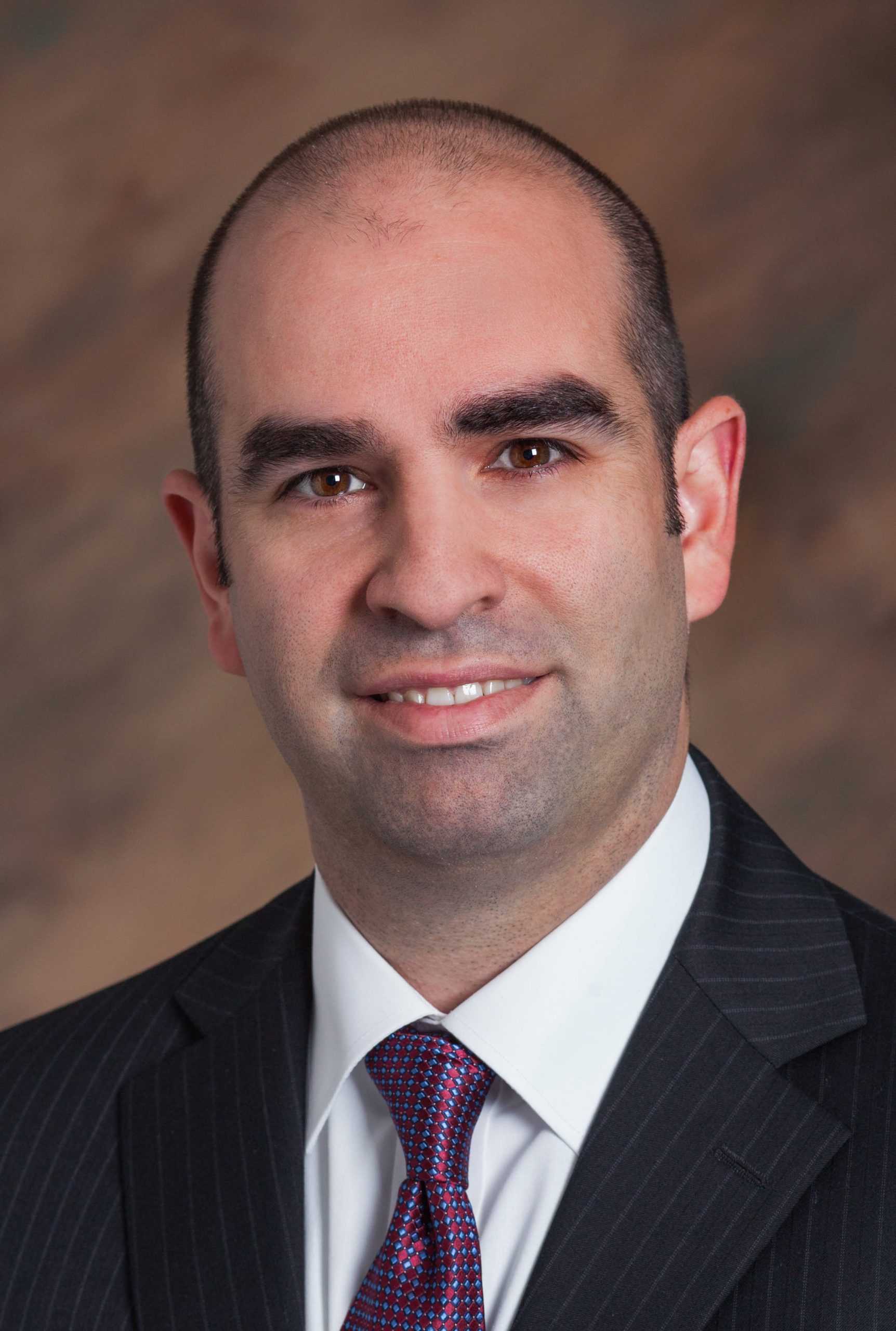
Daniel Perez
Senior Director of Treasury at Horizon Blue Cross Blue Shield of New Jersey

About this episode
This week’s guest is Daniel Perez, Senior Director of Treasury at Horizon Blue Cross Blue Shield of New Jersey. With a treasury career spanning over two decades and three major industries – retail, insurance, and healthcare – Daniel offers an insider’s perspective on how to grow your treasury expertise, lead high-performing teams, and drive meaningful partnerships both inside and outside your organization.
Whether you’re early in your treasury career or preparing for a senior leadership role, this episode offers a roadmap for long-term success. Daniel shares hard-earned lessons on navigating industry changes, leading through transition, and transforming treasury into a strategic partner within the business.
What We Cover in This Episode:
- Daniel’s unconventional entry into treasury – and why he never looked back
- The differences (and similarities) in treasury across retail, insurance, and healthcare
- How to transition from contributor to decision-maker
- Building internal partnerships: why treasury is more than numbers
- Why transparency is the foundation of long-term banking relationships
- The role of systems and operations in future-proofing treasury
- How Daniel navigated leadership succession and team-building at Horizon
- The growing importance of strategic thinking and systemic processes
- Thoughts on AI, fraud prevention, and digital treasury transformation
- Why every treasury pro should advocate for themselves — and how to do it
You can connect with Daniel Perez on LinkedIn.
Other episodes mentioned:
- Keith Gaub – https://treasuryrecruitment.com/podcast/ep-389-from-banking-to-treasury-the-career-move-that-seemed-like-a-step-back-but-it-wasnt/
- Sandra Ramos Alves – https://treasuryrecruitment.com/podcast/ep-346-how-to-build-a-successful-treasury-team-with-sandra-ramos-alves/
- Frank Mellacio – https://treasuryrecruitment.com/podcast/ep-379-think-like-an-owner-is-the-best-career-advice-i-ever-got/
—
🎙️ Subscribe to the Treasury Career Corner podcast – Never miss an episode! Subscribe on your favourite platform:
CLICK HERE for 🎧Spotify Podcasts
CLICK HERE for 🍏Apple Podcasts
📊 Managing short-term cash and investments – Without the right technology is a huge risk for modern treasurers. Tradeweb changes that!
🎓 Save $150 on CTP & FPAC– Exclusive discounts for treasury professionals – thanks to our trusted partners.
🧠 Leadership Under Pressure – Practical tools and coaching that work – from the team at Gazing Leadership
🧩 What if your whole team had one clear view of your group structure – Fuseable makes it happen
🔐 Managing signatory lists manually? Cygnetise gives treasury teams a smarter, safer way
👉 FIND OUT MORE HERE https://treasuryrecruitment.com/partners/
Mike, CEO, The Treasury Recruitment Company: In this week’s episode, you’ll get to hear from Daniel Perez, Senior Treasury Director at Horizon Blue Cross Blue Shield of New Jersey. Have a listen.
Daniel Perez, Senior Director of Treasury at Horizon Blue Cross Blue Shield of New Jersey: I think that no matter where you are in your career, you always have to keep on learning. You have to be, you know, and I and I, I’m trying to learn every, every day, you know, some of, some of the things I do in downside, I got very.
Daniel Perez: Fascinated, if you will, on the financial crisis, right? So some of the things I’ve read on my, you know, downtime, it’s about the financial crisis. One of the things that happens in treasury is that everything’s quiet, right? You’re managing your day, you’re managing your department until a crisis happens.
Daniel Perez: And what’s the first thing everybody looks at? Do we have the money, right? Yeah. Where is our money? Or operationally, where can we do this and that? And I think that’s where treasury shines the most, right? If you have a good structure, you have good fun fundamentals and operational process, you’re gonna be able to, Hey, yeah, just another day in the office type of deal coming into Horizon.
Daniel Perez: Now, I came into my third industry, Mike, right now we’re talking about industry and treasury. So a lot of the treasury functions were the same, right? But we talked about. But it’s really about learning the industry and it’s not an indu easy industry to learn. Right? You know, healthcare is very complicated and you really need to understand, you know, from a regulation perspective, you know, how’s that work?
Daniel Perez: How do you, you know, how do you raise money? What are your out, your outflows? You know, the forecasting’s all different on that.
Mike Richards: Welcome to this week’s Treasury Career Corner podcast, where I interview treasury professionals about their treasury careers. Each and every week I’ll talk to treasurers about how they build their careers, where they are now, where they see both themselves and the treasury profession. Going to next, let’s get on with the show,
Mike Richards: this week’s show. Delighted to be joined by my good mate, Daniel Perez, senior Director of Treasury at Horizon Blue Cross, blue Shield of New Jersey. Horizon. Blue Cross Blue Shield of New Jersey are the state’s largest and oldest health insurer and subsidiary of Horizon Mutual Holdings, a not-for-profit, mutual holding company together with its affiliates.
Mike Richards: Horizon provides a wide array of medical, dental, vision, and prescription insurance products and services for all of their. Clients, they’re customers, right the way across. Well, in fact, I’ll get Daniel to explain exactly who they are later on in the show. We’ve known each other for many years. We’re good friends.
Mike Richards: So I always enjoy these podcasts where I know you well, Daniel mate, take us back to the beginning if you would. You just described before the show that you’re a treasury lifer, but in a good way. So over to you, sir, and great to have you on the podcast. Finally, over to you.
Daniel Perez: Thank you, Mike. I’m really looking forward to this.
Daniel Perez: I know that we’ve known each other for a long time, so I think it’s gonna be a good conversation, a good chat, uh, on that. So, I, I’ll start with, you know how I got into treasury and I’m gonna go back a little ways, right? I’m a big person in believing in, in destiny and how you get to where you’re, you’re supposed to be getting, and, you know, I’ll go back all the way back as a kid, my mom was in, in banking for over, over 40 years managing branches, managing.
Daniel Perez: Different credit. She was a, a vice president of credit and I got to see it firsthand on what banking is. And I always say Treasury is your corporate banker, if you will, on, on that. So I, I got to see her work a lot and I was always interested in, in that aspect of, of finance, if you will. But not necessarily did I say I want to be a banker on that.
Daniel Perez: So I, but I was very intrigued with that. So, you know, when I was going to college, I was wondering, okay, what am I gonna study, right? And what am I gonna do? And again, you go to her parent, you go to your, you go to mom, Hey mom, what do you do you think I should do? And I remember the conversation. She goes, Hey, listen.
Daniel Perez: If you get into finance, then you’d go branch out into a lot of different things. Yeah. In, in your career and whatever you wanted. So that’s exactly what I did. You know, I, I got my degree in finance, quite frankly, it was more concentrated on being a stockbroker or being a financial planner, which wasn’t bad.
Daniel Perez: So I got outta college, tried that out. And, you know, one of the things I, I learned, Mike, is. To be a good stock broker, be a financial planner. You have to sell. And one of the things I don’t like doing is selling, so I don’t like doing that. So I, I somehow got into accounting, you know, one of my first jobs in, in accounting.
Daniel Perez: I worked for Luxury Ring Gucci. At the time I was junior account. I was doing a lot of reconciliation, a lot of bank reconciliation was backing up the treasury person at that time. Every once in a while. So I got a little taste of that and as a treasury person, I like money, right? Yeah. So I find that, I found that interesting.
Daniel Perez: So ironically, I got a call from a recruiter at that time, wasn’t looking to move at, at that time I was about to get married. I was, you know, very happy where I was at at first for the moment. But he’s like, listen, just have a conversation. Hey, you know, you be through my ear enough. I went to, had a conversation.
Daniel Perez: I went to interview a Bed Bath and Beyond Corporate office at that time. They’re looking for a staff accountant.
Mike Richards: Um, and who are they for? I know them well in there. Oh, yeah. Yeah. So explain who? Bed Bath and Beyond. So,
Daniel Perez: yeah, so Bed Bath and Beyond was, you know, no, no longer around the retailer. They a lot of different stores.
Daniel Perez: They had a lot of different stores across the country. They sold a lot of bedding and kitchen apparel and stuff like that. So the folks in the states really know about retail that Yeah, big retail. Yeah, retail on that. So it was retail and I was coming from retail at, at Gucci at that time. So when I, I went there, I was interviewing for a staff accounting job, like I said, with the assistant controller, and she had.
Daniel Perez: At that time, she was overseeing treasury. You know, she just got treasury under her belt and she goes, Hey, listen, I see you have a little bit of treasury experience. We had the treasury analyst just resign four days ago. Would you want, would you wanna sit down? There you go. Yeah. For the to interview for the treasury analyst job.
Daniel Perez: And I was thinking to myself, I wasn’t planning on it. Hey, another half hour conversation is fine. Let’s do it. So I went and I interviewed the treasury manager at the time, another Mike, and I’ll, and I’ll get a little more, him a little bit on that, and I interviewed there, went great. And one of the things I’ve never had to ever happen again in my career was I got offered both jobs, Mike, and, and it’s interesting, the cruiser said, listen, you did so quote, they really liked you.
Daniel Perez: You could have your pick of the job. So I had to think for a little bit and coming back to the destiny situation wasn’t something I was thinking about. I was like, you know what? I really liked the vibe I had with the manager at the time, Mike at Bed Bath me on and let’s try the treasury thing out. Like, and I haven’t looked back since,
Mike Richards: and that was 2001.
Mike Richards: And, and with the treasury there, was it more retail, treasury, domestic? ’cause again, when we talk to some of our podcast guests and right the way across, sometimes you have lots of international, but you were more domestic or what was the sort of the treasury mix.
Daniel Perez: At the beginning, it was very domestic. We were starting, when I started, we were about 200 plus stores, only domestic.
Daniel Perez: You know, we were opening about 70, 80 stores a year as we went by. I, I forget what year, maybe 2006, which was a good experience. We did go international, which was Canada at the time, and then a little bit after that was Mexico. So I got a little bit of a taste of FX and how to deal with that on the accounting side, but mostly it was domestic.
Daniel Perez: Yeah. What I’d say about Bed Bath, beyond. I put my career in different buckets, if you will. That’s where I learned my core treasury. Yeah, very operational. Your normal stuff that you do in treasury, your positive page, your cash management, that was very operational. Again, domestic on, on that side.
Mike Richards: And you then went, and I know you and I have talked about this, he went from.
Mike Richards: Treasury, what’s the word? Contributor to then actual more decision maker and leader and things like that. So as you started to step up, what was that like? Or how did that happen? So it
Daniel Perez: was, it was really good. Listen, I, I, I think that’s when you have a good manager advocating for you and they see your talents, right?
Daniel Perez: He saw something in me that I probably didn’t see right, right away. He saw, Hey, Daniel’s gonna be a good supervisor, if you will. So that’s where I got my first. Opportunity to supervise a team. Right. And that so, which I, I really, really did enjoy on that. And, and giving, basically giving you the keys to manage the way you wanted to manage.
Daniel Perez: So that’s how I. I, I got my, my opportunity there. So I was, I started as a contributor, you know, a couple, you know, a year and a half later, I was a supervisor at, at that time. I got to be able to manage a team. I always say managing people is not the easiest thing in the world, and it’s not because it’s hard for me.
Daniel Perez: It’s just you’re managing other folks. You know, you’re not, you’re not controlling the, the process you’re doing. So that’s. That’s what comes a little hard in, in managing. And after that, I got a couple years after that I was able to be the treasury manager and control, you know, all aspects of treasury at BA Bath Beyond.
Daniel Perez: But one of the things, and you alluded to a little bit, is I think for me, I’ve always wanted to challenge myself, right? And what is going to be the next, what was gonna be the next step in my career? And we talked about it. We were domestic. We had a little bit of stuff in Canada, we had a little bit in Mexico.
Daniel Perez: But I looked at myself and said, listen, if I. You know, we talked about treasure life for I want to be progressing in my career. I need to probably take another step. Yeah. And I always thought, okay, the next step is being working for a more global company. Okay. More exposure to fx. More exposure to what happens around the world.
Daniel Perez: Because at that time I was like, this is my next step in my career. Which, you know, if you wanna, I could lead into that, that, that got me to be, you know, assistant vice president of treasury operations at what is now Chubb Insurance. At that time it was ACE Global Insurance at that time. So that’s great opportunity.
Daniel Perez: I would hated to leave be Bath Beyond that, was there nine and a half years? You in your career, you have to challenge yourself and you need to take that next step. So keep on progressing.
Mike Richards: You were doing two, two transitions there. You’d moved from retail into insurance, which in and of itself is a challenge, but then you’ve gone from, as you said, domestic to this much more global environment and things.
Mike Richards: How did you, you know, again, we’re an advice show, so if someone else is going through that, how did you handle it or any bit bits of advice you give people.
Daniel Perez: It wasn’t easy, Mike, I’ll tell you that. It wasn’t like, oh, I jumped in right. A first day like, oh, I know exactly what’s going. I know there was a lot of trial on trial and error.
Daniel Perez: Quite frankly, to your point, I went from retail to, you know, property and casualty insurance, totally different industries, all altogether. I always say treasury is treasury, right? You manage cash, you, a lot of it’s, you know, flows into different industry, but. The key about treasury is really understanding that industry.
Daniel Perez: So I really had to go head on and really ask a lot of folks different questions, pick a lot of folks’ brains. I feel like I’m a, a good collaborator, right? And I think that’s part of what I really like about my job and, and, and be able to do that because that’s how you learn. Process, you know? Yeah. And, and meeting with people, being, making sure you’re, you’re comfortable being uncomfortable.
Daniel Perez: You know, I’m using a, a term from a, you know, from a colleague on that, on that. And that’s me reaching out to folks that are more subject matter experts in, in, in the process and say, Hey, listen, let me meet. Let me, I wanna pick your brain for a little bit. Let me start learning what you do, how you do it.
Daniel Perez: And that’s how it evolved in learning, learning things and, you know, don’t be. Shy about reaching out to folks because I feel like folks really want to tell you what they do, right? They wanna say, Hey, this is what I do, but I approach it as I wanna learn from you, but I also wanna learn how I could help you.
Daniel Perez: That’s the, the key to treasury. I always look at treasury. It’s a financial, you know, aspect, but it’s a customer service part of the business. And that’s one part that I think a lot of folks don’t understand
Mike Richards: the thing. Sorry, I just wanna jump in there and I know you and I have talked about this. Sorry, I’m just on that.
Mike Richards: No, you said you, you like a. As you say, you’ve got external customer service, but within treasury and the way you approach it, you and I talked about this on the Precall, that you’re an internal customer. You’re trying to help other people, and I think a lot more of the successful treasury folks do that rather than operate in their silo.
Mike Richards: How do you approach that then?
Daniel Perez: So I coming back to, one of the things I saw my coming back to my mom and what I liked about the banking world is the relationships Yeah. That people had. Right? And you know, my bankers will see, you’ll hear this when I, when they hear this podcast, they’ll say, you know, I say this all the time.
Daniel Perez: I don’t look at those relationships, I look at them as partnerships, right? Because it’s a give and take amongst each other. I think in treasury as, and again, being bias in this treasury is one of the roles that you’re gonna be working a lot with internal and external, right? You’re that bridge amongst folks in the organization that have a problem or have, you know, need a solution.
Daniel Perez: They’re coming to you typically and say, Hey, we have this billing or this receivables model or issue that we want to have. Do you have any ideas? I’m the one that’s gonna take it out to the bankers or my vendors and say, Hey, what do you have? You know, what can we do? And that’s what I really enjoy about my job.
Daniel Perez: And it’s really that relationship and partnership management. And quite frankly, that’s why I’ve been in treasury for 25 years. ’cause that’s why I enjoy, not every day is the same day. Every day’s a new challenge, a new opportunity.
Mike Richards: So how do you take it from relationship to partnership? There are great words, but what’s the the crossing point?
Daniel Perez: The real I I, I think it’s not only, and from a banker perspective, not only reaching out to your bankers when you need them, right? Having consistent conversations and really just working with them and offering ’em, them, Hey, I have this. Issue a problem, what do you think? And then also understanding what they’re doing from a banking perspective, what’s happening in the industry.
Daniel Perez: But the other piece that I would say as a partnership is transparency, right? Yeah. Transparency is I think a major part of the partnership that you have with your. Internal and external partners. Right. I think I’m very transparent. I’m very, you know, you and I have a really good relationship, exact same relationship I have with every, you know, every partner on that.
Daniel Perez: I will tell ’em, Hey, banker, A, you’re doing this great, but you need work here. Right. Or, you know, there’s other areas that we would like to, to address and just be very, very candid in that. And I feel that. That’s appreciated. And I always call my, I, I look at myself as in the transparency, it’s a transparency journey for me.
Daniel Perez: Right? When I, earlier in my career, I was very, you know, strategic on what I can and not cannot say to my, my bankers and quite frankly, Mike, that didn’t feel, I didn’t feel like that worked, right? Yeah. I was, we’re going in in circles a little bit and sometimes in some initiatives and, and processes, but.
Daniel Perez: You know, there was a point in my career, and I can’t tell you pinpoint right now what it is. I said, you know what, I’m just gonna rip the bandaid. Let’s do it. Be transparent. And I just found that that’s when we were, we started getting things done. Yeah. And for example, if we’re not gonna do something, I’m gonna say, Hey, it’s probably not the time.
Daniel Perez: Maybe 18 months from now we’ll do it, but not now. Now that’s enough the time.
Mike Richards: I think and actually picking on that and it’s brilliant. We talked about that Sandra Ramma Salve. So I know you saw Mr. Ma Squibb. She was an a live stage guest at Treasury Career Corner Live. Now we’ve actually got a colleague, Keith, who go, he’s in our session in March and the two of the, so the three of you just need to talk relationships about banks.
Mike Richards: I mean, there’ll be bankers around you go, Hey, but the fact is that’s something that came across to me. Actually, he said, you know, they’ve recently done some big, you know, these public things, big issuances, and really worked hard on it. And he said, it’s all about that. And he said, that didn’t happen just for that one deal.
Mike Richards: He said, we’ve been building up to that for years. So that was cool. And then talk us. Yeah, absolutely. Then with you then bring us a bit more up to date and then your journey at Horizon Blue Cross Blue Shield of New Jersey. Again, explain who they are. And now some of the people will have heard my chat with Frank, but give us a chat through the, the, the organization then Frank, and then bring us up to date.
Daniel Perez: Yeah, so Horizon Blue Cross Blue Shield of of New Jersey. I’ll start on explaining. The Blue Shield. Blue Cross Blue Shield brand. Yeah, it’s, it’s a license of the association. Right. So other folks heard of the Blue Cross Blue Shield. I don’t like to use the word franchise, but think about that. You know, there’s the association and everybody licenses that, that, that name, and you’ll have different Blue Cross blue Shields across the country.
Daniel Perez: They’re, that says that that Blue Cross Blue Shield name, they’re licensing, but they’re all individual. So you have different associate or different plans across the country. We are the health insurer of New Jersey. We are individual, an individual company. We have our own board of directors. We have our own senior management team, and we primarily, you know, write business medical.
Daniel Perez: Medicaid, dental, all that business in the state of New Jersey. Uh,
Mike Richards: on
Daniel Perez: that, we have other division. This is
Mike Richards: care. This is health insurance for individuals, families, employers. Because see, massive business in the US whereas it’s structured very differently and you’ve got, I mean, looking here it says over 3 million, you know, you serve over 3 million throughout New Jersey and things, and it’s quite different if you like, for us, you know, in Europe in particular as well.
Daniel Perez: No, absolutely. So that, and that’s really what we’re doing. We’re here to provide services for our providers, right? And, and, and our groups, you know, we, that, that we do health insurance administration for on that. So that’s, that’s part of our business. I always, you know, my, my part of it is I, I gotta make sure I pay these providers right, that the money to pay, to pay them.
Daniel Perez: But that’s, that’s essentially, that’s what it is primarily in New Jersey, is where we’re based out of.
Mike Richards: And you’ve been there 10 years or 11 years now, but you started with as treasury ops manager now through to senior director. What’s the titles have changed? Your roles evolved, what’s stayed the same?
Mike Richards: What’s changed?
Daniel Perez: So I’ll, I’ll say what, what got me here? Right? You know, I, I talked about I wanted to be Global FX and stuff like that. And I, and I did that and it, it gets to a point like, you know what, I wanna, I wanna change it up a little bit. Right. Yeah. You know, I like, I like speaking in state of New Jersey.
Daniel Perez: I was working in Philadelphia for a while and I was like, you know, I wanna come back to New Jersey on that. And, you know, this opportunity came up. At that time to be a treasury, treasury manager. And like you said, I’ve moved all the way up to senior director now on that. I think a lot of it is where I’ve gotten myself.
Daniel Perez: I, I is frankly outworking everybody, you know, uh, on that, one of the things I always say is, you don’t need to be the smartest in the room, but that shouldn’t stop you from being the, the hardest worker in. On that coming into Horizon. Now, I came into my third industry, Mike, right now we’re talking about industry and treasury.
Daniel Perez: So a lot of the treasury functions were the same, right? What we talked about on that. But it’s really about learning the industry and it’s not an Indus easy industry to learn, right? You know, healthcare is very complicated and you really need to understand, you know, from a regulation perspective, you know, how did that work?
Daniel Perez: How’s that work? How do you, you know. How do you raise money? You know, how do you know? How do, what are your out your outflows? You know, the Forecasting’s all different on that. One of the things that I’ve really pride in myself, and I’ll go back to bed, bath is operational, right? Yeah. It’s really understanding operations of the business and one of the things I stress for myself and I stress from my team is whenever we’re doing something, we really need to understand the ins and outs.
Daniel Perez: As much as possible, you know, map out the flows, what happens from A to Z, and even further on on that, because. Once you understand the operations of the process, then you really be able to understand, okay, how can we fix it? If it needs fixing, how can we expand on and expanding? And that’s how you’ll be able to build it.
Daniel Perez: It’s, it’s a foundation, if you will, that you need to really understand. So for me, I’ve always been very strong operationally, right? Understanding that that comes up with experience, right? You know, when you, you, at some point in your career, something didn’t go as as planned. Okay, what can I do to fix that?
Daniel Perez: So that, you know, coming in, that’s how I, I approached it. Hey, let’s understand everything we do. Map it out. Do standing operation, operating procedures, really look at those o operation operating procedures every year. Do they make sense? Do they not make sense? And maybe challenge something that, Hey, I made a decision on something two years ago.
Daniel Perez: It made sense two years ago, but it doesn’t make sense now. Yeah. So it’s really about the operational structure of that that’s helped. And coming up a little piggyback on the operational side, I think from treasury, what happens in treasury, and I’ve been through a couple different. Avenue Financial, not financial crisis.
Daniel Perez: World events, if you will, right? Yeah. We had financial crisis in 2008. You know, we had COVID in in two zero in 2020, right? One of the things that happens in treasury is that everything’s quiet, right? You’re managing your day, you’re managing your department until a crisis happens, and what’s the first thing everybody looks at?
Daniel Perez: Do we have the money, right? Yeah. Where is our money? Or operationally, where can we do this and that? And I think that’s where treasury shines the most, right? If you have a good structure, you have good fun fundamentals and operational process, you’re gonna be able to, Hey, yeah, just another day in the office type of deal.
Daniel Perez: Yeah, you’re gonna be working more hours and stuff like that, but it’s another day in the office and you’re very prepared for that.
Mike Richards: And talk us through, if you would, touching on that. You talked about the team, you talked about that you recently got promotion, we moved Frank and things. Can you talk us through that and then.
Mike Richards: Where that transition for you? ’cause obviously you’ve got that promotion. What’s that been like for you? That’s, that’s quite a shift, which is great.
Daniel Perez: Yeah, so that, that’s great. Listen, I think what’s good about it is that coming back with a transparency, right? Frank and I, you know, we had really good relationship, very transparent.
Daniel Perez: Frank is, can you explain some people, Frank cio? Yeah, he’s, he moved on to, he’s the vice president treasurer at another company, I think. Serious Insurance Life. Yeah. Serious life on that show. You know, I look at him as a mentor a lot, but you know, we worked very close together throughout the years and I was able to.
Daniel Perez: Be in the room, if you will, in a lot of these meetings. A lot of these discussions, you know, I’ve been managing, now I manage the rating agency process, which is great. You know, he, he, he helped me bring me along and I’ll talk a little bit about advocacy on that Yeah. In a little bit. But I, you know, I, I’ve been, you know, able to manage the banking relations for a number of years on that.
Daniel Perez: So I was able to get the keys, if you will, to manage that. So. When he left, it was a good transition plan, you know, quite frankly, a little earlier than we thought. Yeah. Than we ever thought it was gonna happen. But what I, you know, I did was dive right in. Dive right in. See what, what it is. But what I’ll talk about is the team.
Daniel Perez: Right. You know, it’s, I think it’s what happens, and it didn’t happen overnight. It was a number of years that we put the right people in place. Right. We challenge them in that, and I think. The only reason why this has worked is because we’ve had a really good team on that. I got a couple of new areas to manage, but to me it’s like, listen, I’m here to guide.
Daniel Perez: I’m here to help type of situation. I’m not here to change the world tomorrow. I wanna learn too, right? Mm-hmm. And that’s what I come back to you. I don’t want have to be the smartest person in the room. I just, I had to be the one that helps catch up on, on that. But it was only a good transition because yep, we did a lot of work.
Daniel Perez: When nobody was looking, Mike. And that’s one of the things that just because somebody’s looking, that’s not when you work, you gotta work all the time. What is your forward thinking? How can you, what could happen that you don’t, you don’t want to happen? Are you prepared for that? And I think that’s how we, we did.
Daniel Perez: And we really worked hard to get that. And you know, and I think that’s what propelled me to the, to this role and be able to do that. And I think it’s, so far, it’s worked really well.
Mike Richards: And that’s a transition though. You, you’re letting go of some of the detail without letting go of it, getting off your plate.
Mike Richards: But you know, you’ve made that step up. What’s that been like? I think
Daniel Perez: I feel like it’s been a little easier than I even anticipated and I think it comes back to letting go a little bit on that. Earlier in my career it was, I wanted to be in control of everything, right? ’cause I wanted to, it’s a certain way to do it, but what I learned over time is like.
Daniel Perez: You know what? Just ’cause you’re doing a certain way doesn’t mean there’s enough somebody else that could do a better way, right? And they could bring a different viewpoint on that. So I said, you know, the only way to you, one, keep your sanity, if you will, from a work perspective, because you know, when you’re in treasury, you’re responsible for a lot, right?
Daniel Perez: You’re responsible. The, all the funds of the organization.
Mike Richards: Yeah, yeah.
Daniel Perez: So that on, on that is a lot, a lot to, to bear. But you could, you don’t have to do it by yourself, right? You want to have your team take on that as well along with you and be on, on that journey with you. And that’s what, you know, that was done with for me.
Daniel Perez: And I, I took that weight on and that I’m let, I’m letting that happen too, because delegation is not easy. You want to do things perfectly your way, but you really need to let you know, let go and say, hey. This is what I want. This is how we, we want do it, you know, provide more guidance than anything. And then it, it, it flows.
Daniel Perez: And I think that approach has worked very well. So I, I let the folks that are subject matter experts in their areas continue doing that. Right. And I think it’s a, it’s a good, it’s a good balance for everybody.
Mike Richards: I wanna talk about some of the challenges facing Treasury, but we moved down to that. But just before we do you, you know, you and I, we see each other at the A FP conferences, and I know you’ve got your CTP, you advocate for it as, as do I, and we, you know, we partner with the A FP.
Mike Richards: We’ll put that in the show and, and also we will put a link to our previous podcast with Frank, because that was a great one as well. You know? Yeah. Great guys saying, great guy to learn from, but just on that. Certification itself. You pro it. Getting the other guys to do it, you yourself, what was it done and how has that given you, you know, knowledge if you like?
Daniel Perez: I talked about advocating a little bit and you really have had good mentors, right? Yeah. I got my CTP much later in my career and I probably should have, and I think part of it is because I didn’t really have somebody. Advocating, Hey, CTP, get your certification on that. So I have a, you know, I have a bachelor’s in finance, I have a master’s in accounting and they’re really good and they’ve gotten me to a certain point.
Daniel Perez: But if treasury is the where you wanna be, you know, to me, and then you and I talked about it very candidly, CTP is the way to go. Your certified treasury professional certification is the way to go. And it’s not just about having that certification, it’s what comes with that certification, right? It opens a world of things that.
Daniel Perez: You know, you probably are not a subject matter expert on, on that when, you know, example, a FP Yes, you’re, you are required to get certain credits to get your, you know, a FP credits. But if you’re there and you’re open and you’re engaged, you’re listening to what’s happening in the industry, right? What’s happening with ai, what’s happening with APIs, different things that are out there, and that’s your exposure to that.
Daniel Perez: Coming back to you are the customer service for the organization. The external connection to what’s going on outside. And that’s what I think the CTP brings as that. And it also brings a, Hey, listen, a seriousness to what you want as a treasurer that you want to do, right? Yeah. You’re dedicating to that.
Daniel Perez: And I think CTP as to me personally has been a game changer. So from my career. And that’s one of the things we do advocate. I have a few people on my team right now that are, are going through the journey of getting a CTP and we push it and I don’t push it and say, say you gotta get your CTP if you don’t get it, it’s failure.
Daniel Perez: I the opposite. Get your CTP when you’re studying your learning. Yeah. Right. So that, I think that’s the CTPI is the way to go, especially if you’re gonna be in a treasury
Mike Richards: environment. Challenges for treasurers, you know, what are the key things that, that you are thinking about? Not keeping you awake at night?
Mike Richards: We’re not going that far, but, you know, what, what are the things you think that other people out there need to think about?
Daniel Perez: You know, I, I think with, with treasury, the main thing. I always say, you need to be as systemic as possible. That doesn’t mean you don’t have people, but you need to be as systemic as possible in, in all your processes.
Daniel Perez: The more systemic you are, the less mistakes there are. That, that, that could happen, you know, a lot of times, and, you know, working in, in environments that are very manual, what blows up is, you know, processes. So, you know, for those treasury folks that are looking at treasury management systems, I very advocated very, very much because you’re able to, you know, manage your cash more systemically and more efficiently, if you will.
Daniel Perez: But I, I think, you know, you really gotta start looking, you know, what AI is bringing, I look at it as a tool. It’s tool to make things more efficient. What can it do in treasury? I think it’s, it’s to be seen, right? Yeah. It really depends on, on the industry and how the industry’s gonna accept it and in different things.
Daniel Perez: And, and I think it’s a slow moving progression, uh, on that. But I think the obstacles is really what you. It depends on your industry and how you’re, you’re doing it. I, I think you don’t shy away from it. It’s, you know, things are gonna, you are gonna happen. And in the treasury world, you have to become more digital and you gotta come with the times.
Daniel Perez: If, if your customers, you’ll want to get paid a certain way, well, you, you need to start looking at that. And it, and it’s real, right? Yeah. And keeping your ear dirty around. So I, I think there’s a lot, a lot of that, but I think systemic that you’re not systemic at this day and age. You’re a little bit behind the times and not so much about being.
Daniel Perez: Efficient, but also from a fraud prevention perspective. Right. The thieves out there are pretty smart and you know, and, and you need to be, try to get a step ahead of them as much as you
Mike Richards: can. And you and I touched on before the show as well that you, you know, edu you talked about education there and people, junior people coming into treasury and obviously.
Mike Richards: By, you know, implementing new technologies and AI and all these different things and people are still trying to learn about treasury or we’re trying to tell people learn about treasury, and that’s one of the reasons we do the podcast, you know, to share the word of treasury with, you know, world of finance guys.
Mike Richards: Do you see that going away a little bit, that, you know, obviously it’s more difficult to maybe hear about treasury, you know, because as you said, you didn’t hear about it necessarily at school and finance and stuff. What are your thoughts?
Daniel Perez: Yeah, I, I come back to like the day and age of people just falling into treasury.
Daniel Perez: ’cause they needed somebody to manage a cash checking account, if you will. Yeah. You know, I’m not sure that is here to stay much longer. And I say, you know, the next, you
Mike Richards: know
Daniel Perez: Yeah. Four or five, seven years, uh, on that, I, I think what’s gonna happen is. You know, Treasury’s gonna be here. ’cause you know there’s always gonna be money to be managed.
Daniel Perez: You know, what is that 20 years from now? Yeah. Who knows? There’s always gonna be money to manage. I think what is gonna happen more on the analyst level and, and there is the person’s gonna have to be more strategic in, in their process of. And what they’re bringing to the table. You know, it’s not gonna be just about punching widgets and, you know, and processing and getting cash positions done.
Daniel Perez: It’s gonna be maybe a little bit about that. More systemic you get it, the easier that’s gonna be. It’s gonna be, okay, what, what do we do strategically? You know, what, how can I, how can I help the organization in, in, in an m and a or, you know, or, you know, a different transition on that or different debt deal, whatever it is.
Daniel Perez: So some of the. Analyst work, you know, might be elevated from that perspective. Yeah. And I think you know it at that level, you’re gonna have to accept that, right? If you want to keep on that, you’re gonna have to accept that. And it’s not, it’s not just about being, I got my normal routine every single day.
Daniel Perez: Your routine could be, you know, done more systemic through AI on that. And listen, I’ve used it for a couple tools, you know, more about revamping wording on, on some stuff. And I think it’s great. It surprise saves me a bunch of times, so I know, I know it’s here. So if you’re, you’re will accept it. You’re, you’ll be, you’ll succeed.
Mike Richards: Yeah. In fact, I was just thinking about that when you and I talked about it. I was asked a legal question this morning, and actually just someone before Christmas, they said, oh, you should have gone into a different career and stuff, because they were asking me to check a legal contract and stuff, and I, I didn’t check it.
Mike Richards: AI checked it, and I said, right, and said, look, go through this. I still checked it, but the fact was said, look, tell me where the, where the weak points, where the programs, what do I need to do and look out for? And actually went back and forth, back and forth and they, and it was basically ’cause they would bring up two or three things that I hadn’t even thought about.
Mike Richards: Right. One of the things was about the sharing of data between one, and I was just thinking, I’m not bothered about it. Then they were going, well, you should be bothered. I’m like, actually, yeah, I should be, you know, it’s just, and I would’ve overlooked that. That’s where, you know, it helps you. It doesn’t replace you.
Mike Richards: That’s one of the key things.
Daniel Perez: Right. And I think that’s you. You have to be call it the spot checker. Does this look right? And, and I think that, you know, when you look at it, you know, from a treasury perspective doing a bank rec, you. AI should be able to do that at some point, right? And be able to look at it and say, Hey, well that looks right.
Daniel Perez: That doesn’t look right. You know, I’ll, I’ll AI some things, you know, personally, just, you know, just, or just to see things. I’m like, well, that’s wrong. I know that’s wrong because like, so it’s not, it’s not a, an exact science just yet, but yeah, I, I think you use it as a tool and, and you, it might catch things that you wanna catch.
Daniel Perez: Right? And, which is a good thing.
Mike Richards: Treasury professionals, not, not early, you know, complete newbies and stuff, but people listening today, maybe they’re analyst managers, you know, not quite treasury level and things. Maybe it is. What mistakes do you think that you’ve not made but, or managed they should avoid or think about?
Mike Richards: Whether it’s career or whether it’s more subject or are you thinking?
Daniel Perez: I, I think one of the, and I’ll, I can personally speak from it. One of the things that I probably made a mistake, I didn’t advocate for myself. Early on in my career, right. I felt, and I maybe I came from a timeframe that, listen, you’re not rocking the boat.
Daniel Perez: You go with what opportunities present themselves and, and that’s it. And I, and I think that was, you know, that that was my mindset. Not that I take it now and say, oh, I’m banging on the door on this. But I think folks need to say, Hey, I could do this, right? Yeah. Or what about this? I know there’s a need here.
Daniel Perez: Let me do that. Because one other thing I say like. Everybody’s very busy, right? Not everybody’s thinking, Hey, I know that Mike is an expert at this, or Mike has done this. You gotta say it, you gotta, you know, be a little bit more vocal on that and shout it out. And, and then like your managers will say, oh, you know what, you know what?
Daniel Perez: I didn’t realize that. Or I, I didn’t, I didn’t remember that you did an FX model, or you did this model. You know, say it, say it out loud. And, you know, sometimes, you know, it’s not the, it’s not the right time because it’s just, there’s not a need for that. But when there’s a need for that, you put that in per in a person’s head.
Daniel Perez: So, but I think advocating for yourself, no matter what level you’re at, is good. And it’s not just about career progression either. It’s about advocating yourself to be able to challenge yourself in something that you might not be on such dramatic expert, but it might expand your knowledge.
Mike Richards: Yeah.
Daniel Perez: And if there’s a need in the organization for something that, you know, we don’t have an individual to do, but it’s like a, you know, a stretch assignment if you will.
Daniel Perez: Try to do that. Hey, raise your hand. Try to do that. And you might learn something. You might develop a BI model on the stuff that they needed, and then great, and then that, that might present other stuff. But I think advocating for yourself is essential on that, but also at the right time. You know, sometimes it’s, it’s not gonna be at the right time, but you gotta, you, you do have to do that.
Daniel Perez: Maybe, is it during a, a review or one-on-one sessions, whatever. It’s,
Mike Richards: I think it’ll be difficult. I mean, just, you mentioned that we do one newsletter, which then. I do the weekly video, and actually that is more an advocacy video for us to, you know, to shout about the fact I got asked today, Hey, you do lots in the US went, yes, I do.
Mike Richards: That’s why I travel loads and you know, and these, and it, and I’m not doing it. But back at Christmas someone said, oh, you are an influencer. I could give a stuff about that phrase. I’m doing it because I’m an advocate for treasury professionals like you guys who I’ve done. 400 plus of these podcasts. And I find the treasury professional fascinating.
Mike Richards: And what you guys do, that’s where it brings it to life. And that’s why I do the videos. That’s not just like, look at this. I mean, otherwise I wouldn’t be doing them here in the shed and stuff like that. But it’s, that’s why, why we do it. I mean, I mean, you are gone.
Daniel Perez: Sorry, on that point, I, I, I gotta give you credit because, you know, earlier in my career, nobody, there was no treasury outlets.
Daniel Perez: No. If you will, uh, on this and things that, you know. Come up in your podcast. I’m like, these are great informations that I, you know, or things I’d, I was like, oh my God, that I didn’t think of that. You know, maybe,
Mike Richards: yeah,
Daniel Perez: you know, advocate or I didn’t think about this, what I need to look at or look for on that.
Daniel Perez: So, you know, credit to you to have that platform out there and then also to a FP. Right. You know what it’s. Become, you know, what it was 20 years ago to what it is now. You know, people are shocked and it’s like, oh, there’s 5,000, 6,000 people there I go. Yeah. It’s a, it’s a huge event. Yeah. There were
Mike Richards: 8,000 this year.
Mike Richards: It was like crazy. 8,000. Yeah. Yeah, yeah. Well, and also, and, and just on that, and it’s just an interesting one. I, I remember I was giving a presentation at a JP Morgan event. I said, do you know what? I used to be a, a good recruiter. They’re like, oh, right, okay, look at you. And I went, now I’m a bloody great recruiter.
Mike Richards: And they were like, what? Look at you, Mr. Like went, no, because I’ve shared the stories of 400 of you. I’ve said, I’ve listened and I’ve like sort of downloaded this and I’ve spoken to you, and then I’ve done the live sessions. I’ve done this. So before I was pretty good, but that was seven and a half years ago Now.
Mike Richards: Every single week for seven years. You know, you can’t but help but learn on things like this, which is, you know, grateful for the time and stuff. And are there any other areas we haven’t touched on? We’re not gonna go quite to the close of the show, but any other areas that you think the guys out there that is maybe even on your checklist that we haven’t really covered?
Mike Richards: I, I think
Daniel Perez: that. Matter where you are in your career, you always have to keep on learning. You have to be, you know, and I, and I, I’m trying to learn every, every day, you know, some of, some of the things I do, I got very. Fascinated, if you will, on the financial crisis. Right. So some of the things I’ve read on my, you know, downtime, it’s about the financial crisis reading Geithner’s book, or you know, you know, a couple of the other, other folks at that time.
Daniel Perez: But it’s just been, to me, it’s learning something that, you know, yes, I was a part of, but I wasn’t
Mike Richards: the heart of it. Yeah.
Daniel Perez: At the heart of it. And what happened there? On that. So I, I think it’s just keep on learning and keep on challenging yourself. Don’t be, you know, stagnate in that. And then it comes back to treasury.
Daniel Perez: I mean, like, if you’re stagnant and you’re just like, oh, we got everything taken care of. Nothing’s gonna happen. You’re going to, two things are gonna happen. You’re gonna get passed by one, one thing, depending on your part of your career or two something’s gonna happen that you weren’t prepared for it.
Daniel Perez: Right. Yeah. And you know, there is not to get specifics. There’s been situations in my career in treasury that. Coming back to operationally I’ve been prepared for, or my team’s been prepared for. If A happens, we might, we could do B-B-C-D-C and all that. Yeah. And we’ve been able to do that and there’s been a couple instances like, Hey, this happened.
Daniel Perez: Happened with a vendor, we are prepared, right? Yeah. We’re, we’ll, we’ll move on forward or here’s our plan, right? And that is, it comes back to learning, preparing, Hey, is this system the right system for us? If it’s not, how are, we’re gonna get to that? And it’s really, you know, keep on. And that comes with back with learning and challenging yourself.
Daniel Perez: So if, if you’re, if you’re stagnant, it’s gonna be a problem.
Mike Richards: Yeah. Okay. So what we’re gonna do, we’re gonna wrap up as what we do each and every week. You’ve heard this, we’ll put your LinkedIn details in the show notes, takeaways for the listeners, this is them having a coffee and going right. If they’re in early stage, mid stage, late stage.
Mike Richards: What are the, the key takeaways you give from Station?
Daniel Perez: I think the key takeaways and some of the stuff that I, I, I talked about, you know, listen, you don’t always have to be the smartest person, but it doesn’t stop you from outworking everybody on that. Just try and try to do that. In the treasury aspect, always have a forward thinking mindset.
Daniel Perez: You know what, you know what’s upcoming, how can I plan for it? Am I prepared for it? If I’m not prepared for it, how can I move forward? And I think for me it’s always, you know, be transparent, right? Transparent with your, in internal and external relationships as much as you can on that. And I think you, you’ll, you’ll benefit for that down the road.
Mike Richards: Yeah. Amazing. So great to see you be seeing you in a couple of weeks time on March event, which will be fantastic to catch up and uh, and I look forward to the downloads coming through. Thank you very much for your time today.
Daniel Perez: Fantastic. Well thank you for having me.
Mike Richards: Really appreciate it. Thanks.
Mike Richards: Before you finish today’s show, a quick reminder. You can earn CTP credits just by listening to the podcast. Listen to the show. Take a short online quiz, pass the quiz, gotta do that, and then we’ll send you CTP credits. This means you can recertify, which I know you have to do every two years, and lots of people do it.
Mike Richards: It’s so convenient. They do it whilst they’re commuting. There might be at the gym walking the dog. We are there to help you. It’s designed to fit around you and your real treasury jobs. Not add more work to it. If you are already listening, you might as well get the credit for it. All you need to do head to the episode page, take the quiz, and as I say, as long as you pass, we will send you the CTP credits.
Mike Richards: I know it’s all part of the service. Thanks again for listening. We appreciate your support. I’ll see you soon. Thanks.
- Transparency builds trust: Being honest and direct with internal and external partners helps get things done and strengthens relationships.
- Operational understanding is power: Treasury leaders must understand every step of the cash flow to improve it.
- Let go to grow: Delegating and empowering your team is essential as you step into higher leadership roles.
- Stay future-focused: Be proactive, not reactive – always prepare for what might happen next.
- Advocacy matters: Don’t wait to be noticed – raise your hand and show how you can add value.
- Keep learning: Whether it’s from crises, colleagues, or conferences, continuous education is key to treasury success.
🎧 Earn CTP & FPAC Credits by Listening to the Podcast
Whether you’re at the gym, on your commute, or walking the dog – you can now make your podcast time count toward your professional development.
We’re thrilled to share that Treasury Career Corner podcast episodes now qualify for CTP and FPAC recertification credits through the AFP’s Independent Study category.
How It Works:
- Each episode comes with a short multiple-choice quiz
- Score 80% or higher and you’ll receive your credit confirmation
- You track and submit your credits to AFP directly – nice and simple
➡️ The longer the episode, the more credits you can earn:
- 30-minute episode = 0.6 credits
- 45-minute episode = 0.9 credits
- 60-minute episode = 1.2 credits
No filler. No fluff. Just real conversations with top treasury leaders on strategy, leadership, risk, tech, and team building - everything AFP expects at an intermediate to advanced level.
🧠 Quick Facts:
- 📝 Quizzes are 6 to 10 multiple choice questions
- 🎯 You need to get at least 80% to pass
- 📨 We’ll send confirmation - you log the credit with AFP
- 💼 You can include this as part of your recertification record
NOTE: In line with AFP compliance requirements, no more than two quizzes may be completed per day.
