
Don’t Get Trapped in the Treasury Box: How Treasurers Create Real Business Impact
What separates a treasury leader from a scorekeeper?
In this episode, you’ll learn how to step out of the traditional treasury box and drive strategic, high-impact results across your organization – straight from Scott Paredes who’s done it across multiple industries.
Listen on:



Featuring

About this episode
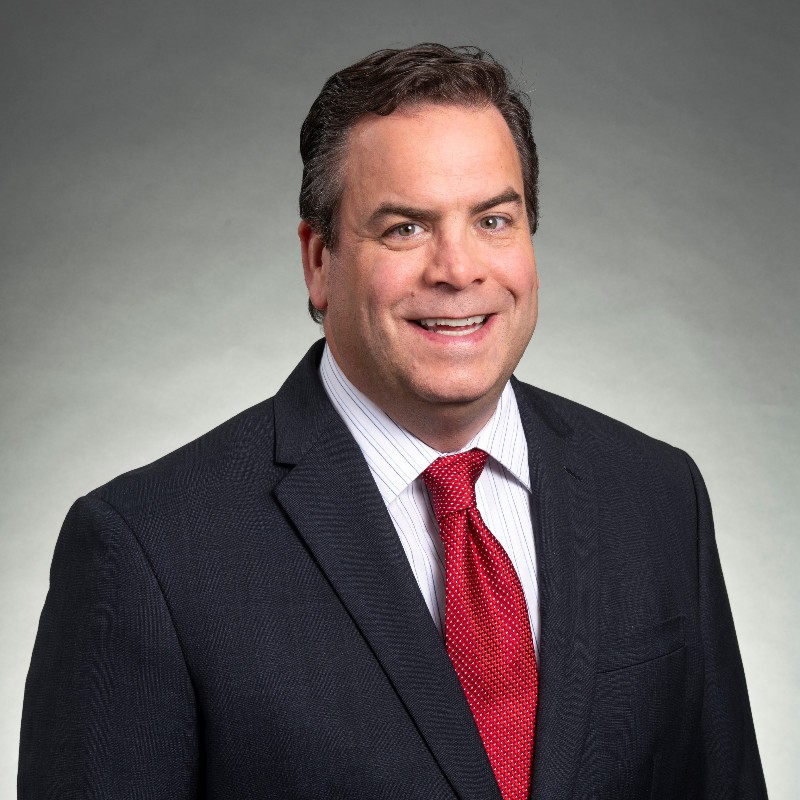
Scott Paredes is a seasoned finance and risk management executive known for his innovative strategies and for leading high-performing treasury teams across global organizations. Throughout his career, Scott has consistently positioned treasury departments at the forefront of business transformation.
He pioneered multiple first-of-their-kind capital markets transactions – including the first Sustainability-Linked Asset Based Loan and was recognized with a 2022 Alexander Hamilton Award by Treasury & Risk for developing a cutting-edge cyber-fraud prevention solution.
Host Mike Richards sits down with Scott to explore his multifaceted treasury journey – from leading funding strategies in Latin America to pioneering sustainability-linked lending and combatting cyber fraud. Scott shares how thinking differently, collaborating internally, and continually evolving treasury strategy can move the function from back-office to business-critical.
What We Cover in This Episode:
- Scott’s unique journey working alongside his twin brother in treasury
- Lessons from managing liquidity and FX through 9/11 and global crises
- Launching new asset classes in underdeveloped capital markets
- How Scott approached massive M&A integration and refinancing at Ensco
- Implementing the first sustainability-linked asset-based loan at Southwire
- Real-world fraud prevention strategies that won awards
- Creative cash flow improvements through customer partnerships
- Why AI and cyber controls are central to treasury’s future
- Career-building strategies for aspiring treasury leaders
You can connect with Scott Paredes on LinkedIn.
—
🎙️ Subscribe to the Treasury Career Corner podcast – Never miss an episode! Subscribe on your favourite platform:
CLICK HERE for 🎧Spotify Podcasts
CLICK HERE for 🍏Apple Podcasts
📊 Managing short-term cash and investments – Without the right technology is a huge risk for modern treasurers. Tradeweb changes that!
🎓 Save $150 on CTP & FPAC– Exclusive discounts for treasury professionals – thanks to our trusted partners.
🧠 Leadership Under Pressure – Practical tools and coaching that work – from the team at Gazing Leadership
🧩 What if your whole team had one clear view of your group structure – Fuseable makes it happen
🔐 Managing signatory lists manually? Cygnetise gives treasury teams a smarter, safer way
👉 FIND OUT MORE HERE https://treasuryrecruitment.com/partners/
Mike Richards, CEO, The Treasury Recruitment Company: In this week’s show, we’ve got Scott Paradis, a seasoned treasury leader with experience across capital markets transformation and risk. Before we get into the full show, there are a few short clips that give you a flavor of what we covered.
Scott Paredes, Finance and Risk Management Executive: If you wanna be a treasurer, what’s the list of 10 skills that you need, and develop a plan for how am I gonna get exposure to each of those different things?
Scott Paredes: And you’d be surprised at how receptive your managers would be to hear you say, Hey, can I help on. Renewal of the A BL. Can I do the heavy lifting of looking at the operational aspects of the, of the agreements and look at the covenant compliance process? Can I support that? And then I assure you that the treasurer’s gonna say, yeah, this is great.
Scott Paredes: Not only that, but you’ll identify yourself as somebody who’s being proactive. So just engage in your own career. Don’t allow it to happen to you. Make it happen for you. I love what I’m doing. Treasury is fantastic. I’ve done it for 25 years. It’s a wonderful place where you can make a transformational impact on your company just by finding out what’s relevant.
Scott Paredes: Come up with a new innovative solution, collaborate with the right people.
Mike Richards: Welcome to this week’s Treasury Career Corner podcast, where I interview treasury professionals about their treasury careers. Each and every week I’ll talk to treasurers about how they build their careers, where they are now, where they see both themselves and the treasury profession. Going to next, let’s get on with the show
Mike Richards: in this week’s show. Delighted be joined by Scott Perez. Scott is a finance and risk management executive known for leading high performance teams in global organizations. Scott and I have known each other for a while now, but what we’ve actually done is, I was talking to Scott a while ago. He’s got some stories to share with you guys at.
Mike Richards: At World of Treasury and I thought, let’s get Scott on the show and he could run you through his amazing treasury career, some of his views on treasury. So really looking forward to the show. Scott, I’ll shut up. Over to you, sir. How did it first all start? And where are you now?
Scott Paredes: Thank you. I do believe that treasury is the greatest career.
Scott Paredes: Available in the working world today gives you so much different opportunity to grow and really make a transformational impact on your organizations. And so getting an opportunity to talk about something that I’m passionate about is greatly appreciated. And I think what you’ve been doing here now with over 400 podcasts, it’s a great thing.
Mike Richards: Well take us back. ’cause, uh, and you dropped a, a value bomb on me there though. Your twin brothers in treasury as well, which is just ridiculous. Talk us back how it first all started in your interest in finance and the treasury and your background. Over to you, sir.
Scott Paredes: That’s great. It would be like having double exposure on your podcast, so it would be very interesting.
Scott Paredes: Now, Steve Perus is my twin brother. He is also in treasury for the auto part company manufacturer in Michigan. He’s my chat, GPT for treasury actually. So whenever I have a question. That I don’t, I’m quite sure I know. I actually able to pick up the phone and ask him. He’s an incredibly talented, capable person.
Scott Paredes: It’s been great growing with him and bouncing ideas, and I think that really influences me from my career standpoint as well, the way that. You know, I learn the way, I think, the way I kind of make decisions is a very collaborative approach in talking, bouncing things off with one another, and that’s carried over into our careers where we tend to be very collaborative.
Scott Paredes: In fact, when I started at Dion, a position became available and Steve applied for it. He was working at Ford and then he applied for the job at Ion. He got the job. And then within a short period of time, we were actually colleagues where I was running the commodities and FX hedging strategy. And he was running the execution.
Scott Paredes: That was one of the highlights of my career to be able to spend so much time with my D brother was great, but I spent six years there. We, Visian is a, was the auto parts supplier to Ford and then Ford decided to spin them off. And focus on, you know, manufacturing of the vehicle. And so it was a outstanding opportunity where it was diverse in that 50% of the employees were from outside and 50% were carry over from Ford.
Scott Paredes: And so we had this world class infrastructure that was brought over from Ford and then we had a lot of people that come in with new ideas about how to run treasury. And that meld just really created a. Tremendous organization. I look back on that and many of the people that I worked with in that treasury group now are CFOs and treasurers throughout the business world.
Scott Paredes: And in those six years I worked on, initially on the pension side and the 401k, and then we did some cash investments, FX strategy, and commodities was a very large part of my job for about two years. And then nine 11, 2001 hit. And the world was forever changed and impacted treasury as well. I remember the day after nine 11, there was a lot of worrying about, oh my gosh, is the stock market gonna crash?
Scott Paredes: Is it gonna, is everything gonna go to zero? What is gonna happen to in interest rates at L-I-B-O-R at that time was based on sentiment of 13 banks, and now it’s a little bit different with SOR, but how are the banks gonna respond? How are they gonna price commercial paper? That I had to roll every single day in order for us to have adequate liquidity.
Scott Paredes: And so that day after nine 11, picking up the phone and calling my CP dealers and saying, Hey, how are we gonna do and how are we gonna be able to place this? And there was a lot of uncertainty. There were a lot of companies that had we not had the commercial paper market, not. To open up and be able to price it at effective rate, it would’ve been in very dire straits.
Scott Paredes: And so I’m very fortunate. It was almost a, it was almost a patriotic feeling, being able to, for the, with the banks to be able to open up and be able to. Take commercial paper and be able to place it was fantastic.
Mike Richards: Yeah. But I was, at the time, I was working for Hydrogen Struggle, so I was there and their head offices were on leading up to the towers.
Mike Richards: So it was a very challenging time for everyone.
Scott Paredes: The other thing that was happening was they had all of the different Enron and World come, and Arthur Anderson, all those crises took place. And that was the kind of the impetus for this is around 2002 where Sarbanes Oxley got passed and they said, never again are we gonna allow some of these things to happen.
Scott Paredes: And so. We had to implement incredible amount of and document controls throughout the entire treasury process in order to really give our CFO confidence to be able to sign off on the financial statements. And so building that out gave you kind of a lot of insight as to what are the requirements to be able to operate a treasury.
Scott Paredes: With the right controls in place, and then that has really kind of been a focus of mine throughout the rest of my career is to say, okay, well I’m seeing what we’re doing here, but there’s some gaps here and here. We need to, we need to address those things. After six years with, I stayed within the auto manufacturing business, but this time on the finance side with a company called General Motors Acceptance Corp.
Scott Paredes: They were the financing arm of General Motors. This is a company named, uh, Cerus had taken the company over and we’re looking to kind of transform the organization from just a captive of General Motors to being able to finance autos globally. The first goal was. All of our financings had a General Motors bankruptcy trigger in them.
Scott Paredes: And so imagine a standalone company, general Motors acceptance work, GMAC, which is later called Ally, having all of its financing tied to whether or not General Motors gonna go bankrupt. And lo and behold, you know, a couple years later, general Motors goes bankrupt. And so it was a critical effort for us to get hundreds of billions of dollars worth of financings, refinanced, get the General Motors, the bankruptcy trigger.
Scott Paredes: Out of the, out of the terms. We had dozens and dozens of banks involved in these different financings, and it was for billions and billions of dollars. And so after that first year of getting all of the bankruptcy charters out. I was promoted to head up the South American funding, and so I worked in Brazil, Mexico, Ecuador, Venezuela, Chile in trying to find ways of reducing the amount of money that needed to be funded by home office, you know, and then funded through intercompany loans.
Scott Paredes: And so historically there really hadn’t been much. Funding in places like Mexico. There been a little bit, but not a lot. And so it was a new asset class that had to be introduced into these markets. And what was interesting is that because it was so new, it really reminded us that we’d taken for granted in the US any capital markets transactions.
Scott Paredes: Very easy to do, right? Yeah. I mean, a, anything you can think of has probably been done before. And it’s really about taking that document, fine, tuning it, and then doing a similar transaction in Mexico, in Ecuador, in Chile, Brazil, none of these transactions have ever been done, and you’ve got the local bankers that really don’t know what they’re doing.
Scott Paredes: Their rating agencies are not really. Very well set up to know how to evaluate them. And so you really needed to bring the US technology to each of these markets through a tremendous amount of education of the investors, the rating agencies, and even the local bankers. Part of that’s done in that the global banks that you work with can kind of bring that expertise to their local colleagues as well, and it was just a fascinating experience of having to.
Scott Paredes: Really know what you’re doing because you weren’t able to rely on somebody else. You weren’t able to rely on the good judgment of the credit agencies ’cause they didn’t understand, they weren’t able to rely on the technical knowledge of the bankers because this was their first one. And so you really needed to bring your own resources from the US and implement them and, and, and, and those future, those jurisdictions.
Scott Paredes: And Scott let, and that was
Mike Richards: Scott, lemme jump in. I recently had the treasurer of Inchcape, you know, on the podcast I was talking, Alex, he was. Particularly talking about how he had to then get regional support. He put in some regional treasury managers to see, as you say, in these developing regions, you, so they’re mature, if you like, in some, you know, they’ve got a lot of the, a lot of the, you’ve got some of the knowledge, but all of the treasury knowledge in Latin America, for instance, and lots of other challenges they face with that.
Mike Richards: How did you, you know, you were the treasury director handling on that. How did you. Relationship manage that? Or how did you do that? You know, again, for the listeners? Yeah.
Scott Paredes: I think the thing that really gave investors a lot of confidence is that it was the US technology that we’re bringing over and the success of which the, um, GMAC has had in the US for many years.
Scott Paredes: There were a lot of different financial transactions that were done, especially in Mexico. Were not well documented. The credit agreements and the indentures were less than stellar, let’s say. And if you looked at some of the provisions in there, it was actually not possible for them to be in compliance with what the operative documents said it was going to be.
Scott Paredes: And so, given that a couple of those, uh, transaction had failed, as well as there were a lot of mortgage backed securities in Mexico that at the time were in default, it was a difficult situation. And I think the only way that the asset class could have been developed is through an organization that had such a long history of success, and we had good support by some of our largest banks.
Scott Paredes: Like HSBC was a fantastic in that regard. It was right in the middle of the financial crisis, and so the edict was really, Hey. We need to finance everything. If it’s literally not strapped to the wall, let’s get this financed externally because cash is king and we don’t want to be in the situation where we’re having to take on funding for these different types of issuances.
Scott Paredes: And so it was a sense of urgency throughout everything that we did, and it was absolutely exhausting. I look back on it now as kind of the good old days. The good old days sometimes are, you know, things that were long enough ago that you can’t remember how difficult. But it was a great experience and happy to have had that experience.
Scott Paredes: And uh, you know, as general motor got closer to bankruptcy, I was looking for different opportunities and it just had so happened that there was a company called Echo Nsco that was a offshore drilling company. Yeah. In Dallas, Texas. And it was an opportunity for me to be an assistant treasurer. And the great thing was.
Scott Paredes: You know, I was looking at my skill sets that I had established at ION and at GMAC and I’ve got some good capital markets activity. I’ve got a lot of risk management and treasury, cash management, treasury operations, and what I don’t have is any experience in and m and a and so. That was the first assignment for me when I got to SCO was to lead up the due diligence and integration of the acquisition of Pride, which was another offshore drilling company that come together.
Scott Paredes: They doubled the size of the business, the covenants in most of pride’s, that instrument was that there would be a acceleration upon. A merger, a change of control. Yeah. And so in addition to having to finance the actual acquisition, we also had to refinance most of the debt that the private issued. And so we had issued, we had to refinance about 15 to $20 billion worth of, uh, capital markets activity.
Scott Paredes: And we launched a commercial paper program. And the transaction ended up being extremely successful, both from a market coverage standpoint, for co complimentary coverage and also from a synergy standpoint. There was a tremendous amount of synergies and including within the realm of treasury where, you know, rather than having.
Scott Paredes: Two different companies getting rating agency credit ratings. Now we had one very large company that was getting credit rating, credit ratings. And so that in itself was a, a multimillion dollar synergy for the company. And it was good to be, uh, part of, you know, central to the company’s transformation, right?
Scott Paredes: Yeah. To go from a company that was 3 billion to 6 billion and, you know, refinancing a hundred percent of their capital structure was a really great experience for somebody who had came into the job. Have never done an MA, never done an acquisition, no experience.
Mike Richards: And just, well, actually, before we move on, so when you’d not done all that m and a and you know, that was new for you, what were the, again, for someone, listeners to somebody else who’s brand new to it.
Mike Richards: What was your checklist or what, you know, often we do that on the show. What are the key things you think to look out for?
Scott Paredes: Understand what the quality of the earnings are. That’s the most critical thing. And understanding, you know, how are they recognizing earnings? When are they recognizing it? What’s the, what are the cash flow?
Scott Paredes: Look at the cash flow, don’t realize. So when you’re evaluating the company, if you’ve got a company that has a what? Some strong ebitda. But they’re not generating any cash. Investigate why that is and find ways of fixing it. And then if you’re going to, you can call it a multiple of ebitda, but what you really need to be thinking about is what’s the cash generation and then multiplying the cash generation, then using the EBITDA simply as a proxy for what your multiple is gonna be.
Scott Paredes: As opposed to strictly saying that you’re gonna, not all earnings is the same. Not all EBITDA is the same.
Mike Richards: Yeah,
Scott Paredes: focus in on the cash.
Mike Richards: There’s different bits. And then you also mentioned to me before that those are the internal factors, but externally, there was a few other things going on for with the drop of the oil price.
Mike Richards: Well, what was that like surviving through it?
Scott Paredes: That’s right. And so, you know, in a situation where from 2014 and 2015, the price of oil went from $130 to $30.
Mike Richards: Yeah.
Scott Paredes: And in that type of environment, it’s very difficult to focus on the day to day. Everything is focused on cutting costs, reducing head count, and it’s critically important that the blocking and tackling continued to be done.
Scott Paredes: And so that was a very difficult part where we’re having fewer and fewer people having to support the same amount. Of workload and then having to go through and say, okay, we need to triage this and figure out what’s most important for you to do and what’s least important for you to do, and focus on those things that are likely to potentially cause us increased risks like.
Scott Paredes: Fraud risk is a perfect example of something that, that you need to make sure when you’re understaffed, that you’re having adequate controls in place for that, especially for a publicly traded company where the CFO has to sign off on the financials.
Mike Richards: And so then talk us through some of the next moves and what happened with you as you progressed.
Scott Paredes: So I ended up at, uh, a company called Southwire. It’s an incredible company. They’re the second largest wire. And cable manufacturer in the world, and it’s owned by a family, a fantastic family that has done so much for sustainability and really helped the community in so many ways and has really been on the leading edge of.
Scott Paredes: ESG and sustainability way before those terms were ever invented. They very much looked at the company as a reflection of themselves and and wanting to treat all of the employees, customers, and their community in a way that reflects positively on their family. And so it was a really great experience and really nice to feel part of something that is good in 2013.
Scott Paredes: They were one of the first companies to do a sustainability report and they issued a sustainability report. It was something that as a treasurer, seeing all of the financial institutions now starting to kind of get on the bandwagon for sustainability, the finance companies and banks really started to take the lead on ESG and sustainability.
Scott Paredes: So it gave me and the treasury team an opportunity to kind of be central to that by looking at how can we. Improve our funding. Using sustainability. And at that time there had been some different companies that had done a sustainability bonds and sustainability loans, but it was kind of fragmented. It wasn’t structured the way that we really wanted it to do.
Scott Paredes: And most of these cases, what they’d said is that you can do a bond, we’ll give you a better pricing. It has to be a restriction on the use of proceeds on how the proceeds of those bonds has to be deployed. Yeah. And that wasn’t gonna work for us. And so we looked at our capital structure and we had an asset based loan that, although there never been a sustainability linked asset based loan.
Scott Paredes: We thought that there was a real opportunity there because we had the sustainability report. We were already tracking our emissions and we had set very specific goals to reducing CO2. And so we had all the framework necessary to do it, and we needed to kind of find a bank that would come along with us to do a sustainability linked loan.
Scott Paredes: And what it allowed us to do is that so long as we stayed on track. We were actually able to get a reduction in the price of our asset, of our borrowings, our committed and drawn pricing, and if we fell below goal, then our pricing would step up slightly. And so it put a financial incentive for doing what was already central to the company and ended up being the first.
Scott Paredes: Asset based loan, sustainability length, asset based loan. Interesting story within the same week that our asset based loan closed, so did US steels, and so US Steel and us did it within the same couple of days, and every time I see. The treasurer or the assistant treasurer at one of the bank conferences, I’m always glad to see them and share stories about how we were both working on a very similar transaction at the same time and how we finished it during the same week, so it was neat.
Mike Richards: Before you move away from the sustainability piece and the green sort of agenda if you like, where do you see, you know, green financing fitting in at the moment?
Scott Paredes: I think from a financing standpoint, it is not the hot area that it once was, if you recall. There was socially responsible investing for many years, and that’s still out there.
Scott Paredes: I think ESG is still going to be very popular from a reporting standpoint, from a financial kind of bonds or sustainability linked loans. I think the structuring is gonna be a lot different because there was a lot of pushback within the financial community that was saying, well. These are things that the company’s already doing.
Scott Paredes: And so we have to be careful about giving them financial incentives to do things that they were already going to do. And so from a scrutiny standpoint, it’s more challenging now than it was in 2021. So I, I don’t think that it’ll be coming to the forefront that it was back in 2019 through 2022, but I do think there’ll still be opportunities for companies that are comfortable with use of proceed restriction.
Scott Paredes: And
Mike Richards: eco battle, you know, what happened next sort of thing.
Scott Paredes: Well, you know, the funny thing is COVID hit and that was again, a situation where internal controls became come to the forefront. You’ve got an issue there where everybody’s working remotely. This is the first time people have done this, and are we still abiding by the controls that we did when we were in the office?
Scott Paredes: And we had a circumstance where we made a payment that ended up being fraudulent. Picture this, it’s five o’clock in the afternoon. I’m sitting by the pool with a Heineken, and the phone rings and I answer the phone. It’s the secret service. The Secret Service is calling me and saying, Mr. Pr, are you the treasurer of so far?
Scott Paredes: Yes, we have a suspicious payment that we’d like to ask you about. I’m like, oh my goodness. What is this? This is not the way you wanna end a week. We dug through it and it turns out that the recipient that we were sending the funds to their account had been hack. Instead of us communicating with the actual person that we were trying to get the wire instructions from, yes, we were actually communicating with a fraudster and just by the grace of God, we sent money to a South African bank that bank two days prior to receiving our payment.
Scott Paredes: Had just been through a training session with the Secret Service. I had trained them to say, Hey, if you see a funds that where the balances hadn’t existed before, if the beneficiary name didn’t match, if there’s been no activity in this account, you know, flag that, let us know. And it just so happened that just because they had that training a couple days prior to.
Scott Paredes: That event, we were able to get back a hundred percent of the funds. That was great. Yeah. But it did dis. It did. It was a very disturbing situation like that that could happen. And so we responded by developing a cyber fraud solution that really greatly diminished the likelihood of having that reoccur again.
Scott Paredes: And it was a. Very structured workflow where throughout the entire process there were people attesting to them having done a very specific task, for example, that they actually talked to a known contact at the beneficiary. That they spoke to them by phone or by video call, as opposed to relying on any email communications.
Scott Paredes: And then throughout that we established all the documentation that was required and then ultimately released the payment after gone through. Multiple screens to ensure that this was a valid, a valid payee. We submitted that process to treasury and risk, and we were a recipient of the 2022 Alexander Hamilton Awards, and so that was a great accomplishment of turning.
Scott Paredes: Yeah, it’s a lemonade and I’m very happy about that. The last thing I’d just talk about at Southwire is that because it was so much a reflection of the family and it being so important that we do the business is in the best possible way, it gave us an opportunity to kind of collaborate with other customers and suppliers and say, you know, how can we work together on a sustainability issue?
Scott Paredes: Or how can we work together? On payment terms, how can we work together? And we found a number of different outlets just from a sustainability and ESG standpoint to partner with one of their biggest customers. Home Depot. We also were able to work with Home Depot to say, Hey, you guys borrow. For essentially nothing, it’s free.
Scott Paredes: We borrow at a price that’s much higher than yours. Is there a way we can work these payment terms That’s mutually beneficial to us, where you are able to use your capital and we are able to improve our cash flow. And through that dialogue of reaching out to your customers, we were able to find a solution that was mutually beneficial.
Scott Paredes: And so that was a great part about the Southwire is the way that. The company ran its business so ethically in 2022, I was approached for another very new opportunity. There was a company that was called Echo Bat that had recently emerged from bankruptcy. It was really a debtor lender dispute where the lenders, in order to maximize recovery on their loans, took possession of all the operating entities.
Scott Paredes: When that happened. There were no shared services. There was no legal department, hr, no finance, accounting. Our CFO found a management team to bring in to transform the company so that it could be sold through an IPO, a strategic buyer or a pe, and we thought we’d be able to get that all set up within about two years.
Scott Paredes: It took about three and a half years to get that all set up. But the key challenge from a treasury’s perspective in that situation was the company was being run as kind of a private equity investment by asset managers. And what was the
Mike Richards: company? What was sort of the
Scott Paredes: main industries? Yeah. EQU Batt was the world’s largest just lead recycling company.
Scott Paredes: And so it was an interesting company in that 99, over 99% of all batteries end up getting recycled and then reused. And so, yeah. Some of the batteries that are in people’s cars right now, that lead can be traced back to Roman times. Right? It’s incredible. And so it was a very sustainable kind of, uh, business from an environmental standpoint.
Scott Paredes: And it had been in business for 75 years. And so it was well established, well-known within the battery manufacturing companies. And so, you know, the key challenge that we had when I came in was. In order to maximize recovery, the first thing that the new shareholders did was they took a very large dividend and that left the company cash poor, and given the nature of its business, it had a very difficult time generating adequate cash flow.
Scott Paredes: And so the real challenge was, okay, well first of all, how do we get visibility on cash? And so we developed a very robust and continually improving the accurate cash forecast. We diversified where our funding sources were when. We came in, there was an asset based loan and that was it. And so we were able to diversify by looking at the capital leases.
Scott Paredes: We were able to diversify through improving our working capital. We were able to diversify through finding ways of monetizing our receivables at a faster rate than the organic payment terms. And so. In addition to refinancing our debt and diversifying it, we’re also able to be very aggressive at collaborating with our suppliers and our customers.
Scott Paredes: And what’s interesting about the working capital area is that there are a lot of ways. It can be a win-win situation for the suppliers and for the customers. And the company’s most important thing was we needed to be able to manage cash and have more cash. And so that, that was the goal. That was how we became relevant as a treasury group.
Scott Paredes: And then the second thing we needed to do is to say, okay, well how do we innovate? How do we do something differently than what we’ve always been doing? And then, okay, well here’s the solution that we can use. Let’s find the people that we can collaborate with and reach out to them. And so, and then once we’ve done that and we’ve got a solution that works, let’s continue to improve it.
Scott Paredes: That approach worked especially well with our. Largest customer. Our largest customer was the battery manufacturer, Clario, and we found a solution where we would be able to use letters of credit that would allow them to extend their payment terms to 180 days. And allow us to draw on the letter of credit and get paid within a handful of days.
Scott Paredes: And so there’s a situation where the cost was very low, it was covered by the customer, and we were able to accelerate about $50 million worth of cash. And so as treasurers, what I always want to kind of share with people is don’t get trapped in a box of what treasury is allowed to do or treasury can do.
Scott Paredes: Treasury, everyone. He understands that treasury owns the bank account administration, the cash manage, the cash forecast, and, but it’s so much larger than that. What you really, as a treasurer need to do is to focus on, okay, well what is the central most important thing of the company right now? So at Southwire, my example was.
Scott Paredes: SG, sustainability, how can treasury be a part of that? And so we did the sustainability length asset based loan. At Echo Bat, the real challenge was, okay, we need to manage our cash and get as much liquidity as possible. And then. As a team, we were able to think about being a strategic partner to provide the cash flow necessary for growth as opposed to the one that’s just keeping score of the cash as treasurers.
Scott Paredes: That’s the real opportunity to become relevant. Through innovating, collaborating, and then once you’ve got a, a solution in place, continue to grow it, continue to improve it. And that’s something that has driven me throughout my career.
Mike Richards: A lot of the time I try and get people to, you know, people to measure their success and things.
Mike Richards: And maybe school keeping is one of the ways, but maybe we’ve gone too far that direction. How do you not keep score? How do, how do you see the bigger picture then?
Scott Paredes: So, here’s the thing, it’s like no matter what you do, if you’re, you can always. Drive continuous improvement, but you’re not gonna really make the transformative impact by just incrementally getting better, better, better.
Scott Paredes: You have to constantly be thinking about, should we be doing this? How can we be doing it differently? And so being different is a lot more impactful and successful strategy than trying to be better. What I’m saying is that in addition to continuous improvement, you need to look at. What you’re doing and finding out is there a better way of accomplishing it.
Scott Paredes: And so, you know, we could have, uh, to echo that, for example, we could address the problem, which was we weren’t generating enough cash. So how are we going to focus on having right sizing our inventory? A top to bottom screen of every single skew and saying, Hey, why do we have a hundred days of inventory for this?
Scott Paredes: And we only have two days of inventory of that. And then optimizing what you have in inventory, looking at your payment terms with your customers and suppliers and saying, you know what? Here’s our metric. Our metric is gonna be continuous improvement. Our metric is gonna be, our customers need to cover the float that we, our suppliers need to cover the float that we give to our customers.
Mike Richards: Yeah.
Scott Paredes: And then that’s driving continuous improvement. But then the different part is, okay, well how do we find solutions to make that beneficial to both the customer and us, or both the supplier and us? Look at what you’re doing and do it differently.
Mike Richards: Yeah. And measure it in a different way. And so then bring us up to date.
Mike Richards: What’s the most recent, or what do you see as the challenges for treasurers? You know. As they stand today sort of thing.
Scott Paredes: I, I’m trying to think here. ’cause somebody told me a line about AI that I thought was just perfect. They said ai. Yeah. Here we go. So AI is not going to replace all the treasures.
Mike Richards: Yeah.
Scott Paredes: But it is going to replace all the treasures that don’t use ai. And that’s so true. What’s very obvious to me is that we’re gonna be, uh, there’s gonna be fewer people and we’re gonna have to find ways of using AI to streamline. What we’re able to do in a 40 hour or 50 hour work week, and for people that have been in the workforce for a longer time, new technology, we’re kind of the last to adopt it.
Scott Paredes: And so what happens is you need to really. Engage with the younger people and your team and sit down with ’em and say, Hey, well how are you using Power bi? Yeah. How, how are you getting this information? How are you using ai? Because it’s amazing how innovative they are and, and using it. And so for the leaders of the treasury group, go to the people that are coming into the workforce right now that have been trained using AI and using all of the technology at a level that.
Scott Paredes: We haven’t. And so there is some truth to hard to teach old dogs new tricks. Yeah. Because that is true. You need to find ways of consciously overcoming that to that issue. And so I think AI is gonna be very important. I think a huge risk that comes with that. Is cyber fraud, cyber risk, people hacking into databases.
Scott Paredes: And you know, the, the potential for losing money from fraud is higher today than it’s ever been. And it comes back to internal controls. And I think the next part is. There’s going to be more. I mean, right now for about probably the last 10 years, you’ve seen a continued increase sophistication in how companies manage their working capital and looking at ways of having intermediaries come in and improve cash flow.
Scott Paredes: Supply chain finance is kind of the longest and oldest one that’s been out there for a long time. I think that part of the solution lies in looking at. How do companies finance inventory because it’s incredibly important, and we learned this during COVID, where the supply chains got so disrupted that they need inventory.
Scott Paredes: It doesn’t necessarily mean that you need to have the inventory on your balance sheet at all times. Yeah. And so finding ways where you can intermediate to create a synthetic type of just in time arrangement is gonna be critically important, and treasurers are gonna be central to that goal.
Mike Richards: If you were reflecting back, you’ve had this illustrious career for many years.
Mike Richards: You’ve gone through exactly as you described there. If you are more early starting out in your career, you are more junior, what sort of advice would you give to those folks?
Scott Paredes: If you’re early on, think about your career as a quiver of different arrows, and each arrow represents a skill and find ways of getting exposed to as many things as possible.
Scott Paredes: Seek out opportunities. I mean, I think this is true just in general human nature. It’s just people wait for things to come to them. Be proactive, engaged in building your own career. If you’re in a position that you think you’ve kind of. Topped out at. You need to express that and you need to actively pursue opportunities within the company you’re with right now and potentially outside the company to find better skill.
Scott Paredes: I mean, my example was I moved from a company that did a capital markets transactions once or twice a year and then moved into GMAC and wow, we did $25 billion worth of capital market transactions every single year. And then after that I said, okay, well I don’t have any m and a experience, and so I moved into a company that.
Scott Paredes: Their primary goal was m and a. What do you, if you wanna be a treasurer, what’s the list of 10 skills that you need? And develop a plan for how am I gonna get exposure to each of those different things? And you’d be surprised at how receptive your managers would be to hear you say, Hey, can I help on. The renewal of the A BL.
Scott Paredes: Can I do the heavy lifting of looking at the operational aspects of the, of the agreements and look at the, uh, covenant compliance process? Can I support that? And, and then, and I assure you that the treasurer’s gonna say, yeah, this is great. Not only that, but you’ll identify yourself as somebody who’s being proactive.
Scott Paredes: So just engage in your own career. Don’t allow it to happen to you. Make it happen for you.
Mike Richards: Great final words and great wrap up and then we will put your LinkedIn details in the show notes so people can connect to you. Any sign off words or anything else except for the, that people should be connecting to yourself.
Scott Paredes: No, I love what I’m doing. Treasury is fantastic. I’ve done it for 25 years. It’s a wonderful place where you can make a transformational impact on your company just by finding out what’s relevant. Time up with a new innovative solution, collaborate with the right people and then execute, giving me the time to be with you.
Mike Richards: Thank you.
Mike Richards: Before you finish today’s show, a quick reminder. You can earn CTP credits just by listening to the podcast. Listen to the show. Take a short online quiz, pass the quiz, gotta do that, and then we’ll send you CTP credits. This means you can recertify, which I know you have to do every two years, and lots of people do it.
Mike Richards: It’s so convenient. They do it whilst they’re commuting. There might be at the gym walking the dog. We are there to help you. It’s designed to fit around you and your real treasury jobs, not add more work to it. If you are already listening, you might as well get the credit for it. All you need to do head to the episode page, take the quiz, and as I say, as long as you pass, we will send you the CTP credits.
Mike Richards: I know it’s all part of the service. Thanks again for listening. We appreciate your support. We’ll see you soon. Thanks.
- Don’t settle for better – aim for different. Transformative impact comes from new approaches, not just optimization.
- Build treasury skills deliberately. Think of your career as collecting arrows in a quiver -actively pursue diverse experience.
- Innovation + Collaboration = Relevance. Treasury earns its seat at the table by solving business-critical problems creatively.
- Controls matter – especially during crises. Tight systems protect against fraud, particularly in remote or high-risk environments.
- Think like a partner, not just a gatekeeper. Great treasury leaders engage with customers and suppliers to unlock value.
🎧 Earn CTP & FPAC Credits by Listening to the Podcast
Whether you’re at the gym, on your commute, or walking the dog – you can now make your podcast time count toward your professional development.
We’re thrilled to share that Treasury Career Corner podcast episodes now qualify for CTP and FPAC recertification credits through the AFP’s Independent Study category.
How It Works:
- Each episode comes with a short multiple-choice quiz
- Score 80% or higher and you’ll receive your credit confirmation
- You track and submit your credits to AFP directly – nice and simple
➡️ The longer the episode, the more credits you can earn:
- 30-minute episode = 0.6 credits
- 45-minute episode = 0.9 credits
- 60-minute episode = 1.2 credits
No filler. No fluff. Just real conversations with top treasury leaders on strategy, leadership, risk, tech, and team building - everything AFP expects at an intermediate to advanced level.
🧠 Quick Facts:
- 📝 Quizzes are 6 to 10 multiple choice questions
- 🎯 You need to get at least 80% to pass
- 📨 We’ll send confirmation - you log the credit with AFP
- 💼 You can include this as part of your recertification record
NOTE: In line with AFP compliance requirements, no more than two quizzes may be completed per day.
