
Building a State-of-the-Art Corporate Treasury From Scratch | Treasury Careers Podcast
What does it really take to build a global, state-of-the-art corporate treasury from the ground up – and then lead it through a global pandemic, digital transformation, and the rise of AI?
In this returning guest episode, Julien Muet, Head of Corporate Finance & Treasury at TÜV Rheinland Group, shares how he built and transformed a global treasury function – and what seven years of leadership, crisis management, and modernization have taught him.
Listen on:



Featuring
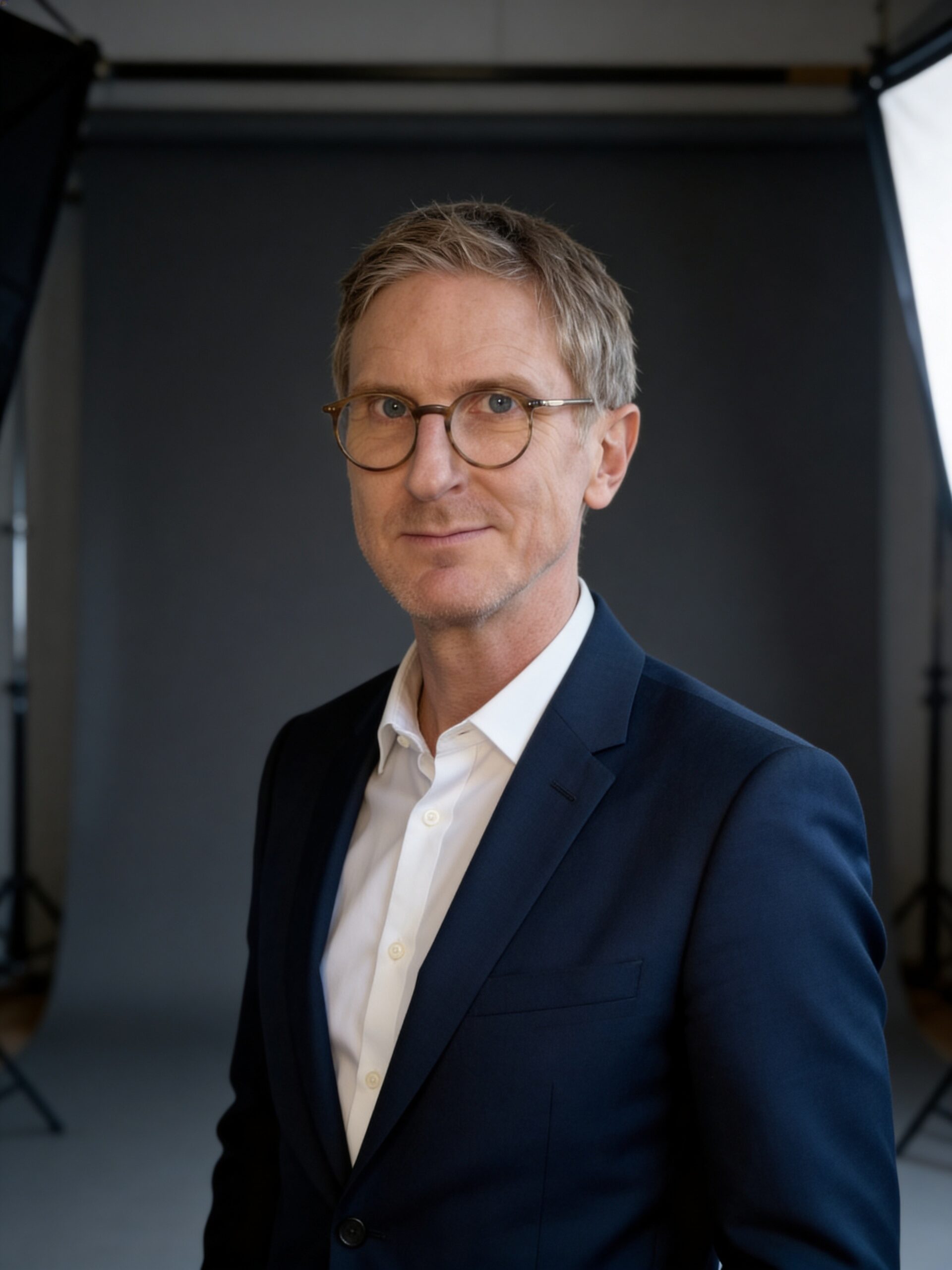

About this episode
Julien Muet leads the global corporate finance and treasury function at TÜV Rheinland Group, a multinational testing, inspection and certification organization operating across industries worldwide.
Since stepping into the role, he has centralized governance, strengthened liquidity structures, modernized systems, and positioned treasury as a strategic partner to the business.
Seven years after first joining the show, Julien returns to share how he built TÜV Rheinland Group’s treasury function from scratch, navigated the COVID-19 liquidity crisis, and modernized operations through automation and AI.
From securing liquidity during uncertainty to embedding technology and strengthening leadership culture, this episode is a practical look at what modern treasury transformation really requires.
What We Cover in This Episode:
- Building and centralizing a global treasury function
- Designing and executing a multi-year treasury strategy
- Strengthening liquidity through revolving credit facilities and crisis financing
- Leading treasury through the COVID-19 pandemic
- Implementing automation and integrating treasury systems
- Applying AI in treasury: bots, forecasting, and reporting
- Leadership evolution: humility, team stability, and hiring philosophy
- The future of treasury and the skills professionals need to stay relevant
You can connect with Julien Muet on LinkedIn.
—
🎙️ Subscribe to the Treasury Career Corner podcast – Never miss an episode! Subscribe on your favourite platform:
CLICK HERE for 🎧Spotify Podcasts
CLICK HERE for 🍏Apple Podcasts
📊 Managing short-term cash and investments – Without the right technology is a huge risk for modern treasurers. Tradeweb changes that!
🎓 Save $150 on CTP & FPAC– Exclusive discounts for treasury professionals – thanks to our trusted partners.
🧠 Leadership Under Pressure – Practical tools and coaching that work – from the team at Gazing Leadership
🧩 What if your whole team had one clear view of your group structure – Fuseable makes it happen
🔐 Managing signatory lists manually? Cygnetise gives treasury teams a smarter, safer way
👉 FIND OUT MORE HERE https://treasuryrecruitment.com/partners/
Mike Richards, CEO, The Treasury Recruitment Company: Quick, listen to Julian and I talking about even this treasury career is a little extract.
Julien Muet, Head of Corporate Finance & Treasury, TÜV Rheinland Group: We also, from a treasury perspective, issue a contingent bond. At that time, 200 million. The clear message was we want to go through the pandemic likelihood of 99.9%. Okay. There was our eight at that time we did very successful, so that was 2020.
Julien Muet: And you can also think that interrupt a bit the implementation of our new strategy at that time. So we had to refocus. Work on liquidity, especially on liquidity and our cash flow. And then I would say late 20, early 21, we could continue on implementing our strategy so that now I would say seven years later, we have a state of the art, corporate treasury in place.
Julien Muet: Super proud of my team where we have accomplished as a team. I would also compare ourselves with other stock listed company. We are very well positioned.
Mike Richards: Welcome to this week’s Treasury Career Corner podcast, where I interview treasury professionals about their treasury careers. Each and every week I’ll talk to treasures about how they build their careers, where they are now, where they see both themselves and the treasury permission. Going to next, let’s get on with the show.
Mike Richards: In this week’s show, delight to be joined by Julia Muay, the now Head of Corporate Treasury at TÜV Rheinland Group. TÜV Rheinland Group for those people that don’t know it, I didn’t know myself until I did my research, is a world leading independent testing service company. We’ve been going for over 145 years, employing over 20,000 people around the world.
Mike Richards: Yeah, pretty big company. Generates an annual turnover of almost 2 billion euros. Now I know that Julian’s recently come in as the group treasurer there just a few months ago. What I’ll do is get Julian to talk through his background, who perhaps give a bit more explanation of what TUV are about and everything else.
Mike Richards: Now, I was gonna say to again, Julian, tell us about your career today and how you got started. I actually had played a part in this, ’cause I originally moved Julianne from DHL and Deutsche Post to a company, no, a company called Johnson Controls, and we interviewed Mark Vander, Ben Peak, and one of our previous.
Mike Richards: Episode. So if people are interested in that, you can hear a bit more about Johnson Controls and everything else, and we’ll put some links in there. But as I say, every week there’s enough about me, enough of my whiting on let’s, um, get into talking to Julian. Let so Julian. Talk me through, if you would, your career today, how you got your start in treasury, and maybe from university dates up to now, and let’s talk about the future of treasury, if you would.
Mike Richards: So over to you. Where did you first start? Sure, Mike, first of all, thank you for inviting me to the podcast. So it’s, it’s a pleasure to participate to the postcard. I know that something that you have introduced I think a couple of years ago. I’m pleased to provide my input. You, Amy, we know each other since I think 2003 as you just mentioned.
Mike Richards: Yeah. Long. I think we’re a longstanding relationship. You’re an important partner to me and. See again, it’s a pleasure to to participate to your pod podcast. Yeah. Coming back to me. I’m 42 years old, two children living in K Colonia. I started actually my career in Treasury, but before that, obviously I was studying.
Mike Richards: I had, as a young man, basically I had a couple of interests in life. One of them was music and the other one was always interesting about everything which was happening around me. I was reading a lot of newspaper, so that was actually, or that were my two main interests in life. I, to be honest, after my. A level.
Mike Richards: I try, we try to, to become a professional in music, so playing the piano and what instrument. So you were, so you’re a piano play. Were you I’m a piano player and I also play the flute. And what, and after the A level, I, I told myself, Hey, that’s a great hobby. Let’s try to make it my job to, to end job. So I, we try to dedicate one year after day level.
Mike Richards: Preparing myself to, to enter into a high school of music in Germany, and actually I actually, it didn’t work out. At the end of this one year, I say, okay, what should I do? Should I try another year with, with the risk of failing again? Or should I be more conservative and pragmatic? I, I work out to my second interest, second passion, which is basically what’s happening around me.
Mike Richards: Economics newspaper. So I, I was basically, okay, let’s, let’s start studying economics. I start studying economics in France where I did basic, basically my bachelor. And after my bachelor I decided basically to, to start working. I was, as a young man, also very keen to become independent. I wanted to, to earn my own money.
Mike Richards: So I decided to join the job market at their, at the early stages after the bachelor. Then I started looking for job. And to be honest, it was really coincidence there was a job opening for Sanofi Adventist as a pharmaceutical company. They were looking for treasury guy, and then I would say, okay, treasury, why not?
Mike Richards: I’ve never studied anything in treasury, in new university. Treasury was not part of what I’ve done in university. So it’s really. A coincidence and I say, okay, let’s try it. Let’s try it out. It sounds interesting. San of your is a big, large company, international company. It’s also, it was a dead time, a merger from, from Lan, a French company in hers, a German company also from that perspective, fits fit out very much my profile.
Mike Richards: My, my father’s French, my mother is German. I say, why not? And I, and that’s how I started in Treasury, to be honest. So it was really a, a coincidence. Happy accident. Um, and an accident problem. And then basically, I’ve never left treasury since then, and that was in, I think in two, 2000, 2001. I started in Sanofi Center.
Mike Richards: I would say typical cash management role managing the daily liquidity of the group, and a bit managing the bank relationship on a day-to-day of the group. It was pretty interest. Interesting. It was my first experience as to their. Something like two and a half years before basically moving on, nothing was the right time to move on from a, from a content perspective, I’ve seen, I, I, I worked around the job and I was happy basically to, to take up the next opportunity, which was Deutsche Post in Germany.
Mike Richards: In that move, I also moved from one. Country to the other one. Basically from France to Germany. At that time I met my wife, who is German, so I didn’t move on a job, but also moved my private and personal, yeah, life. Exactly. So it was a big change. What was the shift, or what did the shift feel like to you? A French based treasury to a German based strategy?
Mike Richards: Did they approach treasury differently or was exactly the same and just a different country, or how did that. Affect you. And what was the difference from Deutsche Po or Adventis to Deutsche Post? What was their approaches? Adventis and Deutsche Post are both national companies. Mm-hmm. These are two multinational company with a very strong, I would say, American culture for both even.
Mike Richards: I dunno if Adventis is a, I would say French company, which is the result of a merger between a German and a French company. You have been dealing, I have been dealing with a lot of international people, English speaking people. So it was not necessarily a pure French culture and a pure French atmosphere.
Mike Richards: So it was at that time already international. So was was des po at that time when I started. So to be honest, I was not a big. Culture shock or culture differences within the company when moving from Sanofi de Well, talk us through the roles at Deutche Post and your progression there. ’cause you did some, you joined and then you progressed within the group before then eventually joining Johnson Controls and came Addium.
Mike Richards: But you know, talk us through the roles that you’d had and how you. Because you started as a contributor and then became, if you like a manager. And I was actually recently, we did our treasury career corner live event in Luxembourg. And one of the guys afterwards, another Julian actually, I mentioned him as well.
Mike Richards: He said to me one of the key questions he wish he’d asked, which you should have done, was, how do you make that move from, or manage that move from being a contributor and running it, doing your job? How do you successfully then become a manager? What did a number of the panel members, so. It’s a question I’m gonna try and ask a little bit more on the podcast, and so I’ll ask you as well, how did you make that transition as you progressed and things.
Mike Richards: Yeah, sure. So I really, as you just mentioned, I started as an analyst, as a contributor at Deutsche Post in 2004. And I was basically focusing on, on at that time cashflow forecasting and liquidity planning more, more looking at, I would say the long term planning, whether the short term cash management have been so done so far at, at Sanofi Adventis.
Mike Richards: So it was basically, uh, I would say an extension of further development. Of my skills in the area. Liquidity and cash management company, Doche Post at that time was very interesting because 2004, basically when I joined, which is actually just after, or the year after, they acquired two big multinational company, which was at that time DHL and Danza Doche Post Ag at that time was our domestic company, obviously in the mail business.
Mike Richards: So the challenge here was integrating two multinational. Company into dets post’s ag, but at the same time basically optimizing processes IE setting up and putting new processes within Deutsche Post. Because Deutsche Post was not an international company, Deutche Post was not equipped at that time to, from a people and from process standpoint to integrate these two companies.
Mike Richards: So it was an integration initiative, but also a, a big optimization initiative. At the same time, Deutsche was at that time, hired quite some people from the external market to make it happen. And then when I was one of them basically, and that, that was very interesting because there was 2004 and the following years were very interesting years for me because I, I had the opportunity to set up entirely new treasury.
Mike Richards: Department together with RE was my, basically my boss at that time, the group treasurer from DHL and also in leading basic integration into initiatives. So I’ve been learning a lot. I did learn a lot during that period. So Dutch Post was. For my, in my career key very rapidly. Basically, I moved from a, as you just mentioned, from a contributor to manager role and basically leading what we call at that time, operations and controlling.
Mike Richards: So I was basically the guy that set up guidelines for the group. I was also controlling that basically the group was acting these, these guidelines. So there was a, I would say governance function, a controlling function, a reporting function. I was also responsible for, I would say. Typically operations means system processes within corporate treasury.
Mike Richards: So with a direct interaction with it. So it was also very interesting role. So it allows me at that time also to, to further grow within the treasury area from a content perspective, from a management perspective. Sure. It was my first management experience at that time. Danny at that time just gave you the chance.
Mike Richards: Say, okay, you are a good guy. You were performing, you’re dedicated, you care about what you’re doing. You have the potential to move to a manager role. And obviously, yes, the first month, three years were, were challenging. To me, what, what allow me to become a good manager. Also from that perspective, obviously was training.
Mike Richards: Okay. That’s of formal training, how to behave as a manager with what is a manager, but also a lot of reflection and a lot of thoughts with myself. Okay. What does it mean being a manager? What is the difference between a leader manager? Actually, no, I rather want to be a leader than a manager. Right? At the end, it doesn’t matter what you have, direct reports, straight line reporting.
Mike Richards: What it means, and really it matters, is that you’re capable through your leadership to attract people, to inspire people. So just little things like. Don’t speak about the, I, you don’t use the word I, but rather use the word we Right. You, you’re part of a team, right? And, and you’re not succeeding in your career with without a team.
Mike Richards: So the team is more important than actually the manager. And I don’t see myself as a manager, but I see rather myself as. As a leader. So Julian, we’ve got people sitting at home now who have, they’ve just heard your part of the story where you said you were questioning yourself, you were going home at night.
Mike Richards: Oh, how do I lead these people rather than just manage them and things like that. What are the tips you would perhaps give them? They’re sitting there going, oh yeah, that resonates with me. I really understand that, but. You as a leader versus a manager, what other advice would you give them? Only needs to be a couple of pieces ’cause we’re gonna then move on and as you then took on more senior leadership roles and things like that.
Mike Richards: But what are the tips you would give to those guys? Yeah, the first tip I would give to these guys is basically as a leader, you know, the only one that that knows everything and you’re the one that basically instruct and dictate to you people what. What they have to do, and you’re not the one that alone tell you people where they have to go.
Mike Richards: So you have to integrate your people into, I would say, the decision making process. So when you set the strategy for the group, you have to include your people in, in, in setting that. So that’s the first tip I would give. The second one is basically within the group, you have to be capable. To, to set up and to allow a certain, or to define a certain number of rules, right?
Mike Richards: And to separate the right culture. And one of the key culture you have to install within the group is an open communication. So you have to allow an open communication between you and the people, but you also have to accept that you people have no communication to you. And that includes basically a, I would say, a kind of 2060 degree.
Mike Richards: Uh, feedback culture. So that, that’s very important. And the, the third tip I would here suggest to, to the people, to the young people that would like to become a manager or a leader, is basically you also have a, as a leader, you need to be, keep to, to be inspiring. You have to be, to be, to have the capacity also to tell to your people when they’ve done good things, that you just to reward them, not only go back to your people.
Mike Richards: When things goes wrong, but you also go back to them when things go well. So ging as a motto would be the third tip I would provide to, to young people. So you did in total, what, six years at Deutsche Post? DHL. And then you got this phone call from this random treasury recruiter out the blue and said, Hey, let’s move you to, I think that’s how you say it.
Mike Richards: So I approached you back in those days about a role at Johnson Controls. You weren’t necessarily looking for a move, but what attracted you to. Johnson controls and how come you made a move? And I know the reasons, but let’s tell the listeners a little bit about that. View it. Yeah, it was to around 2009. I think I was, was something like six years already with the company, with Depo, D-H-L-I-I.
Mike Richards: I’ve gone through a lot of, in interesting position, a lot of interesting project. I felt very comfortable on all the areas concerning pure. I would say corporate treasury functions, let’s say typical back, middle, and front office. But I was basically missing at that time. I would say more the business support part, right?
Mike Richards: The treasury, being in contact with the local finance director, with procurement, with sales, with the different, I would say, functions within the corporations in order to support and advise them how to manage financial risk. So really, I would say the linked. To the business that I was basically missing.
Mike Richards: Well, I was more into so far, uh, operating into, I would say the technical corporate treasury functions. I want to move aside and go to the business, but that, that was basically the profile of the job at Johnson Treasury at that time that you came up with, right? Mm-hmm. Uh, Mike, that time. And that was the determining argument to me to take up this opportunity.
Mike Richards: At that time, Deutsche Post changed a bit. I would say the culture when I started 2003, four Deutsche Post, was operating a bit like a startup. A lot of changes, a lot of activities, a lot of projects, great hands on mentality. Six, seven years later. Dutch post, all the structure, the processes, the system had been implemented.
Mike Richards: And then Dutch Post was more, I would say, in a stable environment and then operating like a huge multinational company, 50 billion plus turnover, where from a sudden the decision making process were much longer than it was during the, I would say, the ramp up and the project phase. So I was getting into more into a day-to-day kind of routine job, and I fa it was time to, to take the new challenge.
Mike Richards: John Couture was obviously a great. National company, American Company. And I think that that was at that time, the right move to, uh, pursue my career. And you, your role itself, you weren’t at the central treasury team that was based in Belgium. You were actually out in the business and working as a sort of central treasurer, if you like, senior manager, treasurer, where the businesses were coming to you, which was so it was a bit of a.
Mike Richards: A different role to just day-to-day corporate treasury and maybe operational treasury. This was operational, this was consultancy, this was advising the business. How did you made that transition, but why was that great to you? ’cause it was a great position at the time as well. It was a great position and it was the right fit at that time and the right next move.
Mike Richards: So as you just mentioned to you, yeah, I want to go out to the business, I want to learn more and to learn also outside the treasury area. So that, that was my primary focus and obviously that was a different job. Right here you are consultant, so you’re not sitting in your ivory tower, but you’re, you are on the field, you’re speaking with the business people, so you have to build up a, a great network obviously, that that’s the strength of your role and it’s how you, you are successful in your job, is having the right and the big net network, understanding the business.
Mike Richards: Again, you need to know how at the time our car seat is being built right from the raw material to the finish. Good. So you have to do, to understand the business, you have to understand how our, the city is engineered. You have to understand how procurement is operating, what is the relationship we have with our customers?
Mike Richards: So you have to have good understanding of the business. And that was also something that was very. Also very interesting to me. Uh, I’m a treasurer, I believe. I’m a, I’m a born treasury. I’m certainly retired as a treasurer. But I’m also very curious and I’m also very interesting into technical design, into production design.
Mike Richards: So you help me to get a better understanding of the business, but also realizing that if, as a, you can only do a good job if you do understand the business. I was gonna say, how did you then ’cause treasury? A lot of the time. Can be operating a system where a lot of finance money is swept into treasury managers and everything else.
Mike Richards: But you were very much, as you say on the front line and things, but how did you convince the different business partners, the different parts of the subgroups and things like that, subsidiary groups to actually pick up the phone and call you? How did you convince them that you were the person that could help them?
Mike Richards: What was the process you went through? Because there’ll be other, again, other listeners who are in a similar situation going, oh yeah, I need to do that, and getting them on side. What was the process you went through there? Yeah, I mean, be before, I mean, what one of the mistake you may, you may do is, is basically, Hey, I am a treasurer and I have the mandate from the C ffo to manage risk.
Mike Richards: To manage cash. No, that, that doesn’t help you and it will not allow you to, to go through and have a, a good collaboration and buy in from the business. So now you have to go there on, on a. Consultancy and cooperation basis, and you have to also to prove yourself that you are adding value, that you, through your support and consulting can, can minimize their impact on financial risk, on their, on their EBIT and operating margin.
Mike Richards: So you have to prove yourself that you are adding value to the organization. Actually you are. So it’s really a matter of doing a good job and, and demonstrated that you can help, that you are not only someone from corporate, they’re just there to provide governance and request for reporting and for, and, and dictating basically the business what they have to do.
Mike Richards: You really have to build up a strong collaborations with them. So that’s one of the key things I’m taking out of that experience. So get out of your corporate ivory tower and go into the business and make sure you build up a good collaboration with the business. Help those guys. And then you, so you started two, 2010 and you made then the progression within that role and then through to the spinoff and it became a, and other things, perhaps just give us a quick run through, ’cause you went for Senior manager, director Treasury at Johnson Controls, but then became the MEO Treasurer.
Mike Richards: Give us a quick whistle stop tour of that. Just an overview because I wanted to get into a bit more about your future, your current role and the future and things, but give us a quick talk through how it evolved over the, what was nine? Nine very successful years. Yeah, it was, yeah, starting as a manager, senior manager in business advisory role.
Mike Richards: So I was advising basically the automotive business unit of Johns controls within a region emea. So again, very interesting. So I was basically the interface between the business and I would say corporate treasury, uh, supporting business, identifying their risk, managing their risk. So in contact with a lot of departments, as I just mentioned, procurement, sales, engineering.
Mike Richards: Tax legal and so on and so forth. They’re very interesting. So conservancy role then obviously I was very engaged, very interested, like we’re pretty rapidly in my role. And then as things happening, right when, when you care, when you committed. When you delivers this opport opportunity comes up and I was basically, I moved from a senior manager to a director s September, 2013, and I get some additional responsibility from, I was, uh, also involved in two asset management with a couple of pension funds in Europe at Johnson Control at that time.
Mike Richards: So I, I moved into, in this area, so I got a direct report. I, I had here. Again, some management and leadership role to play. So that was their, I would say their natural evolution. Within my role, I, I didn’t change a lot. I would say my job profile. I just got some additional responsibilities, a new title. It was rewarding my job and my performance.
Mike Richards: Then came 2016, right? Which was a, a, an interesting year. Again, John Cocho, uh, has been also a great experience to me. Since thousand 16, Johnson Cocho decided to spin off its automotive business. Was at that time a multi industrial company operating in into our cooling eating system. Auto battery, but also car sittings.
Mike Richards: And so they stayed one of their car seat activities and at that time the corporate treasurer of Johns control and the assistant treasurer at that time called me and say, Hey, would you be interested taking over the role of of Treasurer emea? For the new spinoff company, which is called Aian, PSE. And I said, oh, great, great opportunity.
Mike Richards: And I was very keen in in accepting that new role. And then from a sudden, starting July, 2016, I was heading treasury in EMEA as an executive director. So again, great move, great opportunity. That I actually immediately embraced at that time. Very interesting. Also, because it was a big spinoff basically in terms of turnover.
Mike Richards: It was less than half of the turnover of Johns controller at that time that had been spun off. So it was a, a big company that that was basically, that has been created through MPSE. A big exercise. How to see how processes, people, system basically have been, had to be separated, duplicated on one hand side and on the other side you had to build up a.
Mike Richards: A, a new treasury team for the NewCo. So interesting exercise to do. The spinoff being interesting to be part of a new company with, uh, kind of a startup mentality. So everybody was very excited to, to be on their own, be capable to, to set up their own project processes. So it was a very exciting atmosphere.
Mike Richards: In, in the months after af after the spinoff, and that was basically my last experience before joining Toline HIN nine Ag. So motivation for me to move on. From ENT Johnson controls to, uh, to, to finance was basically taking up the next step of my career. So I was at ent, basically the treasurer for EMEA and d head Enterer at that time was not you, Mike.
Mike Richards: No, it’s so, I, I would’ve expected you, you would call me. So yeah, someone else call me, it’s a German head. Enter, Hey, I’ve got a good job for you, group treasurer to finance and say, oh, why not? And I start a discussion like that and actually, uh. The job was very interesting. Location was greater. So because I’m based now in Colon, colon, which is the city I’m living in and is now for me taking up the, taking up the next year, which is basically being the group treasurer of for multinational company, as you just mentioned at the beginning, I think.
Mike Richards: One of the top 10 testing and certification company worldwide. So it’s a new chapter that just started a couple of weeks, a couple of months ago. And then with the group itself, what are the challenges for treasury? ’cause we, when we spoke before, you said that you’ve been brought at a time when there, there’s a sort of cultural change within the corporate structure and your changing, evolving the business sort of thing, and making yourself fit for the future.
Mike Richards: Talk us through that a little bit and the positive ethos of that’s bringing with it. Basically CUV, right? And started maybe three years ago, or a transformation exercise where it was all about centralizing functions, optimizing processes, moving functions into low cost country. So it’s all about becoming more efficient, reducing cost, and increasing operating margin.
Mike Richards: So. The group has started three years ago, a couple of initiatives, and basically I’ve been hired to, to bring the treasury function within QUV Hyland into the next step, where today treasury is managed pretty much essentially with exception, maybe towards cash and liquidity management, but is basically setting up a new treasury role and setting up a treasury department comparable to, I would say, five Fortune 500 companies.
Mike Richards: Mm-hmm. So that’s where two Frontline is now. Is what is heading to. Very exciting to me because I got sort the chance to set up the right treasury department with the right processes and with the right, right systems. So I got a lot of freedom in my role and I’m looking forward to, to these exciting time ahead of me.
Mike Richards: And with the looking to that future, where do you see, you talk about some of the systems coming through and that’s been a big key feature of your experience, if you like. What do you want to do? Do you want to get everything into systems straight through processing? Do you see that as the future or, I talk to people about automation and things and.
Mike Richards: The summary of a lot of that conversation is, yes, there’s all these bots. Yes, there’s ai, but they’re not actually replacing people. They’re just making, I think treasury jobs a lot more interesting. There are two, two elements from my perspective. First element is really the process and technology element, and that’s something obviously the interesting part of the treasury role, and that’s where I’m going to focus focusing on.
Mike Richards: To typically in terms of cash and liquidity management, but also in terms of risk management, centralizing all these areas to the center through a system, through automation, through standard processes, but also in terms of of payments and collections, is setting the right policies and the right standards also for payments and collections, both being supported by technology and by standardization.
Mike Richards: So that’s the first part and it is something. I’ll be focusing on to. Friedland today has a couple of system in place. They have inhouse cash from SAP. They have CCO from SLG. They have a couple of other applications, so they do have a couple of applications, but these application do not communicate to each other.
Mike Richards: This application not being deployed worldwide and this application do not communicate to each very well, so there will be a focus on, on, on that. The other focus is, I would say, or the other aspect of the treasury wall is basically. Focusing on on corporate finance and business support aspect. Yeah, which is still at, I would say an early stage here.
Mike Richards: So when we speak about capital structure, capital, location, bank relationship. So this will be the area be focusing on. Supporting the CFOs, but also be focusing on not only to the external world, but also to the internal world, to the intel world. At Chief Finances is enforcing this conservancy and business support role that, that, that, these are the area, the key area be, I’ll be focusing side, so you have on one hand side, I would say the process and technology side, but also on the other side is I would call them the, the corporate finance and business support.
Mike Richards: Side management is obviously, and leadership, as we talked about there. You manage these various teams in these roles. You’re into this new team, as it were and everything else. What do you like as a boss? What are your, we’ve talked about your keys to leadership success, but how do you see yourself each day?
Mike Richards: They might be listening to this podcast at a later stage, but what would you say is your, how do you coach those guys and how do you perhaps recruit them? What, when you’re looking at people, what is it you are looking for? And maybe the first word is don’t be afraid of. Hiring someone that is potentially better than you are, right?
Mike Richards: Mm-hmm. So that may be the first, one of the first or key aspects when you’re hiring people you have to look at. The second aspect is also diversity that do not hire people that are like you, you, your team, you, you stronger if you have a diversity right in your team. So you have to have people that are, have different strengths that are complimentary and the more eyes look into one.
Mike Richards: Aspects to the more angles, the better it is. Okay. So I think that would be, from my perspective, the two aspect that be I’d be focusing on. I’m looking maybe the third one. I’m looking for someone who, which who is authentic, so don’t try to. To play a role that, or play the role of a person, you’re not right.
Mike Richards: Be authentic. Being, be yourself. That’s also very important. Obviously we, when doing an interview, you, you should not be focusing on your weakness. You be focusing on your strengths, but also be, it’s okay also to admit you have some weaknesses. So be yourself with your strengths, but also with your weaknesses.
Mike Richards: They would be the three main. Area I’ll be focusing on Yeah, as a manager and a recruiter, and as we approach the end of today’s show, as we always do, and what we will do is put Julianne’s LinkedIn profile in the show notes. So if it’s useful to be as part of his network and he feels the same, then feel free to connect with Julianne on, as I say from the show notes.
Mike Richards: But the one question I ask everyone at the end of each show as a summary sort of point is. They look back at your profile and they say, do you know what a great career? Okay, you can keep up with your music career, but you decided that Treasury was right for you, which, and Treasury’s very grateful to have you.
Mike Richards: But joking aside, you actually think, right? I’ve come up from that finance degree, come up into treasury, became the treasurer. Aian then became now this most recent role as group treasurer at TUV and things, someone else says, actually that’s the sort of route I want to take. I see treasury as that being of interest.
Mike Richards: What would be the one piece of summary advice that we give to the listeners that said, at whatever level they might be to say, yeah, this is what you need to do to have a very similar career. What would you say? I would say don’t be too much pushy work before you run. So you should not force your career.
Mike Richards: Obviously, you may have a career path in your mind, but don’t force it. That has to be natural. So you need to focus on your job, care about your job, care about your colleagues. Do a good job, deliver what you should supposed to deliver, and the opportunity will naturally come to you. So if you’re committed, if you curious, if you engage, you see opportunity coming up, okay.
Mike Richards: And when opportunity comes up, just take them. So that, that will be my advice. Don’t be pushy, don’t be too rush. Opportunity will come up naturally. Excellent piece of final advice for today’s show. So be curious. Take your time. It’s gonna come to you as well, but when it does come to you, make sure you recognize and take that opportunity there.
Mike Richards: I think we’ll put those, some of those maybe as bullet points as well. Julian, as always, it’s been great to catch up with you and thank you very much for your time today. Look forward to hopefully catching up with you when I’m next in the, in Germany, or you’ll may be passing through London, so it’d be great to see you.
Mike Richards: All. The romance from me is say thank you very much for your time today. Many thanks. Hug Mike. It was a pleasure. So anyone that has just listened to that really great podcast with Julian, he is still the head of corporate treasury, finance and accounting at TUV, but I will get him to bring us the story up to date.
Mike Richards: He was one of my early guests. I was very grateful. Thank you very much, sir. But it was back in 2019. A couple of things have happened. We’ve got seven years of the podcast gone by, but you just stepped into that role as the head of corporate treasury there. Looking back, what did you expect in that role?
Mike Richards: Was there anything you underestimated? What’s it been like for you? Let’s go back to that time if you would, over to you.
Julien Muet: Thank you for having me, Mike. Yeah. Seven years ago, last time we discussed in this format, a lot of things happened, and indeed, at that time when you reach out to me, I was just starting my new role at Head of Corporate Treasury at TUVI was pretty excited about the new challenge.
Julien Muet: I joined TUV because they were offering me a global role. TTUV was a, I would say multinational. Company, but a decent side. So with a big challenge ahead of me, which was basically to build up a new treasury from a people process system governance standpoint. Yeah. And in the following months, we as a team set up a new strategy.
Julien Muet: So we initially said, okay, we need three to four years to build up our, I would say, state of the art corporate treasury for a three, for the 3 billion at that time, 2 billion. International company covering and touching all the area of, of treasury when it comes to corporate finance, liquidity management, cash management, risk management, bank relationship management, liabilities.
Mike Richards: Yeah,
Julien Muet: so we covered it all. And the good thing is that we were starting pretty much from scratch till we at that time. We’re starting to set up a clear central governance and a strong holding and treasury was basically part of it, and it was my role and I was hired for this, basically. Yeah. So we set up a strategy until the summer 2019.
Julien Muet: We presented to the board and the board was super excited. So, okay, we endorsed, we approve it. Please move ahead and go ahead. At that time I was building up my team, a team of five people. We were just the implementation of the due strategy and we started with basically the most important thing that we thought at that time, which was build up a, a liquidity pillar to the group and with our revolving credit facility together with six core banks.
Julien Muet: So we review basically our bank relationship management at that time, set up a first transaction, which then become cornerstone of the liquidity for the group. Then we approached towards the end of 2019 and we start getting information moving up from our colleagues from China. So the pandemic was breaking out, and then January we arrived, and then from a sudden we just realized we as a corporation, but I would say the entire economy and the entire world, that that would be something big, hitting us, hitting the economy, and did it.
Julien Muet: It did. And in the spring 2020, nobody really knew how things were. Go on and, and there was a lot of discussion and also in the board and you just realized that yeah, that may have a, a tal effect also on our company.
Mike Richards: Let me ask you on that, how did that then flow to treasury as well? How do you guys cope?
Julien Muet: Yeah, it’s very interesting and maybe it’s. Couple words on the testing, inspection, and certifications market, which is a very interesting market. So TV was founded two, four years ago, right? And many of the European industrialization that time there were a lot of incidents, whereas Steam boiler were exploding and society decided to create a, a testing controlling body to ensure these boiler were safe for people in environment.
Julien Muet: The history of T two V. It started since then, we have AC company to the industry and help making it safer again for people and environment. So we are in pretty much in all industry and in all region of the world doing this test and certification against quality security. And also EG standard. And you’re entirely right.
Julien Muet: I mean, we have 26,000 engineers worldwide. These just go to the customer, right? They test technical installation. They also do a lot of testing in laboratories, but a lot of our engineers are on onsite with the customers now with the pandemic and the consequence of the pandemic. Where we all had to stay at home.
Julien Muet: So the remote testing was something very important at that time also, and key. So we were capable and our engine were capable to do a lot of testing remotely, as far as it could be. So we had a hit on our top line. But because of our broad diversification, geographical diversification, also in terms of industry, we are capable to compensate.
Julien Muet: When one market, one country went down, we were,
Mike Richards: yeah,
Julien Muet: other way down, bottom line, we suffered from the, but we’re capable to address our cost.
Mike Richards: Yeah, that’s,
Julien Muet: and as just measured, we also. From a treasury perspective issue a contingent bond. At that time, 200 million. The clear message was we want to go through the pandemic likelihood of 99.9%.
Julien Muet: Okay. That was our aim at that time, and we did very successful. So that was 2020. And you can also think that interrupt a bit the implementation of our new strategy at that time. So we had to refocus our work on liquidity, especially on liquidity and our cashflow. And then I would say late 20, early 21, we could continue on implementing our strategy.
Julien Muet: That now, I would say seven years later, we have a state of the art, corporate treasury in place. Super proud of my team where we have accomplished as a team, and I would also compare ourselves with other stock listed company. We are very well positioned.
Mike Richards: Yeah.
Julien Muet: Yes.
Mike Richards: And let’s look at you for a moment and focusing on you as a treasurer, if you compare yourself professionally to where you were fresh to that role and everything else.
Mike Richards: What’s been the biggest shift for you and how you now approach your role as treasurer, because you obviously had expectations of coming into that role.
Julien Muet: I’m seven years old and it was a very interesting period when I look into the time before my time at Koru, which was, and still is, a very dynamic corporations with, I would say high skilled professionals.
Julien Muet: So my learning curve during that time was very stiff. I must admit that during my time at tu my, my curve hasn’t flattened. I’m very happy about that experience I’ve had over the last seven years. So it’s an experiences are. I would say as a group treasurer, at that time I had regional responsibilities at Johnson Controls.
Julien Muet: At end, with this global relationship, the response CEO was increase the contact or the exposure towards the board. Top executive is bigger. The impact in my role, also larger, more measurable. I would say with this global role, I also increase the level of my responsibilities. Yeah. Which is exactly what I anticipated to, or you wanted.
Julien Muet: That’s what I wanted, basically, to have more impact. In the entire corporation. There was my key takeaway, I would say, during these seven years.
Mike Richards: And you talk there about technology you brought in over that period of time. What has changed most in day-to-day operations, if you like? For you guys, you were coming in, you’re bringing the technology, got through COVID and things like that.
Mike Richards: How have you found your treasury now operates day-to-day or what have been the biggest shifts?
Julien Muet: I think as a corporate treasure today, you should have streamlined. Standardized processes in place with really end-to-end processes. You shouldn’t spend too much time on transactional. Stuff because the level of automation, the quality of the system, the application we have today, and how they’re integrated to each other, where we are today compared to 10 years ago or 20 years ago, we made a huge step ahead, capable to focus on added value.
Julien Muet: Business advisory de-risking your balance sheet in China. Getting cash out of Argentina, Bolivia, how are you going to finance your working capital in Saudi Arabia today? And, and now the next step is over. See ai. This is, everybody is speaking about ai. The reason because, because AI is disruptive today and AI will bring, it’s a mega trend that will also change.
Julien Muet: Or improve our lives going forward. That’s something we should adopt and we should embrace. And I think most of us touching this area and trying to promote it into its organization, it’s critical to me. And we have launched a couple of initiatives on AI and we try to identify what are the pain points we have, where do we see the biggest added value on ai?
Julien Muet: And number one, uh, it’s, we implemented a treasury bot. So basically the entire finance organization abroad is. Calling Treasury and say, Hey, how do I do this? How can I put my forecast in the system? So we implement, uh, a treasury bot, which is, uh, 24 7, the first level of support to the entire organization so that we can fill out these daily basic requests coming from the organization.
Julien Muet: That’s number one. Number two is this cashflow forecast. We have hundreds of. Finance people every month trying to, based on their best case, update their cash flow forecast, a lot of efforts with average outcome. So he definitely, AI can help us get a lot of these manual work out with an outcome which will be at least as good as these hundreds of controller and finance people trying to input a month their forecast.
Julien Muet: Financial market is a lot of. Data, currency, correlations, inflation, and all. This is actually a good training data for an AI to try to predict and react on currency movement. We, together with bank, we’re trying to manage part of our risk management through an AI engine. We’ve mixed results so far. Let’s see how it goes.
Julien Muet: On The last pillar we are looking at, it’s when it comes to analysis reporting, we as a treasurer needs to report on a regular basis to our top executive on treasury KPIs, cash flows. We spend a lot of work in analyzing data. We spend a lot of work in reporting data, and that’s where we think also that AI can help us a lot.
Julien Muet: So this is the mega trend we should be focusing on, but we should be focusing on how can it. Help us removing the pains. How can it help us being more efficient? You need to first recognize the main pain points and then focus on these first.
Mike Richards: You’ve explained that very well, but you make the AI and some of those things that you’ve done automation wise and things sound very simple, very, it’s obviously been very straightforward when you look to that.
Mike Richards: What has proved more challenging than perhaps you plan for? Or what should other treasurers, if they’re listening today and they’re saying, that sounds great, we should do that. What. Should other people look out for? Or what were the things that. You realize in hindsight, which is a good thing that they should have done or you should have done, or actually guys don’t do this.
Mike Richards: We tried this. It’s not gonna give us value. Let’s look at the added value. Where have you found that most
Julien Muet: on the bot? Bot is not something new. When you’re doing online shopping and you have a question on your order, you go through a bot. It is not something new is not something which is something.
Julien Muet: Totally exotic. They’re on the market provider. They ask tools, right? So it is actually the basic of ai. There’s just a brain that helps you look into a set of data documents and summarize and answer the question you may have basics ai, and I would say everybody can set it up on its organization. Yeah, so that’s number one.
Julien Muet: Number two is cash flow forecast, predictive forecast that I mentioned that. Here we are. We are not struggling, but we have a very pragmatic and progressive approach because when you look into cash flow forecast, you just based on what data do I need? Do I want to predict my forecast? Is it based on the direct methods or on your account statements?
Julien Muet: Cash out, cash in, or is it based on the indirect method? IE forecasting, UPNL and part of your balance sheet. And the question is, what is the purpose that you want to have? Is it, do you wanna have a short term prediction of cashflow? You want to have a long-term strategic cashflow planning, and what is the quality of your data?
Julien Muet: Then you just realize, yeah, on the paper, it works very well and clearly, direct cash flow method is the best way to make a prediction on cash flow because it’s real cash out and cash in. But then you just realize, yeah, but how much data do I have and what is the quality of the data I have? Do I really have sufficient data available?
Julien Muet: Do I have enough granularity on my data? I have casual balances on a daily basis. Yes, I may have movements. But then try to qualify these movements and say, okay, this is a cash outflow for CapEx. This is a cashflow outflow for for opex. This is a tax payment. So really categorizing the cashflow on your actual data and having sufficient.
Julien Muet: Historical data so that you have sufficient training data for the ai. AI is, that’s a challenge. So we’re making a lot of work now to date, clean up our actual data so that,
Mike Richards: yeah,
Julien Muet: that the AI have high quality of data to do a proper predicted forecast because we made a use case and we just realized that the outcome was not the one that we expected.
Mike Richards: Yeah.
Julien Muet: Is it always the same things if you don’t have good quality data coming in, you want to get a good output?
Mike Richards: Yeah. And. In our last conversation, which people would’ve heard, and again, I was reflecting on and listening back to parts of it today. Last week you and I spoke about the difference between being a manager and then becoming a leader.
Mike Richards: If you like, one of the other points you made said you shouldn’t be afraid of hiring people that are better than yourself. Obviously that hasn’t changed. You will still wanna hire those really a players and things, but is your approach to hiring or team design has that evolved or what’s happened over that time?
I,
Julien Muet: I must admit that I’m in a very lucky situation that I got a very stable team. So the team I hired seven years ago, or six years ago is still the same. So I, I’m very blessed and very happy about this.
Mike Richards: I know
Julien Muet: I’m
not
Mike Richards: happy with you as a boss.
Julien Muet: Something I’ve tried to promote within my organization, but also broadly a difference bit of being a leader versus a manager.
Julien Muet: It is basically acting as a humble managers, you naturally impose yourself as a leader, so you don’t need to overplay it. Be humble in your role as a manager. And I rarely speak about myself as a I, but I usually use the word we. So we,
Mike Richards: yeah,
Julien Muet: we have accomplished, not, I have accomplished that. That’s also something which is super important, empathy.
Julien Muet: Towards your team is open communication is listening, active listener, so take the time to listen to your team, to spend time with your team and speak about personal things also. That’s very important, even our agenda. Might be very full and very busy. You need to take the time to have this high quality listening time with your team.
Julien Muet: Yeah.
Mike Richards: Where do you see treasury going next? We, you’ve touched on ai, which is great. I Is there other areas that you think treasury professionals should be paying attention to if they’re. They might not be thinking about or
Julien Muet: treasury itself. If you look at the function, treasury has been very stable over the last 10 to 20 years.
Julien Muet: I’ve been in treasury since 2001. I think, if I’m not mistaken, on the one hand side. Other things happened, especially on the technology side, on the awareness of the board of the criticality to focus on cash and other area of responsive of treasury. Clearly that I see this and I’ve experienced this over.
Julien Muet: The last 20 to 25 years. On the other hand side, when you see, look into the actors on the market, when you’re going to a bond, right, or issuing a bond, you’re still dealing with the same financial institution. There’ve been some piloting for some kind of e bonds, right? So trying to bring also the bond market into the next area, but it’s still in the piloting phase.
Julien Muet: We’re still doing or issuing bonds today, same way we did it. 10 or 20 years ago. So a lot of things have hasn’t changed. Right. So within treasury, so on one side we all say where you see treasury in five to 10 years, but we still have a very constant that I can observe within treasury. No, I think to me it’s continuing, focusing on technology.
Julien Muet: AI is going to help us further improve Yeah. Remaining lean or become even leaner and more efficient in the future. And, and it has always been. Part of our culture within Treasury. So we’ll continue on that path, but I don’t see revolution within Treasury, to be honest. Not in the next five to 10 years,
Mike Richards: no.
Julien Muet: Now to the Treasury people and the young Treasury professionals, what they should be focusing on from my standpoint is really. A couple of things. The first thing is, as the environment is very volatile, we are just jumping from one crisis to the other. We need to stay tuned. That’s what I’m trying to do for years and decades.
Julien Muet: What I’m trying to tell my team is look at the Euro dollar rate, the five year Euro mid swap rate every day, be on the top of the market. Read newspaper like The Economist, the Weekly Economist newspaper in the uk. Brilliant paper, right? If you’re looking for a German speaking paper, just read Frank. High quality financial and economic section in in these papers.
Julien Muet: Stay on the top of it at listen regularly nowadays, because the US administration is keeping us busy. A podcast. The rest is politics. This one, this one, and then the rest is politics. I can also recommend this one. So it’s moderated by Kathy k and Anthony Scaramucci. She’s a journalist. He’s a former press secretary of Donald Trump in 2016 and he was kicked out after 10 days.
Julien Muet: Thank give also a very interesting. Sites in, into US politics and economic stay tuned. So this super important, especially when the, your surrounding is evolving so rapidly and so we need to understand. What’s happening around us in terms of macro and then the skill when you look into the skills? Yeah, I would say you have the function skills, and I think again, AI is something young, professional.
Julien Muet: You need to understand the basic of ai, I would say on the inter and interprofessional personal skills or the art and science skills is resilient. And work on your resilience, on your adaptability, because this will become one of the key skill sets you need to bring. With you in the coming years, you’re capable to adapt yourself because the world is changing a very rapid path.
Julien Muet: So even the treasury is pretty stable. The surrounding is changing. So that’s why treasury needs to adapt itself in this changing world. That would be my advice to young treasury professionals.
Mike Richards: Love it. And to we put your LinkedIn details in the show notes so people can still connect to you as well. But when I look back on the last show, your advice was at that time not to brush your career.
Mike Richards: Stay curious. Then let opportunities come to you naturally. Some really great advice there. Does that advice still hold true, or is there anything you would add or change based on your experiences since then over the past six, seven years?
Julien Muet: I think this advice is still true today.
Mike Richards: Go for it.
Julien Muet: As corporate treasury organization are rather small, right?
Julien Muet: If you fail as a young professional after a certain time, you’re limited. The, in the current organization you are staying in, don’t be afraid in moving into another organization because the opportunity sometimes will not be necessarily in-house, but within another company, in another organization. Yes. So that would be my additional advice as manager.
Julien Muet: Be open to
Mike Richards: other ideas as well.
Julien Muet: Exactly. If you feel in the existing organization, you’re stuck. You’re not coming forward.
Mike Richards: Yeah. Call me
Julien Muet: asking whether there is another party in, in another company. We’ll
Mike Richards: definitely have that advice. And we actually, I gave this in one of my recent videos where I did a weekly newsletter and it was feedback I got from a candidate who was worried about promotion.
Mike Richards: And I just said, as I said to him on the phone, I said, you’re not a rock. He’s like, what? What? And I said. You’re not a rock. You can move. You’re not stuck there. It is like a rock just stays there until it’s moved by other forces. You’re not, you can get up and move and is. Oh yeah. I suppose you’re up.
Mike Richards: Julian, thank you very much. Uh, great to have you on the show. Thank you very much. Thank you. I’m looking forward to seeing you in real life one day soon.
Julien Muet: We’ll do it
Mike Richards: earlier. Thanks. Thanks.
Julien Muet: Bye-Bye. Bye.
Mike Richards: Before you finish today’s show, a quick reminder. You can earn CTP credits just by listening to the podcast. Listen to the show. Take a short online quiz, pass the quiz, gotta do that, and then we’ll send you CTP credits. This means you can recertify, which I know you have to do every two years, and lots of people do it.
Mike Richards: It’s so convenient. They do it whilst they’re commuting. There might be at the gym walking the dog. We are there to help you. It’s designed to fit around you and your real treasury jobs. Not add more work to it. If you are already listening, you might as well get the credit for it. All you need to do head to the episode page, take the quiz, and as I say, as long as you pass, we will send you the CTP credits.
Mike Richards: I know it’s all part of the service. Thanks again for listening. We appreciate your support. I’ll see you soon. Thanks.
- Treasury transformation requires both strategic clarity and operational execution.
- Liquidity resilience must be embedded before the next crisis hits.
- AI delivers value when focused on clear problems and strong data foundations.
- Automation should elevate treasury’s strategic role, not just reduce workload.
- Stable, diverse teams are a competitive advantage.
- Treasury professionals must build adaptability, market awareness, and technological literacy.
🎧 Earn CTP & FPAC Credits by Listening to the Podcast
Whether you’re at the gym, on your commute, or walking the dog – you can now make your podcast time count toward your professional development.
We’re thrilled to share that Treasury Career Corner podcast episodes now qualify for CTP and FPAC recertification credits through the AFP’s Independent Study category.
How It Works:
- Each episode comes with a short multiple-choice quiz
- Score 80% or higher and you’ll receive your credit confirmation
- You track and submit your credits to AFP directly – nice and simple
➡️ The longer the episode, the more credits you can earn:
- 30-minute episode = 0.6 credits
- 45-minute episode = 0.9 credits
- 60-minute episode = 1.2 credits
No filler. No fluff. Just real conversations with top treasury leaders on strategy, leadership, risk, tech, and team building - everything AFP expects at an intermediate to advanced level.
🧠 Quick Facts:
- 📝 Quizzes are 6 to 10 multiple choice questions
- 🎯 You need to get at least 80% to pass
- 📨 We’ll send confirmation - you log the credit with AFP
- 💼 You can include this as part of your recertification record
NOTE: In line with AFP compliance requirements, no more than two quizzes may be completed per day.
