
Building Global Treasury Impact Through Data and Analytics | Treasury Careers Podcast
Building global treasury impact requires more than technical skills – it demands data-driven insight, strong relationships, and the ability to influence across the business.
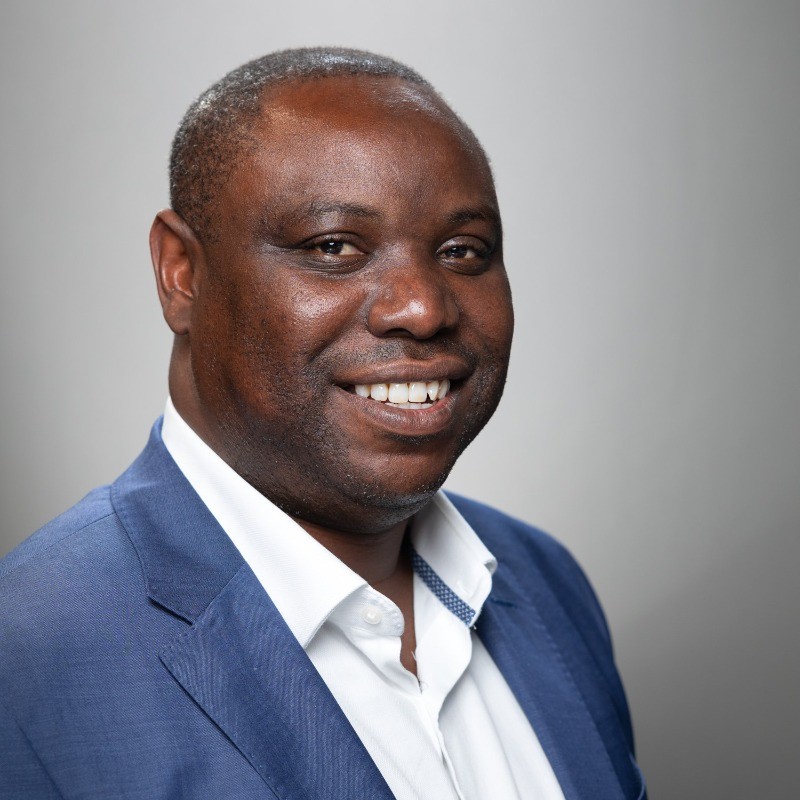
This week’s guest is Takachida Kuhudzai, Head of Treasury at Avon. With a career spanning banking, corporate treasury, and global leadership roles, he has developed deep expertise in analytics, working capital optimisation, and navigating complex international markets.
Listen on:



Featuring
About this episode
In this episode, Takachida Kuhudzai, Head of Treasury at Avon shares his journey from starting in banking to leading global treasury functions. He reflects on how early experience in FX trading shaped his ability to operate in fast-moving environments, and how transitioning into corporate treasury gave him a broader understanding of how businesses operate.
A key highlight is his work in building a global working capital analytics platform, which became a central tool for decision-making and helped unlock significant cash flow across the organisation. He also discusses the importance of stakeholder relationships, tailoring treasury strategies to different markets, and managing complexity in volatile environments.
The episode also explores his current role at Avon, where he has been instrumental in transforming treasury operations and supporting the company’s transition to private equity ownership.
What We Cover in This Episode:
- Career journey from banking into corporate treasury
- Experience in FX trading and fast-paced financial markets
- Transition to corporate treasury and understanding business operations
- Building and scaling a global working capital analytics platform
- Using data to unlock cash flow and drive decision-making
- Stakeholder management and influencing across global teams
- Adapting treasury strategies to local market constraints
- Managing volatility and risk in emerging markets
- Leading treasury transformation during organisational change at Avon
- The role of technology and data in the future of treasury
- Developing leadership, communication, and influence
You can connect with Takachida Kuhudza on LinkedIn.
—
🎙️ Subscribe to the Treasury Career Corner podcast – Never miss an episode! Subscribe on your favourite platform:
CLICK HERE for 🎧Spotify Podcasts
CLICK HERE for 🍏Apple Podcasts
🎓 Exclusive discount on CTP & FPAC – Visit our AFP partner page to find out how much you can save: https://treasuryrecruitment.com/partners/afp/
💡 Earn CTP credits just by listening – Selected episodes of the Treasury Career Corner are AFP-accredited. Listen, take a short quiz, score 80% or more, and we’ll send you your free certificate. Filter by CTP Eligible at https://treasuryrecruitment.com/podcasts/
🌍 EuroFinance International Treasury Management – September 16th-18th 2026, Barcelona – The world’s largest treasury event. Save 10% with our exclusive discount code: MKTG/B/TRP10. Book here: https://treasuryrecruitment.com/partners/eurofinance/
👉 FIND OUT MORE HERE https://treasuryrecruitment.com/partners/
Mike Richards, CEO, The Treasury Recruitment Company: In this week’s podcast, I feature Takachida Kuhudza, Head of Treasury, Avon, I’ve known Takachida for many years, placed him originally at Kimberly Clark way back a number of years ago. Great guy. Tell you what, have a quick listen. Get some great inspiration. First of all,
Takachida Kuhudza: one day I got invited to a meeting with the international CFO.
Takachida Kuhudza, Head of Treasury, Avon: She was trying to find ways in which they can be a one way of looking at working capital globally. And then I told her about the analytics platform I built for the EMEA region. She got fascinated. We arranged a meeting. I showed her what I’d done and she said, okay, I’m giving you a job. Do this globally.
Takachida Kuhudza: So my task was to build a global analytics platform for working capital. So got the team together, team of 10 with the support of my bosses, and we put together a roadmap, a project plan, to over a period of a year to build those global analytics. What I didn’t realize was we were creating a one source of the truth for the whole company, and all of a sudden that platform was now used to track performance around working capital.
Takachida Kuhudza: So people’s bonuses were now tied to that. To those results we were using in that platform. So this became a critical platform in which the company used to track free cash flow, which was an amazing outcome. So one of the biggest headaches was Nigeria because there were severe currency shortages and we were investing a lot of money into the country and trying to move money out of Nigeria.
Takachida Kuhudza: Very easy ’cause they, there was a cancer shortage. Also, there are lots of restrictions, and so for me it was working with the local business to manage the volatility of the business and ensure that we got that factory built. We got the, we got the funding we needed in terms of fx. To make sure that we had all the materials to build the factory on time.
Takachida Kuhudza: I think I had lots of sleepless nights on Nigeria, but we, but we got the factory up and running on time. But it worked because we worked as one team, the global treasury, the local business procurement, all working together to find solutions. Sometimes we had to look for it taught me how to think outside the box.
Mike Richards: Welcome to this week’s Treasury Career Corner podcast, where I interview treasury professionals about their treasury careers. Each and every week, I’ll talk to treasurers about how they build their careers, where they are now, where they see both themselves and the treasury profession. Going to next, let’s get on with the show,
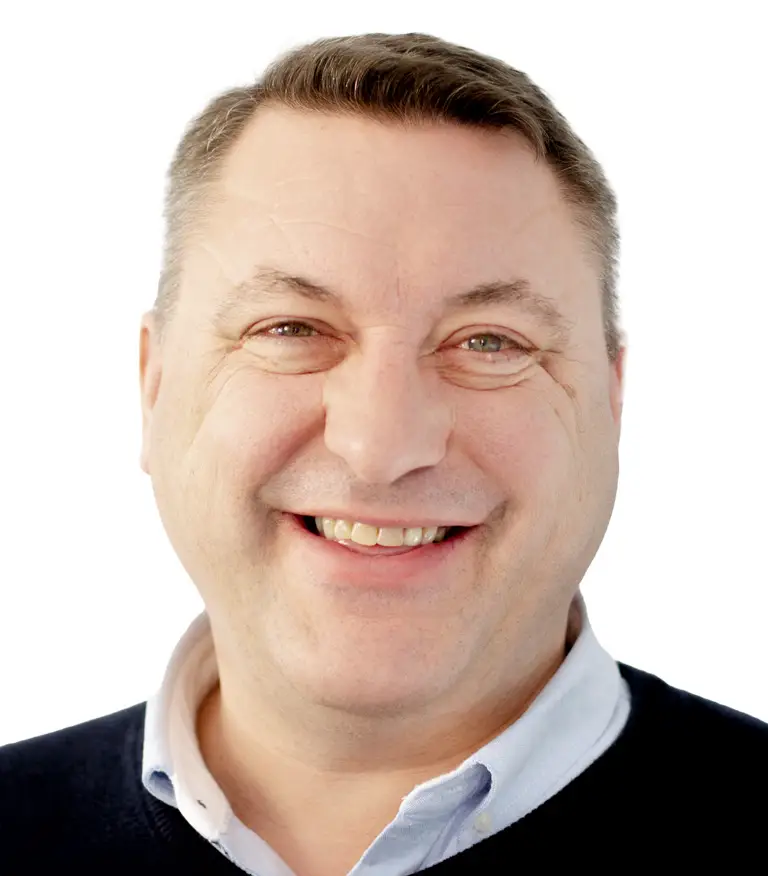
Mike Richards: this week’s show. Delighted be joined by my good friend, Cheah Zai, the head of treasury at Avon. Avon is a multinational company selling cosmetics, skincare, perfume, and personal care products more than just a beauty company. They’re a global movement for women embracing their power and be doing beauty differently for 140 years as a company.
Mike Richards: They connect people through beauty, shared passion, innovation, and expertise affordably. Now, Teah and I have been friends for many years. I actually placed him more when I was. Original roles many years ago, but we’ll come back to that later on in the show. Te Cheah, if you would. But take us back to the beginning and then we’ll catch up our stories and stuff.
Mike Richards: We go all the way back to. Dealing in a bank. So over to you, sir.
Takachida Kuhudza: So thank you Mike, for having me on this show. I’ve been looking forward to being on this show. So yeah, all those years. I started off in banking, 2023, sorry, 2003. You can tell about how, yeah. So I worked for, I joined a startup bank, uh, called First Banking Corporation at the time in Zimbabwe, s Harare.
Takachida Kuhudza: But I think if I start off how I ended up into banking. So my first job out of uni was working for. A market research company, uh, called Research International. So I was the executive assistant to the CEO and part of my role was to manage portfolio projects for the CEO. And we were doing a project for a large international bank.
Takachida Kuhudza: They wanted the research strategy for Africa, and we were helping them craft that research strategy for Africa. And one of the senior executives from the bank had come down to explain what they wanted with the research strategy and the way he talked about banking. My heart just light up and I felt drawn to banking.
Takachida Kuhudza: And so after that, I went around applying for different treasury, uh, banking jobs. And I got into a graduate training program that first banking corporation ran as was a two year graduate training program. So you go through all the areas of banking, retail, banking, corporate banking, investment banking, treasury.
Takachida Kuhudza: So I started off in re in corporate banking. Six months, retail banking, six months, and then last six months. Well, the next step was a retail bank, so treasury, and at the end of the six months when I was due to move to investment banking, which was where I wanted to go, I wanted to be an investment banker.
Takachida Kuhudza: The head of the FX desk asked me to stay on for a little, for one more month because they wanted a cover for some, some of the traders who were going on, on, on leave. I was as a young graduate trainee, learning to manage an FS desk with just the head of the FS desk there. He was quite impressed in how I performed in that whole month and asked me to stay on.
Takachida Kuhudza: So I never got to finish with the graduate training program, so I missed out on going to investment banking. So
Mike Richards: yeah. But then treasury, that was your, that was their loss and treasury’s gain. So you were, you
Takachida Kuhudza: did, yes.
Mike Richards: That was it you said. Right? I mean, you know, you Treasury and then you were learning a lot.
Mike Richards: And I remember you, you and I’ve talked about this in the past. I know you’ve talked to other people, but. Big learning curve for you then, what was treasury like that back then sort of thing?
Takachida Kuhudza: Quite far. Fast paced. The markets moved quite quickly, so I was on the FX trade, on the FS test doing so it’s a dual role of doing FX sales and doing the FX trading and the markets moved very quickly and so you had to be alert on what was happening in the world, what was happening in the country, or managing all the geopolitical risks and.
Takachida Kuhudza: Available to clients. ’cause clients would phone in and want to know what’s happening in the economy. So you had to have your A game on all the time because clients were looking. To us as their bankers to give them the best advice and to give them the best, the best service. And so that was quite a steep learning curve.
Takachida Kuhudza: Learning how to deal with clients, learning how to sell to, to clients, and how to look after them. And those are essential skills that have really helped me later on in my career. That’s right. Yeah. And yeah, I did that for about up to, from to 2004 to 2007, and then I had an opportunity to get a work permit to.
Takachida Kuhudza: Boss at the time was the head of the FS state saying, no, these don’t come often. You’ve got my blessing to go over to the UK and
Mike Richards: yeah,
Takachida Kuhudza: trial like,
Mike Richards: yeah,
Takachida Kuhudza: in London. So I did. So I came to end of 2007, 2008. But that’s was at the start of the financial crisis and a friend of mine who worked there in one of the large investment banks in London then said, if I were you, I’d hide.
Takachida Kuhudza: In corporate for a while because banking right now’s not the right place to be. I for a couple of years. Then when this all blows over. You can come back into banking. And so that’s when I reached out to you when you placed me at Kimberly Clark.
Mike Richards: I did. So who were Kimberly Clark at the time? Because I know they went through a transformation as well and they changed their business.
Mike Richards: But I placed you, as you say, back at Kimberly Clark Global multinational, but as an analyst and sort of talk us through that, if you like, in your words rather Mark.
Takachida Kuhudza: So Kimberly Clark is, is one of the world’s largest health and hygiene companies. It’s got a, a broad range of portfolios. Some of the famous brands are Andres.
Takachida Kuhudza: Toilet paper. Huggies diapers, Scot paper. So well known brands. Kleenex. Yes. So Kleenex is actually a verb in the world. So if, yeah, so it’s amazing portfolio of brands and they were expanding, they were primarily Europe and North America and Latam, very little presence in Africa. They, they’re expanding into a lot of the emerging markets, so it was a great time to join.
Takachida Kuhudza: They had an inhouse bank in Brighton, so I joined the inhouse bank in Brighton, which was. Couple of years old. So I was one of the early employees of ATAs Bank and they’re still building out. So as part of the team that helped build up the services and amazing learning, experience learning, it’s different from banking, treasury ’cause it’s a slower pace.
Takachida Kuhudza: It’s more understanding the business, manufacturing, how to run a business. So you had to learn how the business works, understand how all the elements impact, how you do cash management, how you, you do FX hedging, how you manage the company loans. It’s all aspects of treasury. So it was great to come in and learn how.
Takachida Kuhudza: The other side of Treasury works
Mike Richards: and it was quite an unusual structure. I remember I did a study actually for one of my clients and we looked at lots of companies in the sector and you know, we were talking about the way that they were structured and they usually had a typical, very, uh. Triangle structure.
Mike Richards: So your treasurer up the top and regional treasurer may be, and you know, further down there was some dealers, whereas you guys had a lot of analysts and dealers doing different countries and things like that over time. And then you spit it out that way, you know, or talk us through that evolution, if you would.
Mike Richards: ’cause it was quite different over the time, wasn’t it? Sort of, I know that the, that changed quite a.
Takachida Kuhudza: It was a flat structure. So you had the in, in the in-house bank. He had the head of the in-house bank, and then the treasury analysts. We were given a lot of responsibility, so even though we’re treasury analysts, we were basically doing roles that a typical senior manager would do.
Takachida Kuhudza: You had lots of responsibility. So I looked after certain regions in terms of FX aging programs. So my responsibility was to work with the business to manage those exposures. You had the exposure, right, all to senior leaders. So every quarter we had what we call an FX current committee where you’d present.
Takachida Kuhudza: What you’re proposing to do with those, with those exposures, how you propose to manage them. And this was at analyst level, typically treasury manager level and above typically have those responsibilities, but yeah. But you had how
Mike Richards: many analysts were, but how many analysts were there because it was.
Takachida Kuhudza: There was about six of us.
Takachida Kuhudza: Yeah, six of us.
Mike Richards: Six. Yeah. It was, as you say, very flat. Normally you get two guys just GI being given very little responsibilities and you know, and whereas you guys were like, when I used to talk to you, it was like, right, I’m doing this, I’m doing this, I’m doing this. I’m like, really? I’m like, wow. It was just like, it was, it was crazy times and I loved it and I recruited other people there.
Mike Richards: For Kimberly Clark, it was a, you know, people saying, oh, go in there as an analyst. I went, yeah, but you won’t be just doing analyst stuff. And they were like, oh, okay. It was, ’cause it made it a fascinating job, I think. I mean, what were your, you know, highlights if you like, of that time, if you like, and then we’ll go as you, ’cause you grew there, you were, you were hiding from banks for what, 17 years at Kimberly Clark.
Mike Richards: So talk us through that.
Takachida Kuhudza: So yeah, so you got a lot of projects. So if the morning, you do your normal daily treasure activities. So come up with your position, invest. Surplus cash loads out any FX positions and, and make sure that all the operational activities were closed off by lunchtime in the afternoon.
Takachida Kuhudza: It was time to do projects. So you knew that the afternoon, there were always various initiatives going on in the company, whether it was spinning off, uh, subsidiary onboarding and and new sub and. Business that had been bought. So doing the integration, if there was a company restructuring, you always got involved in all those different activities.
Takachida Kuhudza: So you got exposed to a lot of different stakeholders and you began to be exposed to ways in which you had to sell ideas, which was fascinating because part of the job became influencing stakeholders to improve how treasury could, could add value to those departments. So you end up being like a, an advisory role as well at the same time.
Takachida Kuhudza: So I did that for about six years. I’ve lost track of the number of projects with it. They were just phenomenal.
Mike Richards: You, you were doing lots of, and then a theme for you is about working capital.
Takachida Kuhudza: Yeah.
Mike Richards: And improvement programs and things. But you carried on and you got more senior as well. Then you were leading a global team.
Mike Richards: Talk us through how you progressed in that time. If someone’s listening today and they’re thinking, oh. This sounds great, but how would I progress in a role like that? How did you do it?
Takachida Kuhudza: So an opportunity arose to become what, what they called a working capital consultant. Working capital was becoming a key theme in the company and the company’s philosophy was, yeah, we had aerated company, we were lots of cash, but we could do a lot better at managing our balance sheet.
Takachida Kuhudza: And so. Are created to try and provide insights, analytics around working capital. So I left Treasury, joined the team that worked directly with the business so. So part of my job was to provide insights to the CFO of the EMEA region. So my task was to build a set of analytics that will help them drive decisions around how they manage working capital.
Takachida Kuhudza: So that’s when I introduced to coding. So I had to learn how to code to build analytics, which I had no background in, in it. So I had to learn on the job how to code and how to build these analytics. And it started unlocking insights that started saving the company lots of cash. Yeah. And generating. Cash from the balance sheet.
Takachida Kuhudza: And one day I got invited to a meeting with the international CFO. She was trying to find ways in which they can be a one way of looking at working capital globally. And then I told her about the analytics platform I built for the EMEA region. She got fascinated. We arranged a meeting, I showed what I’d done and just said, okay, give you a job.
Takachida Kuhudza: Do this globally. So my task was to build a global. Analytics platform for working capital. So got the team together, team of 10 with the support of my bosses, and we put together a roadmap, a project plan, to over a period of a year to build those global analytics. What I didn’t realize was we were creating a one source of the truth for the whole company, and all of a sudden that platform was now used to track performance around working capital.
Takachida Kuhudza: So people’s bonuses were now tied to that. To those results we were using in that platform. So this became a critical platform in which the company used to track free cash flow, which was an amazing outcome.
Mike Richards: Yeah,
Takachida Kuhudza: yeah. And started getting, as we were developing this platform, we realized that we needed additional ways in which we could make this platform way efficient.
Takachida Kuhudza: So I got exposed to things like machine learning way before they became trendy.
Mike Richards: Yeah.
Takachida Kuhudza: Which was an amazing. Experience understanding how to leverage machine learning to drive analytics. And this platform became keen on unlocking millions and millions of free cash flow from the balance sheet for the company.
Mike Richards: And it, you know, I was gonna, I was gonna actually explore this about saying how did you get buy-in from stakeholders? But from what you are saying is you were just giving clarity and you gave clarity and then everyone was buying in. Was it that easy or what was, and how was it?
Takachida Kuhudza: So after we got, I, I got this commission from the international CFO.
Takachida Kuhudza: Naturally you have to create stakeholder meetings. So you go around the world. So there was a, a committee set up, which my boss at the time took part to help smooth the passage, so to speak. Yeah. To get buy in from different stakeholders because this was just not just a platform from emea, so latter Asia Pacific, the us, the whole globe.
Takachida Kuhudza: Had to buy into this. So there was a lot of stakeholder meetings to show them the benefits of this platform. So once we did a prototype and people could see the benefits over time, it was easy to get the buy, buy in because people could see the benefits of this platform.
Mike Richards: Yeah.
Takachida Kuhudza: I remember what got round of this, how we build this platform.
Takachida Kuhudza: So we had a team that mileage space, so, so there was, they had a store for space for the different factories around the world and they tracked, you know, usage of space. They had always had trouble understanding where the space were, how much space we had, and they heard about this platform, and I didn’t know that I’d actually built data that they could live with.
Takachida Kuhudza: They felt like they’d gone into a candy store with all the data I had, and for them, this became the key platform. So it wasn’t just serving the business, but it was also serving other areas would not have thought of. So all of a sudden this platform was being used by different teams around the company.
Mike Richards: And when they were using it, what, in what way were they using it sort of thing? Just to a, just in time delivery or, you know, for, or what were they using it for?
Takachida Kuhudza: They were using it to, not only that, but to then work out plans. How they managed the inventory of space, for example.
Mike Richards: Right.
Takachida Kuhudza: So they knew how much space they had so they could then work out around different parts of the world.
Takachida Kuhudza: So if, for example, a factory in Brazil did a a spare, they could see that there was a spay in the us. Easily say, okay, this space doesn’t look like it’s gonna be used in the next six months. Let’s move that spare immediately to Brazil. So you’ve got that just in time and then the US can then backfill that spare at the appropriate time.
Takachida Kuhudza: So, and this is,
Mike Richards: and what goes into that space? Is it like sort of, you know, different products, different andex L roles, or what is it? What is it?
Takachida Kuhudza: So these were spares for the machines that manufactured the products.
Mike Richards: Okay.
Takachida Kuhudza: Yeah, yeah. But you also had. Visibility of all the products. So in terms of how much inventory had of the lu rolls or how much inventory had, of the different SKUs that we had of the different products.
Takachida Kuhudza: So it was an encompassing platform.
Mike Richards: Yeah. And you’d gone from, in this time as well, you’d moved from. Consultant role to then regional treasurer. Yes. You know, you’ve got that as well. Do you, you know, maybe it was easier then to influence decisions and things. How did you yourself build your own confidence to the decisions?
Mike Richards: Was it the a case of you were growing into it because you’re saying, well, hang on, these guys are using it in Brazil to, you know, space plan and do this or do this. Was it a natural thing or you know, how did you have to work on it, would you say?
Takachida Kuhudza: I say I had to work on it. Okay. I think the working capital role really helped me develop those selling skills because as you were building the platform and as you were building the service that the company was using, you had to collaborate with different teams.
Takachida Kuhudza: So if I had a problem on that, I needed to solve, I had to look for people. So I had to learn to build a network. And that network ended up proving valuable because you develop relationships to say, this is what I’m trying to achieve, this is how it’ll benefit you. By using this service. And as you build those relationships, uh, spending time with people, it became easier to then say, let’s do A, B, C, D, E.
Takachida Kuhudza: And because they know that you’re providing something that will benefit them, becomes easier to sell.
Mike Richards: Yeah.
Takachida Kuhudza: And so that period to really taught me a lot about how to manage stakeholders, how to build stakeholders with, with people you’d never met before. Yeah. To build those relationships. And so that proved well.
Takachida Kuhudza: That proved valuable for me when I became the regional treasurer for the EMEA region because that network I’D built, I had access to information so. That means I knew what was happening in different parts of the business. It was very easy for me to get insights and then be able to come up with strategies to solve whatever issues would occur.
Mike Richards: Challenges. Yeah.
Takachida Kuhudza: Yeah.
Mike Richards: And then you were, I know that you were rolling out FX hedging programs that were great for the reduced the volatility of, you know, some of the challenges you face. Great. On paper. What are the challenges? Behind making that happen. Surely, you know, given your background, everyone was like, yeah, that’s great.
Mike Richards: He just says, do it. We do it. Let you know it is an easy, this is it. What would the, you know, when someone else is facing a similar thing, what would you say that they need to think about?
Takachida Kuhudza: So you need to think of the business as a whole.
Mike Richards: Yeah.
Takachida Kuhudza: So understand the business model. So it’s not a one size fits all solution.
Mike Richards: Yeah.
Takachida Kuhudza: Each market has got different nuances, especially emerging markets. So I’ll give an example of South Africa, which has got exchange, you know, strict exchange controls.
Mike Richards: Yeah.
Takachida Kuhudza: So traditionally in most markets, so if you want to hedge for three years, you can easily hedge for three years in, let’s say Europe or North America.
Takachida Kuhudza: There are no restrictions, even up to five years in hedge. But in South Africa, they’ve got exchange control regulations that say your hedge cannot last more than 12 months. And so you’ve got a policy that says hedge three years, but some markets are saying hedge one year. And so you then say, okay, how do I adjust that to the reality on the ground?
Takachida Kuhudza: So you’re then working with the business to say, how do we reduce volatility in your market? I’ve got these limitations against, against your local regulations, but I still want to re reduce volatility in your market. And so you work with a business together, they tell you. You understand what the constraints are, you understand what the regulations are saying, and you then work with the senior stakeholders to then come up with a win-win solution that works for that market.
Takachida Kuhudza: So you’re still adhering to policy, you’re still adhering to the local regulations, but you’re tailoring the hedging program to suit the conditions on the ground.
Mike Richards: What would you say maybe stands out to you not as the biggest win, but maybe the toughest challenge or environment situation that you’ve had to navigate in that situation?
Mike Richards: Were there any particular, you think, wow, that was a headache and we got through it.
Takachida Kuhudza: So one of the biggest headaches was Nigeria because there were severe currency shortages. Uh, we were investing a lot of money into the country and trying to move money out of Nigeria. Very easy ’cause this there, there was a currency shortage.
Takachida Kuhudza: And also there are lots of restrictions. And so for me it was working with the local business to manage the volatility of the business and ensure that we got that factory built. We got the, we got the funding we needed in terms of fx. To make sure that we had all the materials to build the factory on time.
Takachida Kuhudza: I think I had lots of sleepless nights on Nigeria, but we, but we got the factory up and running on time. But it worked because we worked as one team, the global treasury, the local business procurement, all working together to find solutions. Sometimes you had to look for it taught me how to think outside the box.
Mike Richards: Yeah.
Takachida Kuhudza: Creative ideas and things. Yeah, creative ideas. And you had to come up with innovative instruments with banks to try and get access to currency. Start looking at, you know. Leveraging instruments such as a stand by letter of credits to try and manage access to fx, which was quite fascinating. Yeah.
Takachida Kuhudza: But I would say I’m really proud of what the team and I did in trying to manage Nigeria.
Mike Richards: And so after. 17 years. It was time for a change. Bring us up to date sort of thing. Once recently stepped into this role with Avon, you know, what have been your, talk us through, I, I gave a bit of a headline about Avon.
Mike Richards: I think most people know it, but you know, what is Avon now and you know, what have been your biggest challenges as you, you joined the group and stuff and, you know, a year or so ago.
Takachida Kuhudza: When I joined the company was still under public ownership. Yeah. And it was owned by the nature group. So I joined with the plan for me to help prepare the company for sale.
Takachida Kuhudza: So with the senior team. And the challenge was to make sure that we had the right treasury infrastructure to support that. So supporting the treasury team, having the right bank accounts, having the right infrastructure for the sale. There was a lot of uncertainty and, but I think the key was working with banks to ensure that it was a seamless transition to private ownership, and that was the biggest challenge for me in those first six months.
Takachida Kuhudza: So thankful for my banking partners I worked with. We worked quite well to make sure that we had that smooth transition from public to private equity ownership. So one of the challenges win. You are moving from private ownership to private equity is from a banking perspective. The banks are usually nervous around who the new owner is, and so you need a lot of stakeholder management around that.
Takachida Kuhudza: So I’ll leverage those relationships that I built over time to ensure that we put those banks at ease in terms of the transition. And the transition went well smoothly, and it’s, that’s, it’s been an amazing journey. Private equity is more fast paced. Things move quickly and I love complexity. I love things that move fast, so it’s keeping me on my toes.
Takachida Kuhudza: But I love it because I’m learning a lot at the same time.
Mike Richards: And you, I know you went in there, you’ve sort of redesigned global liquidity. You’ve been doing, as you say, that complexity leans into that, you know, what have been the biggest challenges so far? Biggest hurdles that you’ve got over and you know, again, working with, is it working with the stakeholders or it sounds like that’s one of the challenges or.
Mike Richards: How have you smoothed that path? So if someone is in a similar situation, they’re going, oh, this is great advice. What sort of stuff?
Takachida Kuhudza: So the key is to build, I think the biggest challenge, especially when you’re coming from outside, is no one knows you. So you’re trying to build those relationships and you’re bringing in new ideas.
Takachida Kuhudza: So a lot of my time has been spending time with people to try and explain those ideas, especially how we want to set up the in-house bank, the cash, the general on, on trying to leverage ai. So it’s a lot of stakeholder management. That’s a key part, especially when you’re coming in from outside, because if they begin to understand your message, yeah.
Takachida Kuhudza: They begin to see your benefits and that’s how you start getting things done.
Mike Richards: Got the buy in and things. And then I know that the, you’ve gone through this period of change and you’ve also come into a new role if you like, new systems, new things like that. And you know, I know we talk, we were just talking before the show about technology, but as you’ve come in, what have you, what’s been your checklist?
Mike Richards: And we often talk about that on the show. What have you been looking at?
Takachida Kuhudza: So I always operated in, in it, in what I can call a three framework, so to speak. So the first framework is look at the operational. You know, whether I’ve got a five stage process that I look at right in that operational Peter
Mike Richards: talking through the five stages.
Mike Richards: Loved it. We’ll put this, maybe even put it in the show notes, who knows? But yeah,
Takachida Kuhudza: so
Mike Richards: talk us through it.
Takachida Kuhudza: So it’s basic, but I try to make it as simple as possible. So stage one, you know what is my ethics in cash position?
Mike Richards: Yep.
Takachida Kuhudza: And once I know my ethics in cash. You know, how do I optimize that cash? So, and how do I mobilize it?
Takachida Kuhudza: So if I’ve got pockets of cash elsewhere, how do I bring it to the center and what’s in the center? How do I invest it? And then the third week, third stage is, you know, how do I, I, what are my FX exposures? How do I manage that risk?
Mike Richards: Yeah.
Takachida Kuhudza: And how am I gonna hedge and then stage four, execute those strategies.
Takachida Kuhudza: And so it’s, that will generate. Payments and then you settle them. Then the stage five is you reconcile, you report and you make sure that it’s complies with policy. So that’s my five, five stage framework
Mike Richards: step,
Takachida Kuhudza: and
Mike Richards: then back to the top for the next region. Or you know, how does it, what does it, what comes next?
Takachida Kuhudza: So then the next stage is basically strategic. You want to say, okay, what value am I gonna add to. To the business. So it’s essentially build those partnerships with the business and then as you build those partnerships, understand the business model, then look at opportunities to optimize processes. Uh, so working capital.
Takachida Kuhudza: And then from that. Build predictive risk and scenario architect. Yeah. And then stage four is strategic capital allocation and funding, and stage five is performing insights that drive action, growth, and profitability.
Mike Richards: People are scribbling down like crazy. Don’t worry. We’ll put this in the show notes for anyone listening now as well, so don’t worry.
Mike Richards: This is great Now. You and I, we see each other lots of the time at the conferences. You know, because you, they often are, you’re a great speaker, you know, we’ve got this now. Mm-hmm. But why do you’ve lent into that side of things? Is it just you like talking to people or how come you enjoy the speaking circuit so much?
Mike Richards: Or you know, you are great at it? I know, but why is that something for you? For me, you know, people say, oh, you love speaking. I don’t really love speaking, but I love being in a room with treasures. We’ve just done it. You know, that’s my place where I can meet lots of my clients. Why do you like it so much?
Mike Richards: Or what? Why is it light you up?
Takachida Kuhudza: So it’s coming from my family background, right? My parents are teachers. Yeah. And so that teaching aspect, creating value, so sharing insights with the community so that they also learn, but I also get to learn as I speak. And so for me, adding value to the community.
Takachida Kuhudza: Especially the treasury community, and it’s also a platform for me to meet others, other stakeholders in the treasury space because I also get to learn from them. So usually after I speak, someone will come and ask me questions, so I’m learning from those people and growing up also, I had a love for drama.
Takachida Kuhudza: So drama teaches you how to speak. I just love drama. So it just comes out that when I’m on stage, I just love speaking
Mike Richards: and. You’ve, you and I have just talked there and you’re very confident in things like that, and it’s all been plain sailing. You know, there’s been no hiccups along the way. Just anyone listening today say, oh, look at this man.
Mike Richards: Are there times when it, things haven’t gone to plan? What did you learn from it? Or what were the, if you just reflect back and you’re sitting back, you know, with a cup of coffee or something like that, thinking, wow, that was a tough one, but we got through it. What sort of stuff, you know, would come to mind?
Takachida Kuhudza: Lots of things have gone wrong. I would not be honest if I say nothing has gone wrong. Lots of things have gone wrong. Yeah. So I can go back to my previous role at Kimberly Clark when I was building the Working Capital Analytics platform, the first version that we built, uh, after I got the commission from the International CFO, she did not like it.
Mike Richards: Oh,
Takachida Kuhudza: wow. She’s not like at all. And at that time it, I remember my boss and I saying it felt like the world it came down on, it came down on us. ’cause we’d spent a lot of time building that first draft. But it was a lesson to understand when you’re building things, have the customer in mind. And every time I do things, I now have that customer centric hat on what, how does this benefit the customer?
Takachida Kuhudza: And so I have. Everything I design has to become super centric. So when we went back and designed the second draft of that listening platform, it called Better attraction
Mike Richards: or about the customer in mind sort of thing. And yeah, but that’s perhaps not something that all treasury professionals do. They’re like, so focus on the task at hand.
Mike Richards: You’ve gotta think of the end user sort thing.
Takachida Kuhudza: Yeah. You always have to. So even in the treasure space, so, uh, designing a hedging program, for example, ultimately lose the customer. It’s the business because you’re trying to provide reduced earnings volatility. For the business. But the only way you can do that is understand what the business does.
Takachida Kuhudza: What are the different dynamics? So once you know the working capital cycle of the business, how the, the business makes decisions, what are the key business drivers? Then you can use that information to build an appropriate HE program. Without that, you can have an ineffective hedging program.
Mike Richards: Yeah. Not gonna work.
Mike Richards: And you mentioned earlier on that you were an early. Student, if you like, of digital and digital acceleration and it’s a big thing for yourself, but you were before the curve. If you’re like, now everyone’s catching up with you, you know, sort of with AI and the march of all the things chat, GBT, Claude, the la, you were doing that before.
Mike Richards: What are you seeing that as the biggest opportunity for treasury going forward? Is that one of the things or is that the major one that you see coming along?
Takachida Kuhudza: So I take a, an even I, I’ll take a different view. Okay. So it’s important now, but I think as treasurers, so we’ve had different technologies come up.
Takachida Kuhudza: So we’ve had blockchain, we’ve had, now it’s ai, we’ve got stable coins. So all these things coming.
Mike Richards: Yeah.
Takachida Kuhudza: I’m not focusing on the now in my mind. I mean, we can live with ai. My biggest question is how is Treasury going to position itself when all these technologies intersect? Because they’re gonna intersect at some point.
Takachida Kuhudza: So how do we prepare ourselves for that intersection? ’cause that’s gonna dramatically shift. I would run treasury.
Mike Richards: Cool. Love it. And we’re not at the end of the show, you know, but I wanted to sort of say. Early, you know, someone listening. We have a range of listeners to the show. We have treasury analysts who are studying their early exams things.
Mike Richards: Someone actually was talking to me the other day ’cause we are a shout out to our guys in Dublin University now that we are required listening. You know, the recommended listening rather that people listening to it. So what if someone’s earlier on in their treasury career, you know, reflecting back if you like, and across your career, what do you think they should focus on mastering first?
Mike Richards: What do you think they should try and get hold of
Takachida Kuhudza: soap. I would say early on, apart from mastering the basics,
Mike Richards: yeah,
Takachida Kuhudza: build relationships, not just within treasury, but outside. ’cause you’ll do your job well. What if you’ve got access to information? And so how do you get access to information? By building relationships with different people in accounts payable, people in accounts receivables, people in procurement.
Takachida Kuhudza: They know what’s happening in the business. People in supply chain, once you build those relationships. You begin to build a pipeline of information. So when you are looking at your cash position has changed 30%, you know who to call to understand why has cash in this market gone down? And you know, once you know the drivers, then you know how it feeds into your forecast and how you can prepare for that in the future.
Takachida Kuhudza: And you manage your risks in a much better way. So I’d say early on, built those relationships with different stakeholders. It doesn’t have to be, it doesn’t have to be senior stakeholders, it can be lateral people in different departments. They have a lot of information and that would be critical for your success.
Mike Richards: You’re a very good networker. You see that person’s really good and that person, wow, they’re amazing. What is it, you know, relationships, maybe one part of it. Are there anything else that separates those guys as they move, you know, and you see them as more senior treasury leaders. Is there anything in particular you’ve noticed?
Takachida Kuhudza: The first thing I’ve noticed is a unique perspective they have, so the. Unique perspective allows you to see the world in a different way, and that gives room to innovative ideas that can benefit other treasurers. Yeah. And so I’ve benefited from treasurers who, if I’m facing a problem, they’ve solved it in a unique way and that unique way, that’s what gives them.
Mike Richards: Right. Great wrap up answer. And other challenges for treasurers as well. You know, we, you touched, we touched on technology there and everything else, and as you say, but actually it’s more about the relationships. Anything else that you think that is making you, you are keeping an eye on or as well as a treasury yourself?
Takachida Kuhudza: So obviously geopolitical risk. I think we’re in an environment where the world is getting more and more volatile. Usually used to have a volatile event once in a while, but they’re becoming. Almost a daily gain. Yeah. Occurrence. So I think having that mindset, that volatility is here to stay. So the question is how do you navigate as a treasury, as a treasurer, those risks when volatility is a constant feature.
Takachida Kuhudza: Yeah. And so having a playbook that can navigate, that can help the business navigate that volatility is essential.
Mike Richards: Fabulous. Cool. Well, we’re gonna put your LinkedIn details in the show notes. I know that it’s gonna light up and there’ll be lots of people wanting to connect, which is good. But with yourself, what sort of advice or takeaways from today you’ve heard the podcast before, you said you were listening to some of the others, which is great, and you know, we get, do the takeaways each show.
Mike Richards: What do you think w whether it’s more junior style, you know, you’ve given some great stuff about having the playbook, relationships, anything else or any other wrap up words? I think,
Takachida Kuhudza: I think it’s critical to have an open mind. Open mind opens up possibilities. So when people bring ideas, and usually it, the initial, the typical inclination, typical is to say, I don’t like that idea, but have an open mind.
Takachida Kuhudza: Listen in listening, that’s how you solve problems. That’ll be my takeaway.
Mike Richards: Love it. I’m just gonna leave it there, ’cause great final words to Cheah. Amazing to catch up with you. Thank you very much, Sarah. And I know that your LinkedIn inbox will light up after this. Thank you very much.
Takachida Kuhudza: Thank you very much, Mike.
Takachida Kuhudza: It’s been fabulous to be here.
Mike Richards: Thank you. Thanks for tuning into another great episode. You really enjoy it. Thank you very much. You make it worthwhile, us recording them. We are these amazing treasury professionals. Right away across the world from the us, across uk, across Europe, and there’s lots more exciting guests to come and lots more live events.
Mike Richards: We love delivering this content. We get asked now, is this what you do? Do you just do content? Do you just do know? The reason we do the content is to get to know you guys, to give you back the tips for success if you like, but we are here to help you hire someone if you need to recruit. Call us because at our heart, we are a treasury recruitment company.
Mike Richards: That’s how we pay the bills. That’s how we pay for the podcast, and that’s what we’re passionate about. We hear from you at events and things, can we also help you find your next great role? Can we help you hire? The answer is yes. That’s exactly what we do. Yes, we do our treasury salary survey@treasurysalary.com.
Mike Richards: That helps us know exactly how to benchmark not only your salary, but also when you’re looking to hire. We know exactly what the market is paying, wherever you might be, whether it’s the us, uk, or Europe. We wanna make sure. That we are the best informed that we’re not just finger in the air. We always know.
Mike Richards: If you wanna hire the best in treasury, don’t hesitate to contact us. Go onto the website, treasury recruitment.com or the US You can contact Joe Grabovsky Europe. Contact the lovely Katie. For more senior roles and roles across the uk, reach out and contact me or drop any of us an email joe@treasuryrecruitment.com.
Mike Richards: katie@treasuryrecruitment.com. Or mike@treasurerrecruitment.com. Let us help you make the hiring process as amazingly seamless and easy as our podcast are to listen to. Thanks for your amazing support and looking forward to seeing you at either an event or a conference very soon. Or just gimme a call.
Mike Richards: Let’s help you find the next role, or recruit the next treasury professional. Alright. Until next week. Very thanks.
- Strong relationships across the business enable better decision-making
- Data and analytics are critical tools for driving treasury value
- Treasury solutions must be designed with the business in mind
- Local market dynamics require tailored approaches, not standard solutions
- Stakeholder engagement is essential for successful implementation
- Volatility is constant – treasury must be prepared to navigate it
- A structured framework helps manage cash, risk, and operations effectively
- Open-mindedness supports learning, innovation, and problem-solving
- Early career professionals should prioritise networking and foundational skills
🎧 Earn CTP & FPAC Credits by Listening to the Podcast
Whether you’re at the gym, on your commute, or walking the dog – you can now make your podcast time count toward your professional development.
We’re thrilled to share that Treasury Career Corner podcast episodes now qualify for CTP and FPAC recertification credits through the AFP’s Independent Study category.
How It Works:
- Listen to a Treasury Career Corner podcast episode
- Complete the short multiple-choice quiz
- Score 80%+ to pass
- Submit your credits to AFP as part of your recertification record
➡️ Credits earned per episode length:
- 30 mins = 0.6 credits
- 45 mins = 0.9 credits
- 60 mins = 1.2 credits
No filler. Just real treasury conversations covering leadership, strategy, risk, technology, and team building.
🧠 Quick Facts:
- 📝 Quizzes contain 6–10 multiple-choice questions
- 🎯 You need 80%+ to pass
- ✍️ Quiz submissions are reviewed manually
- 📋 We must then VERIFY you are a CTP treasury professional to help prevent automated or non-genuine submissions
- ✅ Once verified, we mark your quiz and send CTP credit confirmations every Friday
- 📨 If you need results sooner? Then email mike@treasuryrecruitment.com and we’ll try to prioritise the marking of your latest quiz
NOTE: In line with AFP compliance requirements, no more than two quizzes may be completed per day.
