
From Treasury Analyst to Healthcare Treasurer: Lessons in Leadership | Treasury Careers Podcast
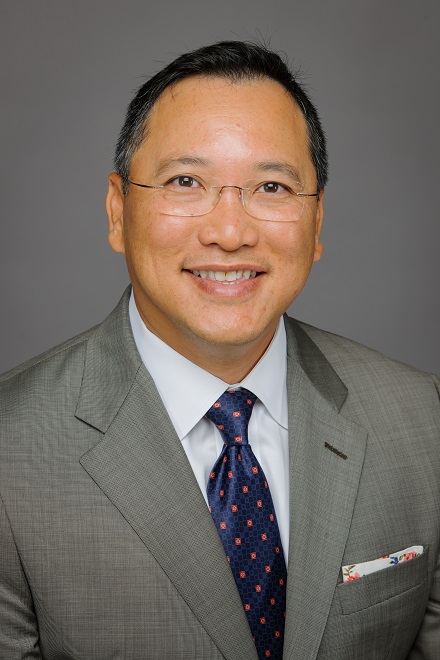
A treasury career isn’t built on technical skills alone – it’s shaped by storytelling, decision-making, and mastering complexity. In this episode, Tony (Phong) Vu, Treasurer of Broward Health, shares how these elements have defined his journey from treasury analyst to leading treasury in a complex healthcare environment.
Listen on:



Featuring

About this episode
Tony (Phong) Vu is the Treasurer of Broward Health, with extensive experience across public sector treasury roles, including higher education. From Treasury Analyst to four-time Treasurer, he has built deep expertise in managing cash, investments, and debt while navigating complex stakeholder environments.
In this episode, we explore his career journey from corporate finance to leading treasury in healthcare, highlighting the shift from specialization to broad leadership. The conversation also emphasizes the importance of strong fundamentals, along with how storytelling and data drive better decision-making.
We also examine the differences between corporate and public sector treasury, the complexity of healthcare finance, and why curiosity and decision-making are critical skills in an increasingly AI-driven environment.
What We Cover in This Episode:
- Transitioning from treasury analyst roles into senior leadership positions
- Moving from corporate treasury into public sector and healthcare
- Managing cash, investments, and debt across large, complex organizations
- Building and implementing internal banking and centralized investment structures
- Navigating stakeholder management in decentralized institutions
- The complexity of tax-exempt debt and public finance
- Differences between corporate “margin” focus and public sector “mission” focus
- Using dashboards and data to improve cash visibility and decision-making
- Simplifying treasury processes by returning to first principles
- The evolving role of treasury with technology and AI
- The importance of storytelling in explaining treasury to stakeholders
You can connect with Tony (Phong) Vu on LinkedIn.
—
🎙️ Subscribe to the Treasury Career Corner podcast – Never miss an episode! Subscribe on your favourite platform:
CLICK HERE for 🎧Spotify Podcasts
CLICK HERE for 🍏Apple Podcasts
🎓 Exclusive discount on CTP & FPAC – Visit our AFP partner page to find out how much you can save: https://treasuryrecruitment.com/partners/afp/
💡 Earn CTP credits just by listening – Selected episodes of the Treasury Career Corner are AFP-accredited. Listen, take a short quiz, score 80% or more, and we’ll send you your free certificate. Filter by CTP Eligible at https://treasuryrecruitment.com/podcasts/
🌍 EuroFinance International Treasury Management – September 16th-18th 2026, Barcelona – The world’s largest treasury event. Save 10% with our exclusive discount code: MKTG/B/TRP10. Book here: https://treasuryrecruitment.com/partners/eurofinance/
👉 FIND OUT MORE HERE https://treasuryrecruitment.com/partners/
Mike Richards, CEO, The Treasury Recruitment Company: In this week’s show, I talk to Tony Vu, or Phuong Vu as he is on LinkedIn. Tony and I talk about him being a practitioner-philosopher of the treasury arts. And what he means by treasury arts is, well, trying to unlock the black box that sometimes treasury seems to CFOs. I’ll tell you what, I’ll let him fill in some of the blanks now.
Mike Richards: Have a quick
Tony (Phong) Vu, Treasurer of Broward Health,: listen. For a really long time, all the way back to being a banking intern my undergraduate days, if you wanna count that. And I think it’s, like I said, going back to the storytelling point, the primary… I, I think there’s only one job in the world. Yeah. Right? Everyone has the same job, is my theory.
Tony (Phong) Vu: The job is problem-solving. Then you got different problems to solve, but you really, you’re hired to solve some type of problem. Your job description’s only one, make your boss look good, right, by solving job problems. You cannot solve, you can’t make your boss look good if they don’t understand what you do.
Tony (Phong) Vu: And so the philosopher part has been part and parcel of being a treasurer, because I’m, for good or for bad, constantly trying to unlock the black box that sometimes treasury is. And so there’s lots of different analogies and things that I’ve talked about. I say a lot of time, people say, “Oh, you have all the money.”
Tony (Phong) Vu: I say, “I have no money. I’m a plumber, right?” Mm-hmm. I just make sure right place, right time, just like a plumber does. They just make sure the water goes… They, plumbers don’t have water, right? They just have pipes and valves to work with. That’s what treasurers do.
Mike Richards: Welcome to this week’s Treasury Career Corner podcast, where I interview treasury professionals about their treasury careers. Each and every week, I talk to treasurers about how they built their careers, where they are now, where they see both themselves and the treasury profession going to next. Let’s get on with the show.
Mike Richards: In this week’s show, delighted to be joined by Tony Vu, the treasurer of Broward Health. Founded in 1938, Broward Health has served fla- South Florida for more than 85 years with compassion, innovation, and trusted expertise. Through their hospitals, specialty care, and community programs, they’re dedicated to improving the health and wellbeing of every patient they serve.
Mike Richards: But as always, I’m gonna go back to the beginning of Tony’s career, how he first started in finance, then treasury. We had a really great conversation the other day when we’d done a briefing for this call, so really looking forward to this episode. Tony,
Tony (Phong) Vu: over to you. So maybe I’ll start off with that, that I’m a four-time- Yeah
Tony (Phong) Vu: treasurer, all in the public sector. This is the first time in healthcare, though. So it’s, uh, almost two years here at Broward Health, and you did a great job of describing it. I think usually it always comes up, we’re a safety net hospital. And for folks unfamiliar with the American model of healthcare, a lot of insurance, a lot of payers.
Tony (Phong) Vu: And so there’s sometimes gaps in the coverage, and we cover all those gaps. So we take care of anybody and everybody that comes through our doors. Like I said, healthcare, super interesting. I did not start in healthcare, but I have been in treasury for way too long
Mike Richards: We talked about this the other day. I was fascinated by your career journey so far.
Mike Richards: So talk us… G- go back to the start of it all because I think it then people get a good v- rounded view, holistic view of you and your career so far.
Tony (Phong) Vu: Sure. I think i- in a capsule, I am a Gen X-type person. Yeah And to date myself, my first treasury job was a response to a newspaper ad. So i- if you think about how far we’ve come since then-
Mike Richards: Yeah
Tony (Phong) Vu: remember as a treasury analyst, it was a conglomerate out of Tampa, Florida. Yeah And really start cutting my teeth there. To further date myself, we u- used to call the wire room with our wire instructions- Mm-hmm … and then they’d call us back with those confirmations or just validation calls back from those wire rooms.
Tony (Phong) Vu: And really, that’s where I think where that’s, uh, where I fell in love with treasury too, the fascinating part. You, you study finance, you, you talk about money, you talk about banks and the financial services to back… But to actually see it in action and work through those mechanics, let’s say the nuts and bolts of banking and financial services, was really…
Tony (Phong) Vu: Like I said, it… You hear it time and time again from other treasury professionals, you fall in love immediately. Finance was a good training for, for the job, but it wasn’t a complete training. But I worked my way through, like I said, analyst. This was all on the corporate side. Manager. Did some, let’s say buyout or turnaround situations, and then ended up in, in grad school, and then picked up another role on the manager level in the corporate side.
Tony (Phong) Vu: But then an opportunity came up on the public sector side. Treasury jobs in the South Florida area are few and far in between. Mm-hmm. So the large public university in Miami, Florida International University, had an opening, and I was interested, but went and talked to, to the treasurer. We got along, and that was my first exposure to the public sector.
Tony (Phong) Vu: Came in as a manager, left as a treasurer which is- What,
Mike Richards: what convinced you about making that step across from corporate to the public sector? Because that’s quite… The- when I’m talking to people about it, it is quite a shift. We talked when we did our… About the Agüero brothers. They’ve done that when we were on the podcast.
Mike Richards: We’ll put a link to that. And they made that shift for the influence they could have and the giving back as well. There’s sort of a different kind of motivation. Was it similar for you?
Tony (Phong) Vu: One of the big draws was the breadth of the role. Already on the corporate side I was, let’s say, s- specializing, almost hyper-specializing on the, on, at least in the last role on the corporate side, on the debt side.
Tony (Phong) Vu: The role at the university covered cash, investments, and debt, and that’s exactly what I got to dive into. My first exposure to institutional level investing was at the university. We managed an operating pool. I think it started around 2, 250 million, probably grew it to about 350 million by the time I left, and that was about- Just under 10 years there.
Tony (Phong) Vu: Debt, the debt portfolio was I think right around 300 million, and we had a couple different bond sales at that time. But like I said, it was a great introduction into the public sector space because bond sale on the tax exempt side is a little bit different than, let’s say, renewing a credit facility on the corporate side.
Tony (Phong) Vu: I’d done both, but there’s let’s say there’s a lot more rules and regulations around tax exempt debt both before, during, and after the bond sale. So the breadth to cover all those of those different areas really within one role was a big draw. And that’s been true throughout my journey to the other three other treasurer spots after becoming treasurer at FIU.
Mike Richards: I know that one of the things that you also talked about when we, we talked in Miami, Dave, you created an internal bank that what w- but that was quite… Some of the things that you get in the corporate sector people are just used to, whereas in the public sector they’re not quite as used to that. What were the biggest challenges when you were…
Mike Richards: Who were the stakeholders, for instance? Who were, what were the challenges for you? So the biggest
Tony (Phong) Vu: challenge… Y- you’re right. So we did build out these internal, let’s say, banks. In higher ed there was a very, let’s say, concentrated group of treasury professionals, and then we talked about this a lot, and they broke out- Yeah
Tony (Phong) Vu: broke down the internal bank into two sides. There was an asset bank, and then there’s a liability bank that you can build. So you can, in theory, borrow money on, let’s say, in the institutional level and then spread those dollars, borrow dollars across, let’s say, colleges or internal units. We didn’t do that at FIU, but we did have an asset bank, and it was more consolidating or investing for the entire institution.
Tony (Phong) Vu: One model is to just allow all the colleges within the university to invest their own dollars. Yeah. It’s just not as powerful or as effective as putting all those dollars to work in the same place or model or pool, and that’s what we did. And so as you can imagine, it generated a good amount of returns, especially over three, five, 10-year period.
Tony (Phong) Vu: And one of the biggest discussions or conversations that we had was actually pretty early on in my time was how should we distribute these earnings that the pool was, was throwing off? The number of stakeholders was surprising. When you think about a university, you think about it as something that’s monolithic, but it’s not.
Tony (Phong) Vu: It is a collections of schools and colleges with their own deans, their own goals. So you talking through with all of those stakeholders, from the libraries all the way to the, let’s say, the med school, which was new when I was there, and explaining to them, number one, the value of having a centralized investment program, and then number two, a fair way to distribute these dollars across the various departments, was, like, g- as you can imagine, a pretty long conversation.
Tony (Phong) Vu: Yeah. It was actually great training ground for my next few stops and how to walk- And talk through the term you use, the stakeholders within the public space. And like I said, we all, we had to do this within the umbrella, at least in the state of Florida, it’s called the Sunshine Rules, where everything is talked about or can be available publicly.
Tony (Phong) Vu: Building that out, building that program out, structuring it, I remember we had an entire binder of laws and policies that we had to structure these distributions to. But we came to a great, I think, solution in the end that, like I said, following all the laws that we needed to follow and applied all the policies that we had already put in place, and got that big group to sit around the table, nod their heads, and really benefit everyone around the table, but also the university as a whole.
Tony (Phong) Vu: It’s, it’s… Like I said, those lessons were carried forward to every other stop I’ve been- Yeah … at, as a treasurer. Yeah. And that t- that, like you said, that internal bank discussion was probably my first experience of how to look at treasury not as just banks and transactions, and more as a holistic view.
Tony (Phong) Vu: And maybe even as a, these different analogies and metaphors I’ve built out through my career to, to try to explain treasury to non-treasury folks, in- including my CFOs. A- actually maybe mainly my CFOs, and coaching them up and walking them through why this is important and how it impacts an organization.
Mike Richards: And when you do that, what was your guiding light? Or what was the convincer for them? Was it about the safety of cash or was it about… ‘Cause obviously sometimes they get nervous. Is it about returning? We don’t want you to, you know, be trading and stuff, but they perhaps don’t understand that you’re de-risking.
Mike Richards: But what was the guiding light for you in that situation?
Tony (Phong) Vu: So I believe in core competencies. Yeah. And it wasn’t a core competency of a school or department to manage their own investments, so that was a competency on the institutional level. And taking that competency and applying it as opposed to trying to distribute this responsibility, which would’ve ended up leaving lots of dollars in bank accounts across the university, which you still see in some places.
Tony (Phong) Vu: We put all that power together. You wanna call it economies of scales, that’s another way to approach it. But really it was saying, “This is where our expertise is, and this is where we’re gonna apply it and leverage it.” And we could only do that at a certain scale, and that scale was at the university. And once again, that’s been true in all my other steps through, through my career.
Tony (Phong) Vu: Probably was great also training to understand balances versus rates and how strong the impact of rates were versus balances. They were… These were relatively large balances- Yeah … for the schools and colleges and the deans. Real driver were the rates and how do we decide things were distributed on a rate basis.
Tony (Phong) Vu: So there’s a, like I said, really great hands-on training, direct impact of- Negotiating, but also understanding really what were the leverage points in this negotiation and how important understanding where the key negotiation points were, in this case the rates versus the balances.
Mike Richards: And then you took a step, you went from sunny Florida to Colorado.
Mike Richards: A bit of a shift. Talk to us about… And you were rebuilding the team there or whatever. What, what… Talk us through the next moves.
Tony (Phong) Vu: There was a step in between. Yeah. I went from higher ed to the- Yeah … what’s called the K-12 space. Yeah. So kindergarten through high school, and it was, it was a jump in size, too.
Tony (Phong) Vu: So went from about a billion dollar… In the public sector we talk about budget, since that’s opposed to revenue. So about a billion dollar budget organization to a $5 billion budget organization. About 50,000 students to almost 400,000 students. So it was a little bit different dynamics. Completely different dynamics on the cash side, the debt side, uh, and the investment side.
Tony (Phong) Vu: So it went from talking about hundreds of millions and to, to talking about billions now. So that was a big, that was a big jump. The, the thing I learned there, I think, is that size is its own complexity. The debt, I remember it was super simple at the university. We paid every June, we paid every December.
Tony (Phong) Vu: That was it. We get to the school district, about $5 billion in debt. I swear there was a debt service payment every other week. Definitely every month. And so that was just a, like I said, it was a different dynamic just because of the size. My team also grew, so I spent a lot of time team building. This is a normal thing in folks’ career.
Tony (Phong) Vu: So really I thought it was… Number one, I thought it was fun. But number two, I think I left the team in a much better shape than when I came in. Both, it was workload based assignments, and so you’d have someone doing part of the cash over here, another team member doing another part of the cash process.
Tony (Phong) Vu: And realigning all that to having either a team or a person handle one particular function. Let’s say going from a workload basis to a function, a functional basis for the team, I think helped everyone in the end. We found their strengths, we gave them career paths that make a lot more sense. And really, I think actually reduced the workload in the end.
Tony (Phong) Vu: And my biggest takeaway or if I say accomplishment there was- Yeah … was my assistant treasurer, who had been there for a very long time. Probably could have become the treasurer before I stepped in. I remember having conversations about this. She just didn’t feel comfortable there yet. And so if I spent all my time there just coaching her up and saying she can do this and providing that comfort for her and confidence to take over the job when I left, which she did, I, I feel like I, I accomplished something there.
Tony (Phong) Vu: But you’re right. Traded Florida sun for Colorado sun, which a little known fact, there’s more sunny days in Colorado than there are in Florida. And a lot more snow. And I … But same thing, I went to a similar size organization, but back into, to higher ed and then, so the university system out there. Ran that for a couple years.
Tony (Phong) Vu: Same sort of thing. Tried to mostly working on the team and the strengths and weaknesses there and then putting people in the right place at the right time. Had an opportunity to do some consulting. Uh, did that for a little bit, but then Broward Health called. Still remember that Friday afternoon. Had been trying to get into healthcare for a little bit.
Tony (Phong) Vu: Uh, like I said, I always had an interest in it. It was adjacent to, or w- well, def- it was definitely within the public sector space, but it was very adjacent to what I’d done. Like bankers and how they set up their, their teams and I should say their organizations. A lot of time you hear them lumped together, higher ed, government, and healthcare, which I never really understood until I got here.
Tony (Phong) Vu: Mm-hmm. And so I completely understand why healthcare is-
Mike Richards: That sort of… Why would you say that? You got similar cycles or what is it?
Tony (Phong) Vu: So I think the big thing actually is the debt side, right? So the public finance or, or the tax exempt debt side. That is such a… Treasury is specialized in and of itself. That municipal debt or tax exempt debt is a further specialization.
Tony (Phong) Vu: To use healthcare terms, I, I wasn’t… You can become a pediatrician. To understand tax exempt debt, you have to become a pediatric oncologist, right? It’s a whole nother level of specialization- Right … to navigate and, and to be able to manage tax exempt portfolios. A lot of rules and regulations. You need a big network or constellation of partners in order to even think about selling some bonds in the market.
Tony (Phong) Vu: So it’s, like I said, it, it’s not, I’m not surprised at all that all those things get put together. Now, healthcare is a completely different creature on the, let’s say the accounts receivable side versus, versus higher ed and K-12. The dynamics of having… Y- I can’t even get a straight number. Two, three, 5,000 different payers in theory that you could interact with.
Tony (Phong) Vu: You don’t interact with all of them, but there, there exists that many insurers out there. Creates a dynamic and once again, another complication that, that takes a lot of… I’m still working through that two years in. One of the- And has that been the steep-
Mike Richards: has that been the steepest learning curve, you say?
Mike Richards: The sort of, that sort of specialism set of knowledge within treasury there, and then now you’re really- A- absolutely. Right.
Tony (Phong) Vu: And like I said, almost everything else is str- pretty straightforward, right? On the payment side- Yeah … that looks very familiar. Yeah. Biggest cost, payroll, AP, all pretty straightforward.
Tony (Phong) Vu: But on that collection side, it is a very different animal. And I think probably the best lesson that I learned earlier that sort of got applied here was there are just some things that are not solvable. They just are the way they are. And in this case, there are just some payers that don’t wanna pay by any method other than check, let’s say.
Tony (Phong) Vu: There’s nothing you can do about it. That’s just how they like to do it, and that’s just the size of their business. Now, we can do things to try to motivate them and/or set up ways to, to minimize that impact- So the big change from the other organizations to here, I got into healthcare, but I’m now, I am now the entire team of treasury.
Tony (Phong) Vu: But the responsibilities actually haven’t shrunk very much. Still got big cash, big investments, and big debt side. But I think part of our conversation previously was just talking about the impact of AI. This has been a great opportunity to get back to basics. I am in the weeds with almost everything that I’m having to do now, including selecting and implementing not quite a full treasury management system, but let’s just call it that.
Tony (Phong) Vu: And these terms that throw around first principles and other things. But really what I’m trying to figure out is what do I know I know for sure? What is… I know 100% that this is an ACH that came in, right? Now, where or who it came in from is the next step. But, but I think in other stops, we’ve always been more concerned about where should this have been booked or classified to from a GL or an accounting perspective.
Tony (Phong) Vu: And like I said, I’m trying to strip that down to even more basic levels. And then from there, try to r- rebuild things back up. Which I think I need to do. I think maybe all of us need to do, given sort of the new AI dynamic.
Mike Richards: You said earlier, w- again, I’m going back to some of my earlier notes there. Sure.
Mike Richards: Earlier in your career you had dashboards, cash visibility. Sure. And you’ve just talked about it there when an ACH comes in and everything else. But actually where you take that from the nuts and bolts to then having data and then influencing people forward, how do you do that? Again, maybe AI is helping you tell that story, or what are you starting to see?
Tony (Phong) Vu: I think storytelling is, is how it’s always been part of the job. Yeah. And having not sat in other sort of areas and roles in finance, I can’t speak to them. But I know for treasury’s side, you need to be a good storyteller. Yeah. Because not only are you trying to tell a story, you’re trying to explain really what you’re doing.
Tony (Phong) Vu: And so dashboards help, and definitely have built out dashboards in each of the stops I’ve been in. Some places better than others because of the data availability. The… Probably the most detailed dashboard I’ve built was in that job at, at FIU, my first stop in the public sector. Like I said, it was truly focused on what buckets did this come in from and what buckets did it go out to.
Tony (Phong) Vu: Which is helpful in the storytelling, and gave me a good basis really to move forward. I’d built dashboards in the prior jobs in the corporate side, too, which sort of led to where I’m at. Yeah. So with the teams in the next two stops, you take what you get and maybe tweak some things here and there from a reporting and a dashboard standpoint.
Tony (Phong) Vu: Here, like I said, I’ve just taken a little bit different approach. I started- With that approach, okay, what… This money came in, what bucket should it fall under? This money went out. Little, little bit less of an issue, right? ‘Cause typically it’s just payroll and AP, but money coming in, you can have all sorts of different ways you can classify and think about them.
Tony (Phong) Vu: And a lot of it, here especially, was guesswork, for two reasons. I was new to healthcare, so I didn’t really understand how the monies were coming in or what was important. Was it important to see it by, by insurer or payer? Was it important to see it by, we have four hospitals and 200 different providers and what’s called NPIs.
Tony (Phong) Vu: Was that important to see it in, on that level? And all those things were, I would say, stripped away as I was going through this process of what do I know I know? And I’ll be honest with you, I did not know the buckets that they should go into. I did know this came in by an ACH. I did know this was paid by a check.
Tony (Phong) Vu: And getting back to the basics and getting back to the original point was of how do I tell this story, was a part of, so let’s say the first two years in this journey I’ve been on. Been very fortunate. I’ve been working with the TMS, and they’ve, have been super great partners in helping me build this out.
Tony (Phong) Vu: One of those things, like I said, with build out, I know exactly how many ACHs come in and the dollar amount tied to those ACHs every single… I could do it by day, but I do it by month, and that helps me tell a story to my boss, and I can explain, “Listen, ACHs are great. We get… ” I was just putting the report together.
Tony (Phong) Vu: We get $142 million in 14,000 ACHs last month. That’s good. We also got $140,000 through 1,000 different deposits and checks, maybe a little bit of cash thrown in there too. That’s bad, right? And I can point to these things now as opposed to trying to say, “Oh, Hospital X deposited $1,000 here in cash,” but it gets buried in there.
Tony (Phong) Vu: So I get to focus in these, let’s say these areas that we can improve upon and tell a much better story. And n- like I say, it’s now backed by data and I- You have a proper
Mike Richards: dashboard and you can see the good, the bad, the not s- the ugly, if you like, and you, “Right, how do we resolve this?”
Tony (Phong) Vu: Like I said, every single way…
Tony (Phong) Vu: It’s not… I would… It’s less of a dashboard basis now because I don’t know if a monthly report is a dashboard, but it’s definitely something that we look at, let’s say a standardized basis now. Yeah. And I can point to the differences between the month and where we should improve, where we have improved.
Tony (Phong) Vu: And so that’s been really a great part of this job, getting back to the basics at this point in my career, getting to apply all the lessons that I’ve learned up until this point in treasury. Although I joke, as it seems like a lot, right? It’s four, four stops as treasurers and a lot of maybe a lot for folks, but it, it really in the end I only see it as four data points that I have.
Tony (Phong) Vu: Yeah. Which is not very many, but it’s enough to, I think, make some good moves and make good decisions. Like every job, you start off, the term people use, you’re drinking from a fire hose, right? And, and I was at the time. But, and if it were my first stop as treasurer, it probably wouldn’t tough. But being the fourth stop, I knew exactly where to put the water- Yeah
Tony (Phong) Vu: is probably the best way to put it. So they could have turned that, that volume up as, as high as they wanted. The, the value that, that all the other stops as treasurer brought was I was very easily said, “Okay, that goes there. And we can go look at it later or prioritize this, prioritize
Mike Richards: that.” What you need to do.
Mike Richards: And when people do see your LinkedIn profile, and this is one of the things that made me reach out to you originally. It says your name and then it says Practitioner Philosopher of the Treasury Arts, specializing in public. Just what does that mean? I know it’s you and I talk about it’s slightly tongue in cheek, but it’s not.
Mike Richards: What does that actually mean in practice? Yeah. So I’ve been doing
Tony (Phong) Vu: this for a really long time, all the way back to being a banking intern my undergraduate days, if you wanna count that. And I think it’s, like I said, going back to the storytelling point, the primary… I, I think there’s only one job in the world, right?
Tony (Phong) Vu: Everyone has the same job, is my theory. The job is problem-solving. Then you got different problems to solve, but you really, you’re hired to solve some type of problem. Your job description’s only one: make your boss look good, right, by solving jo- problems. You cannot solve, you can’t make your boss look good if they don’t understand what you do.
Tony (Phong) Vu: And so the philosopher part has been part and parcel of being a treasurer because I’m, for good or for bad, constantly trying to unblock the black box that sometimes treasury is. And so there’s lots of different analogies and things that I’ve talked about. I say a lot of times, people say, “Oh, you have all the money.”
Tony (Phong) Vu: I say, “I have no money. I’m a plumber,” right? Mm-hmm. I just make sure- It goes to the right place … the money goes right place, right time, just like a plumber does. They just make sure the water goes… They, plumbers don’t have water, right? They just have pipes and valves to work with. That’s what treasurers do.
Mike Richards: And would you say that’s your definition of success? That we’re, you know, now that you’ve become that plumber of the cash and the- Sure … liquidity and everything else, you, to use the plumber thing, but you’re getting the liquid in, the liquid cash in the right place.
Tony (Phong) Vu: Make sure it’s safe, and then in the right place at the right time.
Tony (Phong) Vu: And then if you’re fortunate enough, to grow it with a strong and safe investment program. And then on the debt side, you just borrow it or create other reservoirs or tap into other reservoirs as needed is how that analogy goes. You say how do I define success? I define success when I hear people repeating back what I say in other settings.
Tony (Phong) Vu: Right. And especially CFO, my boss, is repeating that to a board or some other… If, yeah, it’s typically a board on a public sector basis. But yeah, if I’ve communicated and told the story well enough, and if they use the same analogies, I feel like I’ve done my job. They understand what I’ve done. Yeah. I think the other running joke I usually have is- Especially about treasuries.
Tony (Phong) Vu: Black boxes is mean. Folks say, “You do a great job.” And I think in my head is, do you know what I do? I know they’re just trying to being nice, right? And if you don’t understand what I do, how do you know if I’ve done a good job or not? And that’s on me, actually. If they don’t understand what I do, I haven’t done a good job of explaining what treasurers do.
Tony (Phong) Vu: And so I always take that back. I, I am appreciative of it, but I also try to poke and prod sometimes and say, “What do you understand about treasury? How can I explain this more?” And like I said, maybe come up, philosophize about other ways of explaining it. So, so the reason why I picked philosopher is philosophy is about asking questions, and you cannot explain or come up these, with these analogies or answers without asking the question first.
Tony (Phong) Vu: And I think sometimes we lose that and forget that’s something important in the roles and in the seats that we have.
Mike Richards: And you and I talked before, and you weren’t sure you were gonna be interesting. You’ve been thoroughly interesting and everything else, but one of the key things you and I talked about was how the mission changes a little bit, maybe the decision-making in treasury between corporate side to the, to working in the public sector, both within education and healthcare.
Mike Richards: How do you find that mission does change? Does it change the decision-making or just the route to it? Or… ‘Cause again, I’ll ask you a follow-up question to this, but I’ll only ask one question. I’m getting better at it. But yeah. Sure.
Tony (Phong) Vu: How would you say? And you’ve said it, and I, and I’ve stolen this actually from, from someone else.
Tony (Phong) Vu: It’s the mission and the margin. And on the corporate side, goal clarity is one of the great advantages. You make money. Yeah. You make profit. You make margin, right? However you wanna frame it or describe it, it’s actually very clear. And picking between projects is very simple, right? Does this project make money?
Tony (Phong) Vu: Yes. Or does this project make money more than that project? And you can pick very easily between the two, between products, projects, whatever you wanna, wanna pick. So that’s the margin side. Mission is a little bit different, and really it’s mission and margin, right? ‘Cause we cannot exist and continue to exist if we don’t at least make our margin, let’s say 0.1%.
Tony (Phong) Vu: We do a little bit better than that because of the safety net situation, but in all the stops, you have to make a little bit of margin. But the mission then comes really, you wanna say it’s the, that is the primary goal that you’re looking at. Now, that being said, that goal clarity gets a little bit more muddy.
Tony (Phong) Vu: With a hospital system or healthcare system, it is pretty straightforward, right? Let’s improve the healthcare outcomes of our community. Yeah. Now, it sounds really good, but there’s many ways you can tackle that, right? And, and one of the sort of not direct ways was let’s reduce the number of people going into our ERs.
Tony (Phong) Vu: We do not want folks to come to our ERs for their primary care. We want to set up systems and offices and really just- access points for folks to come in and get their primary care and really prevent that emergency room- That’s such a- … visit as their primary source of healthcare. On the education side, especially on the, the K-12 side, you think, oh, we’re just educating students, and that’s very, that’s a very clear goal.
Tony (Phong) Vu: It wasn’t that easy. We, I always said, “Yes, we educate 350,000, 400,000 students,” however many it was. But first we have to transport a good chunk of them to school. Yeah. That’s why you see those yellow buses running around all over the place. Gotta feed all of them, uh, basically, ’cause you gotta… You can’t educate a kid that isn’t there.
Tony (Phong) Vu: Yeah. You cannot learn if you’re hungry. And little bit, the, the goal clarity is, is improve the education outcomes for the students. But how you get that done takes a lot more than just pouring money into it, for example, or just building another plant to, to make more widgets. It isn’t for everyone. No, I’ll tell you
Mike Richards: that.
Mike Richards: Who is it? What type of treasury professional will thrive in healthcare specifically? Healthcare or public sector? Either. You, you tell me.
Tony (Phong) Vu: I come from the academic side, and so there’s actually this term called public service motivation. I, I think we all have it in us to some degree or another. I think we wanna work for an organization, a firm that has some sort of mission, and that’s why all firms and everyone has vision and mission statements.
Tony (Phong) Vu: Like I said, for the public sector though, it’s typically very out front, right? Yeah. If you like solving complex problems, definitely come to the public sector. If you like treasury, I think the original draw, like I said, is getting this breadth of experience that I wouldn’t have gotten anywhere else. If I would’ve continued along the corporate path, I’m pretty sure how it would’ve worked.
Tony (Phong) Vu: I would’ve, like I said, stayed in, in, let’s say, debt management, maybe make a lateral move to some other part of Treasury, let’s say FX or some other- Mm … area. Get into an AT role and then have two or three of those areas report into me at some point in time, and then finally get up to that, that treasurer role.
Tony (Phong) Vu: Yeah. All of that was dumped on me immediately. A- actually- … it, it was my boss that hired me was the treasurer of the university. He was almost immediately put over to the comptroller’s office, and he was interim comptroller for, I, I wanna say a good year. Guess who was running treasury for the university?
Tony (Phong) Vu: Me, with every stop-ins every now and then, checking on him- Yeah … with him. And that was just great experience and exposure for someone that wasn’t super young, but someone that early in his career. Great place to be. You work with really great people, like I said, in, that have even stronger, let’s say, mission, public service motivation.
Tony (Phong) Vu: Yeah. And that’s really motivating in and of itself. Brilliant people that could be… I- it, it’s not always about money, but they could all be making tons more money anywhere else in the private sector, and then looking up- Looking out at the front lines, come on, the doctors and nurses and all the other professionals that really deal with and handle and take care of our, our patients and our population and our community here, they’re, they provide more than enough motivation.
Tony (Phong) Vu: I couldn’t do it, I’ll tell you that right now. And that’s, that, that’s… and that’s like the front, front line, the folks that intake the, the patients. Everyone, they’re all dealing and are faces of Broward Health to our community, and they do a wonderful job, which inspires me to do as good a job as I can possibly do here.
Mike Richards: I was gonna ask a question, but I think you’ve actually in some ways answered it. Firstly, you’ve talked about if you’d gone into the sort of corporate sector and things. I was gonna ask, if you were restarting your career, knowing everything you do now, what would you do differently? But you’ve actually answered that.
Mike Richards: But you said, “If I did corporate, I would do this.” Yeah. But then you talked about strongly about the mission statement. So rather than ask that, I was gonna say, if someone’s listening and they’re perhaps earlier in their treasury career, what should they focus on that maybe sometimes they overlook a little bit or they don’t really focus enough on that you think, “Guys, you should be deep diving on this”?
Mike Richards: We’ve talked about technology maybe. That’s obviously a real big shift of recent years. Is that the key area? What other things do you think they should do? That’s a tough question. I think
Tony (Phong) Vu: about this a lot, actually. Yeah. It boils down to what would you advice would you give your younger self sometimes.
Tony (Phong) Vu: Yeah. I think the question comes up. A- and actually it involves technology now. Maybe this will change in five years like anything else. But I think the advice is, it’s almost twofold, although one of them is getting less important to me. The, and the first one is just, it’s a combination of be curious and ask good questions.
Tony (Phong) Vu: May- maybe I’m a little bit jerky. I do think there are bad or stupid questions that you can ask these days, especially with Google, especially with AI, right? You can get some of these answers. But learn or practice. I should say practice. It’s just like everything else. It takes practice asking good questions, and you cannot ask good questions unless you are curious, and you cannot be curious if you don’t put some sort of effort into it, right?
Tony (Phong) Vu: Sometimes you’re lucky. You ask a good question or just fall into the right spot and this, that, and the other. But sometimes you just need to show that you care, right? One of the things we talk about all the time, I think, is ownership. And there’s great books out there, Extreme Ownership, these things like that.
Tony (Phong) Vu: But really, this ownership I think is built on that curiosity. Yeah. So I did tease it in there. What does that have to do with technologies? If you cannot ask good questions, we call it prompts now and this and the other, I think you’re gonna be in a bad place- You’re gonna struggle … going forward. Yeah. So ask, learn, practice to ask good questions.
Tony (Phong) Vu: The other side of that, which like I said, it’s… I’m still thinking about this more, is practice making decisions. You get into positions or get into places- Well, you have to make decisions. Mm. It, I believe, is a skill like any other. I- if you don’t make decisions, you leave it all for other people, push it off to other areas, you won’t get good at it.
Tony (Phong) Vu: So learn to make decisions. Practice making decisions. When you’re thinking, “Well, ah, I can’t do it.” N- no, there’s always things that you can take on yourself and make a decision. I’m a very heavy believer in asking for forgiveness versus permission. Yeah. Um, I’ve rarely got into trouble for these things, and it really was good experience in building the decision-making muscles- Yeah
Tony (Phong) Vu: in, in me. So ask good questions, make decisions.
Mike Richards: We’re gonna put your LinkedIn details in the show notes- Sure … so people who want to connect to you and everything else. As we do each and every week, and you’ve heard the podcast before, what are the final takeaways to maybe if you were earlier on in your career, or to someone you meet at one of the conferences, what takeaways to wrap up today’s show would you give them?
Tony (Phong) Vu: It’s good to live in exciting times, and we certainly are living in super exciting times in so many different fronts. And then specific to treasury too, I remember, like I said, going all the way back to the wire room days and how then, how slow then the banks were to adopt, I think, web-based applications for ours.
Tony (Phong) Vu: There’s… And then they tied them to, to their own systems. But like I said, they were slow to adopt that. I do not see that in this current environment, whether it’s cloud computing, which is, it’s not quite past us, but that was adopted very quickly. AI, lots of chatter about AI. Lots of things to think about there still.
Tony (Phong) Vu: But the adoption rate is just accelerating, right? So this entire technology advancement is accelerating. The takeaway I would have is going back to the advice I give my younger self. With this pace of change that’s in front of us, if you’re not curious, if you don’t make decisions, you’re just gonna get first one step behind, then…
Tony (Phong) Vu: It used to be you’d be one step behind, maybe two steps behind. You can maybe catch up. Now you’re gonna be five steps behind before you even pick your head up and look what’s around you. Can you catch up again? Yeah. You’re smart, work hard, you will. The question is, do you wanna do that and be constantly in, in that mode?
Tony (Phong) Vu: I do not think that is the mode that’s gonna work the best going forward. You, you really have to be proactive in this new interesting- New age … age that we live in.
Mike Richards: Tony, thank you very much, sir. Looking forward to seeing you very soon, and appreciate your time today. Thank you very much. It, it’s been a pleasure.
Mike Richards: Thank you. Thank you, sir. Before we head off, one quick thing. We just released our latest treasury salary survey. Most people take part for one reason. They wanna find out if they’re underpaid. Fair enough. That’s what it’s there for. Now with over 1,700 treasury professionals already in the data set spanning right the way across the UK, the US, and Europe, we can give you a pretty accurate.
Mike Richards: But here’s the bit most people don’t expect. It’s not just about the salary because when you dig into the data, as we do each and every time in our survey, the number one reason people are unhappy in their roles isn’t pay. It’s lack of progression, not bonus, not benefits, progression in their actual roles.
Mike Richards: That tells you a lot about where the market really is right now. So if you’re listening to this and thinking, am I being paid fairly? What does someone like me earn in the market? What are the averages? What are the ranges? And actually, what’s next for me? You can head to treasurysalary.com or go to the Treasury Recruitment website, look for the salary survey, take part.
Mike Richards: Three minutes later maximum. If you’ve done it before, it only takes 30 seconds. But you can benchmark your salary, get a clearer picture of where you stand. The more people who take part, the stronger the data becomes for everyone in the treasury profession. So fill it in, share it with your team as well.
Mike Richards: Thanks again for listening. I’ll speak to you next week.
- Treasury is fundamentally about problem-solving and ensuring cash is in the right place at the right time
- Breadth of experience (cash, investments, debt) accelerates career growth in treasury
- Public sector roles offer greater exposure and complexity, especially in stakeholder management
- Storytelling is a critical skill – leaders must clearly explain treasury’s value
- Data and dashboards enable better decision-making and clearer communication
- Not all problems are solvable – focus on managing constraints effectively
- Curiosity and asking good questions are essential for long-term success
- Developing the ability to make decisions confidently is a key differentiator
- Technology and AI are accelerating change – staying proactive is critical
- Success is when others can understand and repeat your treasury narrative clearly
🎧 Earn CTP & FPAC Credits by Listening to the Podcast
Whether you’re at the gym, on your commute, or walking the dog – you can now make your podcast time count toward your professional development.
We’re thrilled to share that Treasury Career Corner podcast episodes now qualify for CTP and FPAC recertification credits through the AFP’s Independent Study category.
How It Works:
- Listen to a Treasury Career Corner podcast episode
- Complete the short multiple-choice quiz
- Score 80%+ to pass
- Submit your credits to AFP as part of your recertification record
➡️ Credits earned per episode length:
- 30 mins = 0.6 credits
- 45 mins = 0.9 credits
- 60 mins = 1.2 credits
No filler. Just real treasury conversations covering leadership, strategy, risk, technology, and team building.
🧠 Quick Facts:
- 📝 Quizzes contain 6–10 multiple-choice questions
- 🎯 You need 80%+ to pass
- ✍️ Quiz submissions are reviewed manually
- 📋 We must then VERIFY you are a CTP treasury professional to help prevent automated or non-genuine submissions
- ✅ Once verified, we mark your quiz and send CTP credit confirmations every Friday
- 📨 If you need results sooner? Then email mike@treasuryrecruitment.com and we’ll try to prioritise the marking of your latest quiz
NOTE: In line with AFP compliance requirements, no more than two quizzes may be completed per day.
