
Why Treasury Leadership Is About More Than Technical Knowledge | Treasury Careers Podcast
What does it really take to step into a Group Treasurer role?
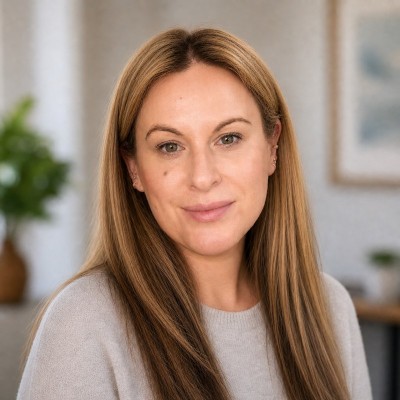
In this episode, Kate Randall, Group Treasurer at Balfour Beatty plc shares why treasury leadership is about far more than technical knowledge, covering confidence, decision-making, stakeholder management, bank relationships, AI and the importance of staying curious throughout your career.
Listen on:



Featuring

About this episode
Kate Randall is Group Treasurer at Balfour Beatty plc, a leading international infrastructure group operating across the UK, US and Hong Kong.
On this episode Kate shares how she found her way into treasury after an early career in finance, and how curiosity, resilience and strong mentors helped shape her progression.
She also discusses her move into the Group Treasurer role at Balfour Beatty, the leadership shift that comes with stepping up, and why treasury professionals need to build confidence, relationships and commercial judgement alongside technical skills.
This episode is a great reminder that treasury careers are rarely perfectly planned. Kate’s story shows how asking questions, taking opportunities before you feel fully ready, and learning to back yourself can shape a successful treasury leadership career.
What We Cover in This Episode:
- Kate’s move from finance into treasury
- Early career setbacks and rebuilding confidence
- The role of curiosity in discovering and growing within treasury
- Learning through the financial crisis and wider project roles
- The value of mentoring, sponsorship and strong role models
- Stepping up from Deputy Group Treasurer to Group Treasurer
- Why treasury leadership relies on influence, judgement and relationships
- AI, TMS implementation and the importance of cash forecasting at Balfour Beatty
You can connect with Kate Randall on LinkedIn.
—
🎙️ Subscribe to the Treasury Career Corner podcast – Never miss an episode! Subscribe on your favourite platform:
CLICK HERE for 🎧Spotify Podcasts
CLICK HERE for 🍏Apple Podcasts
🎓 Exclusive discount on CTP & FPAC – Visit our AFP partner page to find out how much you can save: https://treasuryrecruitment.com/partners/afp/
💡 Earn CTP credits just by listening – Selected episodes of the Treasury Career Corner are AFP-accredited. Listen, take a short quiz, score 80% or more, and we’ll send you your free certificate. Filter by CTP Eligible at https://treasuryrecruitment.com/podcasts/
🌍 EuroFinance International Treasury Management – September 16th-18th 2026, Barcelona – The world’s largest treasury event. Save 10% with our exclusive discount code: MKTG/B/TRP10. Book here: https://treasuryrecruitment.com/partners/eurofinance/
👉 FIND OUT MORE HERE https://treasuryrecruitment.com/partners/
Mike Richards, CEO, The Treasury Recruitment Company: In this week’s show, I’m joined by Kate Randall, Group Treasurer at Balfour Beatty. She’s brilliant. She talks about how it’s a mindset shift when you become the number one job as a treasurer, how you have to work collaboratively all the way through, and all the different learnings she’s had throughout her career in it moving into this role. Well, I tell you what, have a listen to some clips, and then let’s get on with the show.
Kate Randall, Group Treasurer at Balfour Beatty plc: I think it was a, a real mindset shift. And what I hadn’t appreciated is that once you get in the seat, no one asks you a technical treasury question. You know, they, they as- that’s assumed knowledge. It’s much more about influencing and stakeholder management and i- things like that.
Kate Randall: It’s not technical treasury at all. So it’s a very… It feels very different to how I thought it would feel, if that makes sense At the end of the day, we are all problem solvers is what, is what I’d say. You know, that’s the job, is solving the problems as they come, but also foreseeing the problems that are gonna come, and solve them before they come and bite you.
Kate Randall: How do I do it? I d- I don’t know. I think I, I, you know, I like to work collaboratively, so I kind of get people involved. I, I get the team involved. I explain what the problem is and we’ll brainstorm. But I also call our friendly banks, you know? I, I cannot underestimate the power of a good network. And especially as I’ve moved into this stage of my career, the support from our banking group has been phenomenal.
Kate Randall: And so if I’m ever unsure of anything or just need to kind of get something out of my head and speak to someone and kind of talk through a few ideas, I’ll call them or I’ll go and meet them for a coffee. And I think that helps you… Sometimes saying it out loud helps you form that opinion or form that solution.
Kate Randall: And so then you can go into talking to your CFO or whoever it is with a, you know, “I’ve considered these views, I’ve spoken to these people.” And it shows that you’re not just in your silo. Be nosy. I– do you know what? I think that as a treasury professional, no matter what level you are, you have the, you have the golden ticket.
Kate Randall: You’re allowed to be nosy. You’re allowed to ask questions and be curious. And I think we sometimes underestimate the list part of the treasury analyst. So I think, you know, that is– that takes curiosity, and I think never give that up. You know, even as you move up the ranks, keep asking the questions. What, why?
Kate Randall: What’s causing that? And I think, I think you’ve got to be brave, and I kind of wish that I was a bit braver when I was… I think I waited, as I think some of us have the inclination to do, to wait for all the stars to align before I, before I apply for this job. Yeah. Or I wait till I can tick every single thing off on the job description, and then, oh, maybe I’ll have a chance.
Kate Randall: It doesn’t work like that. I think- Yeah … confidence can come after you’ve taken that opportunity. And it– and that’s how I found it with me. I’ve grown in confidence since I got the job. So I think you’ve got to be brave, be bold, be confident, and, and keep being curious no matter what stage of the, your career you’re at.
Mike Richards: Welcome to this week’s Treasury Career Corner podcast, where I interview treasury professionals about their treasury careers. Each and every week, I talk to treasurers about how they built their careers, where they are now, where they see both themselves and the treasury profession going to next. Let’s get on with the show.
Mike Richards: In this week’s show, delighted to be joined by Kate Randall, Group Treasurer at Balfour Beatty. Balfour Beatty is a leading international infrastructure group trusted by their customers to, to deliver sustainable solutions and strengthen communities they finance, develop, build, maintain, and operate the increasingly complex and critical infrastructure that supports national economies and deliver projects at the heart of local communities.
Mike Richards: Collaborating with governments, their customers and partners deliver powerful new solutions, shape thinking, create skylines, you’ll see it in the world, and inspire a new generation of talent to be the changemakers of tomorrow. Now, obviously, that’s a corporate statement. We’re gonna get Kate later on in the show to explain exactly who Balfour Beatty are.
Mike Richards: But- Finally, I’ve got Kate. I’ve, I’ve persuaded her to be on the show. She was like, “Oh, Mike, okay, I’ll do it. I’ll do it.” So she’s gonna give us a great sh- But we’ll go back to the beginning, how you first started in your career, and bring it up to date, and then we’ll get a bit more into Balfour so you can give us the…
Kate Randall: what Balfour really is rather than the corporate statement and stuff. Okay, over to you. The microphone’s yours. T- take us back. Yeah. Thanks, Mike. Pleasure. And yeah, brilliant to be here. Thank you- Yeah … for finally persuading me to join. Ah, great. So I, I guess I’m like many treasurers in that it wasn’t overly planned to get into corporate treasury.
Kate Randall: So, you know, you go to university or you don’t, and you fall into finance, and then you discover there’s a, there’s a department called treasury, and actually what they do seems to be much more interesting than what we do. So I, I have a geography degree, which I, I don’t know why. I felt like it interested me, something I was good at, and so that’s what I did as my degree.
Kate Randall: Panicked at the end of three years thinking, “How am I gonna find a job? Don’t wanna be a teacher. Don’t wanna study volcanoes.” Yeah. I felt that I hadn’t finished my learning journey, so finance was something I decided I could do some more exams. I don’t know why exams were so important at that time, but I felt like I probably needed to do a few more to become a proper grownup.
Kate Randall: And so I started in a very small four-partner accountancy firm in deepest, darkest Croydon. And, and it, it didn’t go well, to be honest. It was a, a bit of a false start. I was terrible. I c- I- … really couldn’t pass these ACA exams. I hated being an auditor. It was miserable. And so I- we put a stop to it, really- Yeah
Kate Randall: a year or 18 months in, and I switched to industry. So I- Did you- … conversely- I was gonna say, but just jump in, but you, you liked finance though. You, you- Loved- … actually loved finance- Hated- … but then, but the actual accounting and, you know, that kind of stuff wasn’t. But you thought, “Hang on. Finance is still for you.”
Kate Randall: How, how did you decide that? ‘Cause again, if someone’s younger, they’re listening and they’re in similar position, you know, we get junior guys, what, you just knew that you, you were good at maths and finance and that worked or? I was terrible at maths. Don’t tell anyone. Oh. I needed a tutor- Oh. Shh … to get me through my GCSEs.
Kate Randall: Yeah. Yeah. Don’t tell anyone. Uh, uh, and in all honesty, that failing my first ACA exam made me question everything. I- in all honesty it made me question, “Am I right for this?” And whilst I loved the kind of big business concepts, the how do you… how do companies work, how do economies work? I loved those big questions.
Kate Randall: What I struggled with was- Being an auditor, doing all of that, being on the road quite a lot, and then having time to study for my exams, and coming from a geography background, I had no… I’d not done an, an accountancy module at university or anything like that. And so it, it really shook my confidence and really made me think, “I’m not sure this is for me.”
Kate Randall: And actually, I’ll never forget one of the partners of the firm said, “I think you might have a career in HR.” Okay. And, and actually, I wondered if I might. Yes. And and you know, I spoke to lots of people, thought, “No, I’m gonna try again,” but in the right environment. And I joined GMAC RFC, and I, I’m forever grateful to, to them for taking a chance on me with a couple of failed exam- and a couple of passes- Yeah
Kate Randall: under my belt, and having to pivot away from practice, converting my part qualified ACA into ACCA was brave, I guess- Yeah … of them to take me on. And so for our international guys, they might not understand the accounting qualifications. Y- so they were converting that for you to become an accountant at RFC.
Kate Randall: Can you explain, number one, imagine you’re a US person, just saying about the accountancy bit, and then who are GMAC RFC? Yeah. ACA tends to be the type of accounting qualification you do when you’re, when you’re in practice. Yeah. And auditing. A- and CIMA’s the third one, is more, I’d say, what you do if you’re, you’re brought up through an industry route.
Kate Randall: So it tends to be more focused on business partnering in a financial sense, rather than necessarily a deep audit knowledge or tax knowledge. So it, it’s, it’s like having a, a heart surgeon and a brain surgeon, you know? They’re still incredibly qualified and valuable in their professions- Yeah … but they’re, they’re coming at it from a slightly different group.
Kate Randall: Yeah. They’re pra- and it’s practical accounting within a business, and management accounting. Yeah. Yeah. Yeah. Yeah. Absolutely. And GMAC RFC, so it was the mortgage arm of General Motors- Right … which hopefully our American friends will I think they will, yeah … know well. And yeah, they They were lending mortgages, but to…
Kate Randall: It wasn’t really a high street lending. It was a much more specialist boutique kind of mortgage setup where we would lend to people buy to let, or maybe they’d had some financial problems before. We would do quite racy 105% mortgages back in the day, and this was back, you know, this was pre-financial crisis, which is the key.
Kate Randall: Yeah. And we would do… We’d fund the, or finance the lending through whole loan securitizations and sort of wholesale bundling up of the mortgages and selling them on. Yeah. So I was an accountant in that organization, pretty junior, still getting through my ACCA exams, and I then discovered treasury. So I, I then…
Kate Randall: I was a- an accountant for the sort of special purpose vehicles that these mortgages were kept in, and, and I worked quite closely with the treasury team. And I was curious, and I suppose that’s a, a theme that’s gonna come through all of this, is just being curious and, and asking questions. And- And I did, and I asked if there was a vacancy.
Kate Randall: And, and in time there was. And so it sounds a bit old-fashioned now, but it was a treasury settlements officer that I went for and thankfully got. And I think I still probably had a, a few exams to go with my ACCA, but they took me on, trained me up, and there was sort of no, no looking back. I’d got the bug.
Mike Richards: Yeah. And then, and treasury there you sort of, you grew a couple of roles and then you moved on from GMAC. Ju- just talk us through that, ’cause obviously, you know, there was development from there. So that was your first intro to treasury, but then you went on and you joined Expro and stuff like that. Mm. So yeah, talk us- Yeah, I did various roles at, at GMAC RC.
Kate Randall: Yeah. And, y- you know, I was there through the financial crisis, so the, the scrutiny on the treasury department was huge. We were growing at a time where the rest of the company was sadly shrinking. And so we were really trying to stabilize the company, managing our way through what was left on the books.
Kate Randall: It was… You know, out of, out of that kind of crisis you, you get growth, I think, and you… It’s an amazing place to learn. And I, I did various roles, but eventually kind of outgrew it. It’s… Treasury’s sort of critical sometimes, isn’t it? You’re waiting for that person to leave- Yeah. Next step … so you can- Yeah
Kate Randall: step up. So eventually outgrew it and went to Prom, Gazprom, the marketing and trading arm of Gazprom. Yeah. And was there for a year. And that was a real sort of international focus of the role. Really interesting to do multi-currency, multinational, sort of cross-jurisdiction cash pools and things like that.
Kate Randall: So again, learnt a lot from there. And then from that role I moved to Expro- Yeah … oil field services. So again, oil and gas. Interesting treasury set up there as well. And I think I was there a year or so before I had my daughter. So they saw me through maternity leave and, and everything that that entailed.
Kate Randall: And came back there, continued to grow, did my tea, and then moved on to Thames Water. Expro had… Just to go back a step, I guess. Yeah. Expro had wanted to float, wanted to do an IPO in the US, and so I stepped sideways for a, a bit of time to help kind of manage that process from a, a finance kind of project manager point of view.
Mike Richards: I knew I was ready for my next challenge. Moving. Yeah. But really liked Expro and really was bought into the journey they were on, and sadly that didn’t work out. The oil price made it- Was tanking and stuff like that … untenable. Yeah. Yeah. So- What have you. But, but going into roles like that, you know, again, I’ve talked to some of the treasury guys, and they’re, they’re sometimes a little bit reticent about, “Oh, I’m making a move to-” Another role outside of just core treasury.
Mike Richards: What did that give you? ‘Cause I think it’s always positive when I hear people that have gone treasury adjacent sort of thing. Yeah. Gone to other bits, you know, like, and learned this other skills and got other relationships. It’s never harmed their careers, has it? It’s like, you know, what, what, what was it like for you?
Kate Randall: Exactly that. It certainly didn’t harm it. It was, it, it was tough. You know, it takes you out of your security blanket of the, the banks you know and the people you know and, and your day-to-day stakeholders into something much, much bigger than just treasury. And I think it was my first taste of the fact that my skill set that I was building up, my treasury skill set, can be much more strategic than I had been using it in before.
Kate Randall: So it was my first sort of taste of the big, wide world and, and the fact that- Your, you know, your relationships can grow. Your stakeholder management can grow. But equally, you can come back to treasury, and I think I probably came back as a more rounded treasury professional in terms of that wider project management piece.
Mike Richards: We always love a project in treasury- Yeah … as well as that sort of stakeholder management piece as well. So you’d gone for that. Oil prices tanked, so it was time for a move on and things, and you- Yeah … just mentioned there about Thames Water. Yeah. Thames Water is, you know, headline news in the UK, but you were there pre that and everything else.
Mike Richards: Talk us w- w- you know, where Thames Water was in their, the life cycle of that business. Yeah. But then bring us up to date sort of thing and, you know, where, where you joined them and stuff, ’cause there was some good progression there for you. Definitely. I was… I joined in 2014, I think. Yeah. So a long time ago now, and I had a young daughter.
Kate Randall: I was looking for something local that would work for us as a young family. We lived in Reading at the time. Yeah. And, and so Thames Water’s headquarters were, still are, in Reading. And so it, it really worked well for us as a family, and, and me as a, a treasury person. I went in as, I think my role was treasury manager on the operations side.
Kate Randall: So we were sort of divided into front office. Okay. So sort of funding and operation. Yeah, yeah. You know, that kind of split, and accounting as well. And we were very much in the, in the heyday, I would say. You know, very much. Yeah. It, it was an amazing place to learn. We were raising lots of debt, lots of complicated things I’d never worked on before, inflation swaps, cross currency interest rate swaps, all sorts of things that I, I hadn’t done, hadn’t put in place before.
Mike Richards: And you know, I was very grateful to have a seat at the table, and I, I learned so much there, and that’s where I met Andrew Beaumont, who went on to be my treasurer at Balfour Beatty as well and has- Yeah … been hugely instrumental in my career. Talk about having him as a mentor. We talked about it before you came on the podcast, and- Mm.
Mike Richards: Mm … I know Andrew, great guy, and stuff like that. But he was a real advocate for yourself, but also a mentor. Where did he challenge you? Or w- you know, talk about the power of that. Mm. That’s something that’s come up on… You know, got Karen van der Dr leash coming back on the podcast, and her first ever one she talked about having crazy ideas that she could run off her, bounce off her mentor or idea- things she could just say, “I just don’t get it.
Kate Randall: I just don’t understand,” and really they were like a sort of teacher to them, but in the workplace. What was that like for you? I think Andrew’s… You know, I’m still in touch with him now. He’s enjoying a very well-earned retirement with his family. Yeah. But he m- he was more than a mentor. He was a, a sponsor for my career as well.
Kate Randall: And you know, I think he saw potential. And you know, I’ve suffered with my- lack of confidence through my whole career. And you know, he was really the one instrumental in helping me navigate that and building my confidence up slowly but surely. And you know, he’s brilliant at teaching, but challenging as well, challenging the status quo, and m- very good at putting the right team around him.
Kate Randall: And, and hopefully that’s a skill that has been passed down to me, and I now hugely value the team. Yeah. So he’s a technical person, but more than that, he’s a relationship-driven person. He understands the depth of treasury relationships, banking relationships, stakeholder relationships. And I think that, you know, where companies go through difficult times, those relationships are just so, so important and, you know, he’s definitely taught me the value of that.
Mike Richards: So then talk us about the move to powerful BT, ’cause I’m keen to get into there as well with Andrew and involved then. Yeah. I was so shocked when Andrew said he was leaving Thames Water. I just loved working with him and learning from him and, and everything. And I was so sad to see him go, but it was at a time where I knew that- My time there was probably coming to an end as well.
Kate Randall: I wasn’t ready for a, a deputy group treasurer job, but I felt I was probably ready for an assistant treasurer role. Something bigger than I had, but not too big . And so I was looking, and I used him like I, I do all the time as a sounding board, and I said, “I’m considering this. What do you think?” And, and he then told me that he had a role at Balfour.
Mike Richards: He was having to rebuild the team on through sort of seven consecutive profit warnings back in ’13, ’14, and they were in the middle of really rebuilding the business from the ground up. And what is the business? Or what was the business then, and what is it now? Because I know there’s been an evolution there as well.
Mike Richards: So when you were joining, who were Balfour Beatty then, and now what are they now? Do you know what? Our DNA is still very much the same. Okay. And I always say if you have, in the UK, if you’ve driven on a motorway, if you’ve taken a train, if you’ve taken an airplane from one of the main airports, then you’ve touched some of the infrastructure that we’ve built.
Kate Randall: You know, we are at our heart engineers and constructors- Right … and we were then, and we are now. But we… And in the US, I should mention the US as well. Yes. You know, we are- Was the US big at that time or not? Was it? Where was it? Yeah. Yeah. It was. We’ve… It’s such an interesting business in the US, but the example I, I love to give is that we built the original Disney Princess castle and continue to be one of Dis- contractors, and we build for Universal, and but we build everything in between.
Kate Randall: We build data centers, and we build, you know, heavy civils over there as well. So we’ve got a really good history, a really long history, but I think the difference between then and now is really the discipline and the sort of central control that we now have versus some really smart, very well-intentioned people, but doing s- things in a very sort of federated, disconnected way, that unfortunately we had some really big struggles.
Kate Randall: Yeah. And we almost- Yeah … got bought by Carillion, and we know how Carillion ended. You know, there’s a lot to be grateful for that we’re still here, but we’ve Really repaired the balance sheet. We’re in a much stronger position than we were back then, and we’ve now got this sort of real culture of financial discipline and bidding discipline in terms of the jobs that we’re going for and the work that we’re bidding for.
Mike Richards: So we’re no longer chasing that top line. We’re really kind of eyes open in terms of what contracts are good for us to pursue. And you were eight years as, around there, as deputy treasurer become in the treasurer. Yeah. How did your mindset shift or change as you went into that role? You know, you’re, you, you know, sort of, uh, you know, the Andrew process, he was coaching you as a mentor- Mm
Kate Randall: which was great, and then he goes, “Here you go, here are the keys.” And you’re like, “Oh, okay. Thanks for that.” Or how did it work? Andrew was very clear on his plans, and I, I’m very grateful for that. That he- Yeah … tipped me the nod a couple of years before he, he retired. That was his intention. And so I had to kind of- Two-year run at things, I would say.
Kate Randall: Training program. Yeah. So, yeah, a training program, which w- felt like the longest job interview ever at times. But I was really grateful that I… You know, and it wasn’t widely known at all. Yeah. It was just between me and him that that was his intention. And things happen, there was no guarantee that that was what was going to happen, but I knew that that was the intention.
Kate Randall: And so I had nothing to lose in terms of getting myself ready for that point. And it meant that, you know, as we renegotiated the revolver or did a US private placement issuance, I was m- taking the lead on more things with him as my safety blanket. Yeah. So I’d say, “This is what I’m thinking we should do.
Kate Randall: What do you think?” And so I always had him as that s- kind of, yeah, safety net in case I was getting it wrong, which was great for my confidence, but also really good for the business as well- Yeah … that they had this very controlled process. And y- you’re right, it was a real mindset shift. And I, I don’t think that I truly believed I could do it until a few months in.
Kate Randall: You were doing it. Yeah. Until I was doing it. Yeah. Yeah. And I, you know, I had… As soon as I got into treasury, I had this fixation in my head that I was going to become… And it was, I don’t know what made me think it, I wanted to become group treasurer by the time I was 40. And it was g- and it specifically, it was group treasurer of a, a FTSE company.
Kate Randall: So I wanted it to be big and meaningful. And, and I missed it by a couple of years, but I’m still very, you know, I’m still very- You, you got there … I got there. But I think it was a, a real mindset shift. And what I hadn’t appreciated is that once you get in the seat, no one asks you a technical treasury question.
Mike Richards: You know, they, they as- that’s assumed knowledge. It’s much more about influencing and stakeholder management and it, things like that. It’s not technical treasury at all. So it’s a very… It feels very different to how I thought it would feel, if that makes sense. Touch on that a little bit, but as you say, you’re not getting asked the technical questions.
Mike Richards: But you- Andrew’s passed on the keys. He’s walked out the door. You’ve got now the, the title on the desk and everything else, and then things that come through the door, whatever. What still surprised you, or what were the things that… I had written down here, what are the things that nobody really tells you about becoming the treasurer?
Mike Richards: But you’ve been told, you’ve been in the train- you’re doing it, living that role for two years. But were there… You know, he was then gone, and yes, you could pick up the phone on a separate basis, but things actually… You know, you, you’ve got that head title. You know, were there differences or what was… You know, h- how did it…
Kate Randall: You know, what was it about it? I think it’s the speed at which you sometimes have to make decisions. That surprised me. And, and I, you know, I’m a belts and braces girl. I like to do all my homework. I like to have… I like to evaluate lots of different options and then come up with my own. You don’t have the time to do that or agonize over your decisions, and I think that’s been the biggest shock of them all, is that, you know, you have to be covering an awful lot of ground.
Kate Randall: The breadth of the role is enormous and, and at an organization like Balfour Beatty, very commercially focused as well. And y- so you have to be opining on things and deciding things really quite quickly. And so that’s taken, you know, that’s r- that’s taken a lot of getting used to. And a lot of getting used to in terms of backing myself- Yeah
Mike Richards: and having the confidence that I’m making the right decision and, and people value my decision. And, and that’s been… That, that feels quite different to being in that sort of number two seat. This podcast, as you may have worked out, has no sponsors, has no ads. Nobody pays me to record these episodes. I make it because I love corporate treasury, and I want to help treasury professionals just like you.
Mike Richards: If you’re getting value from this, there’s a couple of things I’d ask. Share it with your friends. Tell them about it, how you’ve enjoyed it. If it’s helping you in your treasury career, fantastic. But then maybe connect with me on LinkedIn. Mike Richards, I’m there. You can actually look me up. My URL is actually linkedin.com/mrtreasury or Mr.
Mike Richards: Treasury if you wanna call it that. Hit connect, drop me a quick note, say you found me through the podcast on Apple or Spotify. I read every single message, and yes, I will reply. There’s no funnel, no sales pitch. It’s just a chance to say hello, stay in touch, and see what I can do to help. So anyway, let’s get back to the episode.
Mike Richards: So we recently had… I recently did my panel in Amsterdam. Had Lorena, Felix, had Marco Schuchmann from Bruker. And one of the things he made as a, one of his key points to that point exactly, going through periods of uncertainty, volatility, and they had all the banking crisis with Silicon Valley Bank and everything else.
Mike Richards: And he talked it through on stage, which was great, ’cause he said it all kicked off, and suddenly he’s like, “Okay, and we’ve got these exposures and all this stuff’s happening.” He w- he realized he couldn’t go to his CFO and just say, “Oh, by the way, this has all happened.” Yeah. Like he was like, “Oh, goodness.
Mike Richards: Right. Okay,” and a few other things. He said, “What’s the solution? How do we… What are we gonna do?” And he had to go, before he even went, walked into that CFO’s office, not only with a plan, but actually the plan, the questions he, his boss was gonna ask, the plan, and also have the partial solution. Not all the answers, but a lot of them.
Mike Richards: You know, if someone’s facing that, how do you… You know, you’ve, you’ve touched on it there, but you know, if someone’s planning that, oh, actually, that’s a really good point, you know. So how do you do it? That’s a good question. I think at the end of the day, we are all problem-solvers is what- Yeah … is what I’d say.
Kate Randall: You know, that’s the job, is solving the problems as they come, but also foreseeing the problems that are gonna come and solve them before they come and bite you. How do I do it? I d- I don’t know. I think I, I, you know, I like to work collaboratively, so I kind of get people involved. I, I get the team involved.
Kate Randall: I explain what the problem is and we’ll brainstorm. But I also call our friendly banks, you know? I- I cannot underestimate the power of a good network, and especially as I’ve moved into this stage of my career, the support from our banking group has been phenomenal. And so if I’m ever unsure of anything or just need to kind of get something out of my head and speak to someone and kind of talk through a few ideas, I’ll call them or I’ll go and meet them for a coffee.
Kate Randall: And I think that helps you… Sometimes saying it out loud helps you form that opinion or form that solution, and so then you can go into talking to your CFO or whoever it is with a, you know, “I’ve considered these views, I’ve spoken to these people,” and it shows that you’re not just in your silo. Yeah. And I think that it’s so easy for finance sometimes to just be in their kind of ivory tower, their silo, and not realize that they’re a, a strategic part of the business, and really critical to that kind of commercial success of that business as well.
Mike Richards: So I think always keeping a, an eye up and out is really important, and I’m, I’m sure I don’t do it perfectly, but, you know- No, you must- … it’s, it’s served me well so far So you’re talking to your banks, and actually it’s a question I’d like to ask when I get a chance. You, you might not be doing a corporate transaction, you might have your banking group, might be talking to them.
Mike Richards: But without stringing them along or dangling that carrot all the time, how do you maintain those relationships bar just saying, “Let’s have…” They’re busy people as well, “Let’s just have another coffee.” You know, like, or how, how do you balance that relationship with… In, in the quieter times as well. Yes, we have busy times, but, you know, how do you do that?
Kate Randall: I always think that bank relationships have to work on every level. So I, I don’t think it just falls to me. It falls on all the team, you know? And I, I think that it’s so important for our cash manager to be speaking to each of the banks on a regular basis. Our, our grads, our juniors speaking to their juniors to pool knowledge, share expertise.
Kate Randall: It’s got to work on every level. So regular drumbeat of communication at some level of the team, I think it shows that we are, you know, interested, we’re open to ideas, we’re listening. So feel like… A- and I don’t think it’s a burden at all, but to use the phrase, I think I share the burden with the entire team, and we’re always very grateful for the depth of relationships that we have.
Kate Randall: You know, some of our banking group have been there through s- our really bad times. You know, they’ve banked us for decades. And so it’s r- something we take very seriously. It’s something we enjoy doing. We’re quite a sociable team. We, you know, we always get out and about, especially with the, with our banks as well.
Kate Randall: And so it’s not formalized, I guess, is what I’m saying. We don’t have a calendar. We don’t tick them off on a list. It’s much more intuitive than that. And, and I think we’re good at doing what we say we’re going to do. I think we’re good at delivering on what we say we’re going to do. But al- not afraid of Sharing bad news as, as quick as we share good news.
Mike Richards: So I, I think we’re authentic in our relationships, which is… Uh, and, you know, on the other side of that, we’ve got really great relationships the other way. Yeah. So we’re in a good position. You and I, well, I, I persuaded you, twisted your arm, wouldn’t let you leave until you said yes to doing the podcast when I saw you at the conference, UK Treasurers’ Conference in Liverpool.
Mike Richards: And one of the other things that you and I were talking about there was, you know, I’ve talked to other people about it as well, if anyone has shoved AI on the end of a session, everyone was rushing to it- … to see what the, you know, what’s happening, AI technology and stuff. But this is now, I think we’re over it a bit, but I think, you know, we’re, it’s evolving a little bit, some of the views.
Mike Richards: We’ve had it on the panel, we had it on the panel in London, had it on all the recent panels that I’ve been talking to people. The future, what everyone was talking about when we did our round tables, and the feedback from the groups was, “Yeah, it’s all very well to talk about the future, but what about talking about the now?
Mike Richards: And actually, if we’re gonna try and build AI on this, you know, old, broken data and everything else, that’s not really gonna help us.” How are you seeing AI technology? What, what… Again, someone listening today, what’s working? We had Boyan recently on. He was fantastic talking about AI and how he’s used it where he is, and he, you know, he, you know, he’s so into it, he wrote a book about it.
Kate Randall: But the fact is, where do you as a treasurer today see the greatest benefits or weaknesses, or what are your thoughts? It’s really interesting because at Balfour we’ve been very open about our investment in technology. Yeah. So we, we rolled out Copilot. We made a 7 million investment in Copilot last year, and when you’re in a low margin business like ours, that’s a substantial- Yeah.
Kate Randall: But it’s, it’s a bit of a, a kind of good word, a kind of difference, I guess, in what we’re seeing on our construction sites versus what we’re seeing in char construction sites, it’s really practical. We’re using AI a lot, so, you know, where you can improve information quality, identify risks, things like that.
Kate Randall: There’s some real competitive advantages there. Getting things right first time really takes cost out of the process. But then, you know, we are also, I suppose with our risk management hats on, very conscious of the guardrails. So we are across defense projects, critically important national infrastructure projects, secret squirrel projects that I don’t even know anything about, their code names.
Kate Randall: So, you know, we are- We’ve got to be really careful with how we deploy it. And in treasury we’re not doing a whole lot yet. We’re starting to, I guess, explore. We are knee-deep in a TMS implementation at the moment. So I know if I tell the team we’re gonna do another project, they’ll all up sticks and leave.
Kate Randall: So we need to get that system- Yeah … fully implemented. But the next phase will, of course, be looking at AI in our cash forecasting. Yet cash is the lifeblood of construction. Without cash, we, we are in serious trouble. So cash forecasting is at the heart of everything we do, and if we can use s- and that iterative learning process to, to get incremental gains in our forecast, that has…
Kate Randall: will have a, a massive impact for us. And I know the, the TMS that we’ve chosen has that ability as well, and they’re, they’re making a lot of their own investments in AI. So it will come. I’m not at the cutting edge of it I’m afraid to say. But, um- That leads me, yeah … you know, we are… We will enjoy learning about it and implementing it next year hopefully.
Mike Richards: Sure. And we’re not at the end yet, so we’ve got… Still got some questions such as, you’ve… The great thing is you’ve, you’ve come up from, you know, more junior role all the way through treasury. So, you know, how have you handled that pressure as it’s grown and resili- You know, now, you… As you said, you, you had that gentle introduction to the treasurer role, and there might be other people in a similar way.
Mike Richards: How have you handled pressure and, you know, some of the things that come along with the role of the group treasurer? We touched on it a little bit, but it was more I wanted to dive in that because- Mm … you know, what’s your definition of success, for example. You know, and how do you do this? You talk about the team.
Kate Randall: That’s great, but how do you then work with your team to, you know, sort of coach them on it? I’ve had a lot of help along the way. So it was great timing, but last year I was part of our Balfour Beatty flagship development program called- Yeah … the Future Leaders Program. And that really gave me a lot of skills that I didn’t have before, and came at the perfect time as I was stepping up into the GT role.
Kate Randall: It gave me a lot of practical experience and a cohort of people at similar stages in their career to me, whether they were in our power business, designing amazing distribution things that I don’t know a lot about, or whether they were- Yeah … in our sustainability department. You know, it was, it was across the business, but we were all at that kind of stepping stone of getting into- Yeah
Kate Randall: the next role. And that group of people have just been an amazing network and support for us all as we step up. A lot of us have had promotions and, and as part of that, I had a, a coach. I’ve had an external coach as well, who’s been amazing. So it’s, it’s … What’s the phrase? It takes a village. It really does.
Kate Randall: Yeah. Love it. It takes so many people and, and I hope I do that with the team. You know, we have a … The team is just phenomenal, and they are the most amazing group of people, and I’ve been s- I was lucky enough to inherit a couple, but then I’ve been able to build around them as well. And we … When COVID happened and lockdown happened, it was a, a really unsettling time for people, so we went to work at home like everybody did, but we put in an 11:00 call every day.
Kate Randall: And part of it was to check on everyone to make sure they were okay, because working from home was really isolating. I was losing my mind doing homeschooling. Yeah. And so it was as much a, a check-in on our wellbeing as it was to say, “What work stuff are you covering today? Have you seen this email? Are you doing that?”
Kate Randall: And we kept it going. So every day at 11:00, we have a team call, and it can be really short. It can be 10 minutes, just a quick round the table, “What are you doing? What are you working on? Anything we need to know?” But it, it can also be the opportunity to spot where people are struggling Or for me to say, “I’m struggling.
Kate Randall: I need help. Can you help me with this?” Yeah. And so it, it’s a great way to sort of just check in on everyone and make sure we’re directing our own resources in the right way. But, you know, it’s… It- I love seeing everyone every day, and it means that we can possibly- It’s… Yeah Yeah. And outside of that, you’re also…
Kate Randall: You’ve become non-exec director alongside your GT role. Has that sort of changed how you think about treasury leadership, business influence? Is it… What impacts has that had or, you know, how has that helped you? I think it’s really reinforced my view that the treasury skill set is hugely transferable into strategic decision-making.
Kate Randall: So I was l- lucky enough to be introduced to the Platform project, which is a not-for-profit, through my future leaders development program last year, and it really resonated with me. It was an organization that helps young people access jobs, really. It’s trying to give young people the skills that they will need to access employment, and there’s children there with very complex needs, a lot of neurodiversity, and that resonated with me having diversity in my family.
Kate Randall: And they were looking for a new finance director. Their, their finance director had termed out, and he was moving on, and it was just really fortuitous kind of timing that I was involved in helping them through my leadership program, but they were looking for someone with my skill set. So that’s how I got involved, and I haven’t been there a year yet, so it’s still quite new.
Kate Randall: But being able to come in and help them with things like delegated levels of approval, I’ve helped them spin off some board committees so they’re able to make more flexible decision-making, and that’s been really from learning as I go as a treasurer, you know, what kind of governance here, and translating that into a different setting.
Mike Richards: Yeah. So I think it’s just reinforced the fact that an amazing career and, and we need to recruit more people into it. I know. Yeah. It’s amazing. Yeah. Cool. Best job in the world. Exactly. And so we’re gonna put your LinkedIn details in the show notes as we do each and every week. Then the takeaways. So someone sitting there, listening to this on a Friday.
Mike Richards: They’ve got their cup of coffee. You know, they’re a treasury analyst, then there’s maybe an assistant treasurer, and then the group treasurer. So maybe advice for those three levels of people. What, what do you say to the junior guys, mid-level, senior guys? What are the takeaways? It doesn’t have to be one piece.
Kate Randall: It can be three pieces. It… That’s up to you. What advice? Be nosy I… Do you know what? I think that as a treasury professional, no matter what level you are, you have the, you have the golden ticket. You’re allowed to be nosy. You’re allowed to ask questions and be curious. And I think we sometimes underestimate the list part of the treasury analyst.
Kate Randall: So I think, you know, that is, that takes curiosity, and I think never give that up. You know, even as you move up the ranks, keep asking the questions, “Well, why? What’s causing that?” And I think, I think you’ve got to be brave, and I kind of wish that I was a bit braver when I was… I think I waited, as I think some of us have the inclination to do, to wait for all the stars to align before I, before I apply for this job.
Kate Randall: Yeah. Or I wait till I can tick every single thing off on the job description and then, oh, maybe I’ll have a chance. It doesn’t work like that. Yeah. I think confidence can come after you’ve taken that opportunity, and it… And that’s how I found it with me. I’ve grown in confidence since I got the job. So I think you’ve got to be brave, be bold, be confident, and, and keep being curious no matter what stage of the, your career you’re at.
Mike Richards: Lovely. Amazing. Thank you very much. You’ve been absolutely amazing. Great for, to talk to you today. Thank you. Thanks so much for having me.
Mike Richards: Before you finish today’s show, a quick reminder. You can earn CTP credits just by listening to the podcast. Listen to the show, take a short online quiz, pass the quiz, gotta do that, and then we’ll send you CTP credits. This means you can re-certify, which I know you have to do every two years, and lots of people do it.
Mike Richards: It’s so convenient. They do it whilst they’re commuting. They might be at the gym, walking the dog. We’re there to help you. It’s designed to fit around you and your real treasury jobs, not add more work to it. If you’re already listening, you might as well get the credit for it. All you need to do, head to the episode page, take the quiz, and as I say, as long as you pass, we will send you the CTP credits.
Mike Richards: I know, it’s all part of the service. Thanks again for listening. We appreciate your support. See you soon. Thanks.
- Curiosity can open the door to treasury
- Confidence often comes after taking the opportunity
- Technical knowledge is only part of treasury leadership
- Strong relationships matter at every level
- Treasury skills transfer into wider strategic decision-making
- Cash forecasting remains central to construction treasury
- Support networks, mentors and teams make a real difference
- Be brave, be bold and keep asking better questions
🎧 Earn CTP & FPAC Credits by Listening to the Podcast
Whether you’re at the gym, on your commute, or walking the dog – you can now make your podcast time count toward your professional development.
We’re thrilled to share that Treasury Career Corner podcast episodes now qualify for CTP and FPAC recertification credits through the AFP’s Independent Study category.
How It Works:
- Listen to a Treasury Career Corner podcast episode
- Complete the short multiple-choice quiz
- Score 80%+ to pass
- Submit your credits to AFP as part of your recertification record
➡️ Credits earned per episode length:
- 30 mins = 0.6 credits
- 45 mins = 0.9 credits
- 60 mins = 1.2 credits
No filler. Just real treasury conversations covering leadership, strategy, risk, technology, and team building.
🧠 Quick Facts:
- 📝 Quizzes contain 6–10 multiple-choice questions
- 🎯 You need 80%+ to pass
- ✍️ Quiz submissions are reviewed manually
- 📋 We must then VERIFY you are a CTP treasury professional to help prevent automated or non-genuine submissions
- ✅ Once verified, we mark your quiz and send CTP credit confirmations every Friday
- 📨 If you need results sooner? Then email mike@treasuryrecruitment.com and we’ll try to prioritise the marking of your latest quiz
NOTE: In line with AFP compliance requirements, no more than two quizzes may be completed per day.
