
Why Treasury Expertise Gets You Heard, but Results and Relationships Build Influence | Treasury Careers Podcast
Technical treasury expertise can earn you credibility, but it takes results, relationships, adaptability and an understanding of the wider business to build lasting influence.
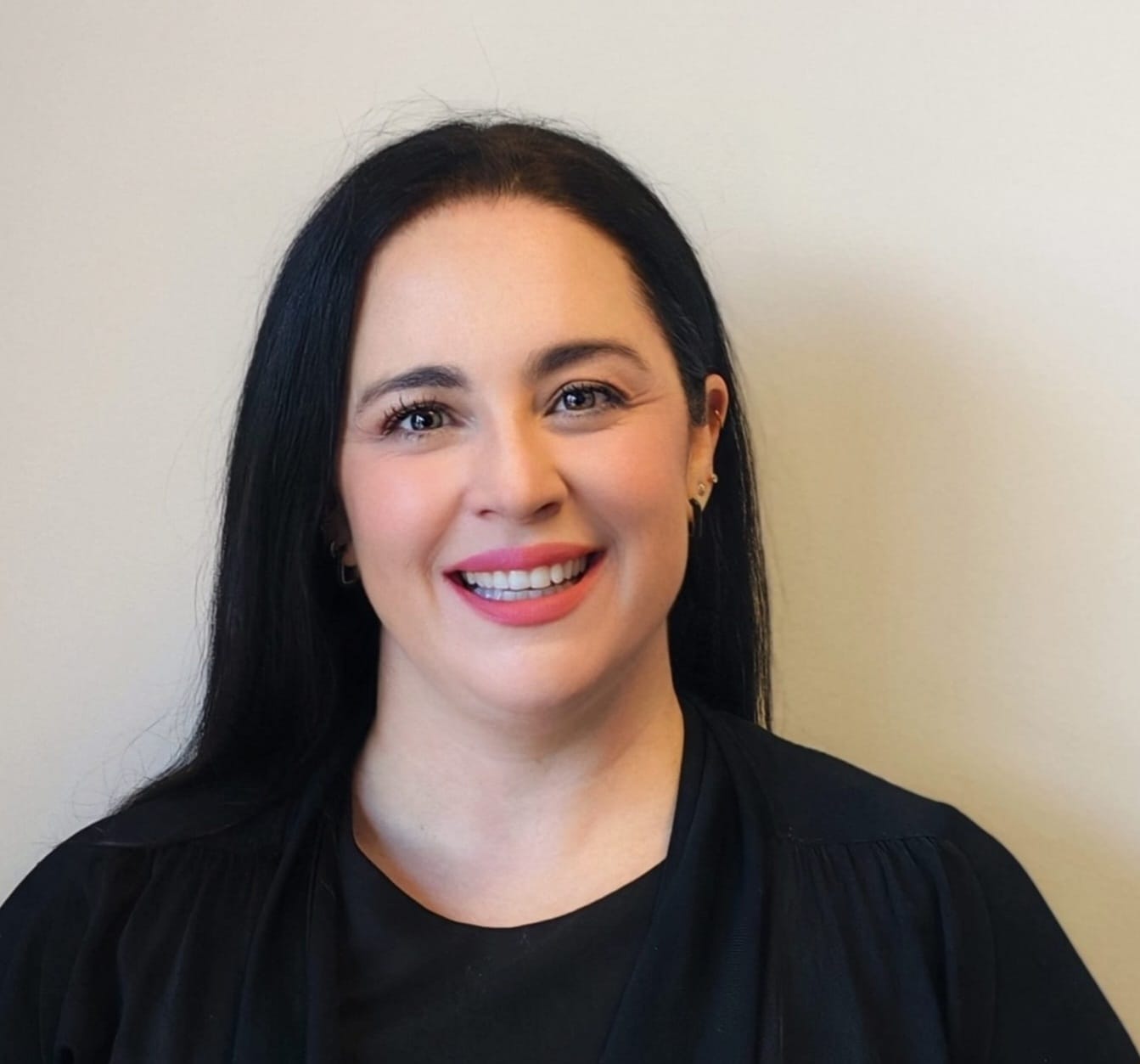
In this episode, Julia Donegan, Senior Global Treasury Director at Newell Brands, explores what it takes to lead treasury through transformation, build a high-performing global team and make sure treasury continues to have a meaningful voice across the organisation.
Listen on:


Featuring

About this episode
Julia Donegan is Senior Global Treasury Director at Newell Brands, a leading global consumer goods company behind brands including Rubbermaid, Sharpie, Graco, Coleman, Yankee Candle and Paper Mate.
In her current role, Julia leads a global treasury team and works across treasury operations, transformation, banking structures, technology, liquidity and strategic business collaboration.
Julia shares her perspective on leading treasury in an organisation that is constantly changing and why strong technical knowledge is only one part of becoming an effective treasury leader.
She discusses how her team has approached large-scale treasury transformation while maintaining control of day-to-day cash operations, the importance of breaking complex projects into manageable stages and why collaboration with banks, IT, tax and other teams is essential.
The conversation also explores leadership, developing treasury talent, practical applications of AI, building strong professional relationships and why treasury professionals at every level need to keep learning and evolving.
Main Topics Discussed:
- How to maintain control of daily treasury operations while delivering major transformation projects
- Why breaking treasury projects into smaller, manageable stages can help maintain momentum
- Building and developing a global treasury team through continuous organisational change
- Why treasury needs to clearly communicate its requirements when working with IT and technology teams
- Where AI is adding practical value in treasury and where human expertise remains essential
- Why technical expertise and results can get treasury into senior conversations, but relationships help build influence
- The importance of building relationships across the organisation, with banking partners and within the wider treasury community
- Why treasury professionals should continually volunteer for projects, broaden their experience and avoid standing still
You can connect with Julia Donegan on LinkedIn.
—
🤝 Treasury Executive Exchange, Chicago – May 25th-26th 2027 – Join leading treasurers from across the US and internationally for two days of small roundtables, honest conversations and practical discussions, in partnership with the AFP: https://www.financialprofessionals.org/events/meetings/treasury-executive-exchange
🎓 Exclusive CTP & FPAC discounts – Find out how much you can save: https://treasuryrecruitment.com/partners/afp/
💡 Earn CTP credits by listening – Selected episodes are AFP-accredited. Listen, take the quiz and earn your certificate: https://treasuryrecruitment.com/podcasts/
🌍 Treasury Career Corner LIVE 2027 – Join us at events across London, New York, the Netherlands, Houston, Chicago and Dublin: https://treasuryrecruitment.com/events/
🎙️ Subscribe to the Treasury Career Corner podcast – Never miss an episode:
CLICK HERE for 🎧 Spotify Podcasts
CLICK HERE for 🍏 Apple Podcasts
Mike, CEO, The Treasury Recruitment Company: [00:00:00] Welcome to this week’s Treasury Career Corner podcast where I interview treasury professionals about their treasury careers. [00:00:05] Each and every week I talk to treasurers about how they built their careers, where they are now, where they see both themselves [00:00:10] and the treasury profession going to next.
Mike: In this week’s show, delighted to be joined by Julia [00:00:15] Donegan, Senior Global Treasury Director at Newell Brands. Newell Brands is a leading [00:00:20] global consumer goods company with a s- with an amazing portfolio of well-known brands. So you’ve got [00:00:25] Rubbermaid, Sharpie, Graco, Coleman, Yankee Candle, Paper Mate, and many, [00:00:30] many more.
Mike: I had Rob one of her colleagues, boss on the podcast a few months ago, so you [00:00:35] guys can listen. We’ll put a l- little link to that in the show notes. Rob’s got a very different background to Julia, which is [00:00:40] why it’s so fascinating and to persuade you. And Julia, I persuaded her, twisted her [00:00:45] arm, and she was one of my guests on my live panel in Dublin earlier this year.
Mike: She was fantastic. I said, [00:00:50] “Right, you’ve got to do the live… You’ve got to do the podcast with me.” And begrudgingly she said, “Okay then, Mike, y- [00:00:55] until you leave me alone.” So- Yeah … i- if you would, Julia, take us back to the beginning, [00:01:00] how you there first discovered finance and then into treasury. Over to you.
Julia, Senior Global Treasury Director at Newell Brands: Yeah.
Julia: Okay. Well, I suppose [00:01:05] treasury wasn’t really in my long-term plan, but I suppose when I started my career treasury probably wasn’t in [00:01:10] anyone’s really long-term plan. Yeah. It was probably not an area of finance that people were really familiar with. I did my [00:01:15] degree in business. I- when I finished college, I did a master’s in business then.
Julia: [00:01:20] And then I qualified as an accountant, and I worked in kind of different areas training as an accountant, [00:01:25] and hadn’t thought of doing treasury at all until I ended up in a role where [00:01:30] the team was kind of reducing in size, and they said, “Oh, will you work a little bit in this area?” Which was [00:01:35] technically treasury.
Julia: Thought, “Okay, this seems fine. I’ll do whatever.”
Mike: What’s treasury about? Yeah. Yeah.
Julia: Yeah. What’s treasury? Okay. At the [00:01:40] time it, it was really sending faxes to exit money market deals. That was about it. And then an [00:01:45] opportunity arose in Pfizer and they said, “Oh, you’re, you’ve got a bit of experience in treasury.
Julia: You’re an accountant. This looks [00:01:50] like a really good fit. We’ll try it.” So- Yeah … at the time I didn’t really, I don’t think, fully know [00:01:55] what treasury even was. But I said, “Okay, this is a great company to work for. The role looks interesting. I’ll [00:02:00] give it a try.” And then pretty quickly I realized, okay, I really, really like this area.
Mike: I love it. Well, so tell me [00:02:05] about Pfizer then. I know that Pfizer has evolved over the number of years. Yeah. So [00:02:10] this was back in 2010. When you joined the Pfizer team, there was a big team in, in Dublin, wasn’t there? [00:02:15] Yeah. So what was that like?
Julia: Yeah, it was, it was great because there was quite a big [00:02:20] established enough team, but there was also- Yeah
Julia: a mix of new people as well. So people at varying stages of their [00:02:25] career and experience. And I suppose I have a lot of actually friends who are [00:02:30] still in contact with today that I- Yeah … started my work in Pfizer with. It’s kind of a big [00:02:35] community as you’ll know from any event that you go into- Yeah, yeah
Julia: in Dublin. So it kind of gave you the [00:02:40] opportunity to do multiple different roles. So the… At the beginning when I started, they rotated you. You managed, [00:02:45] there was pers- somebody who managed bank documentation. There was forecasting. There was [00:02:50] netting. So you kind of did six months in- each area. And you kind of, I quickly [00:02:55] learned then what areas I really liked, what areas I didn’t like so much.
Julia: And [00:03:00] it gave you the experience in everywhere. Then it kind of changed in how you managed. You looked after countries end to end, which was also [00:03:05] really good because you’re getting the experience. So because of the changing structure as [00:03:10] more and more activity came into Pfizer in Dublin- Yeah … it gave you more and more opportunities to [00:03:15] learn, and really learn the end to end of the treasury process.
Mike: And you talk about the bits that [00:03:20] you loved and the bits that you didn’t love quite so much. They were, you know- Yeah … the, the often, What [00:03:25] were the bits that you think that maybe if you’re listening today and you think, “Oh, I don’t wanna [00:03:30] have to do that.” What were the bits you think that people have to learn, but they might not want to learn?[00:03:35]
Julia: I think for me, it’s bank documentation. And- Right … I don’t think anybody will get into [00:03:40] treasury saying, “Oh, I really wanna spend a lot of time with bank docs.”
Mike: Oh,
Julia: lovely. However, however, to [00:03:45] get anything through, like the biggest projects are all held up by documentation. Right. So you [00:03:50] have to understand, you have to even at a country level, think, “Okay, if I’m gonna get this done in Bhutan, for [00:03:55] example, I’m probably gonna need a wedding signature.
Julia: I’m probably gonna need a notary. I’m gonna have to give myself extra time.” [00:04:00] These are all things that are probably not very fascinating, but they can delay really important projects if you don’t learn them- [00:04:05] Yeah … and learn how to navigate through them, and quickly as well. So I think it’s an area that people don’t [00:04:10] always love to spend a lot of time on, but actually having a good foundational knowledge in it can make a huge difference.
Julia: [00:04:15] Particularly, if you’re, you’re involved in large transformation projects, which involves an awful lot of them. [00:04:20] And banks are improving in terms of more and more is digital, but we’re still, I’m still signing [00:04:25] a lot of documentation every single week physically as well.
Mike: Wow.
Julia: So I think that is an area [00:04:30] that, yes, you might not love your time doing it, but it really is beneficial as you move through your career [00:04:35] to understand it.
Julia: And do you think
Mike: AI… I, certainly for me, I’ve had [00:04:40] it help, but a couple of times I’ve also, you’ve had to use your [00:04:45] knowledge base to actually go, “That sounds all right, but actually that’s wrong.” Or things. Are, are you [00:04:50] seeing that?
Julia: Yes. Oh, definitely. Like you get suggestions to recommendations, but your kind of experience is, “Oh, well, [00:04:55] look, I’ve opened a bank- Yeah
Julia: account in Hungary before. I know I can’t do it through this portal or through these couple of forms. I [00:05:00] know I’m gonna… Someone’s gonna come back out and ask me for X, Y, and Z.” So you do have to combine those two. [00:05:05] Where I do find it great is we have a very centralized team now, and I don’t think that we could [00:05:10] do the job that we do in terms of managing POAs and signatory powers and [00:05:15] all of that for all these countries if we didn’t have, you know, the ability for AI to summarize [00:05:20] the documents, give us not just a translation, because again, they’re huge documents, but give a good [00:05:25] translation- Yeah
Julia: and summaries as well. So it’s really beneficial. But again, you do have to have a grounding [00:05:30] of knowledge for, to make it work for you.
Mike: And I know you’re- we’re friends and [00:05:35] stuff like that, and you are a great people person, but when you were developing your [00:05:40] experience at Pfizer, you know, you became then the treasury team lead.
Mike: You went from being an analyst to [00:05:45] then, the lead and managed a team of seven, relatively early in your [00:05:50] career per se. You know, what was that like for you?
Julia: For me, I actually was quite a quiet [00:05:55] person in the role. Yeah. So I, I found in any particular role I generally tend to stay [00:06:00] quiet for a while until I figured it out.
Julia: I always think that’s beneficial. Learn what everybody’s doing first [00:06:05] before you have too much of an opinion.
Julia: But I think a lot of people at the time were growing their [00:06:10] career. So it was, I won’t say standard, but it was, it was kind of [00:06:15] part of the team developing and growing and new people coming in.
Julia: And I think also having been there [00:06:20] for so long and having worked in every area, you did have the respect of your colleagues because you had the [00:06:25] knowledge to bring you there. You, you weren’t just, you know, someone brought in to do the role. You knew [00:06:30] exactly what you were doing. Like, I’d… knew every area.
Julia: I could be of a great resource to my team as well [00:06:35] because of the experience I’ve had. So-
Julia: I think that was beneficial, and I think, people having worked with me for a [00:06:40] long time could see all the knowledge that I’d gained in that time and also, you know, how I’d pushed myself. I [00:06:45] hadn’t stayed in just operations.
Julia: Any projects that came around, my hand was always the first up [00:06:50] saying, “Okay, yeah, I, I’d love to do that or be involved.”
Mike: So Pfizer more established [00:06:55] operation be- Yeah … but then you joined Newell Brands at the time.
Julia: Yeah.
Mike: It was anything [00:07:00] but, if you like. It was m- sort of essentially a, a startup. You’ve described that a little bit yourself, and I think when [00:07:05] we, we talked about that live on stage and stuff.
Mike: Can you talk us through then the move to Newell, how that came about and [00:07:10] stuff?
Julia: Yeah. Well, I really liked my role in Pfizer, but I realized- Yeah … this [00:07:15] is very established. This is… You know, it’s tweaking perfection at this point. Yeah. I want to [00:07:20] challenge myself a little bit more, and I definitely did that with Newell.
Julia: So moving [00:07:25] to Newell, when we… I was the first- Mm … colleague hired in Dublin. Mm-hmm. [00:07:30] And to essentially move what was a decentralized treasury out of [00:07:35] u- certain areas in Europe into Dublin, and at the same time transform the banking structure and [00:07:40] footprint. So when I started, I have to admit, I got a real shock.
Julia: I didn’t [00:07:45] realize the lovely world I’d lived in. With buttons that I pressed and got reports and, [00:07:50] just, oh, I need to know this information by 11:00, boop, there it is. That’s fine. Yeah. [00:07:55] So it was a bit of a shock, but I had to keep telling myself, you know what it should look like. [00:08:00] Just try and get it there.
Julia: And what’s the key every day? You just need to know what your cash is. Even just [00:08:05] starting with I had to say I need to start with… There’s so many things to change and do, but I need to start with just I [00:08:10] need to actually know how much cash I have this morning and how much cash I’m going to have at the end of the day.
Julia: So kind [00:08:15] of breaking it down into, you know, before all the big changes happen, what do, what’s the [00:08:20] essentials of treasury? And that’s how I coped really. Yeah. Was just taking those kind of [00:08:25] bite-sized chunks saying, “Okay, operations have to have some sort of stability.” and [00:08:30] before I can, you know, make all these massive changes.
Mike: And you were leading a project [00:08:35] that then led to award-winning, so you had- Yeah … 14 cash pools, 179 [00:08:40] intercompany loans, 27 banks. You know, all, all that just spinning in your [00:08:45] head. Yeah. Easy, feet up, you know, nice and relaxed. Well, I say that jokingly because [00:08:50] how did you keep your sanity? How did you keep that focus or, you know, there’s a lot of [00:08:55] pressure on.
Mike: Y- How did you do it? Yeah.
Julia: I don’t know if you could ask my family if I kept my sanity. [00:09:00] Well, again, I suppose, I… What I really did was focus on bringing some stability to the day-to-day. So for [00:09:05] me, the mornings, no matter what, we’re making sure cash looks good.
Julia: And that’s the priority [00:09:10] every single day because at the end of the day, you can do an award-winning project, but if you don’t have any money in accounts to pay [00:09:15] salaries, nobody in the company’s gonna care.
Julia: You know, that had to be the focus. And then, again, just [00:09:20] breaking it up. So what we did was to try and make the project more manageable. We [00:09:25] went live in streams. So we’d said, “Okay, we’re gonna pick a…” Newell was very much at [00:09:30] that point broken out into business units that hadn’t integrated, so we said, “Okay, we’re gonna start with these business [00:09:35] units.”
Julia: We tried to piggyback a little bit on ERP migrations as well, ’cause you’ve got the built-in IT [00:09:40] team. Because when I started it was also COVID.
Mike: Oh,
Julia: yeah … happened a c- few weeks later. So we [00:09:45] didn’t have big project teams. I wasn’t going out to meet people. So we had to try and piggyback on other [00:09:50] projects that were happening as well.
Julia: So one trick we used along the way was jumping in with ERP [00:09:55] migrations and trying to time them as well so that you had a project team that was constructed by somebody else ready to go [00:10:00] from an IT, AP, AR perspective, and then you just come to the treasury and say, “Yeah, yeah. Well, this is what you’d need [00:10:05] to do, for this as well.”
Julia: So that was really helpful. And again, just breaking it down into chunks. Like, we [00:10:10] worked so closely with our banking partners on all of these and developed, like, great relationships [00:10:15] there as well bec- to help with the planning and got their kn- knowledge and insight because they’ve obviously done hundreds of [00:10:20] these projects before.
Julia: So taking their advice as well I think is really important, of their [00:10:25] timelines, what they think will work, won’t work. Because again, they have the experience. They’ve done all these projects. So, [00:10:30] like, working collaboratively as opposed to having a very set idea in your head of, “Okay, this has got to be done by [00:10:35] X time,” when it may not be realistic.
Mike: So that’s all very well and you, [00:10:40] you ma- you, you skated through that in a nice way, but you’re talking to these SAP guys and… [00:10:45] ERP rather, sorry. ERP, and you’re having to translate your [00:10:50] treasury needs to them- Yeah … and also get their buy-in. At the same time, you’re explaining what [00:10:55] treasury is. How did you do it?
Julia: I think also I had to gain some respect [00:11:00] as well- Yeah … because I was brand new in the door, so I was changing everything. So what I had to do was [00:11:05] basically show some of the things that I did worked-
…
Julia: From the beginning. So we did some maybe small [00:11:10] changes, small things, and said, “Look, this worked really well.”
Julia: And we sold them the [00:11:15] benefits saying, “Okay, you’re going live with this ERP. You can go live with [00:11:20] 15 bank accounts for this entity. Or if you work with us, we’ll narrow that down to two and you’re [00:11:25] only creating one payment file.” So every team we had to build a sales pitch basically saying-
Julia: well, look, [00:11:30] if you, when you go live with this, it’s gonna be so much easier for you if you do it this way.”
Julia: So I [00:11:35] think that really, really helped as well. And it’s identifying that essentially you are selling yourself and you’re not [00:11:40] very well known exactly in treasury at the time. It’s saying, “Okay, how can this benefit you? This is [00:11:45] for you, not just me. This is going to show huge… It’s gonna be much easier for you when you go [00:11:50] live to be able to function if you take on our new and improved structure.”[00:11:55]
Mike: And you’ve got that sort of steady state of daily operations and things like [00:12:00] that. But also as you’re trying to move this, move it towards this, [00:12:05] transformation project-
Julia: Yeah …
Mike: how do you… Again, very understanding family, but [00:12:10] also you’re going, “How do I get all these spinning plates?” You know, how do you do it?[00:12:15]
Julia: Well, actually I had a colleague recently describe one of the projects like trying to rebuild a train while it was moving.
Julia: [00:12:20] So that, that is a bit what it was like. I think for me, I just kept the focus on what we [00:12:25] wanted. When I would get over very whelming and think, “Oh, there’s so much to do, but what are we trying to achieve?”
Julia: [00:12:30] It’s simple what you’re trying to achieve. Reduce the number of banking partners, reduce the number of intercompany relationships, [00:12:35] improve cash concentration, improve automation. So I would he- I would keep [00:12:40] pulling out that mantra to myself, and also for the team. Every kind of three to six months I’d look back and say, “Look, [00:12:45] we had 27 banking partners, now we’ve 20.
Julia: We had 179 intercompany relationships, now [00:12:50] we’ve got 50.” Yeah. And you kind of had to keep going back to make yourself go [00:12:55] forward and say, “We’re doing it. We’re actually achieving it. Even though we’ve got so much to go, we are [00:13:00] making progress all the time.” Keeping the mind, yeah. Because I think it’s a habit that I think everybody has, [00:13:05] is always just thinking what has to be done next.
Julia: And when you say, “I’ve achieved [00:13:10] this. Well, then I could definitely do the next bit.”
Julia: And that’s how I’ve tried to keep myself and the team going as [00:13:15] well.
Mike: And you talked there about team two or three times, which is fantastic, but you were the first hire in [00:13:20] Dublin to- Yeah … now a global team of 11.
Mike: How have you [00:13:25] changed, or what advice would you give to people? Obviously you’re a perfect manager. You’re a perfect, [00:13:30] you know, coach and director. And I mean, this is what we’ve talked about.
Julia: My team may listen to this, so I might have to be honest. [00:13:35]
Mike: Well, d- get them to listen in the pub. It’ll be fine.
Mike: They’ll, they’ll be fine. But joking [00:13:40] aside, how have, how has, how have you evolved? How has your leadership style evolved, you [00:13:45] know, as the team has, you know, expanded?
Julia: Yeah. Well, I, [00:13:50] going from a c- one or two people to suddenly having a team is an adjustment.
Julia: Because you have to [00:13:55] give stuff away, and I thought I would struggle with that, but actually [00:14:00] given my workload, I, I found it very easy.
Julia: Yeah, so it was bringing everybody along on the [00:14:05] journey as well because it’s not, you know, a date. Like, it’s not stable day to day when a lot of the people were [00:14:10] hired, so it’s bringing them on that journey with you. But I think having st- I started as a manager, [00:14:15] so I got to learn, do what I need to do.
Julia: Then I was made senior manager, then I was [00:14:20] given another region, then it was kind of moved and moved and like that. So I feel like I got to [00:14:25] progress through the roles. Yeah. And the company, [00:14:30] Newel, has really developed me through saying, “Okay, she’s managed this much now. She’s stabilized that. She’s ready for [00:14:35] the next bit.”
Julia: So allowing me to kind of learn, get to know what I’m doing [00:14:40] now, and then further build on and add to it piecemeal by piecemeal, as opposed to, I suppose, if you [00:14:45] had have started that original role with everything, I think it would’ve been very hard to develop-
Julia: grow, [00:14:50] and also maybe achieve what you needed to.
Julia: So I feel from a career [00:14:55] perspective, I’ve been given work at a timing when I was ready for it- Yeah … [00:15:00] and able to move to the next step. And I, I have to admit, it, it’s been great actually having a team [00:15:05] around you as well to have the chance to develop other people [00:15:10] as well, and to watch other people grow as they’ve joined the teams and joined the projects.
Julia: And having the [00:15:15] opportunities in an organization like this i- is great as well. ,
Mike: What’s your, been your ethos around that? You, because I don’t want to [00:15:20] skip past that yet. I, ’cause y- you and I have talked about this before, but, maybe for the listeners, [00:15:25] what’s your ethos about getting those people, getting them along on that train journey as you’re bolting [00:15:30] bits on?
Julia: Yeah. I think just being very open, [00:15:35] transparent, and very willing to transfer your knowledge is really important. [00:15:40] So as a team, we regroup really regularly. Even if you’re not working on the same [00:15:45] things, we, we all give updates saying, “Okay, this is what we’re working on. This is what’s important this [00:15:50] week,” so that everybody’s constantly seeing what everybody’s doing.
Julia: They’re interacting. They’re learning from, even if it’s [00:15:55] not actually your role, they’re learning from that. And again, normally it starts with little, [00:16:00] you know, operations, then, okay, this would be a project that could develop you a bit further. [00:16:05] And from there, seeing how people grow, and also making sure that you put people in the right positions.
Julia: [00:16:10] Everybody’s different, and learning each of your individual team members to get the most out of [00:16:15] them is really important as well. Not just assuming everyone’s gonna like this area and wanna do this, and [00:16:20] they’re not good at that area, okay, that’s not good enough. Yeah. Where learning how to get the most out of your [00:16:25] individuals is important.
Julia: I think that’s, you have to look at each person as a complete and other [00:16:30] individual and treat them that way as well.
Mike: Amazing. Now, I’m gonna keep… I love this train analogy [00:16:35] ’cause I’ve just, it’s, it’s led into this next question easily. It’s like I planned it, but I didn’t. What [00:16:40] do you look for when you’re looking to hire people?
Mike: We don’t normally talk, we’re not talking necessarily [00:16:45] recruitment per se, but more as a candidate aspect. If someone’s listening today and they’re looking at different roles, [00:16:50] they’re going out there, and using the train, that what… You know, someone’s got a green flag, and you’re going, “Yeah, that’s a [00:16:55] really good thing.”
Mike: Someone, then maybe they’ve got a bit of a red or amber. You’re going, “Oh, maybe they’re not gonna [00:17:00] fit with us.” And then we’re not talking about your team, we’re talking about just when you’re doing hiring. What are the things that you’re [00:17:05] going, “Okay, that’s not gonna fit”? And you and I met a lot of treasury professionals recently in [00:17:10] Europe and things.
Mike: You might see them and think, “Okay, that, they’re, they wouldn’t fit with us.” What, what would it [00:17:15] be?
Julia: I think the fact that we are constantly [00:17:20] changing. Okay. The person needs to have the personality to be okay with that.
Julia: To be [00:17:25] okay with the fact that there’s, you know, your day is not gonna look like you thought it was a lot of the days.
Julia: [00:17:30] To be in a moving organization has to, is really important. So you can look at the [00:17:35] technical, which obviously very important. You want a strong grounding in treasury. Me, I’m an [00:17:40] accountant. I love to see an accountant. They are normally very good at understanding other aspects of the [00:17:45] company, like tax and accounting and-
Julia: audit and all of that, and communicate very easily with them. [00:17:50] But it is about the team at the time and the fit of that person, how you think that they will [00:17:55] cope. Like, we hired someone recently for a kind of more project role and, and I [00:18:00] did very clearly say, like, “You’re going to have to sit between treasury and IT and [00:18:05] communicate both of our needs, which is not always going to be very straightforward because we both speak very different [00:18:10] languages.
Julia: Your job is really gonna be almost like translation.”
Julia: And, you know, that person is a very [00:18:15] unique type of person that you want for that role, where the person for that role might not be good for another role. So [00:18:20] again, it’s about the role, but also you want somebody who’s going to be able to fit in with the team and [00:18:25] as it changes.
Julia: Because your role today may not look the same in three weeks, four weeks, as we’re [00:18:30] constantly growing. And you want someone who wants to develop their career and really learn and be comfortable with saying, “Okay, [00:18:35] this is not the role that I started with six months ago, but I’m really glad to keep learning and keep [00:18:40] developing.”
Mike: Now, I don’t want to deep dive on technology and AI but, it obviously is [00:18:45] a, top of mind. And you talked about that person translating, you know, between your IT guys and things. I [00:18:50] know that you’ve talked about you mentioned building treasury teams, or systems rather, with [00:18:55] workarounds, like using your bank, you know, to help you as a [00:19:00] TMS type thing.
Mike: How do you decide what, what’s gonna work and not, or, you know, [00:19:05] how, how do you deliver that stuff?
Julia: For me when I started we didn’t have an u- up and [00:19:10] running TMS, so I just… And I wasn’t gonna get one any time soon. They [00:19:15] were- Yeah … rolling out one. It would take years. So I just looked at what I, what I needed.
Julia: So what [00:19:20] do I need at the end of the day, and what can do that for me? And that’s where, yes, I did use some of my banking platforms [00:19:25] like a TMS and fed in all the data reporting through there, and pulled out, balances [00:19:30] and forecasts and everything through that. Right now our system is S/4HANA [00:19:35] for our TMS, and it’s going to be a company-wide…
Julia: It’s a company-wide initiative. So [00:19:40] it’s not always a perfect fit for treasury. Yeah … but one thing I’ve learned early on and up in the project, and [00:19:45] probably mistakes were made from the very beginning from, you know, both sides, was m- thinking that [00:19:50] what treasury wants is clearly understandable to somebody else.
Julia: So now we take [00:19:55] a lot more time at each stage saying, “Okay, this is what we do now. This is what we very much need from [00:20:00] it. It needs at a minimum to be able to do X, Y, and Z, otherwise that won’t work.” So just [00:20:05] being much more involved from an early stage, and the planning and ensuring that [00:20:10] what treasury needs is very clearly explained and no assumptions are made.[00:20:15]
Julia: And being more and more vocal as part of these projects as well because, again, it’s not just treasury, it’s all the [00:20:20] different teams are touched by these systems. Yeah. So but making sure that from a treasury perspective we’re very clear on [00:20:25] what we need, and presenting sometimes over and over again, “This is what we do today.
Julia: This [00:20:30] is what we need out of it. Are we there yet? No. Okay, let’s go back-
Julia: and look at what’s movable [00:20:35] and what’s not.” Obviously there’s some compromises. Okay, you can’t have it in that format, that’s fine. But we know we can’t [00:20:40] be missing an opening balance or we can’t do a forecast. That kind of thing.
Mike: A- and you and I have just got [00:20:45] back from the International Treasurers Conference EuroFinance. And as you and I were [00:20:50] just talking about before the show, there were some that were AI-focused and, oh, [00:20:55] it’s great and things, but they weren’t, you know, not… What’s the word? There was a lot of fluff. [00:21:00] There is a lot of, you know, noise around AI.
Mike: Mm-hmm. And, you know, n- AI [00:21:05] native, that’s the latest phrase and things. What do you think is [00:21:10] realistic, and what still feels like noise stroke a pipe dream sort of thing?
Julia: [00:21:15] Yeah. I suppose I’m lazily very looking for someone to show me a presentation and me to get up the next morning and say, [00:21:20] “Okay, I can implement that now today.”
Mike: Yeah. Nailed it.
Julia: I haven’t seen that yet. I’m really [00:21:25] looking forward to someday seeing that. I think where, as I said, it works really, [00:21:30] really well is all around our documentation aspects. Also, you know, giving our criteria. I’m opening a [00:21:35] new bank account here, what would I need? It’s really good at that for us so far.[00:21:40]
Julia: We haven’t implemented a lot around forecasting for it, particularly, like, a little bit [00:21:45] for the longer term, but particularly for our liquidity management style. We haven’t [00:21:50] really implemented anything there yet. I don’t know if we’re ready to. [00:21:55] Our data is still in a couple of different sources. I… It’s not something that I [00:22:00] would fully trust to do, but would like to develop further.
Julia: Also, I think as a team, like, [00:22:05] everyone just is assuming that, you know, you can just implement something AI. Yeah. But you [00:22:10] still also have to learn how to implement it effectively. And when you’re a really, really busy team that’s [00:22:15] constantly, working on projects, operations, everything, [00:22:20] finding time for each individual colleague to go and just learn how they’re going to improve everything can be [00:22:25] quite difficult as well.
Julia: Even though we all want to improve and we all want to do it. So it’s trying to make that [00:22:30] a priority. And trying to work with your organization that you’re getting understanding of all the tools that are out [00:22:35] there as well, because I think sometimes we always, we don’t always know of the resources that are available within our [00:22:40] organizations as well and what can be used.
Julia: So I think finding the time as well is beco- is [00:22:45] often a challenge for us in, in our team, to say, “Okay, we really could probably do something here, but [00:22:50] when are, how are we gonna find the time to save the time?” But I think that’s treasury, whether it’s AI [00:22:55] or any other project in treasury, it’s probably similar for most teams.
Mike: And you and I have [00:23:00] talked about keeping treasury… You know, I’ve got my session coming up at [00:23:05] AFP, and one of the key things, I’m talking to three amazing treasurers about it. They’re amazing [00:23:10] ladies. And we’re gonna sit down and when we’ve been having our briefing calls, we’ve talked about [00:23:15] how, your treasury expertise and technical expertise gets you the seat at the table.
Mike: Brilliant, you’re in the [00:23:20] room. But then how do you keep treasury [00:23:25] relevant and strategic in the conversations when you’re talking to senior leadership? How are you [00:23:30] presenting it? Is it all about, “Well, these are the results.” You talked about some of the projects you’ve done with your team, but [00:23:35] how do you then communicate that to the C-level and other people?
Julia: I think the results get you to the [00:23:40] table. Yeah. But they don’t keep you there.
Julia: It gives you the little bit of respect, like yeah, the EuroFinance Award, the [00:23:45] Adam Smith Award. Yeah. It kind of lifts people’s heads up and says- Yeah … okay. We’ll pay attention to them. But it doesn’t keep you there. [00:23:50] Yeah. What you need to do is understand what is it they want, whether it be, you know- [00:23:55] Cash planning.
Julia: What, what is it that the issue is? Yeah. And then you have to be involved in the planning. [00:24:00] Even if it’s not technically treasury, you have to think, okay, how can we as treasury work with other [00:24:05] teams? How can we deliver what’s needed? For me, like a huge focus of my role, I [00:24:10] often look back and think when everything’s going on, my job is to make sure that cash flows freely [00:24:15] wherever it needs to be, whenever it needs to be there.
Julia: And, they don’t wanna know about [00:24:20] restricted countries and all of this. I have to keep money circulating in the system. [00:24:25] And, you know, you’re working… There’s so many different ways to do that, and working with different teams. So I think the key [00:24:30] is not just to see your role as, as I’m treasury, I do this.
Julia: You think, how [00:24:35] can I work with tax? How can I work with these other teams? How can… Tax may normally come up with the plans, [00:24:40] but maybe I’ve worked in treasury long enough to think, okay, I have some ideas here. I can pitch it to them before they [00:24:45] come to me and say, “How can we get this done?”
Mike: Yeah. Getting out in front of it.
Julia: [00:24:50] Yes, exactly. Because yeah, the results, they only get you in the room. They don’t keep you there.
Mike: [00:24:55] And you’ve done all this with a busy family life as well, and, you know, wanted to [00:25:00] touch on that. And we, we talked about this a little bit a couple of weeks ago. That how do you make [00:25:05] it balance, or what advice would you give to other people with, you know, that are listening today that are [00:25:10] in a similar situation?
Julia: Yeah. I don’t know if I’m great at balance always. [00:25:15] I, I think that any parent always feels when they’re doing well as a parent, they’re not doing as well in work, and [00:25:20] vice versa, or sometimes you’re just doing terrible in both. Yeah. Which is often how I feel, to be honest. [00:25:25] I think understanding that, particularly again since COVID, that [00:25:30] working hard is not necessarily working 12, 14 hours a day in front of a [00:25:35] computer, that it’s working smart.
Julia: It’s saying, “Okay, I… My remit is global, [00:25:40] so I could have a call at 12 o’clock tonight. I could have a call at 7:00 in the morning.” [00:25:45] So when my kids sometimes need to be picked up for school, I’ll block out the calendar and say, “Okay, I’m gonna go to [00:25:50] this,” or, “I’m gonna go to this activity,” or, “I’m gonna volunteer for half an hour at the library this morning.”
Julia: And it’s about [00:25:55] getting that balance. So it’s instead of thinking you have to have these huge breaks, it’s taking those 15 minutes, that half an hour [00:26:00] to be present is what I try and work on as well. And making your own [00:26:05] calendar work for you, like having a global remit is, can be quite difficult, but at the same time, you can make it work [00:26:10] for you, as in I can take an hour or two in the middle of the day knowing that I’m gonna be on to whatever time tonight.
Julia: Yeah. And [00:26:15] use that time, as opposed to thinking, like years ago when I started my career, I kind of, I always thought that you had to be [00:26:20] available every second, at every moment, glued to your computer. Where you can [00:26:25] bring flexibility, and as long as you’re delivering and meeting everything that you should, nobody has an [00:26:30] issue with that.
Julia: And again, that’s where I really like working for Newell, it’s nobody’s watching your clock. It’s very [00:26:35] much what about you’re doing, what are you delivering, what are you achieving, not, you know, were you sitting at your desk at 1:00 [00:26:40] till 1:30. Yeah. Which, you know, is great within an organization, but I think that’s also gets the most out of people as [00:26:45] well.
Mike: And you’re talking in there about achieving and things like that. If you’ve got someone that [00:26:50] is maybe sitting at their desk in a com- they’re comfortable in their treasury role, they’re, you know, [00:26:55] getting on, they’re achieving, but they know there’s something more. They’re craving more and things. Yeah.
Mike: Obviously speak to [00:27:00] you and say, “Yeah, great, you know, here’s my resume, CV.” But you know, what are, what are you [00:27:05] saying… You know, you pro- probably experienced those points in your career. What would you encourage them to [00:27:10] do?
Julia: I would say where I grew was putting my hands up for projects.
Julia: You know, being the first [00:27:15] one to say, “Yes, I want to do that.
Julia: Yes, I’m happy to do that.” And when a problem, also when a [00:27:20] problem came along, offering a solution, even if it technically wasn’t my problem, of [00:27:25] volunteering that solution and saying, “Okay, I think I have an idea how we could do this,” and then you can get more and more involved. [00:27:30] You’re asked to speak up more, and that really works as well.
Julia: But I think not just [00:27:35] treasury projects as well. Look for… There’s always organizational projects that you can get involved in as well. Like I said, even [00:27:40] the ERP migrations, being the treasury representative on these projects. Just [00:27:45] once you understand operations, I would say push yourself outside that then.[00:27:50]
Mike: And your, you talk about volunteering there and, you know, putting your hand up. [00:27:55] IACT. We can’t, you know, but say on this. Can you talk about the Irish [00:28:00] Association? I got the four of you on an amazing panel. People can… We’ll put, again, that in the show notes maybe. [00:28:05] You guys were very kind and joined me.
Mike: Can you talk about, why, [00:28:10] associations like that exist? Why they should, they’re good for people? What, what would you say? [00:28:15]
Julia: I think, actually, the IACT is very, it’s a very welcoming organization if you are a junior [00:28:20] as well. And what is it? Sorry, what is it? It’s the Irish Association- Irish Association of-
Julia: of Corporate Treasurers.
Julia: I would say it’s very [00:28:25] welcoming for juniors as well. Yeah. I think it’s a great way to build your community and your knowledge. [00:28:30] And we reach out to each other all the time. Like, I’ll have people reach out and say, “Oh, I’ve moved jobs, and I’m just, I’m now [00:28:35] looking after this country, which I’ve never done before.
Julia: How do you manage that?” People are very open [00:28:40] to you reaching out as well. They have really good topics that they cover as well. The updates, the [00:28:45] conference is always very good every year. And it’s a great networking experience. Because [00:28:50] treasury, a lot of the time, isn’t just technical. It’s about how you build relationships.
Julia: And [00:28:55] in Ireland, particularly, you’re gonna continue to have those relationships because you’re gonna move roles, and then somebody that you [00:29:00] knew from somewhere is going to be in that organization, or even be able to fill you in, [00:29:05] “Oh, you’re looking to move there. This is what it’s like.” So I think throughout your career, you need to [00:29:10] build your network, and the IACT is a great way to build both your knowledge and your network.[00:29:15]
Julia: And is very, very welcoming to juniors and ha- really very much encourages participation [00:29:20] as well.
Mike: Yeah. I know we, you know, one of the recent episodes, John James Dunn, he was [00:29:25] again shared the stage with. And he was one of the key things he’s been pushing is about the [00:29:30] earlier stage treasury professionals getting involved in the association and, and that’s been a [00:29:35] fantastic thing.
Mike: If you look back on that, is that a key thing you think is… [00:29:40] I sometimes get these junior folk going, “Well, yeah, but I’m only a treasury analyst.” And like, yeah, [00:29:45] that’s where you start. Put your hand up. You know, hand out some leaflets. Be, go to the conference. Yeah. That’s a [00:29:50] good way to start.
Julia: I think so, and that’s probably something I started a little bit too late in my career.
Julia: [00:29:55] I didn’t start the networking earlier. Again, I worked for a bigger organization and with a lot more [00:30:00] people, so there wasn’t always the opportunities to go to these things. Yeah. And also, yeah, I [00:30:05] was, I know you always find it surprising, but I’m quite the introvert. So I do don’t always find these [00:30:10] things, in the very beginning particularly when I didn’t know people, I found these things very difficult to do.
Julia: But then as you do them more and [00:30:15] more, y- you build up your network more and more. And I will say one thing that we’ve been credited for our team here [00:30:20] in Dublin is I very much give everybody the opportunity. When, you know, the ICT conference come up every year, I’m [00:30:25] like, “Okay, we’ve got two spots. Work it out, mean, between yourselves whoever, which two wanna go.”
Julia: [00:30:30] We’re very encouraging of sending to different things in the development from a very young age. Because [00:30:35] it’s no p- like, a lot of the time if you’re waiting till you’re very late on in your career, you know a lot of what they’re [00:30:40] covering anyway in some of the sessions, where it’s really beneficial.
Julia: And also to talk to people and [00:30:45] think, “Okay, that, that role actually they’re doing sounds great. I’d love to work towards that. How do I get [00:30:50] there?” Yeah. Where I probably took a, a while to get where I’m going because, one, I didn’t plan it, and two, [00:30:55] I, I didn’t get enough advice along the way probably as well.
Julia: Where if you can start that earlier in your career, you [00:31:00] can probably cut a few years off getting to where you wanna go.
Mike: Yeah, yeah. And [00:31:05] you worked through great advice and stuff and, you know, I mean, this is just brilliant. I love it. And with [00:31:10] yourself, you know, you and I have just come back from various conferences.
Mike: We do, you know, lots of different interaction with people. [00:31:15] Are there any areas we haven’t covered that you think that, you know, if someone’s listening today that they need to [00:31:20] focus on? I know we spoke about it a little bit earlier, cash was one, but any other areas that haven’t we [00:31:25] sort of touched on that you think, “Oh, yeah, I wish I said this more”?
Julia: Yeah. Well, I, I think we… Everybody, [00:31:30] not everybody knows, but you have an idea what you should technically cover in treasury. But I, I think we talk about networking in [00:31:35] treasury. Yeah. But do it in your organization. Do it with your banks. Uh-huh. Because a lot of the time I find in [00:31:40] treasury the problem that hits my desk, it’s not really my problem.
Julia: It’s a problem that’s come from somewhere else and can be solved by [00:31:45] somewhere else, someone else. My job is to find the right way out of it. And being able to pick up the [00:31:50] phone to someone within the organization and say, “Can you help me? This just happened.” Or someone within your bank [00:31:55] saying, “Look, I know it’s 7:00 in the evening, but I need somebody to help me.”
Julia: And [00:32:00] having the comfort to do that. You have to build a bit of a relationship before you can comfortably do that, [00:32:05] and I think that’s a really important part not to be overlooked. I do remember you know, a, a [00:32:10] boss gave me great advice years ago and said… You know, I was going into, like, more and more technical areas [00:32:15] of treasury, and he said, “Yeah, you’re, you’re good at the technical side.”
Julia: Yeah. He said, “But you’re actually very good with people.” And he said, [00:32:20] “Use that. When you want something done, use that.” And I was like, “Okay.” Yeah. And it kind of stuck [00:32:25] with me since, and it, it definitely rings true. So don’t just build your technical knowledge. Build your [00:32:30] network. Remember that everyone that you work with throughout the organization or your bank, you may [00:32:35] have to phone tomorrow and say, “Help.”
Julia: Yeah. And so you have a network to do that [00:32:40] with, and it makes your life so much easier when you can do it that way as well.
Mike: Amazing. We’re gonna [00:32:45] put your LinkedIn details in the show notes so that people can connect to you, and we know this. But [00:32:50] advice for those… Your summary of advice, if you like, for junior guys, mid-level [00:32:55] guys, senior, you know, throughout the different levels.
Mike: What, what takeaways would you give? You know, you’ve [00:33:00] heard the podcast and stuff. What, what are you thinking?
Julia: I think from a junior perspective, [00:33:05] learn every area. Yeah. Get as involved as you can. Even if it’s an area that you don’t particularly love the sound of, [00:33:10] learn it, move on from it. Have it in your back pocket.
Julia: Yeah. I think also [00:33:15] junior to middle, ask for advice. Look at study people around you. Think, how did they get to where they’re [00:33:20] going? One thing that I noticed when I worked in Pfizer was a lot of the people who made senior were there from the early [00:33:25] days. So when the new role came up, I thought, “Okay, one thing I’ve learned is if you’re there from the beginning and you work [00:33:30] well, it helps.”
Julia: Yeah. So with your career development. So again, watch those [00:33:35] around you. How have they developed? Where have they gotten to where they need to? And also, I suppose for [00:33:40] senior and my level, it’s that you can never stay still. There’s always an [00:33:45] improvement. We can talk about AI, but you can also talk about the banking structure.
Julia: It’s, you know, how we can change, how [00:33:50] regulations change, how structures change, how models change. You can never, ever [00:33:55] stay still. If you wanna do well in treasury, staying still is not an option. Yeah. And there [00:34:00] is no point. You might have an afternoon where you can rest on your laurels, but that’s about it.
Mike: That’s it.
Julia: Yeah. [00:34:05] That’s it. So there’s my brief advice.
Mike: Amazing. [00:34:10] Knew you’d be brilliant. Thank you very much, Julia. You’re an absolute superstar, and looking forward to seeing you very soon. [00:34:15]
Julia: Thanks, Mike.
Mike: Thank you.
- Protect the fundamentals first. Major transformation matters, but ensuring the business has the cash it needs remains the priority.
- Make transformation manageable. Breaking complex programmes into smaller stages makes progress easier to deliver and demonstrate.
- Technical expertise alone is not enough. Treasury professionals also need strong communication, collaboration and relationship-building skills.
- Understand the wider business. Working effectively with teams such as tax, IT, accounting and banking partners helps treasury contribute beyond its traditional remit.
- Use AI alongside experience. AI can support areas such as documentation, summaries and translations, but treasury knowledge is still needed to assess its output.
- Put your hand up for opportunities. Projects outside everyday operations can help treasury professionals broaden their experience and accelerate their development.
- Never stop developing. Treasury structures, technology, regulations and business requirements continue to change, making continuous learning essential throughout your career.
🎧 Earn CTP & FPAC Credits by Listening to the Podcast
Whether you’re at the gym, on your commute, or walking the dog – you can now make your podcast time count toward your professional development.
We’re thrilled to share that Treasury Career Corner podcast episodes now qualify for CTP and FPAC recertification credits through the AFP’s Independent Study category.
How It Works:
- Listen to a Treasury Career Corner podcast episode
- Complete the short multiple-choice quiz
- Score 80%+ to pass
- Submit your credits to AFP as part of your recertification record
➡️ Credits earned per episode length:
- 30 mins = 0.6 credits
- 45 mins = 0.9 credits
- 60 mins = 1.2 credits
No filler. Just real treasury conversations covering leadership, strategy, risk, technology, and team building.
🧠 Quick Facts:
- 📝 Quizzes contain 6–10 multiple-choice questions
- 🎯 You need 80%+ to pass
- ✍️ Quiz submissions are reviewed manually
- 📋 We must then VERIFY you are a CTP treasury professional to help prevent automated or non-genuine submissions
- ✅ Once verified, we mark your quiz and send CTP credit confirmations every Friday
- 📨 If you need results sooner? Then email mike@treasuryrecruitment.com and we’ll try to prioritise the marking of your latest quiz
NOTE: In line with AFP compliance requirements, no more than two quizzes may be completed per day.
