
Why Treasury Fundamentals Matter Even More in the Age of AI | Treasury Careers Podcast
As AI transforms the way treasury teams work, are strong treasury fundamentals becoming more important than ever?
From automating routine processes to improving efficiency and freeing up time for strategic work, AI is creating new opportunities for treasury professionals. But with technology evolving so quickly, how do you ensure your skills remain relevant, your team continues to develop, and treasury maintains its influence within the business?
Listen on:


Featuring

About this episode
In this special live episode of the Treasury Career Corner podcast, host Mike Richards is joined by three experienced treasury leaders in Chicago:
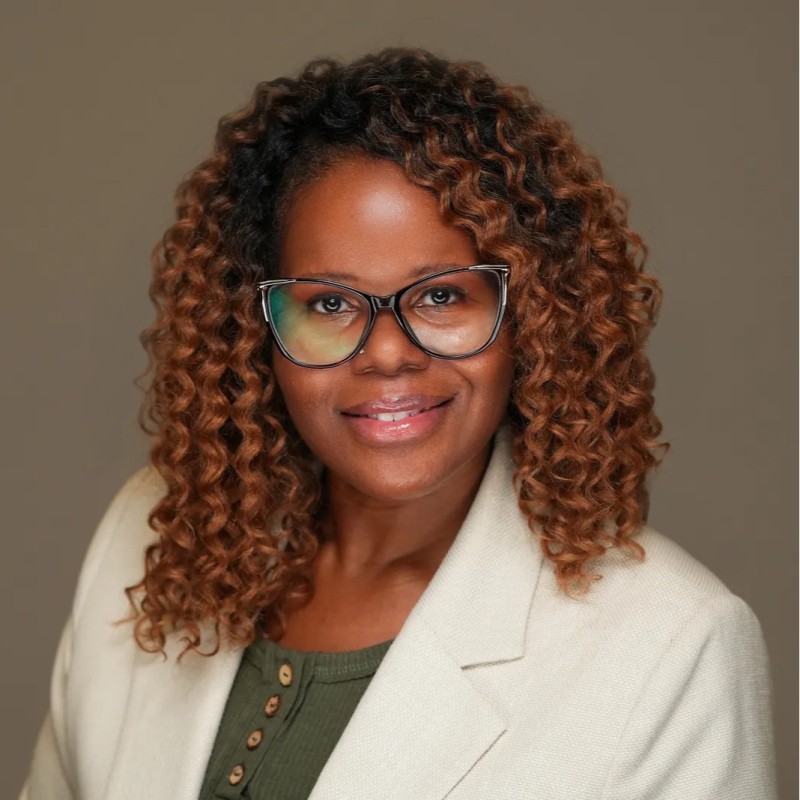
- Sherri Nicole Speaks, VP, Treasury, JBT Marel Corporation
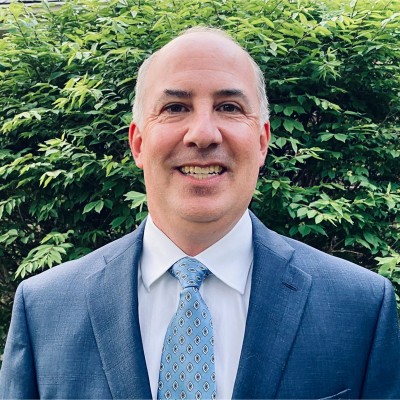
- Jim Portalatin, Global Treasurer, Tolmar
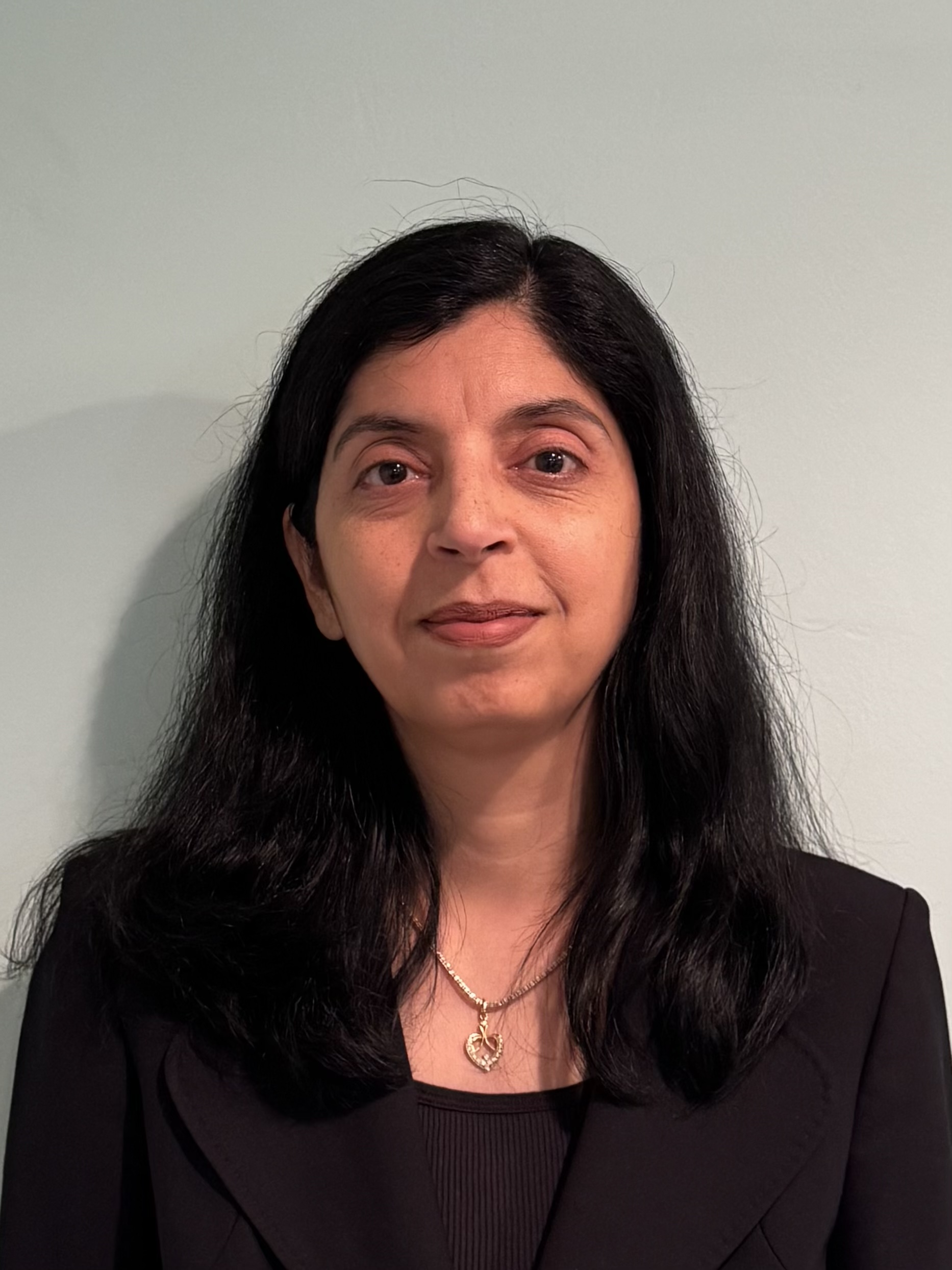
- Ritu Narula, Vice President Treasury & Tax, Option Care Health
Together, they share practical insights into the changing role of corporate treasury, drawing on their experiences of leading teams, embracing new technology, navigating organisational change and building successful treasury functions.
The conversation explores how AI tools such as Microsoft Copilot and Claude are being used within finance and treasury teams, why technical knowledge remains essential, and how treasury professionals can position themselves for continued career progression.
They also discuss the importance of building relationships across the business, developing engaged teams in hybrid and global working environments, and creating opportunities through continuous learning and professional networking.
Main Topics Discussed:
- How AI tools like Copilot and Claude are changing treasury processes and improving efficiency.
- Why strong treasury fundamentals remain essential as AI adoption accelerates.
- How continuous learning and transferable skills support treasury career progression.
- Building treasury’s influence through stronger relationships and strategic business partnering.
- Developing engaged treasury teams by connecting daily responsibilities to business objectives.
- Maintaining collaboration and communication across hybrid and global treasury teams.
- Keeping treasury teams motivated during mergers, acquisitions and organisational change.
- The importance of professional networking, industry associations and peer learning.
—
🤝 Treasury Executive Exchange, Chicago – May 25th-26th 2027 – Join leading treasurers from across the US and internationally for two days of small roundtables, honest conversations and practical discussions, in partnership with the AFP: https://www.financialprofessionals.org/events/meetings/treasury-executive-exchange
🎓 Exclusive CTP & FPAC discounts – Find out how much you can save: https://treasuryrecruitment.com/partners/afp/
💡 Earn CTP credits by listening – Selected episodes are AFP-accredited. Listen, take the quiz and earn your certificate: https://treasuryrecruitment.com/podcasts/
🌍 Treasury Career Corner LIVE 2027 – Join us at events across London, New York, the Netherlands, Houston, Chicago and Dublin: https://treasuryrecruitment.com/events/
🎙️ Subscribe to the Treasury Career Corner podcast – Never miss an episode:
CLICK HERE for 🎧 Spotify Podcasts
CLICK HERE for 🍏 Apple Podcasts
Mike, CEO, The Treasury Recruitment Company: So we’re gonna start traditionally, as we do, with a new guys. We won’t do a double. We’ve done this before. I’m gonna say good evening, Chicago. I’m not gonna make you repeat it, but you’re gonna lift your voices. You’re gonna be nice and loud. Good evening, Chicago.
Sherri Nicole Speaks, VP, Treasury at JBT Marel Corporation: Good evening,
Mike: Chicago. Very good. You’ve practiced this, guys.
Mike: Well done. Thank you very much. So we’ve got some energy from you guys. We’ve got some enthusiasm. We’ve got three incredible treasurers who, in a moment, they will talk through their… they’ll introduce themselves, and they– how they started in treasury, how they developed their treasury careers. Just a quick walk through.
Mike: Then we’re gonna explore their earlier careers. We’ll get some career advice for you guys here in the room, and a bit later you’re gonna get to ask some questions from three incredible treasurers. Now, you don’t get to do this. You don’t get to do it other conferences, at AFP or anything else. You’ve got some face-to-face time.
Mike: Once we’ve done the questions, they’ll give you some great takeaways, and then we will be going across to the Riverwalk and having a couple of drinks as well, so you can quiz them one-to-one. We also had an Ask the Treasurer session where there was some one-on-one with Sherri and some of the guys about their treasury careers.
Mike: But there’s a couple of other house rules. Your phones, put them onto silent. This is about you, investing in you and your treasury careers. You don’t need to phone anyone. You can phone them when we’re in the bar. They’ll pay your bar bill. So why do I do these? I’m Mike Richards. Here we go. there you go.
Mike: That tells you a bit about the company, but you’ve seen this all the time. That’s me. Amazing team. They do all the hard work. just I was talking there to Sherri, but Carly does all the hard work. Katie and I just mop up the bits from there. And thank you to our sponsor. first of all, thank you to JBT and the JBT team.
Mike: What an amazing venue. Thank you very much. So I’ve got my sponsors from Tradeweb, Kyriba, and Agicap. Can I see you? Can you get your hands up, please? Great. Come up– they help us put these on. Without this, it wouldn’t happen. So do make sure that– to look out for them, talk to them about it, and they are supporting you in your treasury careers. This is what we’re gonna talk through. Exactly as I’ve said, we’re gonna go through about how they started, these guys, and, some of the different stuff.
Mike: We’ve got a bit on here about we should change some of this, about hybrid. We will talk a little bit about that, but I think everyone wants to talk a bit about tech and AI, what’s noise, what’s not noise, we’ll, explore that a little bit as well, and then we’ll do some wrap-ups. That’s enough of me talking.
Mike: Before Sherri launches into karaoke- Oh, God … ’cause she’s got the microphone
Sherri: I will scare everyone away.
Jim Portalatin Global Treasurer, Tolmar: Yeah, I know. She’s… Don’t, leave. Lock the elevators. Over to you, Sherri. If you would introduce
Mike: yourself, tell us about you.
Sherri: Good evening, everyone. Welcome to 333 West Wacker. this is the home of JBT Marel Corporation. We are on the 34th floor. We are a global food equipment manufacturer, so we make the equipment that is everything from rendering a chicken, to cutting it up, battering and frying it, to juicing oranges, to canning, to sterilization, all that good equipment.
Sherri: So all the equipment that the food manufacturers, the food equipment companies, the food companies, sorry, use to make the food. I am the vice president and treasurer here at JBT. I’ve been with the company 12 years. 12 and a half years. Anything that I say today, I might get checked ’cause two of my team members are here in the front, so I can’t tell any lies today.
Sherri: So yeah, welcome.
Mike: Cool. And we’re gonna get each of the panelists to go through their early careers at the moment, bits of that, but we’ll pass for now over to Jim. So over to
Jim: you. Yep. Hi. Good evening, everyone. I’m Jim Portalatin. I’m the global treasurer at Tolmar, which is a privately held pharmaceutical company in Buffalo Grove.
Jim: I’ve just been there a little over a year now. I’ve been in the treasury space for over 25 years. I’m the global treasurer at Tolmar, handling all treasury activities there. So very nice to be here. I’ve known Mike for a while, and I’m sure we’ll dive into some of my prior lives in a
Mike: bit.
Mike: Yeah. And what do Tolmar do?
Jim: So it’s a pharmaceutical company, privately held. They make, mostly men’s health drugs. their biggest, drug is called Eligard. It’s a prostate cancer drug.
Mike: Cool. Three, two Yeah
Ritu Narula, Vice President Treasury & Tax, Option Care Health: Hi, I’m, Ritu Narula. I am, Vice President, Treasurer, and I oversee tax, AP, and-
Ritu: Risk management. At Option Care Health. Option Care Health is an infusion clinics. supports acute management of infusions, which is if you’re in the hospitals and, and you’re getting discharged and you need infusions, it’s so expensive to do it in the hospital.
Ritu: So Option Care can come to your home and, manage those or do it in their own clinics. And the other part of, of Option Care is managing chronic drugs. So we, buy, we compound and resell chronic drugs as well. It’s a, it’s, a publicly traded company, about 6 billion in revenues. And I’ve been there about four and a half months.
Mike: Good job. So we go back to the beginning of your career, Sherri, ’cause you’ve got… you’ve been on the podcast, which is fantastic. That’s the other thing to mention as well. That’s where it came from. I love talking to treasurers, and eight years ago I started a podcast and done one every single week for the past eight years, 450, and you get CTP credits.
Mike: Also, you get CTP credits for being here this evening, so don’t forget to actually claim them. But Sherri, since has actually been on the AFP board, which we’ll get onto. That’s right. But when we… Before we get to that, you originally started your career in, not in treasury, in mortgages and things like that.
Mike: Can you give us a quick run through of some of that, the earlier stages, and then talk about qualifications as well, and then we’ll go through that across the board?
Sherri: Yeah. So apologize to the people who heard this story earlier, but the CliffsNotes version of it is… ‘Cause we, talked about how did you get into treasury?
Sherri: ‘Cause everybody gets into treasury in a different way, because you can’t go to school for treasury, right? So how did you get into treasury? So when I graduated college, which was the semester after September 11th, right? So nobody was hiring. And I was coming out of University of Illinois with an econ degree, and honestly didn’t know what I wanted to do, and ended up as a subprime mortgage underwriter.
Sherri: So the, the fun fact is, if you saw The Big Short, at the end of The Big Short, they give the recap of everything that was happening in the industry, and it flashes across the screen, “May 7th, 2007, New Century Mortgage files bankruptcy.” That’s who I was working for on May 7th, 2007. And proceeded to be unemployed for about nine months.
Sherri: I was working on my MBA at the time, and got a call from a recruiter who said they have an assistant job to a treasurer. I had no idea what a treasurer was, and had no business being anybody’s assistant ’cause I’m a terrible typer. Go figure, right? But my first day on the job, he plopped the CTP book on my desk and said, “Start studying.”
Sherri: And I just took that as an opportunity to say, “Here’s a new career.” I took a 60% pay cut and started my career over. I was his assistant for two months, and started as a treasury analyst, and I was really hungry. I was hungry to get my career back. I was hungry to get my salary back, to really get my footing.
Sherri: So I was a, it was at Illinois Tool Ruck- Tool Works up in Glenview. I was there for almost seven years. I was, on the domestic side for, as a treasury analyst, did some international. Then I was a senior treasury analyst. I did a lot of work with acquisitions and divestitures. And then one day I got a call from JBT, and I’ve been here ever since.
Sherri: Came here as a senior analyst, and has always been really hungry, and making sure I was in the right rooms and sucking up all the knowledge I could. And my predecessor was a, a great teacher and a great ally, so I was able to work my way up, and about two and a half years ago, took over as treasurer when he retired.
Mike: And with that, that training ground, if you like, when he was training you, ’cause you’ve been… It was amazing. You joined JBT, but that was also one of the things he said, “I want to train you up over time to be-” Yeah. So talking, you’ve got your team here, so I will be watching you and quizzing you afterwards, and if she doesn’t, if she walks the walk.
Jim: Yeah.
Mike: but joking aside, what do you think was special for him, and what do you try and then repeat with your team? I know you and I have talked about it on the podcast, but talk to us about that.
Sherri: It’s really important to have an ally in the space. I’m gonna speak from my lived experience as a woman, as a Black woman in the corporate space.
Sherri: It was really great to have an ally to bring me along. But one of the things he did, and he did it for everybody, was m- having people in the room. So whether you worked on… if you didn’t work on FX, but if we were having an FX meeting, he would invite you in the room. So that’s one of the things I do with my team.
Sherri: Somebody may work on cash, but if we’re having a capital markets conversation, if we’re having an FX conversation, it’s really important to have them in the room. Once you get knowledge, and this is even for ourselves, like I’m a treasurer, but I’m still learning. Once you get that knowledge, nobody can take it away from you, right?
Sherri: You may not use it here, but you may use it somewhere else, so be a sponge. It sounds super cliché, right? But take those opportunities to, if you can be in a room and learn and pick up, and you may not pick it up right away, ’cause some of the stuff we do is super technical, right? But the more and more you’re exposed to it, at some point it starts to click, right?
Sherri: So making sure people have a opportunity to be in the room and learn. There’s noth- there’s nothing… It takes nothing away from anybody by having people in the room.
Mike: So I was recently at one of the conferences, EuroFinance Barcelona. Someone said, “How come you’ve managed to do so many?” They went, “I want to come to Jim about this.
Mike: You- you’ve done so many podcasts.” And I said, everyone here has got exactly the same job title, and they do the job- job in exactly the same way and everything.” They went, “No, of course they don’t.” Exactly. How crazy is that? Now, I said there are all the different industries, and there’s that diverse range of experience.
Mike: Jim, you’ve lived it, breathed it from day one. Talk us through, if you like, how you as a treasury professional in different industries have added that value sort of thing. Just give us a quick sort of w- walk through.
Jim: Sure. Just a little bit about how I got into treasury to lead into that. after I got my undergraduate in finance, didn’t really know You know what opportunities there were out there.
Jim: We had a family friend that was in foreign exchange so I ended up going actually on the bank side for my first five years out of college. worked on trading floor, became a foreign exchange trader which I had in my head like that’s great, that’s really what I want to do until I got there and realized what a, a hectic environment it was.
Jim: I’m a bit more analytical by nature. I really liked the markets and it was a good experience, but I could tell it wasn’t gonna be a long-term, fit for me. I had started doing my MBA at night, in New York City at the time and I was having a chat with one of my professors about my situation and he said, “Have you ever considered corporate treasury?”
Jim: And I said, what’s that?” I had no idea and he explained it to me and, he said you could still use your market experience. it might be a better fit for you. And then I, actually ended up resigning from the bank, finishing my MBA full-time and then making the transition to a biotech company in Norwalk as a senior treasury an- treasury analyst, handling their FX so that w- that’s what– that expertise allowed me to make the transition.
Jim: As Mike said, different industries. I spent five years at that company, had a chance to work for a brief time in the Netherlands for them. then I made the transition to Corning Incorporated in Corning, New York, a big glass company. Again, it was my FX background that got me in the door there but it enabled me to, go across the hall to corporate finance to, be involved in bond issuances and things that I hadn’t been involved in at that time.
Jim: Spent eight years there. Corning was a great place but it’s a one-company town if you’re not happy with moving up, you just have to move out. So then I actually came out here to Chicagoland to Lake Forest in twenty thirteen to work for Hospira which was a spinoff from Abbott, a pharmaceutical company about four and a half billion in revenue.
Jim: Came out there to do their capital markets and FX. And then so pharma, experience there and then some more pharma experience with a smaller company called Acorn and then, more recently, For the last six years before joining Tolmar, another pharma company, I’d worked for a company called Methode Electronics.
Jim: They’re a auto supplier. I was, treasurer there for six years. So the thing I’d stress, and it’s funny, I was talking to Ritu about this is when you go out of call it traditional treasuries, it… meaning, if you go to, a financial company or something, it might be a little different, but for all the industries and the experiences I had, the skills are totally transferable.
Jim: it doesn’t matter. You’ll, pick up what the company does, what the industry, maybe some certain nuances, but on the whole FX, cash management, banking relationships, all those things, is the same regardless of industry.
Mike: And but when you’re doing that, w- you walk in the door, you’ve got your play sheet, if you like.
Mike: You’ve done this with these different ones. I know when you’ve got some PE firms as well, they’re like, where’s the cash?” Then you do the FX. W- where do you prove the value of treasury? Where do you make it stand out, would you say?
Jim: honestly, I feel like that varies from company to company.
Jim: Yeah. to your earlier point about, different jobs or, same job title, different responsibilities, same job title or same treasury department, totally different focuses. What, might be important to one company is not important at all to another, right? Some companies are really interested in using derivatives and financial risk management.
Jim: Other companies don’t. They want to make sure, they might have a view on, derivatives that may or may not be correct, but they might just value having your cash- having liquidity, having, visibility to your cash. Those things might be important.
Mike: Okay. Ritu, we, had you on the podcast previously, and it was, it was fascinating because, I’ve joked about this in- with a couple of other guests.
Mike: I had one guy who’d been with the same group for, 30 years, but he’d done 15 different jobs over the time. Now, you were 18 years, I think it was, at Stericycle. Obviously the same job every day. it’s 18 years, how did you do it? Talk us through how it evolved.
Ritu: I wouldn’t say it was same job every day for 18 years.
Ritu: Stericycle is an, it was a very interesting company. it’s now bought by Waste Management. When I joined, it was relatively smaller, maybe about eight, nine hundred million in revenue in a couple of countries. I started there, was cleaning up bank accounts ’cause things were all over the place. It was totally decentralized.
Ritu: But the company had this huge growth strategy. Every, every month, every We were behind like two, three. We were doing like two, three deals. There was just so much. It was so fun. There was never a dull moment. we’d say we come… I, would go in thinking, “I’m gonna do these five things.” And of course, you walk in and it’s all goes out the window.
Ritu: The company grew and grew. We did so many deals. We r- we did all sorts of debt issuances, equity issuances. And over the years, I think because it was a smaller company and kept growing, there was just so many opportunities. I got the chance to expand my role from tr- from treasury to risk management to stock administration, which generally typically does not sit in treasury, but it was a smaller company.
Ritu: And to what Sherri was saying, I had a lot of hunger to learn, and so I would keep asking for, “Hey, I can do this,” or, “I want to learn this.” And so from risk management to stock administration to eventually I took over accounts payable. The country- the company went into almost, it was 28 countries at some point.
Ritu: And then in towards the end, I was also doing investor relations and then, and then the company got bought by Waste Management, and that’s how after a few months I left. but there was never a dull moment. It wasn’t the same. I think there is a lot of how are you going to position yourself in a particular role.
Ritu: treasury can be derivatives, as Jim said, can be cash management, can be cash forecasting, debt. There’s just so many things in treasury. If you look at finance as a whole, honestly, okay, may- may be biased, but treasury is the, most fun. It is the most exciting. It’s forward-looking. You’re trying to plan something.
Ritu: There’s a lot more strategy there. FP&A might have a little bit there also, but treasury has a combination of good operations plus strategy. 18 years, I don’t think there was a s- there was a single day that was a, that was dull or it was the same old. it, it’s i- and, with my team, I had a strong team, or at least we developed it to be a strong team, which gave me the opportunity to expand into different areas.
Mike: And how did you develop the team? ’cause I know that you and I talked about this. What… tell us about how y- how you grew and developed that team.
Ritu: So we started, and I have a colleague here who remembers all of this stuff as, as when we were a small company and then we did this huge acquisition.
Ritu: So the treasury department, doubled. I had one analyst. We had now two. And then we kept growing as, as, we expanded. I think what’s really critical to grow the team is that they need to understand that treasury isn’t just about making payments. it’s not just about managing banks and, just making sure that your cash is well invested.
Ritu: It’s what’s the purpose? Why are we doing this? What is the vision for the company, and how is the group contributing towards that vision? I f- I feel that’s a very important thing ’cause you don’t want people to just keep doing what they’re doing on a day-to-day basis. “Okay, my job is to process payments.
Ritu: I’m gonna just process payments and get it done.” But why? Why is it important? What happens if you don’t do that job well, and what happens if you do it really well? so I think that’s part of understanding the bigger picture. I think that helps the team develop further. I saw a lot of success within our treasury group when I was at Stericycle.
Ritu: Eventually I moved to Hilco, and I saw the same thing. we had a couple of analysts, a manager. They were just on their hamster wheels doing the same thing over and over. And as we started to talk about what, why, how are we helping the company?
Ritu: Everyone started to become more engaged, and at that it was a small private company. We, were able to, We- no shared services. Everything was decentralized. We were able to create shared services for AP, AR, pull folks from the treasury team who actually then, started to lead the shared services team.
Ritu: So I think it’s a big part of learning is why are we doing this?
Mike: Yeah. And Jim, a similar question to you, but more about how you’ve helped you and the team to go from … You’re technical treasury experts, but now you’re, you touched on it there about being partners to the business. How do you actually make that, not, treasury being in the corner office and actually, partnering with the business and making sure that they pick up the phone to treasury?
Mike: And then we’ll do the same question to you, Sherri, as well.
Jim: Yeah. It … That collaboration, if you will, varies a lot from company to company in my experience, and you need a, a treasurer or actually it helps to have a treasurer that views, treasury’s input as very important and is pushing, his team, to make those, connections, and to make sure they know about decisions before they’re being made both in the sense of, helping the business, but also just making sure we’re doing the right thing for the company as a whole.
Jim: I’ve been with companies that leadership has … earlier in my career that where that leadership wasn’t there, that you’re more in an ivory tower, and treasury’s, success or maybe not success, but tre- treasury’s, role in the company is very small and almost invisible w- And then other companies, you have a seat at the table a lot.
Jim: You’re in all, leadership meetings, and, you are the go-to people for financial decisions, insurance decisions, just operational decisions just looking, for feedback from treasury. big differences. I think it helps to have that tone set at the top, but what I would say is don’t
Jim: If you’re not at the top, don’t let that stop you, ’cause that’ll only help you, make sure that treasury’s involved, and, that the company’s doing the right thing.
Mike: Yeah. Sherri?
Sherri: That’s, all really valid points. And one of the things for me that I found is really important for myself as treasurer, even when I was in other roles, it’s almost a little bit of a marketing effort because they do only think we do payments, right?
Sherri: And yes, that’s a very important part of our job, but they don’t understand all the other things that we can do. So it’s really important for you to go out there and spend time with the business. I’ve done… I’m actually doing one next week for partners out here at corporate, but I’ve done it at the business, a Treasury 101, and they go, “Oh, that’s in treasury?”
Sherri: ‘Cause they just didn’t know, right? So once they know, then they have somebody they can contact to help them with contracts. Like getting a seat at the table at the beginning of a large deal, you can talk about things like the FX, the CAD, the terms, things like that, that they may not even be thinking about ’cause they just wanna get that deal signed.
Sherri: And they don’t realize all the pieces that could come after the fact where they can lose all their margin because they didn’t have the right people at the table. But again, it’s a little bit of a marketing effort, and so for me, it’s really about building social capital. So whether it’s traveling or just getting on the phone, picking up the phone to talk with the businesses.
Sherri: And it is really important for us to understand what the business is doing as well, right? We want them to know what treasury can do, but we need to know how the business is, how the business is operating, how they’re, how they sell equipment, because how I may, say, in direct my poultry business unit may be very different from how I direct our fish business, honestly, ’cause it’s a v- very different business model, right?
Sherri: And so it’s really important for me to know how they operate so I can direct them the right way. Then they start to trust that information. Again, you built that social capital, so they’re gonna pick up the phone to call you the next time there’s another deal on the table.
Mike: Yeah. It’s very well you… all very well for you.
Mike: You’re the treasurer, so you’re the top seat, whereas we’ve got a mixed audience here. We’ve got a number of treasury analysts and managers-
Sherri: Everybody can build that social capital But how? How? Because you can send that email, and yes, I know we’re all super busy, and, when we were in the office or even we’re in the office three days now, don’t just send the Teams message.
Sherri: Maybe walk down the hall and go talk to that person, right? It’s for people who are here at corporate or pick up the phone. Find different ways to actually engage with people instead of just sending the email. ‘Cause, so for us at corporate, in corporate treasury, our customer is the business, so we have to think of them as our customer.
Sherri: How are we working with them? How are we collaborating? How are we serving our customer? And everybody, every level of the company can do that. It’s not just me in the treasurer seat.
Mike: Yeah. Now, you touched on there, so I’m just gonna jump back a bit. You talked there about the mix of office working and things.
Mike: Six, seven years ago, hybrid was just a car. Hybrid what? people just didn’t know. Now, it’s, when I’m recruiting people they’re saying you know, the first question before it’s not who is it, where is it- it’s how many days a week in office? how’s it gonna fit in with my life?
Mike: It’s like a different thing. How have you handled that and keep the to- togetherness of the team? And then we’ll pass that across the panel as well.
Sherri: And my team can correct me if I’m wrong, but one of the things that really works for us, we actually like each other, and we really enjoy- whoa, whoa
Sherri: spending time with each other.
Mike: We can take this out on the table. Chat about it
Sherri: later. So it really does help when you, ’cause you spend so much time at work or you s- whether it’s remote or in the office, you spend so much time together working with each other, it’s really important to work with people that you enjoy spending time with, right?
Sherri: So we’ve gotten to the point where we have some really great relationships within our departments. we’ve been to weddings. We’ve, been to baby showers, like, all these things within our team. So that’s what… That helps when you’re saying, “Okay, I’m gonna need you to commute to come in the office.”
Sherri: I live an hour and 15 minutes away. Nick lives an hour away. We… None of us actually live really close to the office, so if you’re coming in, you’re spending time with people that you enjoy, and you have, you, you’re making it worth it. It’d be different if I came in the office and I just sat there with my door closed.
Sherri: What was the point of doing that? I could stay home. But you need to make sure it’s engaging. So whether it’s the simple things of doing a lunch every once in a while, or just sitting around talking, or going to, going to a happy hour, you need to find other ways to engage people. You need to find what incentivizes people.
Sherri: There is a little bit of, you kinda need to show up, right? And so there is a little bit of making sure you have the right people in the right roles to… They inherently know themselves why it is important to be in the room. There is going to be something lost by people only working at home from a career perspective, from a learning perspective.
Sherri: You learn so much more when you’re face to face
Jim: Yeah, so at, Tolmar, it’s interesting. w- we have a corporate headquarters in Buffalo Grove. All the operations of the company and the history of the company is actually in Fort Collins, Colorado, so by Colorado State University. S- And the company’s been very flexible as far as remote works.
Jim: We actually have remote workers all over the place. what we say is to employees that happen to be around Fort Collins or happen to be around Buffalo Grove, “Please come in the office.” you don’t have to. We’re flexible on that. But Mike was saying here, or like Sherry was saying, you lose something if you’re not in person.
Jim: so to the extent that’s possible like for example, I go into the office just about every day. I didn’t today because I wanted to be a little closer to home to take the train in to come here, but most days I go into the office. It’s not a requirement, but, able to interface with folks, a lot easier.
Jim: We do things like all employee finance meetings once a month. So like people in Colorado that live within an hour of the office there, we ask them to all get together. We do the same f- for folks that are within an hour or so of Buffalo Grove, come in. so at least we’re in two conference rooms on a Teams Meeting with each other to just, build those relationships.
Mike: Yeah. Me too
Ritu: we are in, I mean- That’s in person.
Mike: There you go …
Ritu: yeah, I’m, I, our group, we actually struggled. Option Care, when I joined was, in the office like two days a week. our CFO had just recently joined. She’s been there like about a year now, and so she was really trying to get people in because we did see that there was a lack of engagement across the team.
Ritu: No one would put their videos on. So we said everyone who is in commutable distance should be in at least three days. But then you have to set the example. Like our team, everyone who’s the direct report to the CFO comes in four days a week, if not five, depending on whatever might be going on a Friday.
Ritu: We, decided Fridays are a little bit flexible. What we did was we started a finance engagement committee. Food is a great driver to get people in. We would… We do monthly breakfast. We do I- AI champion, you know, breakfast where someone will talk about how to use AI, how, what, are the different sort of use cases that someone has developed.
Ritu: All of that has helped. We’ve done some outings. We have a whole year planned on different things. We do, contests on… We do trivia contests for, one, for the people who moved away during COVID that are not in the commutable distance. So we do that, but then we do Teams meetings, and we make it… For most of our meetings, we, ask everyone to have their videos on.
Ritu: I think that helps a lot, but you cannot take away from someone who’s in the office walking down the hallway. The, those conversations that you have, you will never achieve them on an email. You will never have them even on Teams. It is not the same thing. Teams is a lot more better. It is certainly something where if you can see each other, you’re, you, might end up maybe chit-chatting for a bit.
Ritu: That’s where you learn the most about the business. We will all… We, emails will give you answers. You can have a phone call that’s gonna give you answers. But when you’re in the office and you walk down and you run into someone, you are going to learn things that you won’t otherwise.
Mike: We’ll stay with you for a moment ’cause you mentioned about AI, the dreaded AI.
Mike: And there is a difference, a artificial and real intelligence. I’ll be measuring that later- … from you guys. There are loads of these cards I’ve got written here with different ways of asking a question, but there’s an onslaught of this at the moment. You go to any of the conferences, we’ll be at AFP and various things, and if you put it at the end of any of the the sessions, the room fills up ’cause people want to know about it.
Mike: recently interviewed Julia Donegan from Newell Brands. She’s fantastic, and I said to her, you’re hearing this, and hearing through the noise,” which was a key thing we talked about “How are you hearing through the noise?” She said, I’m yet to see at one of the presentations it give real value.”
Mike: She said, “It’s very good, and it’s helping us, but it’s not walk in here’s what we did, went through this process, and it gave us this value, and this is the product.” Yet she does say that she can see that in the future maybe, but we’re getting to that. From you- with yourself, how do you hear through the noise about all this new technology and AI?
Mike: And obviously it’s coming on at a array of knots.
Ritu: I, I think AI is really cool. I think, so I … So our CFO made sure that the entire finance team has Copilot premium licenses, and that, and with that, every team member in finance has an AI goal, which you have to eventually meet, at by the end of the year.
Ritu: so we push people to, to use AI to make their jobs easier. We have monthly AI championship, breakfast, and AI champions are people who might be further ahead of everyone else, who are really good at figuring out how to use AI to automate or to make their jobs easier. and they then come in and do, “Here’s how we made one process better.”
Ritu: I have tried a lot with our teams. Heck, I have board presentations, I try to ask AI to do them for me. It does a great job. But the, I think the key is you have to ask, you have to have the right prompt, the right question to ask. Still does not take away what you just said, real intelligence. Yeah.
Ritu: Because AI will only give you what you asked it for, and that question might not have been exactly how you wanted things to be. You have to still review, make sure everything is okay, and it’s not perfect yet. It does glitch every so often, so you need to know how to do it yourself
Jim: Jim So s- similarly at Tolmar, our finance function, actually I think most of the company is using Copilot and, again, a majority would have a, premium license.
Jim: Also there’s a subset of the finance function that is actually piloting Claude right now- and people are having great success on some tougher analysis and such. And as, as Rita, Rita mentioned, there’s different, opportunities to share that knowledge. So we have a all-finance meeting where we took, to- a quar- finance quarterly meeting where we’ll take some time and have some of the champions man a station in the room, and have people rotate around to learn about how they’re using Claude to make their jobs easier.
Speaker 3: So it’s… We’ve talked a little bit and we’ll, I’m sure we’ll hit on learn, learning more but I would just say, that’s a skill you’re gonna wanna learn and/or if you’re treasury leadership, make sure you have folks on your team that are, really versed in that going forward.
Ritu: Okay. Sherri.
Sherri: , So JBT we’ve all got Copilot installed, but it’s the regular version, and so they’re handing out a few of the premium licenses. We’ve got one, a couple on our team now. And what, we s- what we’re using it for in treasury, and I say we, Nick is basically creating that extra body that I can’t hire right now.
Sherri: There’s, a part of treasury that will never go away that’s super administrative and burdensome, but we’ve got really highly skilled people. So if we can use things like Copilot or AI to take out some of the minutia so they can spend their time doing more of the analytical work, more of the value-added work, that’s great.
Sherri: So that’s where we’re using it here at JBT.
Mike: And when you’re going through the hiring process, when I do it, and we don’t do this on the podcast, I don’t make it a recruitment podcast, but it’s a key thing about recruiting people When I was doing one of the sessions in Texas, I said, “How many people here have put AI and technology onto their job?”
Mike: Hands up. I said, “Great. Fantastic. Keep your hands up if you can actually measure that yourselves, if you can actually assess that.” And these guys were like, and the hands slowly went down. I said, “Yeah, so you’re trying to measure a skill that you can’t actually measure yourselves.” They’re like, “Yeah, actually.”
Mike: I said, “It’s great to do that, but…” So how do you encourage it? How do you measure the skills or, what in this brave new world?
Sherri: some of it’s just in the output, right? You can see in the work that they… How quickly… Like for example, I’m… You’re sitting right in front of me, so I’m just gonna talk about you like you’re not here.
Sherri: Get his day one’s tasks done for quarter close. He… We were ready to go down to the bar at 3:30 ’cause he was able to get so much done because he was able to use Copilot. So it’s a little bit of just what happens, when the reports gave us the results that we needed, but how much time, extra time it created.
Sherri: So the proof will be in the result that you get from it.
Mike: Yeah. Jim?
Jim: So I think, you have to have a tracking process in place, right? Because y- you also want further investment in the technology. in the case of Claude, one of the interesting things is, it uses tokens. you get to find out, real quick who’s using it a lot, and then, you can go to that person and say, “Okay, show us what you’re doing.”
Jim: not so much why you’re costing us money, but, obviously you want to validate that, it’s, being used for a good purpose. there are some mechanisms in place that’ll show who’s using it, and then you can kinda drill down and see what’s going on. I, recently hired a treasury manager a few months back that is a, a career learner, if you will.
Jim: So he loves all, all the, accreditations and everything. And he would do some Claude certificates at night before he came to work for me. And, having a person like that has enabled us to… ‘Cause it’s r- and, again, in a $500 million privately held, company, it’s just the two of us- in treasury. we need that, and it’s enabled us to take on more
Ritu: And like I had said earlier, we have goals related to AI that everyone needs to somehow… It doesn’t have to be AI, but demonstrate how you’ve improved, automated, made a process easier. so as we have our monthly AI meetings, we, we, w- we will nominate someone who might have just done something really good to be able to present that so others can learn.
Ritu: the goal is that the team, someone from the team will volunteer and come up and talk about something. I have, I have tax that reports to me as well, a- along with treasury. They– we just did something r- that was really cool. There was this project that was going to take the team months, may- not months, maybe weeks to do, because they had to pull one number out of every tax return that was filed.
Ritu: We sat down. This person was hesitant on using AI. I was like, “All right. Let’s sit together and figure it out.” Took us an hour to come up with how to ask the question. AI did it in literally two hours. That whole thing that, that would’ve taken someone go open a return, put that number in, and, create an Excel spreadsheet, took two hours for AI to do.
Ritu: When you share that sort of success in the larger meetings, people get excited, Then they want to do it, do it as well. And this isn’t about, I think a lot of that hesitation to use AI comes from, is it gonna take away my job? It’s not taking away your job. It’s making y- making the minutia, as Sherri said, it takes that away.
Ritu: Do you really want to go in and type in the numbers in that Excel spreadsheet, or would you rather that someone did it for you so you can then get to, actually analyzing it?
Mike: So we talked a lot about the technology and the machine side of things. The people side of things, and networking, and talk about professional associations.
Mike: So there’s the AFP. There’s the amazing TMAC guys. Where are we? We’re in the TMAC. Thank you very much. The support of these lovely people and we support what they do as well, Treasury Management Association of Chicago. If you’re not a member, you should be a member. If you’re not doing stuff at the AFP, you should be.
Mike: Why? Why should you do that for each of you?
Sherri: So I’m going to be super biased here
Mike: Oh, no, I know the answer. Yeah, this, it’s on the tape as well … been a member of AFP for quite a while, and I’ve been on the board for the last few years.
Mike: Yeah But what, encouraged you to get involved in that?
Sherri: So I got involved with AFP, oof, a long time ago. Started on the CTP exam committee. So if anybody’s taken the CTP exam in the last 15-plus years, I apologize. So I was on the committee that writes that exam, and then started speaking at conferences and then got involved with, the conference committee and then got asked to join the board a couple years ago, and it’s been a great experience.
Sherri: You can find accountants anywhere, but treasury is so niche and so different. So when you can find somebody who t- can talk the same language as you, who’s been on a similar career path as you, ’cause it’s just not… Like I said, we don’t go to school for this, right? So it’s not what’s out there in the forefront.
Sherri: So being in the room with people who are living a similar like day-to-day that you are, it then gives you a little bit more energy, right? And And I’m a huge advocate of building your network, building your brand, getting out there, getting to know people. You can learn things from people. You can teach other people things.
Sherri: Being in community with people from a professional standpoint is really important. And organizations like TMAC, like AFP are a great way to continue to learn. Like I said before, once you have that knowledge, nobody can take it away from you, and the professional organizations are a great place to get that knowledge.
Sherri: And you can make friends. I’ve made friends at AFP that are now, lifelong friends, right? That’s really great. And again, for… I’ve got friends that I’ve met at AFP, and I’m like, I wonder what somebody else does in this situation.” I have somebody, I have a number of people I can call and go, “What do you guys do for this?”
Sherri: ‘Cause I’m hitting a roadblock on this, so I just need another, another opinion on how could we approach this situation. Having that… ‘Cause a journal entry is a journal entry. There’s no gray area there, right? But there’s so many different ways that we can do treasury. Everybody does cash maybe from a different viewpoint, has a different viewpoint or risk tolerance around derivatives or FX or things like that.
Sherri: So having an opportunity to reach out to your network to understand what other people are doing so you’re not working in a silo, in a bubble is really important.
Mike: Okay. We’re gonna pass to Jim and Richard, but before we do, we will be doing questions shortly, so do think about how you can get the most from these guys as well.
Mike: but Jim, coming back to that about, networks and things.
Jim: Yeah. So I’ve been in Chicagoland for 13 years, and because of industry consolidation. I’ve had five different– I’ve worked for five different companies since I’ve been in Chicagoland. shortly after moving out here, I joined TMAC.
Jim: I’ve been less involved in TMAC in the last year with my new job, but I actually just finally did renew my membership, so I’m happy about that. Great organization. met a lot of people, and that’s come in handy. Like Sherri said, whether you’re working on something and wanna get some advice or hear how another company does things or, if you get in a situation where, hey, my company’s getting acquired, you guys hearing anything out there?
Jim: It’s been really valuable to me. I would highly recommend it. Earlier in my career, I did the CTP. I did belong to AFP for a number of years. Great organization, great learning opportunities, great annual conferences. I would encourage folks to take advantage of those. Like Sherri said, y- something folks can’t take away from you.
Jim: And I know not part of the question, but one other thing I’d, just throw in there when I’m recruiting folks, I’m looking for that pattern of you don’t need to have every credential or anything, but just a pattern of learning and doing new things and, just not the same thing job after job, year after year.
Ritu: I would just second everything that both of you said. I think networking is super important, not just when, for your nex- for that next opportunity, but it’s also important for your own learning. Absolutely s- so well said. You don’t find treasury professionals easily. This is a pleasure. It’s a pleasure to see so many treasury people in one place.
Ritu: Mary and I were coming o- walking over here and w- and, I was telling him about how fascinated, I am with Mike on the way he talks about treasury. It is just… It is so infectious. so networking is, really important, whether it’s through organizations or you can just network one-on-one.
Ritu: You meet people, keep up with them. It is critical. I… And I… Mike, not to take this away from, someone can help you get a job, but if you’re looking for something, there is nothing like finding something through your network.
Mike: I’m not gonna deep dive on LinkedIn or things like that, but it is one of the tools you guys need to be using because it will help you with your networking.
Mike: And people have said, “But I’m not looking for a job.” I said, “No, that’s fine. But what if a job comes looking for you? What if an opportunity, you get contacted about it, it helps you with your networking.” Tonight you’ll be, meeting someone, you’re gonna expand them in your LinkedIn network.
Mike: That’s all gonna, that’s gonna help you guys develop your careers and new opportunities and more cash. That’s always good as well. Now, one of the other bits I was gonna mention the, and I’ve talked to actually all three of these panelists on the podcast over time and things, and one of the things that came up from them as well was, when’s the best time to, establish a network?
Mike: Yesterday. start it. get out there, be talking to people. So again, invest in some time and do come with us and, stuff like that afterwards. Now, we are about 10 minutes from the end, and I do wanna leave some time for takeaways. But before we do the questions and things, just a question I was gonna say to you guys is, so we’ve got a variety of different treasury professionals here.
Mike: You just mentioned that Do you think that they’re gonna have a different skill set from the panel here today, or is it more of an evolution? Or what do you think is gonna be key to treasurer success? I know, I’m sorry that I’ve made them think this is it. They, are paying for this. I will get them a drink to apologize.
Mike: or, what advice or maybe turn it around, the advice that you’re giving some of these treasurers when they’re saying, “What, do you think I should be studying? What do you think I should be investing in my time?” What are you, either of you gonna think? I’ll go to you first, Sherri, and then we’ll pass that across.
Sherri: That’s a really tough question because the world is moving so fast. Yeah. And so making sure that you are strapped in and ready to go. Making sure you’re staying engaged because to your point, it… There’s certain parts of treasury that will still be there. There’s still… We will still need to collect cash.
Sherri: We will still need to position that cash. We are still going to need to take on debt or invest in treasure. So you still need to know the fundamentals. So we wanna make sure that we don’t lose that. Even with AI, all those things, make sure that we maintain the fundamentals. So I would say that’s the thing that’s going to stay.
Sherri: That’s… But then as we grow, as our companies grow, as the markets change, as AI comes on, are we flexible enough, and have we positioned ourselves to go along and not become obsolete, right? Because what the benefit that we have as professionals, and we’ve got years under our belt as opposed to the folks that are coming out of school, we now have the experience.
Sherri: We now have the skill set, right? Some of these entry level jobs that are coming out can be done by a computer or a spreadsheet or AI. We are in a really good position ’cause we were lucky enough not to have to grow up in that. We had to know how to do the formulas. We knew how to, get that. We know that level of expertise as we were coming on.
Sherri: So having that’s really good for us, so now we just need to make sure we’re, we stay flexible so that we can take that skill set and develop along the path of the markets and as business develops with technology.
Ritu: Jim.
Jim: So I would agree with a lot of those points. I think, treasury, the basics are not gonna change, so first and foremost you wanna master your craft, right?
Jim: And, part of that I would encourage folks to take on different opportunities. So if you’re, have the opportunity to go from cash management to Capital markets or to FX. take, these l- even if they’re lateral moves, take these opportunities to continue your learning, ’cause that’s what’s gonna help you as, as you progress.
Jim: That’s one thing that’s, that’s definitely not gonna change, is that those folks that learn and can adapt are gonna do better. you see it now with AI. I’ve mentioned the treasury manager that I hired that is doing great with that, and he’s actually taken on some work. He had a lawyer from, an internal lawyer call him, with a project to do, on, some of the, the tariff refunds that we were getting, and he, didn’t have a resource that he could use, and he knew that Eric was great with Claude and, that’s gonna help open up doors for Eric. So I would just encourage that kinda continued learning, and it’s only becoming more important with, technology as that, that seems to be accelerating on us a bit. Okay.
Mike: Ritu, any last questions?
Ritu: I think, certainly knowing the basic treasury skills is really important. AI can do a lot of work, but you are the judge who’s going to make sure that it did it right.
Ritu: the other part is stay up with technology. Ma- make sure you embrace change, because change is going to happen every single day. and resistance, unfortunately, is what is going to leave people behind. embrace the change and I think for a treasury group, we sit in the, center of sort of the company’s universe.
Ritu: Get to learn the business. If you know how things work, you have a lot more opportunity that could be growth in treasury or otherwise in other areas.
Mike: Questions? There’s some hands up. Who’s got a question to the panel? Come on then. Oh, there we go, on the back. Thank you. We do need the microphone.
Mike: There you go
Question1: It was a pleasure hearing all of you speak. I’m a former TMAC member, actually. That’s how I know Mike, Peter, Sunil, and Jim as well, so I highly recommend. But a question for me is I have global teams in, Dublin and the UK. How do you embrace engagement when your team is so far away, and it’s not like you can catch a flight to go see them or, grab a drink afterward?
Question1: ‘Cause that’s something that I currently struggle with. after you guys answer that, I have a follow-up question.
Mike: Okay. I’ll go to Ritu first because then I will give Sherri the, the microphone back. She’ll, yeah, she’ll strike me over the head with it if I don’t give her.
Ritu: Sure. Yeah. we were, When I was at Stericycle- … we were in many countries, Europe, Asia. It’s not easy to keep up. I completely understand how you, feel about it. But I think, making sure that you actually speak to them. In today’s world, it’s actually not that hard because you have Teams. You get to see people.
Ritu: You could… You’re literally, sitting across from each other. Make time in your mornings to speak to your team. Make sure that you engage them by soliciting their feedback on how things are. I think one of the things that I’ve learned is we Americans think, “This is how things are, and this is how it should be done, and we know it best on how it is supposed to be done.”
Ritu: Leave that aside. Break that sort of, that mentality. I had that, and it’s, it is something that you have to learn. when you’re talking to folks that are not in the same geography as you, understand their cultures, their way of speaking and try to adapt so they… That will help endear you to them and make things easier from an engagement perspective.
Sherri: Yes. I have- people in two different US states and a total of five different countries. And so I do, to your point, I leave my mornings for my Europeans to m- make sure they know I am available to them. so it does leave me a little very early mornings. but it’s really important for them to be able to know that my door is open and they can get to me, it’s so we have that level of engagement.
Sherri: For my team members that are not here in Chicago, I have weekly one-on-ones with them, even though I probably speak to them every day, but it gives them an opportunity and there’s I’ve got this list and I’ve got one guy, we may spend 25 minutes on his kids and five minutes on business, but it’s created that level of engagement that I may have with my…
Sherri: It’s much easier with my team that I see face to face every week, but it does have that time on the clock. So the ones that I have here in Chicago, we have one-on-ones every other week ’cause I’m seeing them three times a week. But the ev- all the other ones, even the one that’s in Florida, we have one-on-ones every week.
Sherri: So we have that dedicated time just in case we don’t talk every day for whatever reason, that they know that they can have some time with me. so I do make sure I carve out that time. You have to be really purposeful about it. the other thing that I have found is not convenient for everybody’s schedule is different, everybody’s budget’s different, but sometimes you gotta get on the plane.
Sherri: Whether I either bring them here or I go there, there’s, there is nothing that beats the face-to-face. So I s- I came, I was in Europe a couple weeks ago. You just, you gotta do it
Jim: Yeah. So all good advice. one of the problems I f- I think is out of sight, out of mind. It’s easy to forget or not to include people, and I think, y- you need to watch that and leverage the technology you, we do have, Teams, and include people even though they’re not here, and you might forget, they’re part of your global team, and they should be included when they should be included, regardless of time zone.
Jim: And that might mean folks here in U- US having to have an evening call if it’s more convenient for other folks. When I worked for Corning we dealt a lot with Taiwan and China, and we would take turns as to, who’s gonna bite the bullet and have to, do a night call.
Jim: so the, I… And again, all budgets are different, but I’ve worked for different companies where you know, maybe twice a year, you’re able to meet up somewhere, maybe once a year, maybe every other year. But obviously if those opportunities arise, you, should take advantage and get everybody together when that’s possible.
Mike: Okay. we got time for one more question, or you can ask the questions at the bar. Yeah. Should we ask the questions at the bar? I think that’s- Well,
Sherri: you had a follow-up question.
Mike: Oh. Oh, yeah. Yeah, follow-up. Yes, go for it. here we go.
Sherri: No one else wants a go.
Mike: That’s right.
Question1: All right. This is gonna be super quick.
Question1: So my company was recently acquired by Salesforce- and I am having issues keeping my team focused on moving forward, and I’m just curious if you guys had some experience with M&A and keeping your team motivated throughout something as challenging as acquisition. W- We don’t know what’s on the other side, but it could be great opportunities, so that’s something I just was curious if you guys had experience with and had some great suggestions for me.
Sherri: So I’ve only ever been on the buying side, right? And we actually just went through this, last year. We acquired Morrell, so that’s why we’re now JBT Morrell. and there has been a huge cultural shift in our company, but even for my legacy JBT employees, it’s been a little bit of there’s an end goal that we’re working towards, right?
Sherri: So what is it we use this very corny corporate term, what’s that North Star that we’re working towards, right? ‘Cause we’ve used this merger as an opportunity to touch everything in treasury, right? So you can use it to appeal to their nerdy side of, all right, this is all the things that we’re able to do, and we’re gonna be able to change our cash pooling, we’re looking at our FX, we’re doing different things from a capital markets perspective, from a derivative ex- perspective.
Sherri: So if you give them something to look towards and look work– the, the excitement of learning something new, that can keep them somewhat engaged. On the legacy Morrell side, it’s a little bit different ’cause it’s more a conversation about, you are a value. We wanna bring you into this.
Sherri: It’s a little bit more of explaining to them why we have to do things a certain way now because we’re a US publicly traded corporation versus a European. And so it’s a little bit more of coming along with them. So yeah, there’s a little bit more massaging of the conversation and making sure they feel included.
Sherri: And everybody’s a little bit different, so you wanna make sure you’re also– A conversation you may have with one employee may be different with somebody else. So you wanna make sure you’re really in tune with how your employees are feeling, ’cause what somebody has a concern of, somebody might not be super worried about that, but may be worried about something else
Jim: So I’ve been on the wrong side of, acquisitions a couple of times in, the pharma space. my first job, out here, was for Hospira, as I mentioned earlier, and two and a half years after I started, Pfizer swooped in and bought us. so it was pretty apparent to us that we weren’t a part of their plans.
Jim: They were nice people and, but very upfront, and we, knew that, our time was pretty short-lived. So that was a pretty difficult environment, and not every environment’s like that. There may be opportunities with Salesforce going forward. I think it’s important to be open and honest and to the extent that you’re able to get, that feedback from management as to what that might be, and share that with your folks that, hey, this is what we need to do at the moment, but, as we get through this, there could be bigger and better things as we’re gonna be part of a, a much bigger company and just kinda communicate that.
Jim: Ritu?
Ritu: I’ve been on both sides for a while. my prior company just acquired, so, that’s a good place to be in. it’s, it’s an easier one because, you’re the one who’s in charge and… But you still have to get those the team, as Sherri mentioned, engaged to make sure that as those transitions are happening, they stay engaged, , it’s much harder when you’re on the, side where you’re getting sold.
Ritu: So that’s happened to me twice, now. And so I think the key is when you’re buying someone, you’re going to learn so much from them, and you have to accept some of the things that they can bring to the table. I don’t think a lot of companies do that really well, but that is something that if we are on that side, we should try and embrace.
Ritu: But when you are part of being sold to someone, there are, two parts. One, you’re going to learn a lot, ’cause what you learn through a divestiture is so different than what you learn when you’re acquiring. And the second part of it, if you do what you need to do and go above and beyond like you would in your job, it is a possibility that, the company that’s acquiring you recognizes that skill set and offers you something that, that you, that, you might take or embrace.
Ritu: There’s opportunities there. And if not, you will go somewhere else, and that experience is going to count for a lot.
Mike: Okay, so takeaways Sherri. there you go. You’re gonna have to lean forward again.
Sherri: What did, I tell you to take
Ritu: notes
Mike: for? No. No.
Sherri: All right. Build your network. I will be a broken record on this.
Sherri: we talked about it a lot today. There’s just so much that you can glean from building your network so I won’t belabor that. But then also, again, staying curious and keep learning ’cause there’s so much. Treasury is so vast. Every company does treasury a little bit differently, and we’re all are treasury professionals, right?
Sherri: So take the opportunity to learn internally and from other companies and other people you meet in the treasury space.
Mike: Okay. Jim.
Jim: All right. So I s- spoke to this a little bit already, but just keep learning, whether it’s, on the job, whether it’s taking advantage of some other opportunities that we discussed, AFP, TMAC, different conferences.
Jim: Just keep doing that and build your network. And then just the, the one maybe I hadn’t spoke on, just real quick, find your fit. There’s a lot of different fits out there. Same job titles, different jobs. What do you like doing? What type of environment do you like? Do you like a, a super fast-paced, aggressive company?
Jim: Do you like a little slower pace, maybe more analytical company? There’s all different fits out there and, you really should do the diligence in learning about how that company operates and find what’s right for you. Me too
Ritu: I, I think one is be in the center. Remember Treasury sits in the middle, and you have to learn from a lot of other, groups. If you understand the business, you will actually be able to influence, and that influence is really critical and important. and I think the other thing I would say, build your fundamentals.
Ritu: Treasury, again, like we were talking about with AI, AI can do a lot of things, but you need to know if it did it right. So build those fundamentals. Once you have those fundamentals, you will be able to progress much further.
Mike: Sure. So mine, networking with purpose. That’s what you’re gonna do in a moment.
Mike: You’re actually about building some relationships. We’ll come back in a moment to this. But then when you’ve actually made these connections… So you might go out in a moment, and this comes onto the networking challenge. So what we have to do now, we go out, have a nice beer and a glass of wine and stuff like that.
Mike: You then need to talk to and connect with at least three other people, three people you haven’t spoken to before. It would be easier for just you to catch up with Bob or Brian you’ve met all the time before. You might know, these guys might catch up with you, but actually make a beeline for someone you haven’t spoken to.
Mike: I’m giving you permission to do this. Did this in Texas. One of the guys there came up to me afterwards, and we did a bigger challenge there, and we said he, he had to do– everyone had to do five. We’re just gonna make it three because we don’t want to overload you. But the fact was, he came up to me, he said, “Mike, I’m a bit of an introvert.
Mike: You gave me permission.” And at the end of the night, he said, “I’ve got eight.” And he said, “It’s been amazing.” And actually, he came back with his feedback, which was lovely. He just said, “You’ve got me out of my comfort zone. You gave me permission to speak to other people.” And again, when you go to maybe some of the AFP conferences, just think about this and think, “I could– It would be easier for me to get on my phone, sit in a session, do this.”
Mike: But actually, you’ve gone all that way, and maybe you’ve gone to the Windy City Summit. Maybe you’ve gone to one of the other conferences. If you’re gonna make an effort, it’s just a bit… Otherwise, you’re wasting your time. So that’s where we’re gonna go. We’re gonna go literally across Brew and, yeah, Brews and Bikes Rebel. It’s literally across the two crossings we’re gonna go. So we’re gonna do that with you guys. But before we do that, I’m gonna jump right back, because, again, I want to re-redo it. So Agicap, hands up, please. They are behind the biz. And keep going in Kyriba as well, please.
Mike: Thank you very much. These are the guys supporting you or supporting us. Without them, it wouldn’t happen. And thank you for my amazing panelists. Give them a massive round of applause, pleas
- Master your treasury fundamentals so you can confidently assess and validate AI-generated work.
- Embrace AI to automate routine tasks and create more time for strategic analysis.
- Keep developing your skills by gaining exposure to different areas of treasury.
- Understand the wider business to strengthen treasury’s influence and strategic contribution.
- Build meaningful professional relationships to support learning and career opportunities.
- Prioritise communication and engagement to strengthen hybrid and global treasury teams.
- Stay curious, adaptable and open to change as technology continues to reshape treasury.
🎧 Earn CTP & FPAC Credits by Listening to the Podcast
Whether you’re at the gym, on your commute, or walking the dog – you can now make your podcast time count toward your professional development.
We’re thrilled to share that Treasury Career Corner podcast episodes now qualify for CTP and FPAC recertification credits through the AFP’s Independent Study category.
How It Works:
- Listen to a Treasury Career Corner podcast episode
- Complete the short multiple-choice quiz
- Score 80%+ to pass
- Submit your credits to AFP as part of your recertification record
➡️ Credits earned per episode length:
- 30 mins = 0.6 credits
- 45 mins = 0.9 credits
- 60 mins = 1.2 credits
No filler. Just real treasury conversations covering leadership, strategy, risk, technology, and team building.
🧠 Quick Facts:
- 📝 Quizzes contain 6–10 multiple-choice questions
- 🎯 You need 80%+ to pass
- ✍️ Quiz submissions are reviewed manually
- 📋 We must then VERIFY you are a CTP treasury professional to help prevent automated or non-genuine submissions
- ✅ Once verified, we mark your quiz and send CTP credit confirmations every Friday
- 📨 If you need results sooner? Then email mike@treasuryrecruitment.com and we’ll try to prioritise the marking of your latest quiz
NOTE: In line with AFP compliance requirements, no more than two quizzes may be completed per day.
