
Navigating Global Treasury at Moody’s in a Volatile Risk Environment | Treasury Careers Podcast
Global treasury leaders are operating in one of the most complex financial environments in decades. Volatility, evolving risks, and growing strategic expectations mean treasury must balance liquidity, risk management, and long-term value creation more carefully than ever.
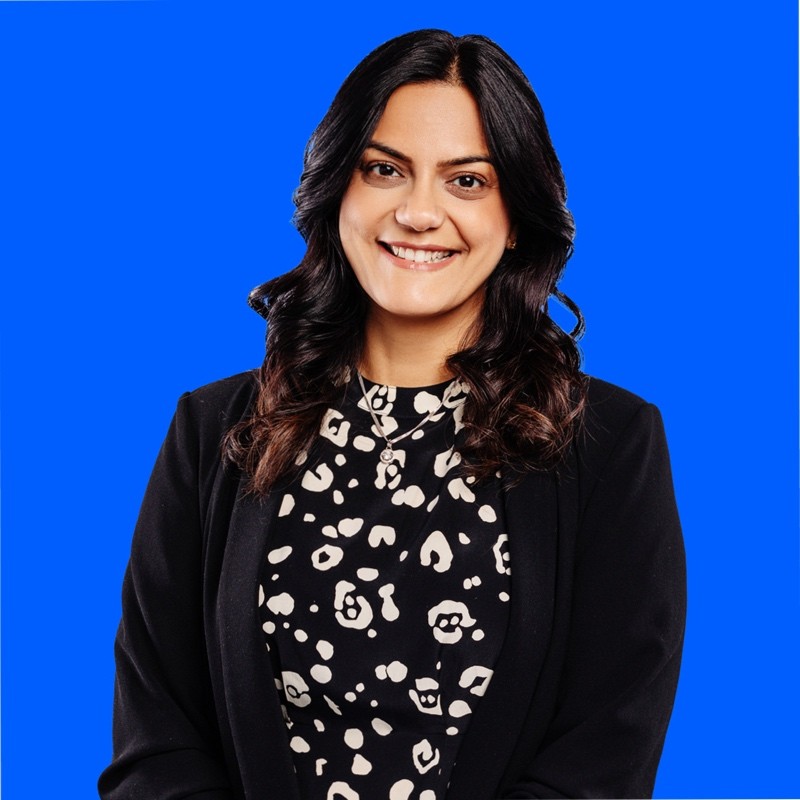
In this episode, Deepali Chawla, Chief Treasury Officer shares how she navigates these challenges while leading the global treasury function at Moody’s Corporation.
Listen on:



Featuring

About this episode
Deepali Chawla is the Chief Treasury Officer at Moody’s Corporation, where she leads the company’s global treasury function. She brings extensive experience in treasury strategy, financial risk management, and liquidity oversight, along with an international career spanning multiple markets and leadership roles.
In this episode of the Treasury Career Podcast, host Mike Richards speaks with Deepali about her journey into treasury and her leadership role at Moody’s. She shares insights on leading a global treasury function, managing risk and liquidity in a volatile environment, and how treasury has evolved into a more strategic business partner.
Deepali also discusses the role of technology and forward planning in modern treasury, along with the mindset and skills needed to build resilient teams and successful treasury careers.
What We Cover in This Episode:
- Deepali’s early career journey and transition into treasury
- Building a career internationally and adapting to new environments
- The evolving role of treasury within global organisations
- Leading the treasury function at Moody’s
- Managing financial risk and liquidity in a complex global environment
- The importance of forward planning and preparing for potential market disruption
- How technology and automation are reshaping treasury operations
- Creating a more strategic and forward-looking treasury function
- Building and developing high-performing treasury teams
- Career advice for professionals looking to grow within treasury
You can connect with Deepali Chawla on LinkedIn.
—
🎙️ Subscribe to the Treasury Career Corner podcast – Never miss an episode! Subscribe on your favourite platform:
CLICK HERE for 🎧Spotify Podcasts
CLICK HERE for 🍏Apple Podcasts
📊 Managing short-term cash and investments – Without the right technology is a huge risk for modern treasurers. Tradeweb changes that!
🎓 Save $150 on CTP & FPAC– Exclusive discounts for treasury professionals – thanks to our trusted partners.
🧠 Leadership Under Pressure – Practical tools and coaching that work – from the team at Gazing Leadership
🧩 What if your whole team had one clear view of your group structure – Fuseable makes it happen
🔐 Managing signatory lists manually? Cygnetise gives treasury teams a smarter, safer way
👉 FIND OUT MORE HERE https://treasuryrecruitment.com/partners/
Mike Richards, CEO, The Treasury Recruitment Company: These are some of the insights you’re gonna get from Dipali, choler, managing director, chief treasury officer at Moody’s. Have a listen.
Deepali Chawla, Chief Treasury Officer at Moody’s Corporation: I would just say two things, like a little bit of patience and, and do what to do and, and forward looking mindset. I think those two key things are very important. And again, I, I say that because you know, many times in our early stages of cardio, we get very patient, like, you know, we don’t, we wanna move up quickly, we wanna, you know.
Deepali Chawla: Financially to better every time we do that, and you wanna make those job changes very quickly. Just don’t think about your growth as vertical as one direction like that. It can be sideways, it can be, you know, multi-dimensional. You need to make sure that you get as much as possible, get all rounded experience that you can get.
Mike Richards: Welcome to this week’s Treasury Career Corner podcast, where I interview treasury professionals about their treasury careers. Each and every week, I’ll talk to treasurers about how they build their careers, where they are now, where they see both themselves and the treasury profession. Going to next, let’s get on with the show
Mike Richards: in this week’s show. Delighted to be joined by Dipali Choler, the Chief Treasury Officer at Moody’s Corporation in a world shaped by increasingly interconnected risks. Moody’s helps customers develop a holistic view of these risks to advance their business and act decisively. They provide data intelligence and analytical tools to help business and financial leaders make competent decisions, and they have highly skilled, endless rich data and robust tools that have.
Mike Richards: A way, a view of the future informed by more than 115 years of experience. I will get to explain a little bit more about Moody’s later on the show, but I’ve known to Parley for many years. She’s very kindly agreed to be one of my upcoming guests in New York. Thank goodness, because we had a rehearsal. We did it a couple years ago, and she was a great guest in London.
Mike Richards: So look forward to reconnecting to Par. Enough from me over to you. How did it all start? Over to you.
Deepali Chawla: Thanks, Mike, and always great to be connected with you and participate in your forums. Thank you. Uh, and I can, I can say that for sure that those are one of the highly engaged and network and, you know, great discussions always with a lot of the, the network that we connect with there.
Deepali Chawla: So thank you. Thank you. How could it all start? So. I think coming from, you know, India to Belgium. Yeah. You know, right after I got married it was, it was tough as is finding a job given the language and other constraints there. So yes, you, but having done a finance MBA, you know, that felt like my natural space, safe space, and I was lucky to be.
Deepali Chawla: Able to land my first job with Hewlett Packard at that point in, in accounts receivable processing, which I did for about three years, including a huge project, which was to transition all of that receivables function to a shared services center in, in Bangalore.
Mike Richards: Right.
Deepali Chawla: And then as we decided to, as a family, we decided to move to uk.
Deepali Chawla: My preference was, you know, to, to do with an internal transfer as much as I can, because. So then not starting from scratch again, ground zero. Given that, you know, I knew the company, I had made a decent network. I knew the culture. And, and as luck would have it, you know, I was looking for an opening in, in the UK and the treasury job came up.
Deepali Chawla: I had never heard of that function, or I did not know much of it. So, you know, isn’t, that isn’t a stream that you actively work your way through in school. So just knew it was a function within finance and that was enough to give me that comfort. With that, I just decided to go for it and of course have never looked back since.
Mike Richards: Excellent.
Deepali Chawla: Last part.
Mike Richards: And so that transition, what was that like in the early years? ’cause you, you got to know HP and things, but early learning curves and things that must, you know, that’s a heck of a, an intro if you like.
Deepali Chawla: Yeah, I mean, look, as I said, you know, having done my maths degree and, and my finance MBA numbers were my thing, but.
Deepali Chawla: It was learning on the job because, and, and that’s how it was for me at the early stages in, in treasury. I, I do consider, to be very honest, HP was like my treasury school, and that was what set my foundation in treasury, starting right as a analyst, doing day-to-day cash management on bottoms up, you know, when back in the day, this is like 20.
Deepali Chawla: 25 years now.
Mike Richards: Yeah.
Deepali Chawla: Where we were still implementing in the implementation phase of treasury system. You know, FX trading investments are still down The legacy where you pick up the four, you call five, 10 banks at the same time and you trying get the best price you can, everything. So nothing all automated and streamline as we have it today.
Deepali Chawla: So, you know, each day was a different experience and, and it was interesting. It was challenging the same time and it did make me. Nervous. It did make me unsettled, but that is what kept me going. And so I think it was more about, more importantly, with treasury, aside of corporate finance, I would say we was still finding its place within the regional setup.
Deepali Chawla: So I think there was, there were a lot of challenges as such for the function that we operated in, you know, business partnering, trying to prove treasury as a value added function. So it was. I think those were, for me, the, the most formative years. Yeah. And then the opportunity to move within treasury, from cash management to treasury systems to business partner, you know, over time as you grow.
Deepali Chawla: So, you know, not to miss that there were some of the great managers that gonna work with some great mentors who helped me through that and supported my journey. So I think it is, I, I thought I got the. You know, I was lucky to have that entry to
Mike Richards: Yeah. And the way that I remember it being organized. ’cause I’ve recruited lots of the team, you know, back in the day and, you know, lots of the guys there and the, just to describe it for the audience, ’cause they, they might not know that Hela Packard at the time, certainly in the, the, in the uk you had, if you like, there were three parts of treasury, the capital market stuff that was done in the us but you had day-to-day ops and cash management things.
Mike Richards: Then you did that and a lot of the time as you did, you then moved across to, so you knew all that side of things, but then you would do consulting. Can you explain to, you weren’t really, you weren’t an external consultant. You were an internal consultant, so you understood that, but that gave you a great.
Mike Richards: You knew the workings of cash. What, why was, did that make you a stronger treasury practitioner at the time? Would you say,
Deepali Chawla: once you’ve done your day to day, you understand the intricacies of what goes into operational aspect of managing an entity? Liquidity funding, making sure cash is there at the right place, right time, right currency, but then what is the actual functioning of that entity?
Deepali Chawla: Right? How does that entity operate? What isn’t revenue looking like? What is the expense looking like? Is it a cost plus entity? Is it actually having certain contracts? Then what is the right setup of that entity? Right? What, what should the contractual billings be in? You know, where is it that it creates an impact when it comes to the actual hedging elements, right?
Deepali Chawla: Yeah. Local gap, local stat level, and then the data, us bureau us at border companies, US level. So going and just going behind the scenes, so to say, right? And then working actively with the controllership teams, with the business teams. Trying to create that space to where you are not seeing as someone who’s just pushing the buttons on making sure you have cash available here, but taking a step back and saying, okay, are we set up the right way?
Deepali Chawla: Is this is if, if you’re a dollar functional entity or if you a Euro functional entity, are we functioning the right way and are we posing any risks in, you know, just signing contracts for the heck of trying to get our contracts in place? Tried to partner with the business really. And that just went on right as we acquired, as we grew, and as we put on more on our plates, getting the right structure also more broadly for treasury, what it meant to have the right cash polling solutions in place.
Deepali Chawla: So it was a bit of a comprehensive view of landscape there. And
Mike Richards: so you were here at Hitler Packard, and then you made the move to ge. Can you. Explained to us, you know, we’ve had other, we were just talking earlier, Tony Masson and different people, and when you joined GE as, as I’ve said, I think to you and other people, that when you joined ge, it was GE Capital, massive business factor was bigger than actually GE at one stage itself.
Mike Richards: What was GE at the time? Because also it was an interesting one to be a tremendous change. When I used to recruit for ge, it was in two years you’ll be in a different job. Four years, you’ll be in a different country. You know, that was it. That was, that was the way, and if you didn’t like that, you go, but you were going through a massive change at the time.
Mike Richards: Can you talk us through the role that you took on there and things?
Deepali Chawla: Yeah, I mean, I think ge, again, I was there for about seven, just five, seven years. And I think those were really transformative as well in terms of the, the learning graph and, you know, what we did accomplish in, in those and, and, and what I did accomplish in that time as well.
Deepali Chawla: Worked with, as I said, some of the great people, you know, gee is, gee, I generally feel has the alumni, you know, we are still very connected and it was great. I actually, Tony was the one who, who was my hiring manager at that point. And the, the task was to set up the entire treasury, sort of cash management focus auction, because that was, everything’s centralized in the US but you know, we had grown so much outside of us as.
Deepali Chawla: Banks or FI finance. Financial institutions and that it required a little bit more of near time support. You know, as we grew, as we were so regulated, we wanted to make sure that there was that view of are we, are we managing our cash the right way? Do we have the right structures in place? Are we. You know, timely able to address our regulatory requirements of, you know, looking at how we should be calculating our risks and so on, so forth.
Deepali Chawla: So there was that requirement and then I was brought in and I had to then build a sort of team around me to be able to support that as well. And then of course the ball dropped where we decided as, as an organization, there’s two huge, some witness that. You know, there was a decision made at the top to where G capital would be wound down.
Deepali Chawla: And so as part of that, the last three years or so of my job was really working on divestitures, you know, working piece by piece, trying to sell off assets, trying to sell off businesses, working very closely with, with the business development teams and trying to do that. I think that those three years were.
Deepali Chawla: The most steep learning curve for me because you’re not only addressing, you’re calming down, peaceful, you’re assessing the impact, and it’s BAU at the same time for what’s remaining. So it was a fast paced time at that point as we went through that.
Mike Richards: Why was it so important, you think, going through that experience versus you’ve gone on the way up, but then you are then, as you say, carving out this business, you know, splitting out into pieces.
Mike Richards: Why did that make you a better treasurer?
Deepali Chawla: Because you’re also working with the actual bio, right? You’re also trying to assess where they stand in their evolution of treasury. What you know, are you selling it to a mature institution? Are you selling it to a. You know, more like a PE startup where you know they have nothing in place and you’re helping them and you’re trying to assess as, and as I said, at the same time, the challenge was there is an operating element of what is there already.
Deepali Chawla: So your day job is still there. This is what you’re doing over and above in trying to make sure that you have the right structure in place to. Take and offload and, and then support them to during the, the whole TSA process as well, right? Yeah. To me it was, you know, it felt like there was no there of excitement because you, you, there is a different issue every day, right?
Deepali Chawla: Yeah. In terms of, as trying to manage not only the newer setups, but the existing ones, and then again, the risks associated with those. Right. On the hedging side, on, on, you know, banking relationships. All in facilities, everything around the same time,
Mike Richards: and then talk us through the next move to Huawei and things like that.
Mike Richards: What happened next?
Deepali Chawla: Yeah, so again, I think I wasn’t, you know, when we knew there would be an end date to our jobs at best, I wasn’t looking to move to the US although that was an option at that point. But you know, G still had a lot of industrial business and also a lot of the capital remaining right to where I could have tried to move.
Deepali Chawla: But I intentionally thought, you know what? Maybe it’s a good time to take a break, or at least so I had planned, but then, you know, I was approached for this role with Huawei while I was still with GE or just finishing off a ge and it felt like a very interesting role where you are working for the CFO office as it used to call it, to where you’re part of the financial risk committee and review.
Deepali Chawla: How they operate. So treasury being one of the functions and you write white papers or report and you report that I 20 to CFO and recommend of the known risks and the unknown, right? So what they have already planned for and trying to work towards and. What is it that the company’s not thinking about in terms of how other corporates are doing it?
Deepali Chawla: So it was a bit of a benchmark, bit of a bit of a risk finding sort of approach. And you, you make a recommendations and then those recommendations go through review process and you know, they get implemented. So I, in my time I was there for about two years and in that time I did three white papers and all well accepted and absolutely different world culture.
Deepali Chawla: As well, you know, managed to, to experience China a great deal as well through my two years and the few trips that I had. So, again, amazing experience at just looking and thinking, you know, how it could be different from private to public. You know, how that relationships matter. You know, how they do what they do.
Deepali Chawla: So again, a a great sort of extended in my career.
Mike Richards: And then you made the move to Moody’s. Can you explain, well, when you joined Moody’s, what sort of 2019 or whatever. You know who, who are moody. Some people have an external view and things like that, you know, and your role there and you know, to explain.
Mike Richards: You know, you, we’ve got the public statement, as I said earlier, but didn’t, it didn’t really explain who are the company, if you know.
Deepali Chawla: So when I joined, uh, as you know, again growing up within Treasury as well, I also knew Moody’s as a ratings company, right? Yeah. And that’s when I was first approached for that role.
Deepali Chawla: That’s what my, um, impression was. We are a ratings company and that’s how I would tell everyone that I’m going to, you know, try and get into that company because, you know, it’s great to understand. What given the level of insight at Moody is 120 5-year-old, we just actually celebrated 125 years.
Mike Richards: Yeah.
Deepali Chawla: From the time that we started as an organization, the the pace at which things have evolved within the organization. Right. Right. From being bought and then, you know, spinning off again by Dun and Bradstreet and now, you know, being the organization that we are. You can assess on how the growth has been. I think for me, when I joined Moody’s, it was, I, I was amazed in terms of one, that the value that we bring in terms of just addressing the risks across the globe, right?
Deepali Chawla: Our ratings matter. And I think especially after the 2008 crisis Mortal, right, where, you know, it was, it was realized in terms of how important and how timely these. These decisions need to be from a, from a, both from an issuer standpoint and also from an investor standpoint. And then I was also aware of the massive analytics, uh, that we offered right at the back for the data that we have of, at the back of, we had just gone through what I joined, a massive acquisition of Bureau and Dy.
Deepali Chawla: Which was a game changer in our analytics space. And we had, you know, we acquired such great products in terms of K by C in terms of a ML and I think that it just felt like we were on this whole transformation journey. And I, I wouldn’t have asked for a better place to, to go through with that. It was again, about setting up everything from scratch.
Deepali Chawla: We, we, we, you know, we were just starting with our. Thought process on cash flows in Europe. We had nothing in apac.
Mike Richards: Yeah.
Deepali Chawla: And so it was important to again, set that foundation, right. And build the teams as I went along as well. So that was my, my start.
Mike Richards: And what’s it like for you? You know, as you say, Moody’s has this, you know, analytics, you know, background and assessment of companies and things like that.
Mike Richards: So you go in there and. You are operating inside, you know, you’re not, you know, an external party, you’re suddenly seeing it from the inside, you know? Does that give you a, a, a superpower that you can use lots of that stuff? Or what’s it been like sort of to have hands on? Or do you just implement that straight into treasury?
Deepali Chawla: So if the, if the question is more around. Do I get any benefit because I have more insight as a treasurer of anything that might or might not happen with the market. So I, I, I operate similar as a treasurer, I would still be do the same thing as any other treasurer would do. That is, you know, staying on top of what’s happening in the macro world.
Deepali Chawla: Right. Assessing my own position in terms of, you know, what it, what my capital allocation strategy should be, you know, right from reinvesting back in the business or you know, in terms of, you know, how we support acquisitions, if that’s best way organic, inorganic, and then, you know, the most important, the return of our shareholder return, right?
Deepali Chawla: So. I think that’s how we would look at it. The, the best part of being with, as a treasurer for Moody for me is when as a treasurer, somebody would go and say, okay, is this the right time for me to go into the market at issue? It’s the right time, you know, what is, what is moving the, the trench curve, right?
Deepali Chawla: 10 years, five years. To me that. It translates a level further because that is bread and butter for us.
Mike Richards: You walk across in the office and go, can you just tell me if,
Deepali Chawla: if you’re not, if the, the company’s issuers are not issuing, if people are taking, uh, safe stance and or not investing in their deep, analytical research to try and understand what risks apply to them or not.
Deepali Chawla: That impacts us as a company. Yeah. Right. That is actually where we feel the, the hit on our, on our, on our actually bottom line and top line. Right. So, again, we to, so to, to me that was powerful, right? To be able to get to that level of understanding with the market movers and then be able to translate that back into planning for our scenario modeling, COVID happened, right?
Deepali Chawla: And then we had a different era of where we went. To complete zero rate environment debt. The rates started picking up and then all of a sudden it felt like, oh, debt was so expensive. Right. And so I think just going through that in terms of understanding not only as a treasurer, but also for the, from a company perspective, what it meant for us.
Deepali Chawla: I think that has been, that has been a unique, you know, place to be for me.
Mike Richards: There’s a, there’s been a big global aspect to you and your treasury career and you know, you were in London, now you’re in the US and things like that. You know, having led these treasury teams across these different regions, what, what surprises you maybe still, or what is common, but you know, what, how do you do it?
Mike Richards: You know, again, if someone’s listening today and they’re relating to their colleagues and things that, what, what are the key things? To dos and the not to do sort of thing.
Deepali Chawla: Yeah, I think, you know, I was part of, even to the point I joined, and again going back to he then GE and wewe and that was a regional setup as well.
Deepali Chawla: But then I, large, part of my career has been outside of HQ right now. Of course I was, you know, with, with Woody, with the global treasurer role and I think that was, to me, you know. Again, sort of a factor of the, of where, you know we are today with technology, right? I mean, COVID showed to us that
Mike Richards: yeah, you
Deepali Chawla: do, roles can be done from anywhere and you can still get through with the level of interaction you need to be.
Deepali Chawla: Thanks. It feels like we’re in the same room. So again, yeah. You know, it, it was, it was, it was, it was again, transformational. But I think the. I don’t think anything surprised me when I started working globally. I think the best part of working in a global role for me is you, you’re more connected to the, to the core of the company.
Deepali Chawla: You’re no longer taking a very siloed view of. You’re planning you, but aligning yourself increasingly with the corporate strategy and objectives. So that is a, that is a slight shift, but I don’t think it’s a surprise. More so, but a mindset shift.
Mike Richards: Right.
Deepali Chawla: So again, I’ll take a small example. When I was with international, as an international treasurer, right?
Deepali Chawla: I was thinking more from the lens of the local entities, their local STA reporting. What it meant now, if I look at it from the global role, creation of funds from international PAC to HQ is such an important part of how we fund our capital allocation priorities today, right? So when you are leading a regional team, you automatically try and take more in terms of global entity and what it means for local regulatory approvals and apply more of the conservative side of the world of the, of the things.
Deepali Chawla: But when you’re managing the same thing at a global level, you are thinking more on, uh, at the top of the house at the corporate level, and you get a little bit more aggressive in terms of how you mobilize that liquidity to avoid that external debt service cost and, and how you can. Maximize the shareholder return.
Deepali Chawla: So I think that is a mindset shift. It wasn’t really a shift. More so in in terms of, you know, it wasn’t a surprise, but I think it just, you just have to change the way you look at it because you’re more connected at the top there.
Mike Richards: And is that a change in leadership style, would you say? Is that the way that you relate to your teams, or is it just the way that you sort of.
Mike Richards: You coach them or lead them?
Deepali Chawla: I don’t think leadership style changed as a people manager. I was a people manager then. I’m a people manager now. In both cases, you retain the accountability and responsibility for the decisions you take. But yes, the severity of that increases as a global treasure because you have to manage it many different levels at directions.
Deepali Chawla: For me, as a treasurer. Mainly two things. You build your team and the profile and talent within that, and at the same time, you have to upscale trench as a function within the company, right? Uh, you know, how you, the face of Moody’s, right? So again, you don’t manage down as necessarily, but always sideways across all levels, internally, external.
Deepali Chawla: I think that that to me is a bit of a shift in the leadership style.
Mike Richards: And so again, this is an advice show. If someone is. Listening today, and they go, I want that job. What should they do or what should they be anticipating, if you like?
Deepali Chawla: I’m very grateful for the, for the powers to, to that, you know, to be for the career that I’ve had.
Deepali Chawla: And, and you know, I, and, and I don’t think I would like to go back and, and change much of that and, and that in, in that sense. But I think if somebody is trying to now get on and try and think of aspiring to be, you know. Targeting like a treasurer sort of role and trying to progress their career up. I would just say two things, like a little bit of patience and, and do what to do and, and forward looking mindset.
Deepali Chawla: I think those two key things are very important. And again, I, I say that because you know, many times in the early stages of career we get very patient, like, you know, we don’t, we wanna move up quickly, we wanna, you know. Financially to better every time we do that, and you wanna make those job changes very quickly.
Deepali Chawla: Just don’t think about your growth as vertical as one direction like that. It can be sideways, it can be, you know, multidimensional. You need to make sure that you get. As much as possible get all rounded experience that you can get, you know, treasury as you know, has so many sub-functions within there. I mean, there’s a, there is the, the systems aspect and there’s a aspect.
Deepali Chawla: There is a, you know, what you, how you work together with other things like insurance and, and. Expansions and so on, so forth. There is so much to be learned and so much to be done. So try and invest that time with it, getting that all rounded experience and then, you know, growth will happen. It, it will happen.
Deepali Chawla: I think I said that’s where the patient’s element. Element comes in. So I think the, the, the one advice is, you know, to, to be able to just get yourselves more grounded and more aware of your organization that you worked for, right? And be more connected with them. Be, be more understanding of what those.
Deepali Chawla: Metrics mean and how it impacts your organization. And I think attend those investor meetings because sometimes just listening or reading that helps. And I think, I wish I had known that at my early stages as well because I think I started doing it.
Mike Richards: I talked to a number of treasurers, you know, 400 plus on this.
Mike Richards: And I think, you know, one of the observations actually. I was catching up with someone today. He was on an episode back in 2019. It’s crazy. No, he, one of the things we touched on is that both he and I think that, you know, we were talking about treasurer roles or treasury roles in general have become a little bit more intense in, you know, there’s more, I think there’s more connectedness.
Mike Richards: I think, you know, at one stage, treasury led itself be pushed to the corner and it’s now back out of that, and it’s more mainstream. But if you look at that yourself, you know, how do you. Deal with number one, that intensity, then how would you recommend others do it as well?
Deepali Chawla: Yeah, I mean, treasury, I think given the volatile environment, we were just discussing that earlier, it has been, I mean, given how we operate today, I think every day is something that is intense for us.
Deepali Chawla: It keeps us going. Right. You don’t know what you wake up to as an announcement.
Mike Richards: Yeah.
Deepali Chawla: And then, but I think we have a lot to learn from some of the previous, you know, sort of crisis that I would like to say, like the 2008.
Mike Richards: Global financial crisis and COVID
Deepali Chawla: more problem sometime, or even collapse. We can kick off it in different ways.
Deepali Chawla: And then the COVID pandemic, which was followed by the regional bank crisis as well. So I think both times, one thing that has stood out for me is that you should never implement changes to systems, policies, procedures. Start building the when you are in a crisis situation. You need to always plan for these things much in advance.
Deepali Chawla: And that’s why, you know, I think for me it’s the scenario planning. It’s the trying to make sure that your playbooks are always updated. Like if I have the situation, then what is the level? Where is it that I can tap into? Yeah. And if that also feels what next, what next? I think we, that has to be the, the mindset that we, we operate with.
Deepali Chawla: I mean, idea is to always do a full wellness check, so to say and test. Everything frequently. And, and again, I think the, the pressures are around. I mean, every time we’ll always be challenged by, you know, where do you invest your time? Where do you, where do you want more, what do you do more of? What do you do less of?
Deepali Chawla: And I think that’s the balancing act that we need to constantly be, you know, keeping PAU again, operational aspect in mind. Yeah, I think there’s always that. And now with the whole AI. And the tech that we speak is the, the fast pace of what we are seeing evolve. I think that’s, that’s another thing that is coming to us fast.
Mike Richards: So you’ve got these pressures, you’ve got the intensity, you’re dealing with all that stuff. And now technology coming this way. And I know that CFOs, I’ve talked about it on the show before where CFOs, you know, when I’ve described it to people, when they say, oh, what does treasury do? I said, well, your CFO’s got your tax guy sorting out today.
Mike Richards: You know, the tax bill. Financial control. Today’s money and backwards, you know, treasurer is today’s money and you know, can you go and check out these new things Coming along? A few years ago it was blockchain, now it’s AI and technology and you know, you’ll be, you guys are having to deal with, you know, still deal with even more with less people.
Mike Richards: But where do you focus or what do you think is. The challenge for treasurers and how they deal with it going forward. What’s coming down the line do you think
Deepali Chawla: mean? There’s a lot that we could be challenged with on a daily basis, but I think it’s all about where you wanna focus your and your team’s energy, right?
Deepali Chawla: And I think we’re exactly going through that as we set the tone for 26, you know, we are getting together as a team to understand how we align ourselves. So there is a top of the house objectives for the organization that cascades down to the finance objectives. And then we have to build our role as treasury objectives to then plug it with the finance objectives.
Deepali Chawla: So when, simply speaking for me, and I’ll say that cliche, also the one that did was the most return, right? I think that’s where I would focus my energy. But I think RI and. More broadly finance, I think we are always expected to do more with less ’cause we are stewards of financial discipline, right? When it comes to expense management.
Deepali Chawla: So as we need to do all of this, it is important to understand how you best resource and, and anticipate your next need and do that timely enough. So when I’m looking at my objectives for the, you know, I’m not only thinking about how I address my pain points. But I’m also thinking about what would, what it, what would it be that would cause the most shift for me?
Deepali Chawla: Yeah. Or reduce my operational time to then push that more into the strategic slice where of where the team should be focused on. So I think that’s the constant challenge that we. The ecosystem in which we operate today, there has been a huge push and shift of getting that, the data foundation, right?
Deepali Chawla: Especially as we’re stepping into the five, into the AI or the agent AI era, and there we’ll see the most savings or productivity increase, let’s put it like that. Right? So I think the, the ask for me and my team is simply that, try to free your time. In leveraging these tools so we can do more value added tasks like, you know, advising, forecasting and, and trying to understand a question that the, the reasons behind the deviation rather than trying to build something from scratch.
Deepali Chawla: Um, so there is, there is that roadmap that we’re trying to build towards on that one.
Mike Richards: Yeah. And you and I have known each other for many years and things throughout your career. Were you, you know, we’re talking about public speaking and being out there and representing yourself. And again, you joined me on one of my treasure career.
Mike Richards: One lives in London for you now you’re doing it in New York, basically. ’cause I made you, I said, come on, come on please. And he’d been very kind to do so, but. Have you always been, you know, and you gave some great value. I remember everyone coming up after and saying, oh my God, she’s great. I went, I know, don’t worry.
Mike Richards: Yeah. I knew she’d be great. And you were, you give some great value to the, the audience, but is that a natural thing or have you trained yourself on it? How, you know, what should other people listening today do?
Deepali Chawla: You know? It might not look like that, Mike, but I, I don’t think I’m very extrovert in terms of, you know, leave me in a role full of people.
Deepali Chawla: And I do, do get nervous and I do get my. Go into that sort of a shy moment. But, but no, I think it’s, you know, if you wanna talk treasure to me, then I don’t think I’ll be shy. Right. And it, you fly to safe space. And I, and I think I, I found my safe space in treasure. I think as you, as you grow and as you learn in your, in your career.
Deepali Chawla: And, and as, as I said, as much as invest time in yourself. Like what I, I strongly feel that there is, if I am in treasury and if I’m. Totally committed to my role, then I think I need to make sure that I take the time out to make myself a bit more of a well-rounded professional in that space. So that is what I do, and that sort of maybe gives me that confidence to be able to go and speak in an informed way.
Deepali Chawla: And for me more broadly, when I am looking and talking to the younger generation of treasure professionals, I think it’s all about giving back, right? If I’ve made mistakes along the way in my career, or if I think. Looking back now, what I could have done differently or not, or where I got the best, you know, tailwind in my career and how that could benefit others.
Deepali Chawla: That that’s what I would do.
Mike Richards: Yeah.
Deepali Chawla: That’s where I’m to be.
Mike Richards: Yeah. And it’s funny when I, I, well, two weeks out, so I did it in Chicago one time, I was giving a speech. And halfway through someone said, well, you love this stuff or blah, blah blah. And I went, I hate public speaking. They’re like, yeah, of course. I went.
Mike Richards: I said, no. I knew that the only way for us to grow our business in America is to get on a stage to start to be at the front of the room. And that then also led when I spoke at the New York, the Team Mane Conference, New York actually, and I said, and this, I sat down the guy I said. Oh, you did that. So I said, that’s a practice skill.
Mike Richards: I don’t enjoy that. But the fact is, I’m now talking to you and you might become a business partner with us. And I said, if I just sat here and had a coffee with you, am I likely to expand our business? Are we gonna grow it? Are we can do this? He was that. No, I suppose not. And I think a lot of treasury professionals just like yourself, put your hand up and volunteer.
Mike Richards: You know? And just, just get involved like you’ve done as well. So I think that’s key. So you’ve given been very giving of your time. We’re gonna put your LinkedIn details in the show notes. But as we wrap up today, I was just looking at some of the actual questions that usually say about give advice to junior guys and things as you reflect back.
Mike Richards: What advice would you perhaps give to yourself over your career? What sort of advice would you give to people?
Deepali Chawla: So I think, again, I would go back to the same thing, right? Growth happens. But it doesn’t happen every year. It doesn’t happen every two years. Right. I do get a lot of that question when I’m in the year, especially around this time when it’s in your review, right?
Deepali Chawla: To what next? What, what, you know, what can I, when do I expect my next career promotion or, you know, title, my response. You know, again, patience and forward looking mindset, right? I mean, you need to be able to deliver and you need to be able to understand. The broader picture in terms of where and how you can expand, do not be contained in your job because that’s what your description is.
Deepali Chawla: You know, you can make the job, you can make a role to whatever you would like it to be. If you just put your hand up and try and say, you know what, I would like to learn more or do different, or. Move sideways and, and, and cross collaborate or, or, and, and I think that’s, that’s where I think this is the biggest benefit.
Deepali Chawla: If I look back at my career. I think that’s advice I would give to myself as well. That, you know, growth has to happen in all directions. And then, and then again, I think now if you, if you are looking around yourself, and if you’re looking at and think, Mike, you would know that more than anyone else. When you are looking at a, a new job spec for a new hire in treasury, you’re not just looking at.
Deepali Chawla: The basic qualifications, but you’re looking for somebody who has agility, who has adaptability, who can use technology, right? We’re not asking tech experts, but we are asking for somebody who is. Open-minded and can experiment with what’s out there and understand the value of driving what we want to drive from the gigabytes and terabytes of data that we have available today.
Deepali Chawla: Right? So again, don’t shy away, uh, from the pace of the change, I would say. And don’t sit on the fence. You have to be in it to involved.
Mike Richards: And do you think that’s the same for the treasurers as well? How do they do that? What do you think they need to be thinking about the same stuff?
Deepali Chawla: Same stuff. And you know, I mean, just alone last year I, you know, there were a lot of forums that we attended.
Deepali Chawla: I mean, I attended with other treasurers and a lot of the discussions around tables are, tables are exactly the right, not only, uh, teams, but you know, the leader is only as good as a team is. Right. And so if we are not, we doing the same, if you’re not, if I’m not embracing technology, if I’m not. Leading with confidence because I know what it means to do something different that I cannot push that same thing down with the, with the team as well.
Deepali Chawla: So I think the, the, and, and that’s, that’s the theme across our organization. Everyone’s very happy about it. So I think it’s, it’s set with tone from the top. It’s very important. So I think that we as treasures want to make that change. I think we need to be starting with that change.
Mike Richards: Thank you very much.
Mike Richards: I’m looking forward to seeing you literally a month today. On a stage near you in New York, so thank you very much.
Deepali Chawla: Absolutely.
Mike Richards: Yeah.
Deepali Chawla: Thank you so much for having me. My visual pleasure. Thank you. Thank you. Thanks. Bye-bye.
Mike Richards: Before you finish today’s show, a quick reminder, you can earn CTP credits just by listening to the podcast. Listen to the show. Take a short online quiz, pass the quiz, gotta do that, and then we’ll send you CTP credits. This means you can recertify, which I know you have to do every two years, and lots of people do it.
Mike Richards: It’s so convenient. They do it whilst they’re commuting. There might be at the gym walking the dog. We are there to help you. It’s designed to fit around you and your real treasury jobs, not add more work to it. If you are already listening, you might as well get the credit for it. All you need to do, head to the episode page, take the quiz, and as I say, as long as you pass, we will send you the CTP credits.
Mike Richards: I know it’s all part of the service. Thanks again for listening. We appreciate your support. I’ll s
- Treasury is increasingly strategic: Modern treasury functions play a key role in supporting business strategy, not just managing cash and operations.
- Preparation is essential: Scenario planning and proactive risk management help treasury teams respond effectively to uncertainty.
- Technology enables transformation: Automation and new tools allow treasury professionals to focus more on strategic decision-making.
- Global perspective matters: Managing treasury across regions requires understanding different markets, risks, and regulatory environments.
- Career growth requires adaptability: Building a successful treasury career often involves navigating change, learning continuously, and developing a broad financial skillset.
🎧 Earn CTP & FPAC Credits by Listening to the Podcast
Whether you’re at the gym, on your commute, or walking the dog – you can now make your podcast time count toward your professional development.
We’re thrilled to share that Treasury Career Corner podcast episodes now qualify for CTP and FPAC recertification credits through the AFP’s Independent Study category.
How It Works:
- Each episode comes with a short multiple-choice quiz
- Score 80% or higher and you’ll receive your credit confirmation
- You track and submit your credits to AFP directly – nice and simple
➡️ The longer the episode, the more credits you can earn:
- 30-minute episode = 0.6 credits
- 45-minute episode = 0.9 credits
- 60-minute episode = 1.2 credits
No filler. No fluff. Just real conversations with top treasury leaders on strategy, leadership, risk, tech, and team building - everything AFP expects at an intermediate to advanced level.
🧠 Quick Facts:
- 📝 Quizzes are 6 to 10 multiple choice questions
- 🎯 You need to get at least 80% to pass
- 📨 We’ll send confirmation - you log the credit with AFP
- 💼 You can include this as part of your recertification record
NOTE: In line with AFP compliance requirements, no more than two quizzes may be completed per day.
